Variety Succulent · Crassulaceae
Echeveria 'Lola'
Echeveria 'Lola' · A variety of Echeveria
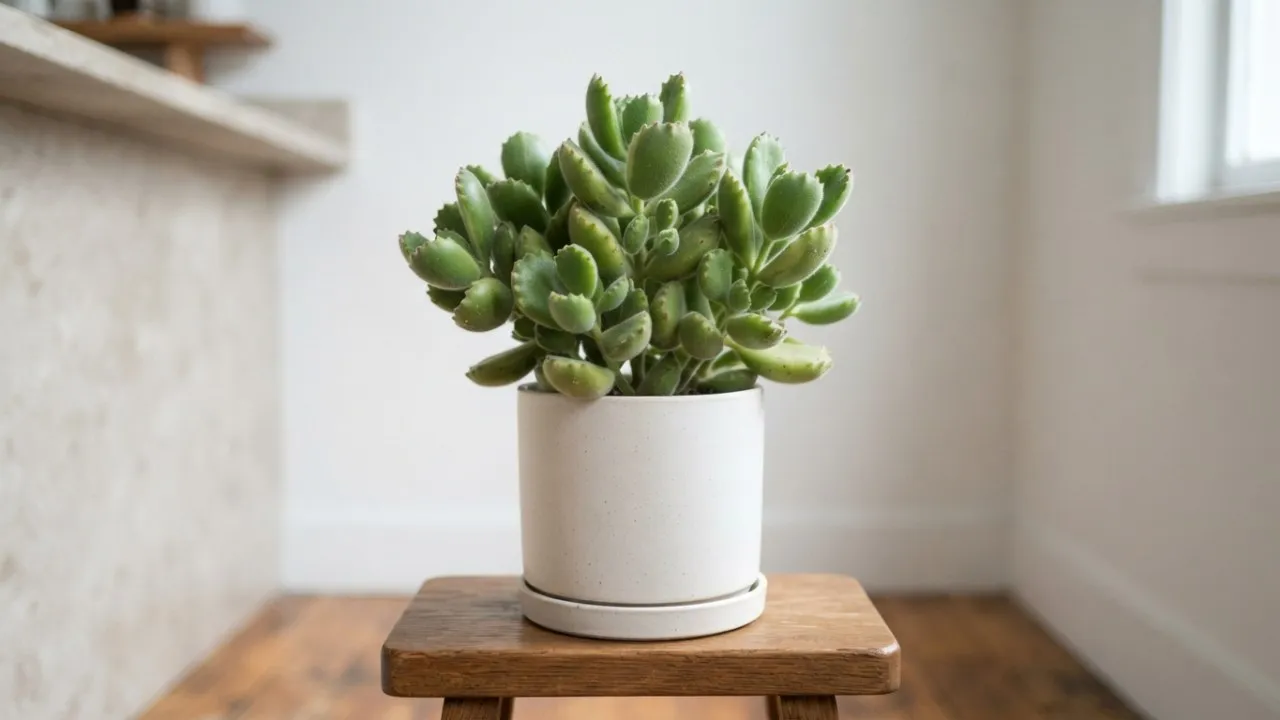
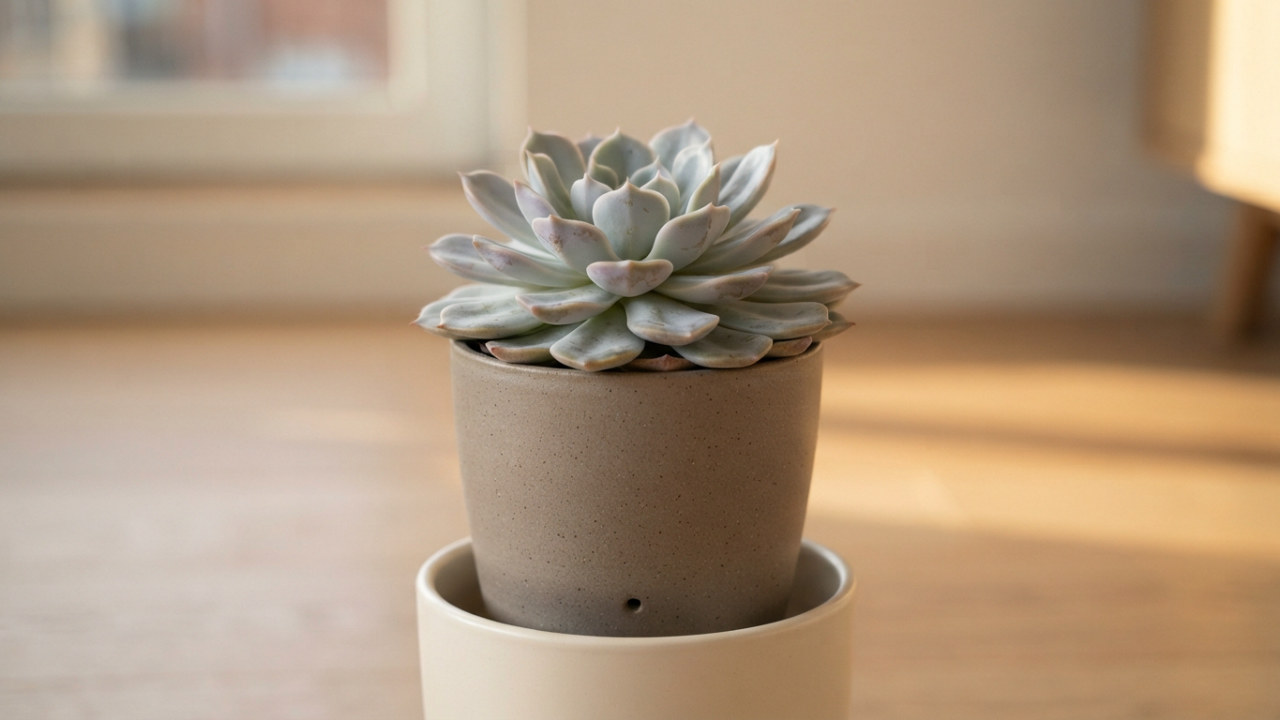
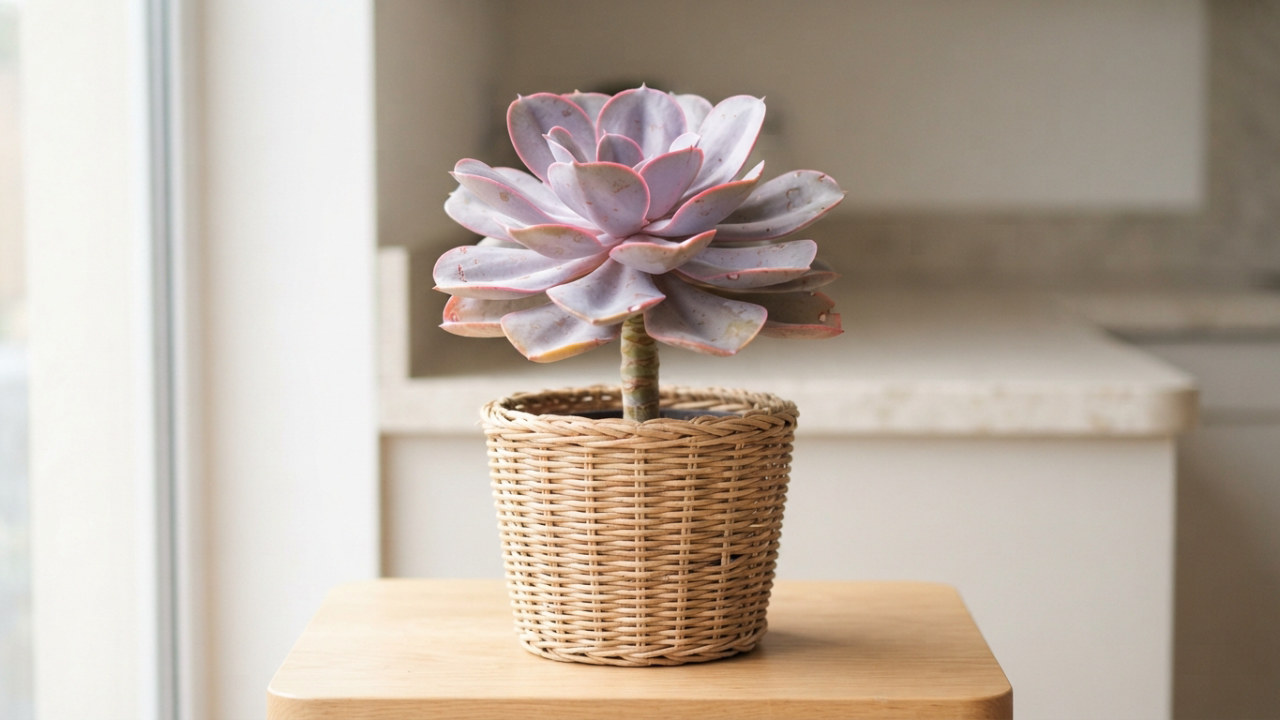
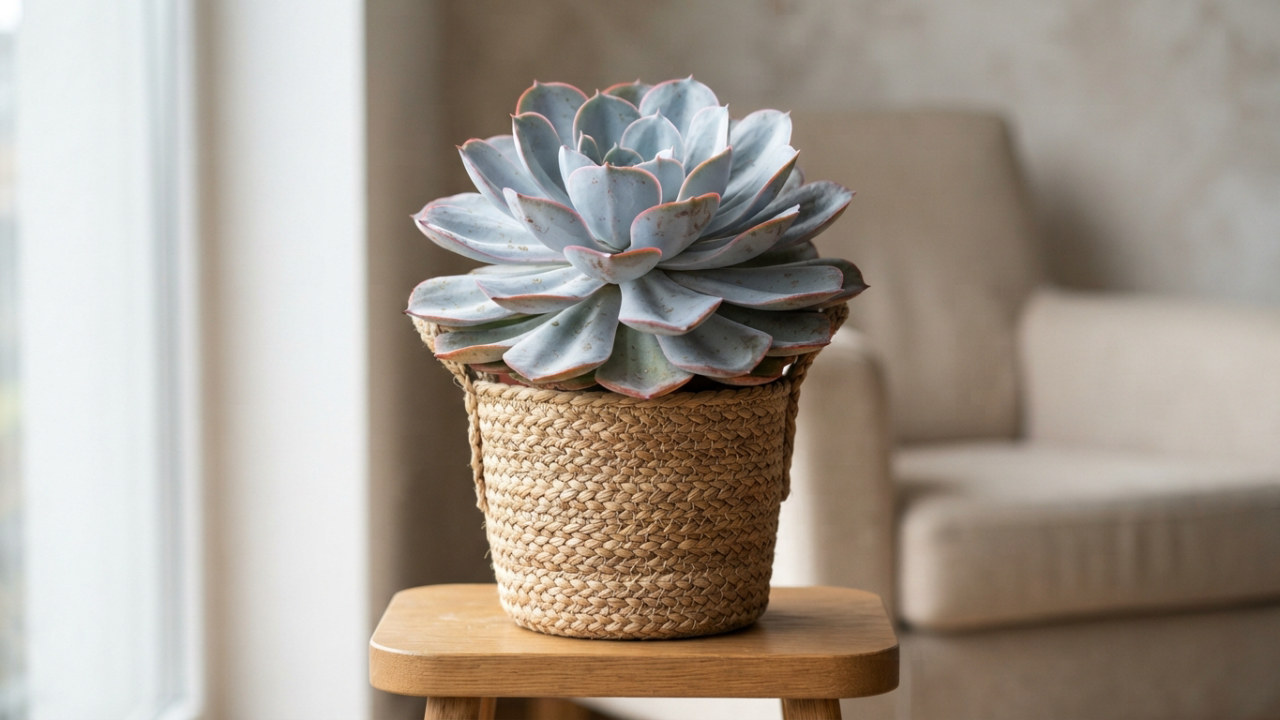
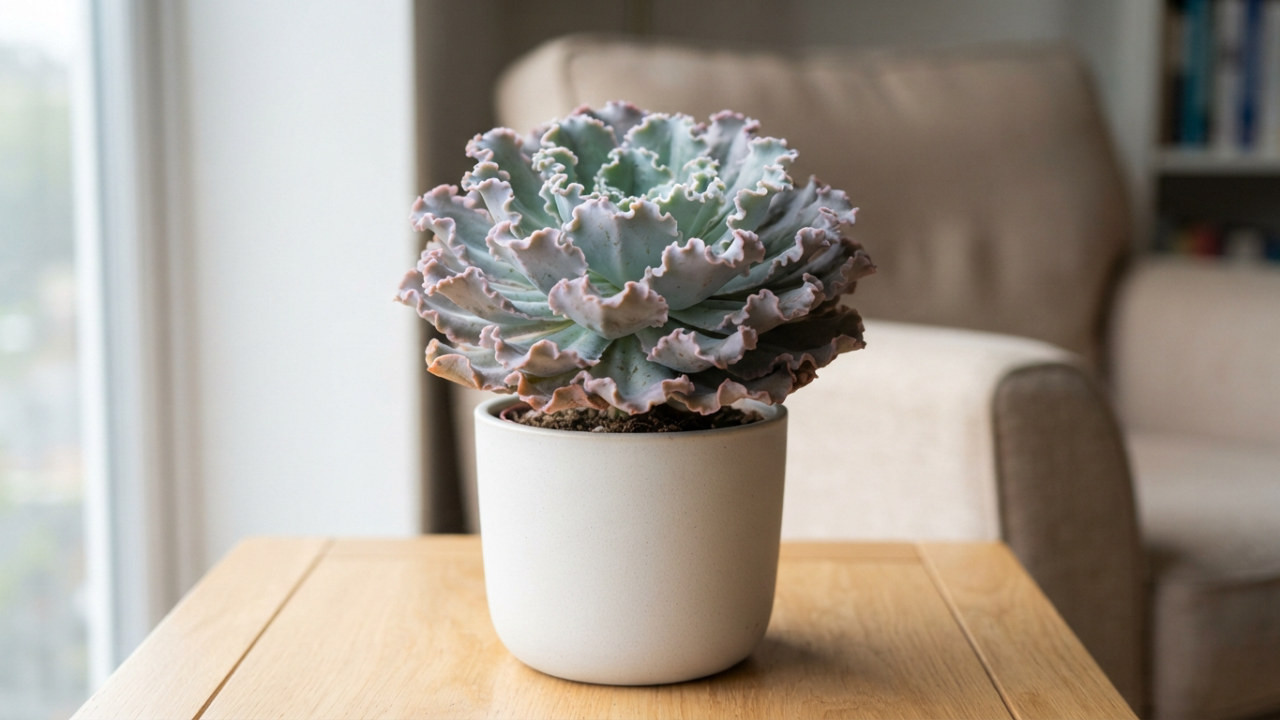
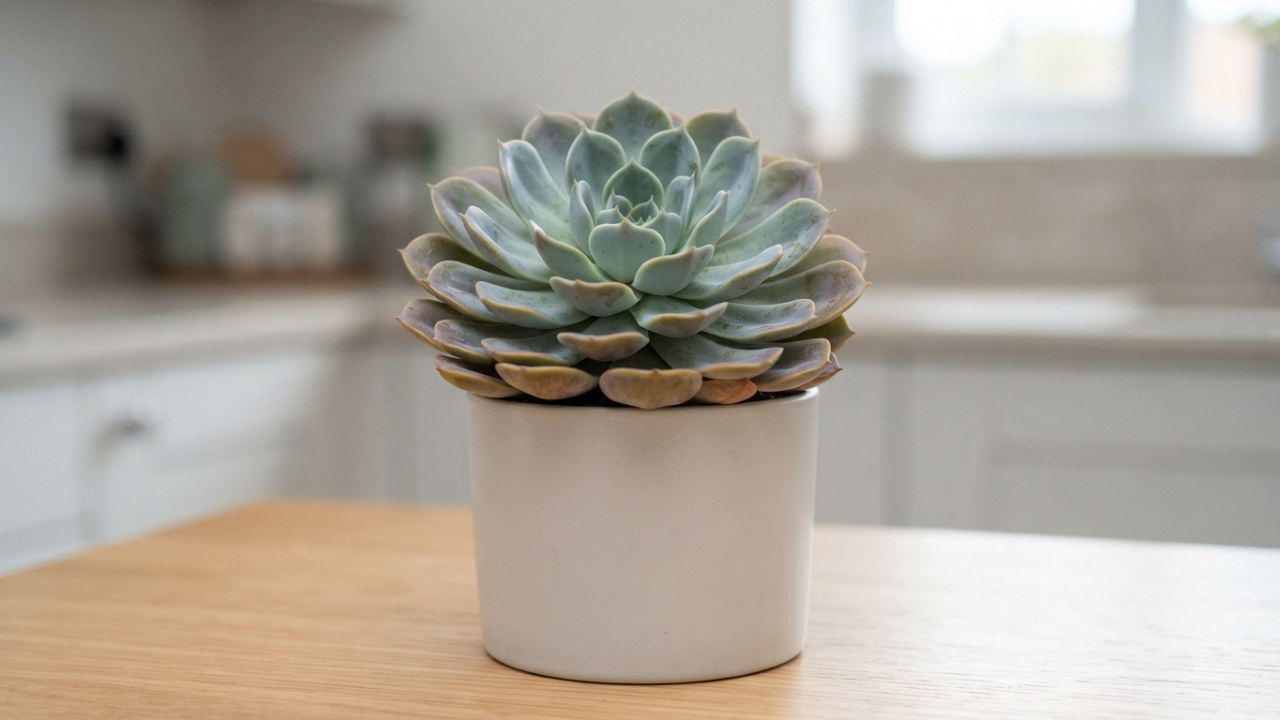
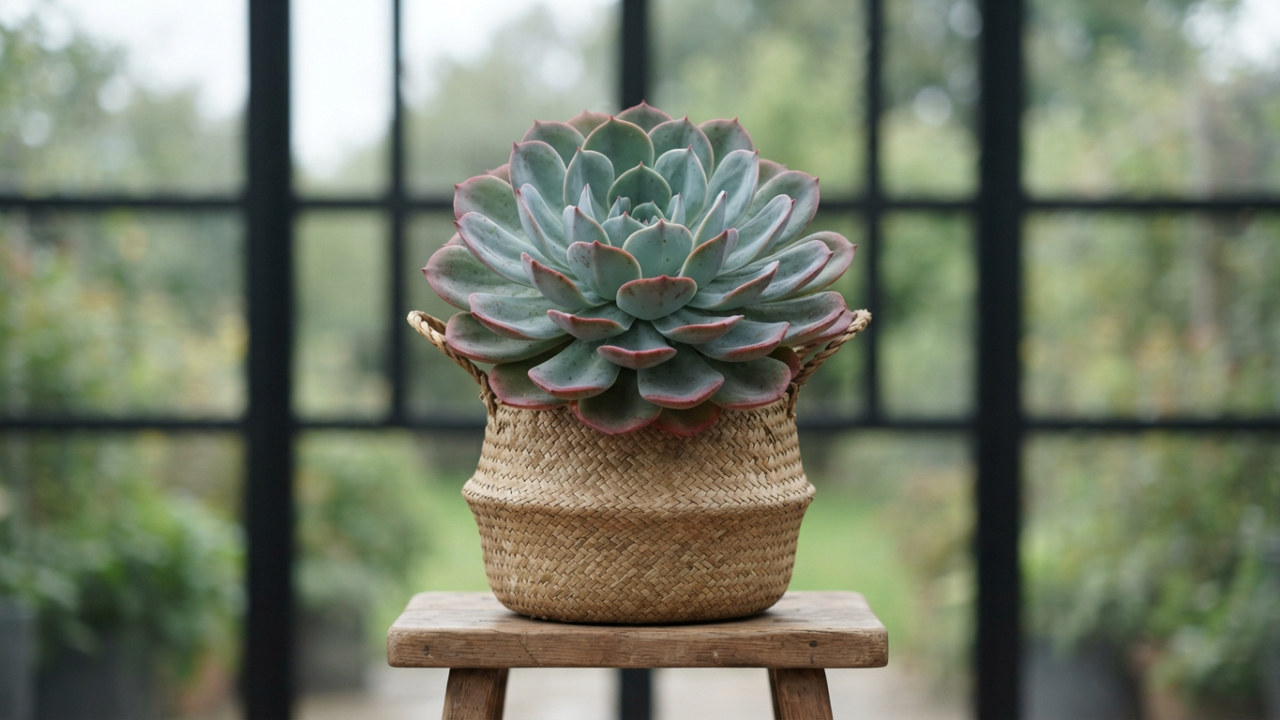
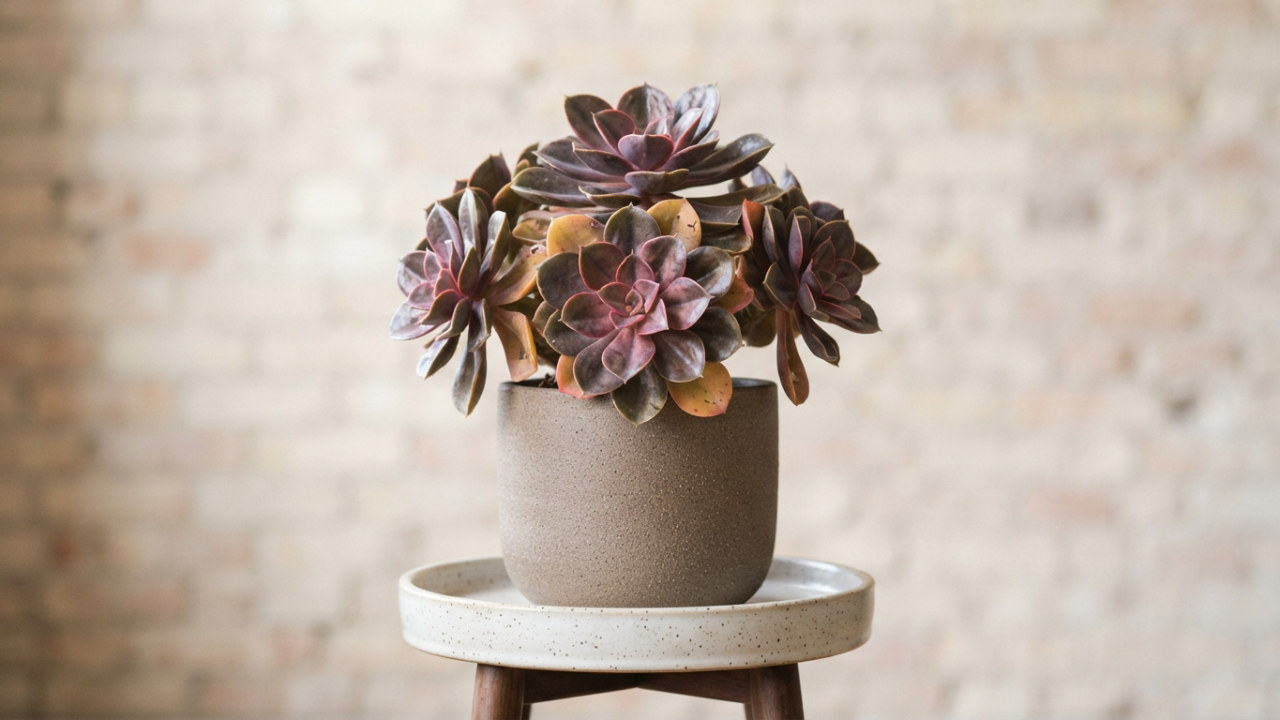
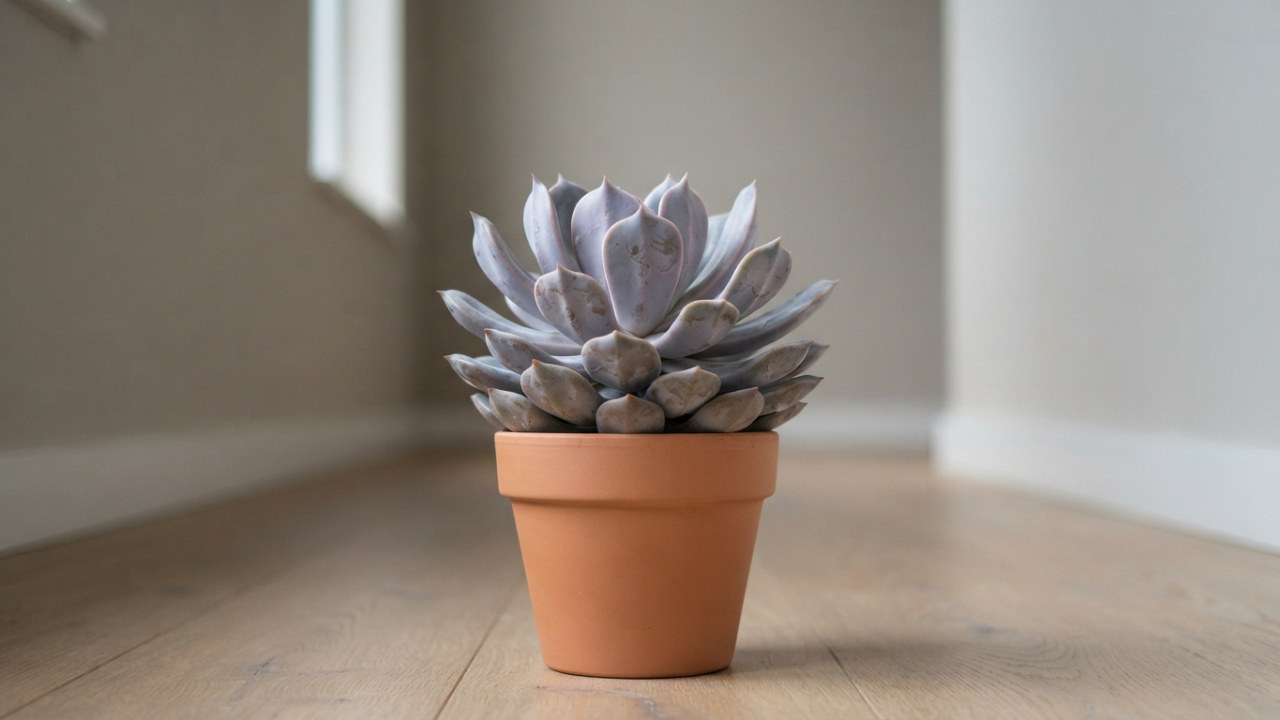
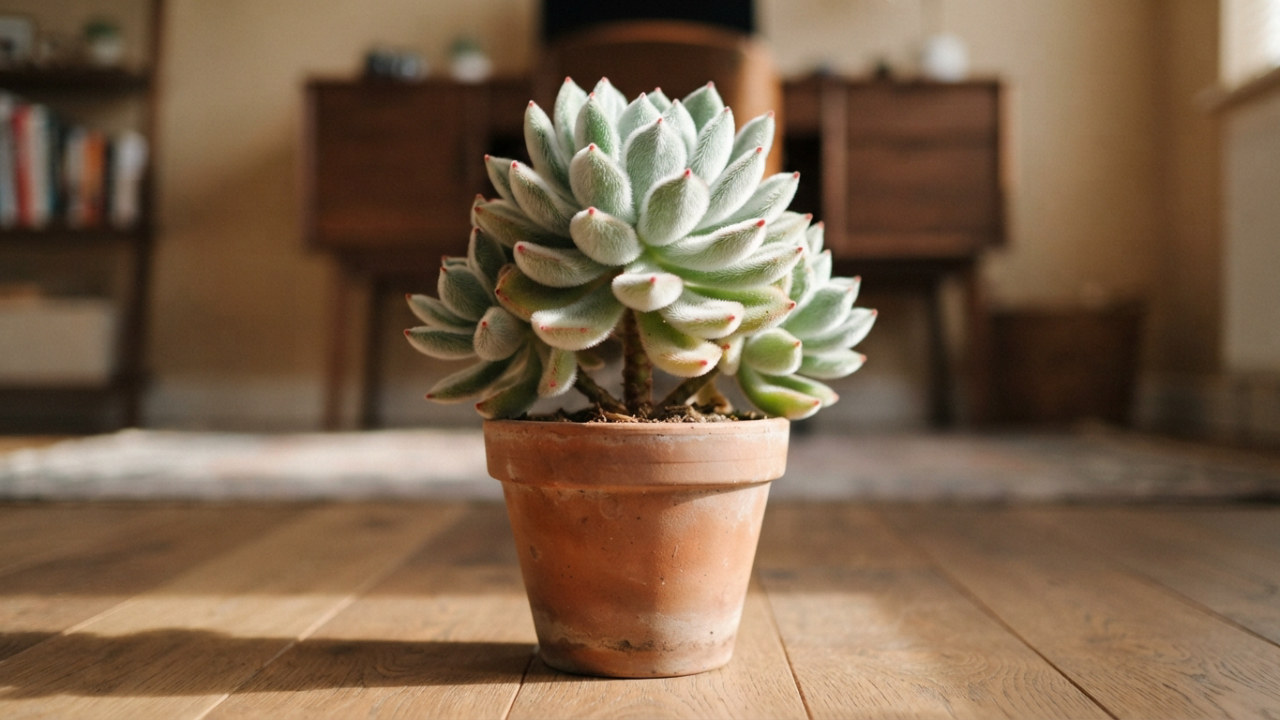
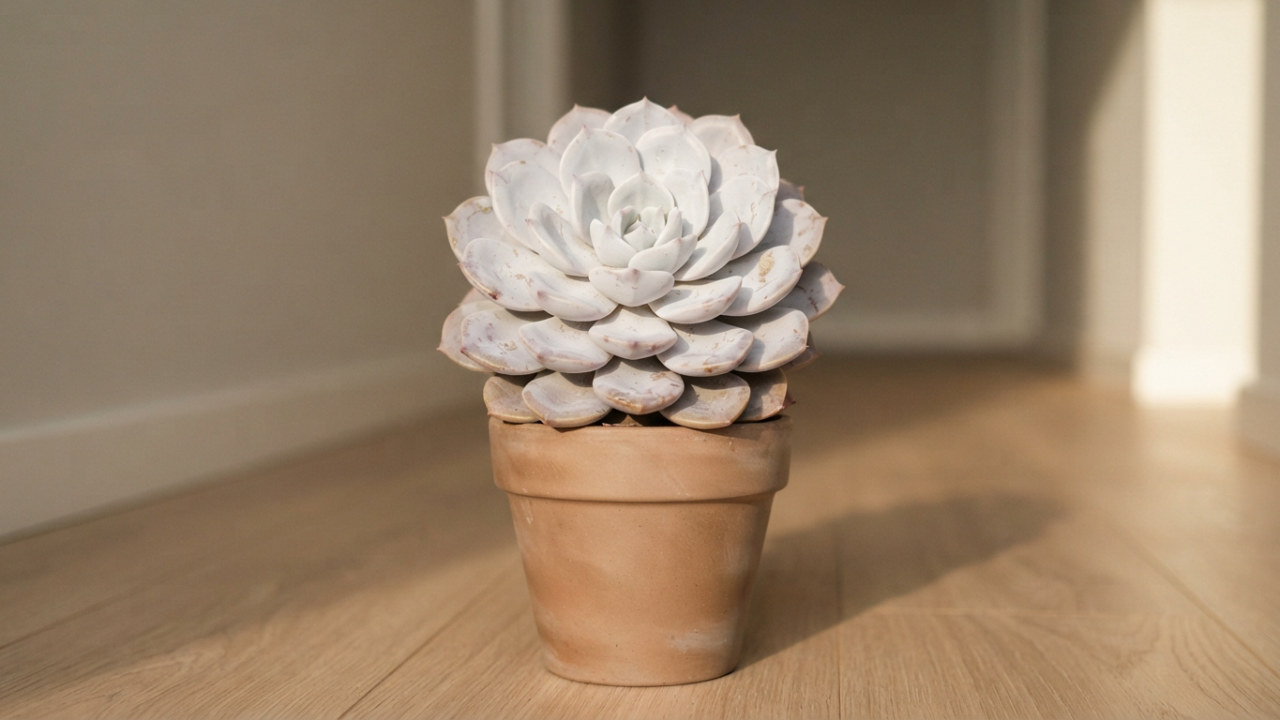
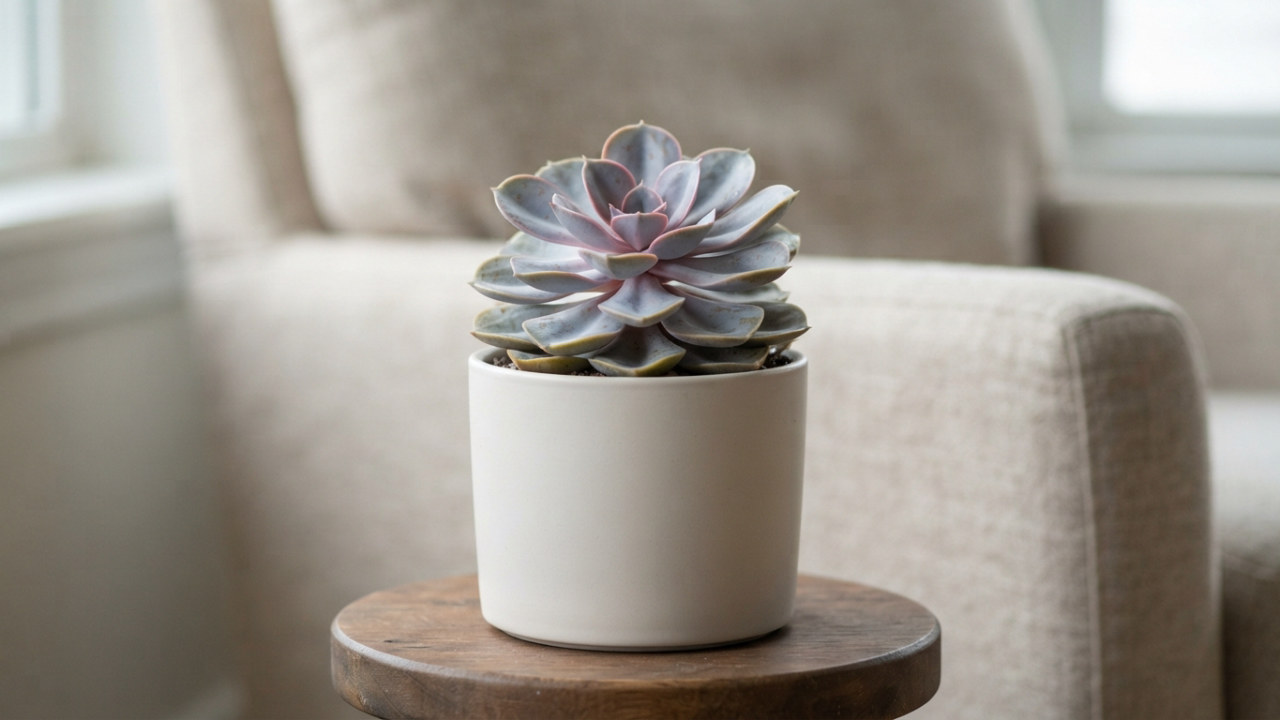
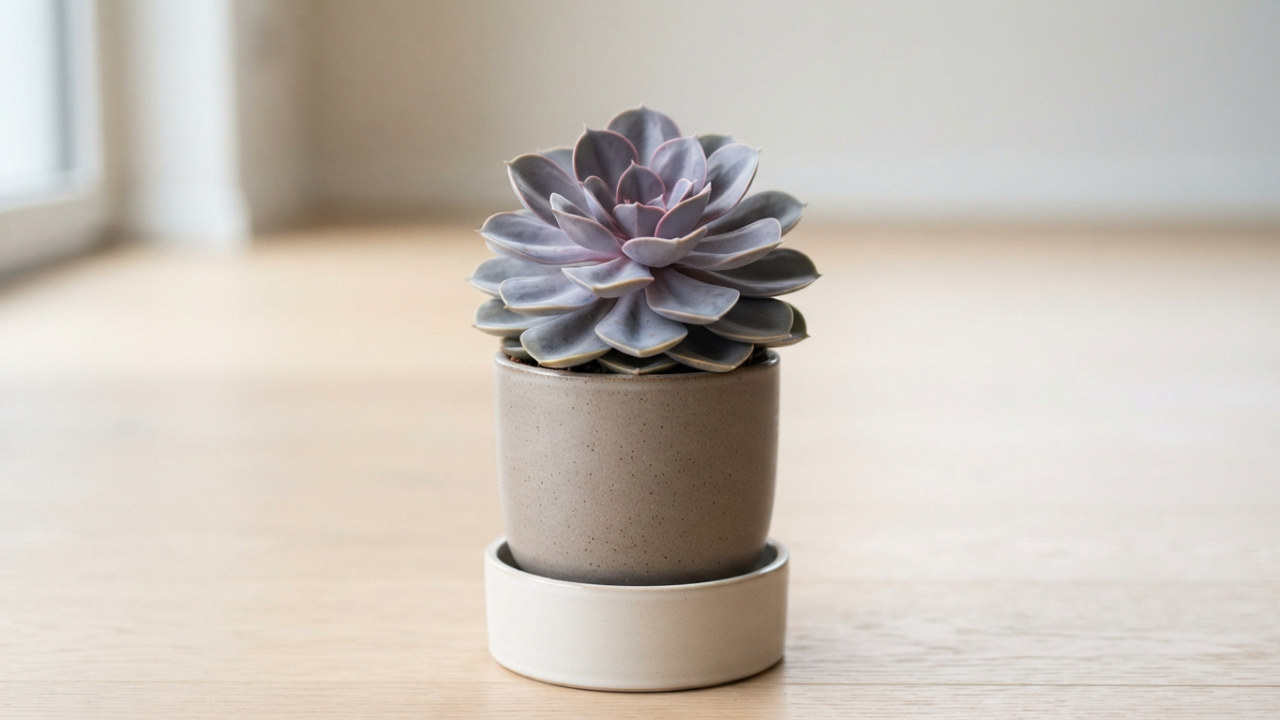
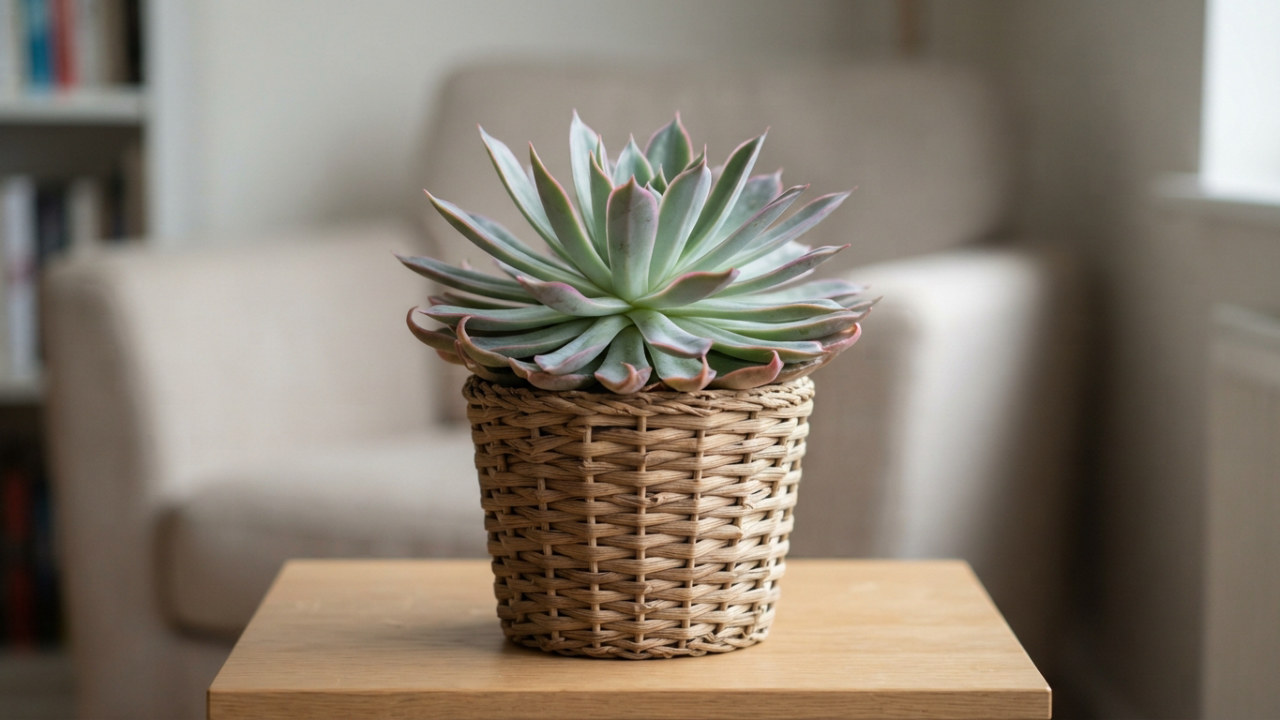
A compact rosette of pale, pearly leaves dusted with wax, blushing pink to lilac at the tips in bright light.
- Every 12 daysWatering
- Full sunLight
- 20–40 %Humidity
- 10–30 °CTemperature


Other varieties 20
How to care for your Echeveria 'Lola'
Everything you need to keep your Echeveria 'Lola' healthy: watering, light, humidity, feeding, repotting and pruning.
'Lola' was bred in California by Dick Wright in 1980 and is believed to descend from Echeveria lilacina. Its fleshy, spoon-shaped, pointed leaves are pale bluish green to silvery white under a thick, pearly wax that gives the whole plant a marbled sheen, and the tips blush pink, lilac or violet in bright light. The rosette stays around 10 to 15 cm across, slowly makes offsets, and in winter and spring bears peach to pinkish-orange bells on short arching stalks.

How to recognise Echeveria 'Lola'
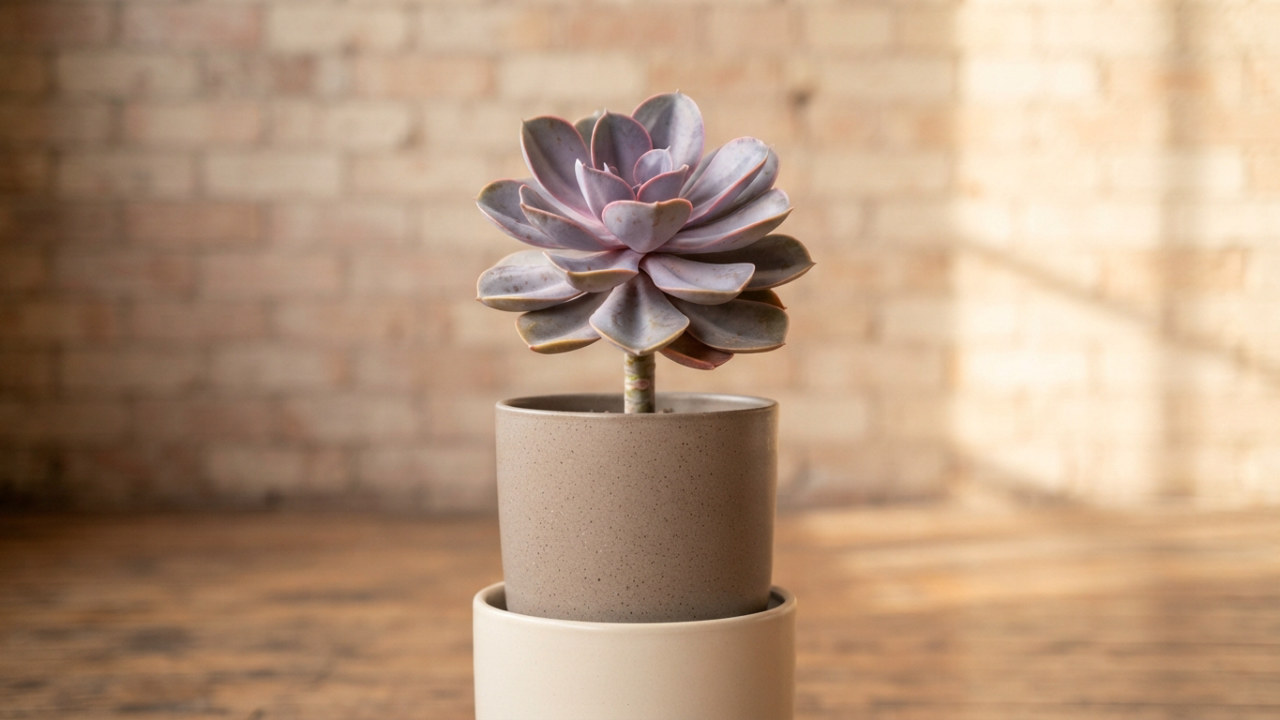
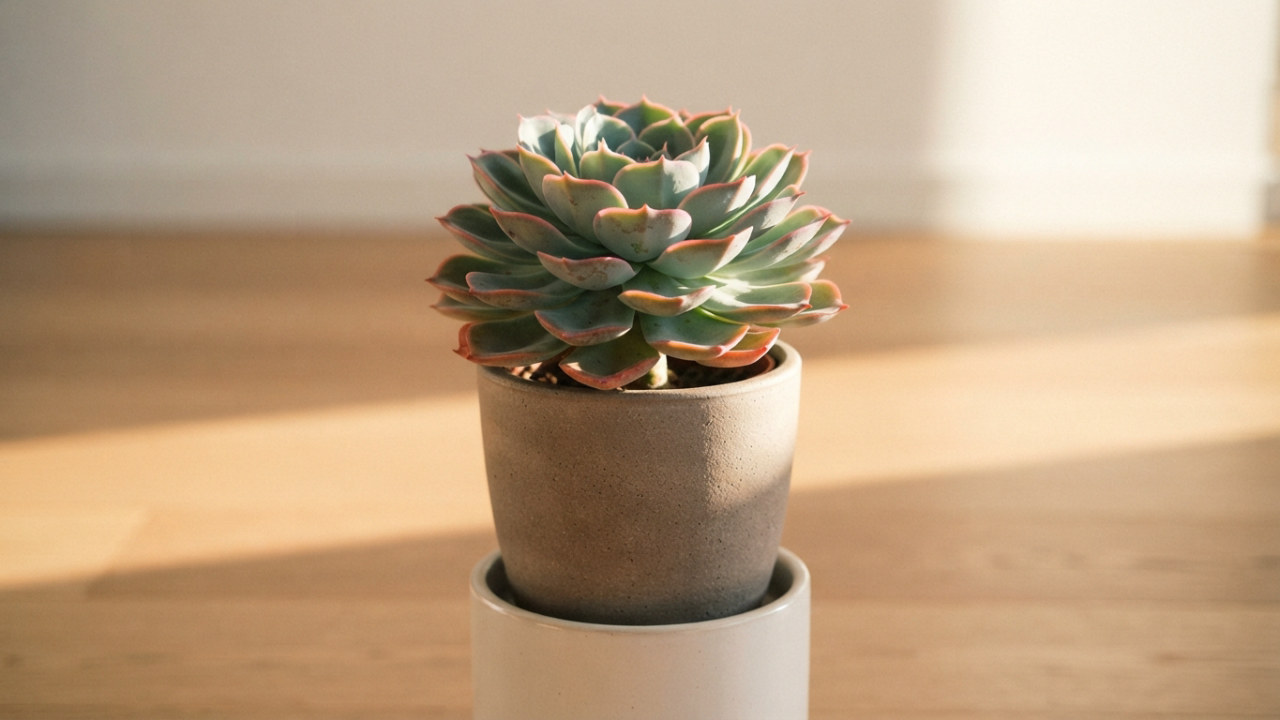
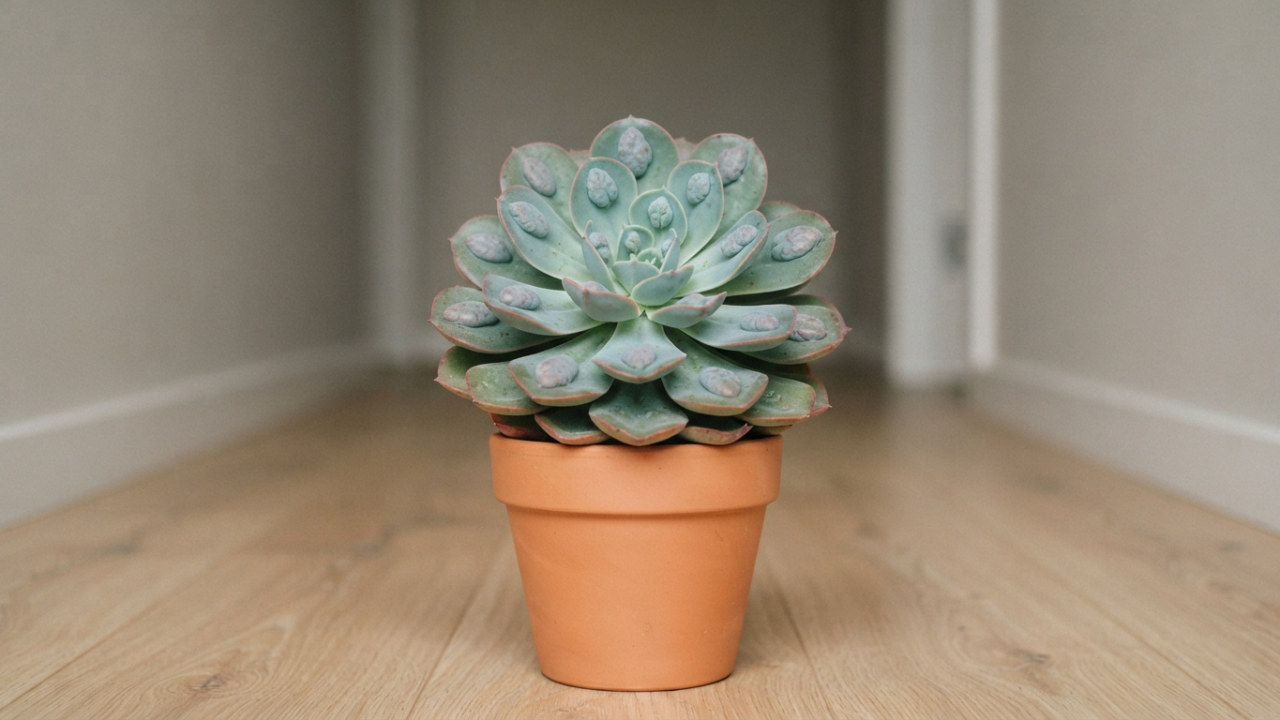
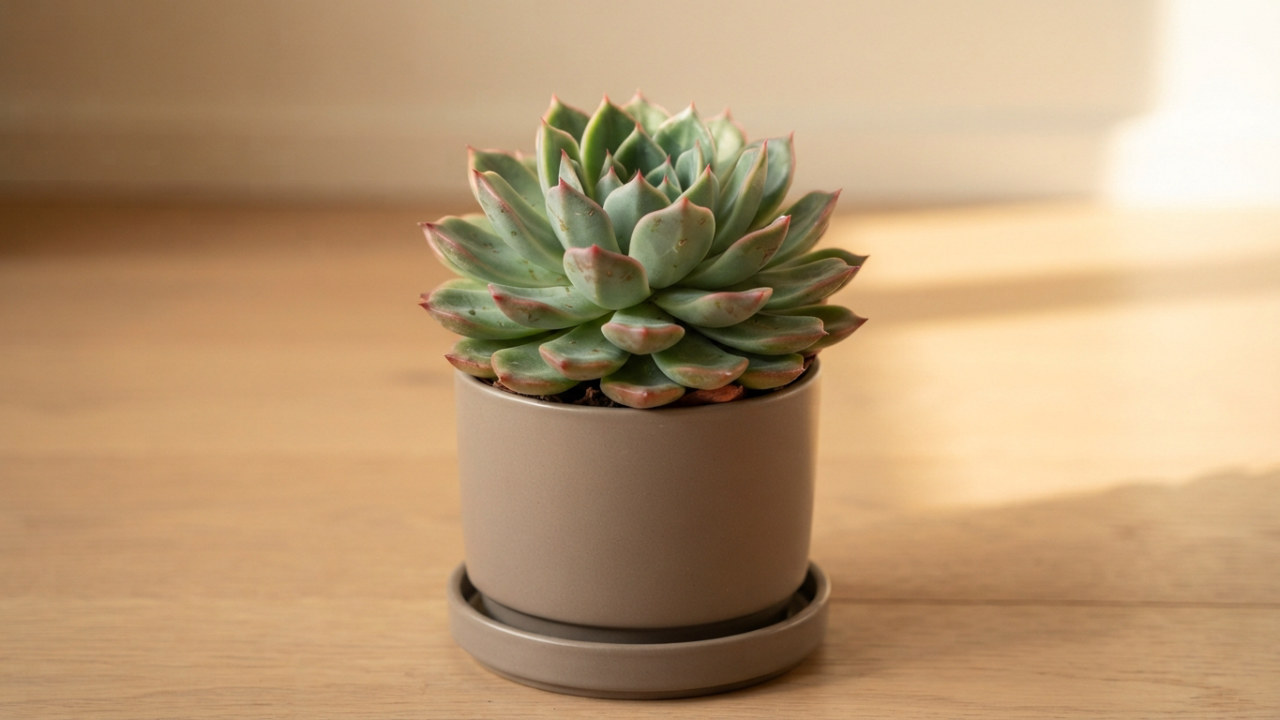
A symmetrical rosette about 10 to 15 cm across of pale bluish-green to silvery, pearly leaves with just a pink-lilac blush at the tips, forming small clumps by offsets. 'Fleur Blanc' is so close that the two are easily confused, and has a whiter, slightly greener cast; 'Perle von Nürnberg' is pinker and more purple overall and usually stays a single rosette on a short stem, and Echeveria lilacina is a larger, usually solitary rosette of an even silvery gray.

Watering your Echeveria 'Lola'
Every 12 days
Let the mix dry out completely, then water slowly around the base so the leaves stay dry and the wax is not marked: about every 12 days from March to October and about every four weeks in winter.
How to know it needs water
- The mix is dry all the way down and the pot feels noticeably light
- The lowest leaves look a little less plump and feel slightly soft

How much light a Echeveria 'Lola' needs
Full sun
Give it a sunny window with four to eight hours of direct sun, which keeps the rosette tight and draws out the pink-lilac blush on the tips, while dim light lets it stretch and the colors fade.
- Direct sun tolerated
- 4 to 8 h a day
- Orientations that suit it
- South, South-east, South-west, East, West, North-east, North-west

Humidity and misting
20–40 %
Dry to ordinary room air, around 20 to 40% humidity, suits it; in damp, still air the pearly coat spots and the base of the rosette rots more easily. Never mist: droplets leave lasting marks on the pearly wax and collect in the rosette, where they start rot.

Feeding and fertiliser
Every 28 days
Feed about once a month from April to September, while it grows, and not at all in autumn or winter, since rich feeding loosens the compact rosette.
- Recommended feed
- A liquid cactus and succulent feed that is low in nitrogen, mixed at half the strength on the label. · 2-7-7

Repotting your Echeveria 'Lola'
Every 24 months
Use a pot only a little wider than the rosette, with a drainage hole and a gritty cactus mix, lift the plant by its base rather than its leaves, and wait about a week before the first watering.
- When
- Spring, from March to May, as growth picks up again.
- Potting mix
- Cactus and succulent mix
- Mix in
- perlite, pumice, coarse sand
The tell-tale signs
- Offsets press against the mother rosette and crowd the pot
- Roots push out of the drainage holes, or the mix has packed down and drains slowly

Pruning your Echeveria 'Lola'
Seldom needed: remove dried bottom leaves as they appear, and the flower stalk once the blooms have faded. Peel off dry leaves with a gentle twist, cut the spent stalk at its base with clean scissors, and twist off an offset with a little root to grow it on separately.

Through the year
Watering is not set once and for all: it follows the light and the growth. Allow 22 days between waterings in the depth of winter, against 10 in the growing season.
- 22 J
- 18 F
- 12 M
- 11 A
- 10 M
- 10 J
- 10 J
- 11 A
- 12 S
- 14 O
- 18 N
- 22 D
Active growth · Days between waterings

Good to know
- Dick Wright bred 'Lola' in California in 1980.
- The pearly sheen is a coat of natural wax that keeps the mark of every fingertip, so it is wiser not to touch the leaves.

Frequently asked questions about the Echeveria 'Lola'
How do you care for a Echeveria 'Lola'?
Water it every 12 days. Give it full sun. Ideal humidity: 20–40 %. Ideal temperature: 10–30 °C. Let the mix dry out completely, then water slowly around the base so the leaves stay dry and the wax is not marked: about every 12 days from March to October and about every four weeks in winter.
How often should you water a Echeveria 'Lola'?
Every 12 days Let the mix dry out completely, then water slowly around the base so the leaves stay dry and the wax is not marked: about every 12 days from March to October and about every four weeks in winter. How to know it needs water : The mix is dry all the way down and the pot feels noticeably light ; The lowest leaves look a little less plump and feel slightly soft.
How much light does a Echeveria 'Lola' need?
Full sun Give it a sunny window with four to eight hours of direct sun, which keeps the rosette tight and draws out the pink-lilac blush on the tips, while dim light lets it stretch and the colors fade. 4 to 8 h a day
Is the Echeveria 'Lola' toxic to cats and dogs?
No, the Echeveria 'Lola' is not listed as toxic to cats and dogs. That is still no reason to let your pets chew on it.
Why are my Echeveria 'Lola' leaves turning yellow?
Yellowing most often comes from too much water: the mix stays wet and the roots suffocate. Check that the pot drains, empty the saucer, and let the mix dry before watering again. Too little light or a cold draught cause the same symptom.
When should you repot a Echeveria 'Lola'?
Repot every 24 months, ideally in spring, from march to may, as growth picks up again.. Use a pot only a little wider than the rosette, with a drainage hole and a gritty cactus mix, lift the plant by its base rather than its leaves, and wait about a week before the first watering.

At a glance
- Family
- Crassulaceae
- Category
- Succulent
- Placement
- Indoor and outdoor
- Mature height
- 15 cm
- Growth
- Slow
- Temperature
- 10–30 °C
- Pot materials
- terracotta, ceramic
- Growth
- Reaches maturity in 3 years
These figures are for an average plant. In the app they are recalculated for yours, based on your room, its orientation and the season.
And for your plant, in your home?
In the app this plant becomes yours: a watering schedule tuned to your home, health tracking from photos, and reminders at the right moment.