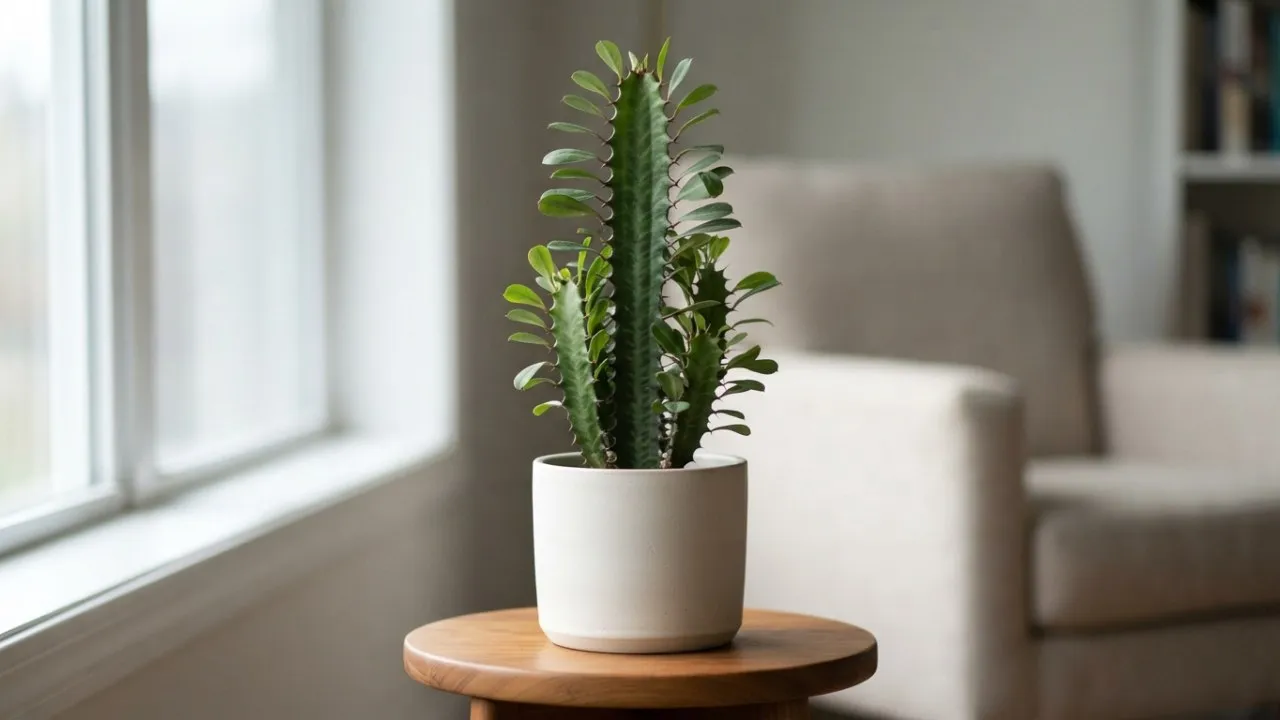
African Milk Tree
Euphorbia trigona
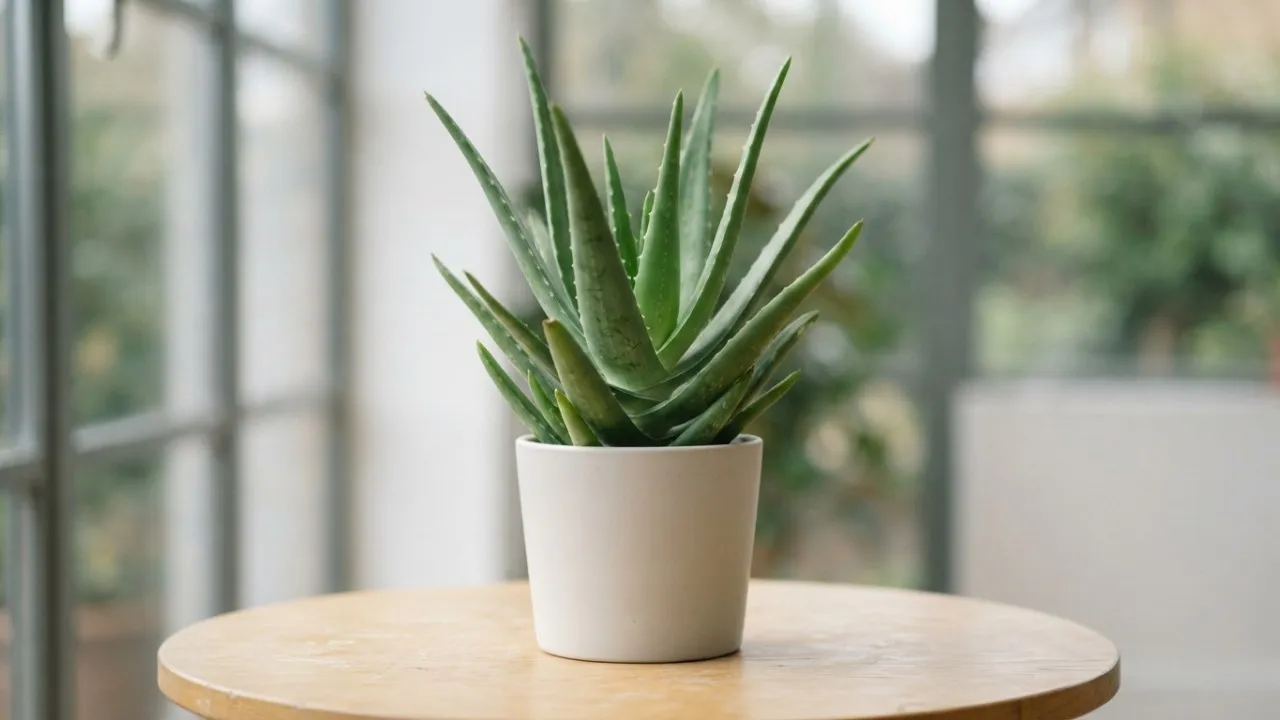
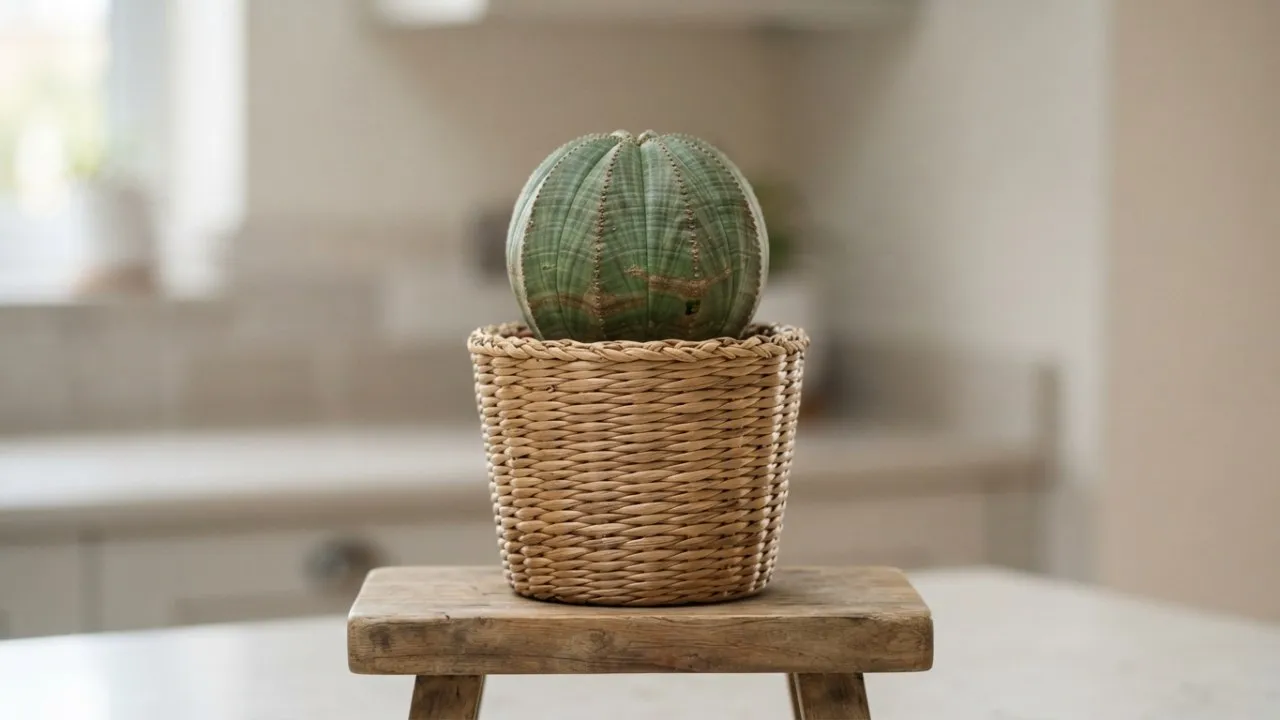
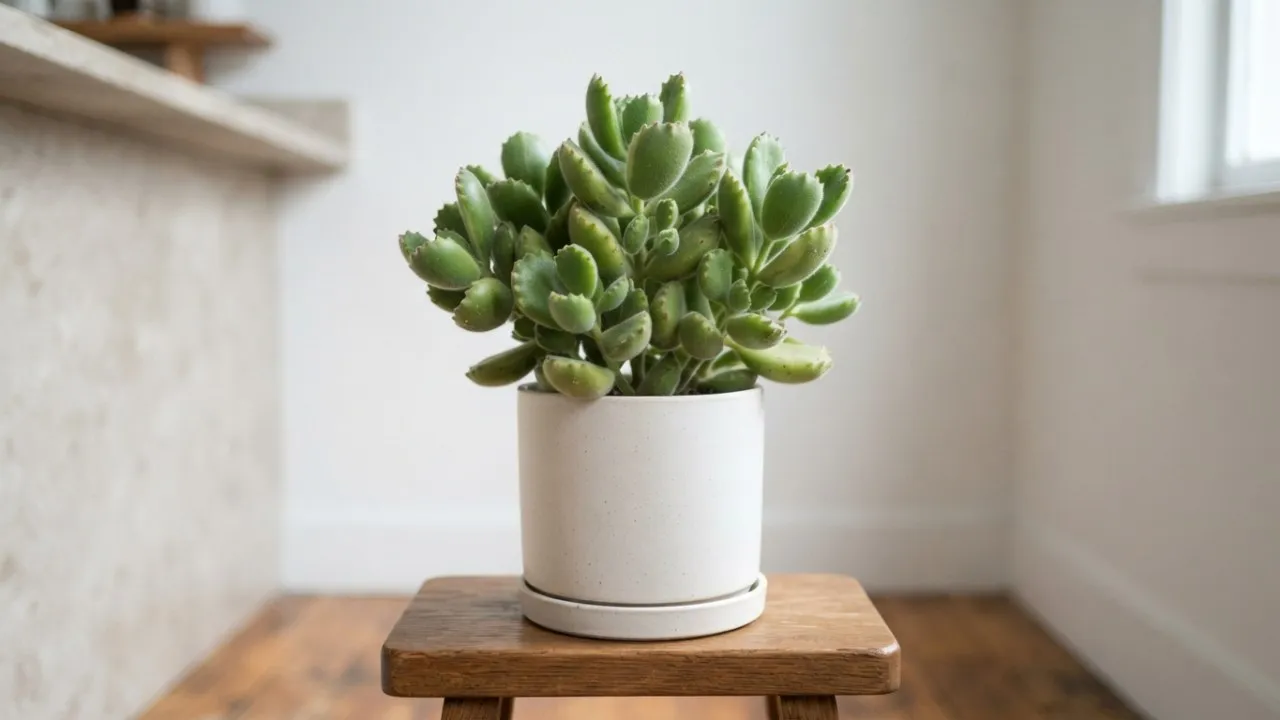
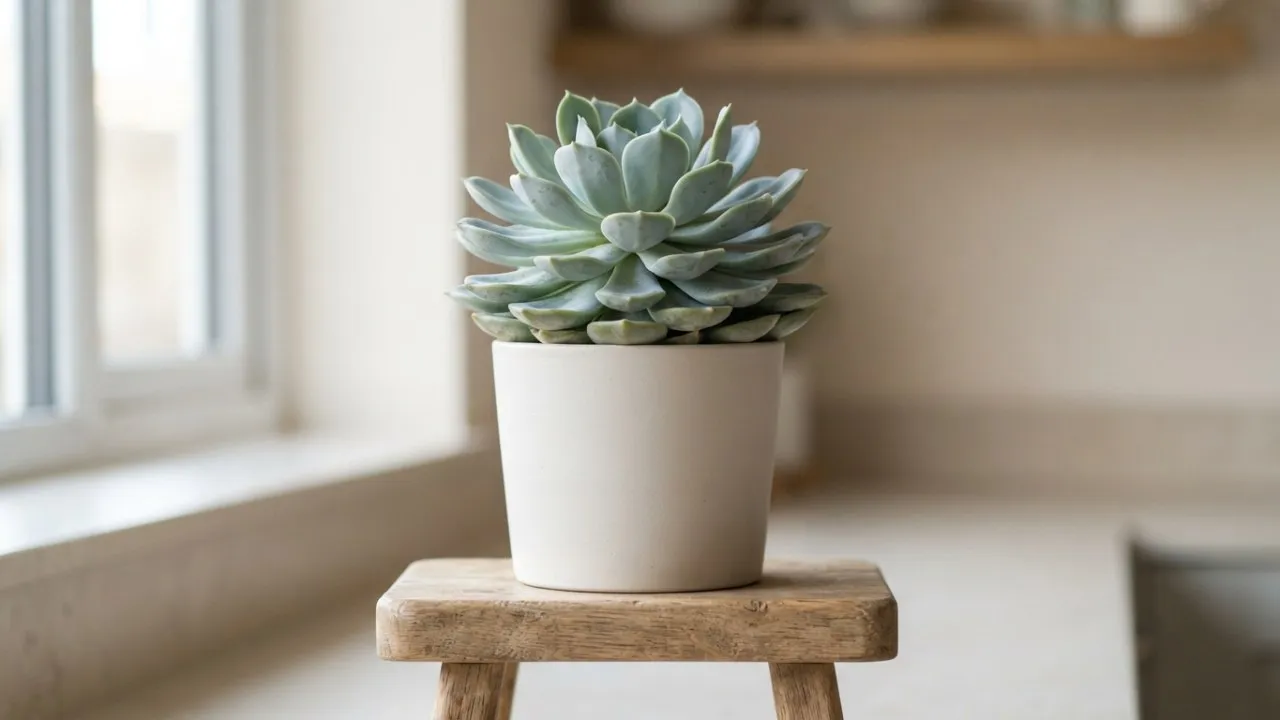
A tall columnar succulent with dark green triangular stems lined with small leaves and thorns, capable of reaching 2 meters indoors.
The essentials at a glance
-
Watering
Every 10 days
-
Light
Bright indirect light
-
Humidity
30–50 %
-
Temperature
15–30 °C


How to care for your African Milk Tree
Everything you need to keep your African Milk Tree healthy: watering, light, humidity, feeding, repotting and pruning.
Euphorbia trigona is an imposing succulent native to Central and West Africa. Its upright triangular stems bear small oval leaves between pairs of short thorns. Often confused with a cactus, it is distinguished by its milky white sap characteristic of euphorbias. Its growth is rapid and it can reach 2 meters in height indoors, forming a veritable miniature tree with numerous branches. The 'Rubra' variety offers magnificent purple foliage.

Watering your African Milk Tree
Every 10 days
Water moderately when the substrate is dry in the upper centimeters. Allow to dry between waterings. Reduce significantly in winter (once a month).
How to know it needs water
- Substrate dry in the top 3–4 cm
- Small leaves beginning to drop
- Main stem very slightly less firm

How much light a African Milk Tree needs
Bright indirect light
Bright indirect to moderate direct light. Tolerates medium light but grows more slowly. Intense direct sun in summer can scorch the stems.
- Direct sun tolerated
- 2 to 6 h a day
- Orientations that suit it
- East, South-east, South, South-west, West, North-west

Humidity and misting
30–50 %
Low to moderate (30–50%). Adapts well to dry indoor air. No misting needed. The plant tolerates dry air well.

Feeding and fertiliser
Every 30 days
Fertilize monthly from spring to autumn. Stop in winter. Regular fertilizing promotes vigorous growth.
- Recommended feed
- Liquid cactus and succulent fertilizer at the standard dose. · 2-7-7

Repotting your African Milk Tree
Every 24 months
Wear thick gloves — the latex sap is very irritating. Use a heavy, stable pot (the plant grows tall). Well-draining cactus substrate. Leave to dry a few days before watering. If sap contacts skin, rinse immediately with water.
- When
- Spring
- Potting mix
- Cactus and succulent mix
- Mix in
- perlite, coarse sand, pumice
The tell-tale signs
- Plant becoming unstable and toppling
- Roots emerging from the bottom of the pot
- Plant too tall for the pot to stabilize

Pruning your African Milk Tree
In spring if the plant becomes too tall or to encourage branching. Wear gloves and protect eyes. Cut at the desired level with a clean knife. Apply cold water or ash to the cut to stop latex flow. Cuttings can be dried for a week then replanted.

Through the year
Watering is not set once and for all: it follows the light and the growth. Allow 20 days between waterings in the depth of winter, against 8 in the growing season.
- 15 J
- 15 F
- 10 M
- 9 A
- 8 M
- 8 J
- 8 J
- 8 A
- 9 S
- 10 O
- 15 N
- 20 D
Active growth · Days between waterings

Toxicity
Toxic to animals and humans. The milky latex sap is highly irritating to skin, eyes, and mucous membranes. Ingestion causes severe gastrointestinal disorders. Wear gloves when handling.

Good to know
- Despite its cactus-like appearance, Euphorbia trigona is actually an African euphorbia — the thorns are modified stipules rather than true spines like those of cacti.
- In West Africa, this plant is traditionally used as a defensive hedge around villages, as its toxic and irritating sap deters animals from crossing it.

Frequently asked questions about the African Milk Tree
How do you care for a African Milk Tree?
Water it every 10 days. Give it bright indirect light. Ideal humidity: 30–50 %. Ideal temperature: 15–30 °C. Water moderately when the substrate is dry in the upper centimeters. Allow to dry between waterings. Reduce significantly in winter (once a month).
How often should you water a African Milk Tree?
Every 10 days Water moderately when the substrate is dry in the upper centimeters. Allow to dry between waterings. Reduce significantly in winter (once a month). How to know it needs water : Substrate dry in the top 3–4 cm ; Small leaves beginning to drop ; Main stem very slightly less firm.
How much light does a African Milk Tree need?
Bright indirect light Bright indirect to moderate direct light. Tolerates medium light but grows more slowly. Intense direct sun in summer can scorch the stems. 2 to 6 h a day
Is the African Milk Tree toxic to cats and dogs?
Yes. Toxic to animals and humans. The milky latex sap is highly irritating to skin, eyes, and mucous membranes. Ingestion causes severe gastrointestinal disorders. Wear gloves when handling. Keep it out of reach of your pets and call a vet if any is swallowed.
Why are my African Milk Tree leaves turning yellow?
Yellowing most often comes from too much water: the mix stays wet and the roots suffocate. Check that the pot drains, empty the saucer, and let the mix dry before watering again. Too little light or a cold draught cause the same symptom.
When should you repot a African Milk Tree?
Repot every 24 months, ideally in spring. Wear thick gloves — the latex sap is very irritating. Use a heavy, stable pot (the plant grows tall). Well-draining cactus substrate. Leave to dry a few days before watering. If sap contacts skin, rinse immediately with water.

At a glance
- Family
- Euphorbiaceae
- Category
- Succulent
- Placement
- Indoor
- Mature height
- 1.8 m
- Growth
- Moderate
- Temperature
- 15–30 °C
- Pot materials
- terracotta, ceramic, plastic
- Growth
- Reaches maturity in 5 years
These figures are for an average plant. In the app they are recalculated for yours, based on your room, its orientation and the season.
And for your plant, in your home?
In the app this plant becomes yours: a watering schedule tuned to your home, health tracking from photos, and reminders at the right moment.