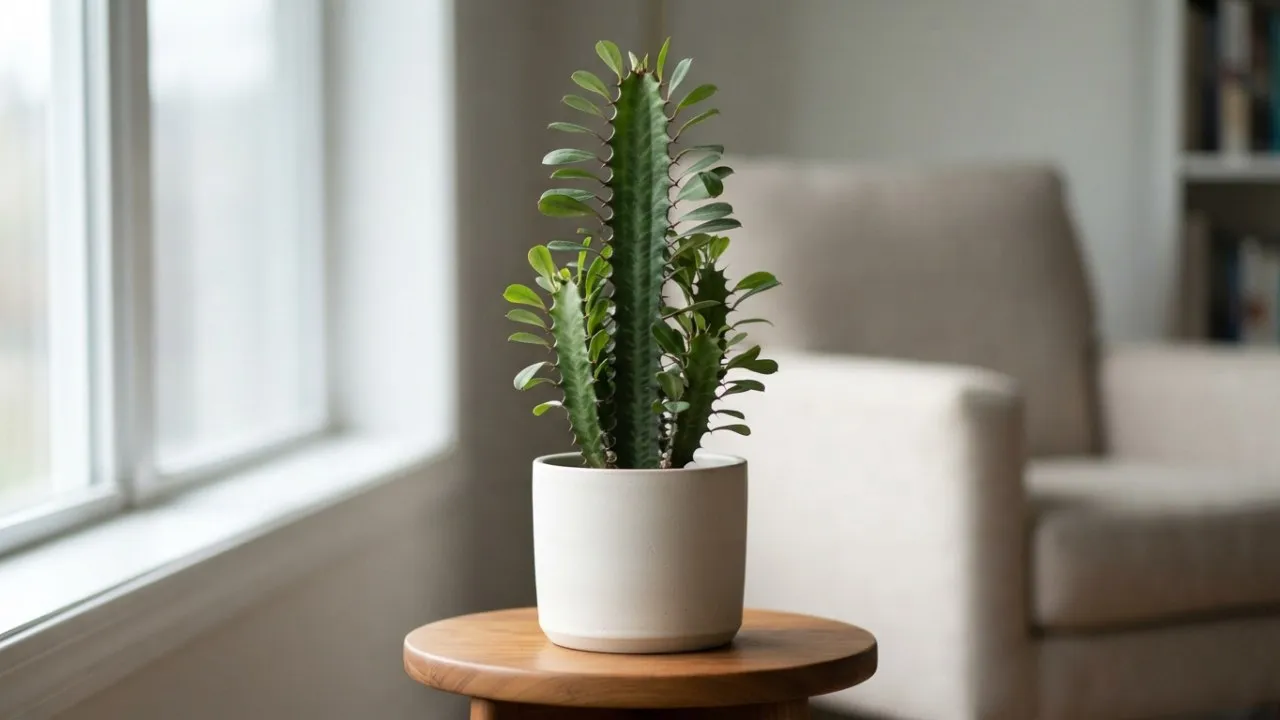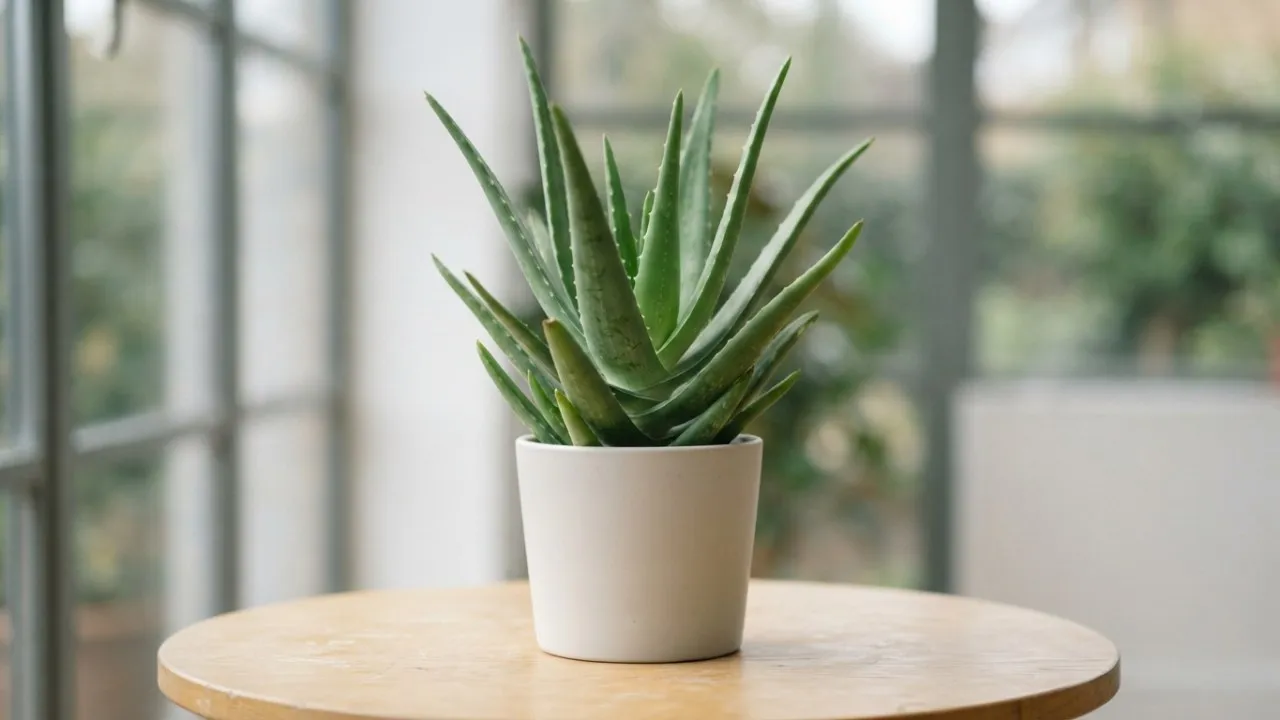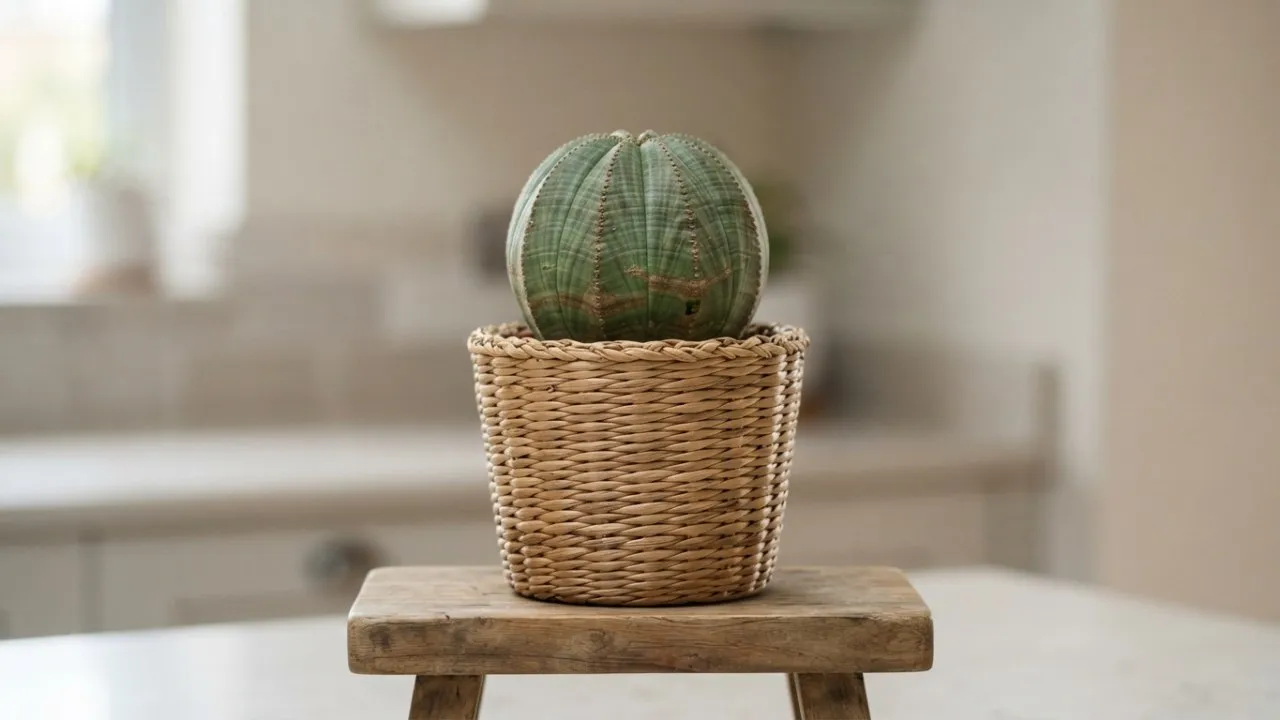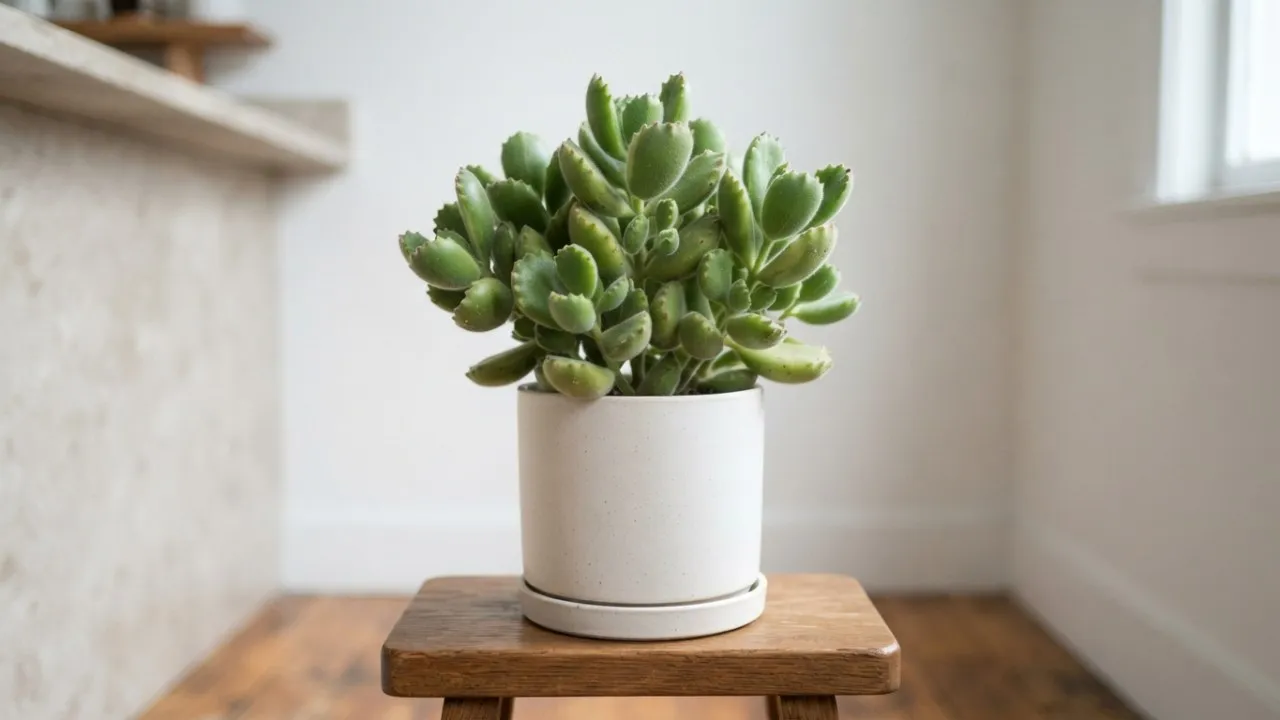
Variety Succulent · Crassulaceae
Echeveria 'Fleur Blanc'
Echeveria 'Fleur Blanc' · A variety of Echeveria
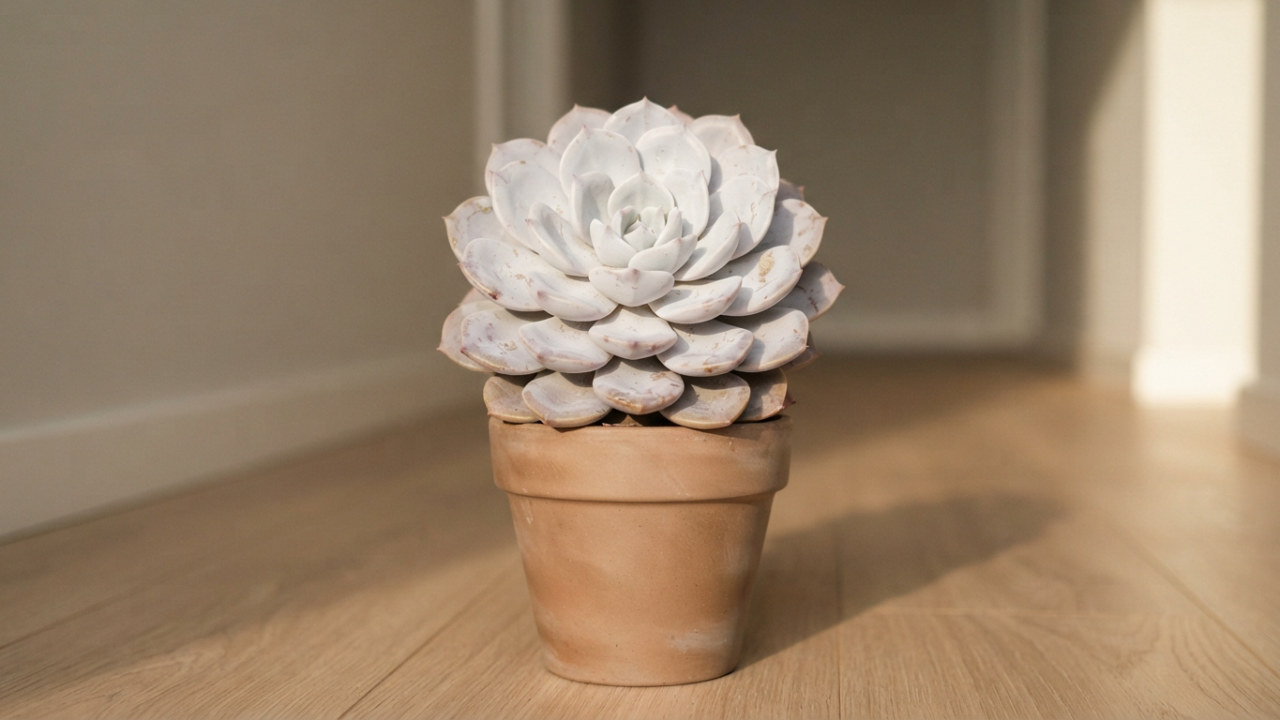
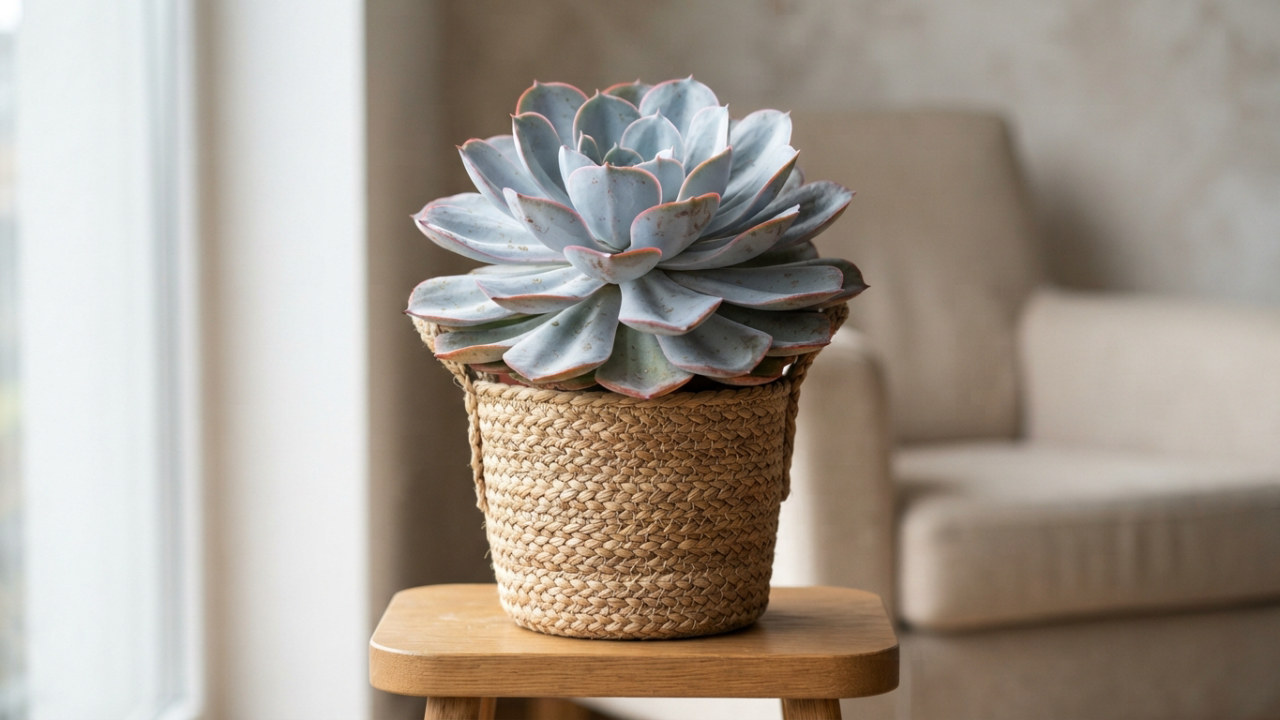
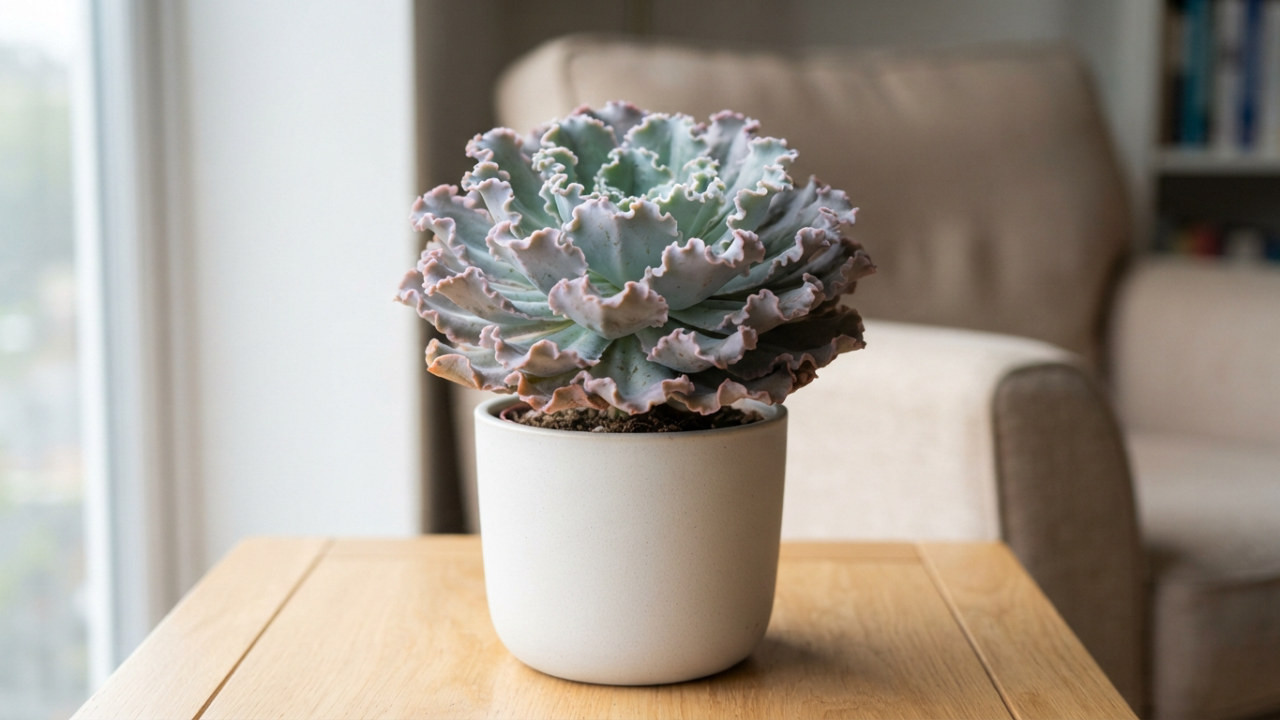
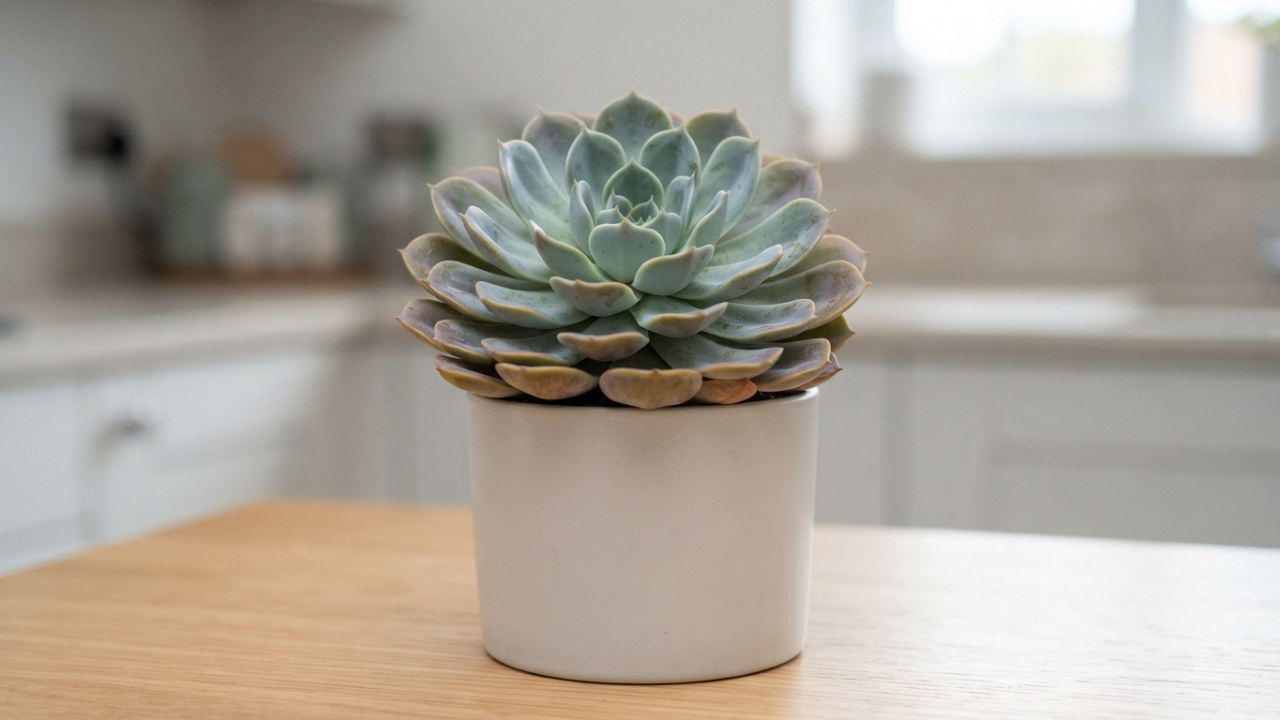
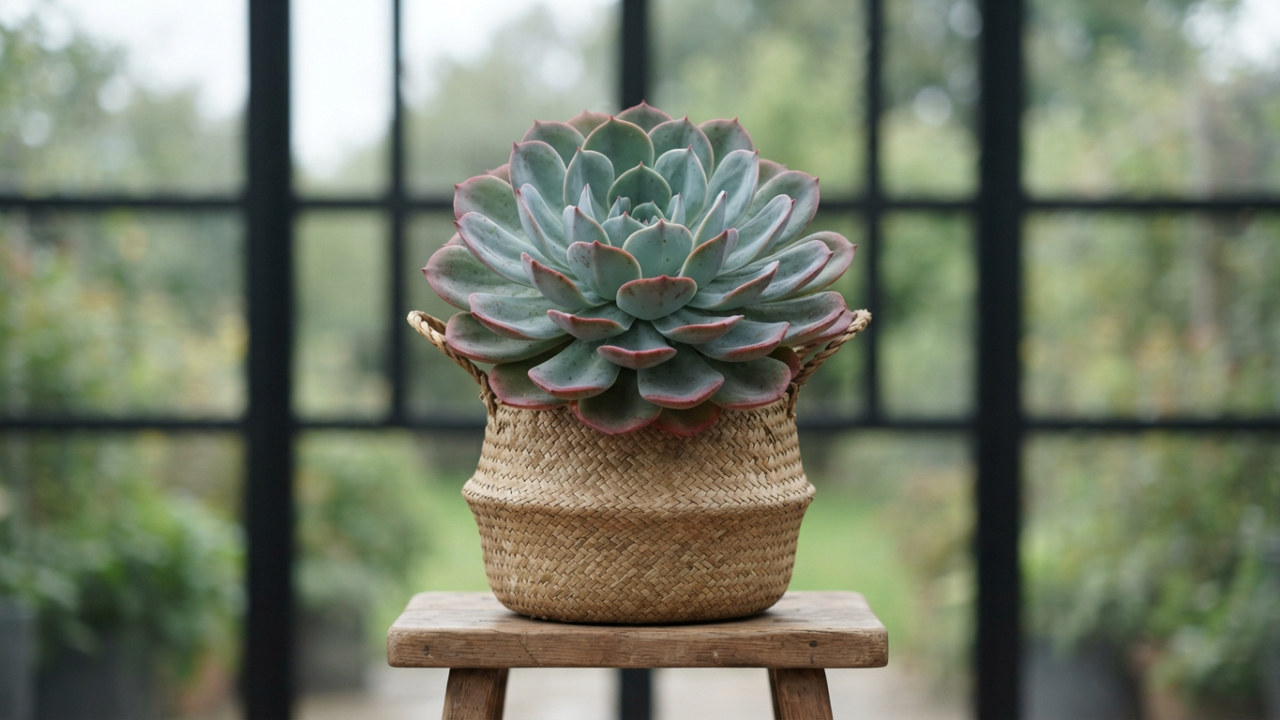
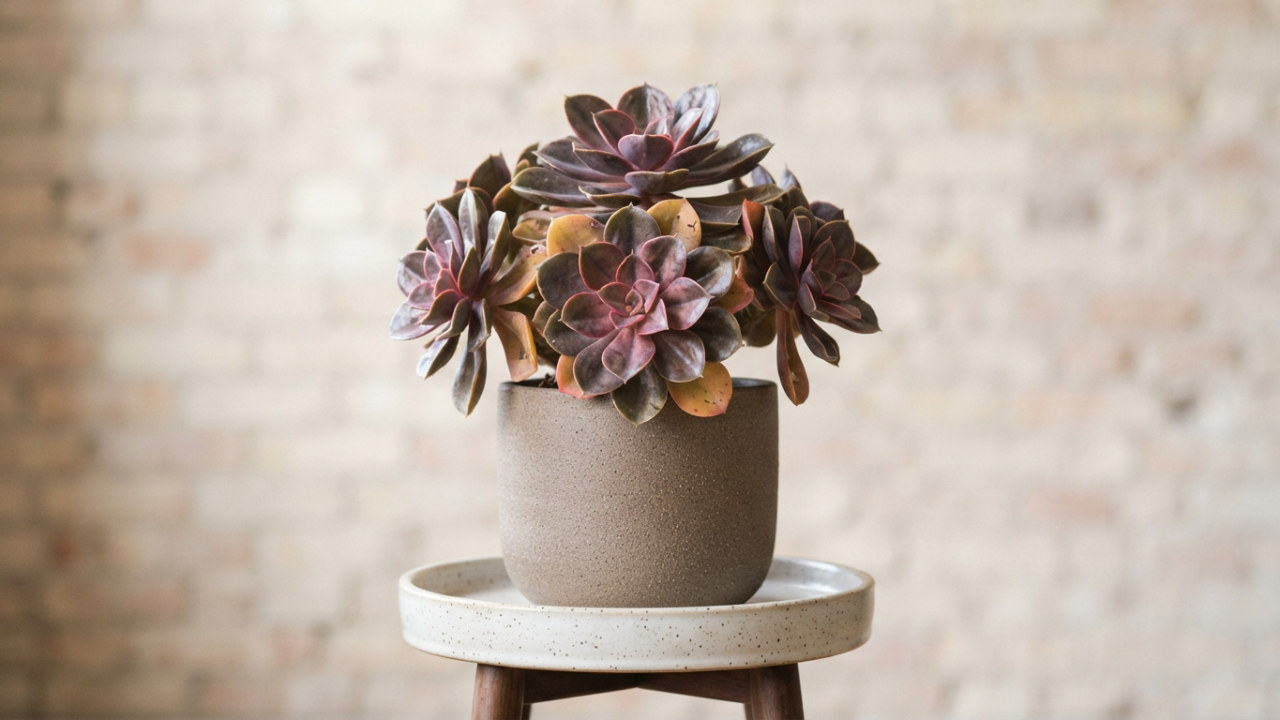
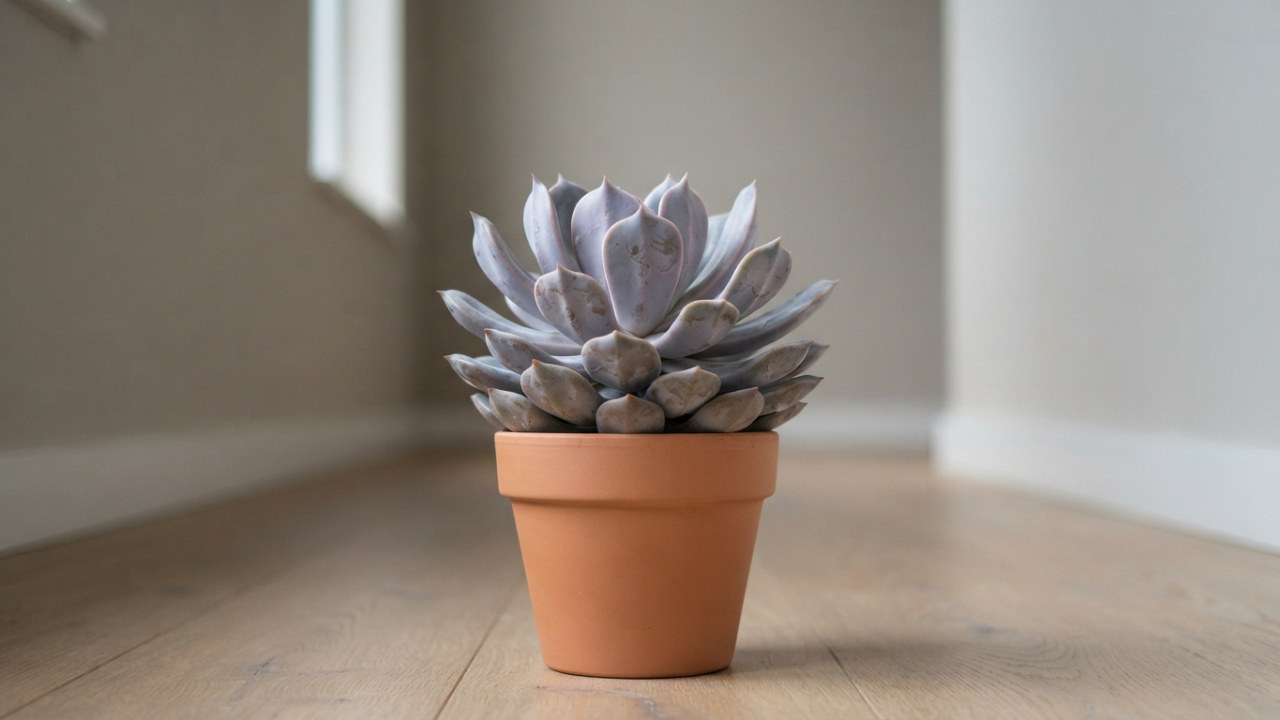
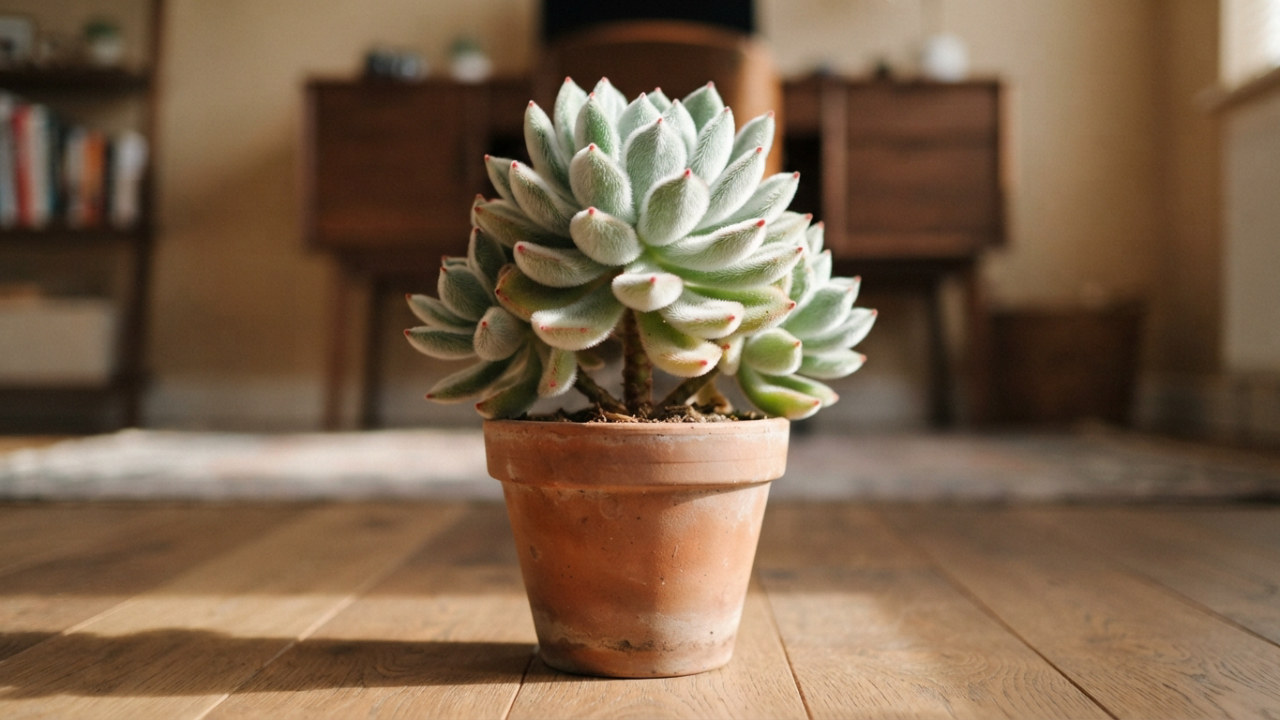
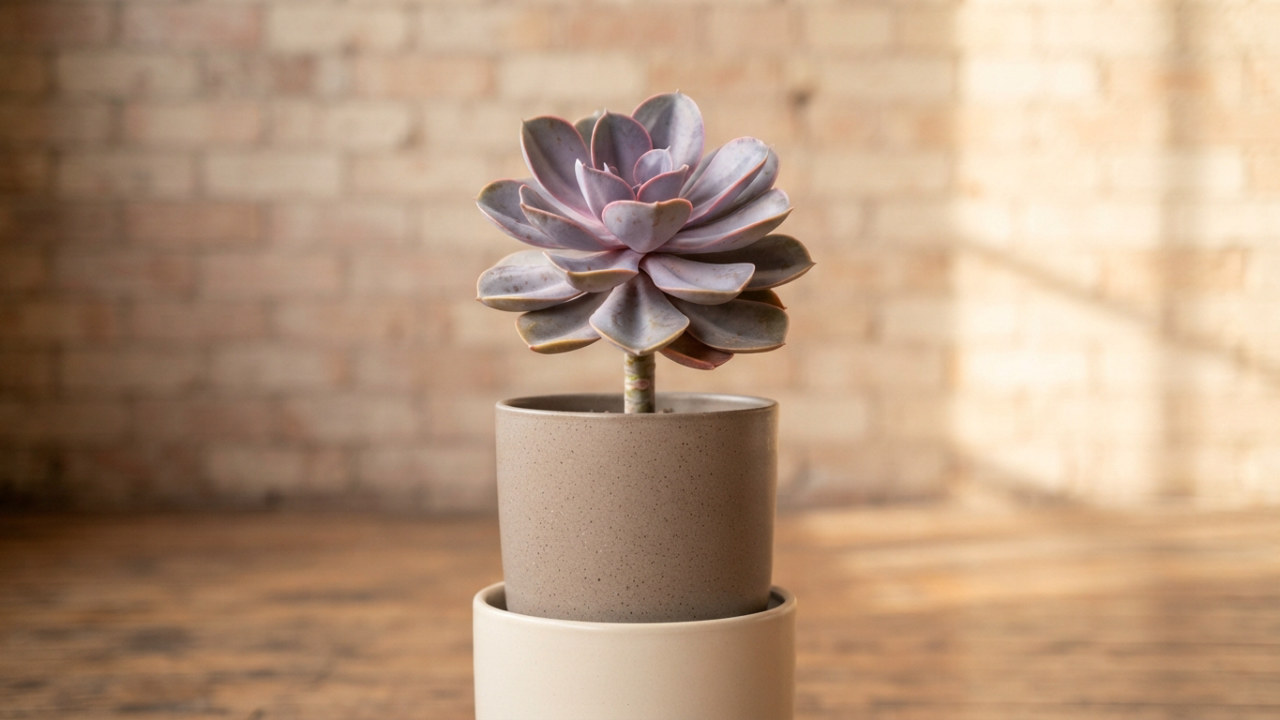
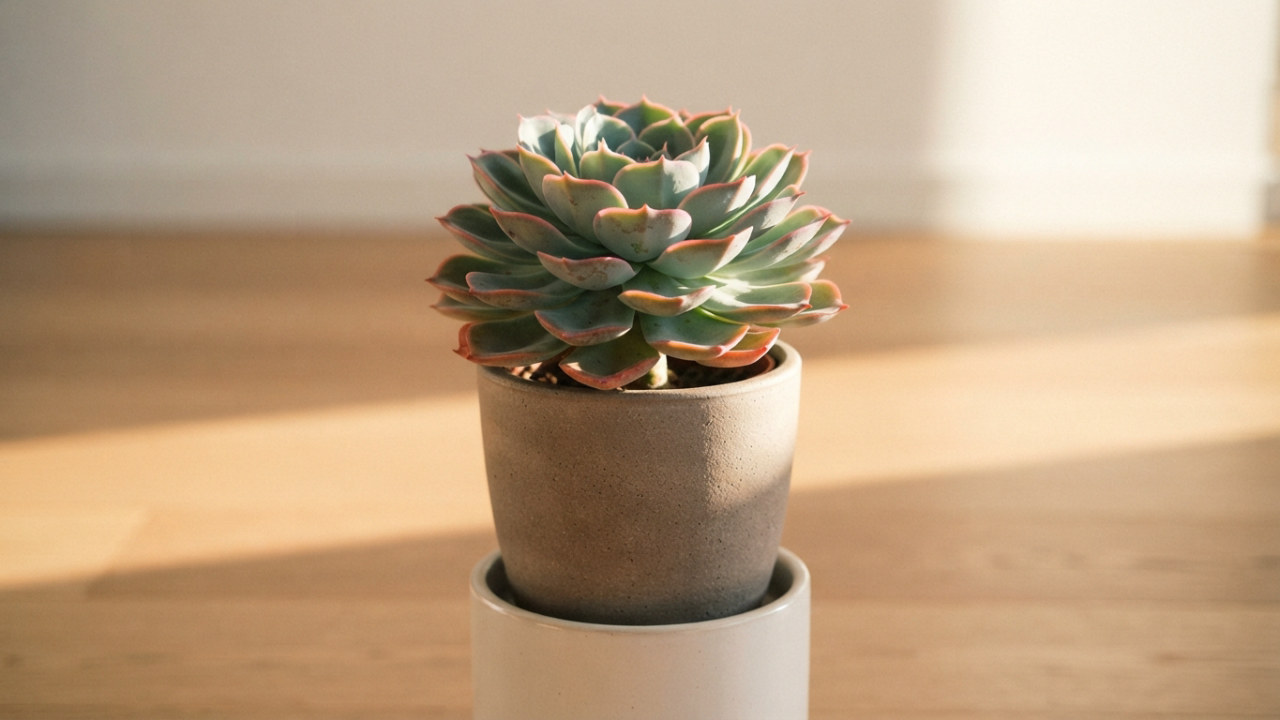
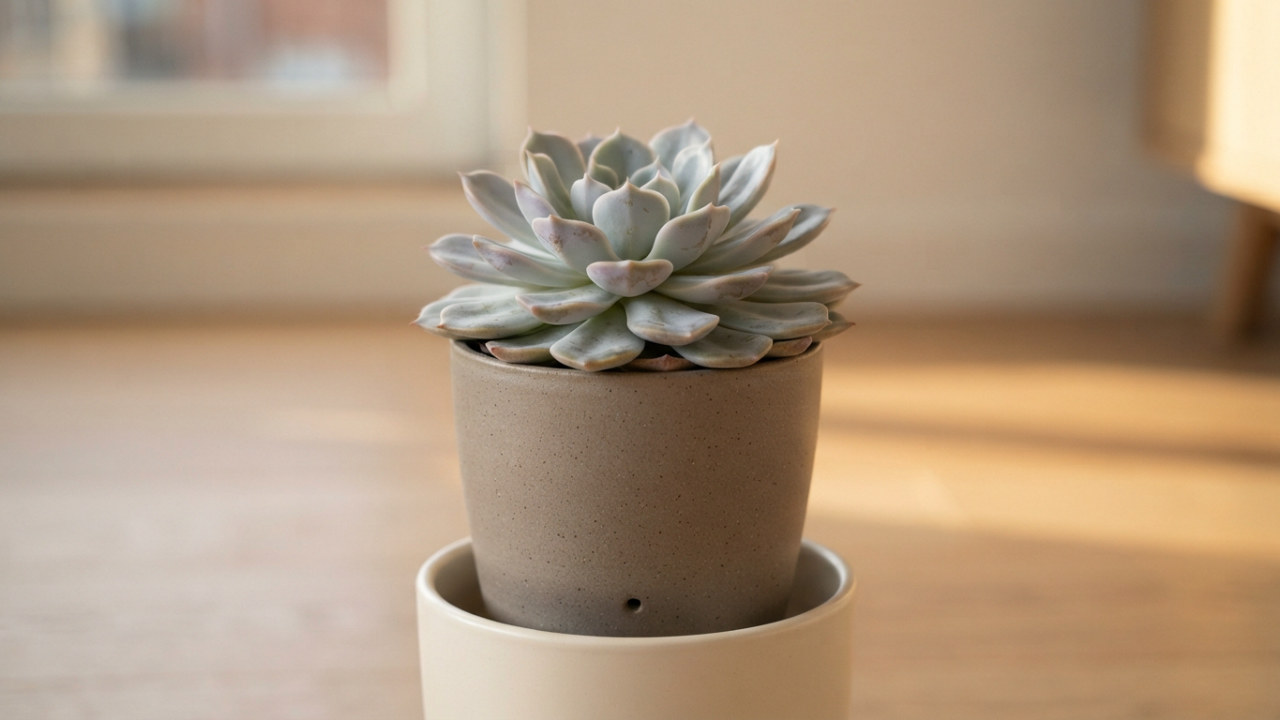
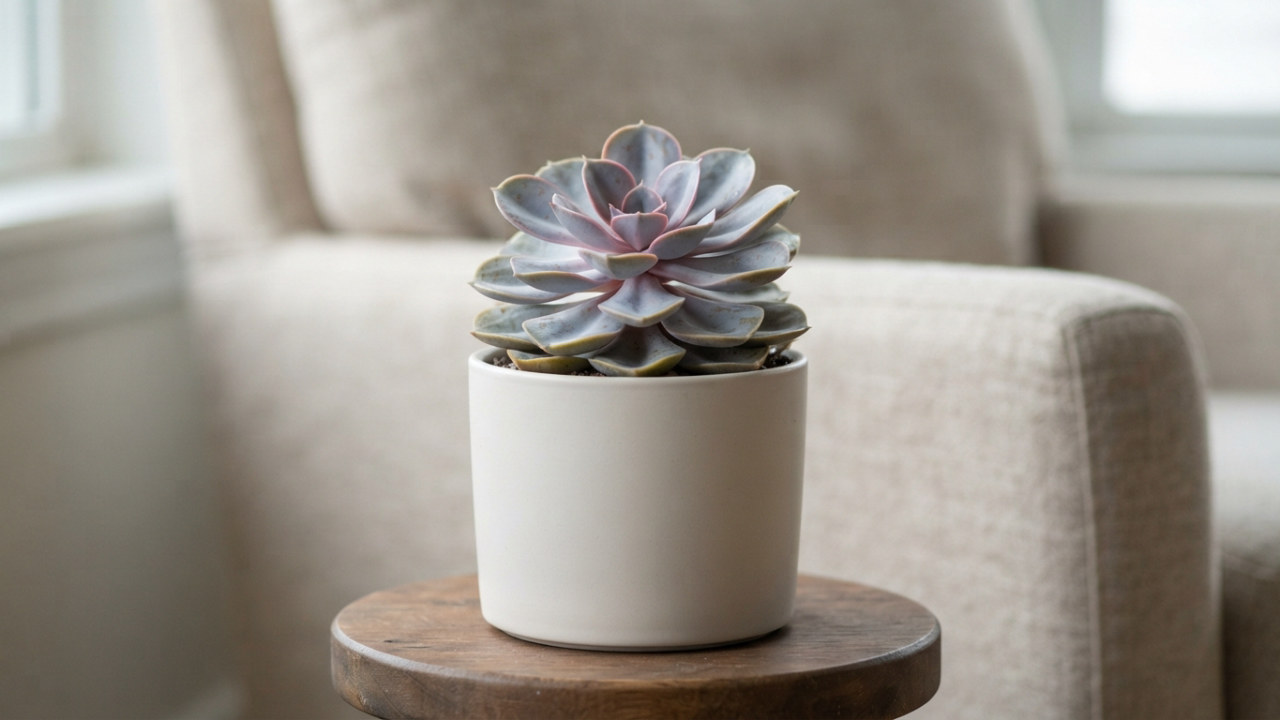
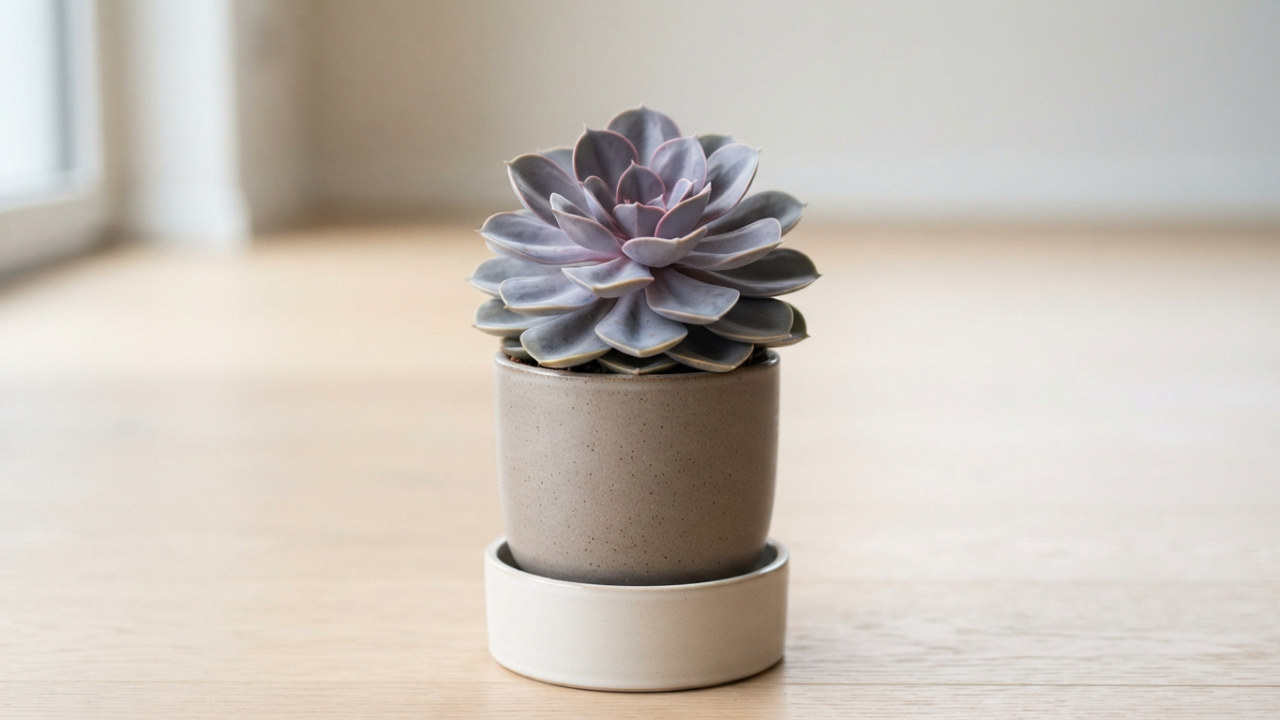
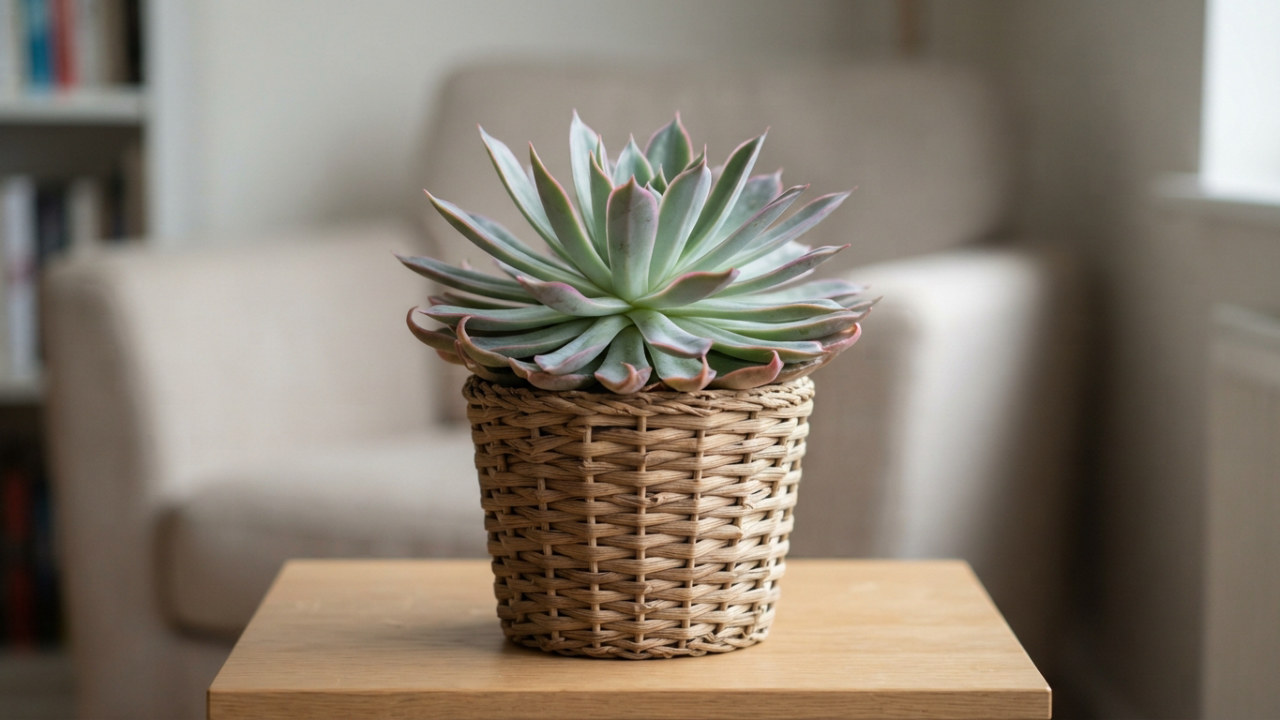
A tight rosette of spoon-shaped leaves so thickly powdered that the plant looks almost white, with a pink blush at the tips.
- Every 12 daysWatering
- Full sunLight
- 20–40 %Humidity
- 10–30 °CTemperature


Other varieties 20
How to care for your Echeveria 'Fleur Blanc'
Everything you need to keep your Echeveria 'Fleur Blanc' healthy: watering, light, humidity, feeding, repotting and pruning.
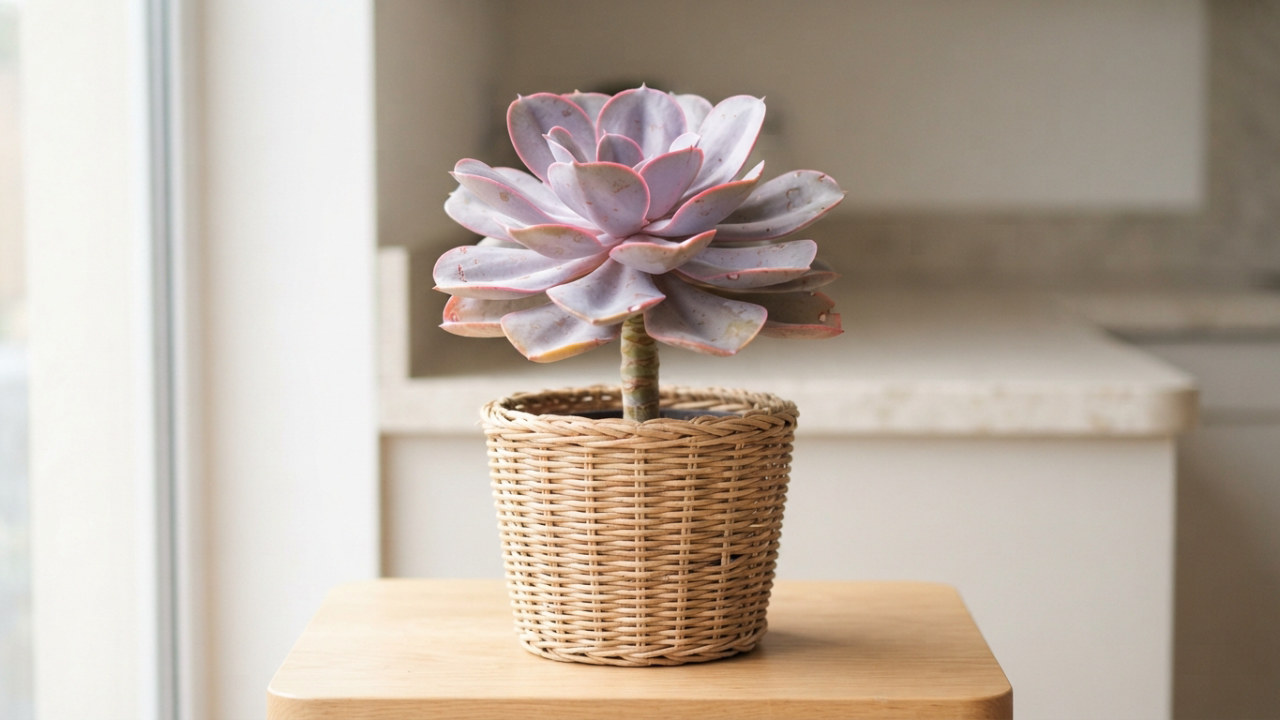
'Fleur Blanc' is a cultivar sold for its pale, powdery look, although its origin is not well documented. The smooth, spoon-shaped leaves are pale blue-green to very pale green under a thick coat of wax that makes the rosette look nearly white and pearly, and the margins and tips blush pink to purplish in bright sun. The rosette reaches about 15 cm, sometimes up to 20 cm, across, grows slowly and makes offsets into a cluster, and tall stalks carry bright orange to coral bells.

How to recognise Echeveria 'Fleur Blanc'
A tight, symmetrical rosette of smooth, spoon-shaped leaves so heavily powdered that the plant looks almost white, with only a pink to purplish blush on the tips and margins in bright sun. 'Lola' is so close that the two are easily confused, and has a more silvery-lilac cast; Echeveria elegans 'Albicans' has thicker, swollen, chalky leaves in a smaller, flatter rosette, and 'Perle von Nürnberg' is clearly pinker and more purple.

Watering your Echeveria 'Fleur Blanc'
Every 12 days
Wait until the mix is completely dry, then water the soil next to the stem and keep drops off the powdery leaves: about every 12 days from March to October and about every four weeks in winter.
How to know it needs water
- The mix has turned pale and crumbly right down to the bottom
- The lowest leaves lose their firmness and begin to wrinkle slightly

How much light a Echeveria 'Fleur Blanc' needs
Full sun
Give it a bright, sunny spot with four to eight hours of direct sun, which keeps the rosette tight and brings out the pink blush at the tips; in dim light the rosette stretches and the blush fades.
- Direct sun tolerated
- 4 to 8 h a day
- Orientations that suit it
- South, South-east, South-west, East, West, North-east, North-west

Humidity and misting
20–40 %
Dry to ordinary room air, around 20 to 40% humidity, suits it; damp, stagnant air spots the powder and favors rot. Never mist: water stains the thick powder and pools between the leaves, where it can start rot.

Feeding and fertiliser
Every 28 days
Feed about once a month from April to September and stop in autumn and winter, when the plant is not growing and unused fertilizer salts build up in the mix.
- Recommended feed
- Half the label dose of a low-nitrogen liquid fertilizer made for cacti and succulents. · 2-7-7

Repotting your Echeveria 'Fleur Blanc'
Every 24 months
Repot into a pot just wider than the rosette, with a drainage hole and a gritty cactus mix, handling the plant by its base so the powder stays intact, and hold off watering for about a week.
- When
- Spring, from March to May, when growth resumes.
- Potting mix
- Cactus and succulent mix
- Mix in
- perlite, pumice, coarse sand
The tell-tale signs
- The offsets form a cluster that pushes the mother rosette against the rim
- The mix has shrunk and packed down, or roots show at the drainage holes

Pruning your Echeveria 'Fleur Blanc'
Rarely needed: remove dried lower leaves when they appear, and the flower stalks after the blooms fade. Peel off dead leaves with a gentle twist, cut spent stalks at the base with clean scissors, and detach offsets with a little root to grow them separately.

Through the year
Watering is not set once and for all: it follows the light and the growth. Allow 22 days between waterings in the depth of winter, against 10 in the growing season.
- 22 J
- 18 F
- 12 M
- 11 A
- 10 M
- 10 J
- 10 J
- 11 A
- 12 S
- 14 O
- 18 N
- 22 D
Active growth · Days between waterings

Good to know
- The name is French for 'white flower', although its bells are bright orange to coral.
- The white look comes from a natural wax, called farina, that fingertips and water droplets mark visibly.

Frequently asked questions about the Echeveria 'Fleur Blanc'
How do you care for a Echeveria 'Fleur Blanc'?
Water it every 12 days. Give it full sun. Ideal humidity: 20–40 %. Ideal temperature: 10–30 °C. Wait until the mix is completely dry, then water the soil next to the stem and keep drops off the powdery leaves: about every 12 days from March to October and about every four weeks in winter.
How often should you water a Echeveria 'Fleur Blanc'?
Every 12 days Wait until the mix is completely dry, then water the soil next to the stem and keep drops off the powdery leaves: about every 12 days from March to October and about every four weeks in winter. How to know it needs water : The mix has turned pale and crumbly right down to the bottom ; The lowest leaves lose their firmness and begin to wrinkle slightly.
How much light does a Echeveria 'Fleur Blanc' need?
Full sun Give it a bright, sunny spot with four to eight hours of direct sun, which keeps the rosette tight and brings out the pink blush at the tips; in dim light the rosette stretches and the blush fades. 4 to 8 h a day
Is the Echeveria 'Fleur Blanc' toxic to cats and dogs?
No, the Echeveria 'Fleur Blanc' is not listed as toxic to cats and dogs. That is still no reason to let your pets chew on it.
Why are my Echeveria 'Fleur Blanc' leaves turning yellow?
Yellowing most often comes from too much water: the mix stays wet and the roots suffocate. Check that the pot drains, empty the saucer, and let the mix dry before watering again. Too little light or a cold draught cause the same symptom.
When should you repot a Echeveria 'Fleur Blanc'?
Repot every 24 months, ideally in spring, from march to may, when growth resumes.. Repot into a pot just wider than the rosette, with a drainage hole and a gritty cactus mix, handling the plant by its base so the powder stays intact, and hold off watering for about a week.

At a glance
- Family
- Crassulaceae
- Category
- Succulent
- Placement
- Indoor and outdoor
- Mature height
- 15 cm
- Growth
- Slow
- Temperature
- 10–30 °C
- Pot materials
- terracotta, ceramic
- Growth
- Reaches maturity in 3 years
These figures are for an average plant. In the app they are recalculated for yours, based on your room, its orientation and the season.
And for your plant, in your home?
In the app this plant becomes yours: a watering schedule tuned to your home, health tracking from photos, and reminders at the right moment.