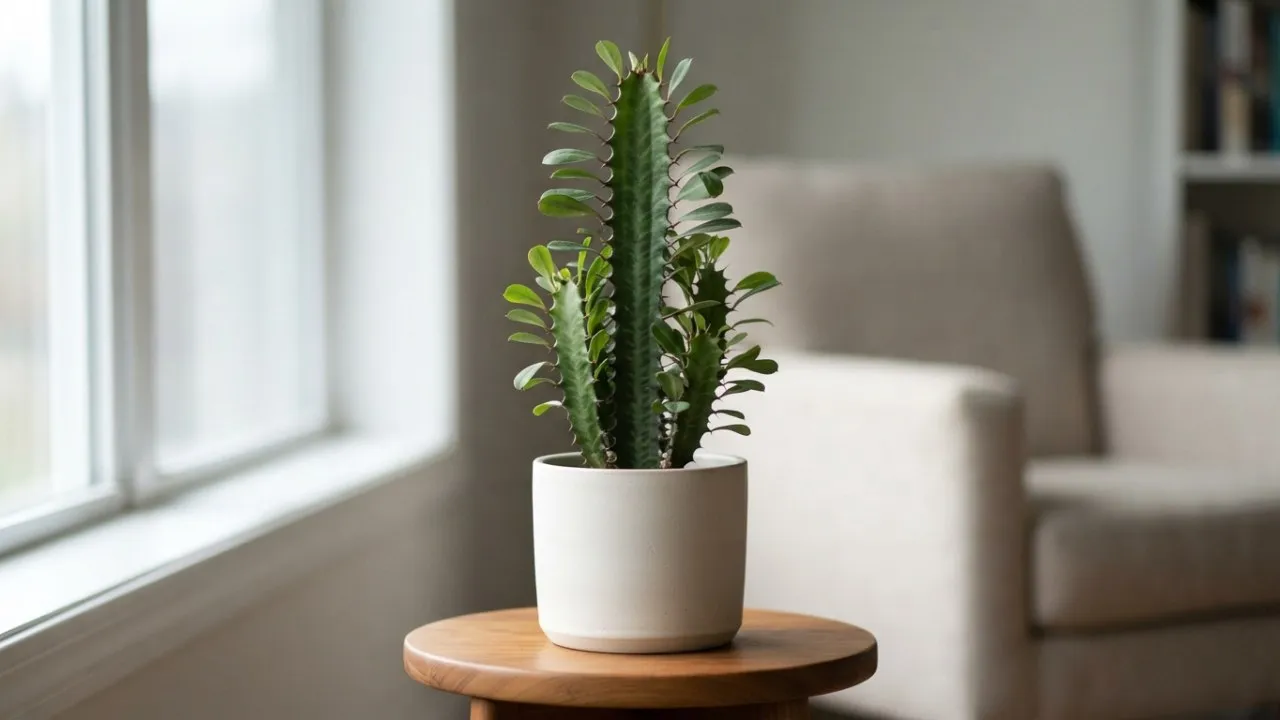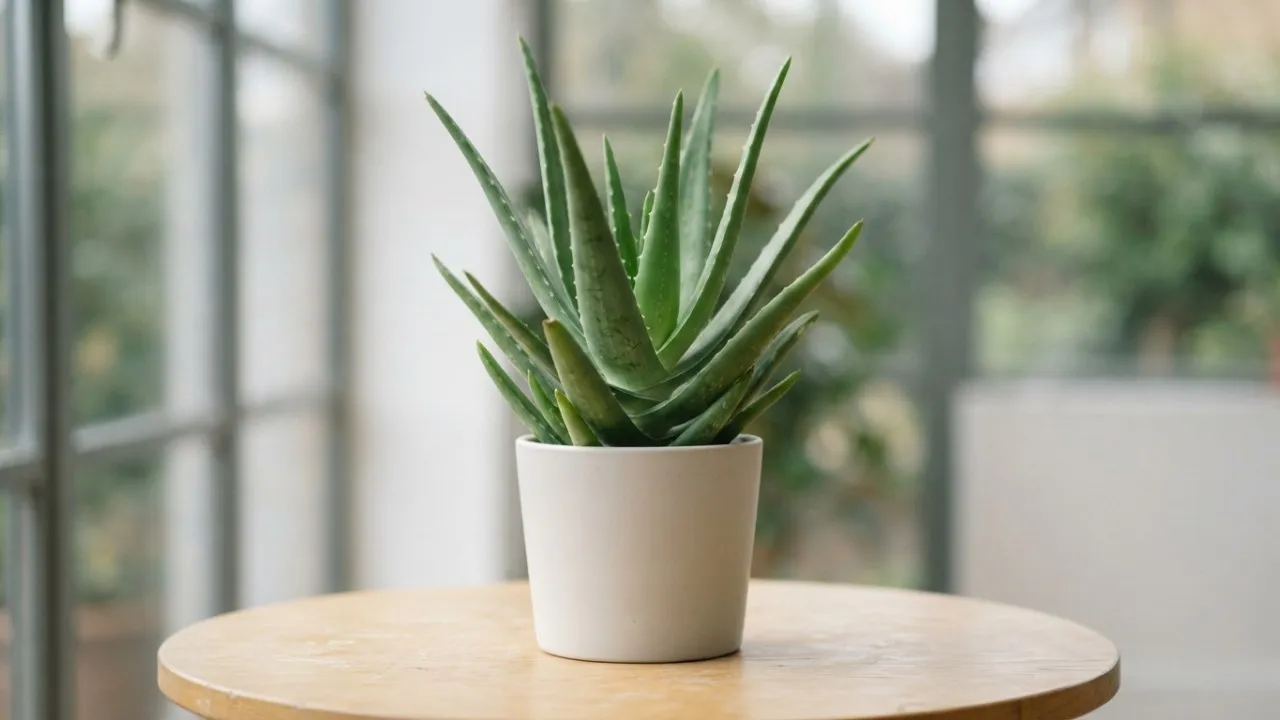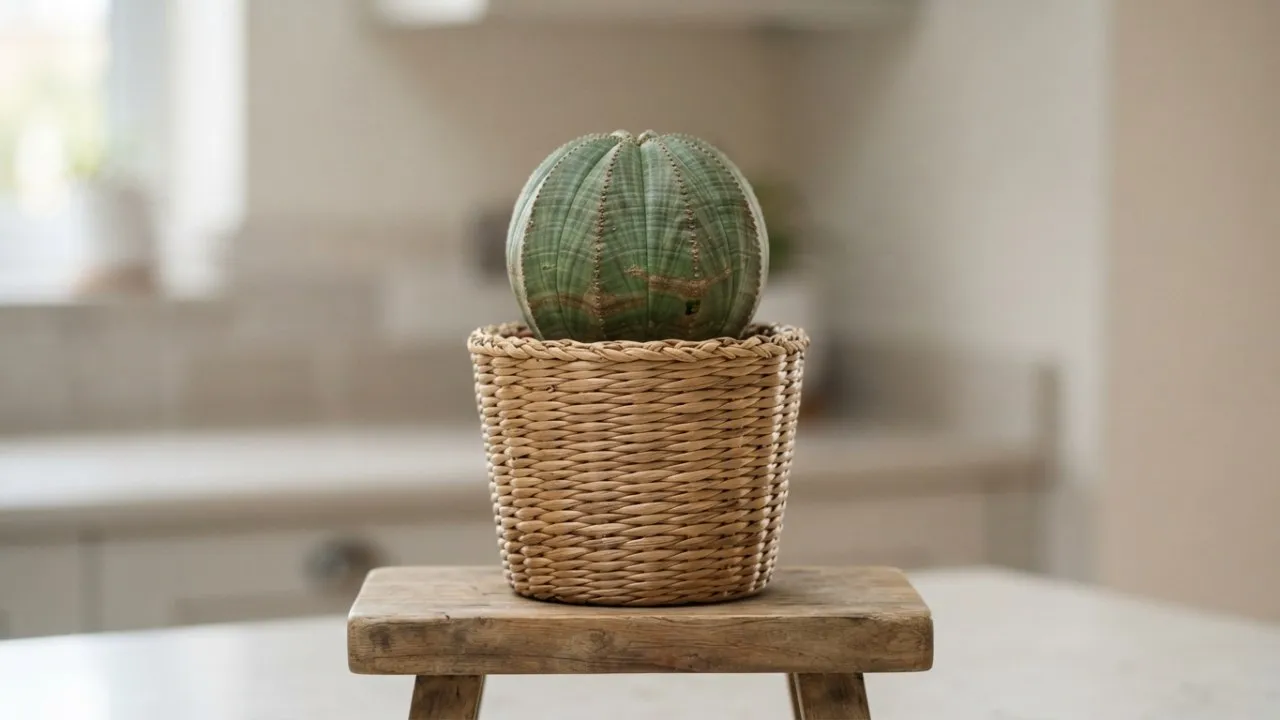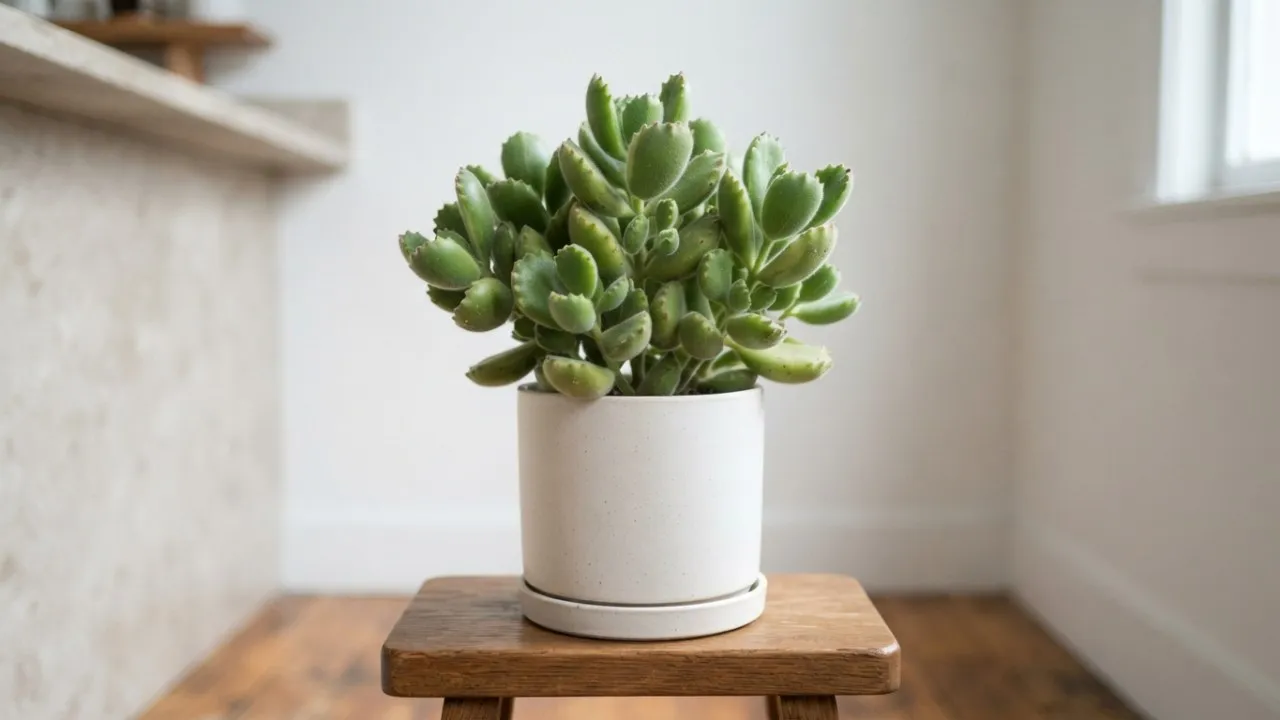
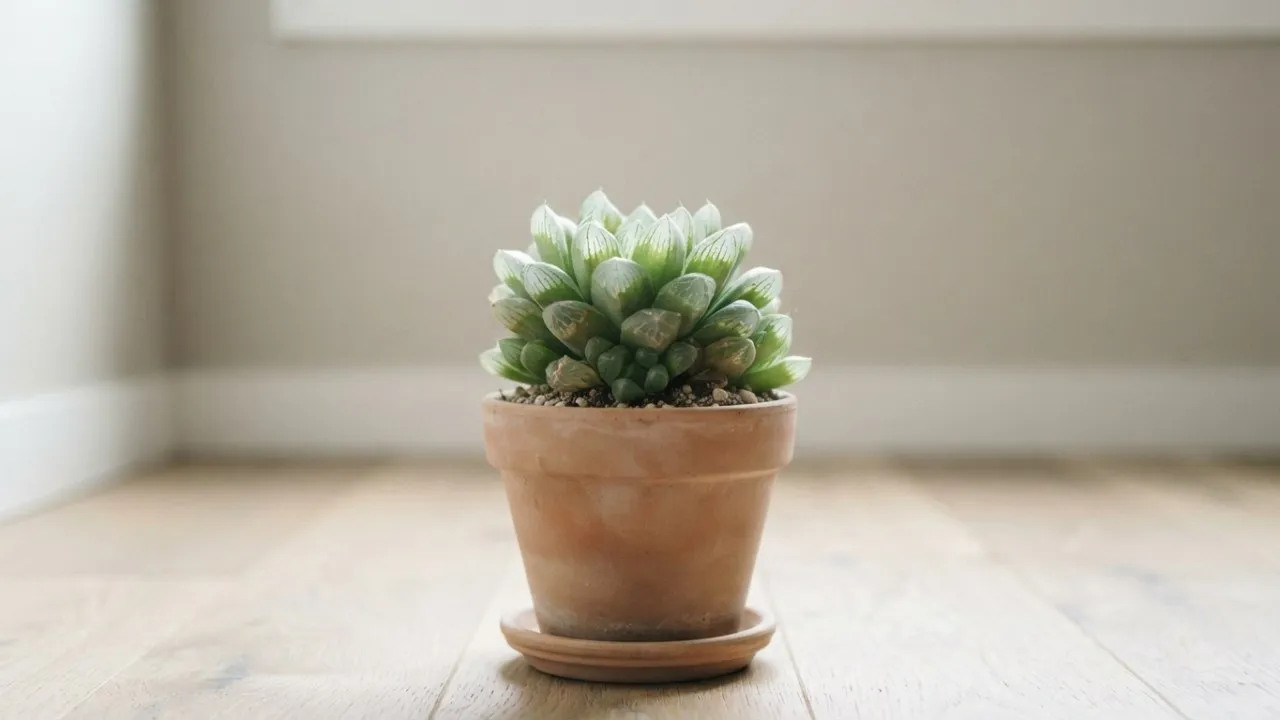
Windowpane Plant
Haworthia cooperi
A compact Haworthia with soft, plump, translucent-tipped leaves forming small rosettes.
The essentials at a glance
-
Watering
Every 14 days
-
Light
Bright indirect light
-
Humidity
40–60 %
-
Temperature
10–27 °C


How to care for your Windowpane Plant
Everything you need to keep your Windowpane Plant healthy: watering, light, humidity, feeding, repotting and pruning.
Haworthia cooperi, charmingly known as the Windowpane Plant, is a captivating succulent that forms tight rosettes of soft, gelatinous leaves. The most striking feature is the translucent, window-like tips of its leaves, which allow sunlight to reach chlorophyll deeper within the plant. This adaptation is common in plants growing semi-buried in their natural habitat. It readily offsets, creating attractive clumps, and is perfect for small containers or terrariums, thriving in bright, indirect light.

Watering your Windowpane Plant
Every 14 days
Water thoroughly when the soil is completely dry.
How to know it needs water
- Leaves appear less plump
- Soil is completely dry

How much light a Windowpane Plant needs
Bright indirect light
Bright indirect light; too much direct sun can scorch.
- Direct sun tolerated
- 0 to 2 h a day
- Orientations that suit it
- North, North-east, East, North-west, West, South-east, South

Humidity and misting
40–60 %
Low to medium (40-60%) Avoid misting; it is unnecessary and can cause rot.

Feeding and fertiliser
Every 90 days
Fertilize sparingly during spring/summer; avoid during dormancy.
- Recommended feed
- Weak liquid succulent fertilizer. · 2-7-7

Repotting your Windowpane Plant
Every 24 months
Divide offsets, repot in fresh, well-draining cactus/succulent mix.
- When
- Spring
- Potting mix
- Cactus and succulent mix
- Mix in
- perlite, pumice, coarse sand
The tell-tale signs
- Roots emerging from drainage
- Clump is overcrowded
- Stunted growth

Pruning your Windowpane Plant
Remove spent flower stalks and any dead or damaged leaves. Snip cleanly at the base.

Through the year
Watering is not set once and for all: it follows the light and the growth. Allow 21 days between waterings in the depth of winter, against 11 in the growing season.
- 21 J
- 17 F
- 14 M
- 11 A
- 11 M
- 11 J
- 11 J
- 11 A
- 14 S
- 14 O
- 17 N
- 21 D
Active growth · Days between waterings

Good to know
- Features translucent 'leaf windows' that allow light into the leaf interior for photosynthesis.
- Forms attractive mounds of offsets.

Frequently asked questions about the Windowpane Plant
How do you care for a Windowpane Plant?
Water it every 14 days. Give it bright indirect light. Ideal humidity: 40–60 %. Ideal temperature: 10–27 °C. Water thoroughly when the soil is completely dry.
How often should you water a Windowpane Plant?
Every 14 days Water thoroughly when the soil is completely dry. How to know it needs water : Leaves appear less plump ; Soil is completely dry.
How much light does a Windowpane Plant need?
Bright indirect light Bright indirect light; too much direct sun can scorch. 0 to 2 h a day
Is the Windowpane Plant toxic to cats and dogs?
No, the Windowpane Plant is not listed as toxic to cats and dogs. That is still no reason to let your pets chew on it.
Why are my Windowpane Plant leaves turning yellow?
Yellowing most often comes from too much water: the mix stays wet and the roots suffocate. Check that the pot drains, empty the saucer, and let the mix dry before watering again. Too little light or a cold draught cause the same symptom.
When should you repot a Windowpane Plant?
Repot every 24 months, ideally in spring. Divide offsets, repot in fresh, well-draining cactus/succulent mix.

At a glance
- Family
- Asphodelaceae
- Category
- Succulent
- Placement
- Indoor and outdoor
- Mature height
- 10 cm
- Growth
- Slow
- Temperature
- 10–27 °C
- Pot materials
- terracotta, ceramic, plastic
- Growth
- Reaches maturity in 5 years
These figures are for an average plant. In the app they are recalculated for yours, based on your room, its orientation and the season.
And for your plant, in your home?
In the app this plant becomes yours: a watering schedule tuned to your home, health tracking from photos, and reminders at the right moment.