
Variety Tropical · Acanthaceae
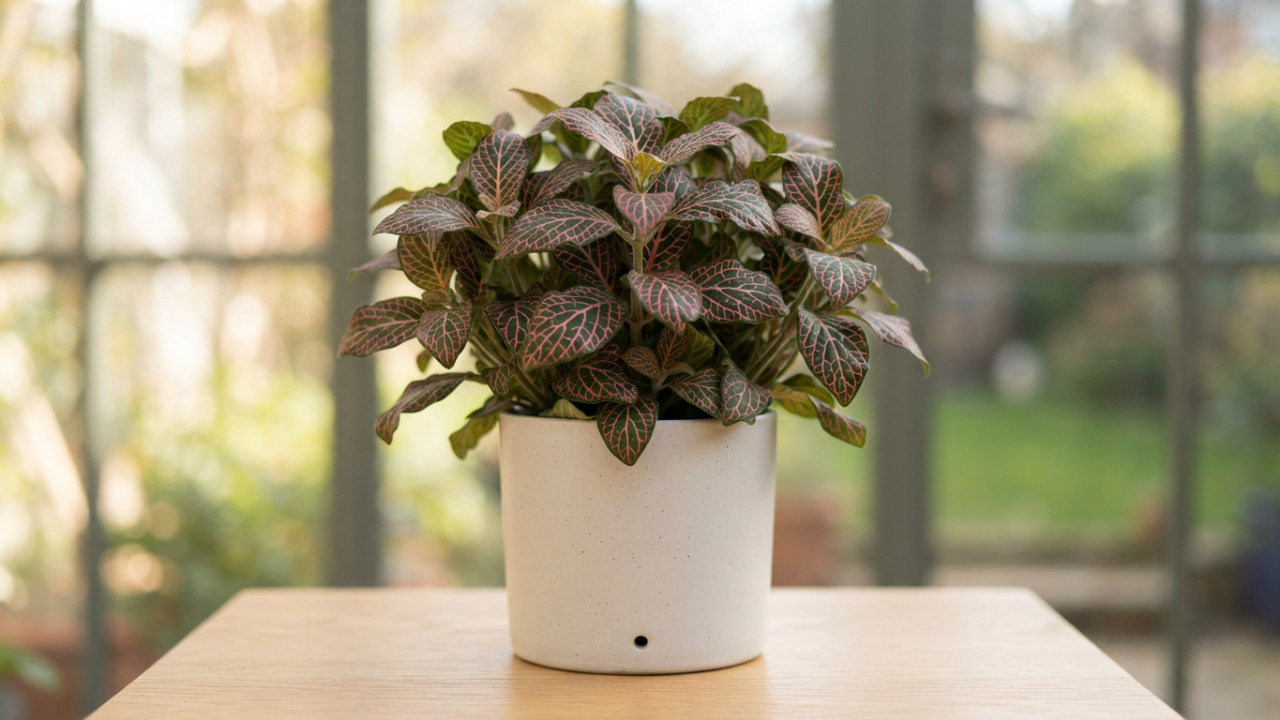
Red-veined nerve plant (Verschaffeltii Group)
Fittonia albivenis Verschaffeltii Group · A variety of Nerve Plant
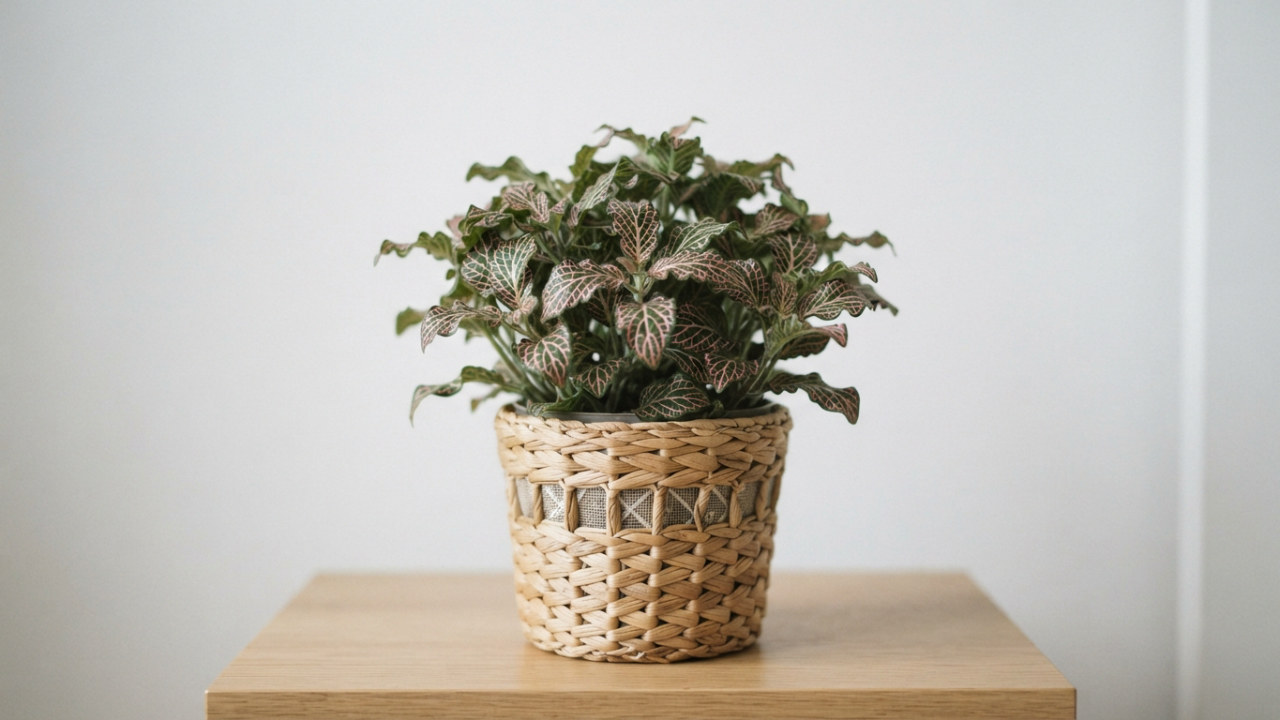
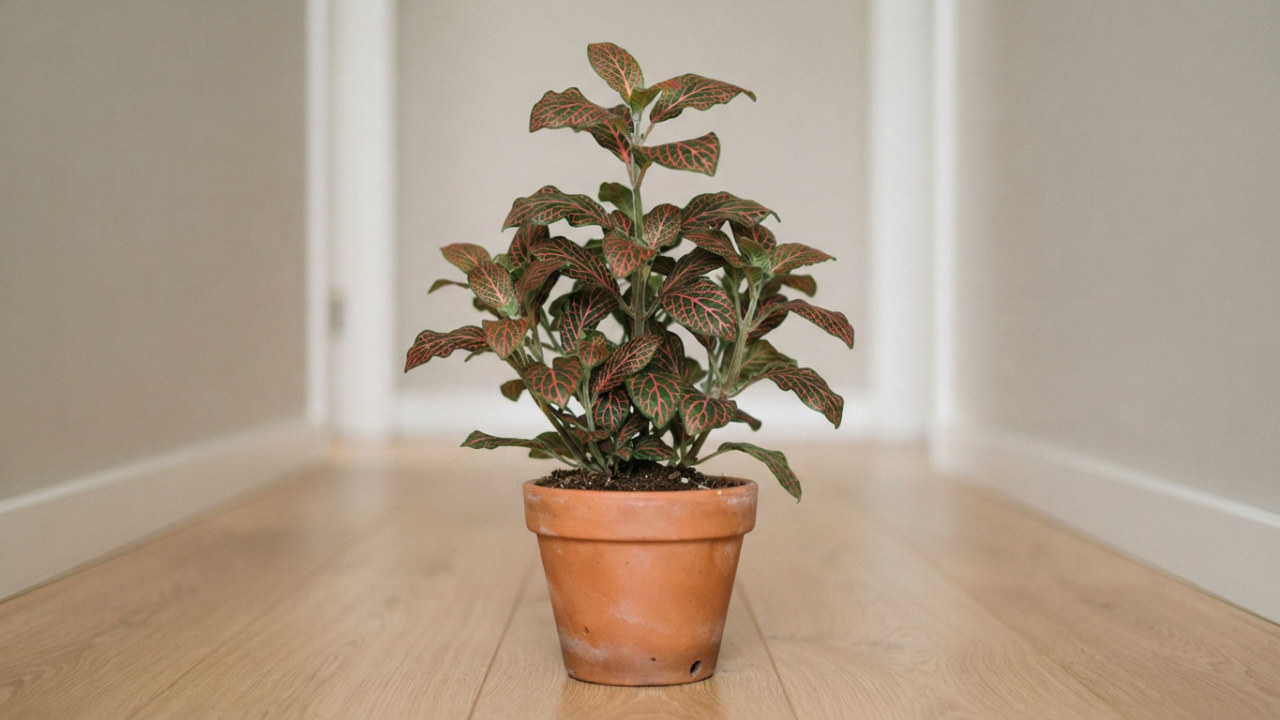
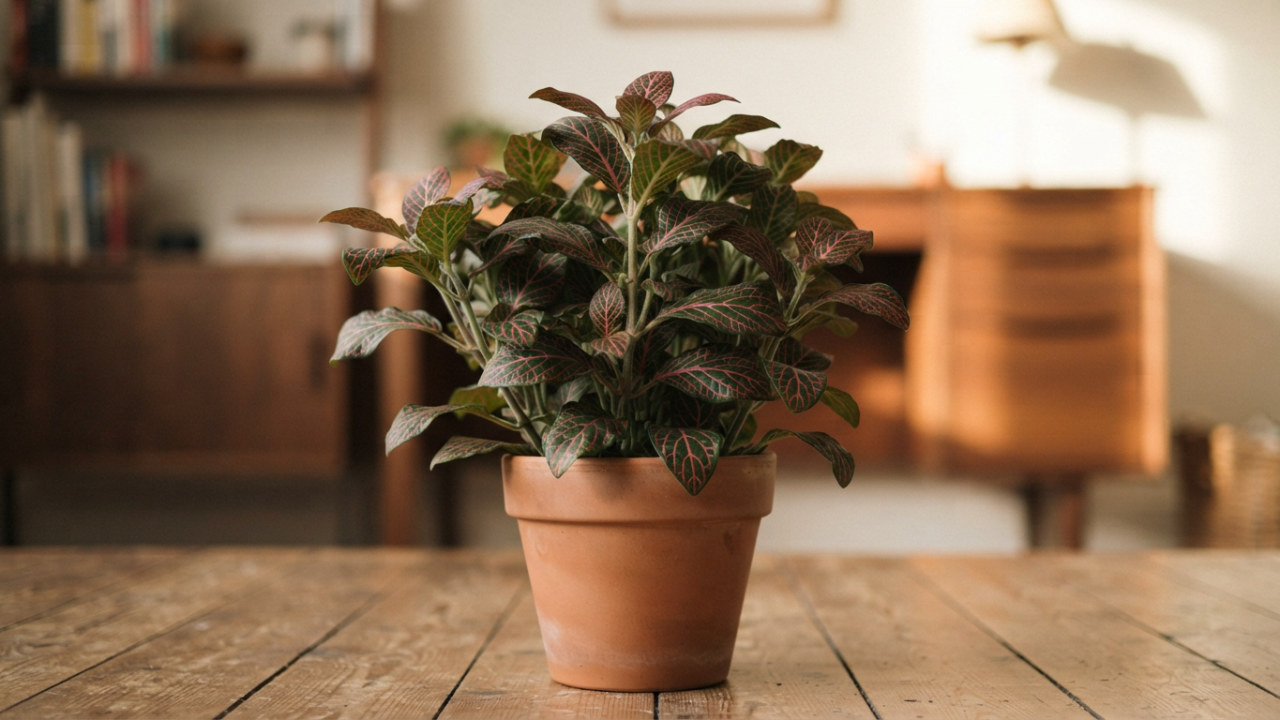
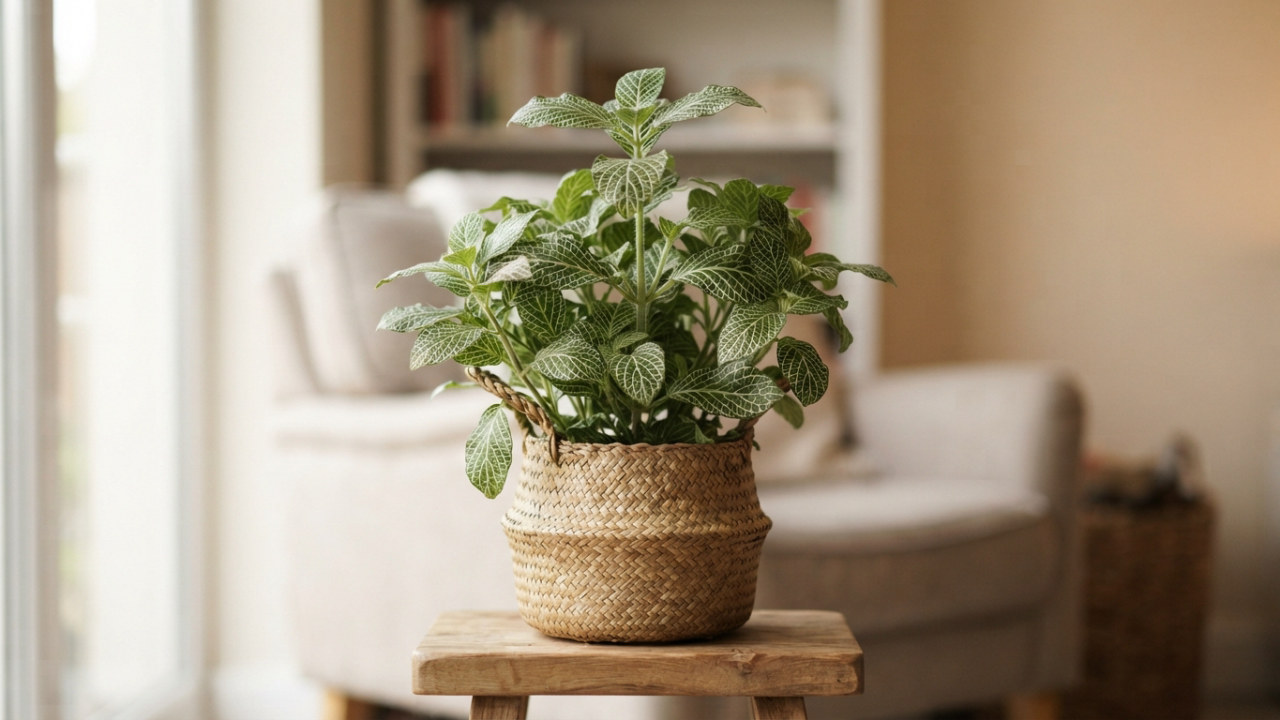
The red-veined group of the nerve plant: dark green oval leaves netted with rose-red to pink veins.
- Every 4 daysWatering
- Bright indirect lightLight
- 60–80 %Humidity
- 18–27 °CTemperature


Other varieties 8
How to care for your Red-veined nerve plant (Verschaffeltii Group)
Everything you need to keep your Red-veined nerve plant (Verschaffeltii Group) healthy: watering, light, humidity, feeding, repotting and pruning.
The Verschaffeltii Group gathers the nerve plants whose veins are rose-red or pink, set on dark green oval leaves 5 to 10 cm long. It was formerly treated as its own species, Fittonia verschaffeltii, and is named after the 19th-century Belgian nurseryman Ambroise Verschaffelt. The plant creeps and roots at the nodes, reaching 15 to 20 cm in height and up to 45 cm across indoors. Many red-veined plants in shops are named cultivars of this group.

How to recognise Red-veined nerve plant (Verschaffeltii Group)
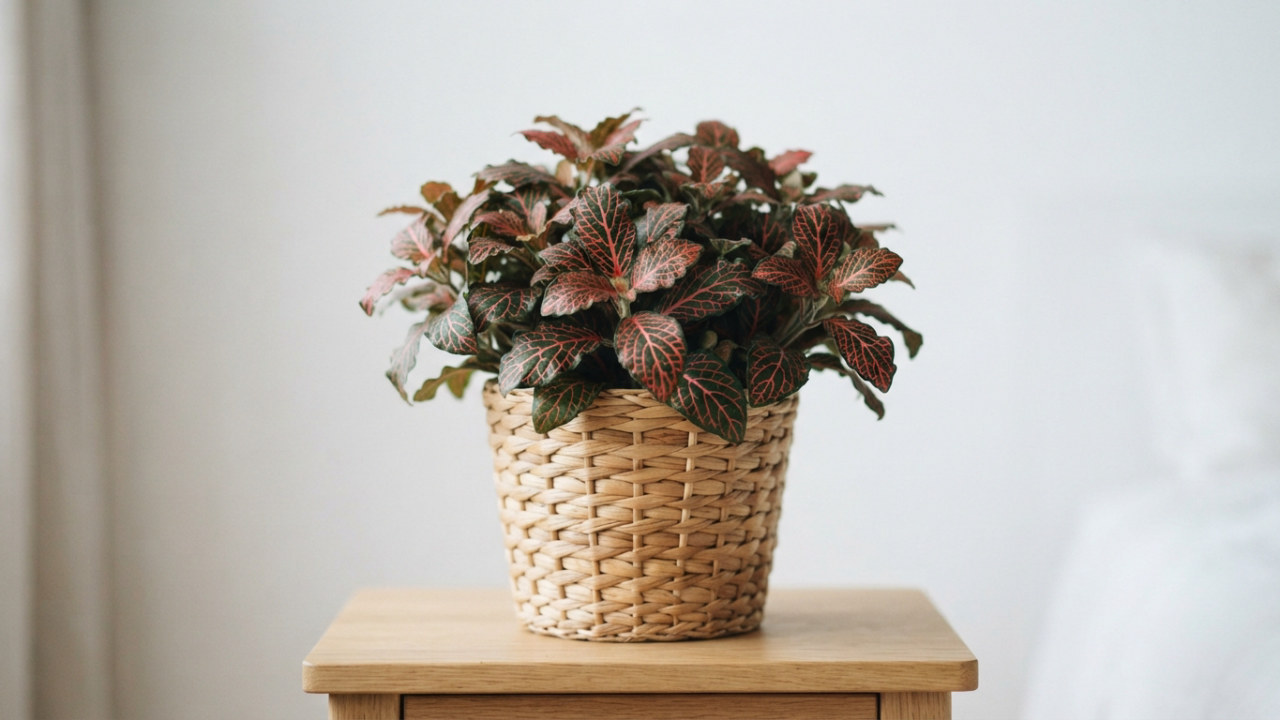
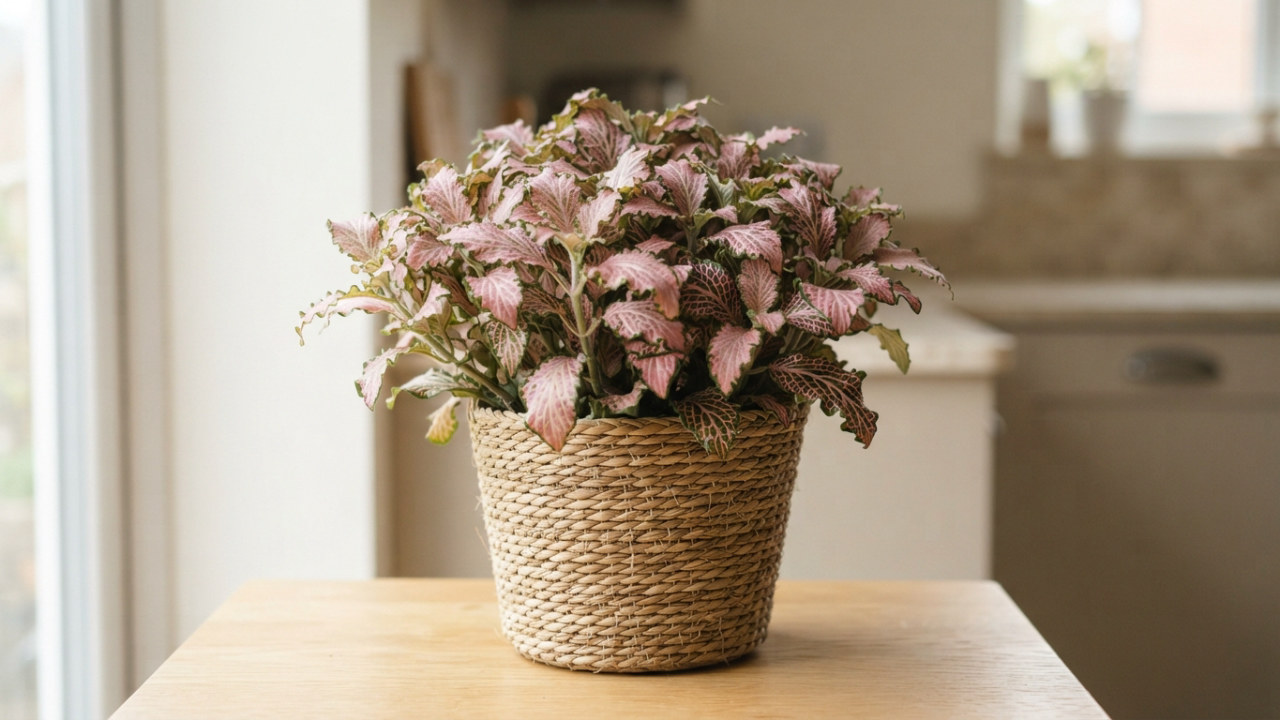
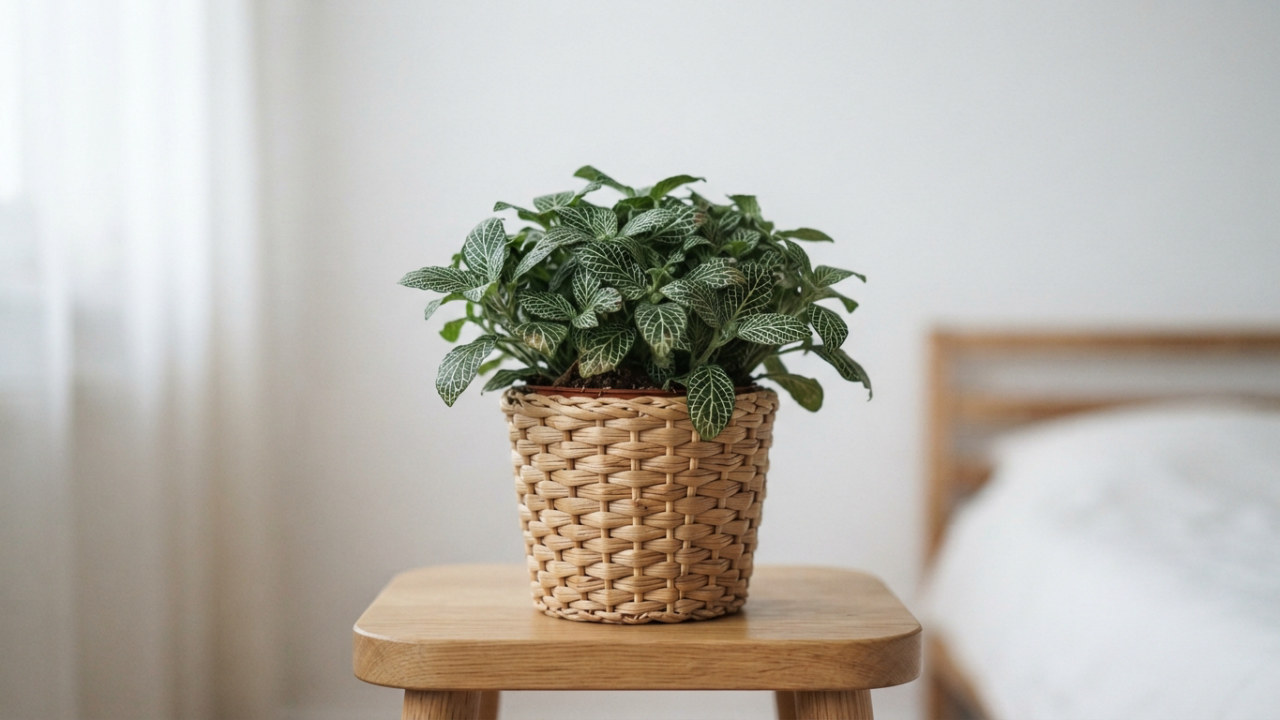
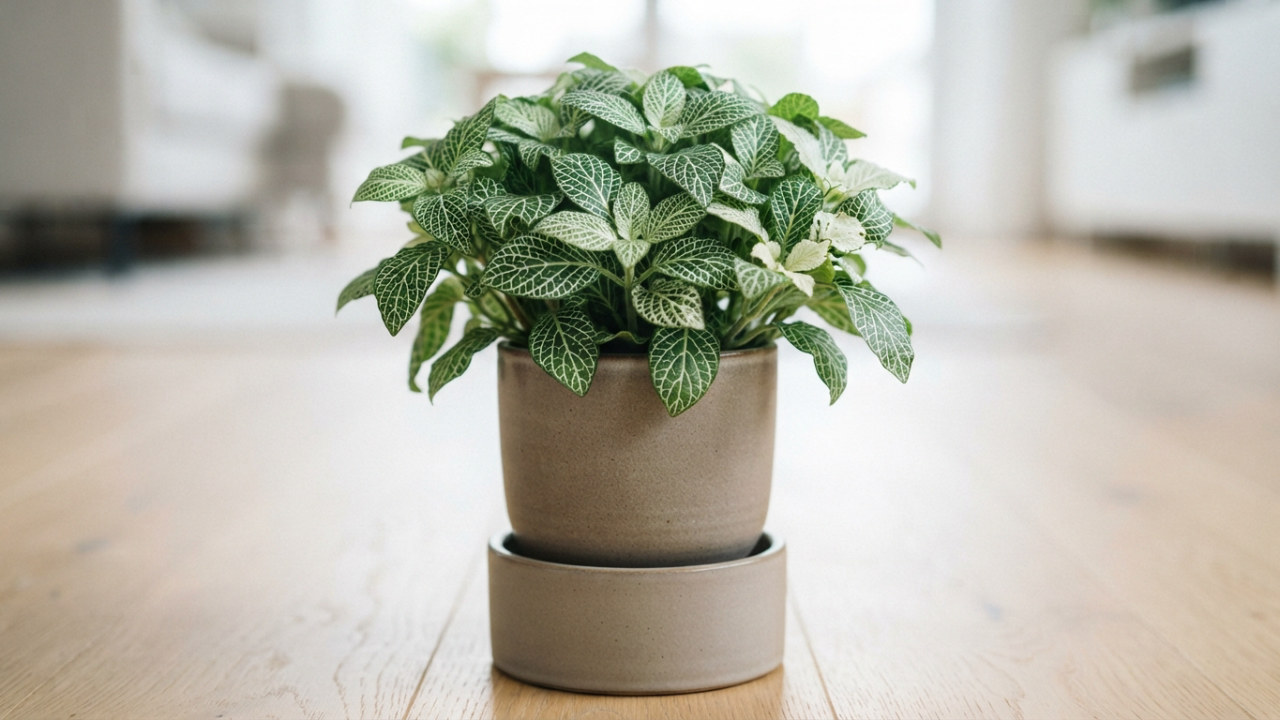
Dark green oval leaves with a dense net of rose-red or pink veins, as opposed to the white veins of the Argyroneura group and 'White Anne'. 'Frankie' has ruffled veins and mostly pink leaves, and 'Nana' is a dwarf. Hypoestes has speckles rather than veins.

Watering your Red-veined nerve plant (Verschaffeltii Group)
Every 4 days
Water from above with room-temperature water as soon as the surface starts to dry, so the mix stays evenly moist.
How to know it needs water
- The leaves droop and the whole plant looks collapsed
- The surface of the mix is dry to the touch

How much light a Red-veined nerve plant (Verschaffeltii Group) needs
Bright indirect light
Bright indirect light, with no direct sun, which fades the red veins and scorches the leaves.
- Direct sun tolerated
- No direct sun
- Orientations that suit it
- North, North-east, East, North-west

Humidity and misting
60–80 %
60 to 80%, kept steady all year. Mist about every three days, or grow it near other plants to raise the humidity around it.

Feeding and fertiliser
Every 28 days
Feed every four weeks from March to September, and not during the rest of the year.
- Recommended feed
- Liquid fertilizer for foliage plants, diluted to half strength. · 2-1-2

Repotting your Red-veined nerve plant (Verschaffeltii Group)
Every 12 months
Choose a shallow pot one size up, filled with a light mix of potting soil, perlite and coco fiber.
- When
- Spring
- Potting mix
- All-purpose potting mix
- Mix in
- perlite, coco fibre
The tell-tale signs
- Roots show at the drainage holes
- The mix dries out much faster than it used to

Pruning your Red-veined nerve plant (Verschaffeltii Group)
In spring and summer, when stems turn long and leggy. Pinch the tips by hand or cut just above a node with clean scissors, and remove flower spikes.

Through the year
Watering is not set once and for all: it follows the light and the growth. Allow 4 days between waterings in the depth of winter, against 3 in the growing season.
- 4 J
- 4 F
- 4 M
- 3 A
- 3 M
- 3 J
- 3 J
- 3 A
- 4 S
- 4 O
- 4 N
- 4 D
Active growth · Days between waterings

Good to know
- A group name such as Verschaffeltii covers many cultivars at once, so no single plant bears it alone.
- Fittonia verschaffeltii, the old species name, is now treated as a synonym of Fittonia albivenis.

Frequently asked questions about the Red-veined nerve plant (Verschaffeltii Group)
How do you care for a Red-veined nerve plant (Verschaffeltii Group)?
Water it every 4 days. Give it bright indirect light. Ideal humidity: 60–80 %. Ideal temperature: 18–27 °C. Water from above with room-temperature water as soon as the surface starts to dry, so the mix stays evenly moist.
How often should you water a Red-veined nerve plant (Verschaffeltii Group)?
Every 4 days Water from above with room-temperature water as soon as the surface starts to dry, so the mix stays evenly moist. How to know it needs water : The leaves droop and the whole plant looks collapsed ; The surface of the mix is dry to the touch.
How much light does a Red-veined nerve plant (Verschaffeltii Group) need?
Bright indirect light Bright indirect light, with no direct sun, which fades the red veins and scorches the leaves. No direct sun
Is the Red-veined nerve plant (Verschaffeltii Group) toxic to cats and dogs?
No, the Red-veined nerve plant (Verschaffeltii Group) is not listed as toxic to cats and dogs. That is still no reason to let your pets chew on it.
Why are my Red-veined nerve plant (Verschaffeltii Group) leaves turning yellow?
Yellowing most often comes from too much water: the mix stays wet and the roots suffocate. Check that the pot drains, empty the saucer, and let the mix dry before watering again. Too little light or a cold draught cause the same symptom.
When should you repot a Red-veined nerve plant (Verschaffeltii Group)?
Repot every 12 months, ideally in spring. Choose a shallow pot one size up, filled with a light mix of potting soil, perlite and coco fiber.

At a glance
- Family
- Acanthaceae
- Category
- Tropical
- Placement
- Indoor
- Mature height
- 15 cm
- Growth
- Moderate
- Temperature
- 18–27 °C
- Pot materials
- ceramic, plastic
- Growth
- Reaches maturity in 2 years
These figures are for an average plant. In the app they are recalculated for yours, based on your room, its orientation and the season.
And for your plant, in your home?
In the app this plant becomes yours: a watering schedule tuned to your home, health tracking from photos, and reminders at the right moment.
In the same spirit
 Every 7 days


Air Plant
Tillandsia ionantha

 Every 6 days
Alocasia amazonica
Alocasia amazonica
 Every 7 days
Alocasia baginda
Alocasia baginda
 Every 4 days
Angel Wings
Caladium bicolor
