
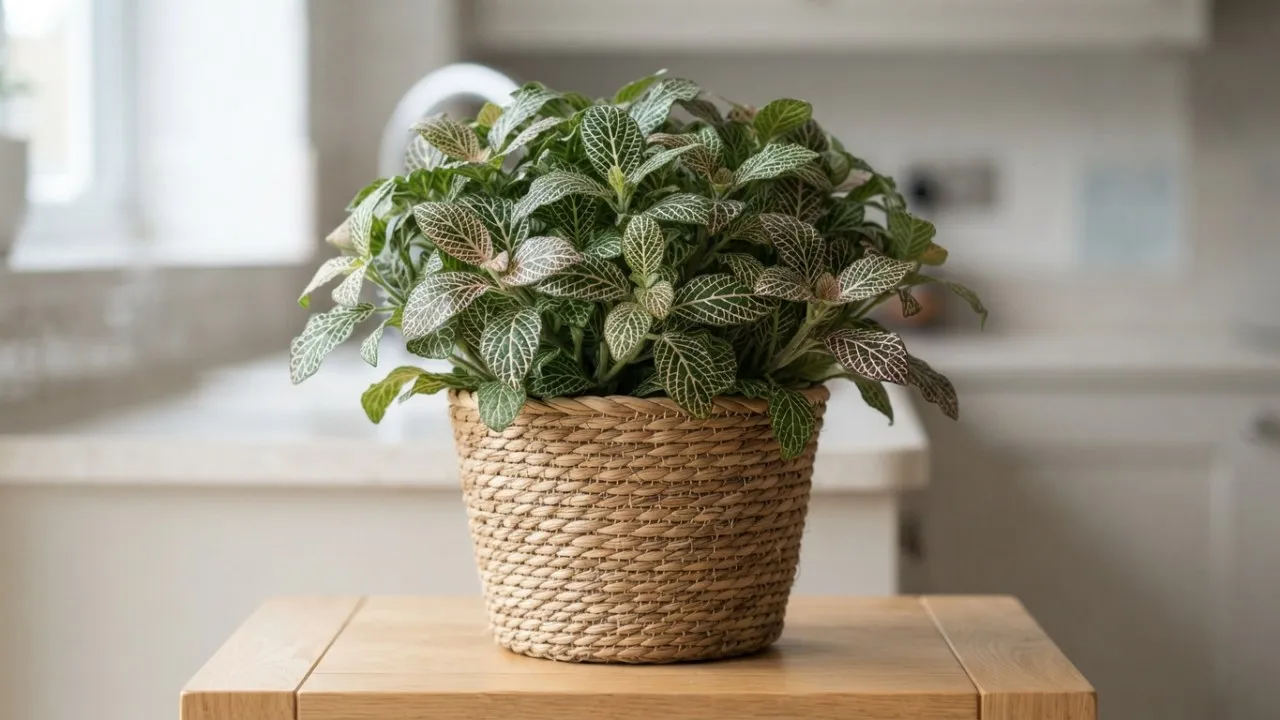
Nerve Plant
Fittonia albivenis
A small creeping plant with leaves finely veined in white, pink, or red, the nerve plant is a miniature gem perfect for terrariums.
The essentials at a glance
-
Watering
Every 4 days
-
Light
Bright indirect light
-
Humidity
60–80 %
-
Temperature
18–27 °C


How to care for your Nerve Plant
Everything you need to keep your Nerve Plant healthy: watering, light, humidity, feeding, repotting and pruning.
Fittonia albivenis is native to the humid tropical rainforests of Peru, where it carpets the forest floor in a constantly warm and moist atmosphere. Its small oval leaves are covered with a dense network of contrasting white, pink, or bright red veins that give it a delicate mosaic appearance. This plant is known for its theatrical behavior: it collapses completely when it lacks water, alarming novice owners, but miraculously straightens up within minutes of watering. Ideal for humid terrariums, it requires regular attention to hydration in open cultivation.

Watering your Nerve Plant
Every 4 days
Keep soil consistently moist but not waterlogged. Very sensitive to drying out. Water when the surface feels slightly dry. Use room temperature water.
How to know it needs water
- Surface of soil feels slightly dry
- Plant dramatically wilts and faints (recovers quickly after watering)
- Leaves look less perky than usual

How much light a Nerve Plant needs
Bright indirect light
Bright indirect or filtered light. No direct sun which fades the leaf patterns. Tolerates lower light. Grows well under fluorescent lights.
- Direct sun tolerated
- No direct sun
- Orientations that suit it
- North, North-east, East, North-west

Humidity and misting
60–80 %
60–80% Demands high humidity. Mist daily or grow in a terrarium for best results. Perfect terrarium plant due to small size and humidity needs. Brown crispy edges mean dry air.

Feeding and fertiliser
Every 30 days
Feed monthly during spring and summer at quarter to half strength. These small plants have modest nutritional needs. No feeding in winter.
- Recommended feed
- Balanced liquid fertilizer (10-10-10) · 2-1-2

Repotting your Nerve Plant
Every 12 months
Use a peat-based mix that retains some moisture but still drains well. Choose a shallow pot as fittonias have shallow root systems. Take the opportunity to divide clumps.
- When
- Spring
- Potting mix
- All-purpose potting mix
- Mix in
- perlite, coco fibre
The tell-tale signs
- Roots visible at drainage holes
- Plant dries out extremely quickly
- Growth appears cramped and stunted

Pruning your Nerve Plant
When stems become leggy or the plant outgrows its space. Pinch off growing tips regularly to maintain a compact, bushy shape. Remove any flower spikes as they appear — flowering weakens the plant. Trim leggy stems at a node.

Through the year
Watering is not set once and for all: it follows the light and the growth. Allow 4 days between waterings in the depth of winter, against 3 in the growing season.
- 4 J
- 4 F
- 4 M
- 3 A
- 3 M
- 3 J
- 3 J
- 3 A
- 4 S
- 4 O
- 4 N
- 4 D
Active growth · Days between waterings

Good to know
- The fittonia is nicknamed the 'drama queen' by plant enthusiasts because it dramatically faints when thirsty, but perks right back up within an hour of watering.
- It is one of the best plants for closed terrariums, where it thrives in the humid, enclosed atmosphere.

Frequently asked questions about the Nerve Plant
How do you care for a Nerve Plant?
Water it every 4 days. Give it bright indirect light. Ideal humidity: 60–80 %. Ideal temperature: 18–27 °C. Keep soil consistently moist but not waterlogged. Very sensitive to drying out. Water when the surface feels slightly dry. Use room temperature water.
How often should you water a Nerve Plant?
Every 4 days Keep soil consistently moist but not waterlogged. Very sensitive to drying out. Water when the surface feels slightly dry. Use room temperature water. How to know it needs water : Surface of soil feels slightly dry ; Plant dramatically wilts and faints (recovers quickly after watering) ; Leaves look less perky than usual.
How much light does a Nerve Plant need?
Bright indirect light Bright indirect or filtered light. No direct sun which fades the leaf patterns. Tolerates lower light. Grows well under fluorescent lights. No direct sun
Is the Nerve Plant toxic to cats and dogs?
No, the Nerve Plant is not listed as toxic to cats and dogs. That is still no reason to let your pets chew on it.
Why are my Nerve Plant leaves turning yellow?
Yellowing most often comes from too much water: the mix stays wet and the roots suffocate. Check that the pot drains, empty the saucer, and let the mix dry before watering again. Too little light or a cold draught cause the same symptom.
When should you repot a Nerve Plant?
Repot every 12 months, ideally in spring. Use a peat-based mix that retains some moisture but still drains well. Choose a shallow pot as fittonias have shallow root systems. Take the opportunity to divide clumps.

At a glance
- Family
- Acanthaceae
- Category
- Tropical
- Placement
- Indoor
- Mature height
- 15 cm
- Growth
- Moderate
- Temperature
- 18–27 °C
- Pot materials
- ceramic, plastic
- Growth
- Reaches maturity in 2 years
These figures are for an average plant. In the app they are recalculated for yours, based on your room, its orientation and the season.
And for your plant, in your home?
In the app this plant becomes yours: a watering schedule tuned to your home, health tracking from photos, and reminders at the right moment.
In the same spirit
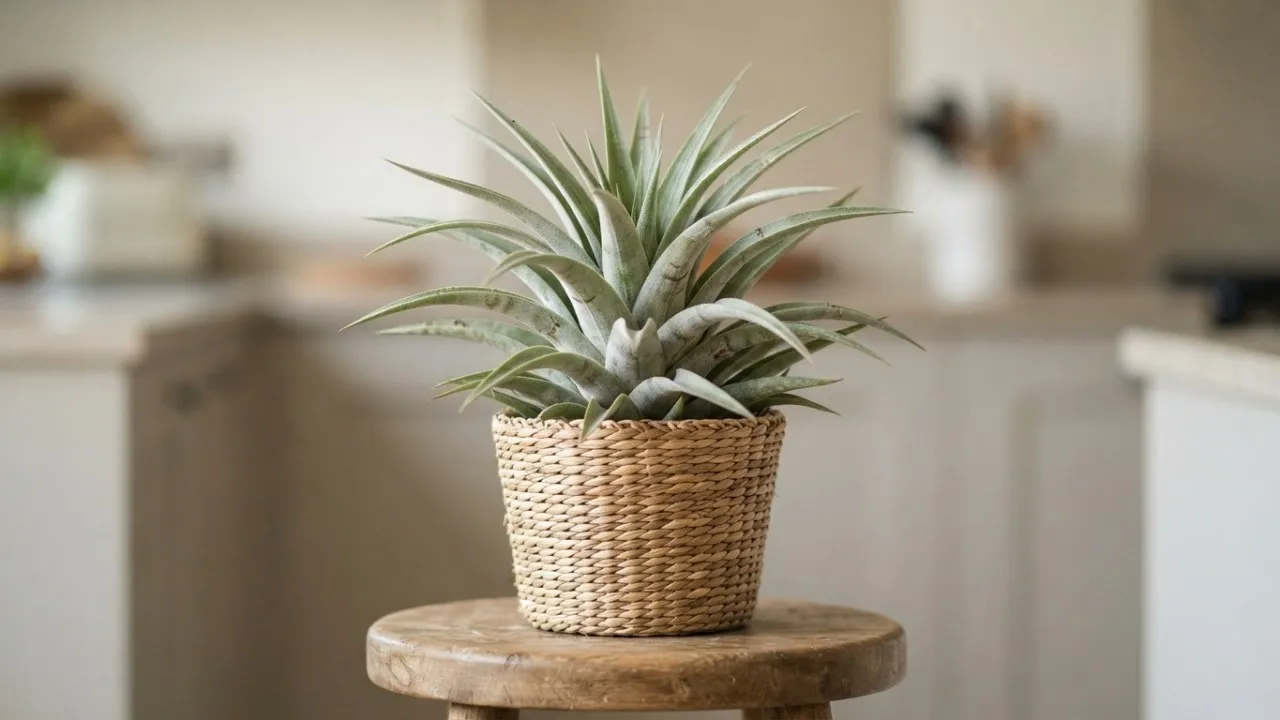 Every 4 days
 Air Plant
Tillandsia ionantha

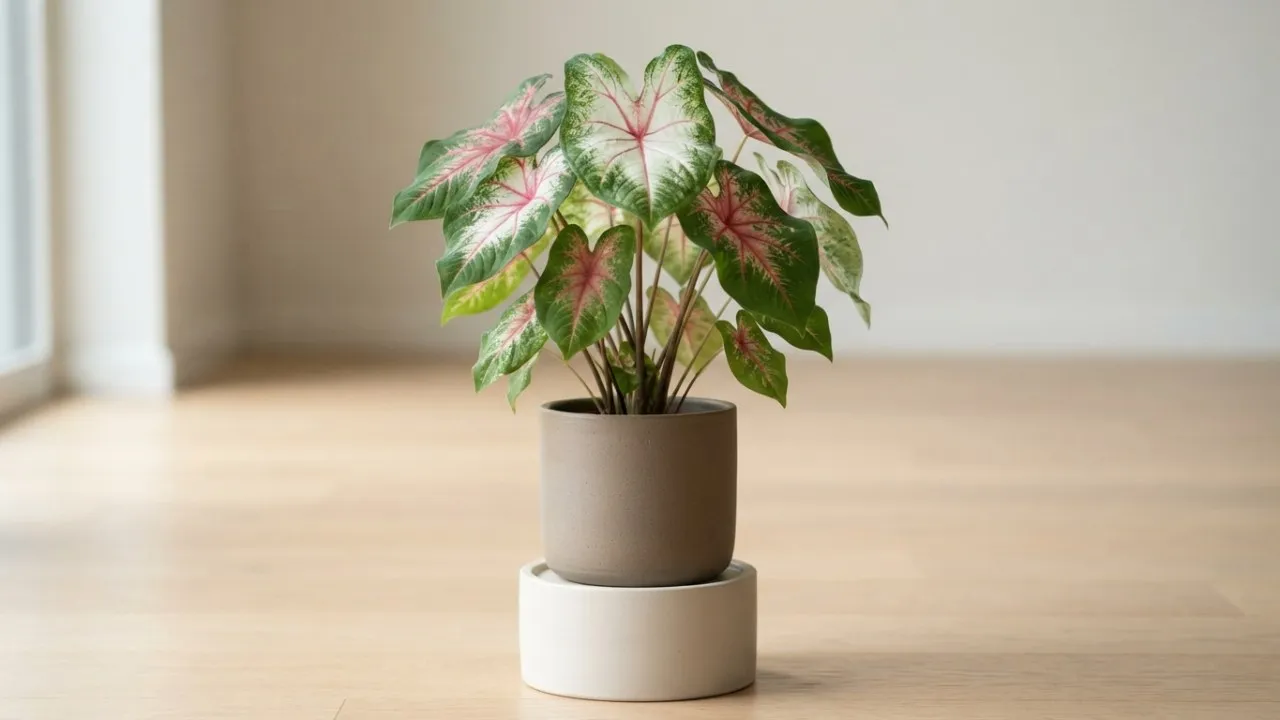 Every 3 days
 Angel Wings
Caladium bicolor
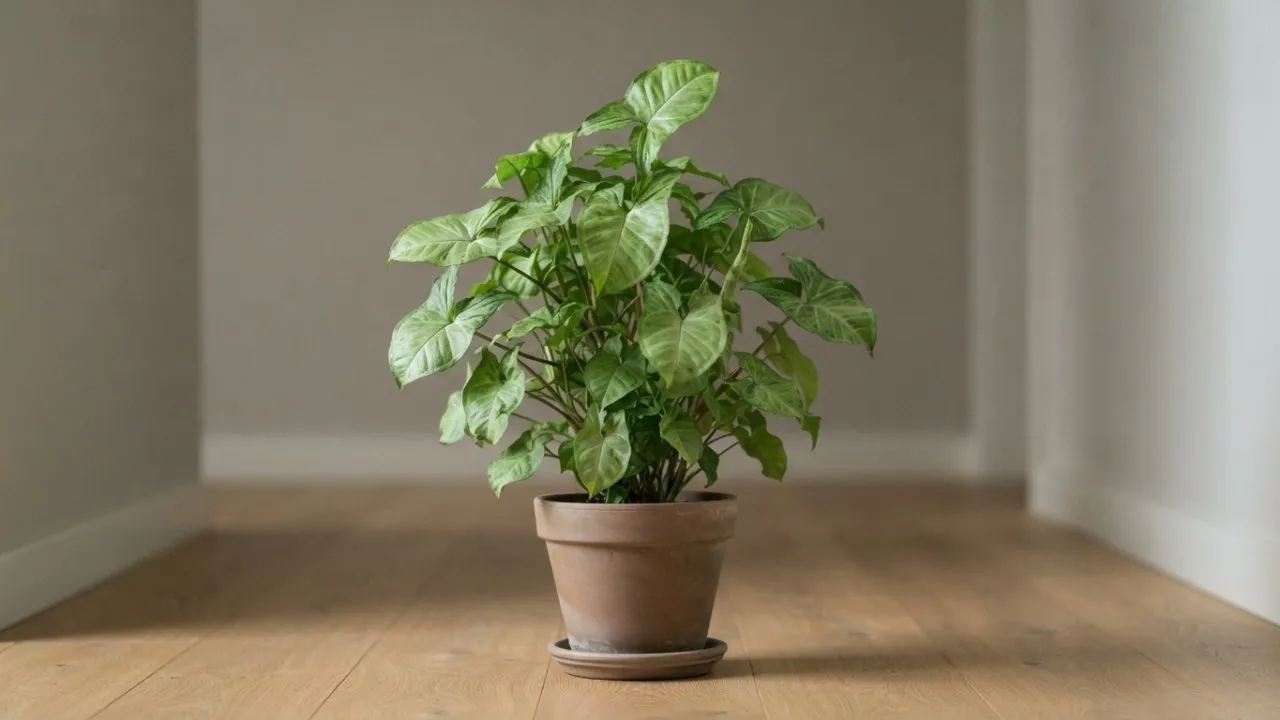 Every 7 days
 Arrowhead Plant
Syngonium podophyllum
 Every 10 days
 Baby Rubber Plant
Peperomia obtusifolia