
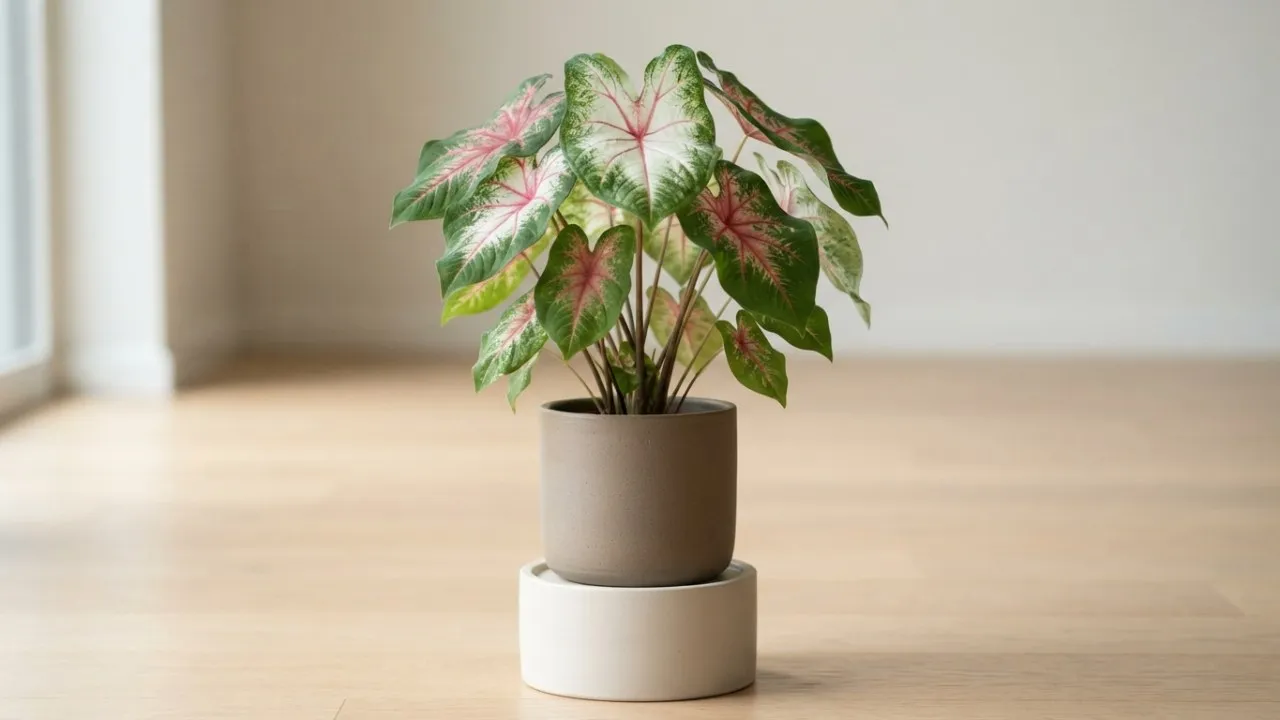
Angel Wings
Caladium bicolor
A spectacular tropical bulb plant, famous for its large heart-shaped leaves with vivid, contrasting colors.
The essentials at a glance
-
Watering
Every 3 days
-
Light
Bright indirect light
-
Humidity
60–80 %
-
Temperature
18–28 °C


How to care for your Angel Wings
Everything you need to keep your Angel Wings healthy: watering, light, humidity, feeding, repotting and pruning.
Caladium is a tuberous plant native to the tropical forests of South America, primarily Brazil. Its large, translucent heart-shaped leaves offer an extraordinary color show, with patterns of pink, red, white, and green that appear hand-painted. It is a seasonal plant: it grows vigorously from spring to fall then enters complete dormancy in winter, losing all its foliage. The bulb must be kept dry and warm during this rest period.

Watering your Angel Wings
Every 3 days
Keep the substrate evenly moist without waterlogging. Use room-temperature water. Gradually reduce watering in autumn as the plant enters dormancy.
How to know it needs water
- Substrate beginning to dry at the surface
- Leaves drooping slightly
- Leaf margins beginning to curl

How much light a Angel Wings needs
Bright indirect light
Bright indirect light. Some varieties tolerate a little shade. Direct sun scorches the delicate leaves and fades the colours.
- Direct sun tolerated
- 0 to 1 h a day
- Orientations that suit it
- North, North-east, East, North-west

Humidity and misting
60–80 %
60–80% Mist frequently to maintain high humidity. Caladiums are tropical understorey plants that require a humid atmosphere. A pebble tray with water is recommended.

Feeding and fertiliser
Every 14 days
Fertilize every 2 weeks during the active growing period (May to September). Stop fertilizing entirely as soon as leaves begin to yellow in autumn.
- Recommended feed
- Liquid fertilizer rich in nitrogen and potassium, diluted to half dose. · 2-1-2

Repotting your Angel Wings
Every 12 months
Replant bulbs in spring at 2–3 cm depth in a light, rich blend: peat, perlite, and compost. Eyes (buds) pointing upward. Separate small bulbs for propagation.
- When
- Early spring (March), before vegetation resumes
- Potting mix
- All-purpose potting mix
- Mix in
- perlite, coco fibre
The tell-tale signs
- Bulbs crowded in the pot
- Leaves smaller than the previous season
- Bulbs pushing to the surface

Pruning your Angel Wings
Remove faded leaves as they appear. In autumn, allow the foliage to yellow naturally before dormancy. Cut faded leaf stems at the base with clean scissors. Do not force the removal of leaves that are still partly green. Wear gloves due to the irritating sap.

Through the year
Watering is not set once and for all: it follows the light and the growth. Allow 8 days between waterings in the depth of winter, against 2 in the growing season.
- 8 J
- 8 F
- 5 M
- 3 A
- 2 M
- 2 J
- 2 J
- 2 A
- 3 S
- 5 O
- 6 N
- 8 D
Active growth · Days between waterings

Toxicity
All parts of the plant contain calcium oxalate crystals. Toxic to animals and humans. Ingestion causes intense oral pain, tongue swelling, and difficulty swallowing.

Good to know
- Caladium goes into complete dormancy in winter: all its leaves disappear and only the bulb survives underground for several months before reappearing in spring.
- There are over 1,000 caladium cultivars with endless combinations of pink, red, white, and green on the leaves.

Frequently asked questions about the Angel Wings
How do you care for a Angel Wings?
Water it every 3 days. Give it bright indirect light. Ideal humidity: 60–80 %. Ideal temperature: 18–28 °C. Keep the substrate evenly moist without waterlogging. Use room-temperature water. Gradually reduce watering in autumn as the plant enters dormancy.
How often should you water a Angel Wings?
Every 3 days Keep the substrate evenly moist without waterlogging. Use room-temperature water. Gradually reduce watering in autumn as the plant enters dormancy. How to know it needs water : Substrate beginning to dry at the surface ; Leaves drooping slightly ; Leaf margins beginning to curl.
How much light does a Angel Wings need?
Bright indirect light Bright indirect light. Some varieties tolerate a little shade. Direct sun scorches the delicate leaves and fades the colours. 0 to 1 h a day
Is the Angel Wings toxic to cats and dogs?
Yes. All parts of the plant contain calcium oxalate crystals. Toxic to animals and humans. Ingestion causes intense oral pain, tongue swelling, and difficulty swallowing. Keep it out of reach of your pets and call a vet if any is swallowed.
Why are my Angel Wings leaves turning yellow?
Yellowing most often comes from too much water: the mix stays wet and the roots suffocate. Check that the pot drains, empty the saucer, and let the mix dry before watering again. Too little light or a cold draught cause the same symptom.
When should you repot a Angel Wings?
Repot every 12 months, ideally in early spring (march), before vegetation resumes. Replant bulbs in spring at 2–3 cm depth in a light, rich blend: peat, perlite, and compost. Eyes (buds) pointing upward. Separate small bulbs for propagation.

At a glance
- Family
- Araceae
- Category
- Tropical
- Placement
- Indoor
- Mature height
- 60 cm
- Growth
- Moderate
- Temperature
- 18–28 °C
- Pot materials
- plastic, ceramic
- Growth
- Reaches maturity in 2 years
These figures are for an average plant. In the app they are recalculated for yours, based on your room, its orientation and the season.
And for your plant, in your home?
In the app this plant becomes yours: a watering schedule tuned to your home, health tracking from photos, and reminders at the right moment.
In the same spirit
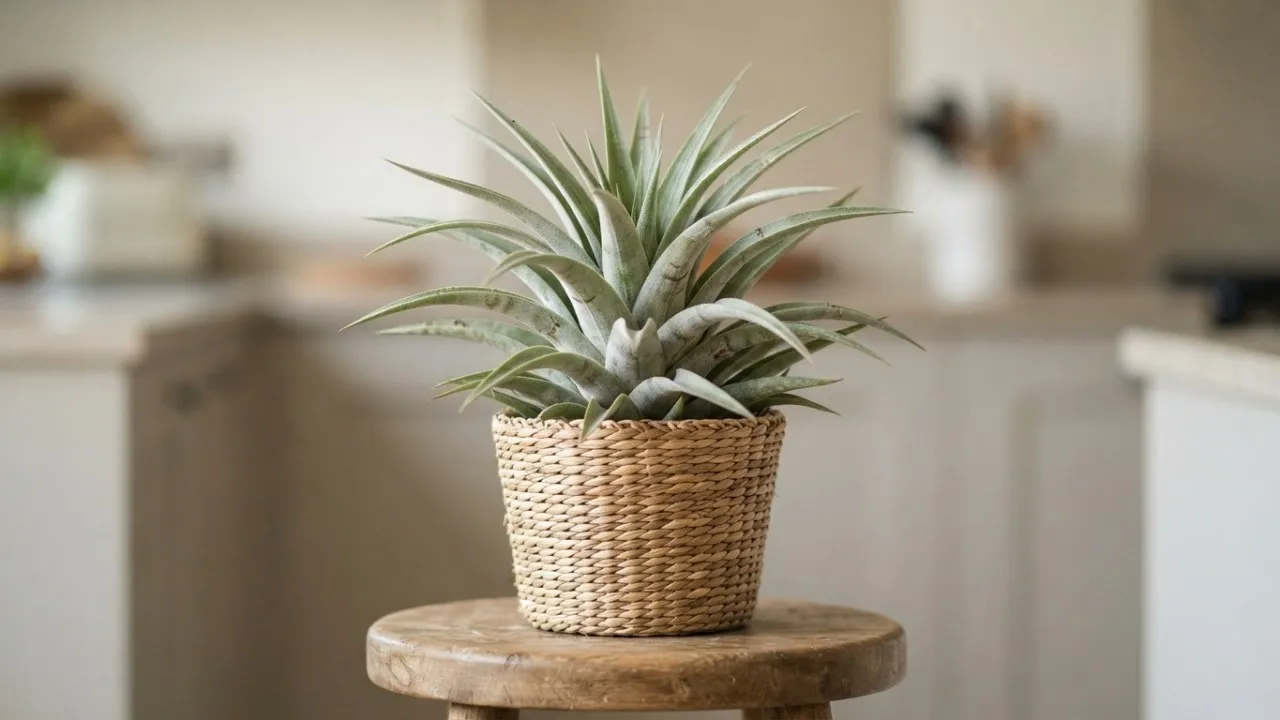 Every 4 days
 Air Plant
Tillandsia ionantha

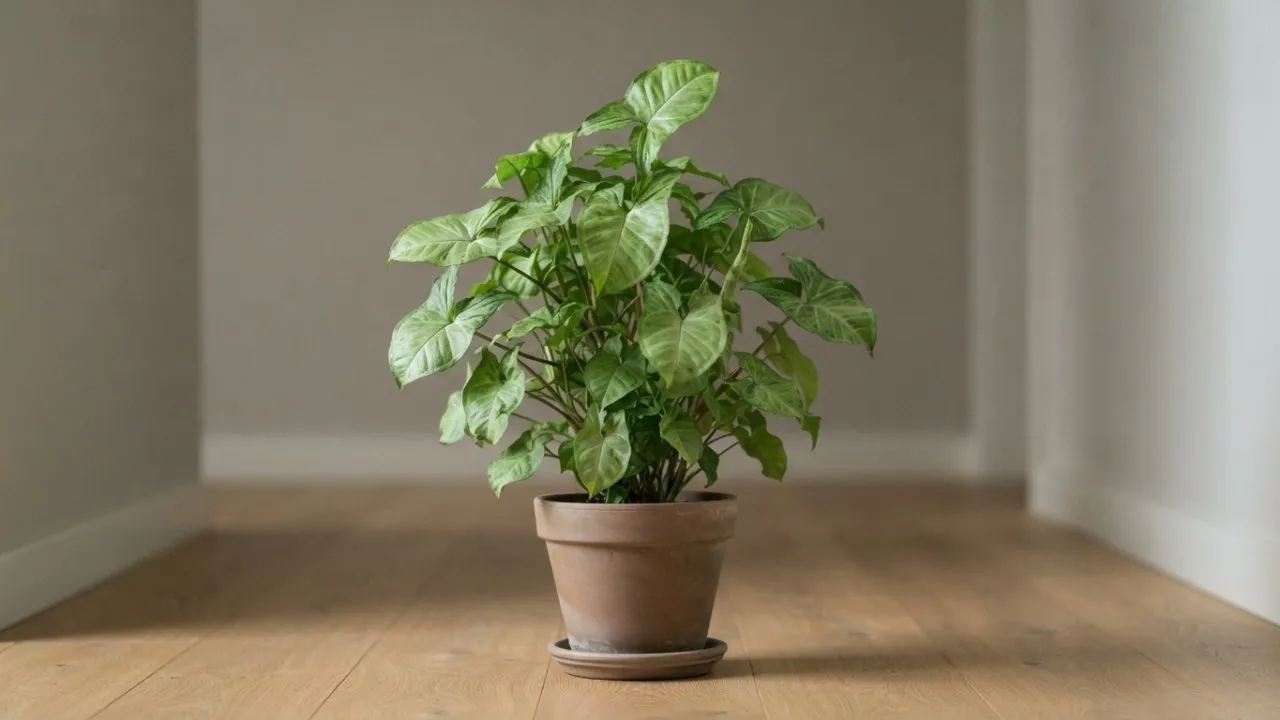 Every 7 days
 Arrowhead Plant
Syngonium podophyllum
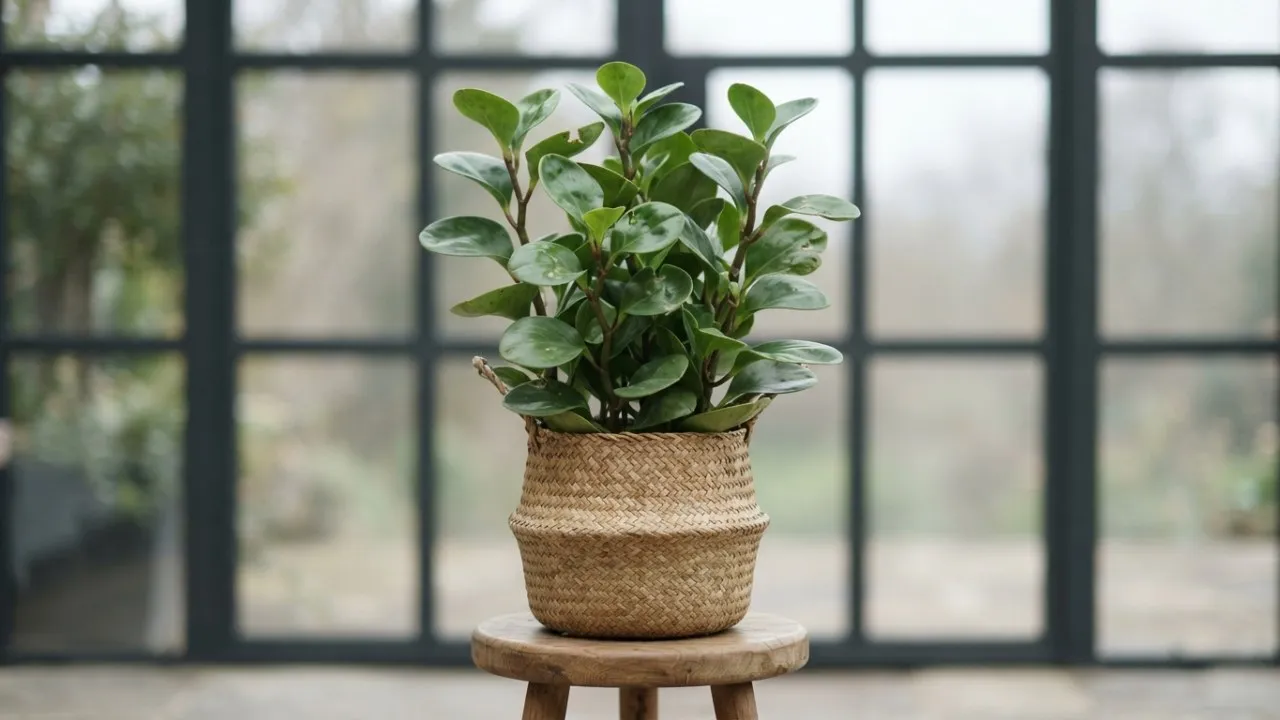 Every 10 days
 Baby Rubber Plant
Peperomia obtusifolia
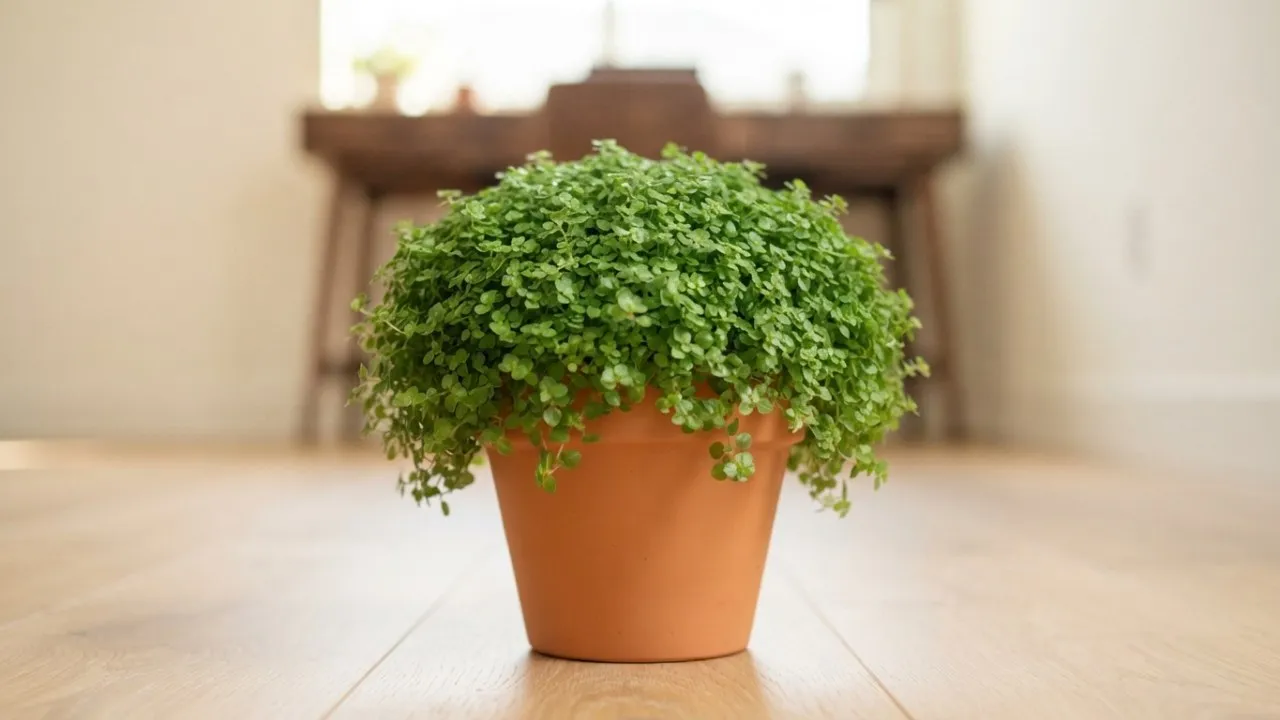 Every 3 days
 Baby's Tears
Soleirolia soleirolii