
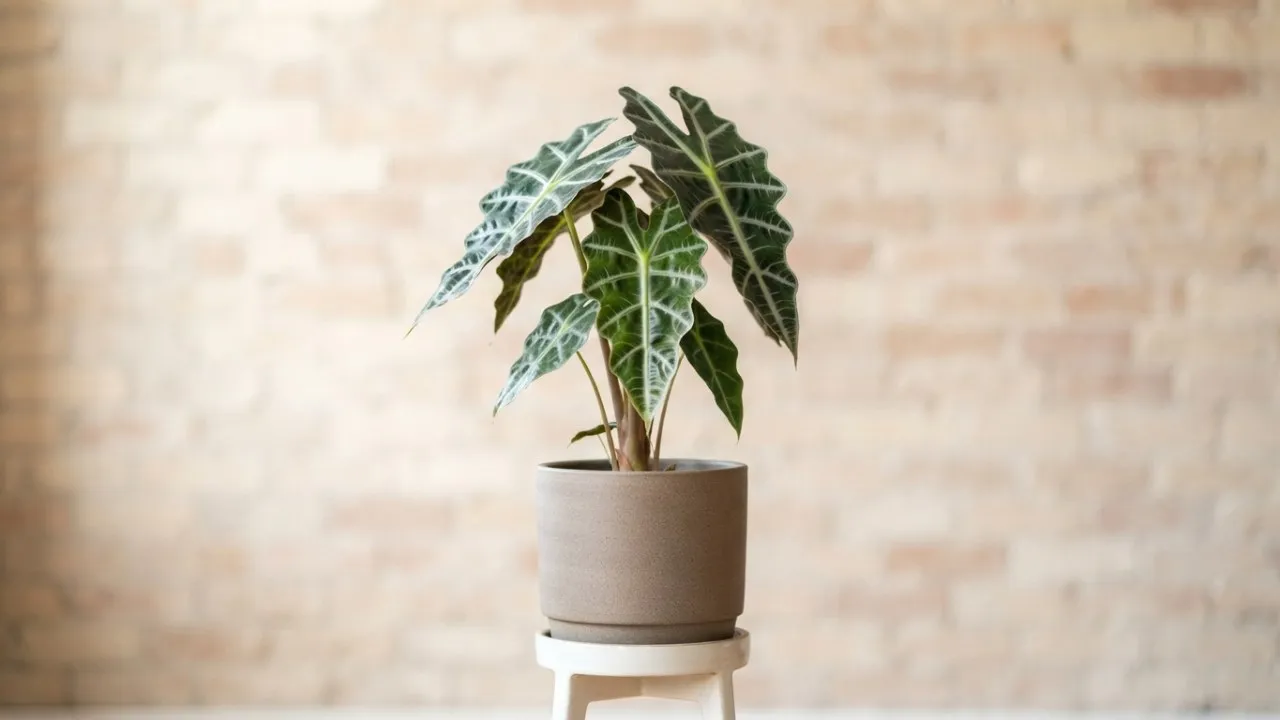
Elephant Ear
Alocasia amazonica
A spectacular plant with large dark green leaves veined in silvery white, the Alocasia is a demanding but fascinating tropical jewel.
The essentials at a glance
-
Watering
Every 5 days
-
Light
Bright indirect light
-
Humidity
60–80 %
-
Temperature
18–29 °C


How to care for your Elephant Ear
Everything you need to keep your Elephant Ear healthy: watering, light, humidity, feeding, repotting and pruning.
Alocasia amazonica, also known as Alocasia × amazonica, is a tropical hybrid prized for its dramatic shield-shaped leaves. The striking contrast between the very dark green leaf blade and the silvery veins creates an absolutely remarkable visual effect. This plant demands conditions close to its tropical origins: consistent warmth, high humidity, and bright light without direct sun. In winter, it may enter dormancy and lose its leaves, which is a natural phenomenon — simply reduce watering and wait for spring to see it resprout.

Watering your Elephant Ear
Every 5 days
Keep soil consistently moist but not soggy. Water when the top 2 cm dries. Use filtered water at room temperature. Never let the plant sit in standing water.
How to know it needs water
- Top 2 cm of soil feels dry
- Leaves begin to droop
- Water droplets appear on leaf tips (guttation — normal but indicates adequate moisture)

How much light a Elephant Ear needs
Bright indirect light
Bright indirect light is essential. No direct sun which scorches the leaves. Insufficient light causes leggy growth and loss of dramatic leaf markings.
- Direct sun tolerated
- No direct sun
- Orientations that suit it
- North, North-east, East, North-west, West, South-east, South-west

Humidity and misting
60–80 %
60–80% Requires very high humidity. Mist daily or use a humidifier. Group with other plants to raise ambient humidity. Brown leaf edges indicate too-dry air.

Feeding and fertiliser
Every 14 days
Feed every two weeks during the active growing season at half strength. Stop feeding entirely during winter dormancy. Resume in spring when new growth appears.
- Recommended feed
- Balanced liquid fertilizer (20-20-20) · 2-1-2

Repotting your Elephant Ear
Every 12 months
Use a rich, well-draining aroid mix with perlite, orchid bark, and coco coir. Go up one pot size. Handle the bulbous rhizome carefully. Separate offsets if present.
- When
- Spring
- Potting mix
- All-purpose potting mix
- Mix in
- perlite, coco fibre, pine bark
The tell-tale signs
- Roots growing out of drainage holes
- Corms visible at the soil surface
- Plant dries out within a day of watering

Pruning your Elephant Ear
Year-round as needed to remove dying or yellowing leaves. Cut dead or damaged leaves at the base of the petiole with clean scissors. Alocasias naturally shed older leaves as new ones grow — this is normal. Remove spent foliage promptly.

Through the year
Watering is not set once and for all: it follows the light and the growth. Allow 9 days between waterings in the depth of winter, against 4 in the growing season.
- 8 J
- 7 F
- 5 M
- 5 A
- 4 M
- 4 J
- 4 J
- 5 A
- 5 S
- 6 O
- 8 N
- 9 D
Active growth · Days between waterings

Toxicity
Contains calcium oxalate crystals throughout the plant. Highly toxic if ingested, causing severe oral burning, swelling, and difficulty breathing. Keep away from children and pets.

Good to know
- Despite its name, Alocasia amazonica is not from the Amazon — it is a hybrid created by a Florida nurseryman in the 1950s whose nursery was called 'Amazon Nursery'.
- Alocasias can enter dormancy in winter, losing all their leaves, but they resprout in spring from their underground rhizome.

Frequently asked questions about the Elephant Ear
How do you care for a Elephant Ear?
Water it every 5 days. Give it bright indirect light. Ideal humidity: 60–80 %. Ideal temperature: 18–29 °C. Keep soil consistently moist but not soggy. Water when the top 2 cm dries. Use filtered water at room temperature. Never let the plant sit in standing water.
How often should you water a Elephant Ear?
Every 5 days Keep soil consistently moist but not soggy. Water when the top 2 cm dries. Use filtered water at room temperature. Never let the plant sit in standing water. How to know it needs water : Top 2 cm of soil feels dry ; Leaves begin to droop ; Water droplets appear on leaf tips (guttation — normal but indicates adequate moisture).
How much light does a Elephant Ear need?
Bright indirect light Bright indirect light is essential. No direct sun which scorches the leaves. Insufficient light causes leggy growth and loss of dramatic leaf markings. No direct sun
Is the Elephant Ear toxic to cats and dogs?
Yes. Contains calcium oxalate crystals throughout the plant. Highly toxic if ingested, causing severe oral burning, swelling, and difficulty breathing. Keep away from children and pets. Keep it out of reach of your pets and call a vet if any is swallowed.
Why are my Elephant Ear leaves turning yellow?
Yellowing most often comes from too much water: the mix stays wet and the roots suffocate. Check that the pot drains, empty the saucer, and let the mix dry before watering again. Too little light or a cold draught cause the same symptom.
When should you repot a Elephant Ear?
Repot every 12 months, ideally in spring. Use a rich, well-draining aroid mix with perlite, orchid bark, and coco coir. Go up one pot size. Handle the bulbous rhizome carefully. Separate offsets if present.

At a glance
- Family
- Araceae
- Category
- Tropical
- Placement
- Indoor
- Mature height
- 60 cm
- Growth
- Moderate
- Temperature
- 18–29 °C
- Pot materials
- ceramic, plastic
- Growth
- Reaches maturity in 3 years
These figures are for an average plant. In the app they are recalculated for yours, based on your room, its orientation and the season.
And for your plant, in your home?
In the app this plant becomes yours: a watering schedule tuned to your home, health tracking from photos, and reminders at the right moment.
In the same spirit
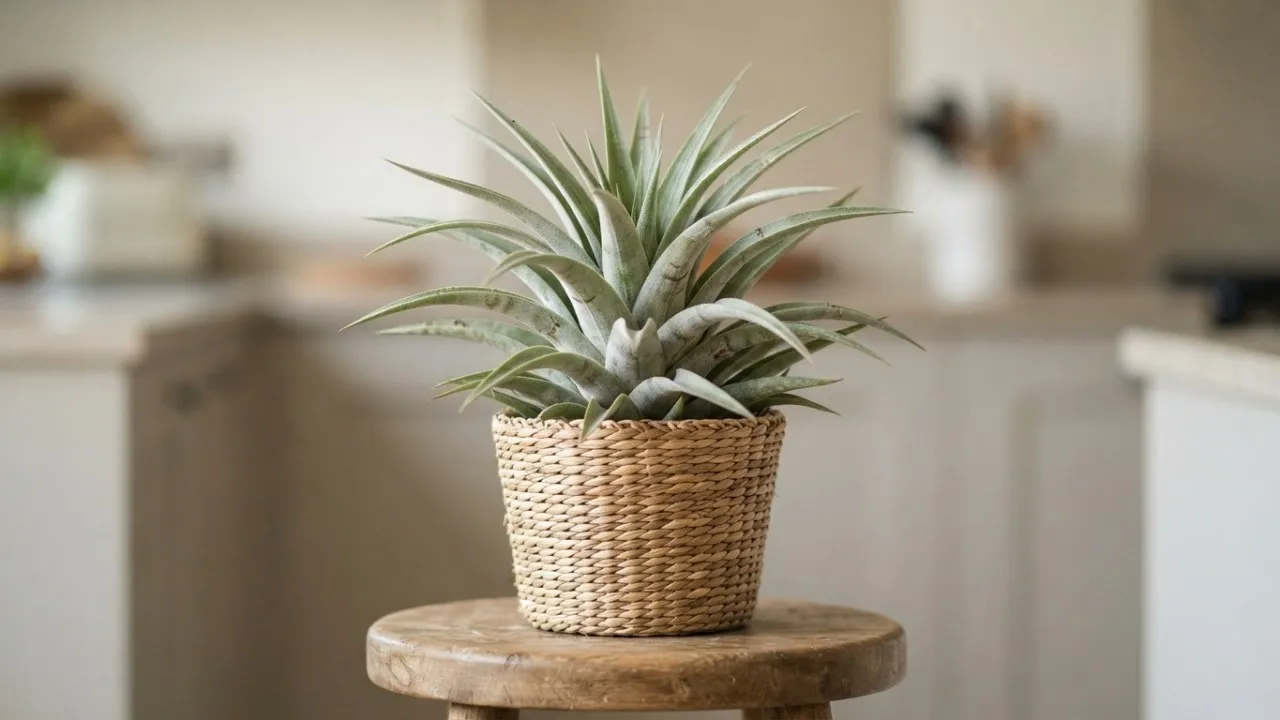 Every 4 days
 Air Plant
Tillandsia ionantha

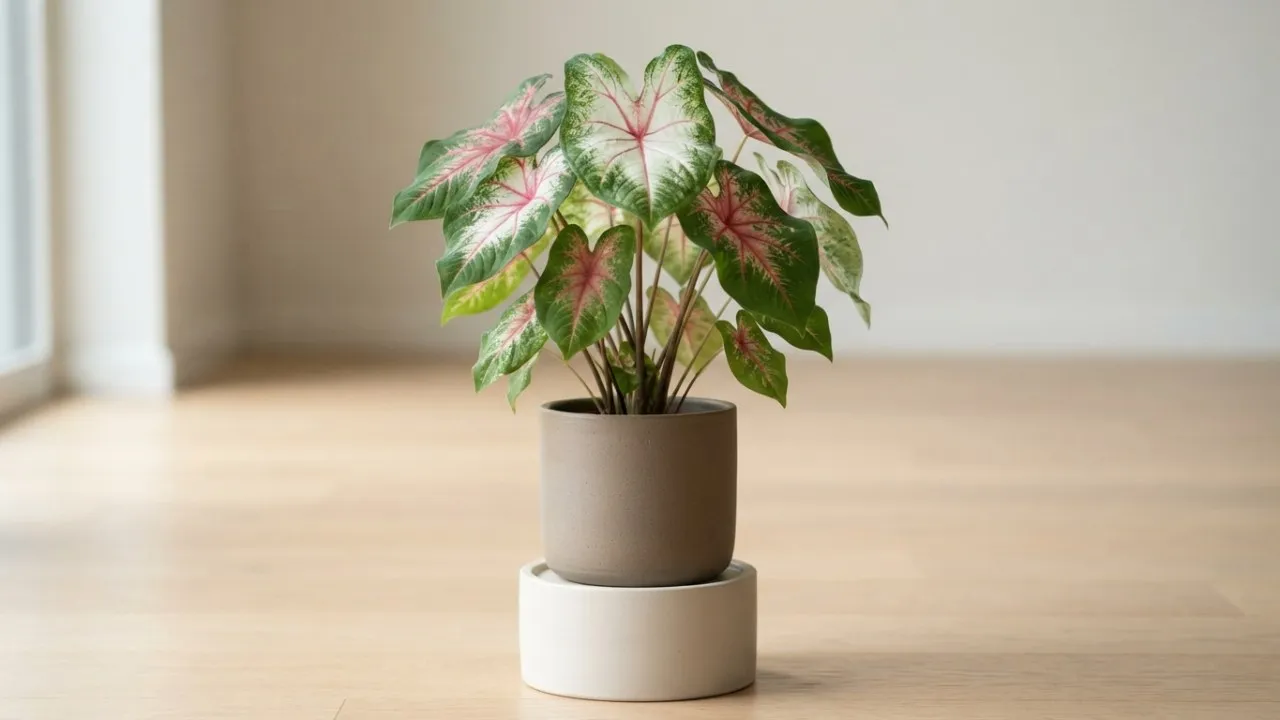 Every 3 days
 Angel Wings
Caladium bicolor
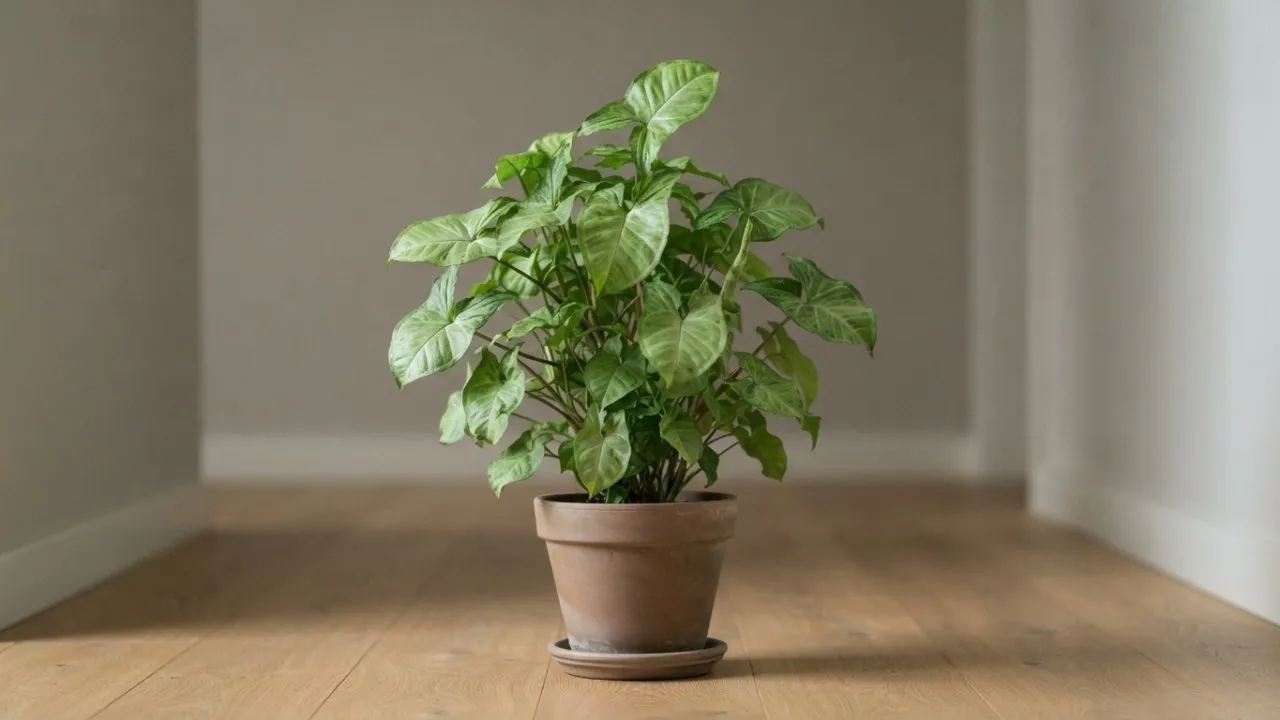 Every 7 days
 Arrowhead Plant
Syngonium podophyllum
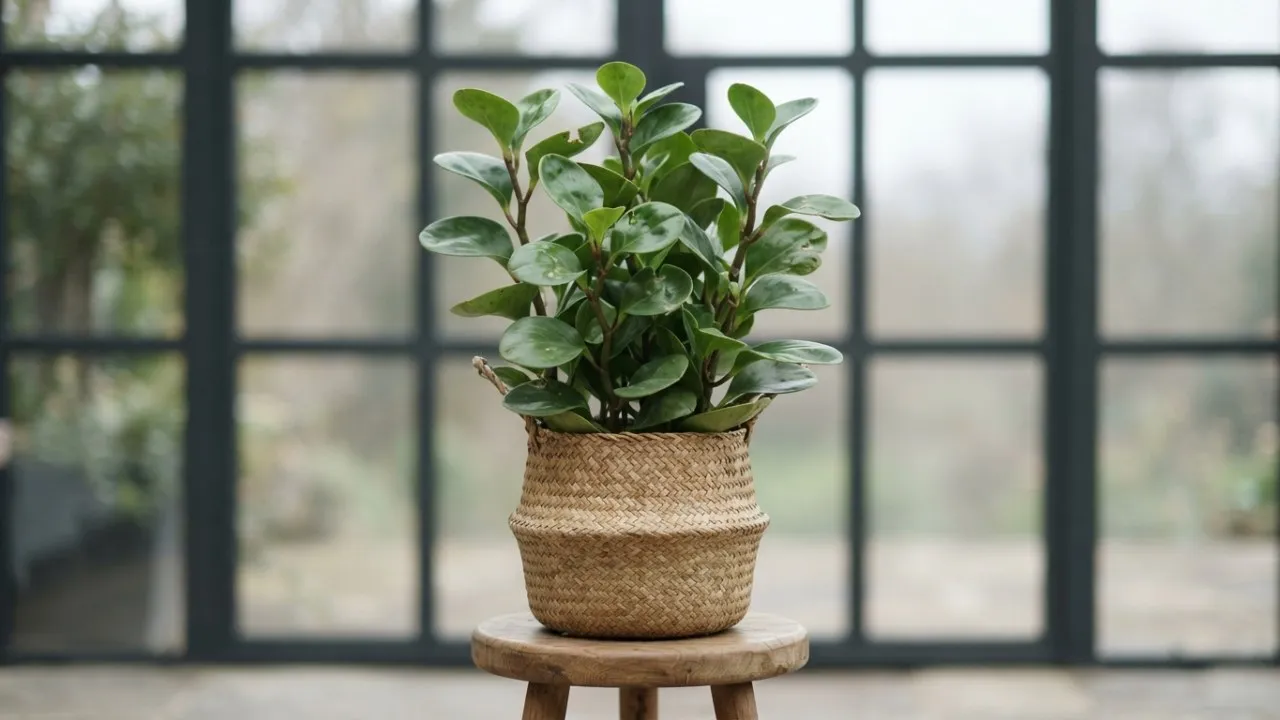 Every 10 days
 Baby Rubber Plant
Peperomia obtusifolia