Variety Succulent · Asphodelaceae
Aloe 'Pink Blush'
Aloe 'Pink Blush' · A variety of Aloe
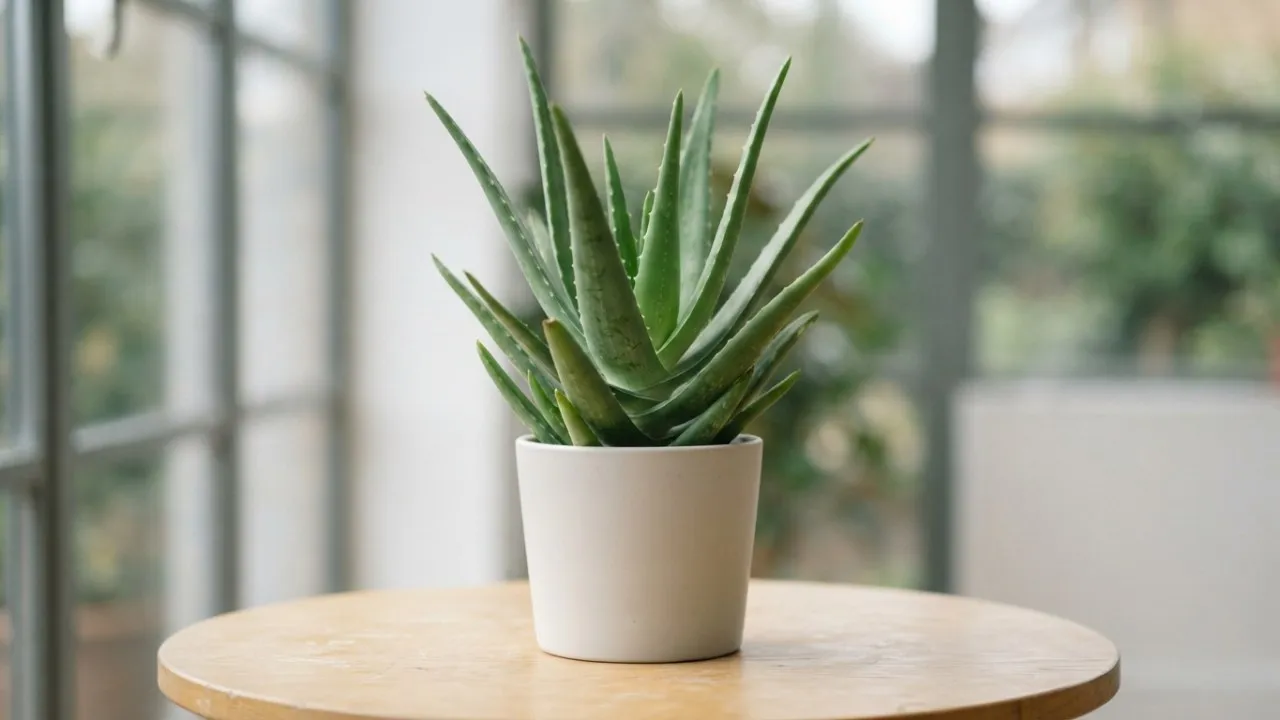
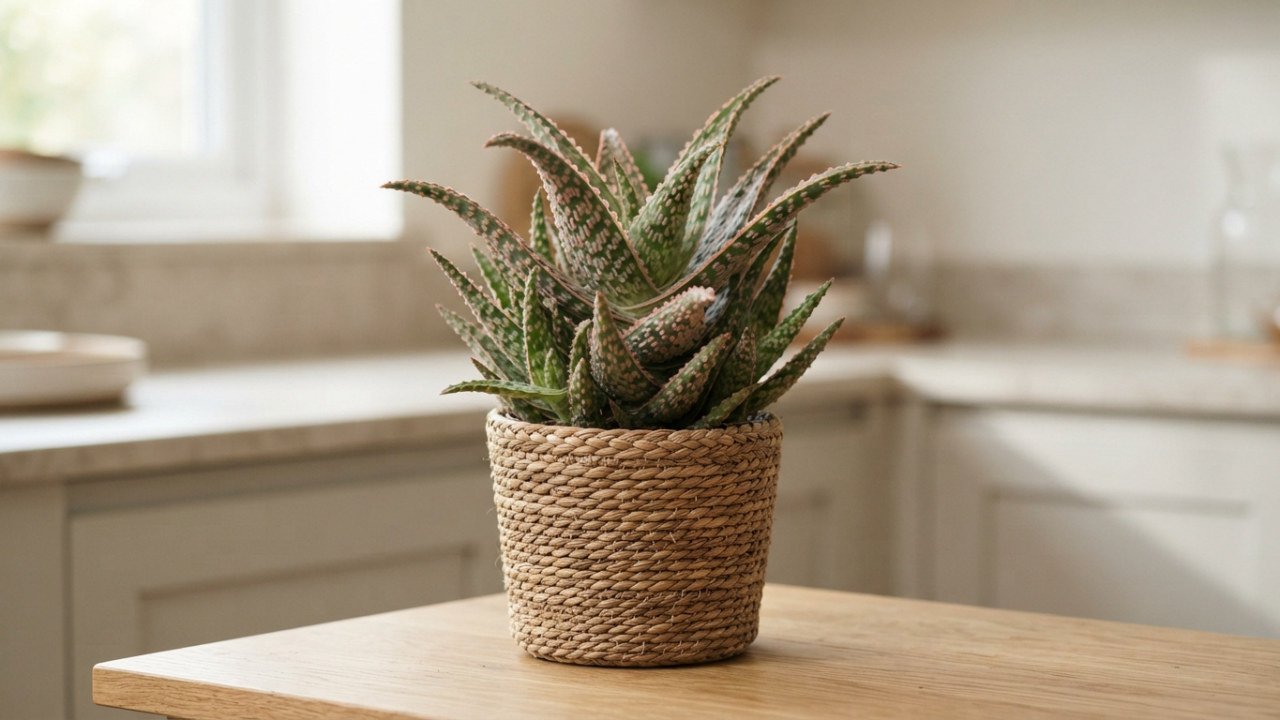
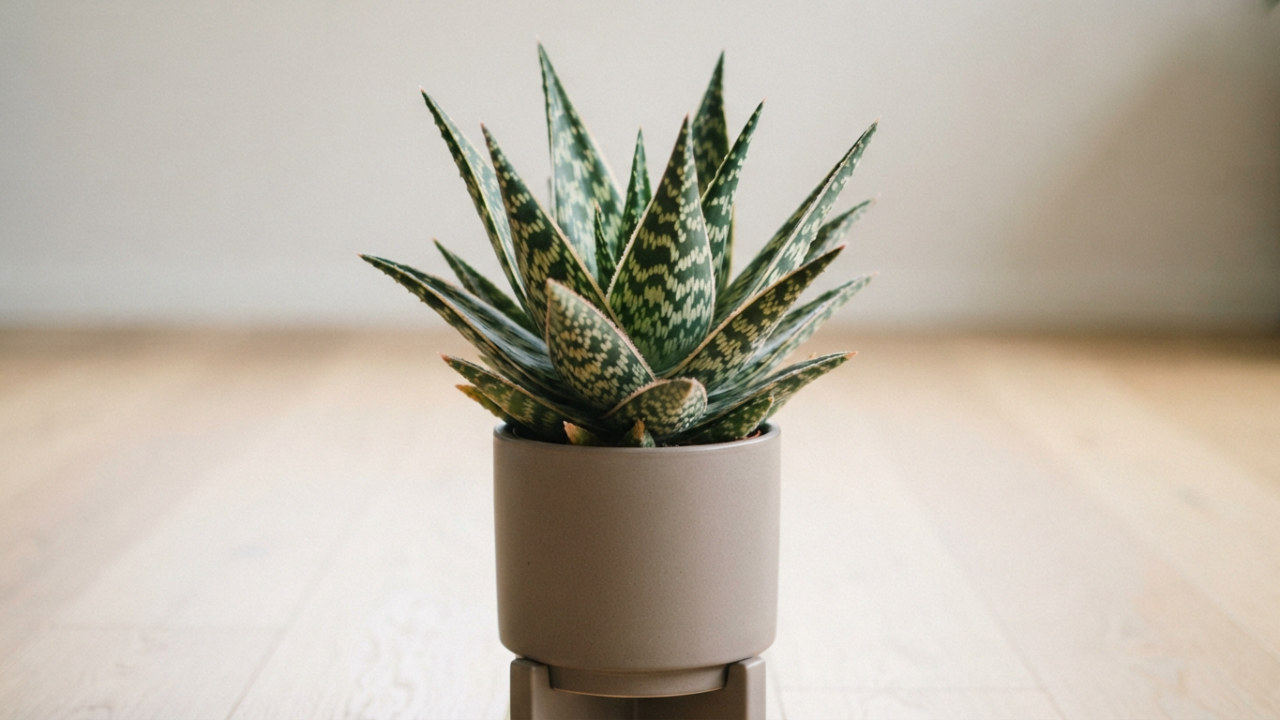
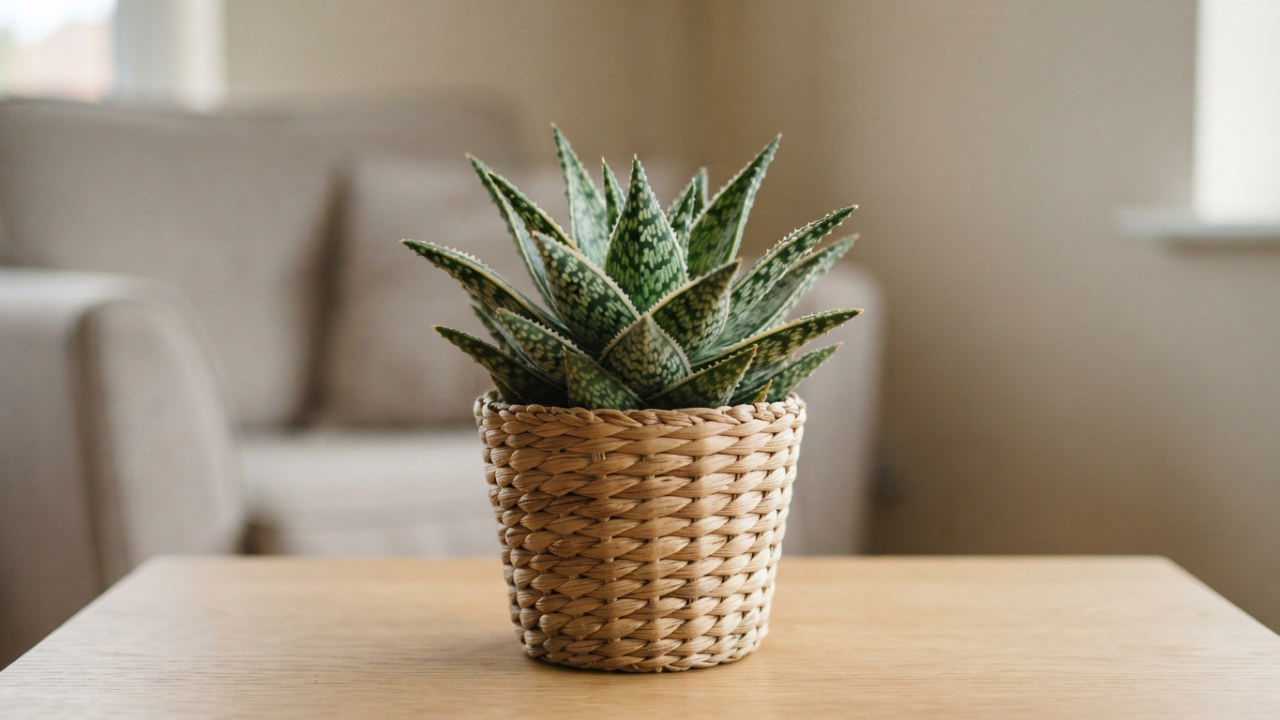
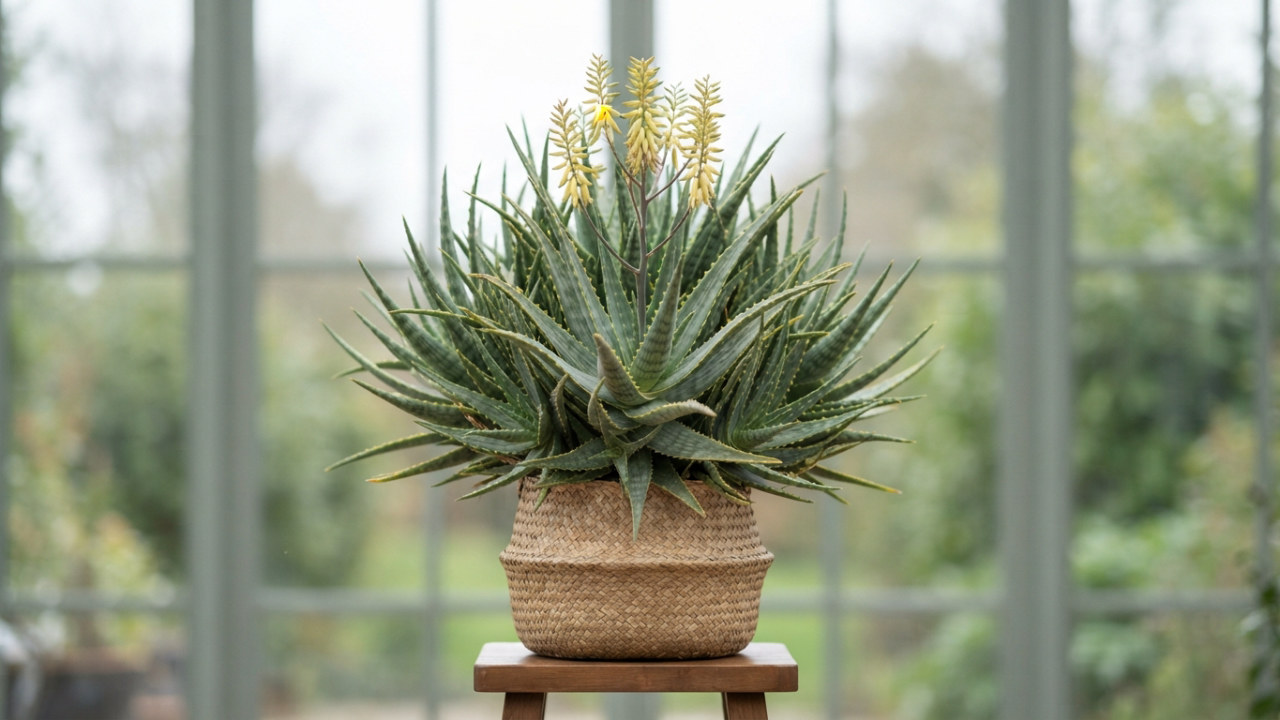
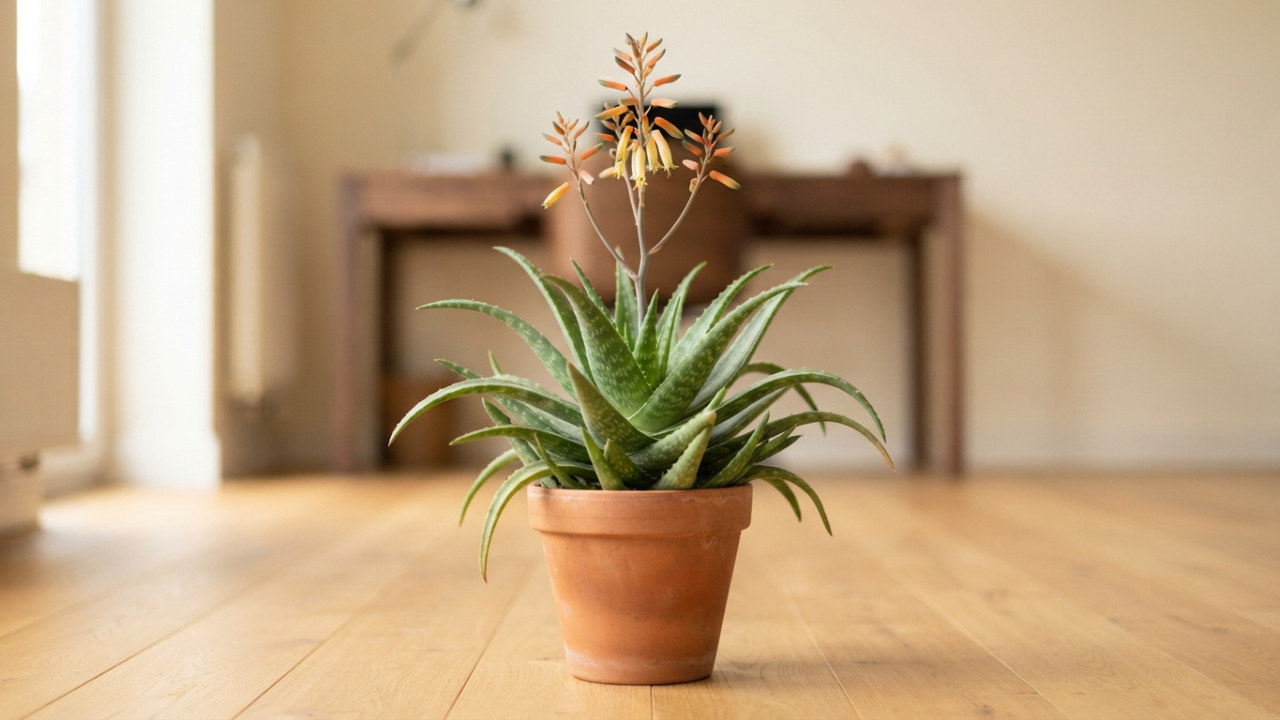
A small, clumping hybrid aloe with textured dark and light green leaves and raised pink ridges that deepen in bright sun.
- Every 12 daysWatering
- Full sunLight
- 30–40 %Humidity
- 13–29 °CTemperature


Other varieties 9
How to care for your Aloe 'Pink Blush'
Everything you need to keep your Aloe 'Pink Blush' healthy: watering, light, humidity, feeding, repotting and pruning.
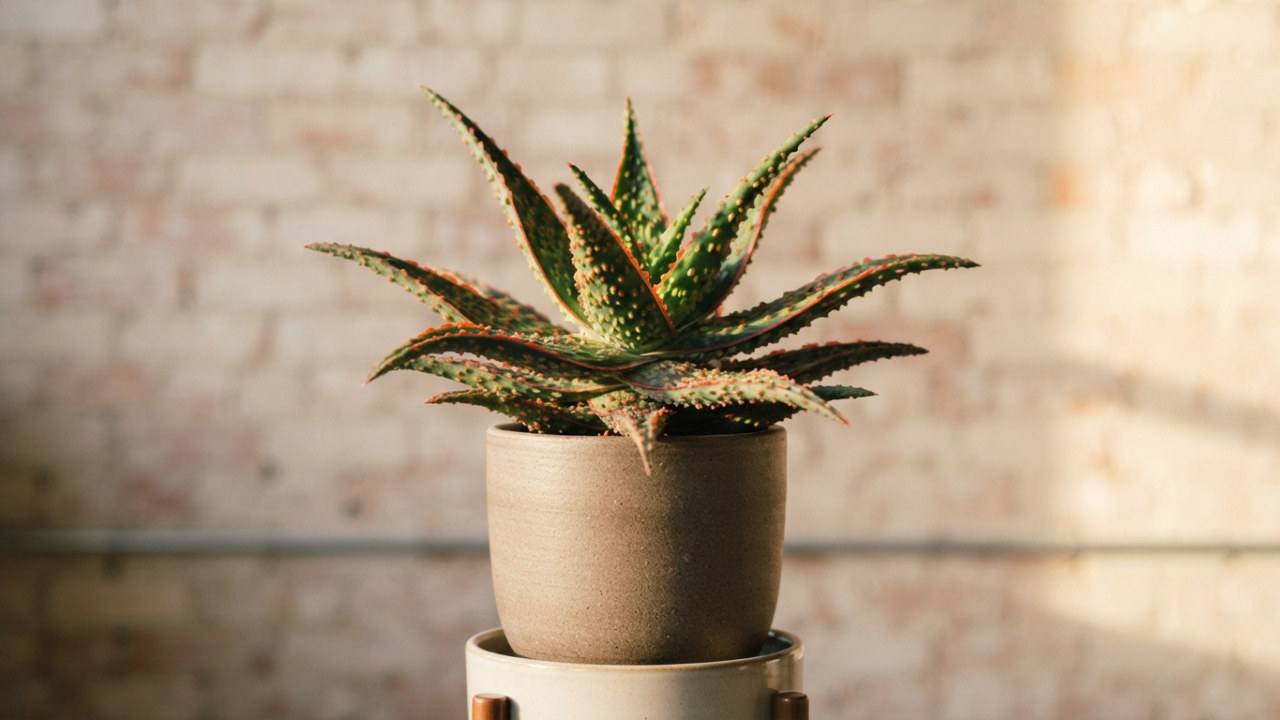
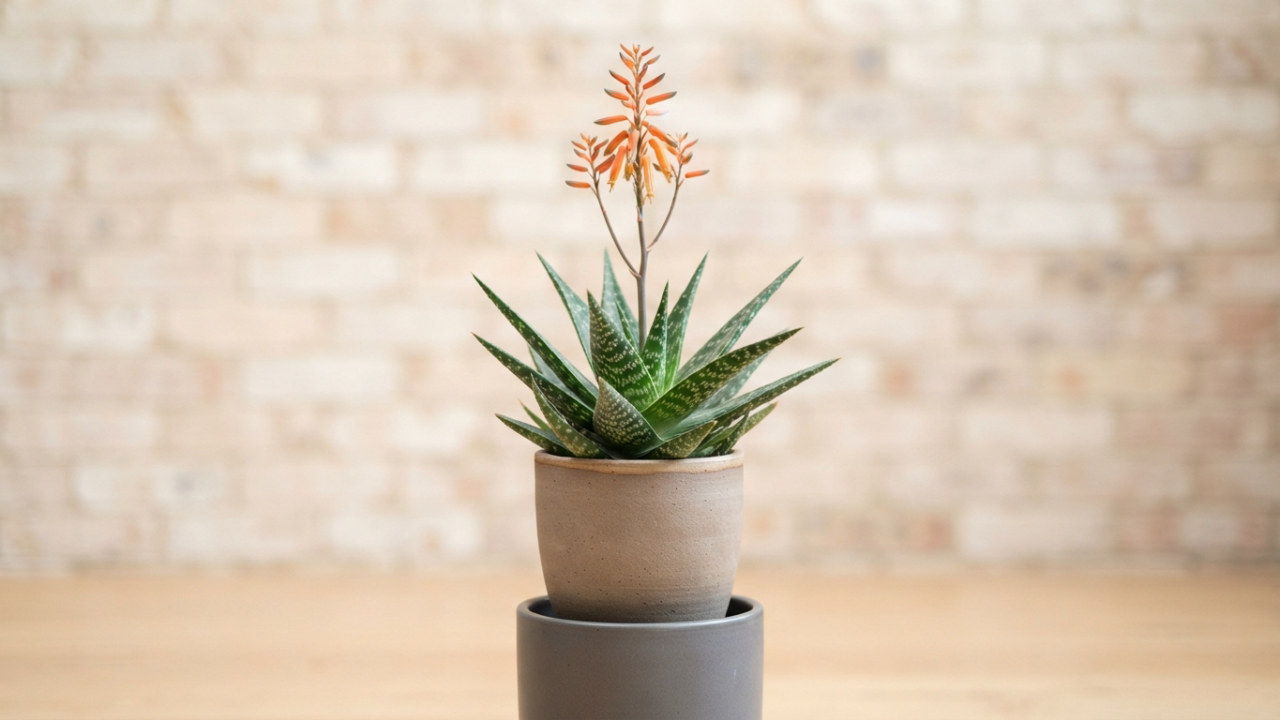
'Pink Blush' is a garden hybrid aloe raised by Kelly Griffin, and its parentage is not documented. Its leaves are textured, a mix of dark and light green, with raised pink ridges whose color grows more intense in bright sunlight. It forms a small clump about 30 centimeters tall and about as wide, one of the larger miniature aloe hybrids, and it spreads by offsets. Short spikes of orange tubular flowers appear from late winter to spring.

How to recognise Aloe 'Pink Blush'
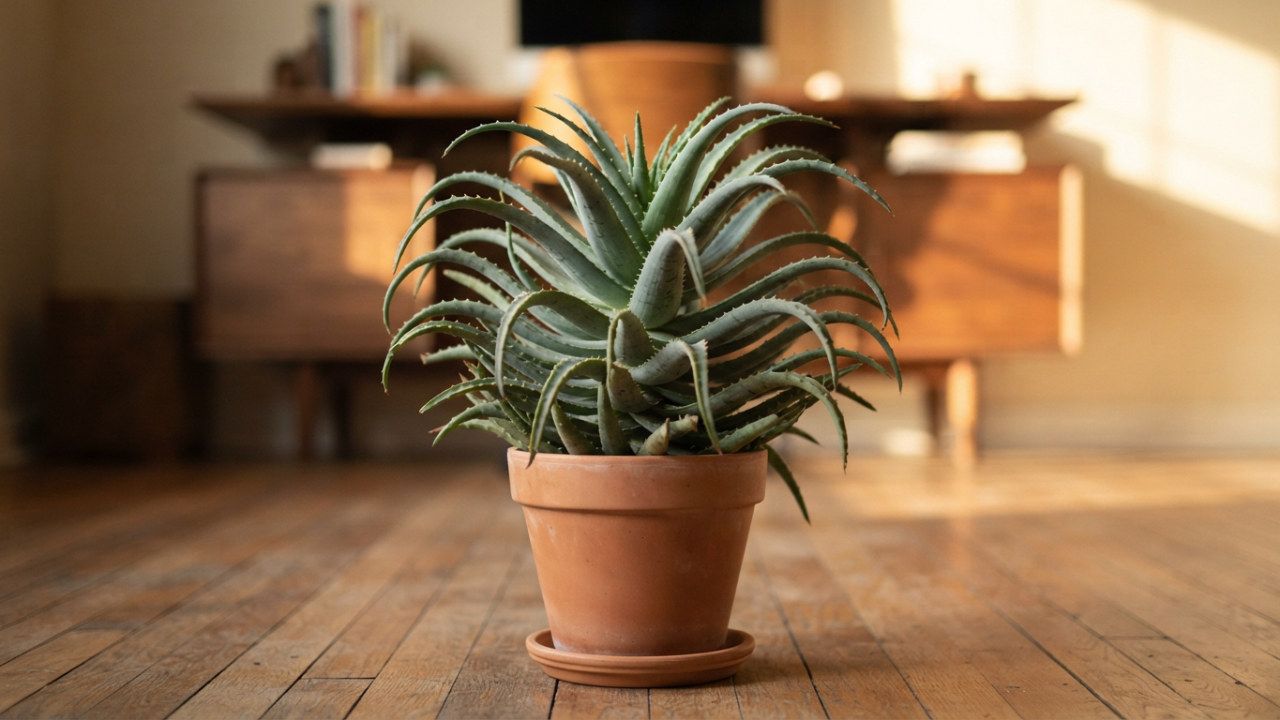
Textured leaves in two greens, dark and light, carrying raised pink ridges that deepen in bright sun, in a clump about 30 centimeters tall; 'Christmas Carol' has red edges and red bumps on deep green, 'Doran Black' has pale bumps on dark leaves, 'Delta Lights' has broad, upright leaves banded in cream, and 'Snowstorm', 'Lizard Lips', 'Cosmo', 'Crosby's Prolific' and 'Firebird' have white marks rather than pink ridges. Haworthia attenuata has white bumps in bands on darker leaves with smooth edges, and Gasteria has tongue-shaped leaves, often in two rows.

Watering your Aloe 'Pink Blush'
Every 12 days
Water deeply but rarely, letting the mix dry out completely between waterings and never leaving the pot standing in water, and water far less in winter.
How to know it needs water
- The mix is dry from the surface to the base of the pot
- The leaves are slightly softer and the pot is light in the hand

How much light a Aloe 'Pink Blush' needs
Full sun
Give it a bright spot with direct sun for much of the day, since the pink ridges turn more intense in strong light, and acclimate a plant used to shade to full sun gradually.
- Direct sun tolerated
- 4 to 8 h a day
- Orientations that suit it
- South, South-east, South-west, East, West

Humidity and misting
30–40 %
It is happy at 30 to 40% humidity, the dryness of most heated rooms, and gains nothing from a damper atmosphere. Skip misting: a damp rosette heart dries slowly and can rot.

Feeding and fertiliser
Every 28 days
Apply it about every four weeks from April through September, and stop for the cool months.
- Recommended feed
- A half-strength liquid fertilizer for succulents, low in nitrogen. · 2-7-7

Repotting your Aloe 'Pink Blush'
Every 24 months
Move the clump to a pot only slightly larger, in a gritty mix of cactus soil with perlite or coarse sand, and replant at the same depth.
- When
- Spring, from March to May, just as growth restarts.
- Potting mix
- Cactus and succulent mix
- Mix in
- perlite, coarse sand, pumice
The tell-tale signs
- Offsets fill the pot and lean over its rim
- Roots appear at the drainage holes

Pruning your Aloe 'Pink Blush'
After the flowers have faded, and whenever a lower leaf dries. Cut the spent stalk or dry leaf off at its base with a clean knife.

Through the year
Watering is not set once and for all: it follows the light and the growth. Allow 19 days between waterings in the depth of winter, against 10 in the growing season.
- 18 J
- 14 F
- 12 M
- 11 A
- 10 M
- 10 J
- 10 J
- 11 A
- 12 S
- 13 O
- 16 N
- 19 D
Active growth · Days between waterings

Toxicity
Toxic if swallowed, to cats, dogs and people alike: the aloin in the yellow latex just under the leaf skin irritates the digestive tract, causing diarrhea in people and vomiting and lethargy in cats and dogs, though touching the leaves is harmless.

Good to know
- The pink on its leaves sits in raised ridges, and it deepens in bright sunlight.
- It is counted among the larger of the miniature aloe hybrids, reaching about 30 centimeters.

Frequently asked questions about the Aloe 'Pink Blush'
How do you care for a Aloe 'Pink Blush'?
Water it every 12 days. Give it full sun. Ideal humidity: 30–40 %. Ideal temperature: 13–29 °C. Water deeply but rarely, letting the mix dry out completely between waterings and never leaving the pot standing in water, and water far less in winter.
How often should you water a Aloe 'Pink Blush'?
Every 12 days Water deeply but rarely, letting the mix dry out completely between waterings and never leaving the pot standing in water, and water far less in winter. How to know it needs water : The mix is dry from the surface to the base of the pot ; The leaves are slightly softer and the pot is light in the hand.
How much light does a Aloe 'Pink Blush' need?
Full sun Give it a bright spot with direct sun for much of the day, since the pink ridges turn more intense in strong light, and acclimate a plant used to shade to full sun gradually. 4 to 8 h a day
Is the Aloe 'Pink Blush' toxic to cats and dogs?
Yes. Toxic if swallowed, to cats, dogs and people alike: the aloin in the yellow latex just under the leaf skin irritates the digestive tract, causing diarrhea in people and vomiting and lethargy in cats and dogs, though touching the leaves is harmless. Keep it out of reach of your pets and call a vet if any is swallowed.
Why are my Aloe 'Pink Blush' leaves turning yellow?
Yellowing most often comes from too much water: the mix stays wet and the roots suffocate. Check that the pot drains, empty the saucer, and let the mix dry before watering again. Too little light or a cold draught cause the same symptom.
When should you repot a Aloe 'Pink Blush'?
Repot every 24 months, ideally in spring, from march to may, just as growth restarts.. Move the clump to a pot only slightly larger, in a gritty mix of cactus soil with perlite or coarse sand, and replant at the same depth.

At a glance
- Family
- Asphodelaceae
- Category
- Succulent
- Placement
- Indoor and outdoor
- Mature height
- 30 cm
- Growth
- Slow
- Temperature
- 13–29 °C
- Pot materials
- terracotta, ceramic
- Growth
- Reaches maturity in 5 years
These figures are for an average plant. In the app they are recalculated for yours, based on your room, its orientation and the season.
And for your plant, in your home?
In the app this plant becomes yours: a watering schedule tuned to your home, health tracking from photos, and reminders at the right moment.