Variety Succulent · Asphodelaceae
Aloe 'Crosby's Prolific'
Aloe 'Crosby's Prolific' · A variety of Aloe
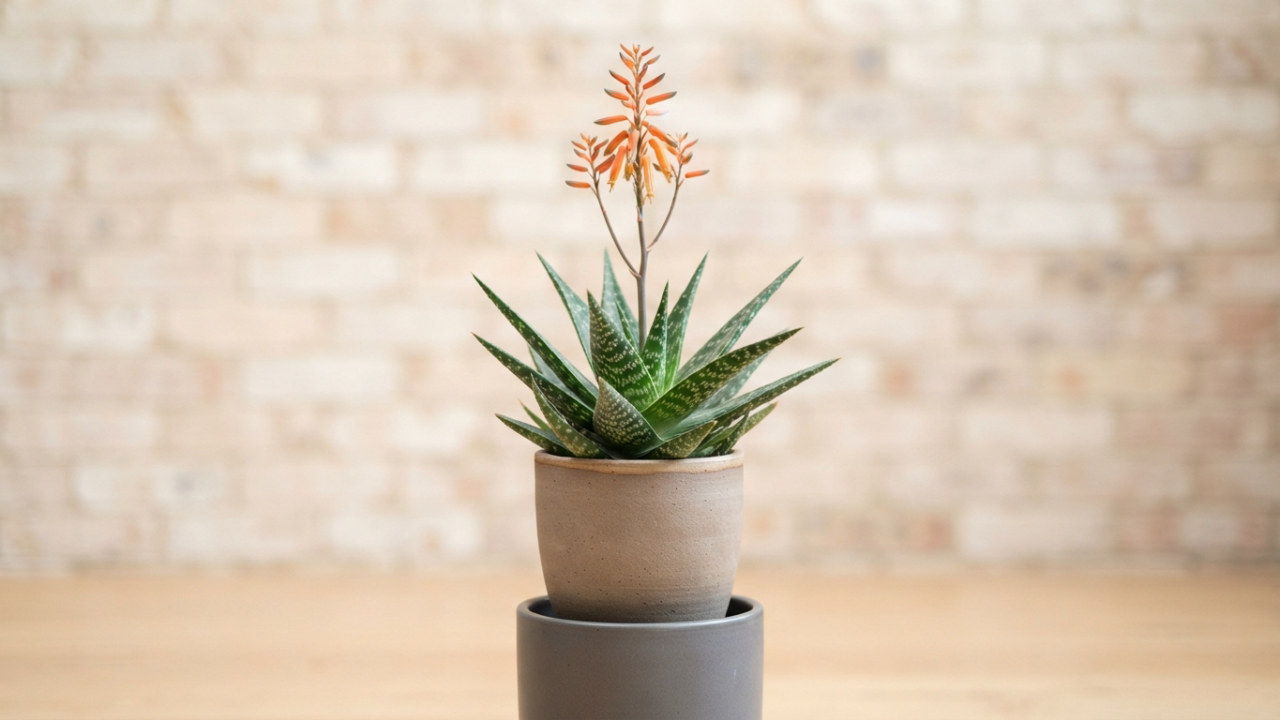
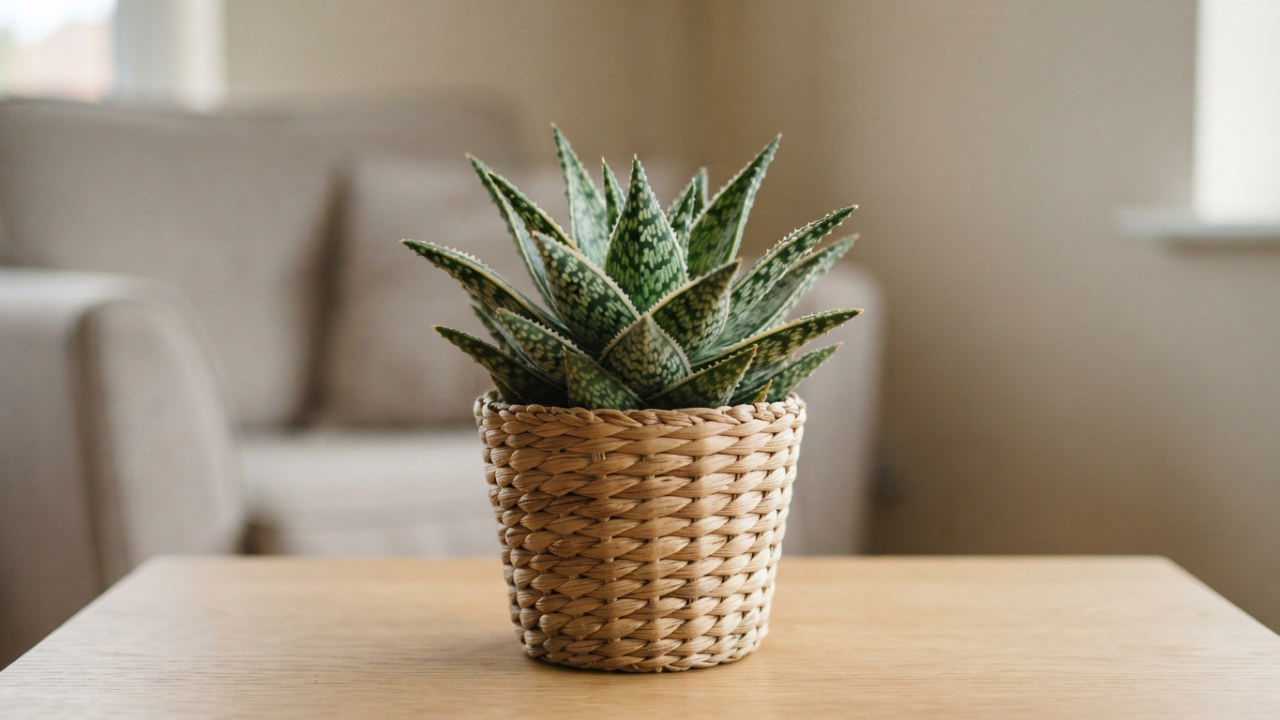
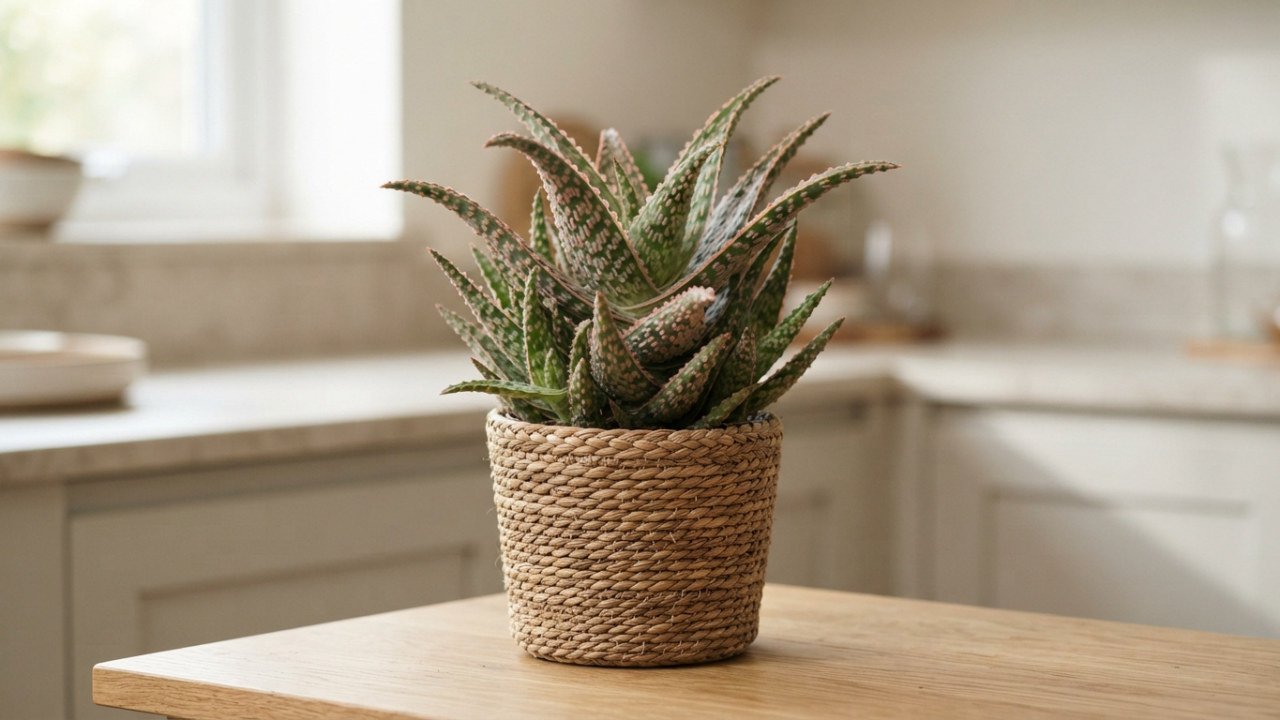
A small hybrid aloe that offsets freely into dense colonies of deep green, white-spotted rosettes.
- Every 12 daysWatering
- Full sunLight
- 30–40 %Humidity
- 13–29 °CTemperature


Other varieties 9
How to care for your Aloe 'Crosby's Prolific'
Everything you need to keep your Aloe 'Crosby's Prolific' healthy: watering, light, humidity, feeding, repotting and pruning.
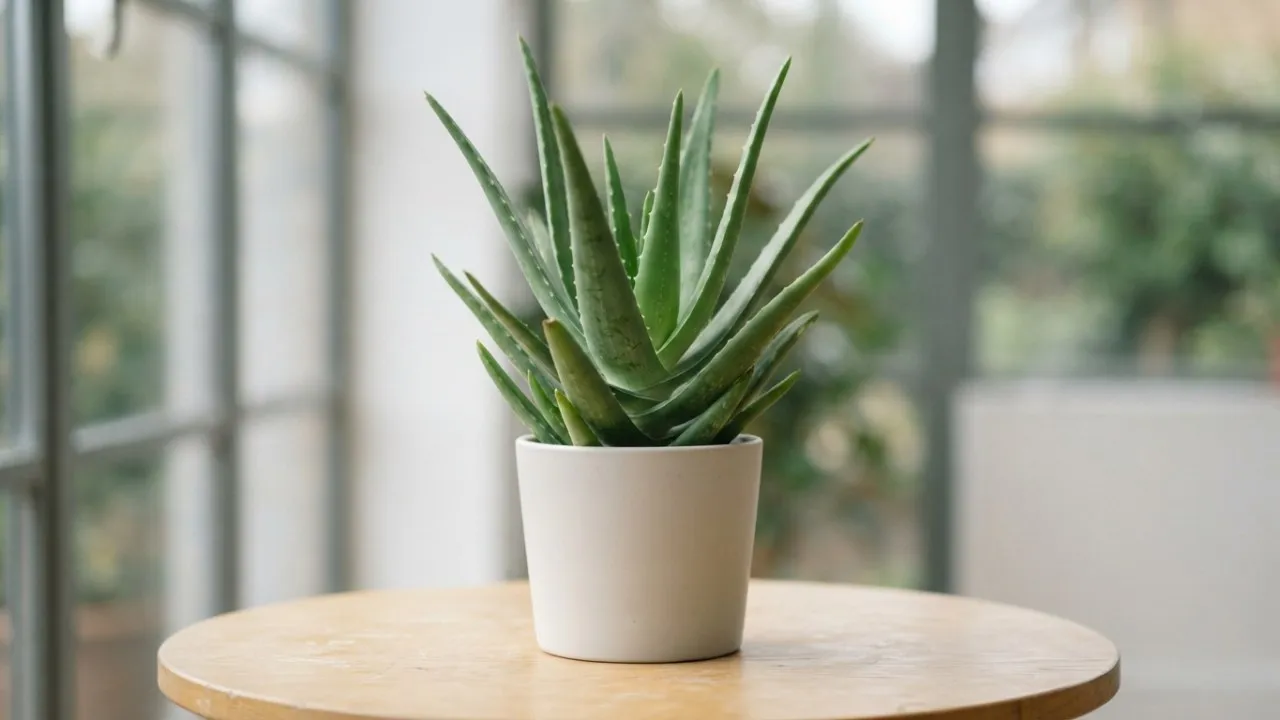
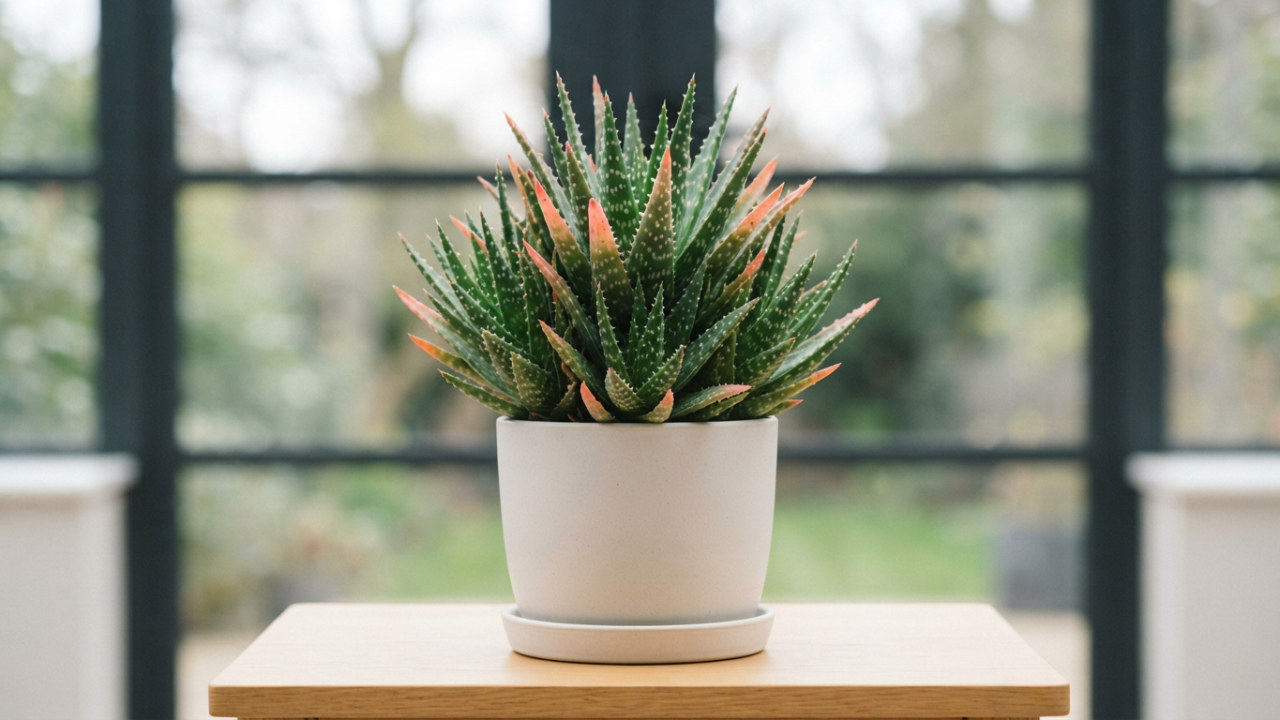
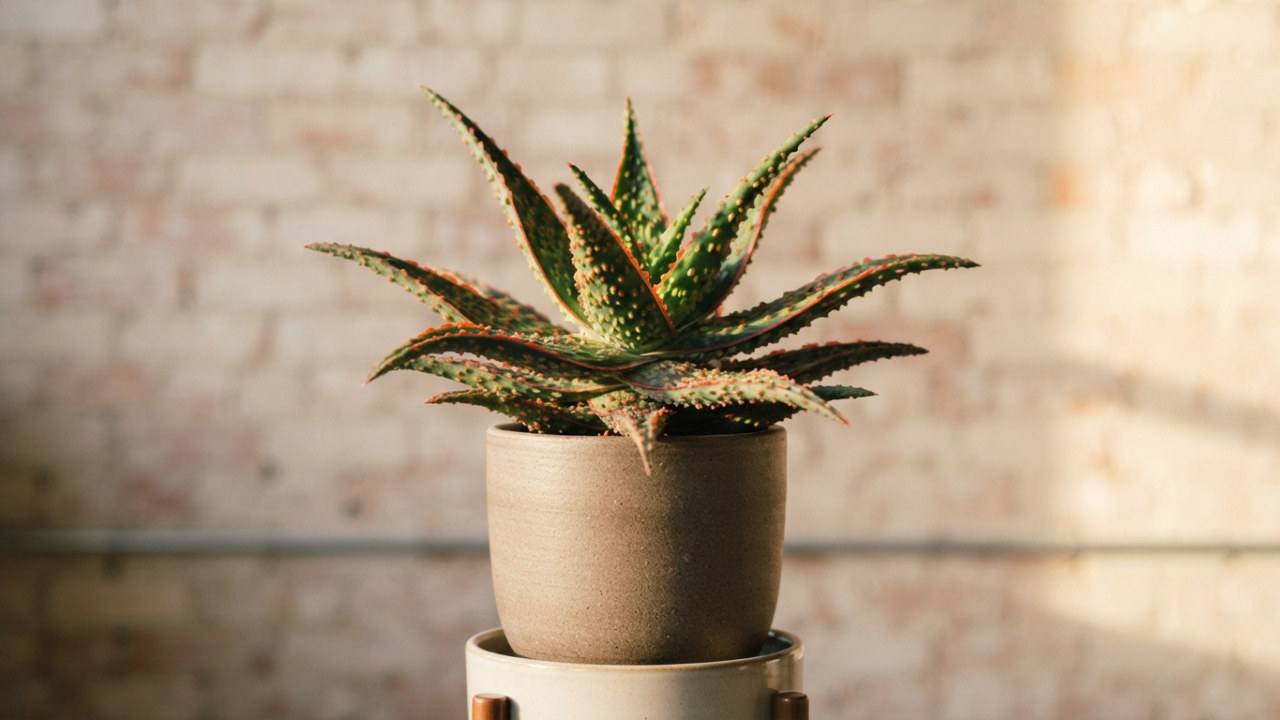
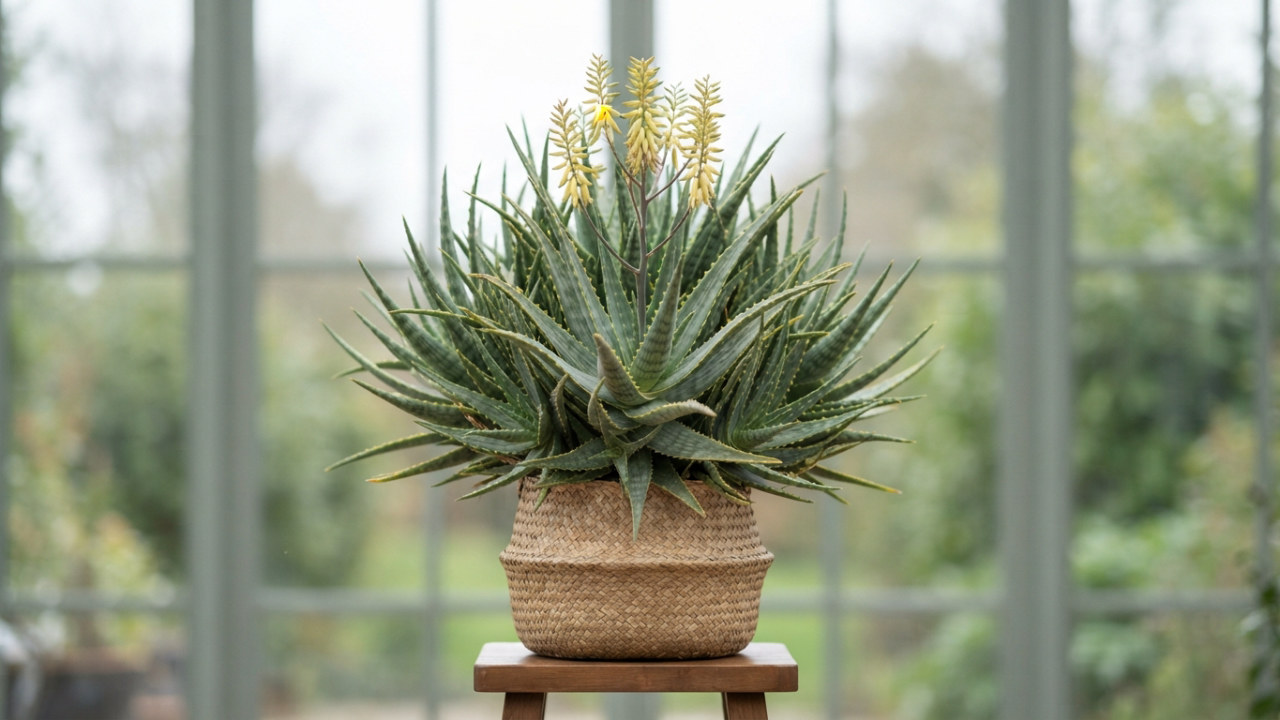
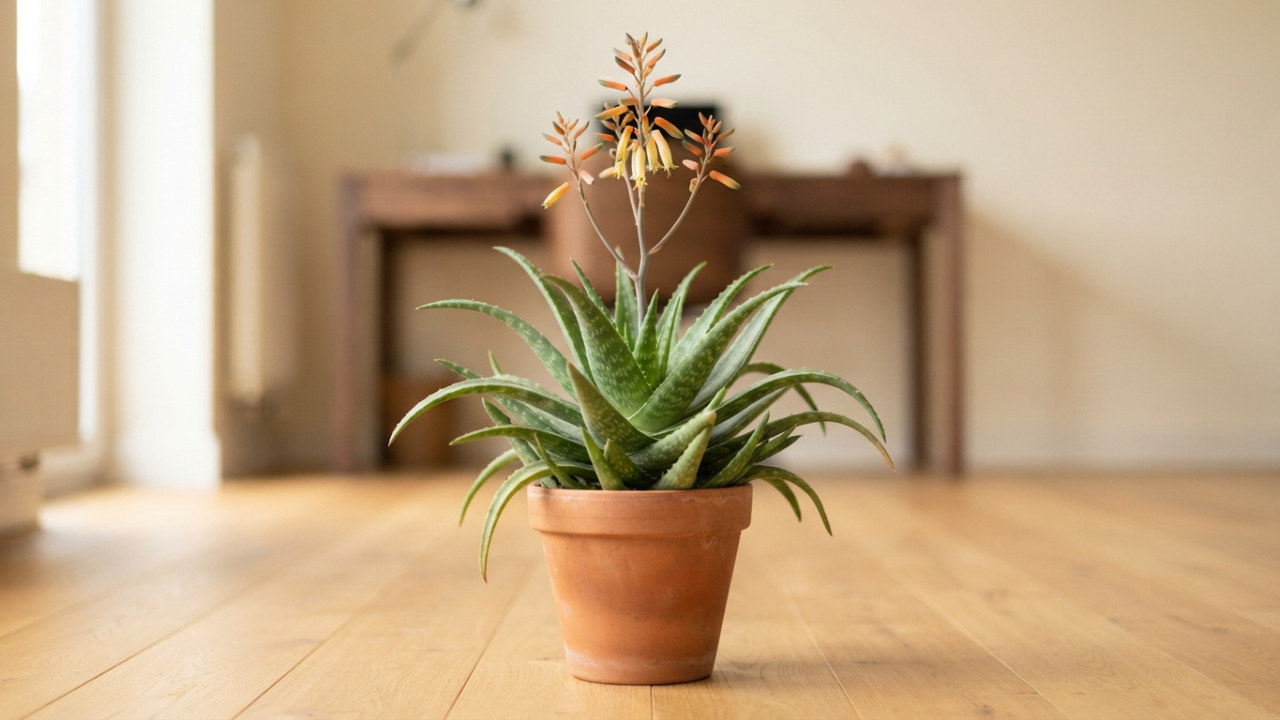
'Crosby's Prolific' is a documented cross of Aloe nobilis and Aloe humilis, and it lives up to its name by sending out offsets so freely that one plant soon becomes a dense colony. The narrow, lance-shaped leaves are deep green with small white spots and soft, translucent teeth, and the tips blush salmon pink or reddish orange in bright sun or when dry. Rosettes stay under about 30 centimeters tall, and from late winter into spring, stalks about 45 centimeters tall carry clusters of bright orange to red-orange flowers.

How to recognise Aloe 'Crosby's Prolific'
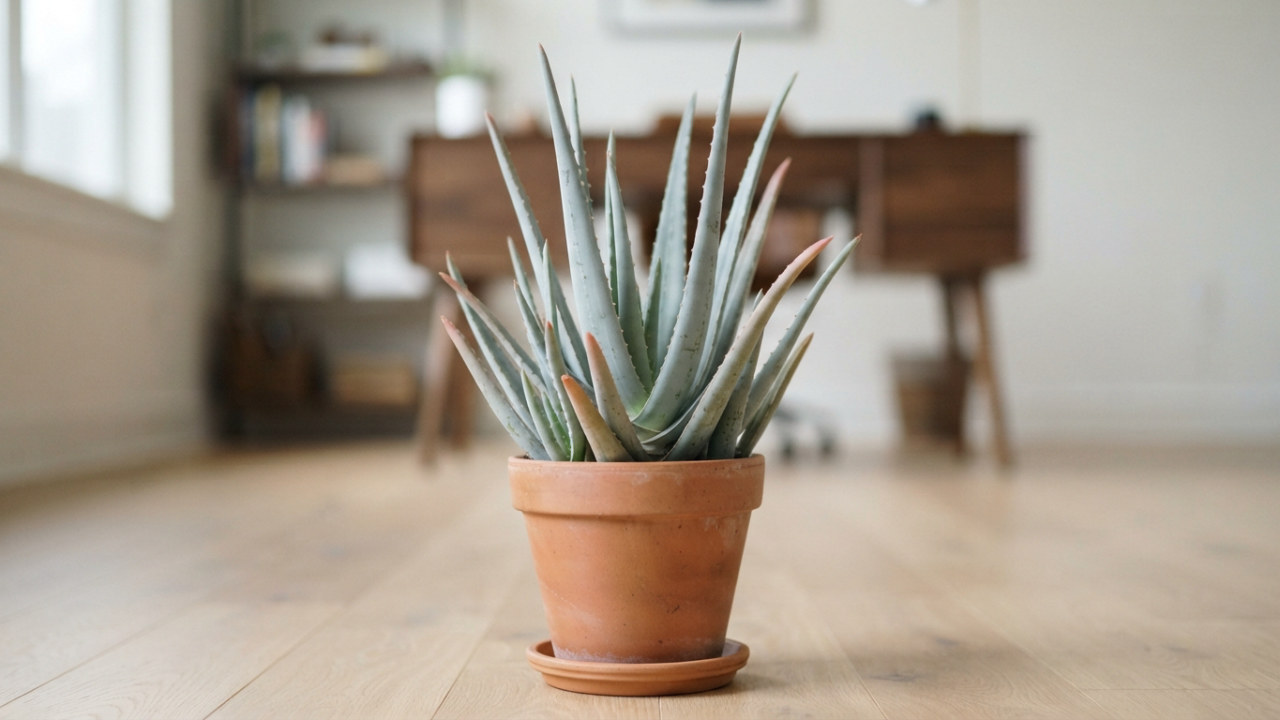
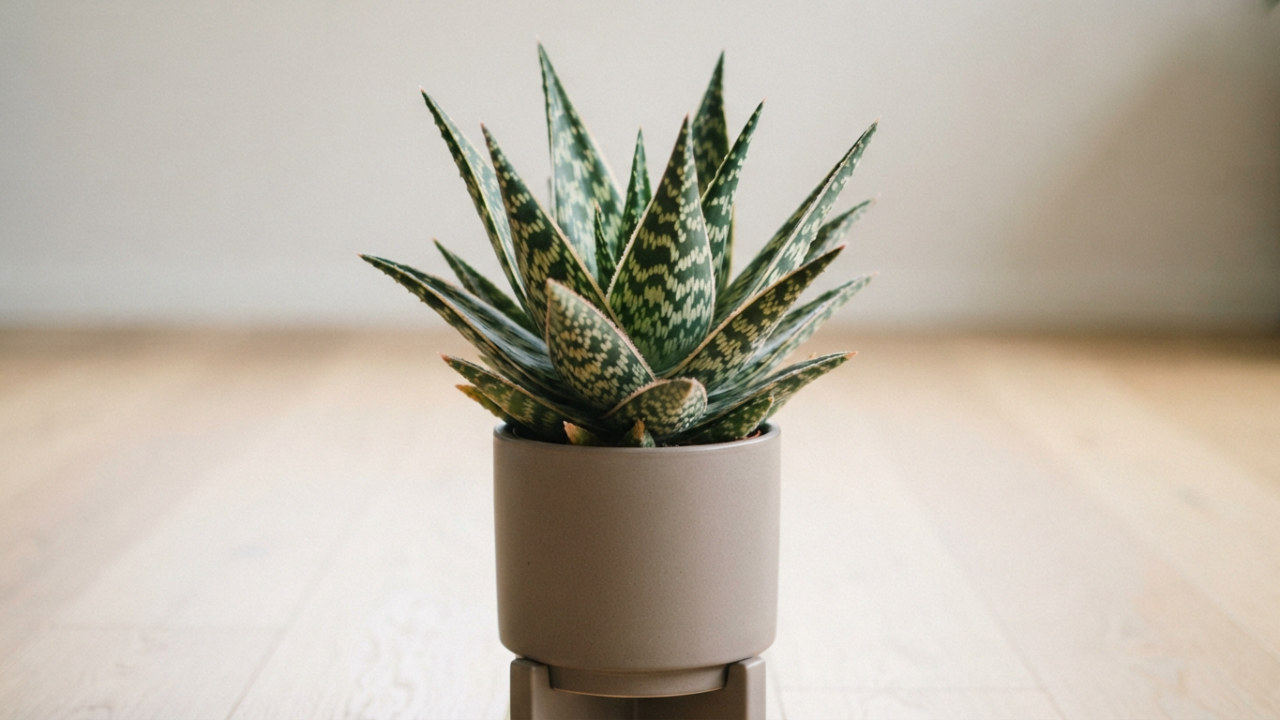
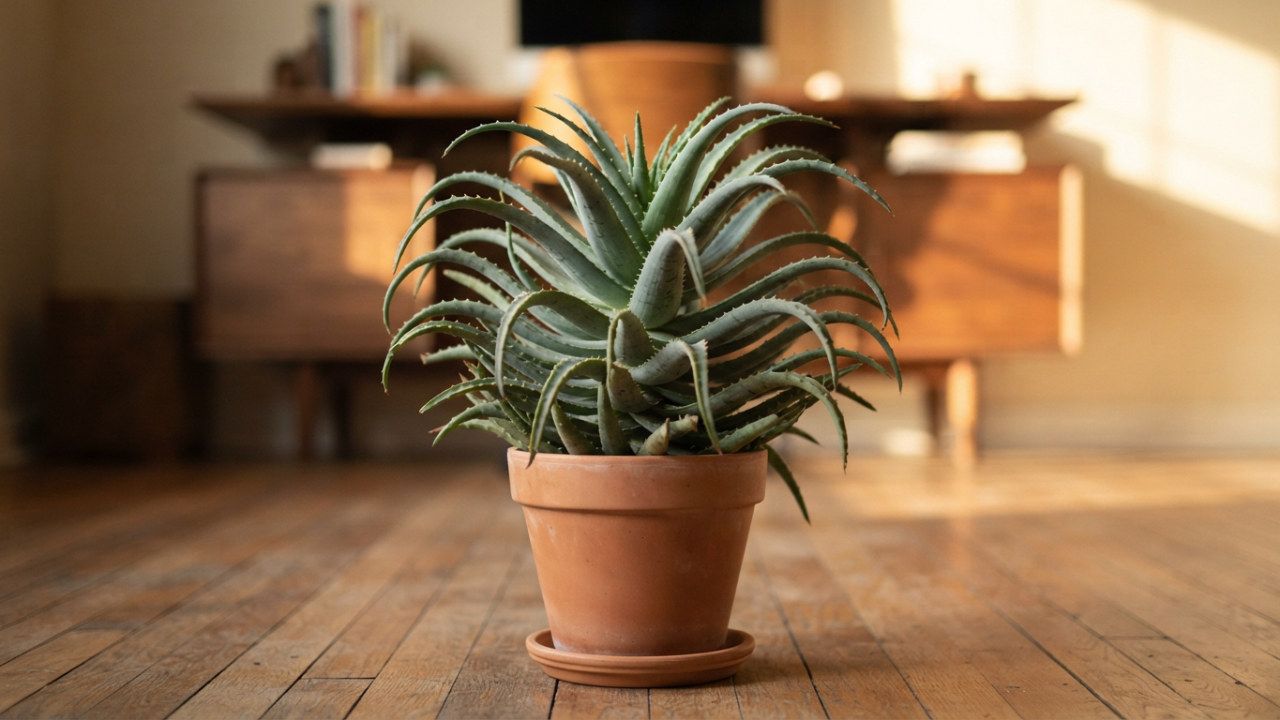
Narrow, upright, lance-shaped deep green leaves with small white spots and soft translucent teeth, tipped salmon pink or orange-red in strong sun, in tight stemless rosettes that crowd into dense colonies; 'Firebird' has triangular leaves in a looser rosette, 'Snowstorm' is banded rather than dotted, 'Doran Black' and 'Lizard Lips' have broader, more patterned leaves, and 'Cosmo' and 'Rooikappie' have broader, lighter green leaves, those of 'Rooikappie' arching outward. Aloe humilis, one of its parents, is blue-green with white bumps and soft spines, Haworthia attenuata has white bumps in bands and smooth edges, and Gasteria has tongue-shaped leaves, often in two rows.

Watering your Aloe 'Crosby's Prolific'
Every 12 days
Soak the mix, let the excess run off, and wait until it has dried out completely before watering again, then water much less in winter.
How to know it needs water
- The mix is completely dry when a finger pushed down reaches the bottom of the pot
- The leaves are thinner than usual and may curl slightly

How much light a Aloe 'Crosby's Prolific' needs
Full sun
Bright light with direct sun for several hours brings out the salmon-pink tips, so a south, east or west window suits it, but move a plant used to shade into strong sun gradually.
- Direct sun tolerated
- 4 to 8 h a day
- Orientations that suit it
- South, South-east, South-west, East, West

Humidity and misting
30–40 %
A humidity of about 30 to 40% suits it, so a dry room is no problem. Do not mist: water caught between the crowded rosettes can rot the clump.

Feeding and fertiliser
Every 28 days
Feed once a month from April to September, and nothing from October to March.
- Recommended feed
- A diluted liquid fertilizer for cacti and succulents, low in nitrogen. · 2-7-7

Repotting your Aloe 'Crosby's Prolific'
Every 24 months
Lift the clump, split off rooted offsets to make new plants or to thin it, and repot in a gritty cactus mix with perlite or pumice.
- When
- Spring, between March and May.
- Potting mix
- Cactus and succulent mix
- Mix in
- perlite, coarse sand, pumice
The tell-tale signs
- Offsets pack the pot and push the rosettes over its rim
- Roots escape through the drainage holes

Pruning your Aloe 'Crosby's Prolific'
Once the flower stalks have faded, and when a leaf at the base of a rosette dries up. Cut stalks and dry leaves off at their base with clean scissors, and leave healthy offsets in place.

Through the year
Watering is not set once and for all: it follows the light and the growth. Allow 19 days between waterings in the depth of winter, against 10 in the growing season.
- 18 J
- 14 F
- 12 M
- 11 A
- 10 M
- 10 J
- 10 J
- 11 A
- 12 S
- 13 O
- 16 N
- 19 D
Active growth · Days between waterings

Toxicity
Toxic to cats, dogs and people if eaten, because the yellow latex lying just beneath the leaf skin irritates the digestive tract and causes diarrhea in people and vomiting and lethargy in cats and dogs; the plant is safe to handle.

Good to know
- Its name fits: it offsets so freely that one plant soon becomes a dense colony.
- Bright sun or drought stress turns the tips and margins of its leaves salmon pink to reddish orange.

Frequently asked questions about the Aloe 'Crosby's Prolific'
How do you care for a Aloe 'Crosby's Prolific'?
Water it every 12 days. Give it full sun. Ideal humidity: 30–40 %. Ideal temperature: 13–29 °C. Soak the mix, let the excess run off, and wait until it has dried out completely before watering again, then water much less in winter.
How often should you water a Aloe 'Crosby's Prolific'?
Every 12 days Soak the mix, let the excess run off, and wait until it has dried out completely before watering again, then water much less in winter. How to know it needs water : The mix is completely dry when a finger pushed down reaches the bottom of the pot ; The leaves are thinner than usual and may curl slightly.
How much light does a Aloe 'Crosby's Prolific' need?
Full sun Bright light with direct sun for several hours brings out the salmon-pink tips, so a south, east or west window suits it, but move a plant used to shade into strong sun gradually. 4 to 8 h a day
Is the Aloe 'Crosby's Prolific' toxic to cats and dogs?
Yes. Toxic to cats, dogs and people if eaten, because the yellow latex lying just beneath the leaf skin irritates the digestive tract and causes diarrhea in people and vomiting and lethargy in cats and dogs; the plant is safe to handle. Keep it out of reach of your pets and call a vet if any is swallowed.
Why are my Aloe 'Crosby's Prolific' leaves turning yellow?
Yellowing most often comes from too much water: the mix stays wet and the roots suffocate. Check that the pot drains, empty the saucer, and let the mix dry before watering again. Too little light or a cold draught cause the same symptom.
When should you repot a Aloe 'Crosby's Prolific'?
Repot every 24 months, ideally in spring, between march and may.. Lift the clump, split off rooted offsets to make new plants or to thin it, and repot in a gritty cactus mix with perlite or pumice.

At a glance
- Family
- Asphodelaceae
- Category
- Succulent
- Placement
- Indoor and outdoor
- Mature height
- 23 cm
- Growth
- Slow
- Temperature
- 13–29 °C
- Pot materials
- terracotta, ceramic
- Growth
- Reaches maturity in 5 years
These figures are for an average plant. In the app they are recalculated for yours, based on your room, its orientation and the season.
And for your plant, in your home?
In the app this plant becomes yours: a watering schedule tuned to your home, health tracking from photos, and reminders at the right moment.