Succulent · Crassulaceae
× Sedeveria
× Sedeveria
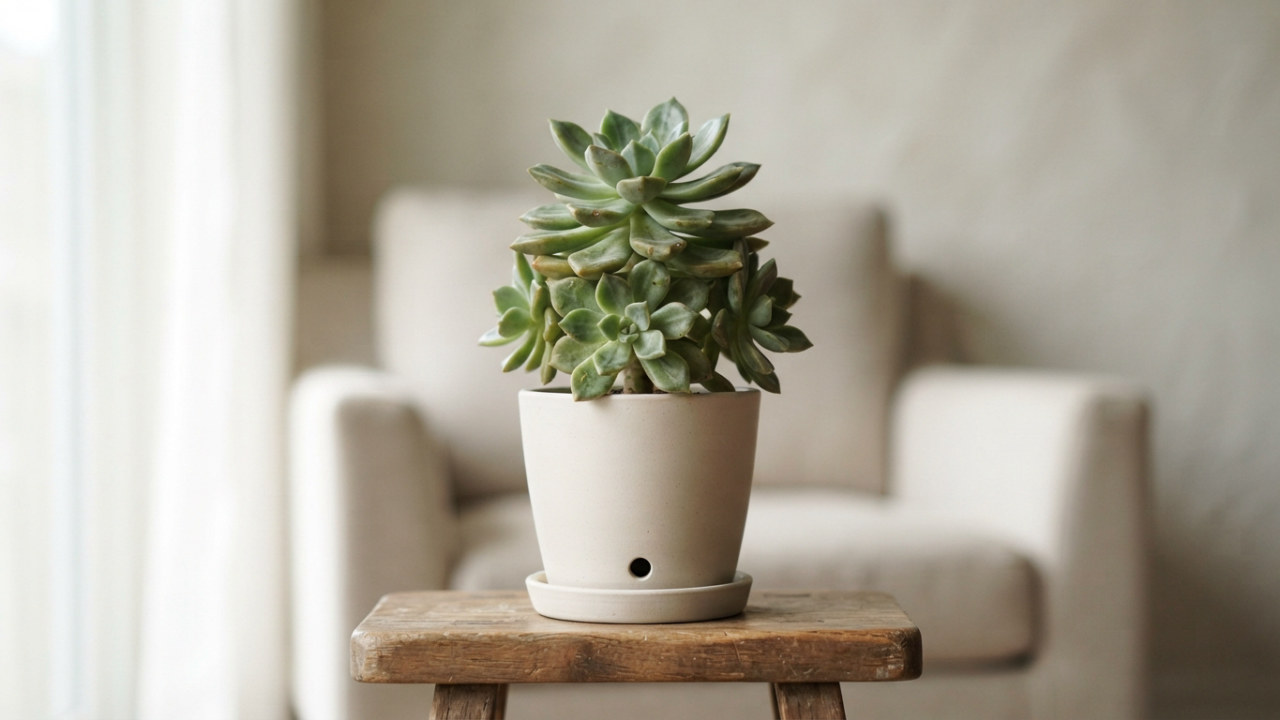
A hybrid genus crossing Sedum and Echeveria, with fleshy rosettes on branching stems that turn woody with age.
- Every 12 daysWatering
- Full sunLight
- 20–40 %Humidity
- 10–30 °CTemperature


Its varieties 4
How to care for your × Sedeveria
Everything you need to keep your × Sedeveria healthy: watering, light, humidity, feeding, repotting and pruning.
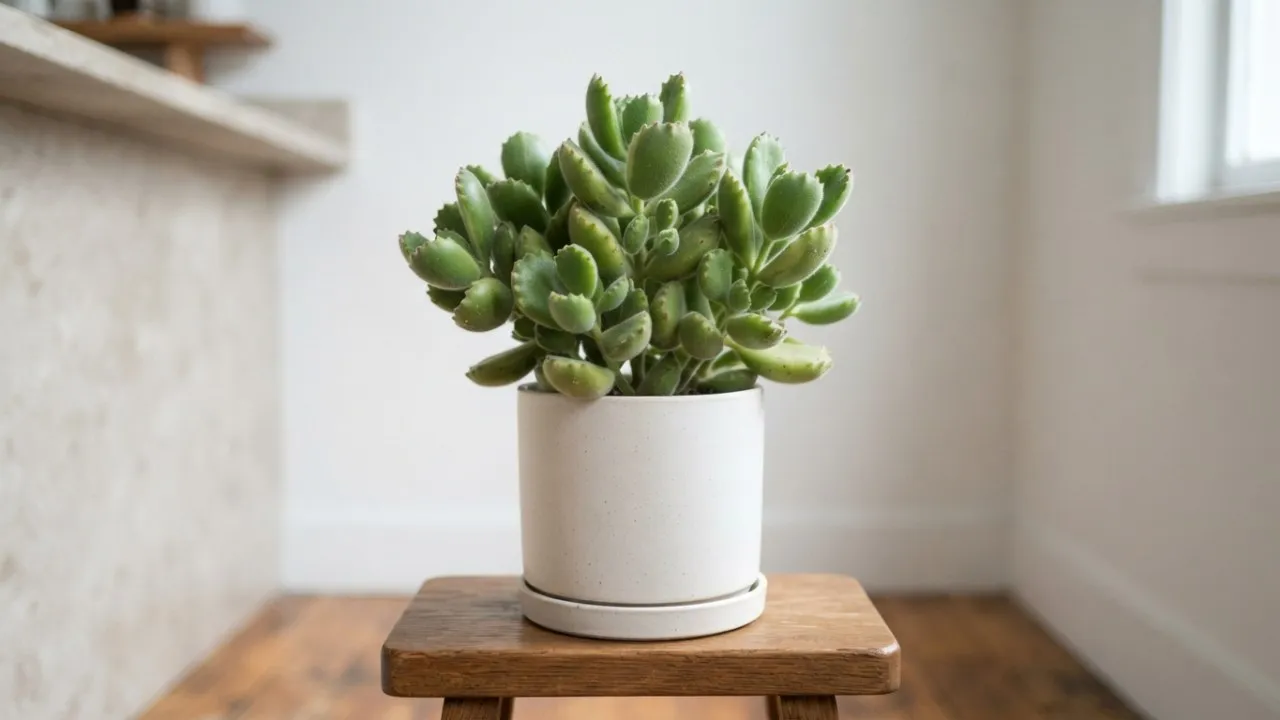
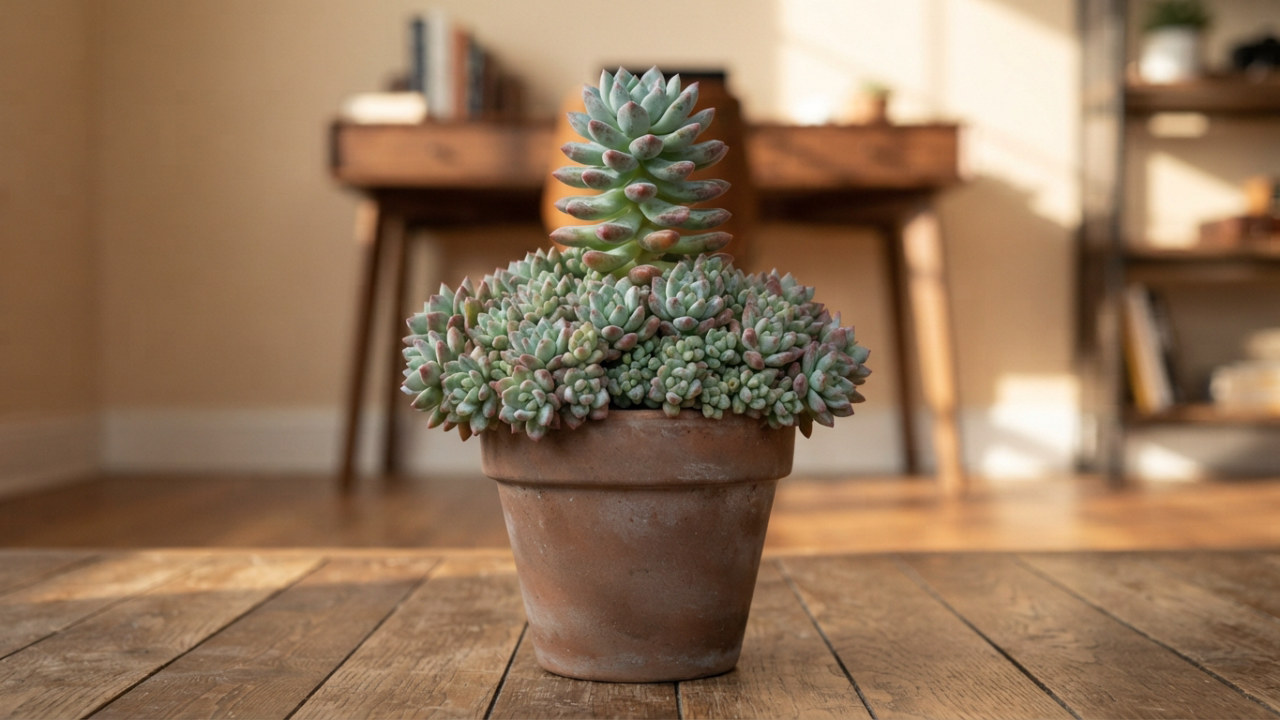
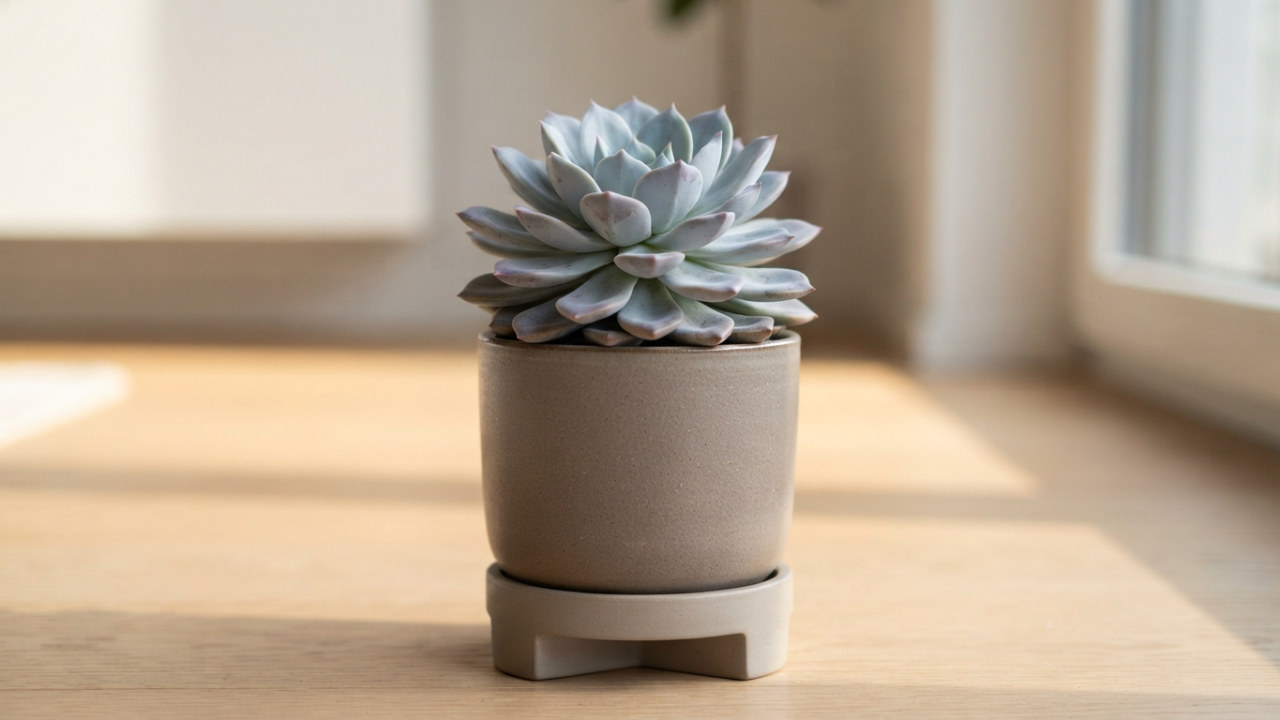
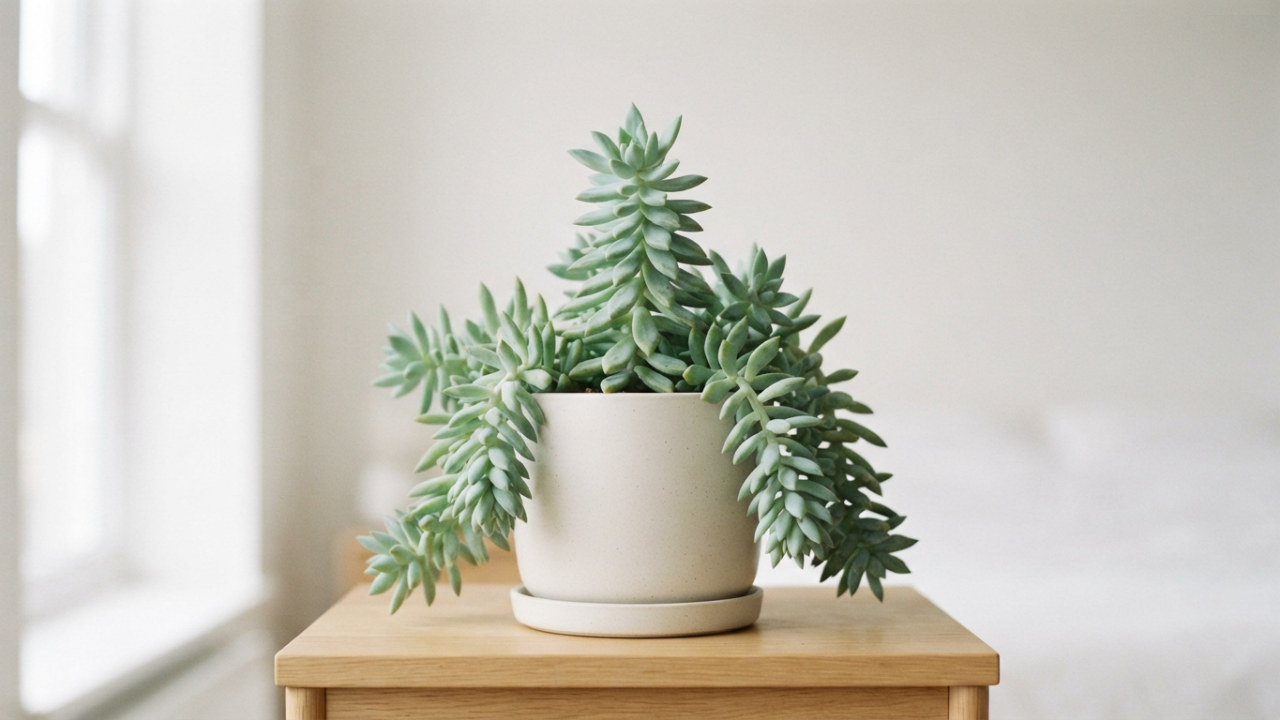
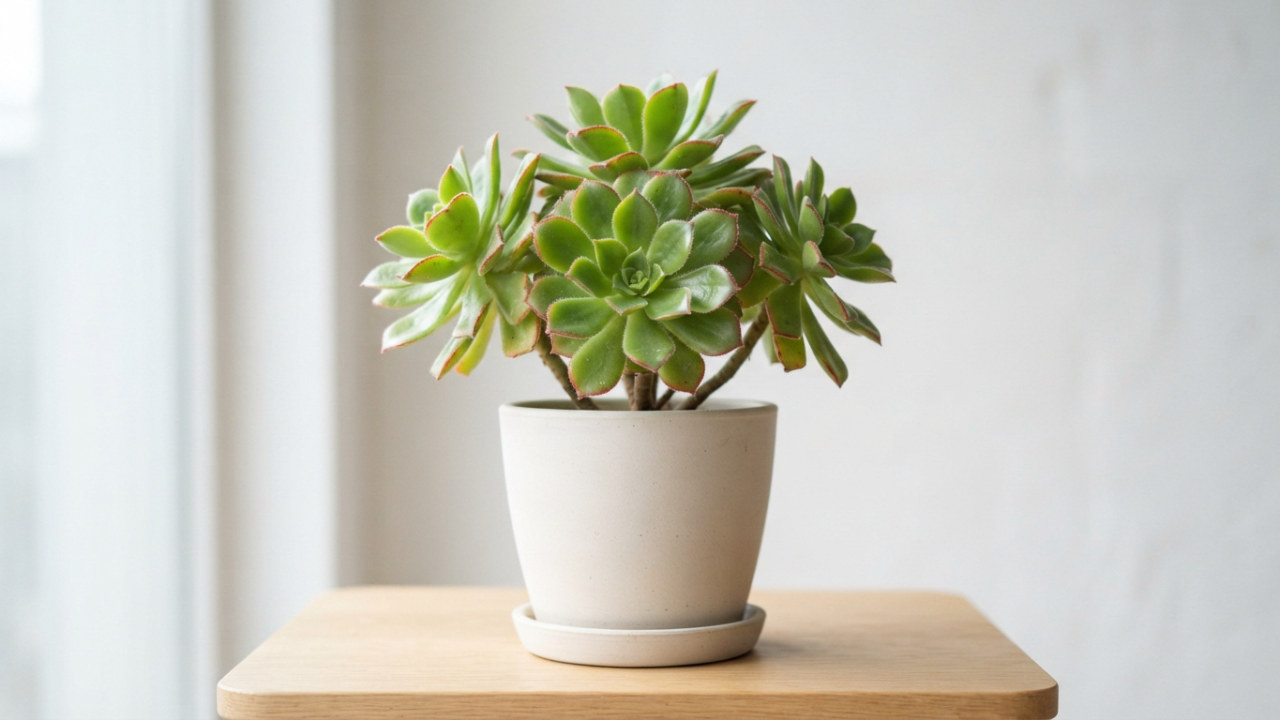
× Sedeveria is a nothogenus, a hybrid genus created by crossing Sedum with Echeveria. The thick, fleshy leaves form rosettes in green, silver-green or blue-green, with red, pink or yellow tints at the tips or margins when the plant is stressed by sun or cold; a few cultivars have a powdery coating or fine hairs on the edges. The plants clump or spread on stems that grow woody over time, reaching about 20 to 30 cm tall and wider, and may not flower reliably indoors.

How to recognise × Sedeveria
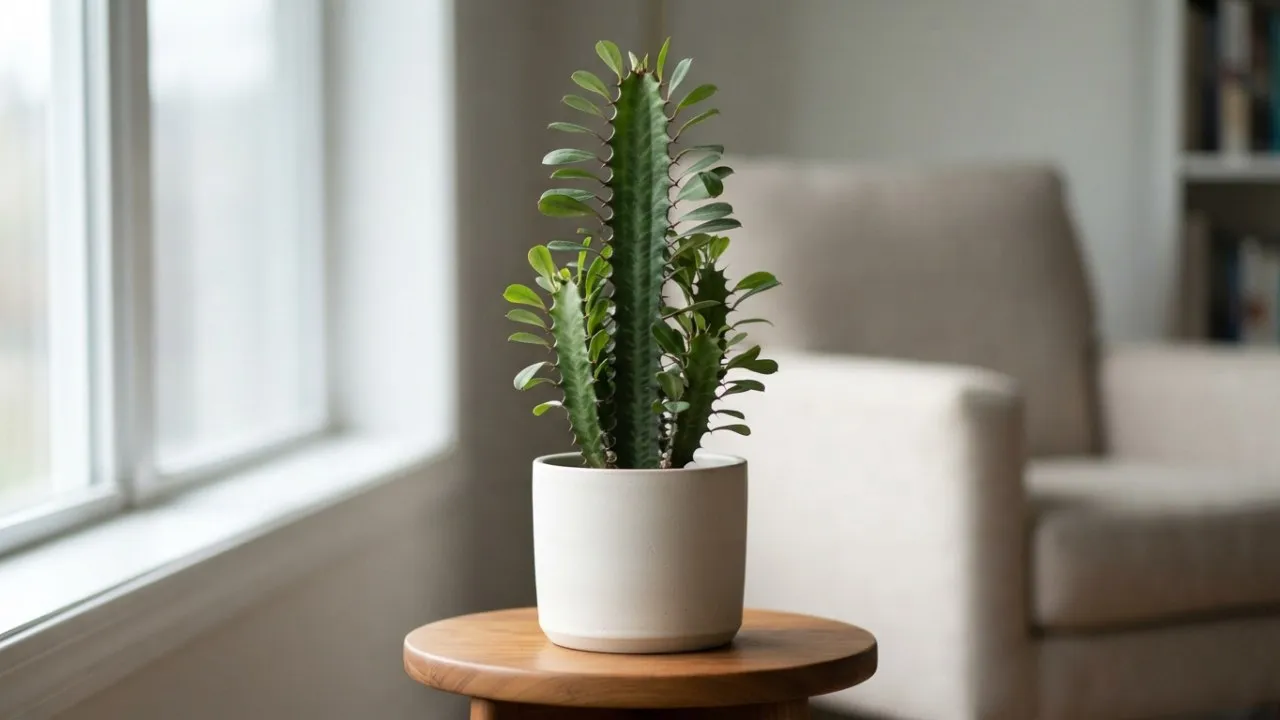
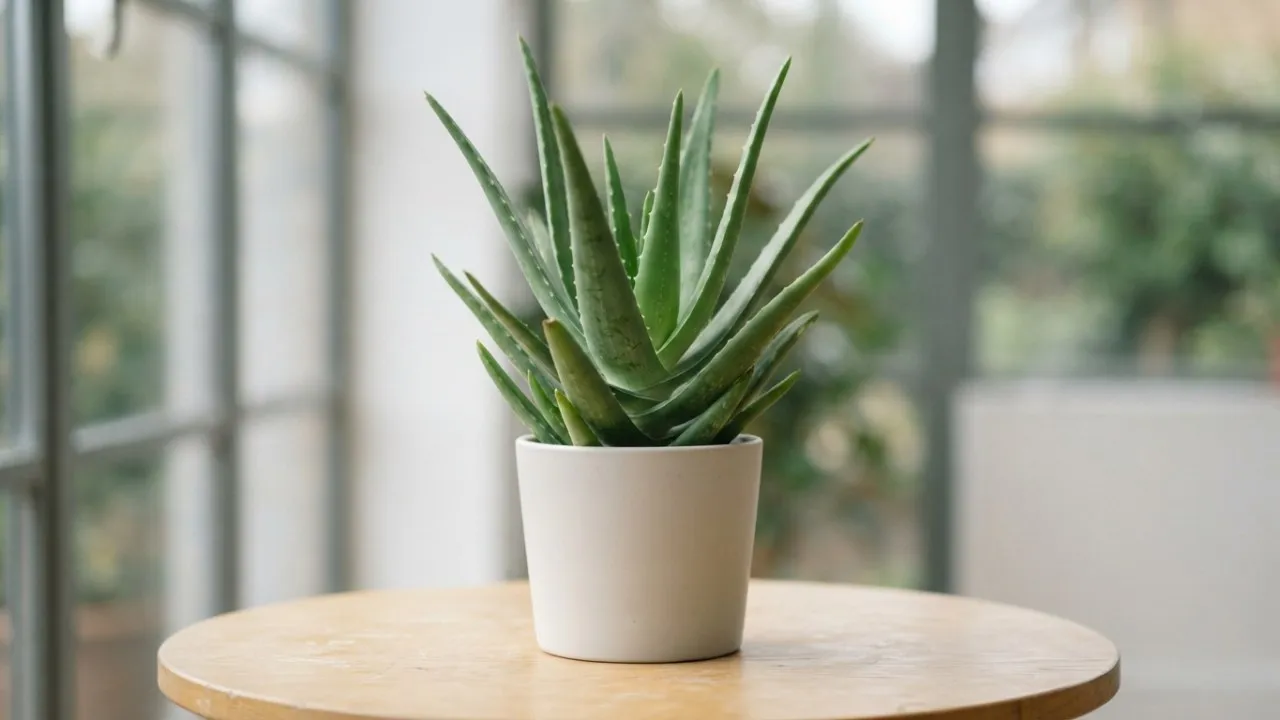
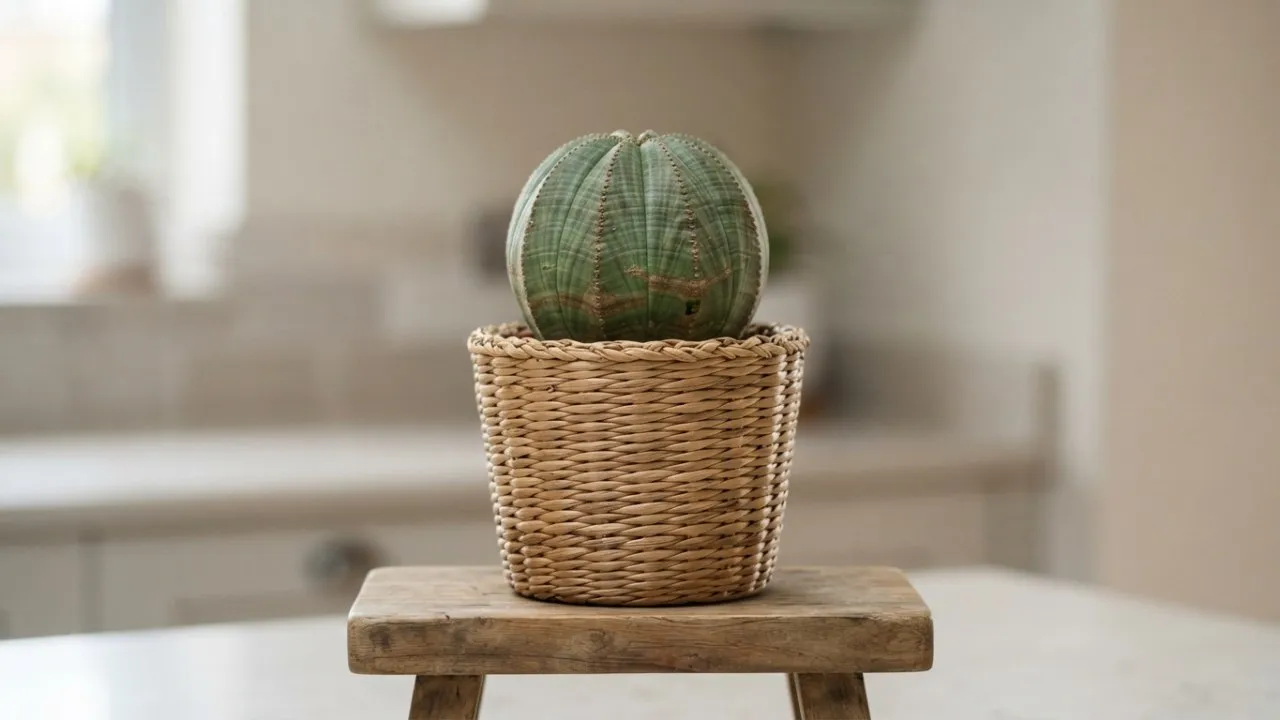
Small fleshy rosettes carried on branching stems that thicken and turn woody with age, often tinted red, pink or yellow at the tips in strong light. Echeveria forms a lower, tighter rosette with little or no stem, while Sedum has small leaves along the stem and no real rosette; × Graptosedum and × Pachyveria look alike but spread or clump less.

Watering your × Sedeveria
Every 12 days
Soak the mix thoroughly, then let it dry out completely before watering again, and water less in winter, when it rests.
How to know it needs water
- A wooden stick pushed into the pot comes out dry all the way down
- The leaves feel less firm and show faint wrinkles

How much light a × Sedeveria needs
Full sun
Bright light suits it, such as a south or west window with several hours of sun; with too little light the stems stretch and the leaf tints fade.
- Direct sun tolerated
- 4 to 8 h a day
- Orientations that suit it
- South, South-east, South-west, East, West, North-east, North-west

Humidity and misting
20–40 %
Dry air, roughly 20 to 40%, is ideal, and ordinary room humidity needs no help. Do not mist, because water caught in the rosettes and on the hairy or powdery leaves invites rot and marks.

Feeding and fertiliser
Every 28 days
Feed about once a month from April to September, and not at all the rest of the year.
- Recommended feed
- A low-nitrogen liquid fertilizer for cacti and succulents, at half the dose given on the label. · 2-7-7

Repotting your × Sedeveria
Every 24 months
Go up one pot size into a gritty mix of cactus soil with perlite and pumice, set a leggy stem deeper if it leans, and leave the roots dry for a few days before watering.
- When
- Spring, from March to May, as growth restarts.
- Potting mix
- Cactus and succulent mix
- Mix in
- perlite, pumice, coarse sand
The tell-tale signs
- The rosettes and woody stems have outgrown the pot and lean over its rim
- Roots show at the drainage holes

Pruning your × Sedeveria
In spring or early summer, to cut back stems that have grown leggy or to take cuttings. Cut a stem just below a rosette with clean shears, let the cut dry for a few days, then root the cutting on dry, gritty mix.

Through the year
Watering is not set once and for all: it follows the light and the growth. Allow 22 days between waterings in the depth of winter, against 10 in the growing season.
- 22 J
- 18 F
- 12 M
- 11 A
- 10 M
- 10 J
- 10 J
- 11 A
- 12 S
- 14 O
- 18 N
- 22 D
Active growth · Days between waterings

Good to know
- Sedeveria is a nothogenus, the botanical term for a hybrid genus, with Sedum and Echeveria as its parents.
- The red and pink tints on the leaf tips deepen when the plant is stressed by sun or cold, so a color shift is not always a sign of trouble.

Frequently asked questions about the × Sedeveria
How do you care for a × Sedeveria?
Water it every 12 days. Give it full sun. Ideal humidity: 20–40 %. Ideal temperature: 10–30 °C. Soak the mix thoroughly, then let it dry out completely before watering again, and water less in winter, when it rests.
How often should you water a × Sedeveria?
Every 12 days Soak the mix thoroughly, then let it dry out completely before watering again, and water less in winter, when it rests. How to know it needs water : A wooden stick pushed into the pot comes out dry all the way down ; The leaves feel less firm and show faint wrinkles.
How much light does a × Sedeveria need?
Full sun Bright light suits it, such as a south or west window with several hours of sun; with too little light the stems stretch and the leaf tints fade. 4 to 8 h a day
Is the × Sedeveria toxic to cats and dogs?
No, the × Sedeveria is not listed as toxic to cats and dogs. That is still no reason to let your pets chew on it.
Why are my × Sedeveria leaves turning yellow?
Yellowing most often comes from too much water: the mix stays wet and the roots suffocate. Check that the pot drains, empty the saucer, and let the mix dry before watering again. Too little light or a cold draught cause the same symptom.
When should you repot a × Sedeveria?
Repot every 24 months, ideally in spring, from march to may, as growth restarts.. Go up one pot size into a gritty mix of cactus soil with perlite and pumice, set a leggy stem deeper if it leans, and leave the roots dry for a few days before watering.

At a glance
- Family
- Crassulaceae
- Category
- Succulent
- Placement
- Indoor and outdoor
- Mature height
- 25 cm
- Growth
- Slow
- Temperature
- 10–30 °C
- Pot materials
- terracotta, ceramic
- Growth
- Reaches maturity in 3 years
These figures are for an average plant. In the app they are recalculated for yours, based on your room, its orientation and the season.
And for your plant, in your home?
In the app this plant becomes yours: a watering schedule tuned to your home, health tracking from photos, and reminders at the right moment.