Succulent · Crassulaceae
× Graptoveria
× Graptoveria
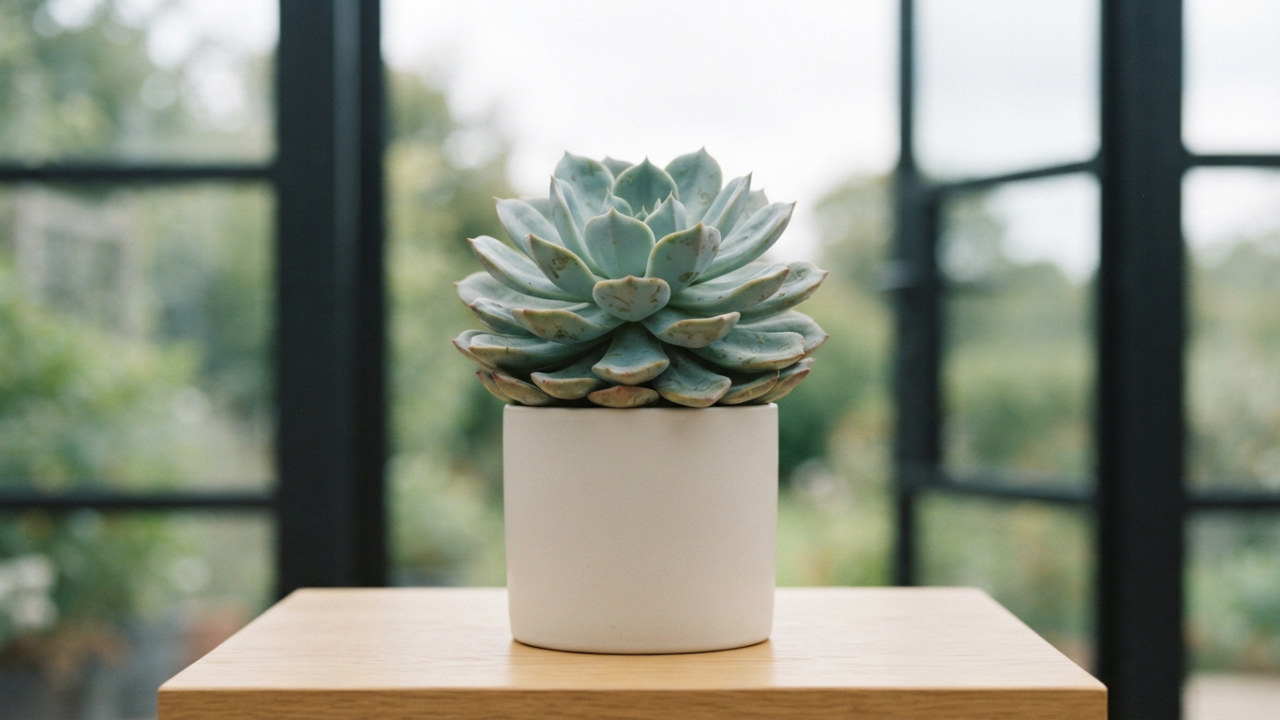
Hybrid succulents between Graptopetalum and Echeveria, with thick, often powdery rosettes that clump from offsets.
- Every 12 daysWatering
- Full sunLight
- 30–50 %Humidity
- 10–27 °CTemperature


Its varieties 3
How to care for your × Graptoveria
Everything you need to keep your × Graptoveria healthy: watering, light, humidity, feeding, repotting and pruning.
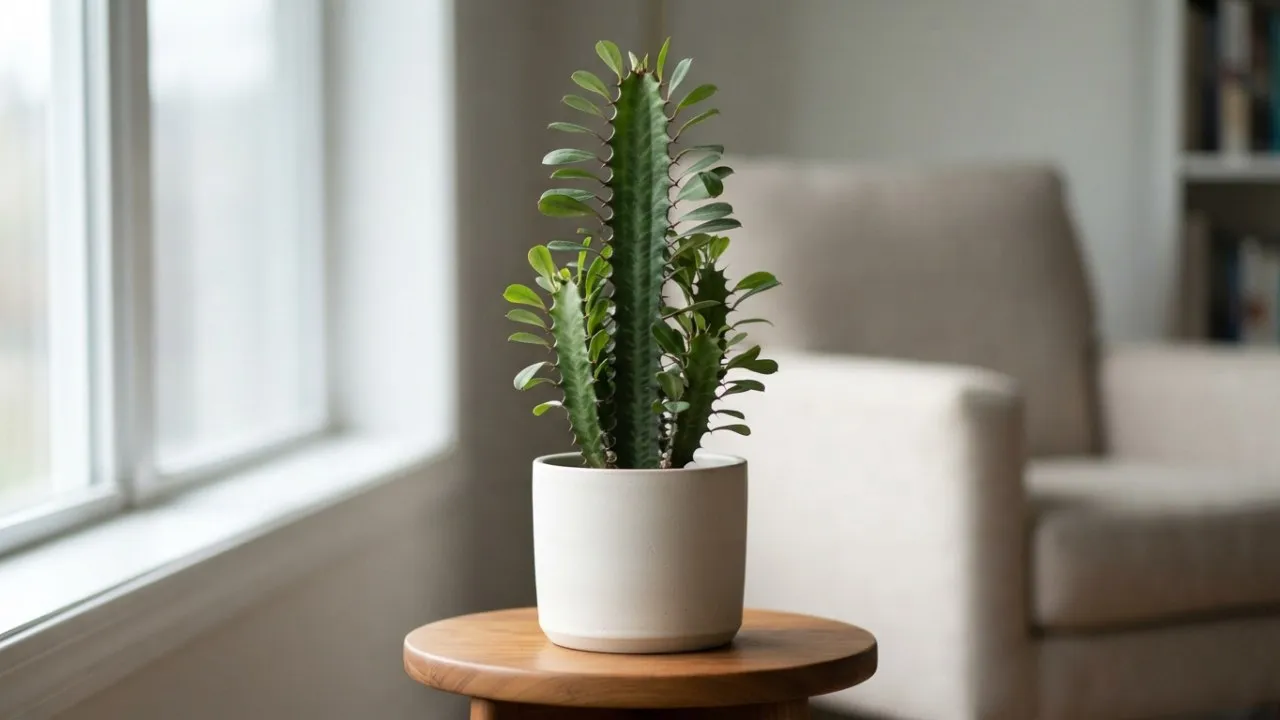
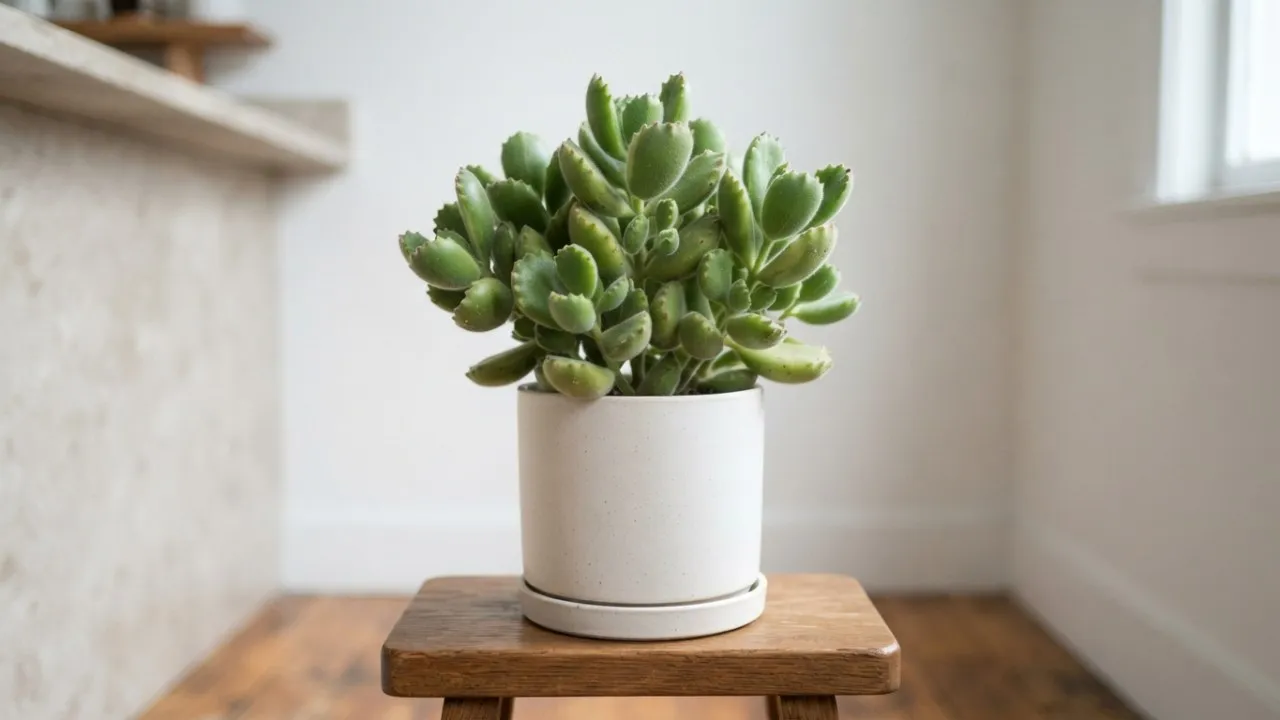
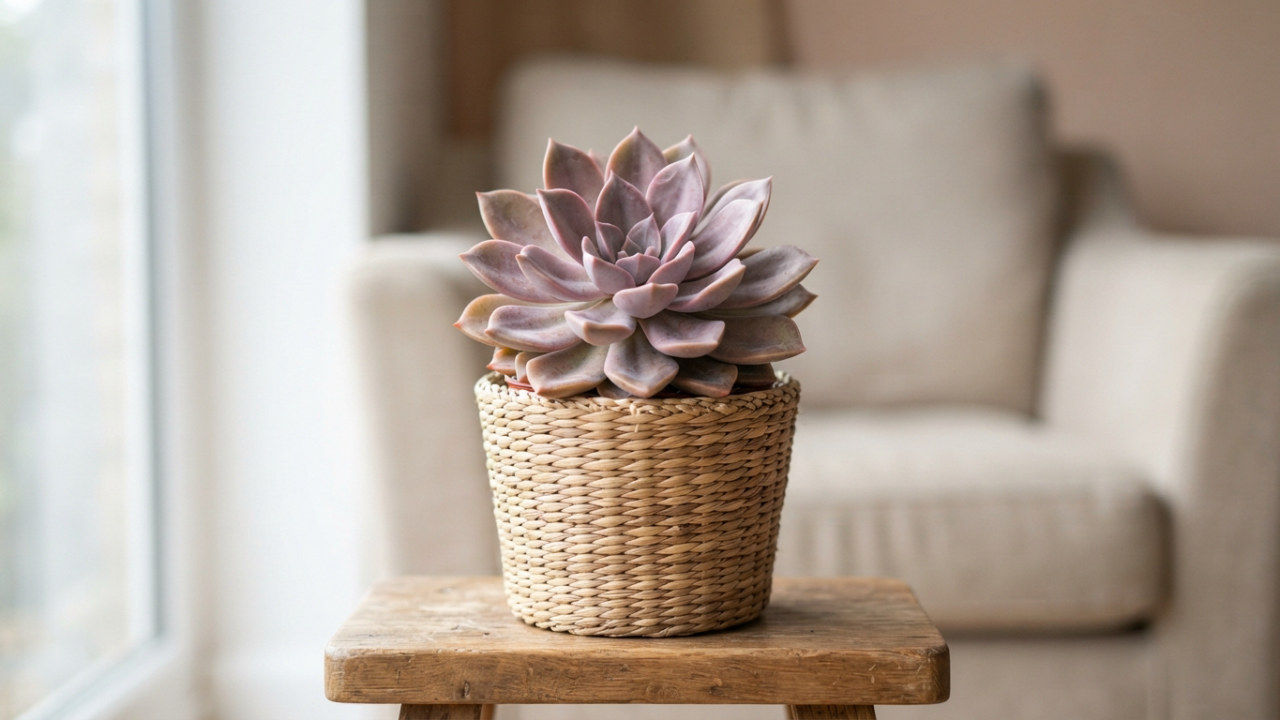
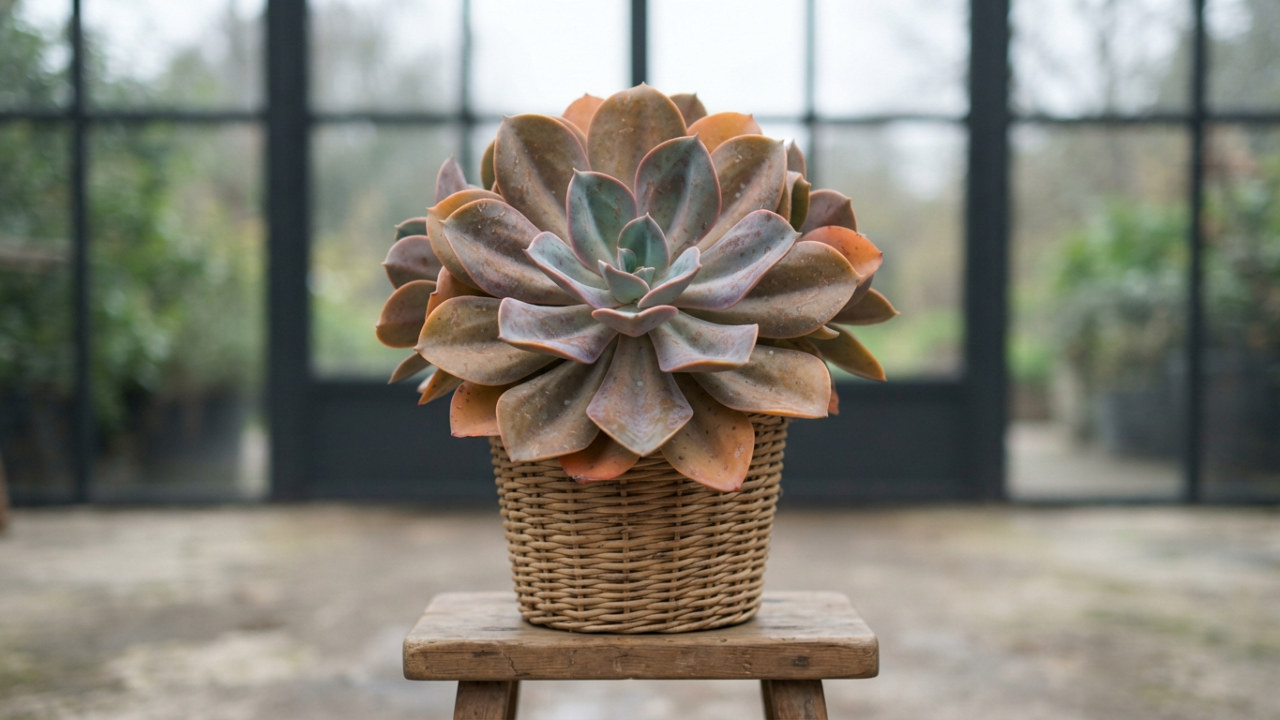
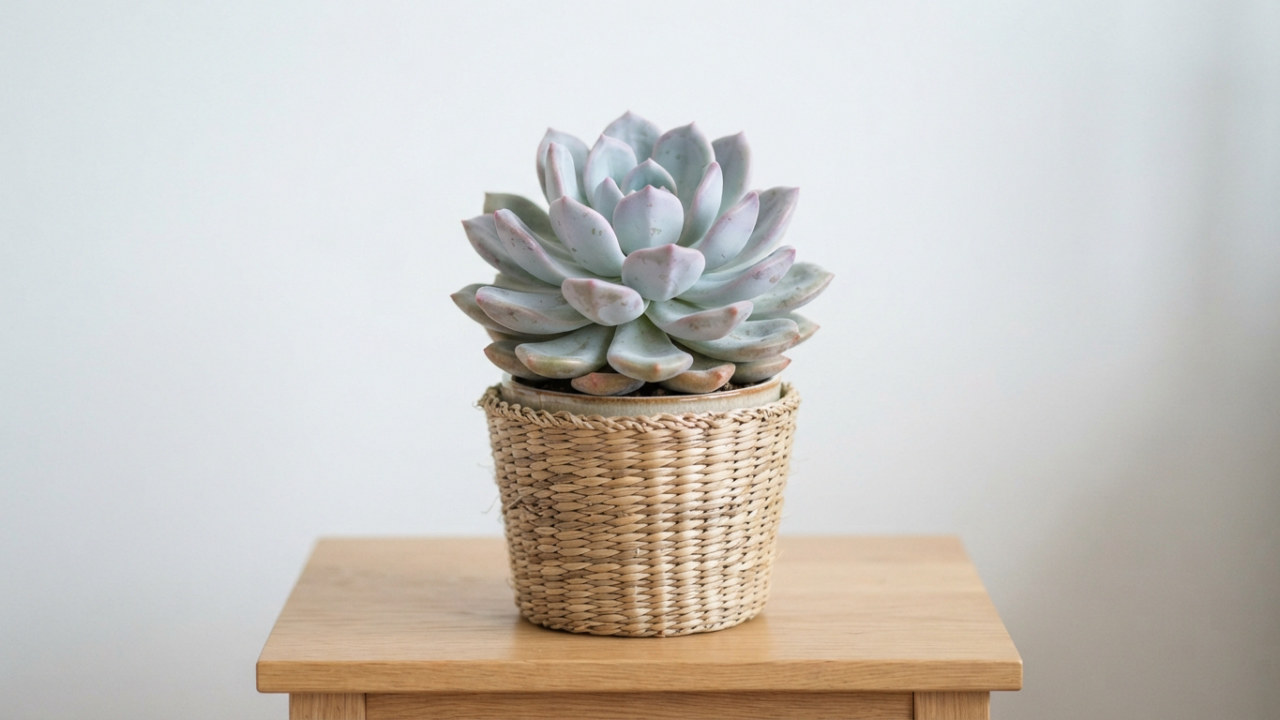
× Graptoveria is a horticultural hybrid genus made by crossing Graptopetalum with Echeveria, and it covers many named plants sold in garden centers. Thick, fleshy leaves form rosettes in green, blue-gray, pink or purple, often dusted with a powdery bloom called farina. The rosettes, 15 to 20 cm wide indoors, produce offsets and slowly form a clump. Small bell-shaped pink, red or yellow flowers sit on long arching stems in spring or summer. They need bright light, dry roots and shelter from frost.

How to recognise × Graptoveria
Thick-leaved rosettes, usually powdery, that clump from offsets, in blue-gray, pink or purple shades. Graptopetalum has narrower, pointed leaves on a looser, sprawling stem, and Echeveria has more regular, broader rosettes and flat or pointed leaf tips; hybrids sit between the two.

Watering your × Graptoveria
Every 12 days
Water thoroughly only when the mix is completely dry, and much less in winter.
How to know it needs water
- The mix is dry all the way through the pot
- The leaves are slightly less plump and firm

How much light a × Graptoveria needs
Full sun
Bright light with several hours of direct sun, which also deepens the leaf color.
- Direct sun tolerated
- 4 to 8 h a day
- Orientations that suit it
- South, South-east, South-west, East, West

Humidity and misting
30–50 %
Dry to moderate air suits it; it needs no extra humidity. Do not mist; water on the powdery leaves marks them and encourages rot.

Feeding and fertiliser
Every 28 days
Feed lightly once a month in the growing season, never in winter.
- Recommended feed
- A diluted fertilizer for cacti and succulents, low in nitrogen. · 2-7-7

Repotting your × Graptoveria
Every 24 months
Lift the clump, shake off the old mix and replant in a gritty, fast-draining mix, separating offsets if you wish.
- When
- Spring, as growth resumes.
- Potting mix
- Cactus and succulent mix
- Mix in
- perlite, pumice, coarse sand
The tell-tale signs
- Offsets are crowding the pot and pushing the rosette over the edge
- The mix has packed down or roots show at the drainage holes

Pruning your × Graptoveria
In spring or summer, after flowering or when stems get leggy. Cut spent flower stems at the base and remove dried lower leaves; a cut rosette or leaf can be left to callus and rooted.

Through the year
Watering is not set once and for all: it follows the light and the growth. Allow 24 days between waterings in the depth of winter, against 10 in the growing season.
- 18 J
- 18 F
- 12 M
- 10 A
- 10 M
- 10 J
- 10 J
- 10 A
- 12 S
- 12 O
- 18 N
- 24 D
Active growth · Days between waterings

Good to know
- The powdery coating on the leaves is a natural bloom that shields them from strong sun; fingers wipe it off for good.
- Cultivars have been raised for their colors, from blue-gray and pink to purple, and some are striped with cream.

Frequently asked questions about the × Graptoveria
How do you care for a × Graptoveria?
Water it every 12 days. Give it full sun. Ideal humidity: 30–50 %. Ideal temperature: 10–27 °C. Water thoroughly only when the mix is completely dry, and much less in winter.
How often should you water a × Graptoveria?
Every 12 days Water thoroughly only when the mix is completely dry, and much less in winter. How to know it needs water : The mix is dry all the way through the pot ; The leaves are slightly less plump and firm.
How much light does a × Graptoveria need?
Full sun Bright light with several hours of direct sun, which also deepens the leaf color. 4 to 8 h a day
Is the × Graptoveria toxic to cats and dogs?
No, the × Graptoveria is not listed as toxic to cats and dogs. That is still no reason to let your pets chew on it.
Why are my × Graptoveria leaves turning yellow?
Yellowing most often comes from too much water: the mix stays wet and the roots suffocate. Check that the pot drains, empty the saucer, and let the mix dry before watering again. Too little light or a cold draught cause the same symptom.
When should you repot a × Graptoveria?
Repot every 24 months, ideally in spring, as growth resumes.. Lift the clump, shake off the old mix and replant in a gritty, fast-draining mix, separating offsets if you wish.

At a glance
- Family
- Crassulaceae
- Category
- Succulent
- Placement
- Indoor and outdoor
- Mature height
- 15 cm
- Growth
- Moderate
- Temperature
- 10–27 °C
- Pot materials
- terracotta, ceramic
- Growth
- Reaches maturity in 3 years
These figures are for an average plant. In the app they are recalculated for yours, based on your room, its orientation and the season.
And for your plant, in your home?
In the app this plant becomes yours: a watering schedule tuned to your home, health tracking from photos, and reminders at the right moment.