Succulent · Crassulaceae
× Graptosedum
× Graptosedum
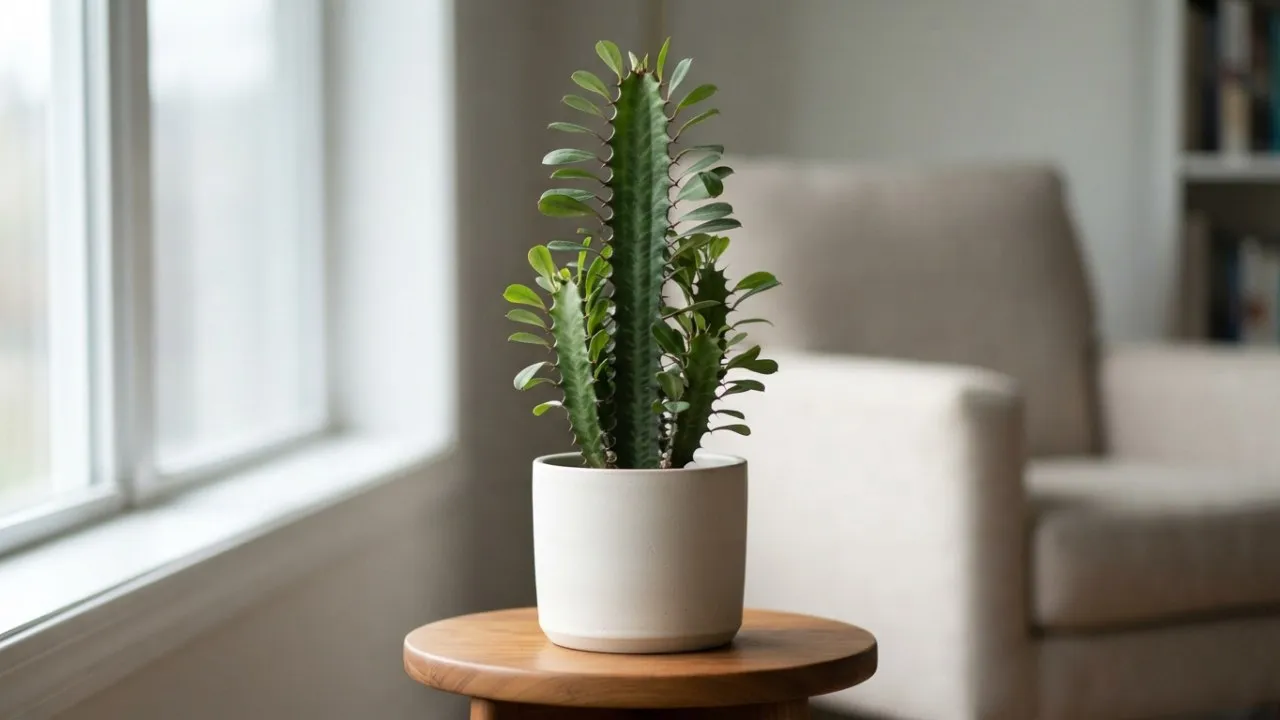
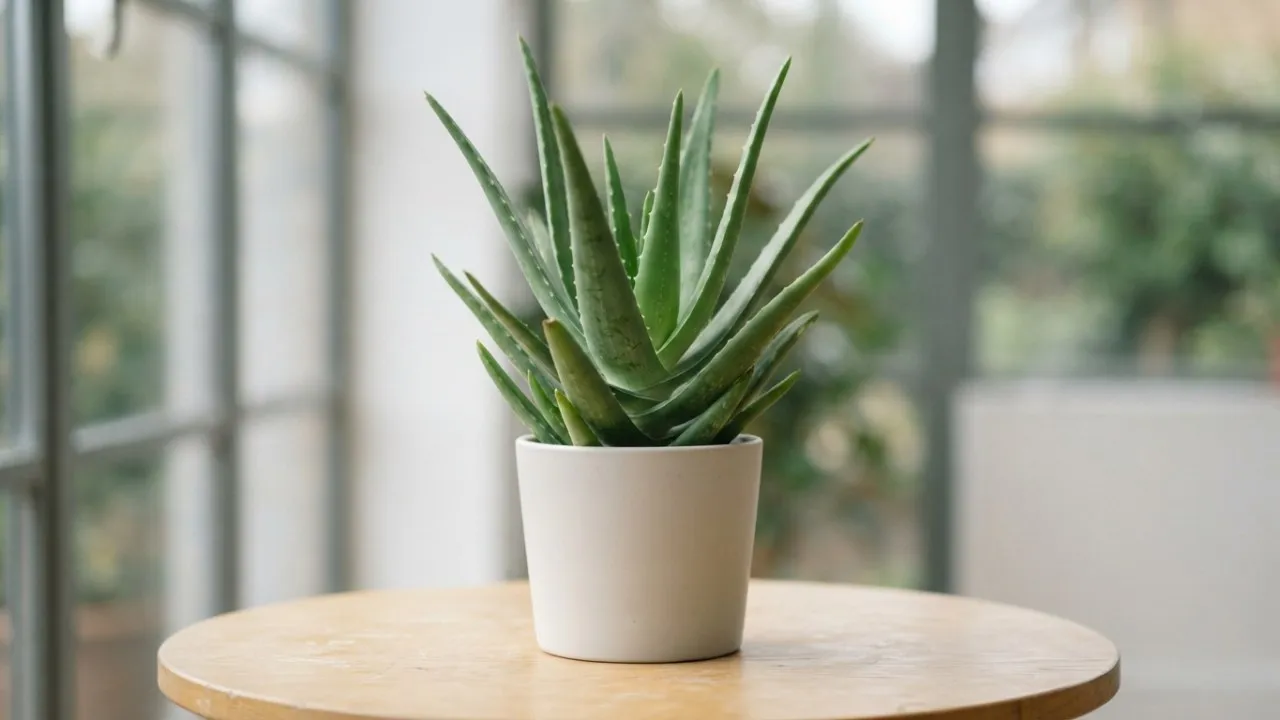
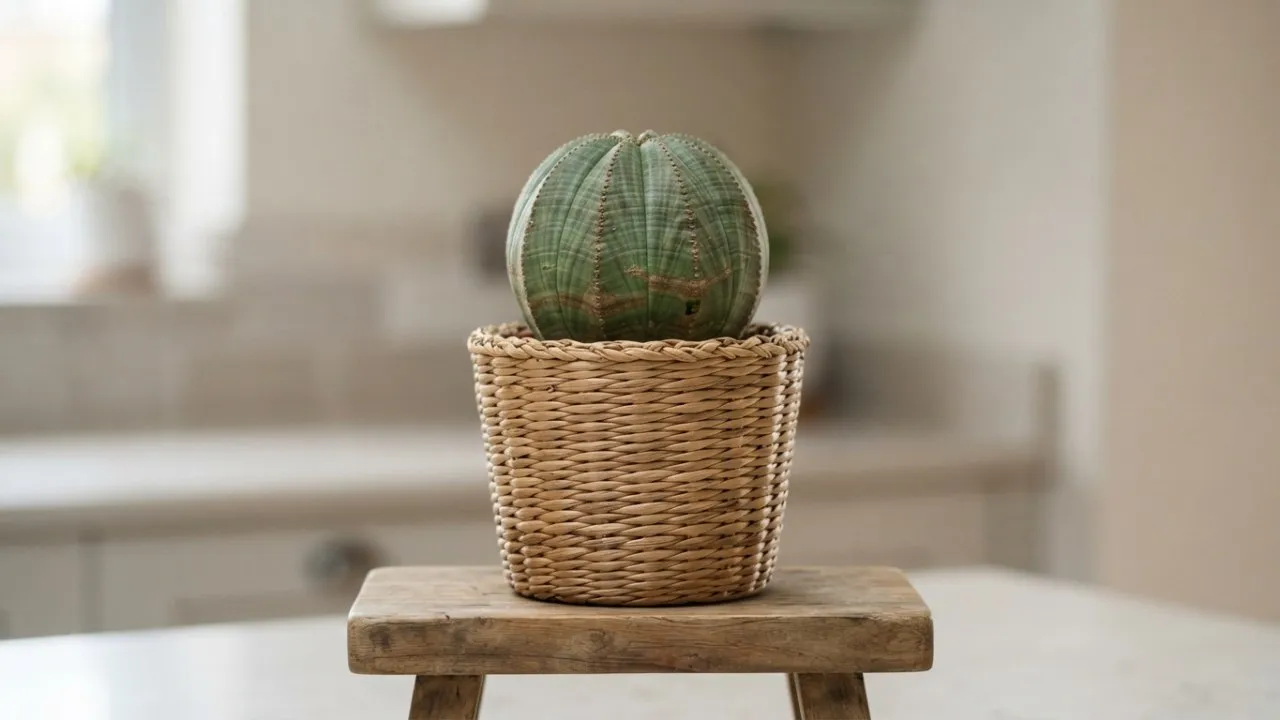
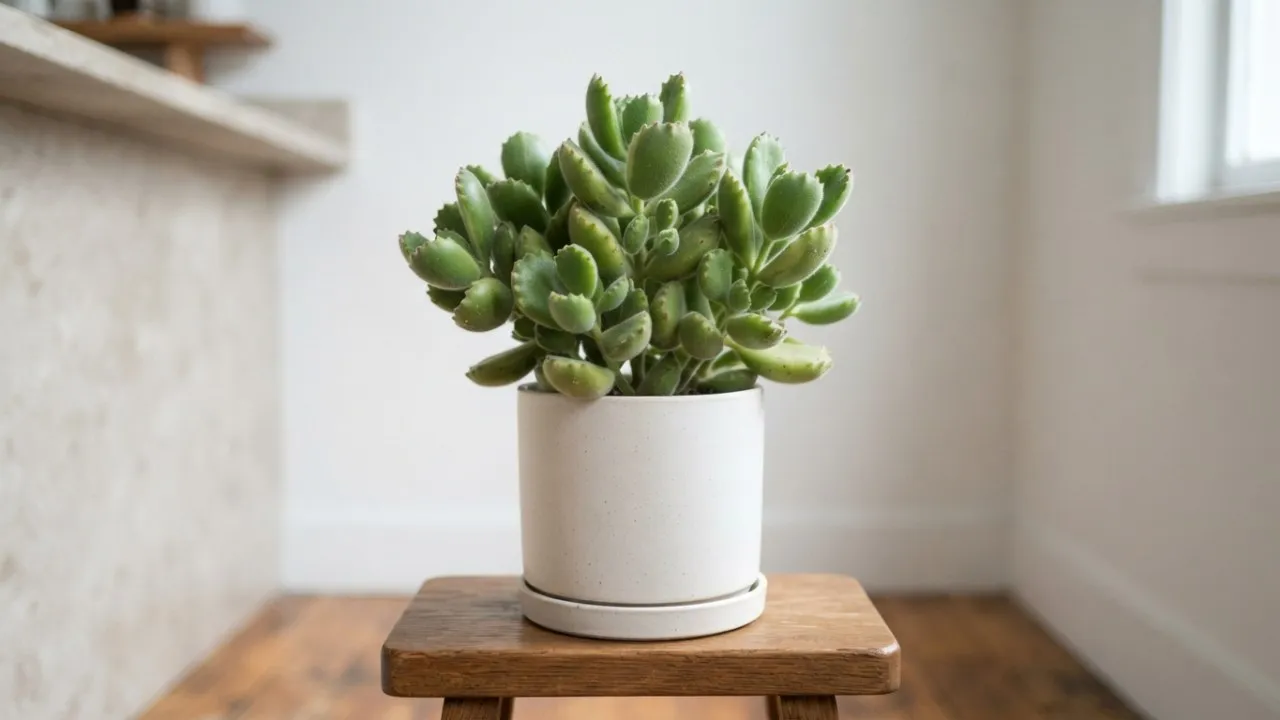
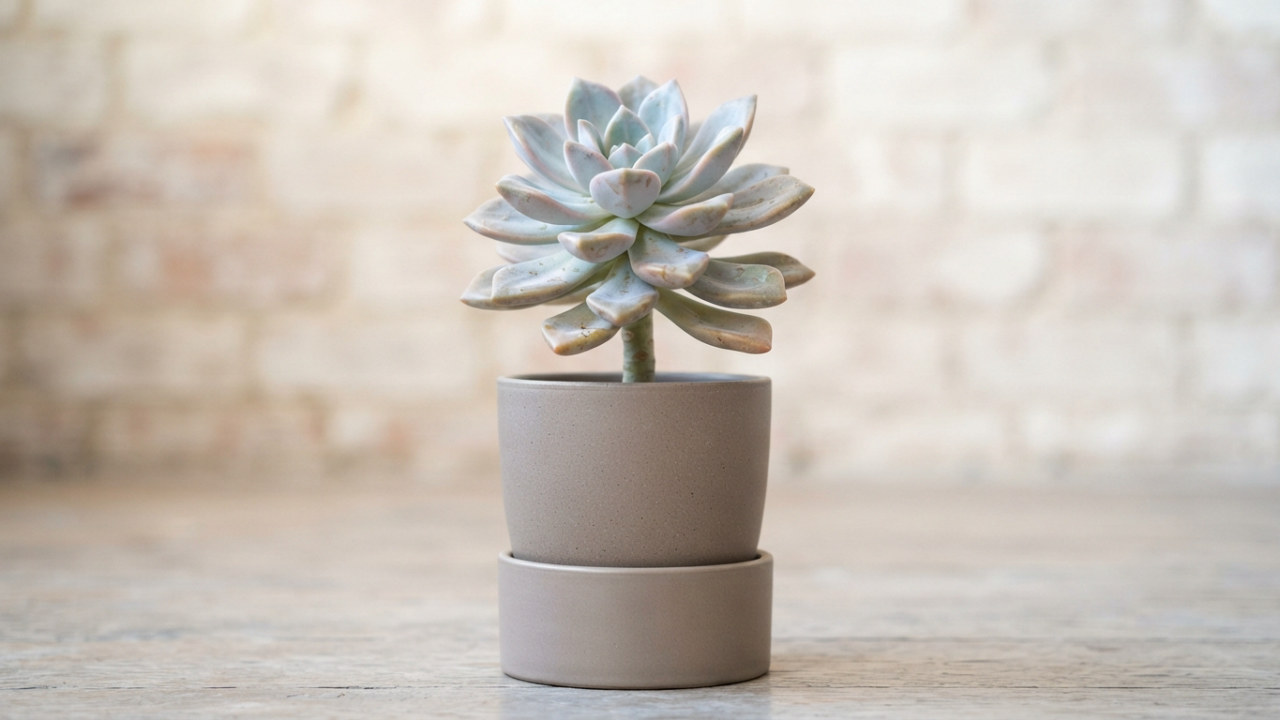
A hybrid genus crossing Graptopetalum and Sedum, with powdery pastel rosettes on low, spreading stems.
- Every 12 daysWatering
- Full sunLight
- 30–50 %Humidity
- 18–29 °CTemperature


Its varieties 3
How to care for your × Graptosedum
Everything you need to keep your × Graptosedum healthy: watering, light, humidity, feeding, repotting and pruning.
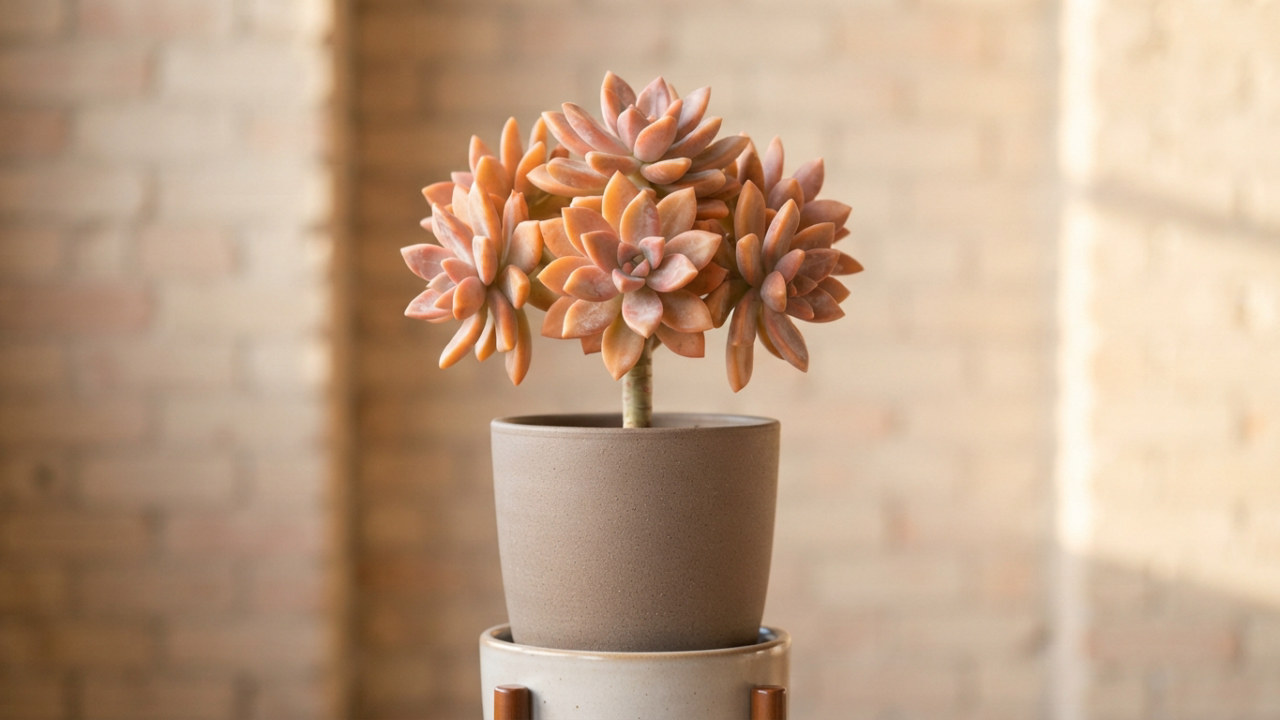
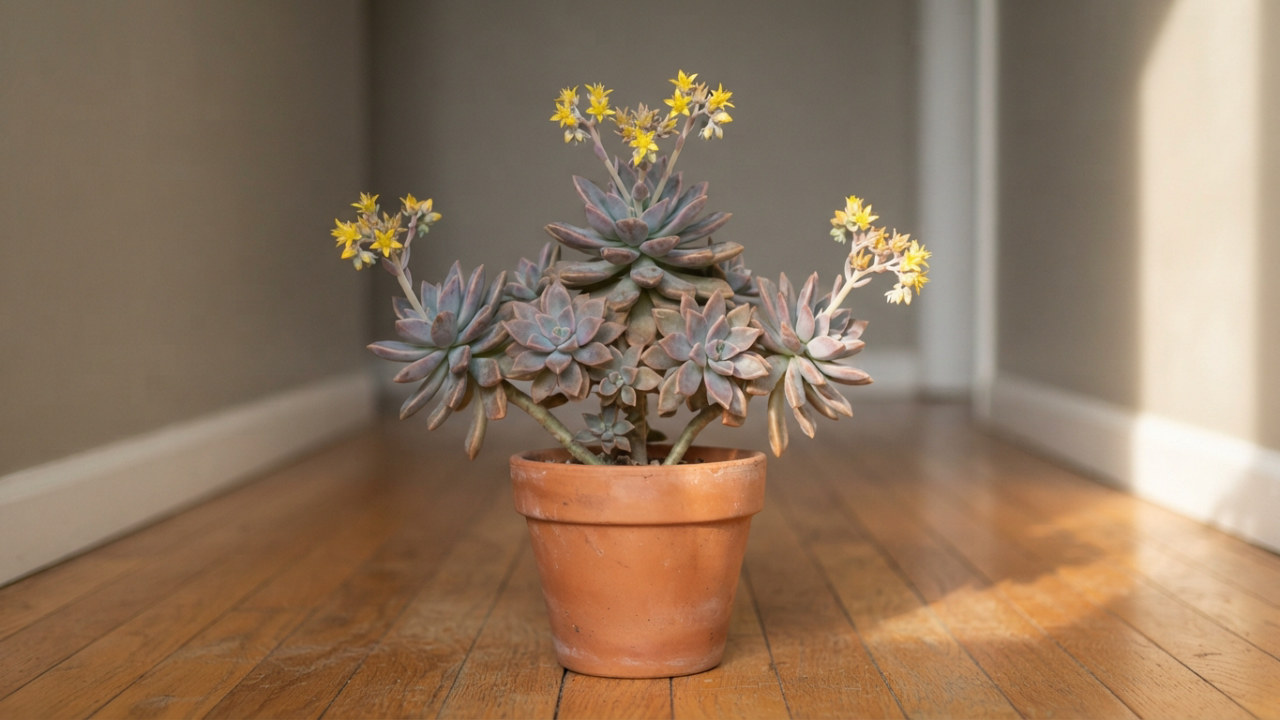
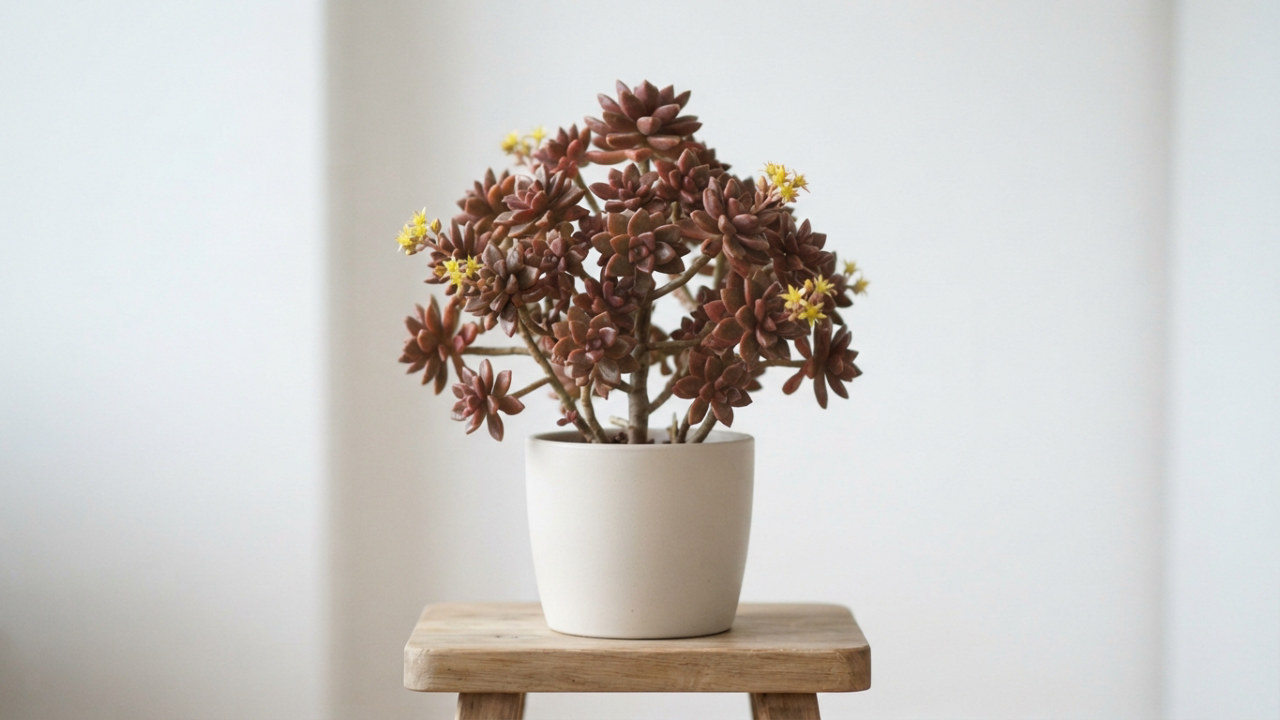
× Graptosedum is the name given to hybrids between Graptopetalum and Sedum, bred by growers rather than found in the wild. The plants form small rosettes of thick leaves at the ends of low stems that spread and sometimes trail, reaching roughly 15 to 30 cm tall and up to about 45 cm wide. Leaf color runs from green, blue and gray to orange, pink and purple, often under a powdery bloom. In spring and summer slender stalks carry small yellow or white star-shaped flowers.

How to recognise × Graptosedum
Fleshy, powdery rosettes at the tips of short stems that spread and trail, in pastel gray, pink, orange or purple. Graptopetalum keeps plumper, tighter rosettes on stems that stay short, while Sedum bears small leaves along the stem without a tight rosette; × Sedeveria and × Pachyveria look alike but carry Echeveria blood, with broader rosettes.

Watering your × Graptosedum
Every 12 days
Soak the mix thoroughly, then let it dry out completely before watering again, and water much less in winter.
How to know it needs water
- A finger or a wooden stick pushed into the pot comes out dry all the way down
- The leaves lose their plumpness and feel slightly soft or wrinkled

How much light a × Graptosedum needs
Full sun
Full sun suits it best, at least six hours a day at a south, east or west window; with less light the rosettes stretch and lose their color.
- Direct sun tolerated
- 6 to 10 h a day
- Orientations that suit it
- South, South-east, South-west, East, West

Humidity and misting
30–50 %
Dry air, roughly 30 to 50%, is ideal, and ordinary room humidity needs no help. Do not mist, because water sitting in the rosettes and on the powdery coating marks the leaves and invites rot.

Feeding and fertiliser
Every 28 days
Feed about once a month from April to September, and not at all the rest of the year.
- Recommended feed
- A low-nitrogen liquid fertilizer for cacti and succulents, at half the dose given on the label. · 2-7-7

Repotting your × Graptosedum
Every 24 months
Go up one pot size into a gritty mix of cactus soil with perlite and pumice, and leave the roots dry for a few days before the first watering.
- When
- Spring, from March to May, as growth restarts.
- Potting mix
- Cactus and succulent mix
- Mix in
- perlite, pumice, coarse sand
The tell-tale signs
- Roots show at the drainage holes
- The spreading stems outgrow the pot and tip it over

Pruning your × Graptosedum
In spring or early summer to tidy leggy stems or take cuttings; dry lower leaves can come off at any time. Cut a stem just below a rosette with clean shears, let the cut dry for a few days, then root it on dry, gritty mix.

Through the year
Watering is not set once and for all: it follows the light and the growth. Allow 24 days between waterings in the depth of winter, against 10 in the growing season.
- 22 J
- 18 F
- 12 M
- 10 A
- 10 M
- 10 J
- 10 J
- 10 A
- 12 S
- 14 O
- 18 N
- 24 D
Active growth · Days between waterings

Good to know
- Graptosedum is a nothogenus, the botanical term for a hybrid genus, with Graptopetalum and Sedum as its parents.
- Like many succulents, it can be multiplied from a single stem cutting or a fallen leaf laid on dry mix.

Frequently asked questions about the × Graptosedum
How do you care for a × Graptosedum?
Water it every 12 days. Give it full sun. Ideal humidity: 30–50 %. Ideal temperature: 18–29 °C. Soak the mix thoroughly, then let it dry out completely before watering again, and water much less in winter.
How often should you water a × Graptosedum?
Every 12 days Soak the mix thoroughly, then let it dry out completely before watering again, and water much less in winter. How to know it needs water : A finger or a wooden stick pushed into the pot comes out dry all the way down ; The leaves lose their plumpness and feel slightly soft or wrinkled.
How much light does a × Graptosedum need?
Full sun Full sun suits it best, at least six hours a day at a south, east or west window; with less light the rosettes stretch and lose their color. 6 to 10 h a day
Is the × Graptosedum toxic to cats and dogs?
No, the × Graptosedum is not listed as toxic to cats and dogs. That is still no reason to let your pets chew on it.
Why are my × Graptosedum leaves turning yellow?
Yellowing most often comes from too much water: the mix stays wet and the roots suffocate. Check that the pot drains, empty the saucer, and let the mix dry before watering again. Too little light or a cold draught cause the same symptom.
When should you repot a × Graptosedum?
Repot every 24 months, ideally in spring, from march to may, as growth restarts.. Go up one pot size into a gritty mix of cactus soil with perlite and pumice, and leave the roots dry for a few days before the first watering.

At a glance
- Family
- Crassulaceae
- Category
- Succulent
- Placement
- Indoor and outdoor
- Mature height
- 23 cm
- Growth
- Moderate
- Temperature
- 18–29 °C
- Pot materials
- terracotta, ceramic
- Growth
- Reaches maturity in 3 years
These figures are for an average plant. In the app they are recalculated for yours, based on your room, its orientation and the season.
And for your plant, in your home?
In the app this plant becomes yours: a watering schedule tuned to your home, health tracking from photos, and reminders at the right moment.