Succulent · Crassulaceae
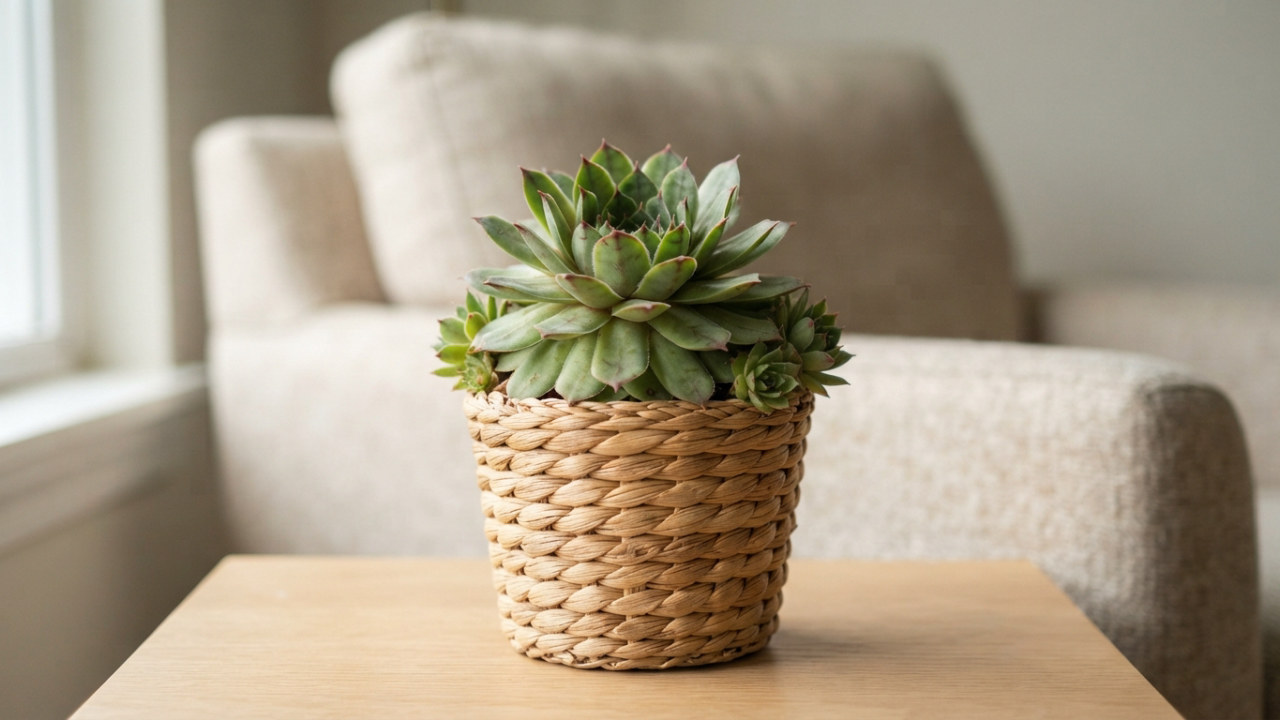
Houseleek
Sempervivum
Hardy rosette succulents that spread by offsets into mats, often called hens and chicks, grown in the open or in pots.
- Every 14 daysWatering
- Full sunLight
- 20–40 %Humidity
- -20–25 °CTemperature


Its varieties 5
How to care for your Houseleek
Everything you need to keep your Houseleek healthy: watering, light, humidity, feeding, repotting and pruning.
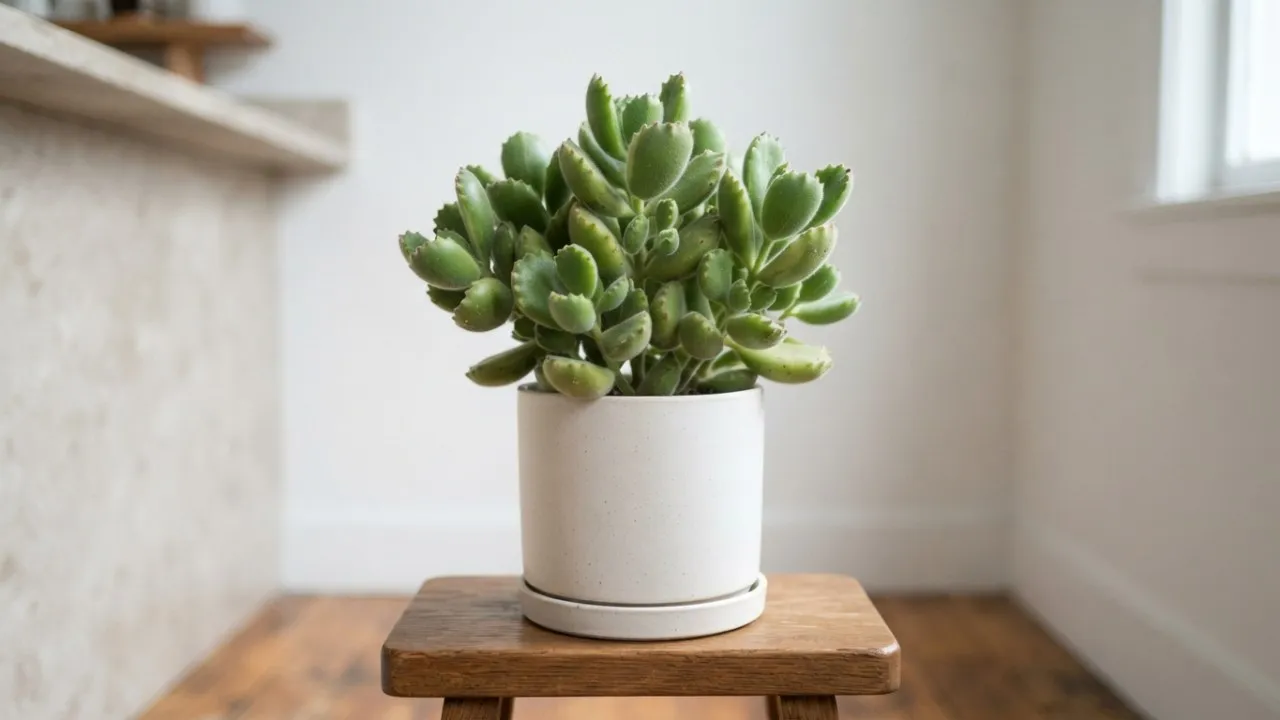
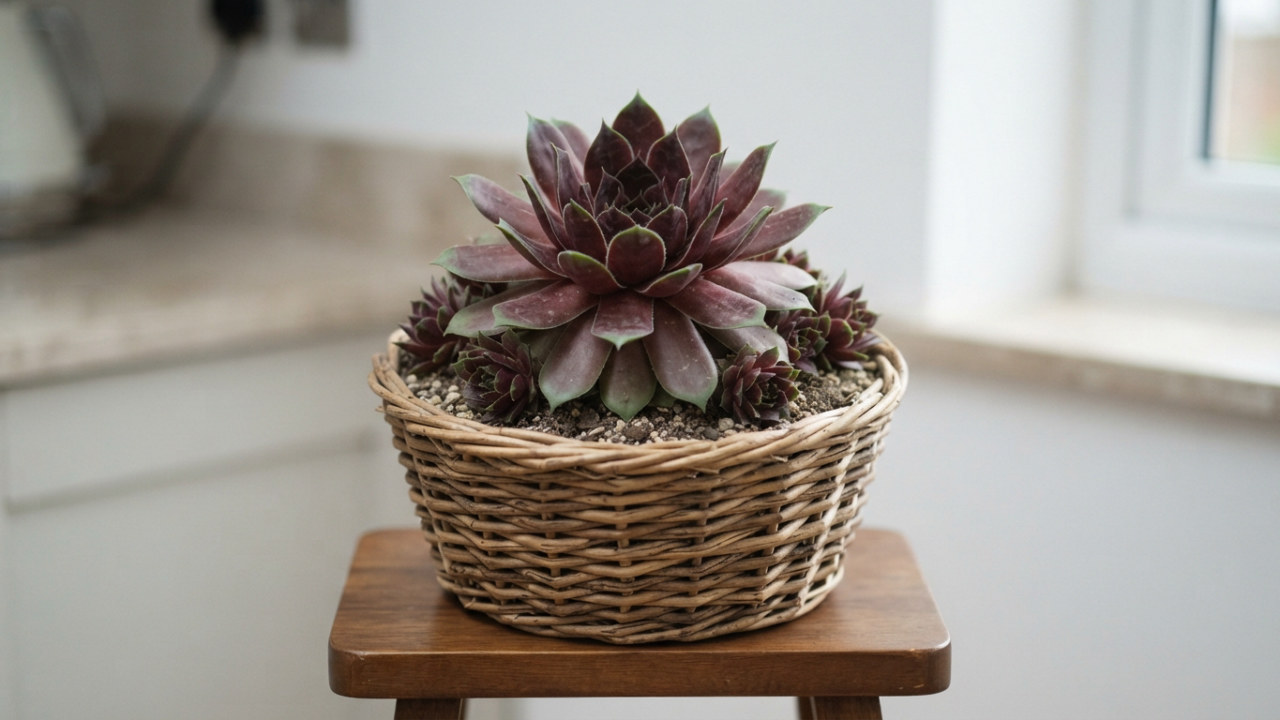
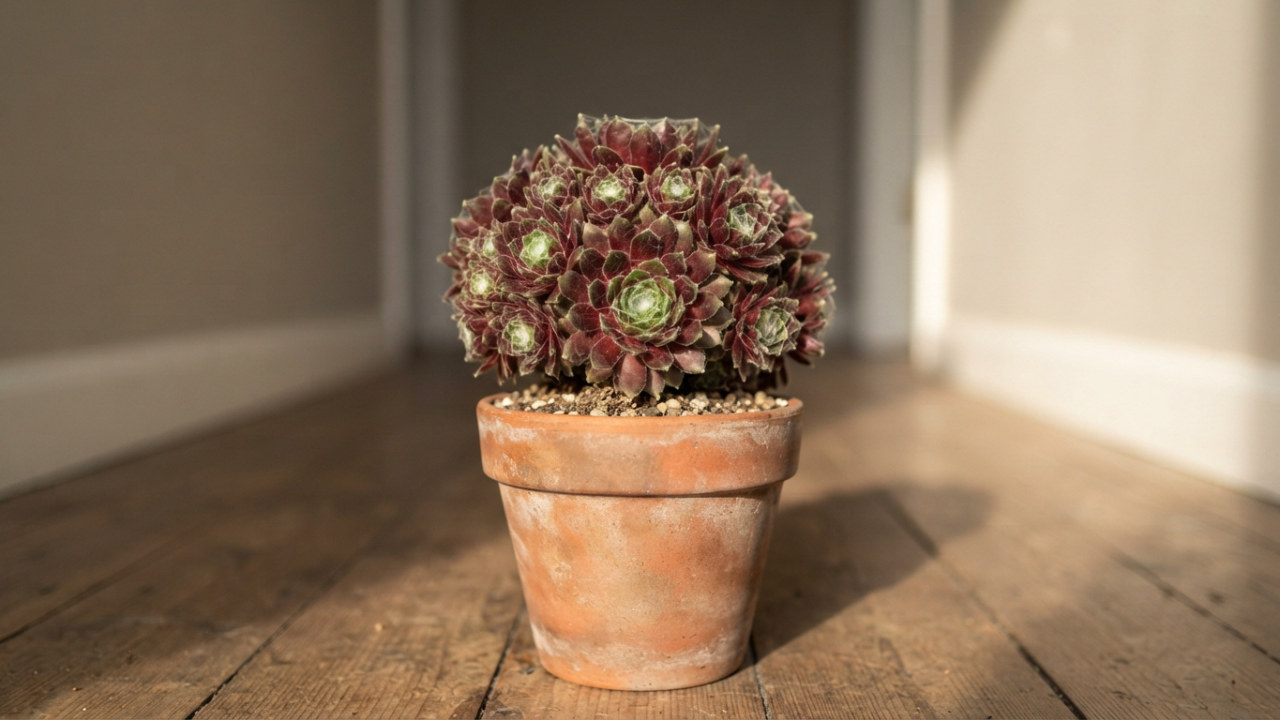
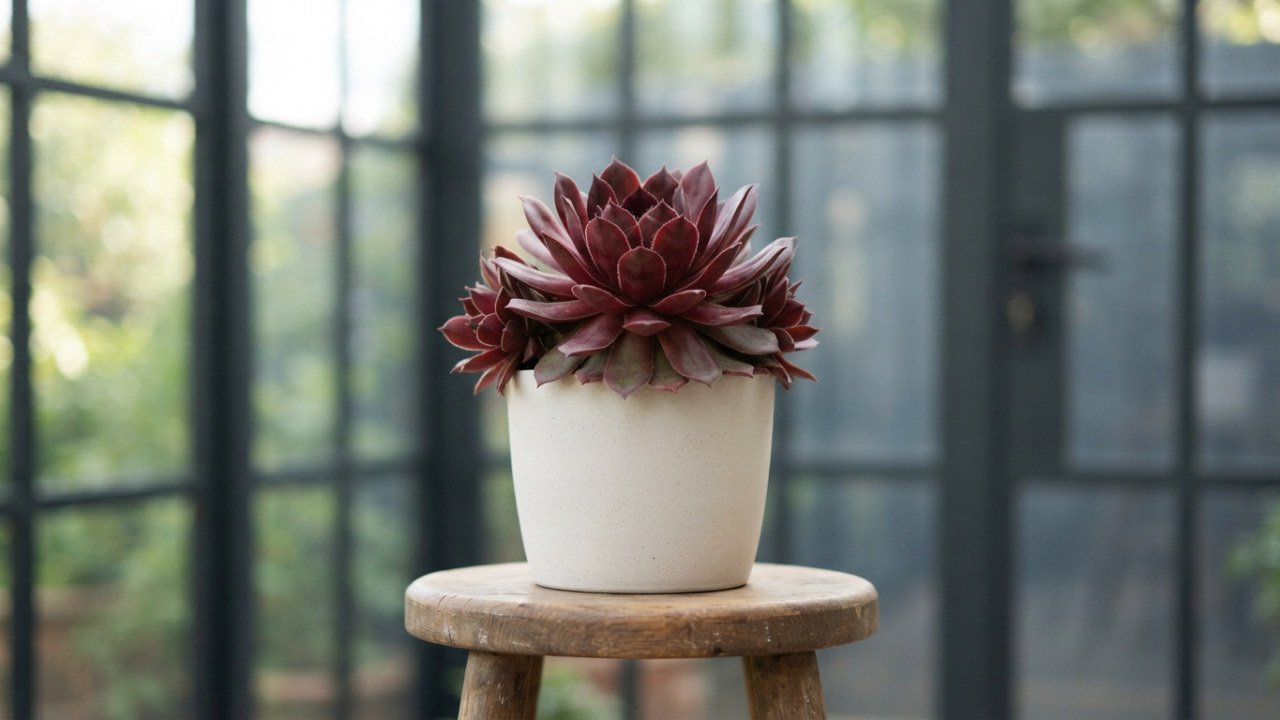
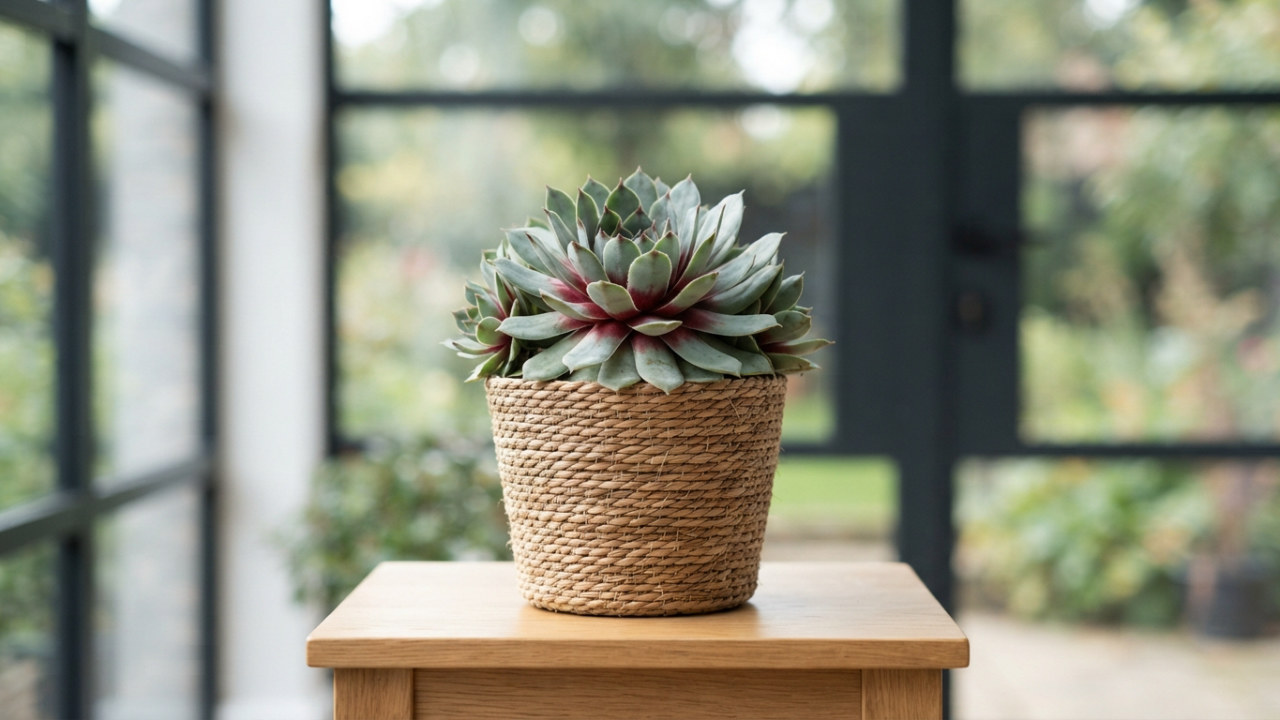
Sempervivum is a genus of mountain succulents from Southern Europe and North Africa to the Caucasus and Iran. Thick, pointed leaves form dense rosettes in green, red, purple or yellow, often with darker tips, and many cultivars are sold. The mother rosette sends out offsets on stolons, the chicks, and slowly builds a colony. A mature rosette flowers once, on a tall stalk of pink or reddish stars, and then dies, while its offsets live on. All are frost hardy and need sun.

How to recognise Houseleek
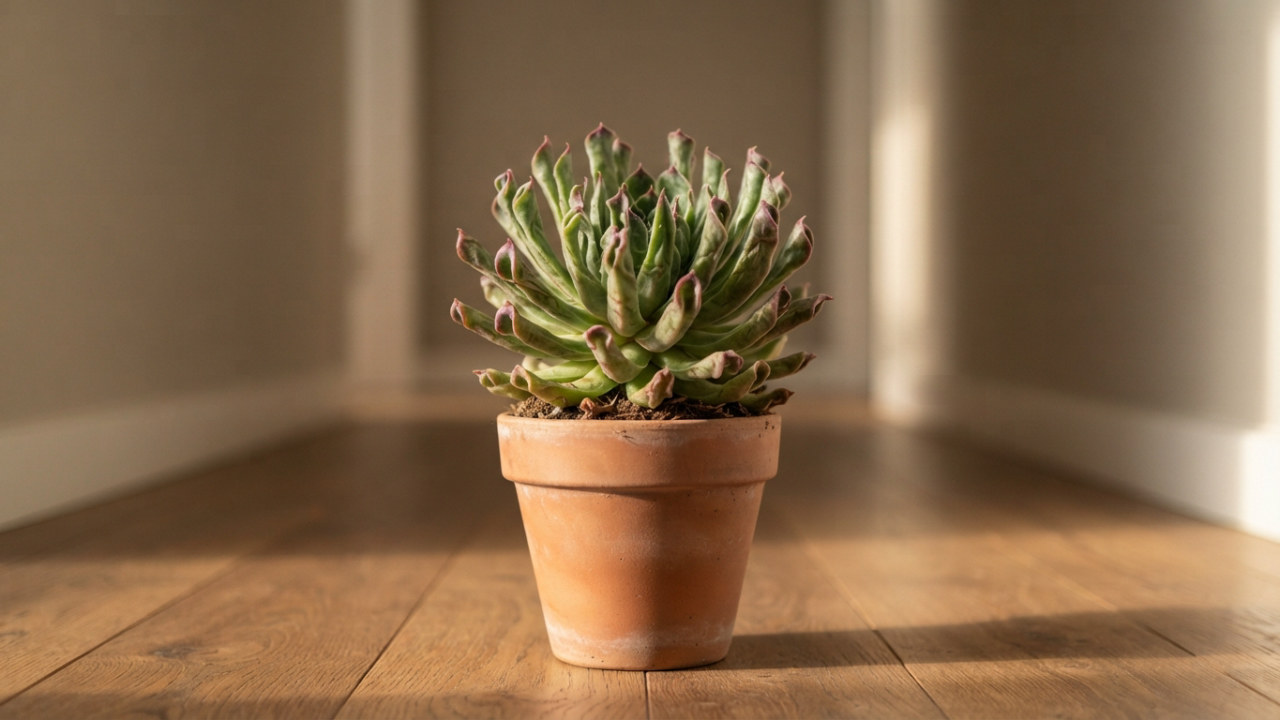
Flat, tight rosettes of thick, pointed leaves with offsets on stolons, and hardy outdoors. Echeveria has smoother, often powdery rosettes and is frost tender, and Aeonium has larger rosettes on a woody stem. Cobweb hairs mean Sempervivum arachnoideum.

Watering your Houseleek
Every 14 days
Water thoroughly, then let the mix dry out completely, and cut back sharply in the cold months.
How to know it needs water
- The mix is completely dry
- The leaves feel a little less firm and plump

How much light a Houseleek needs
Full sun
Full sun, at least six hours a day; rosettes stay compact and colorful only in strong light.
- Direct sun tolerated
- 6 to 12 h a day
- Orientations that suit it
- South, South-east, South-west, East, West

Humidity and misting
20–40 %
Dry, airy conditions suit them; they need no added humidity and fear winter damp. Do not mist; water caught in the rosettes encourages rot.

Feeding and fertiliser
A lean, gritty mix is enough, and feeding only makes soft, stretched rosettes.
- Recommended feed
- Usually none; at most a very dilute succulent fertilizer. · 5-10-10

Repotting your Houseleek
Every 36 months
Separate the offsets from the mother rosette and replant them in a gritty mix in a shallow pot.
- When
- Spring, as growth restarts.
- Potting mix
- Cactus and succulent mix
- Mix in
- perlite, pumice, coarse sand
The tell-tale signs
- Offsets are crowding the pot and the mother rosette
- The mix has packed down or worn out

Pruning your Houseleek
After flowering, when the flowering rosette fades. Cut the spent flower stalk at its base and remove the dead rosette so the offsets can fill in.

Through the year
Watering is not set once and for all: it follows the light and the growth. Allow 35 days between waterings in the depth of winter, against 11 in the growing season.
- 35 J
- 28 F
- 14 M
- 11 A
- 11 M
- 11 J
- 11 J
- 11 A
- 14 S
- 21 O
- 28 N
- 35 D
Active growth · Days between waterings

Good to know
- The name Sempervivum means always living, a nod to the offsets that replace each rosette after it flowers.
- In Europe houseleeks were grown on roofs, an old custom thought to protect a house from lightning.

Frequently asked questions about the Houseleek
How do you care for a Houseleek?
Water it every 14 days. Give it full sun. Ideal humidity: 20–40 %. Ideal temperature: -20–25 °C. Water thoroughly, then let the mix dry out completely, and cut back sharply in the cold months.
How often should you water a Houseleek?
Every 14 days Water thoroughly, then let the mix dry out completely, and cut back sharply in the cold months. How to know it needs water : The mix is completely dry ; The leaves feel a little less firm and plump.
How much light does a Houseleek need?
Full sun Full sun, at least six hours a day; rosettes stay compact and colorful only in strong light. 6 to 12 h a day
Is the Houseleek toxic to cats and dogs?
No, the Houseleek is not listed as toxic to cats and dogs. That is still no reason to let your pets chew on it.
Why are my Houseleek leaves turning yellow?
Yellowing most often comes from too much water: the mix stays wet and the roots suffocate. Check that the pot drains, empty the saucer, and let the mix dry before watering again. Too little light or a cold draught cause the same symptom.
When should you repot a Houseleek?
Repot every 36 months, ideally in spring, as growth restarts.. Separate the offsets from the mother rosette and replant them in a gritty mix in a shallow pot.

At a glance
- Family
- Crassulaceae
- Category
- Succulent
- Placement
- Outdoor
- Mature height
- 15 cm
- Growth
- Moderate
- Temperature
- -20–25 °C
- Pot materials
- terracotta, ceramic
- Growth
- Reaches maturity in 2 years
These figures are for an average plant. In the app they are recalculated for yours, based on your room, its orientation and the season.
And for your plant, in your home?
In the app this plant becomes yours: a watering schedule tuned to your home, health tracking from photos, and reminders at the right moment.