Succulent · Piperaceae
Peperomia
Peperomia graveolens
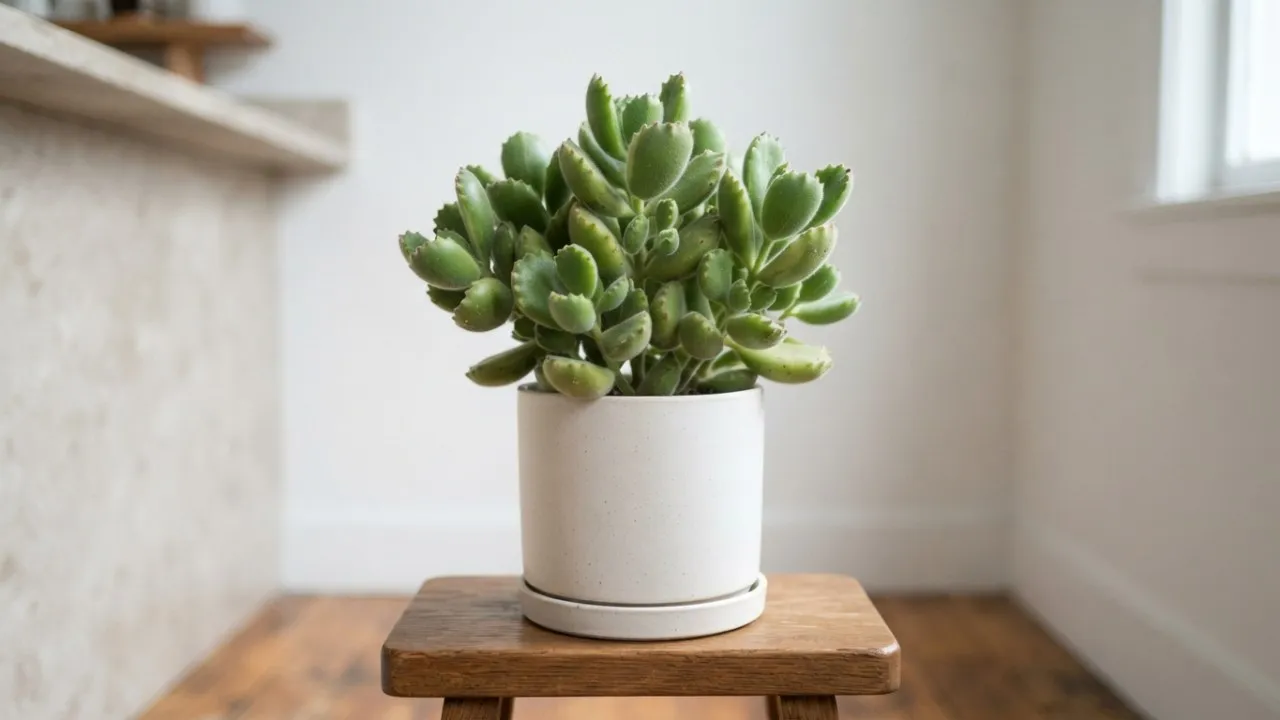
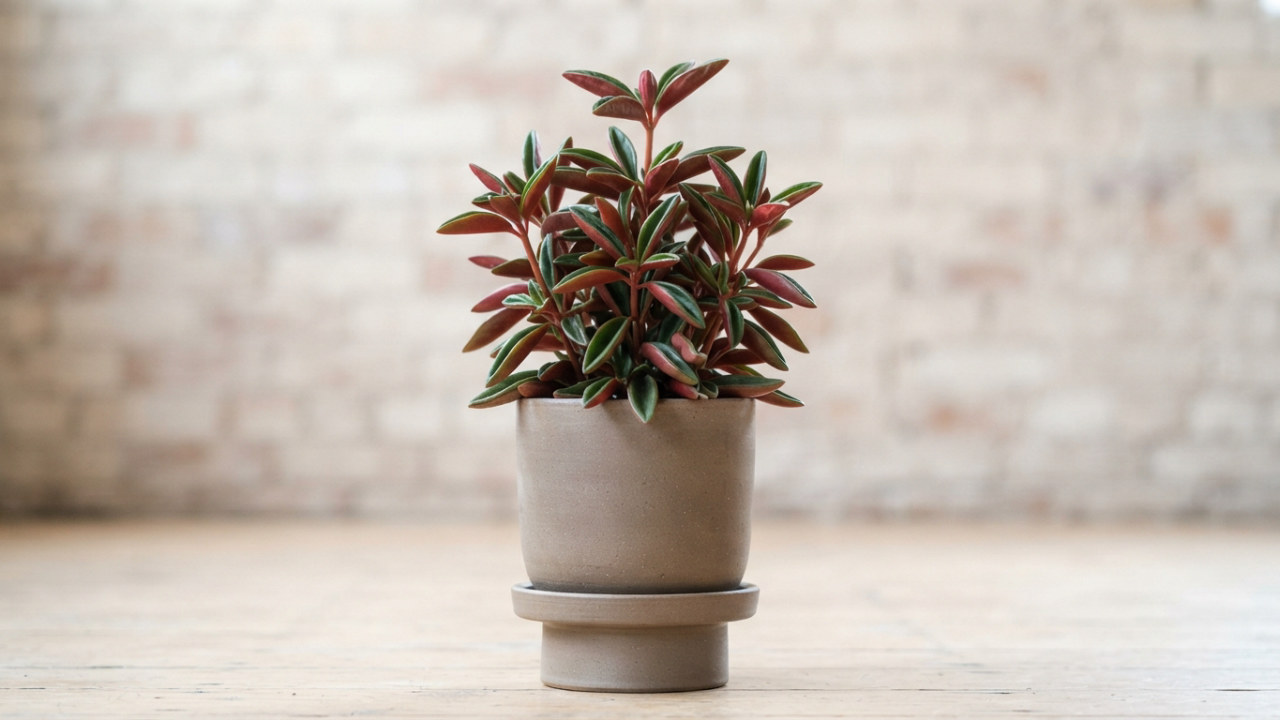
Peperomia graveolens is a striking succulent with thick, boat-shaped leaves that are green on top and vibrant red underneath.
- Every 14 daysWatering
- Bright indirect lightLight
- 30–50 %Humidity
- 18–27 °CTemperature


How to care for your Peperomia
Everything you need to keep your Peperomia healthy: watering, light, humidity, feeding, repotting and pruning.
Peperomia graveolens, often called 'Ruby Glow' or 'Red Edge Peperomia', is a small, easy-to-care-for succulent native to Ecuador. Its distinctive fleshy leaves are green on the upper surface and a rich ruby red on the underside, especially when given ample bright light. It forms a compact, bushy plant, making it ideal for windowsills or small spaces. Like most succulents, it is drought-tolerant and requires infrequent watering, making it a great choice for beginners.

How to recognise Peperomia
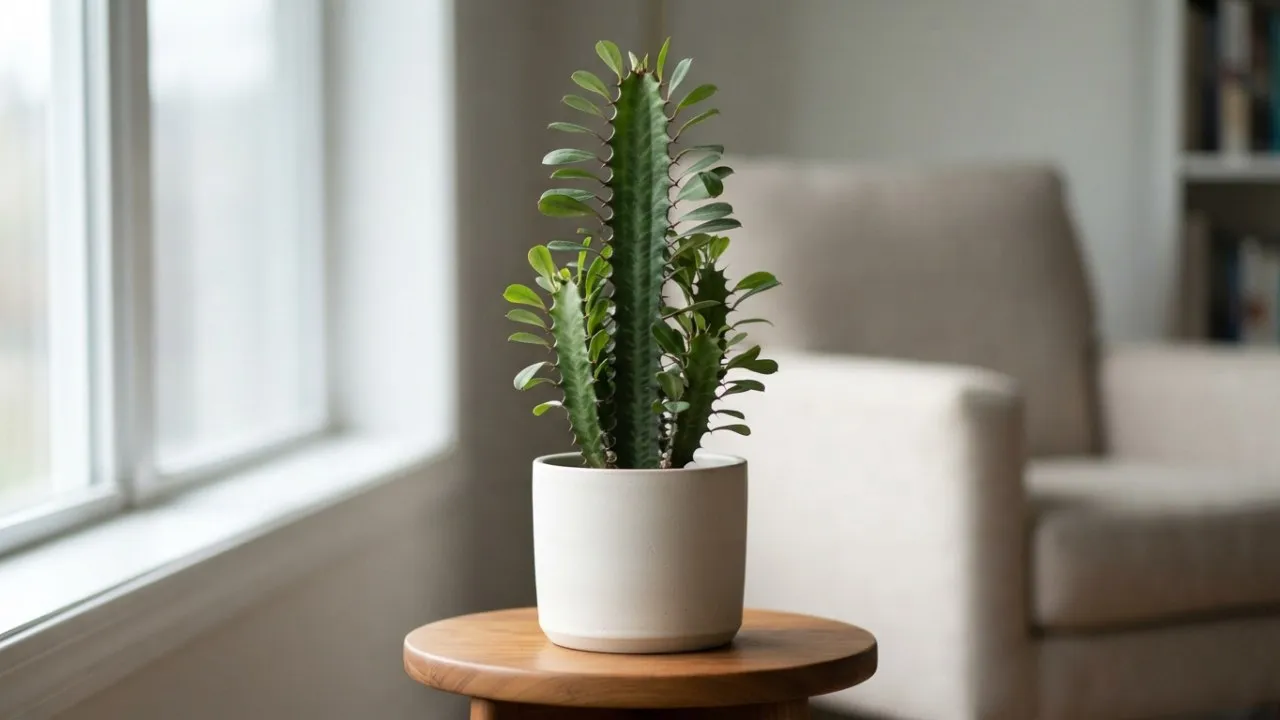
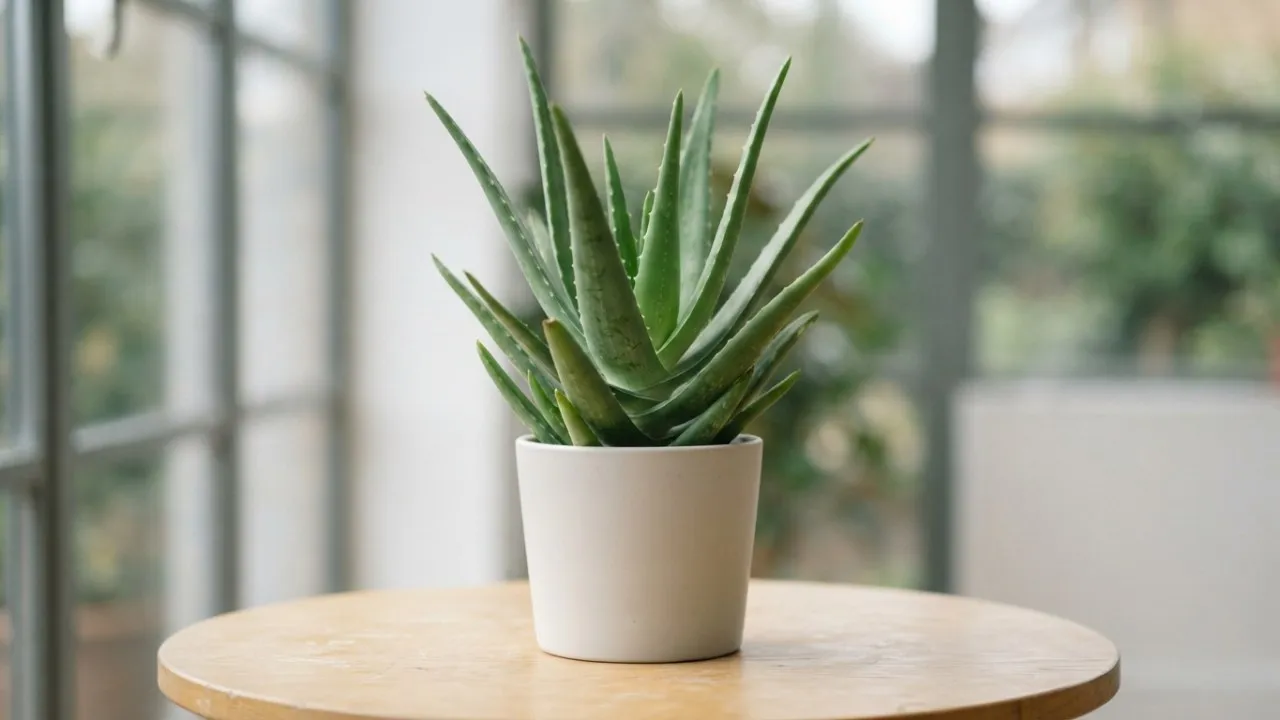
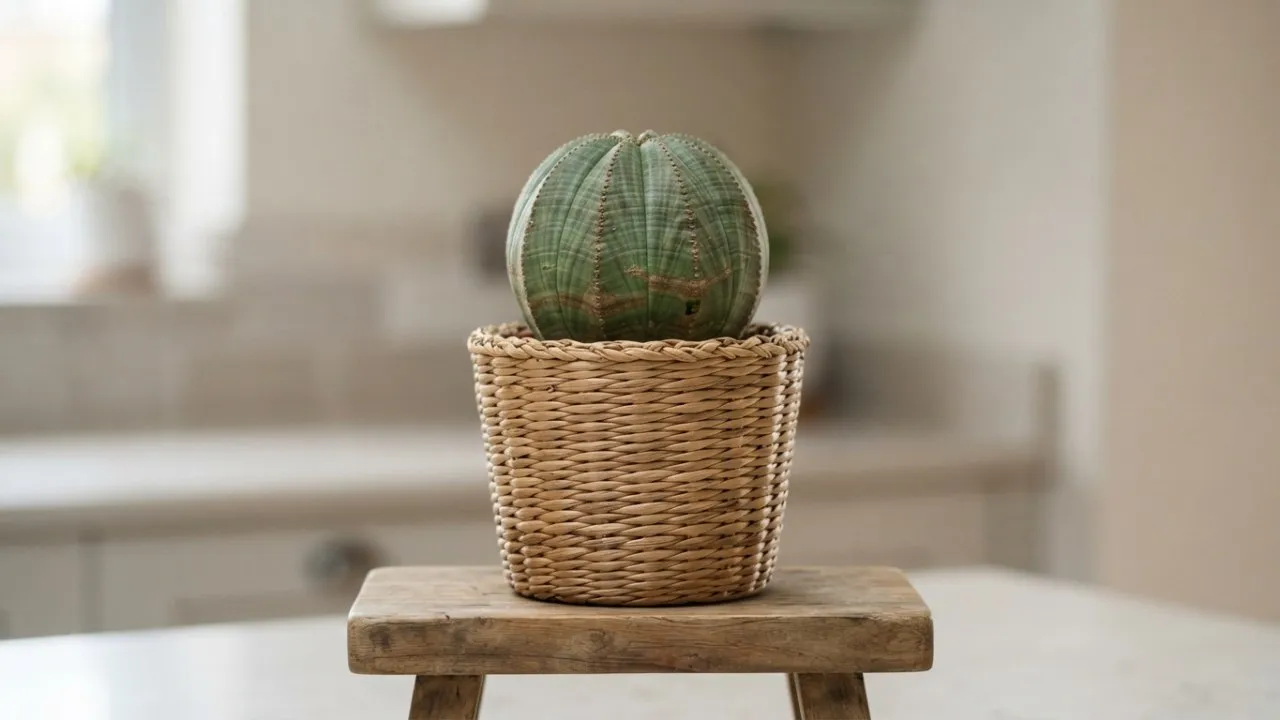
A small, compact succulent with thick, boat-shaped leaves that fold upward, green above and deep red underneath, on short reddish stems. It can be mistaken for Peperomia rotundifolia, which trails and has small round green leaves. The folded, two-coloured leaf is the clearest clue.

Watering your Peperomia
Every 14 days
Water thoroughly when the soil is completely dry, about every 7 days in the growing season and about every 2 weeks in winter. Avoid overwatering.
How to know it needs water
- Soil completely dry
- Leaves feel less firm
- Pot feels light

How much light a Peperomia needs
Bright indirect light
Bright indirect light; can tolerate some direct morning sun.
- Direct sun tolerated
- 1 to 3 h a day
- Orientations that suit it
- East, South-east, South, South-west, West

Humidity and misting
30–50 %
Low to medium (30 to 50 %) Do not mist: water on the thick leaves and in the crown can cause rot, and this plant prefers dry air.

Feeding and fertiliser
Every 30 days
Apply monthly from April to August; none from September to March.
- Recommended feed
- Balanced liquid fertilizer diluted to half strength · 10-10-10

Repotting your Peperomia
Every 24 months
Repot every 2 years in spring (March to April), into a container only slightly larger (1 to 2 cm) using a well-draining succulent or cactus mix.
- When
- Spring (March to April)
- Potting mix
- Cactus and succulent mix
- Mix in
- perlite, pumice, coarse sand
The tell-tale signs
- Roots emerging from drainage holes
- Plant becoming top-heavy
- Growth has slowed significantly

Pruning your Peperomia
Remove leggy stems or damaged leaves as needed, typically in spring or summer. Pinch back or cut stems just above a leaf node with clean, sharp scissors.

Through the year
Watering is not set once and for all: it follows the light and the growth. Allow 25 days between waterings in the depth of winter, against 11 in the growing season.
- 21 J
- 17 F
- 14 M
- 11 A
- 11 M
- 11 J
- 11 J
- 11 A
- 14 S
- 17 O
- 21 N
- 25 D
Active growth · Days between waterings

Good to know
- Its species name 'graveolens' means 'strong-smelling' in Latin.
- The underside of the leaves turns a vibrant red when exposed to sufficient light.
- It is native to Ecuador and thrives in arid, rocky environments.

Frequently asked questions about the Peperomia
How do you care for a Peperomia?
Water it every 14 days. Give it bright indirect light. Ideal humidity: 30–50 %. Ideal temperature: 18–27 °C. Water thoroughly when the soil is completely dry, about every 7 days in the growing season and about every 2 weeks in winter. Avoid overwatering.
How often should you water a Peperomia?
Every 14 days Water thoroughly when the soil is completely dry, about every 7 days in the growing season and about every 2 weeks in winter. Avoid overwatering. How to know it needs water : Soil completely dry ; Leaves feel less firm ; Pot feels light.
How much light does a Peperomia need?
Bright indirect light Bright indirect light; can tolerate some direct morning sun. 1 to 3 h a day
Is the Peperomia toxic to cats and dogs?
No, the Peperomia is not listed as toxic to cats and dogs. That is still no reason to let your pets chew on it.
Why are my Peperomia leaves turning yellow?
Yellowing most often comes from too much water: the mix stays wet and the roots suffocate. Check that the pot drains, empty the saucer, and let the mix dry before watering again. Too little light or a cold draught cause the same symptom.
When should you repot a Peperomia?
Repot every 24 months, ideally in spring (march to april). Repot every 2 years in spring (March to April), into a container only slightly larger (1 to 2 cm) using a well-draining succulent or cactus mix.

At a glance
- Family
- Piperaceae
- Category
- Succulent
- Placement
- Indoor
- Mature height
- 20 cm
- Growth
- Moderate
- Temperature
- 18–27 °C
- Pot materials
- terracotta, ceramic, plastic
- Growth
- Reaches maturity in 2 years
These figures are for an average plant. In the app they are recalculated for yours, based on your room, its orientation and the season.
And for your plant, in your home?
In the app this plant becomes yours: a watering schedule tuned to your home, health tracking from photos, and reminders at the right moment.