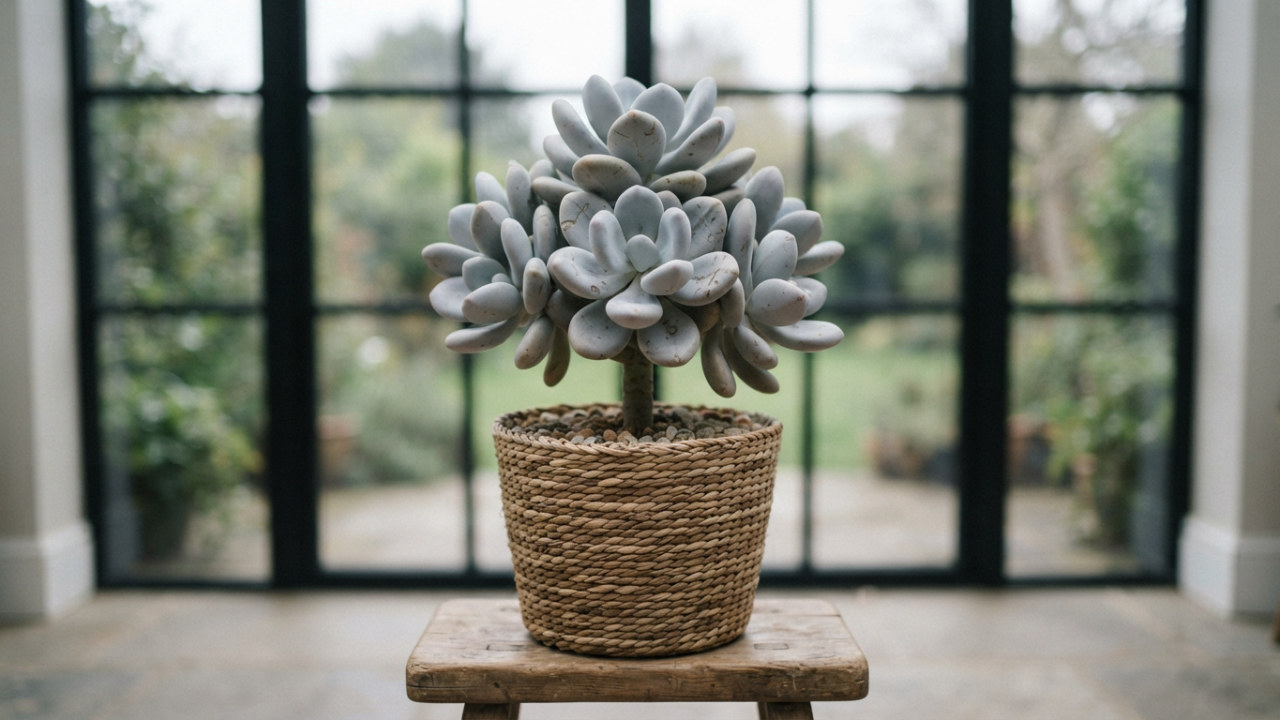
Succulent · Crassulaceae
Moonstones
Pachyphytum oviferum
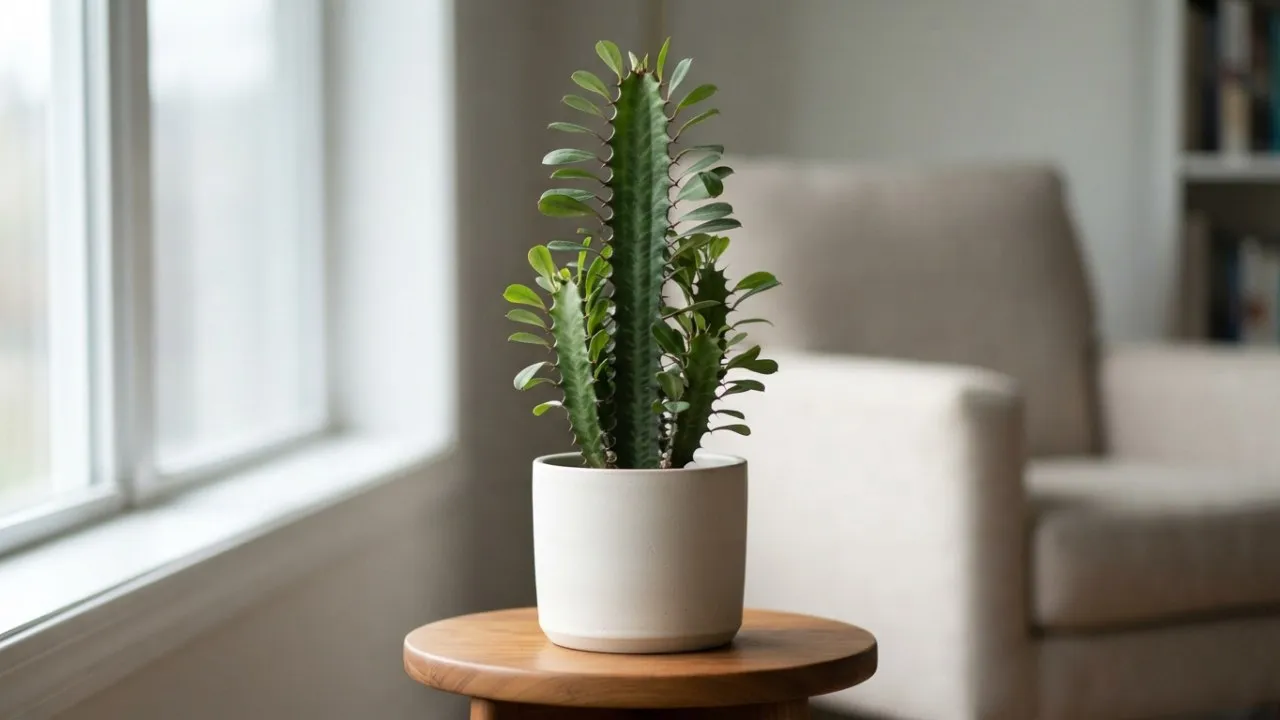
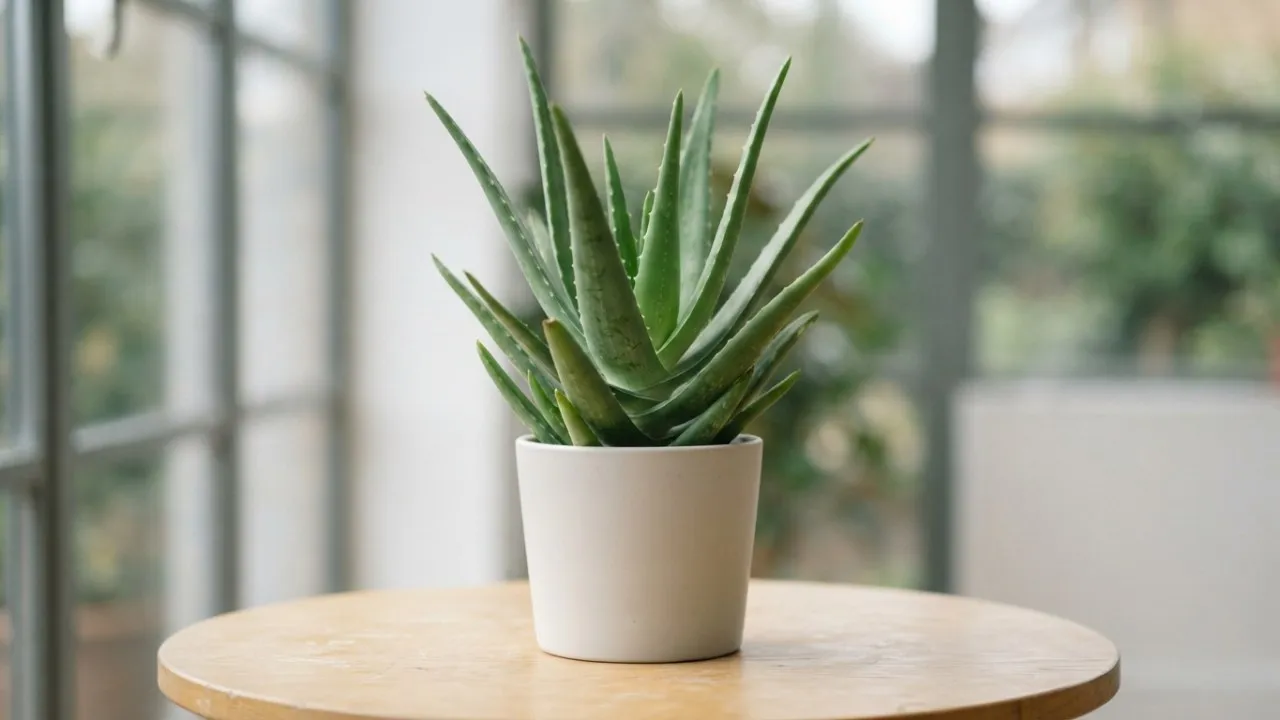
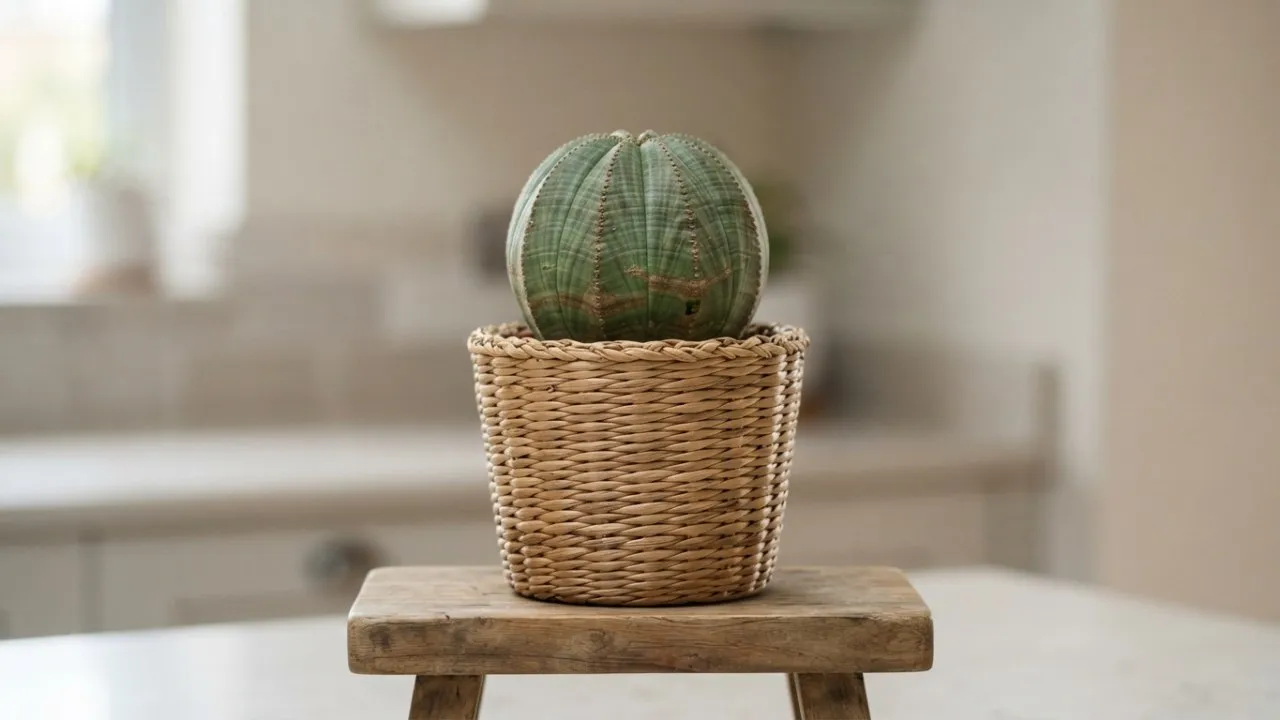
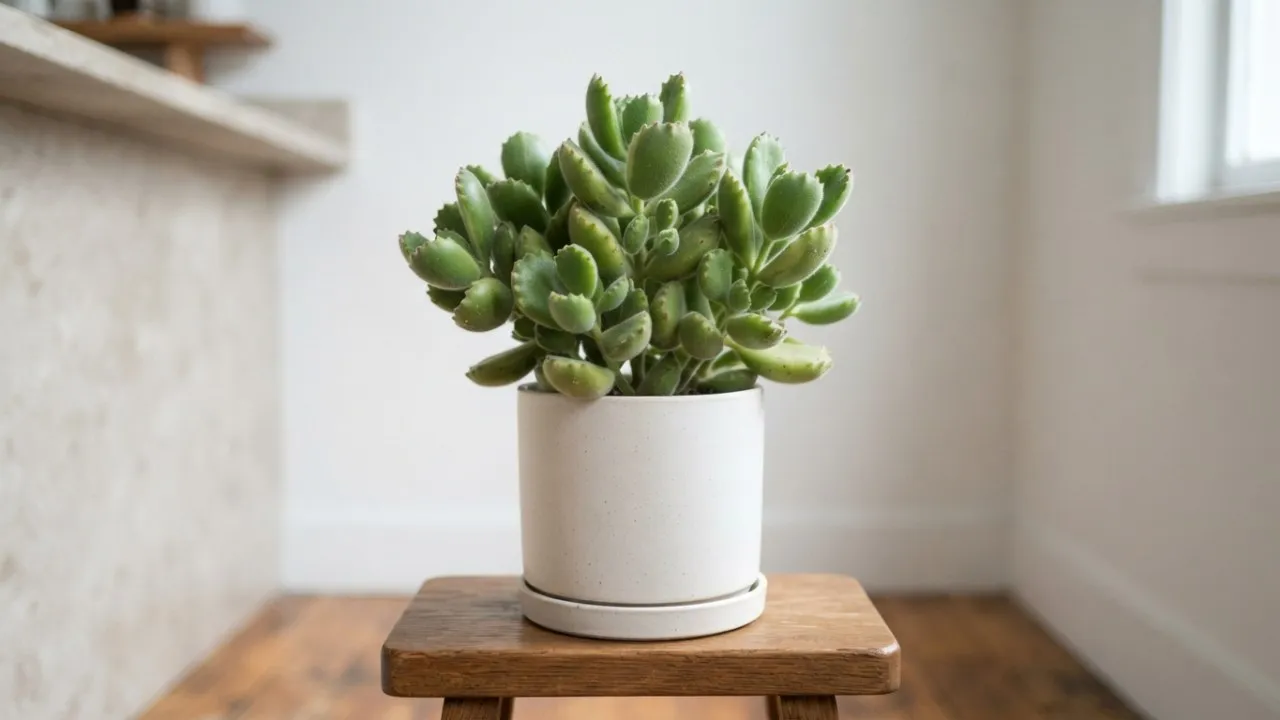
Pachyphytum oviferum, commonly known as Moonstones, is a charming succulent prized for its plump, pastel-coloured leaves.
- Every 21 daysWatering
- Full sunLight
- 30–50 %Humidity
- 10–27 °CTemperature


How to care for your Moonstones
Everything you need to keep your Moonstones healthy: watering, light, humidity, feeding, repotting and pruning.
Moonstones (Pachyphytum oviferum) are native to the semi-desert regions of central Mexico. Their distinctive, egg-shaped leaves are covered in a powdery white coating called farina, which gives them a soft, frosted appearance and protects them from intense sun and dehydration. This succulent is relatively easy to care for, thriving in bright light and requiring infrequent watering. It forms small, compact rosettes and can produce delicate bell-shaped flowers on tall stalks in spring. It is not frost hardy: bring pots indoors before the first frosts, and keep the plant bright, cool and nearly dry in winter.

How to recognise Moonstones
A low succulent with short stems and loose rosettes of plump, egg-shaped leaves about 3 to 4 cm long, silvery lavender to pale pinkish-grey and covered with a powdery wax that marks easily. In spring it sends up arching stalks of nodding, bell-shaped red-orange flowers. Echeveria has flatter, pointed leaves, and Graptopetalum paraguayense has pointed, grey-green leaves and star-shaped flowers.

Watering your Moonstones
Every 21 days
Water thoroughly until drainage runs clear, then allow the substrate to dry out completely before watering again. In the cool months, water about half as often.
How to know it needs water
- Soil completely dry
- Leaves feel slightly soft or wrinkled
- Pot feels light when lifted

How much light a Moonstones needs
Full sun
Bright direct sunlight for at least six hours daily; tolerates some afternoon shade.
- Direct sun tolerated
- 6 to 10 h a day
- Orientations that suit it
- South-east, South, South-west

Humidity and misting
30–50 %
Low (30 to 50 %) Do not mist; water on the leaves can lead to rot and mark the farina.

Feeding and fertiliser
Every 60 days
Apply about once a month from May to August, during active growth; withhold entirely in winter.
- Recommended feed
- Low-nitrogen succulent fertilizer · 1-2-2

Repotting your Moonstones
Every 24 months
Repot into a container 2 to 3 cm larger using a well-draining cactus or succulent mix. Handle carefully to avoid disturbing the farina.
- When
- Spring, in March or April
- Potting mix
- Cactus and succulent mix
- Mix in
- pumice, coarse sand, perlite
The tell-tale signs
- Roots emerging from drainage holes
- Plant becoming top-heavy
- Substrate no longer draining well

Pruning your Moonstones
Remove dead or withered bottom leaves as needed, typically in spring or summer. Gently twist or cut off dead leaves at the base with sterilised scissors or a sharp blade. Avoid touching healthy leaves.

Through the year
Watering is not set once and for all: it follows the light and the growth. Allow 32 days between waterings in the depth of winter, against 17 in the growing season.
- 32 J
- 32 F
- 21 M
- 17 A
- 17 M
- 17 J
- 17 J
- 17 A
- 21 S
- 25 O
- 32 N
- 32 D
Active growth · Days between waterings

Good to know
- Leaves store water to survive prolonged droughts.
- Farina coating protects leaves from intense sunlight and helps retain moisture.
- Native to rocky outcrops in central Mexico.

Frequently asked questions about the Moonstones
How do you care for a Moonstones?
Water it every 21 days. Give it full sun. Ideal humidity: 30–50 %. Ideal temperature: 10–27 °C. Water thoroughly until drainage runs clear, then allow the substrate to dry out completely before watering again. In the cool months, water about half as often.
How often should you water a Moonstones?
Every 21 days Water thoroughly until drainage runs clear, then allow the substrate to dry out completely before watering again. In the cool months, water about half as often. How to know it needs water : Soil completely dry ; Leaves feel slightly soft or wrinkled ; Pot feels light when lifted.
How much light does a Moonstones need?
Full sun Bright direct sunlight for at least six hours daily; tolerates some afternoon shade. 6 to 10 h a day
Is the Moonstones toxic to cats and dogs?
No, the Moonstones is not listed as toxic to cats and dogs. That is still no reason to let your pets chew on it.
Why are my Moonstones leaves turning yellow?
Yellowing most often comes from too much water: the mix stays wet and the roots suffocate. Check that the pot drains, empty the saucer, and let the mix dry before watering again. Too little light or a cold draught cause the same symptom.
When should you repot a Moonstones?
Repot every 24 months, ideally in spring, in march or april. Repot into a container 2 to 3 cm larger using a well-draining cactus or succulent mix. Handle carefully to avoid disturbing the farina.

At a glance
- Family
- Crassulaceae
- Category
- Succulent
- Placement
- Indoor and outdoor
- Mature height
- 15 cm
- Growth
- Slow
- Temperature
- 10–27 °C
- Pot materials
- terracotta, ceramic
- Growth
- Reaches maturity in 3 years
These figures are for an average plant. In the app they are recalculated for yours, based on your room, its orientation and the season.
And for your plant, in your home?
In the app this plant becomes yours: a watering schedule tuned to your home, health tracking from photos, and reminders at the right moment.