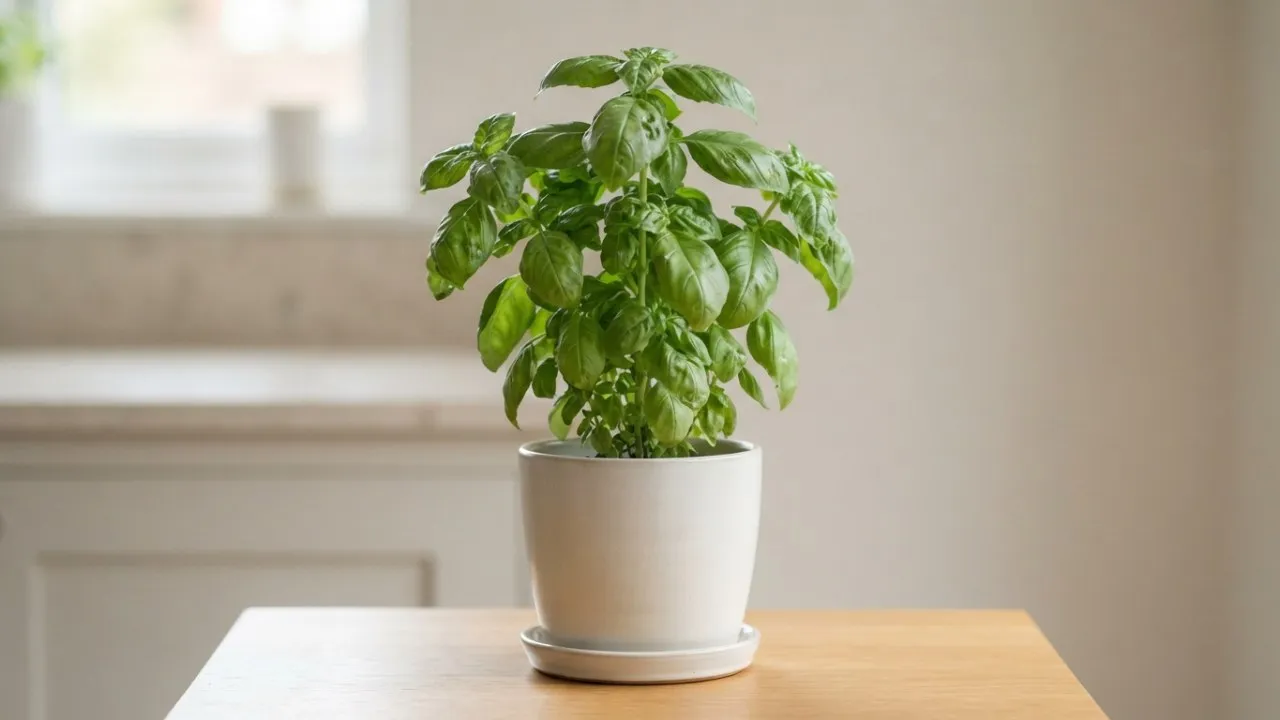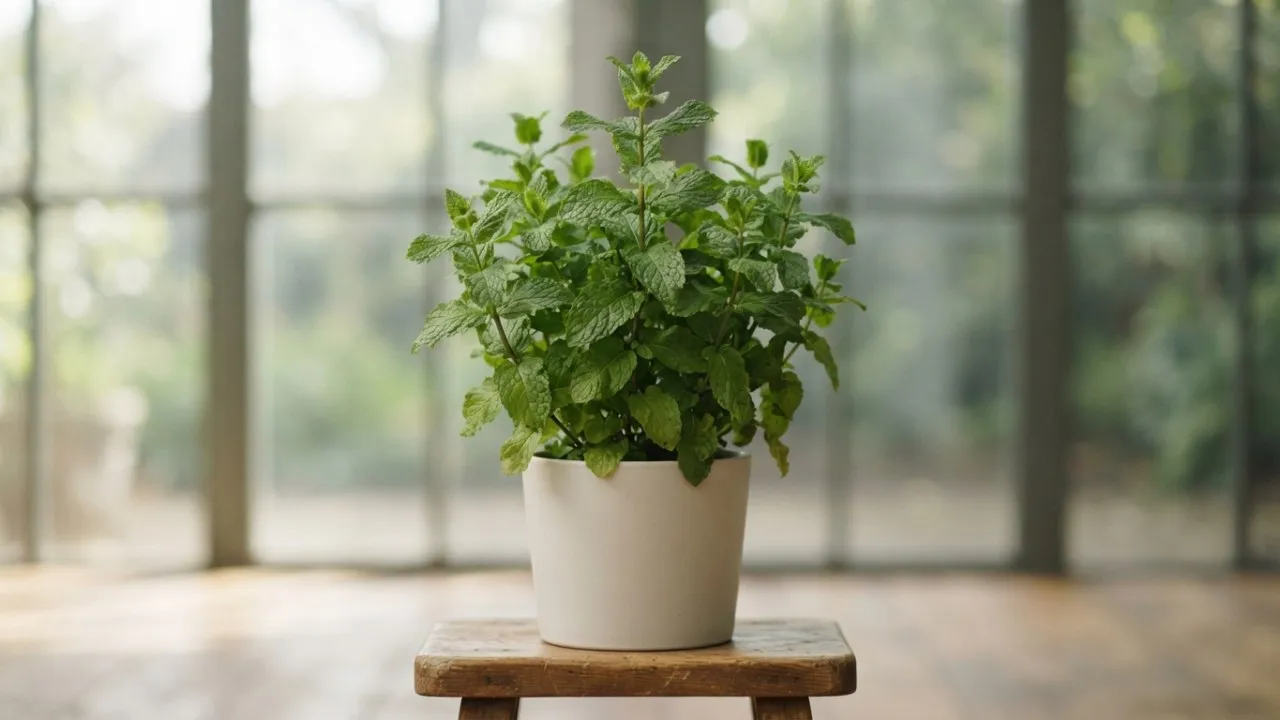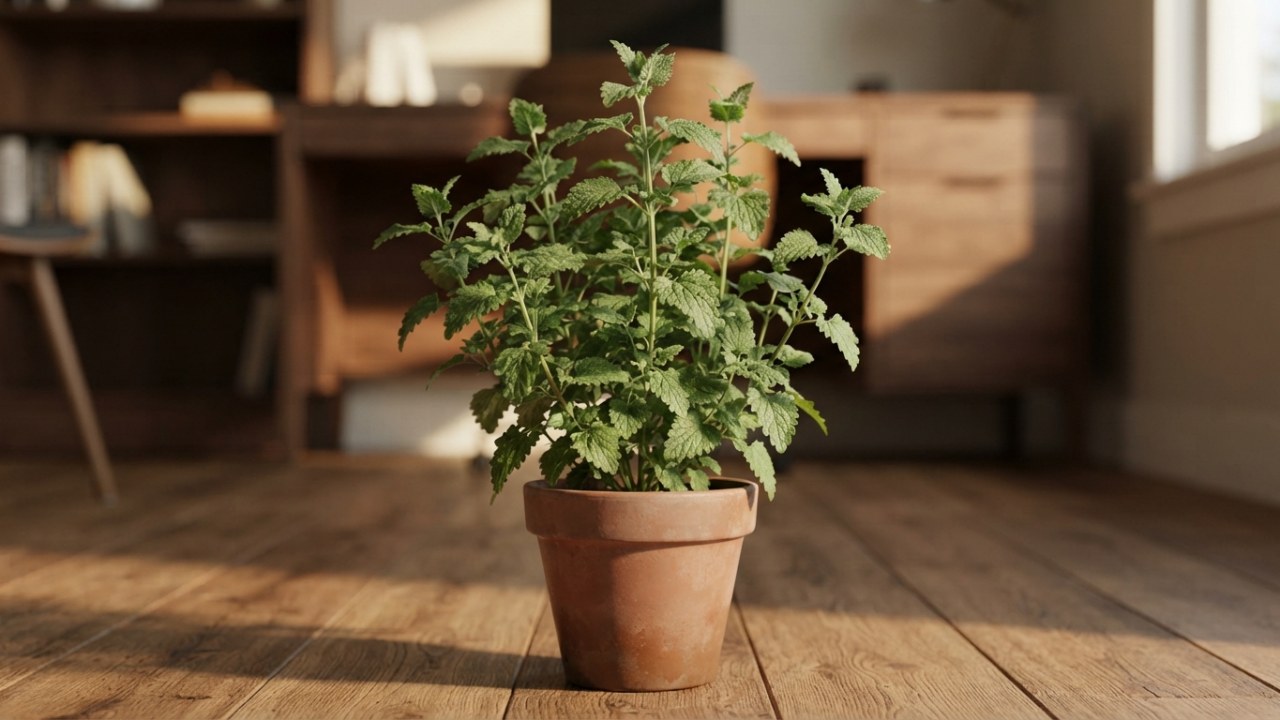
Herb · Lamiaceae
Catnip
Nepeta cataria
Catnip is a fragrant perennial herb known for its stimulating effect on many felines and its use in herbal remedies.
- Every 5 daysWatering
- Full sunLight
- 30–60 %Humidity
- 15–29 °CTemperature


How to care for your Catnip
Everything you need to keep your Catnip healthy: watering, light, humidity, feeding, repotting and pruning.
Nepeta cataria, commonly known as Catnip, is a member of the mint family native to Europe, Asia, and Africa. It's widely cultivated for its aromatic foliage, which contains nepetalactone, a compound that can induce a euphoric response in many cats. This hardy plant is easy to grow both indoors and outdoors, preferring sunny locations and well-draining soil. It is fully hardy outdoors, down to about -30 °C, and dies back to the ground in winter before regrowing in spring. In a pot, roots freeze faster than in the ground: in cold regions, shelter the pot against a wall, wrap it, or bring it into an unheated bright place for winter. Beyond its feline appeal, catnip is also valued for its use in herbal teas, where it's known for its calming properties, and as a natural insect repellent.

How to recognise Catnip
A bushy, upright perennial of the mint family with square stems and heart-shaped to triangular, toothed leaves that are gray-green and softly downy, strongly scented when rubbed. In summer it carries spikes of small white flowers dotted with purple. Garden catmint (Nepeta × faassenii) is lower, with smaller leaves and blue-violet flowers, and has little effect on cats. Lemon balm has similar leaves but a lemony scent.

Watering your Catnip
Every 5 days
Water thoroughly when the top half of the soil feels dry. Ensure good drainage to prevent root rot, and water much less often in winter.
How to know it needs water
- Top half of the soil dry
- Leaves appear slightly wilted
- Pot feels light when lifted

How much light a Catnip needs
Full sun
Full sun to partial shade. Thrives with at least 6 hours of direct sunlight daily.
- Direct sun tolerated
- 6 to 12 h a day
- Orientations that suit it
- South, South-east, South-west, East, West

Humidity and misting
30–60 %
Low to medium (30 to 60%) Misting is not needed. Catnip prefers drier conditions, and wet leaves invite mildew.

Feeding and fertiliser
Every 56 days
Feed lightly, about every 8 weeks in April and May; it does not need rich soil. Do not feed for the rest of the year.
- Recommended feed
- Balanced NPK liquid fertilizer or slow-release granular fertilizer · 10-10-10

Repotting your Catnip
Every 24 months
Repot about every 2 years into a container 2 to 5 cm larger using a well-draining potting mix. Handle roots gently.
- When
- Spring
- Potting mix
- All-purpose potting mix
- Mix in
- perlite, coarse sand
The tell-tale signs
- Roots emerging from drainage holes
- Plant appears top-heavy or unstable
- Growth has slowed significantly

Pruning your Catnip
Pinch back regularly to encourage bushier growth and prevent legginess. Cut back after flowering to promote new growth. Use clean scissors or your fingers to pinch off the top sets of leaves or cut stems just above a leaf node.

Through the year
Watering is not set once and for all: it follows the light and the growth. Allow 9 days between waterings in the depth of winter, against 4 in the growing season.
- 8 J
- 6 F
- 5 M
- 4 A
- 4 M
- 4 J
- 4 J
- 4 A
- 5 S
- 6 O
- 8 N
- 9 D
Active growth · Days between waterings

Good to know
- The active compound nepetalactone is responsible for its effect on cats
- Only about two thirds of cats react to it, because the response is inherited; kittens rarely do
- Can be used to make herbal tea for humans, known for its calming properties
- Historically used as a medicinal herb and insect repellent

Frequently asked questions about the Catnip
How do you care for a Catnip?
Water it every 5 days. Give it full sun. Ideal humidity: 30–60 %. Ideal temperature: 15–29 °C. Water thoroughly when the top half of the soil feels dry. Ensure good drainage to prevent root rot, and water much less often in winter.
How often should you water a Catnip?
Every 5 days Water thoroughly when the top half of the soil feels dry. Ensure good drainage to prevent root rot, and water much less often in winter. How to know it needs water : Top half of the soil dry ; Leaves appear slightly wilted ; Pot feels light when lifted.
How much light does a Catnip need?
Full sun Full sun to partial shade. Thrives with at least 6 hours of direct sunlight daily. 6 to 12 h a day
Is the Catnip toxic to cats and dogs?
No, the Catnip is not listed as toxic to cats and dogs. That is still no reason to let your pets chew on it.
Why are my Catnip leaves turning yellow?
Yellowing most often comes from too much water: the mix stays wet and the roots suffocate. Check that the pot drains, empty the saucer, and let the mix dry before watering again. Too little light or a cold draught cause the same symptom.
When should you repot a Catnip?
Repot every 24 months, ideally in spring. Repot about every 2 years into a container 2 to 5 cm larger using a well-draining potting mix. Handle roots gently.

At a glance
- Family
- Lamiaceae
- Category
- Herb
- Placement
- Indoor and outdoor
- Mature height
- 90 cm
- Growth
- Fast
- Temperature
- 15–29 °C
- Pot materials
- terracotta, ceramic, plastic
- Growth
- Reaches maturity in 1 years
These figures are for an average plant. In the app they are recalculated for yours, based on your room, its orientation and the season.
And for your plant, in your home?
In the app this plant becomes yours: a watering schedule tuned to your home, health tracking from photos, and reminders at the right moment.