Herb · Lamiaceae
Mint
Mentha spicata
Spearmint is a popular aromatic herb known for its refreshing scent and flavor. It's easy to grow and widely used in cooking, beverages, and traditional remedies.
- Every 2 daysWatering
- Full sunLight
- 40–60 %Humidity
- 15–25 °CTemperature


How to care for your Mint
Everything you need to keep your Mint healthy: watering, light, humidity, feeding, repotting and pruning.
Mentha spicata, commonly known as spearmint, is a perennial herb native to Europe and Asia. It's cherished for its bright green, serrated leaves and distinctive, sweet minty flavor, without the strong menthol kick of peppermint. Mint thrives in moist, well-drained soil and prefers full sun to partial shade. It's a vigorous grower, often spreading rapidly via underground runners, making it an excellent choice for containers to manage its growth. It is hardy to about -15 °C and dies back in winter; in a pot, shelter it against a wall or wrap the pot, as the roots can freeze. Regular harvesting encourages a bushier plant and prevents it from becoming leggy. Ideal for culinary uses, teas, and as a fragrant addition to any garden or windowsill.

How to recognise Mint
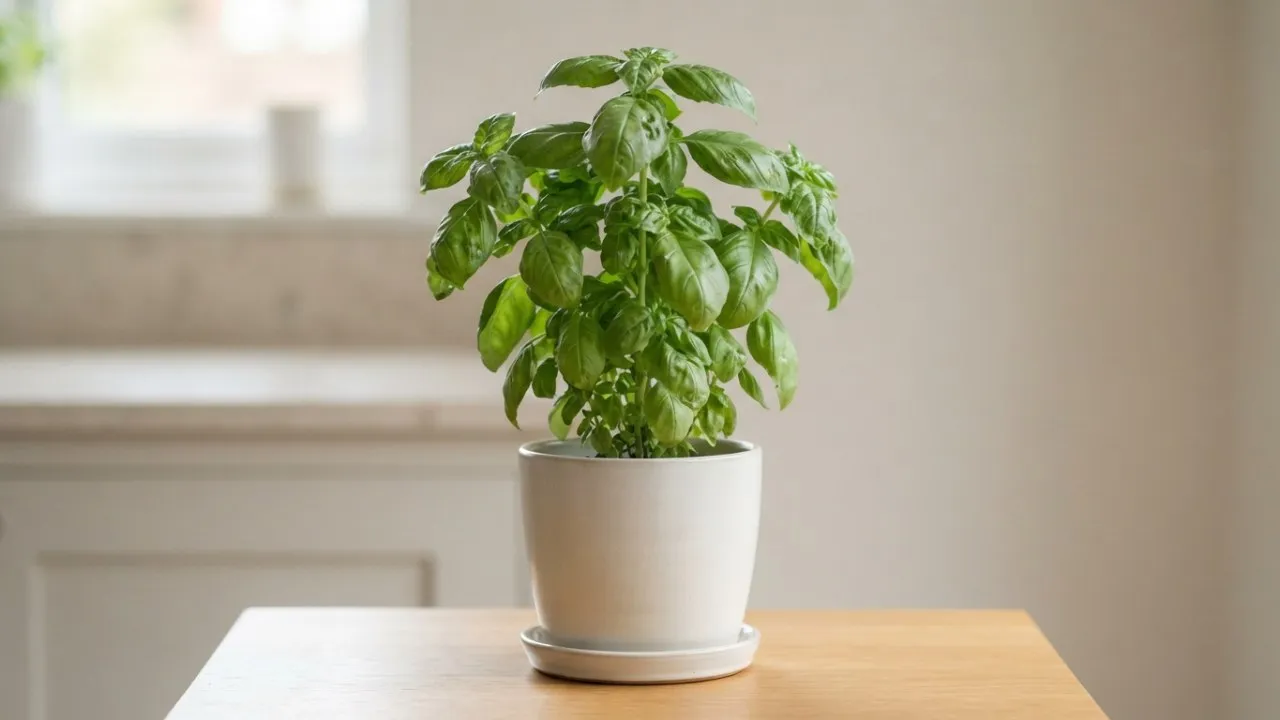
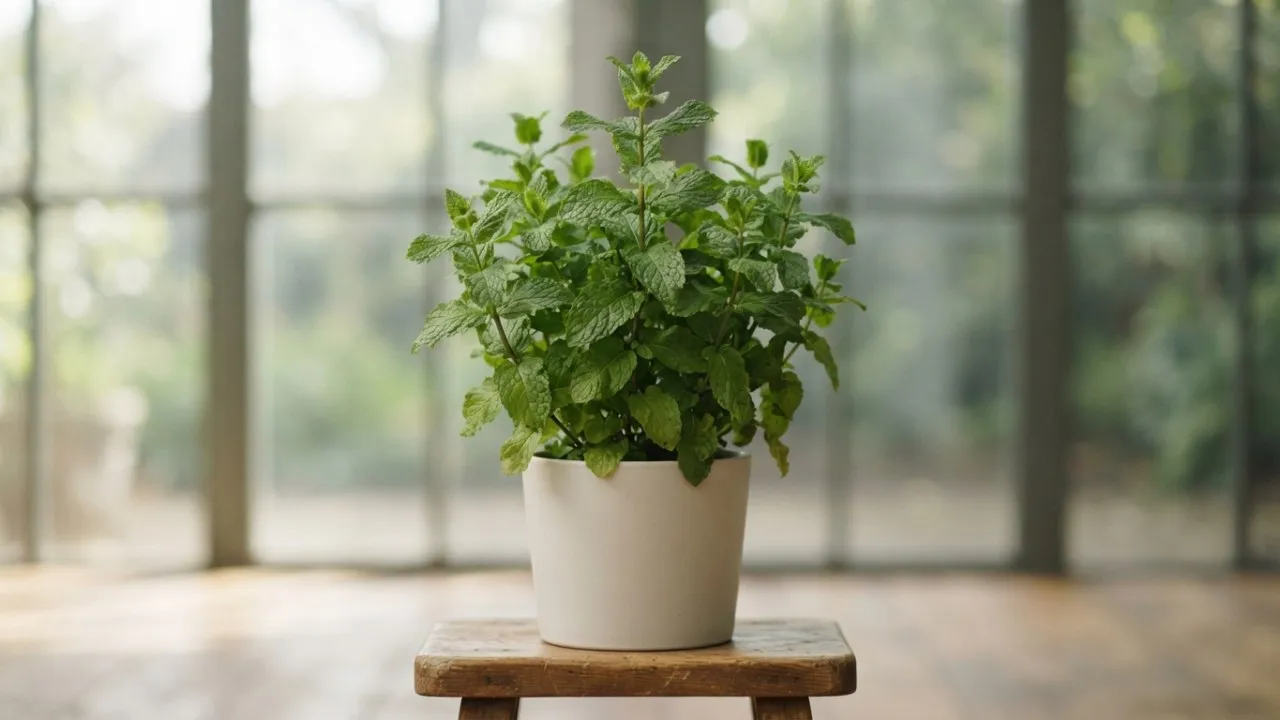
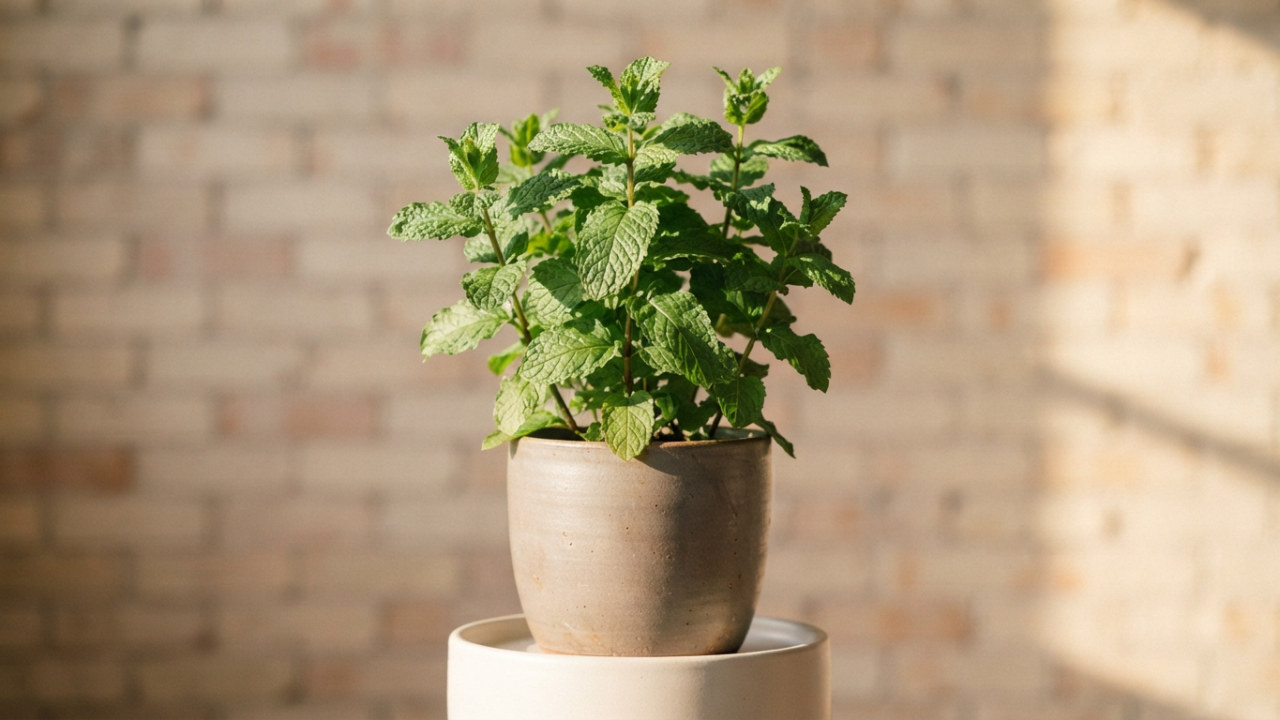
Bright green, wrinkled, lance-shaped leaves with toothed edges and almost no stalk, on square stems, with slender pale lilac flower spikes in summer and a sweet, mild scent. Peppermint (Mentha x piperita) has darker leaves, purplish stems and a much stronger menthol smell; apple mint (Mentha suaveolens) has rounder, woolly, grey-green leaves.

Watering your Mint
Every 2 days
Keep soil consistently moist but not waterlogged. Water when the top 1 to 2 cm of soil feels dry: about every 2 days in the growing season, and about every 6 days at rest.
How to know it needs water
- Soil dry 1 to 2 cm deep
- Leaves starting to wilt
- Pot feels lighter than usual

How much light a Mint needs
Full sun
Full sun to partial shade; prefers at least 4 to 6 hours of direct sunlight for best growth and flavor.
- Direct sun tolerated
- 4 to 8 h a day
- Orientations that suit it
- East, South-east, South, South-west, West

Humidity and misting
40–60 %
Medium (40 to 60%) Misting is not needed for mint, as it prefers good air circulation.

Feeding and fertiliser
Every 28 days
Apply about once a month from April to August; none the rest of the year.
- Recommended feed
- Balanced NPK liquid fertilizer or organic compost tea · 5-1-3

Repotting your Mint
Every 12 months
Repot into a container 2 to 5 cm larger using a rich, well-draining potting mix. Mint spreads aggressively, so consider dividing the plant.
- When
- Spring
- Potting mix
- All-purpose potting mix
- Mix in
- coco fibre, perlite
The tell-tale signs
- Roots emerging from drainage holes
- Plant becoming root-bound
- Growth slowing down significantly

Pruning your Mint
Pinch back regularly to encourage bushier growth and prevent flowering. Harvest leaves as needed. Snip stems just above a leaf node using clean scissors or your fingers. Remove any yellowing or damaged leaves.

Through the year
Watering is not set once and for all: it follows the light and the growth. Allow 3 days between waterings in the depth of winter, against 1 in the growing season.
- 3 J
- 2 F
- 2 M
- 2 A
- 1 M
- 1 J
- 1 J
- 2 A
- 2 S
- 2 O
- 3 N
- 3 D
Active growth · Days between waterings

Toxicity
Mildly toxic to cats and dogs if ingested in large quantities, potentially causing gastrointestinal upset (vomiting, diarrhea). Safe for people in normal culinary amounts.

Good to know
- Mint is known for its vigorous growth and can become invasive if not contained
- Spearmint gets its sweet, mild flavor mainly from carvone rather than menthol, which is why it tastes softer than peppermint
- Used for centuries in culinary, medicinal, and aromatic applications

Frequently asked questions about the Mint
How do you care for a Mint?
Water it every 2 days. Give it full sun. Ideal humidity: 40–60 %. Ideal temperature: 15–25 °C. Keep soil consistently moist but not waterlogged. Water when the top 1 to 2 cm of soil feels dry: about every 2 days in the growing season, and about every 6 days at rest.
How often should you water a Mint?
Every 2 days Keep soil consistently moist but not waterlogged. Water when the top 1 to 2 cm of soil feels dry: about every 2 days in the growing season, and about every 6 days at rest. How to know it needs water : Soil dry 1 to 2 cm deep ; Leaves starting to wilt ; Pot feels lighter than usual.
How much light does a Mint need?
Full sun Full sun to partial shade; prefers at least 4 to 6 hours of direct sunlight for best growth and flavor. 4 to 8 h a day
Is the Mint toxic to cats and dogs?
Yes. Mildly toxic to cats and dogs if ingested in large quantities, potentially causing gastrointestinal upset (vomiting, diarrhea). Safe for people in normal culinary amounts. Keep it out of reach of your pets and call a vet if any is swallowed.
Why are my Mint leaves turning yellow?
Yellowing most often comes from too much water: the mix stays wet and the roots suffocate. Check that the pot drains, empty the saucer, and let the mix dry before watering again. Too little light or a cold draught cause the same symptom.
When should you repot a Mint?
Repot every 12 months, ideally in spring. Repot into a container 2 to 5 cm larger using a rich, well-draining potting mix. Mint spreads aggressively, so consider dividing the plant.

At a glance
- Family
- Lamiaceae
- Category
- Herb
- Placement
- Indoor and outdoor
- Mature height
- 60 cm
- Growth
- Fast
- Temperature
- 15–25 °C
- Pot materials
- terracotta, ceramic, plastic
- Growth
- Reaches maturity in 1 years
These figures are for an average plant. In the app they are recalculated for yours, based on your room, its orientation and the season.
And for your plant, in your home?
In the app this plant becomes yours: a watering schedule tuned to your home, health tracking from photos, and reminders at the right moment.