Succulent · Crassulaceae
Kalanchoe manginii
Kalanchoe manginii
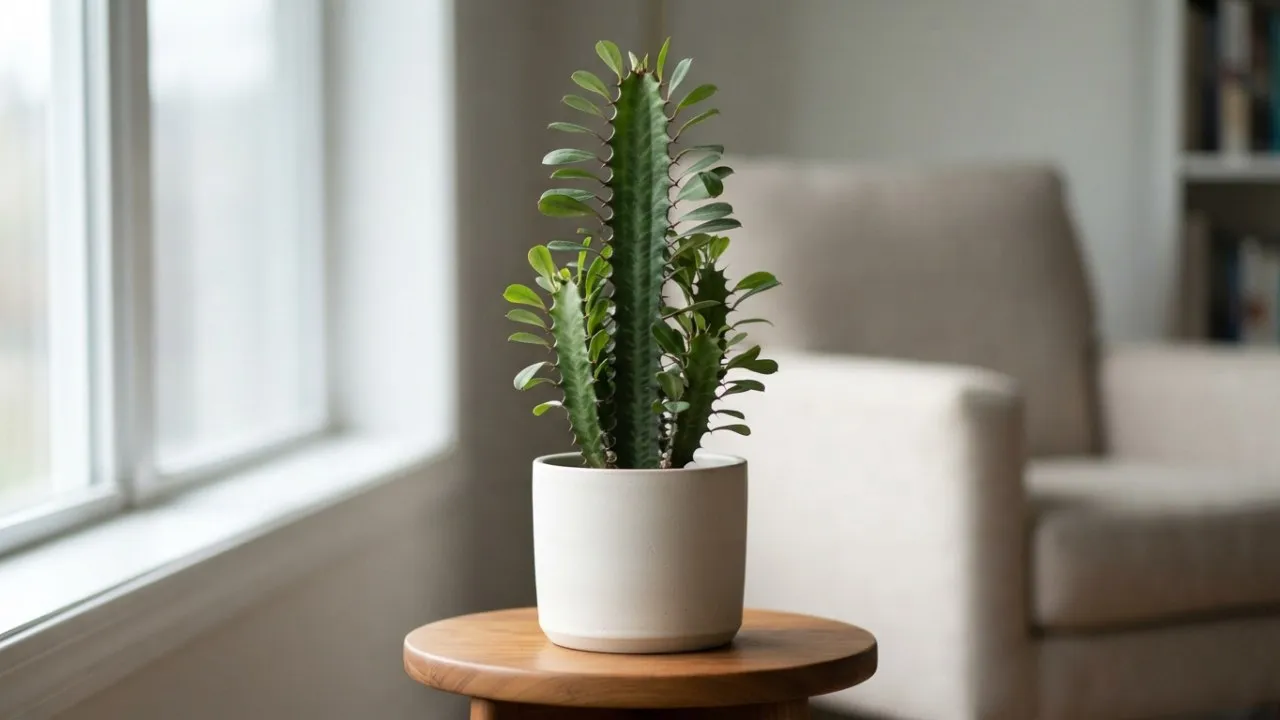
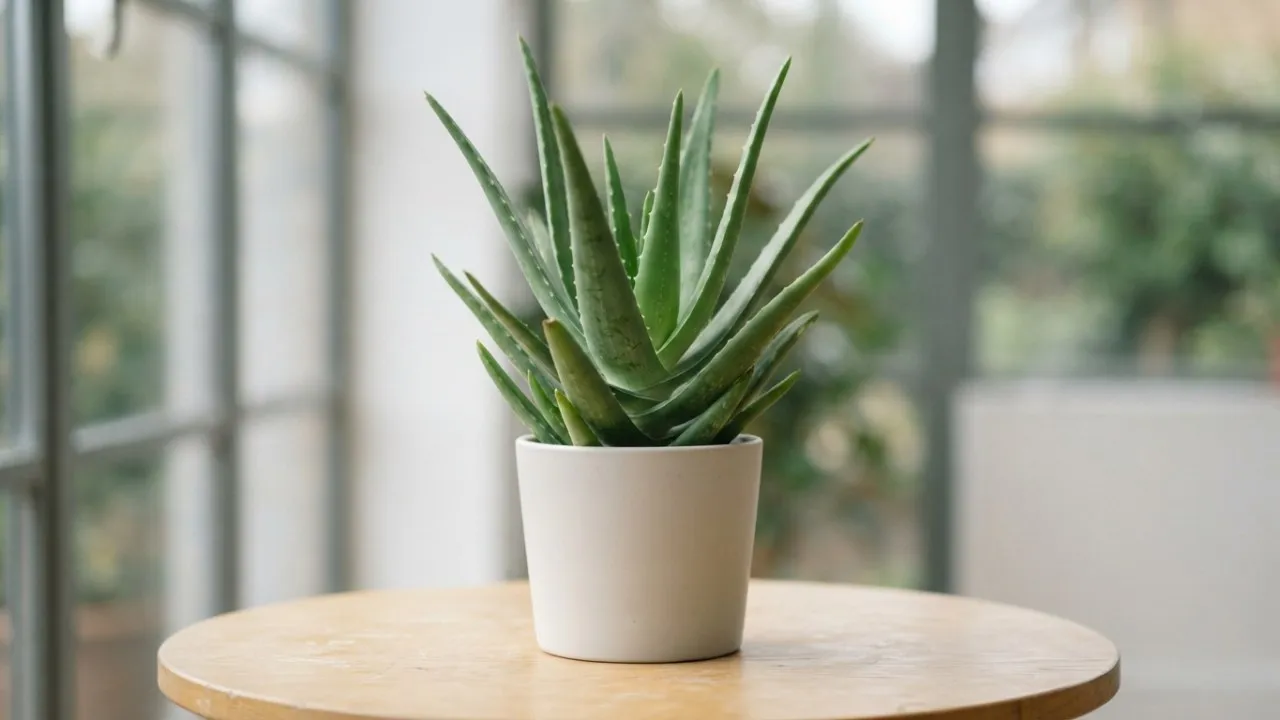
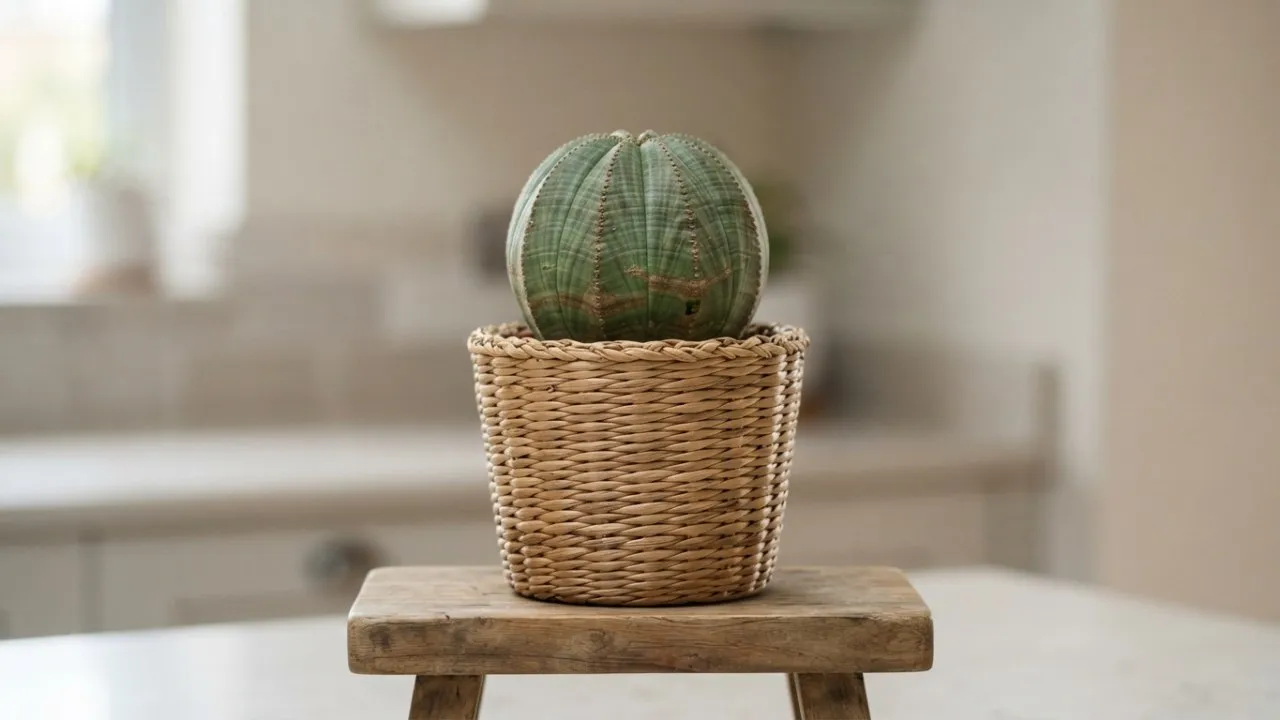
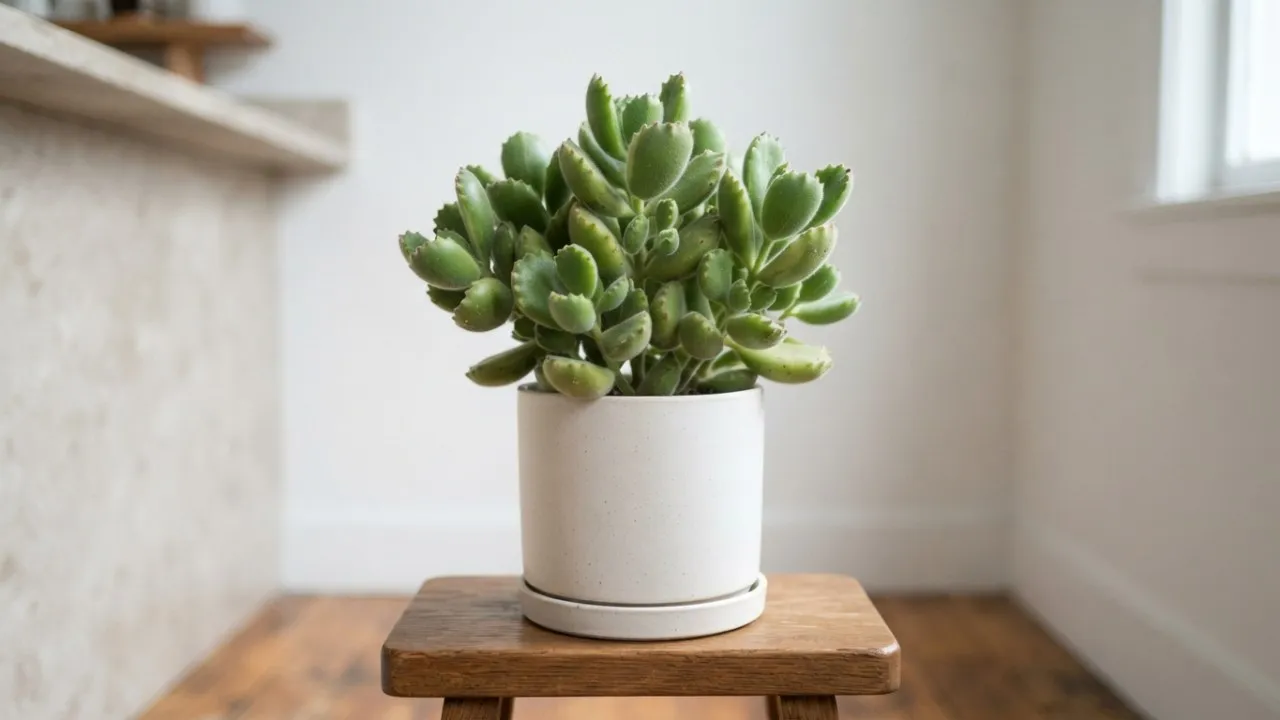
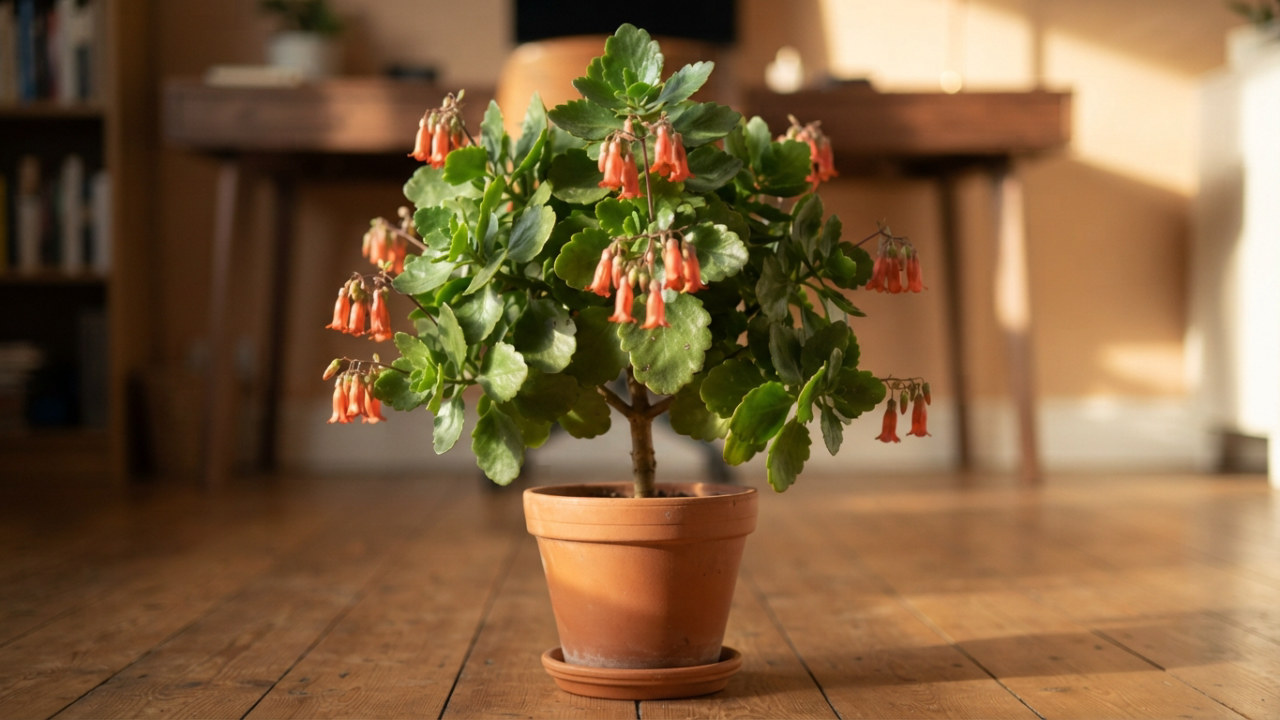
A small Madagascan succulent with arching stems, glossy rounded leaves and hanging red-orange bell flowers.
- Every 12 daysWatering
- Bright indirect lightLight
- 30–50 %Humidity
- 18–27 °CTemperature


How to care for your Kalanchoe manginii
Everything you need to keep your Kalanchoe manginii healthy: watering, light, humidity, feeding, repotting and pruning.
Kalanchoe manginii grows wild on the rocky, arid slopes of the Andringitra granite mountains in Madagascar, and is named after the French botanist Louis Alexandre Mangin. Its slender, arching, semi-woody stems carry small fleshy leaves that stay glossy green and turn reddish in strong light. Indoors it stays compact, up to about 40 centimeters, and suits a hanging pot. From late winter to early spring it hangs clusters of reddish-orange urn-shaped flowers.

How to recognise Kalanchoe manginii
Look for slender arching stems with small, glossy, rounded to spoon-shaped leaves, and hanging red-orange bells in late winter. Kalanchoe hildebrandtii is stiffly upright with silvery felted leaves, and Kalanchoe blossfeldiana has larger, scalloped leaves and flowers held upright.

Watering your Kalanchoe manginii
Every 12 days
Water thoroughly when the top layer and most of the mix are dry, let the excess drain, and cut back in summer heat and in winter.
How to know it needs water
- The mix feels dry well below the surface
- The leaves feel slightly soft and less plump

How much light a Kalanchoe manginii needs
Bright indirect light
Give it bright light with a few hours of gentle direct sun, and shield it from harsh midday sun that burns the leaves.
- Direct sun tolerated
- 2 to 5 h a day
- Orientations that suit it
- North, North-east, East, South-east, South, South-west, West, North-west

Humidity and misting
30–50 %
Average to dry air, roughly 30 to 50 percent humidity, is fine. Do not mist: moisture sitting on the leaves and stems encourages rot.

Feeding and fertiliser
Every 28 days
Feed about once a month from April to September, and stop in winter.
- Recommended feed
- A diluted liquid fertilizer for cacti and succulents. · 2-7-7

Repotting your Kalanchoe manginii
Every 24 months
Use a small, slightly larger pot with a gritty cactus mix, and keep the brittle arching stems supported while you work.
- When
- Spring, as growth restarts.
- Potting mix
- Cactus and succulent mix
- Mix in
- perlite, pumice, coarse sand
The tell-tale signs
- Roots fill the pot and appear at the drainage holes
- Growth stalls even in the growing season

Pruning your Kalanchoe manginii
After flowering in spring, or whenever stems become long and sparse. Shorten the stems with clean scissors just above a pair of leaves, and root the cuttings once the cut ends have dried.

Through the year
Watering is not set once and for all: it follows the light and the growth. Allow 22 days between waterings in the depth of winter, against 11 in the growing season.
- 18 J
- 18 F
- 14 M
- 12 A
- 11 M
- 11 J
- 11 J
- 11 A
- 12 S
- 14 O
- 18 N
- 22 D
Active growth · Days between waterings

Toxicity
It contains bufadienolides, which are toxic to cats and dogs and can cause vomiting, diarrhea and, rarely, an abnormal heart rhythm; in people, swallowing it can cause nausea and, in larger amounts, affect the heart, so keep it away from children and animals.

Good to know
- Its flowers hang downward like small bells and appear in the cool season, from late winter to early spring.
- Young leaves carry a fine down that disappears as they age, leaving them smooth and glossy.

Frequently asked questions about the Kalanchoe manginii
How do you care for a Kalanchoe manginii?
Water it every 12 days. Give it bright indirect light. Ideal humidity: 30–50 %. Ideal temperature: 18–27 °C. Water thoroughly when the top layer and most of the mix are dry, let the excess drain, and cut back in summer heat and in winter.
How often should you water a Kalanchoe manginii?
Every 12 days Water thoroughly when the top layer and most of the mix are dry, let the excess drain, and cut back in summer heat and in winter. How to know it needs water : The mix feels dry well below the surface ; The leaves feel slightly soft and less plump.
How much light does a Kalanchoe manginii need?
Bright indirect light Give it bright light with a few hours of gentle direct sun, and shield it from harsh midday sun that burns the leaves. 2 to 5 h a day
Is the Kalanchoe manginii toxic to cats and dogs?
Yes. It contains bufadienolides, which are toxic to cats and dogs and can cause vomiting, diarrhea and, rarely, an abnormal heart rhythm; in people, swallowing it can cause nausea and, in larger amounts, affect the heart, so keep it away from children and animals. Keep it out of reach of your pets and call a vet if any is swallowed.
Why are my Kalanchoe manginii leaves turning yellow?
Yellowing most often comes from too much water: the mix stays wet and the roots suffocate. Check that the pot drains, empty the saucer, and let the mix dry before watering again. Too little light or a cold draught cause the same symptom.
When should you repot a Kalanchoe manginii?
Repot every 24 months, ideally in spring, as growth restarts.. Use a small, slightly larger pot with a gritty cactus mix, and keep the brittle arching stems supported while you work.

At a glance
- Family
- Crassulaceae
- Category
- Succulent
- Placement
- Indoor
- Mature height
- 40 cm
- Growth
- Slow
- Temperature
- 18–27 °C
- Pot materials
- terracotta, ceramic
- Growth
- Reaches maturity in 5 years
These figures are for an average plant. In the app they are recalculated for yours, based on your room, its orientation and the season.
And for your plant, in your home?
In the app this plant becomes yours: a watering schedule tuned to your home, health tracking from photos, and reminders at the right moment.