
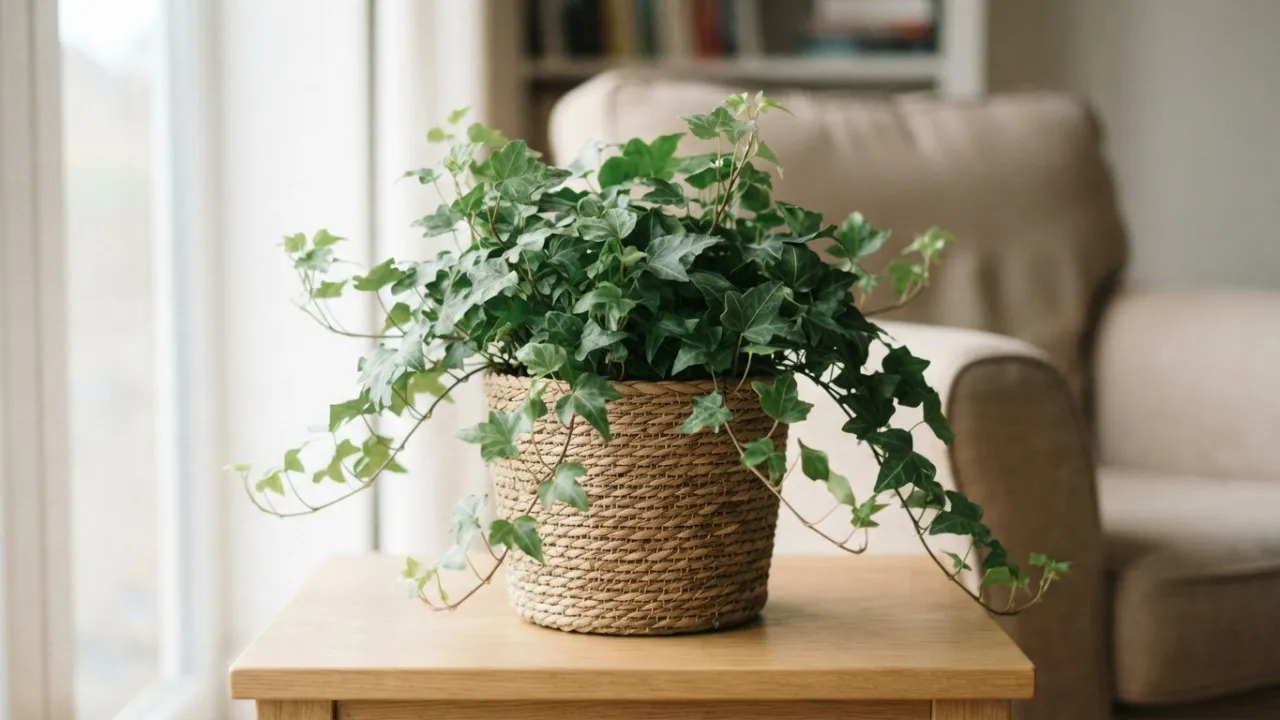
English Ivy
Hedera helix
English ivy is a very versatile climbing and ground-cover plant.
The essentials at a glance
-
Watering
Every 7 days
-
Light
Low light
-
Humidity
50–60 %
-
Temperature
5–24 °C


How to care for your English Ivy
Everything you need to keep your English Ivy healthy: watering, light, humidity, feeding, repotting and pruning.
Hedera helix is a climbing and ground-cover plant native to Europe and western Asia. Indoors, its long trailing stems make it a decorative hanging basket plant. Outdoors, it quickly covers walls, fences and ground. It prefers cool temperatures and tolerates shade well. It is very hardy and grows in many soil types.

Watering your English Ivy
Every 7 days
Keep the substrate lightly moist without waterlogging; reduce watering in winter.
How to know it needs water
- Substrate dry 1–2 cm below the surface

How much light a English Ivy needs
Low light
Shade to indirect light; thrives in low-light conditions and prefers cool temperatures.
- Direct sun tolerated
- 0 to 2 h a day
- Orientations that suit it
- North, North-east, East, North-west, West

Humidity and misting
50–60 %
Medium (50–60%) Regular misting helps deter spider mite infestations, to which ivy is particularly susceptible in dry indoor air.

Feeding and fertiliser
Every 30 days
Apply monthly in spring and summer only.
- Recommended feed
- Diluted balanced liquid fertilizer · 2-1-2

Repotting your English Ivy
Every 24 months
Use an all-purpose, well-draining potting mix; trim any circling roots before repotting.
- When
- Spring
- Potting mix
- All-purpose potting mix
- Mix in
- perlite, coco fibre
The tell-tale signs
- Compacted root ball filling the pot
- Plant declining despite adequate care

Pruning your English Ivy
Prune regularly to control vigour and maintain the desired shape. Cut just above a node with clean, sharp scissors; cuttings root readily in water.

Through the year
Watering is not set once and for all: it follows the light and the growth. Allow 11 days between waterings in the depth of winter, against 6 in the growing season.
- 11 J
- 8 F
- 7 M
- 6 A
- 6 M
- 6 J
- 6 J
- 6 A
- 7 S
- 8 O
- 9 N
- 11 D
Active growth · Days between waterings

Toxicity
All parts are toxic if ingested by humans or animals; contact with sap may cause contact dermatitis in sensitive individuals.

Good to know
- Can live for several decades
- Serves as shelter and food source for many birds

Frequently asked questions about the English Ivy
How do you care for a English Ivy?
Water it every 7 days. Give it low light. Ideal humidity: 50–60 %. Ideal temperature: 5–24 °C. Keep the substrate lightly moist without waterlogging; reduce watering in winter.
How often should you water a English Ivy?
Every 7 days Keep the substrate lightly moist without waterlogging; reduce watering in winter. How to know it needs water : Substrate dry 1–2 cm below the surface.
How much light does a English Ivy need?
Low light Shade to indirect light; thrives in low-light conditions and prefers cool temperatures. 0 to 2 h a day
Is the English Ivy toxic to cats and dogs?
Yes. All parts are toxic if ingested by humans or animals; contact with sap may cause contact dermatitis in sensitive individuals. Keep it out of reach of your pets and call a vet if any is swallowed.
Why are my English Ivy leaves turning yellow?
Yellowing most often comes from too much water: the mix stays wet and the roots suffocate. Check that the pot drains, empty the saucer, and let the mix dry before watering again. Too little light or a cold draught cause the same symptom.
When should you repot a English Ivy?
Repot every 24 months, ideally in spring. Use an all-purpose, well-draining potting mix; trim any circling roots before repotting.

At a glance
- Family
- Araliaceae
- Category
- Climber
- Placement
- Indoor and outdoor
- Mature height
- 3 m
- Growth
- Moderate
- Temperature
- 5–24 °C
- Pot materials
- terracotta, ceramic, plastic
- Growth
- Reaches maturity in 5 years
These figures are for an average plant. In the app they are recalculated for yours, based on your room, its orientation and the season.
And for your plant, in your home?
In the app this plant becomes yours: a watering schedule tuned to your home, health tracking from photos, and reminders at the right moment.
In the same spirit
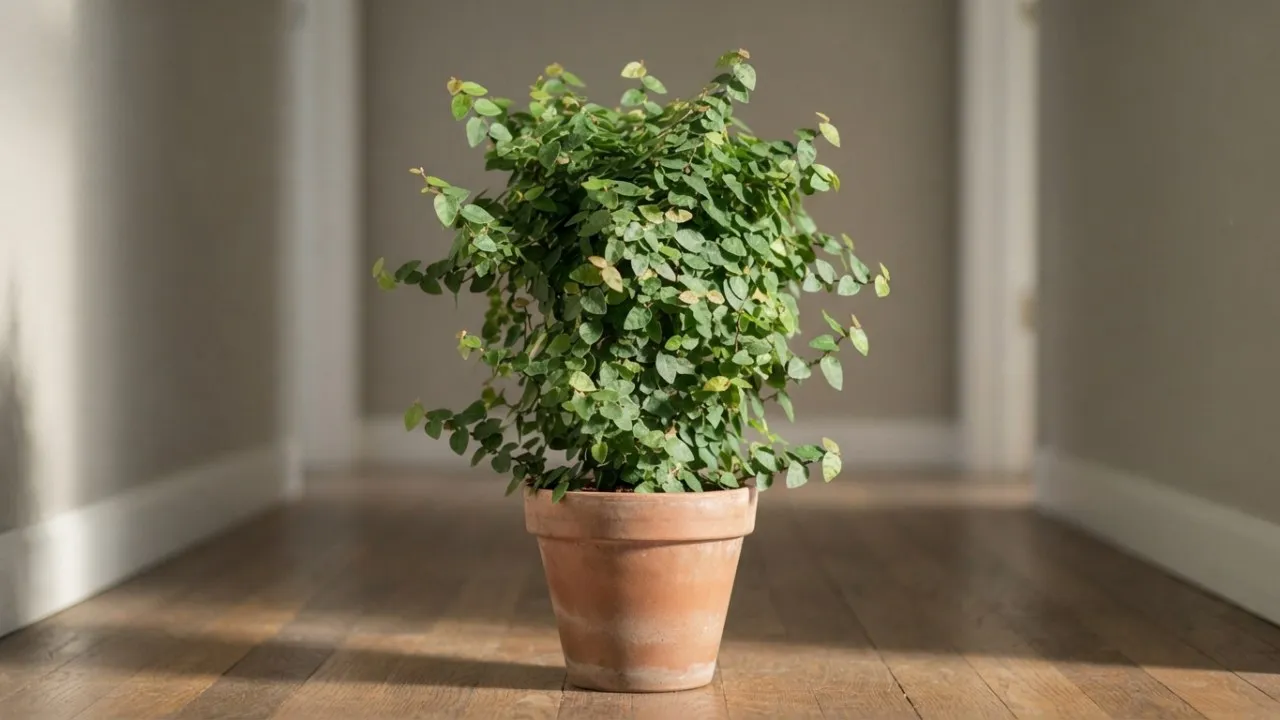 Every 4 days
 Creeping Fig
Ficus pumila

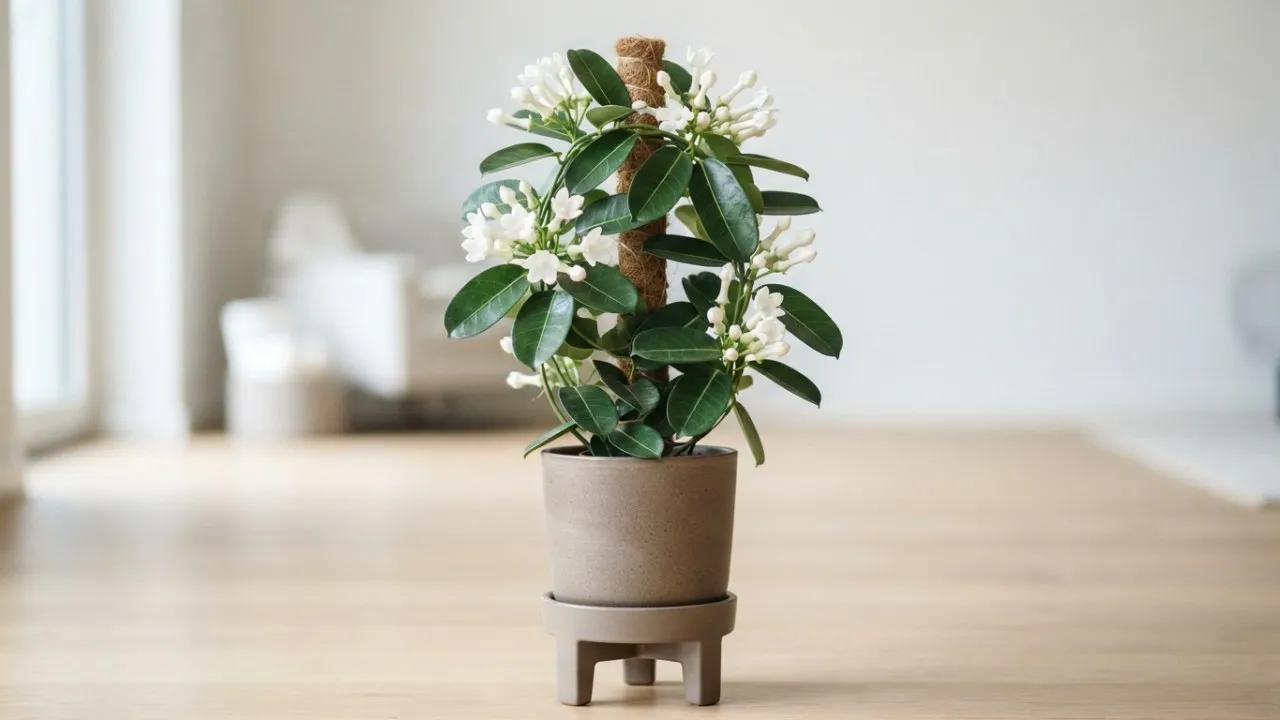 Every 5 days
 Madagascar Jasmine
Stephanotis floribunda
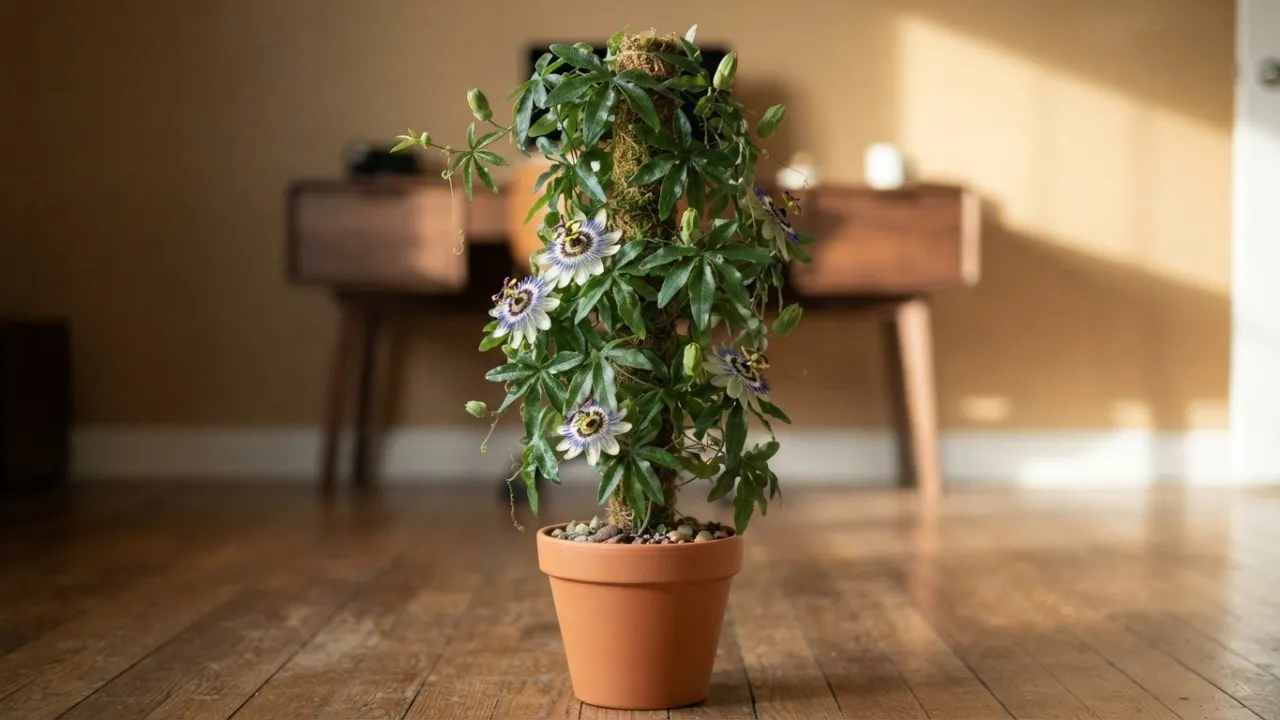 Every 4 days
 Passion Flower
Passiflora caerulea
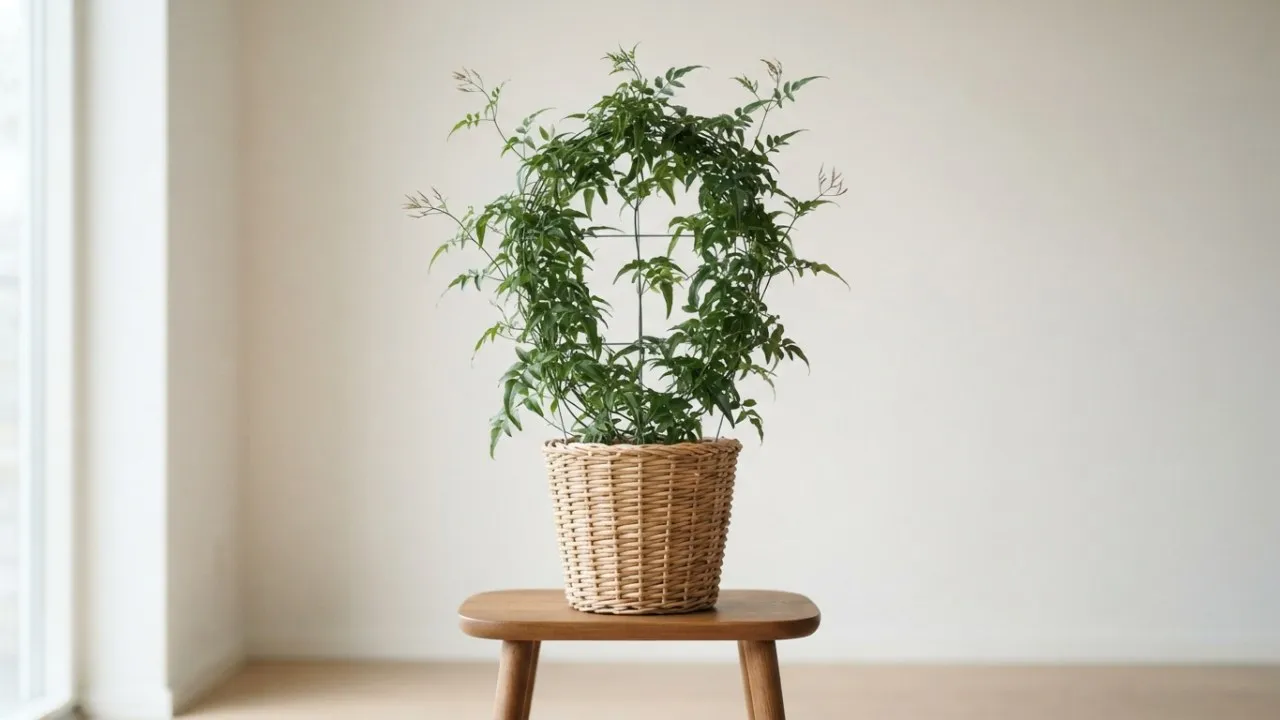 Every 5 days
 Pink Jasmine
Jasminum polyanthum