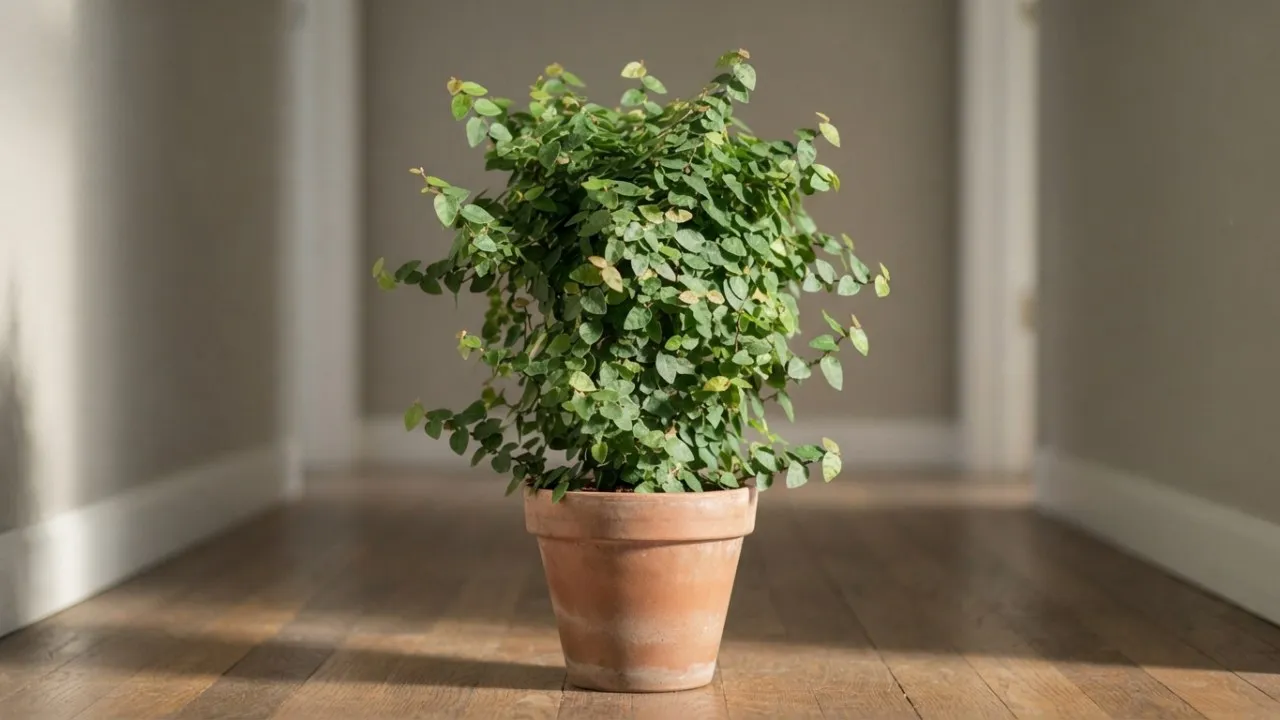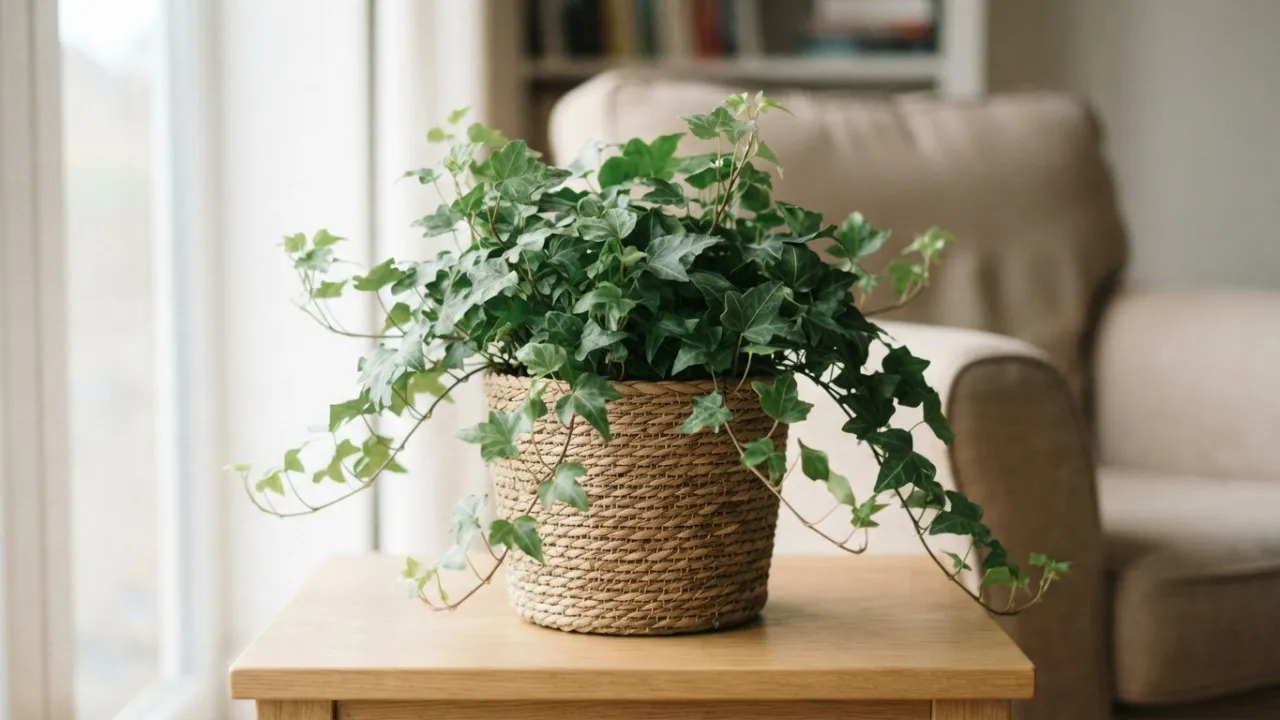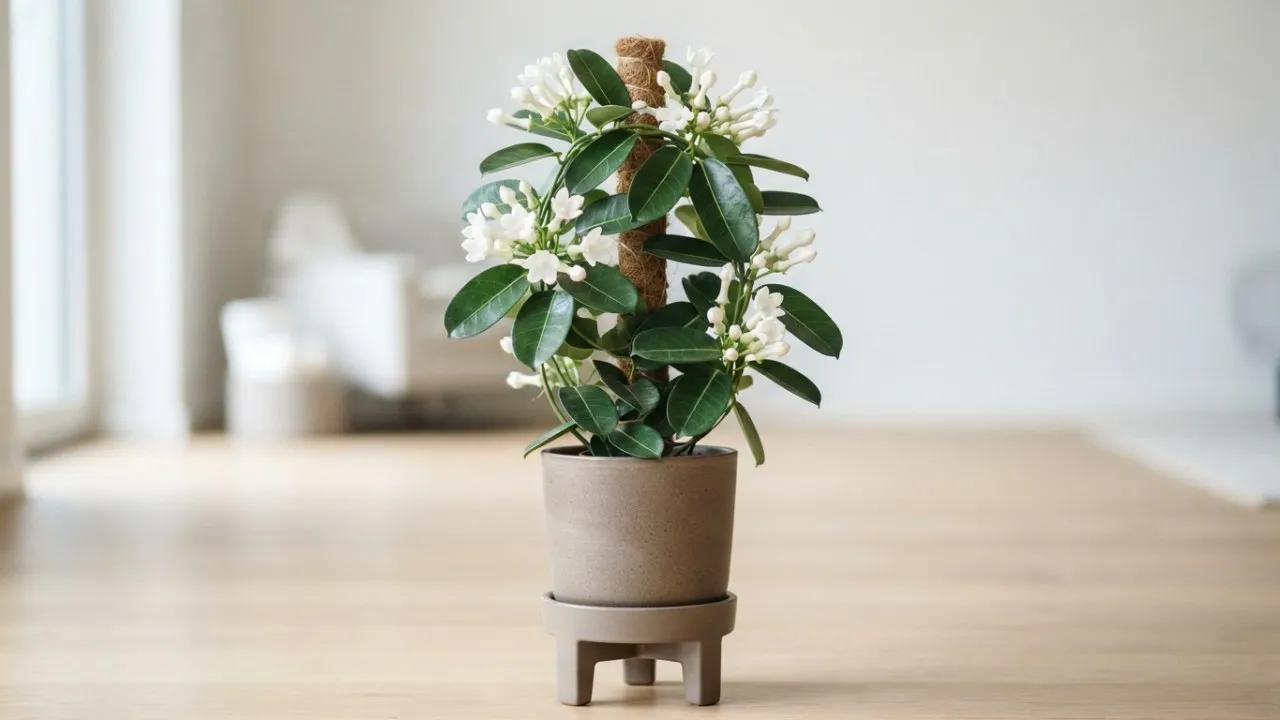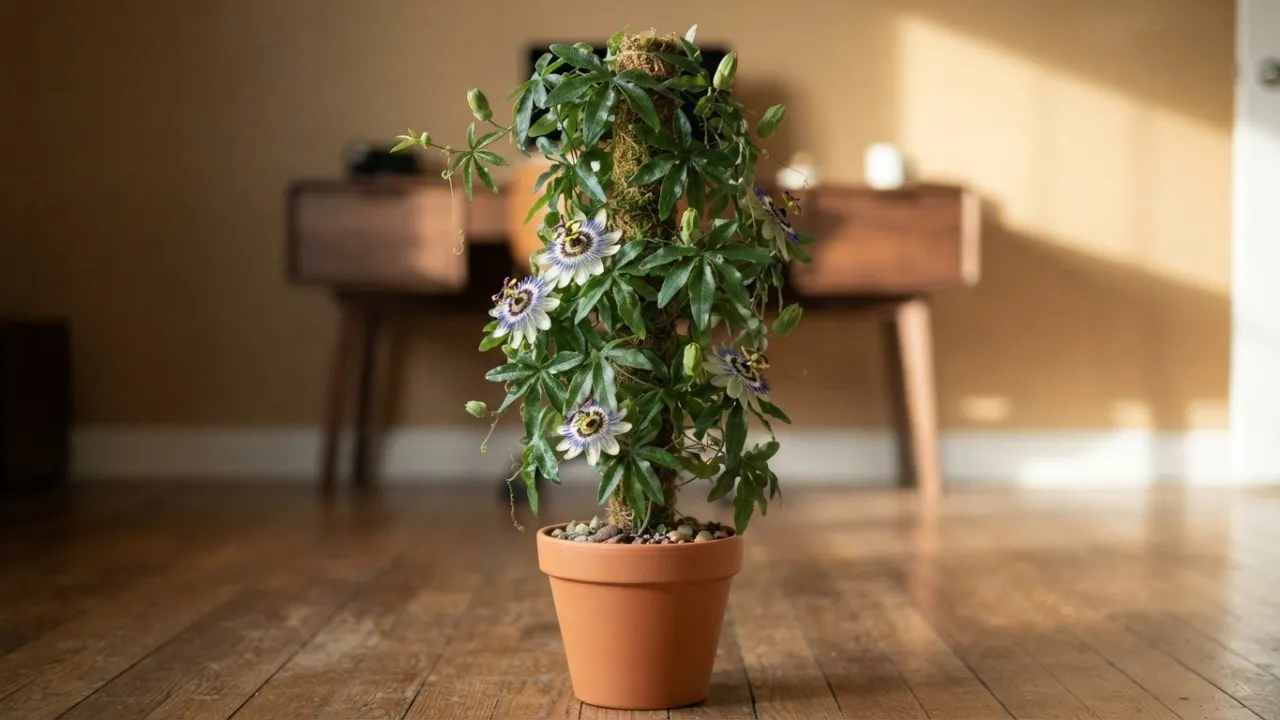
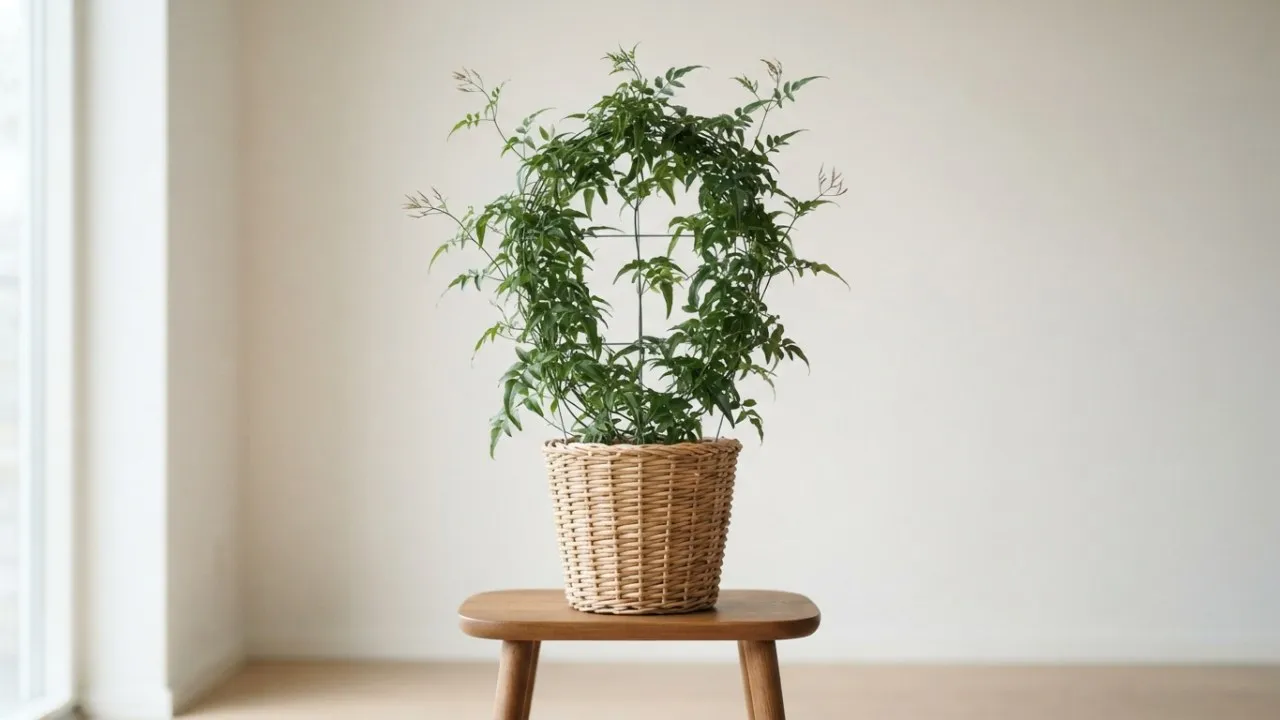
Pink Jasmine
Jasminum polyanthum
Pink Jasmine is a vigorous climber whose cascades of small white and pink star-shaped flowers release a sweet and enchanting fragrance.
The essentials at a glance
-
Watering
Every 5 days
-
Light
Bright indirect light
-
Humidity
40–60 %
-
Temperature
5–25 °C


How to care for your Pink Jasmine
Everything you need to keep your Pink Jasmine healthy: watering, light, humidity, feeding, repotting and pruning.
Jasminum polyanthum is a twining climber native to southwestern China, highly prized for its extraordinarily fragrant winter bloom. Its pink buds open into small white stars in dense clusters that intensely perfume the air. To flower generously, it needs a period of autumn coolness (8–12°C) for several weeks. It is an easy and vigorous plant that can reach several meters in length, ideal for decorating a trellis, balcony, or bright conservatory.

Watering your Pink Jasmine
Every 5 days
Water regularly to keep the substrate fresh without excess. Reduce in winter but never allow to dry out completely.
How to know it needs water
- Topsoil dry at the surface
- Leaves beginning to wilt
- Less vigorous growth

How much light a Pink Jasmine needs
Bright indirect light
Bright light with a few hours of direct sun. Tolerates semi-shade but flowers less freely.
- Direct sun tolerated
- 2 to 4 h a day
- Orientations that suit it
- East, South-east, South, South-west, West, North-west

Humidity and misting
40–60 %
40–60% Mist occasionally indoors, especially if the air is dry in winter with heating.

Feeding and fertiliser
Every 14 days
Fertilize from spring to late summer. A potassium boost in late summer promotes bud set for winter flowering.
- Recommended feed
- Liquid fertilizer for flowering plants, high in phosphorus and potassium (NPK 10-20-20). · 2-1-2

Repotting your Pink Jasmine
Every 24 months
Use enriched universal compost with good drainage. Provide a support (trellis, arch) to guide the twining stems.
- When
- Spring, after flowering
- Potting mix
- All-purpose potting mix
- Mix in
- perlite, coco fibre
The tell-tale signs
- Roots forming a dense mass at the bottom of the pot
- Slowed growth
- Water draining too quickly at watering

Pruning your Pink Jasmine
Immediately after flowering, in spring. Shorten stems by a third after flowering to maintain a compact shape. Remove dead wood and weak stems. Pink Jasmine flowers on the previous year's wood.

Through the year
Watering is not set once and for all: it follows the light and the growth. Allow 8 days between waterings in the depth of winter, against 4 in the growing season.
- 8 J
- 6 F
- 5 M
- 4 A
- 4 M
- 4 J
- 4 J
- 4 A
- 5 S
- 5 O
- 7 N
- 8 D
Active growth · Days between waterings

Good to know
- Jasminum polyanthum can produce over 50 flowers per cluster, creating a fragrant white cloud that fills the entire house in winter.
- In China, jasmine tea has been prepared since the Song Dynasty (960–1279) by mixing fresh flowers with green tea leaves.

Frequently asked questions about the Pink Jasmine
How do you care for a Pink Jasmine?
Water it every 5 days. Give it bright indirect light. Ideal humidity: 40–60 %. Ideal temperature: 5–25 °C. Water regularly to keep the substrate fresh without excess. Reduce in winter but never allow to dry out completely.
How often should you water a Pink Jasmine?
Every 5 days Water regularly to keep the substrate fresh without excess. Reduce in winter but never allow to dry out completely. How to know it needs water : Topsoil dry at the surface ; Leaves beginning to wilt ; Less vigorous growth.
How much light does a Pink Jasmine need?
Bright indirect light Bright light with a few hours of direct sun. Tolerates semi-shade but flowers less freely. 2 to 4 h a day
Is the Pink Jasmine toxic to cats and dogs?
No, the Pink Jasmine is not listed as toxic to cats and dogs. That is still no reason to let your pets chew on it.
Why are my Pink Jasmine leaves turning yellow?
Yellowing most often comes from too much water: the mix stays wet and the roots suffocate. Check that the pot drains, empty the saucer, and let the mix dry before watering again. Too little light or a cold draught cause the same symptom.
When should you repot a Pink Jasmine?
Repot every 24 months, ideally in spring, after flowering. Use enriched universal compost with good drainage. Provide a support (trellis, arch) to guide the twining stems.

At a glance
- Family
- Oleaceae
- Category
- Climber
- Placement
- Indoor and outdoor
- Mature height
- 3 m
- Growth
- Fast
- Temperature
- 5–25 °C
- Pot materials
- terracotta, ceramic, plastic
- Growth
- Reaches maturity in 3 years
These figures are for an average plant. In the app they are recalculated for yours, based on your room, its orientation and the season.
And for your plant, in your home?
In the app this plant becomes yours: a watering schedule tuned to your home, health tracking from photos, and reminders at the right moment.