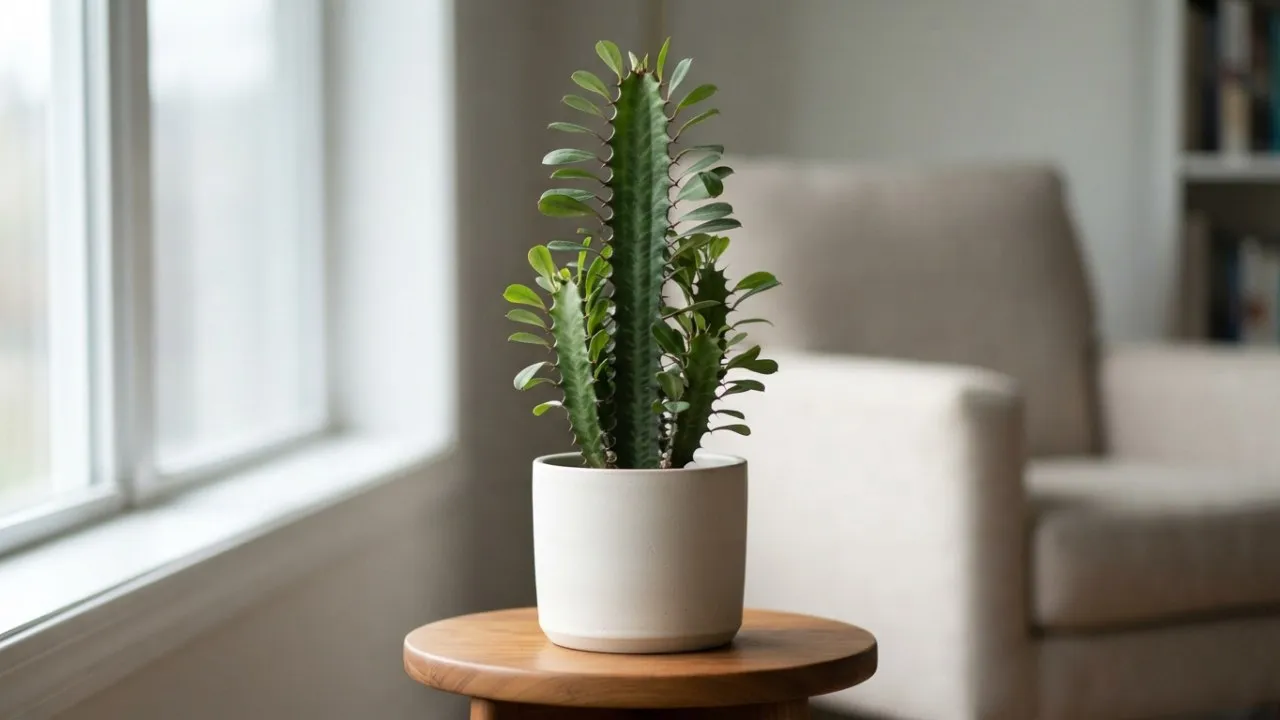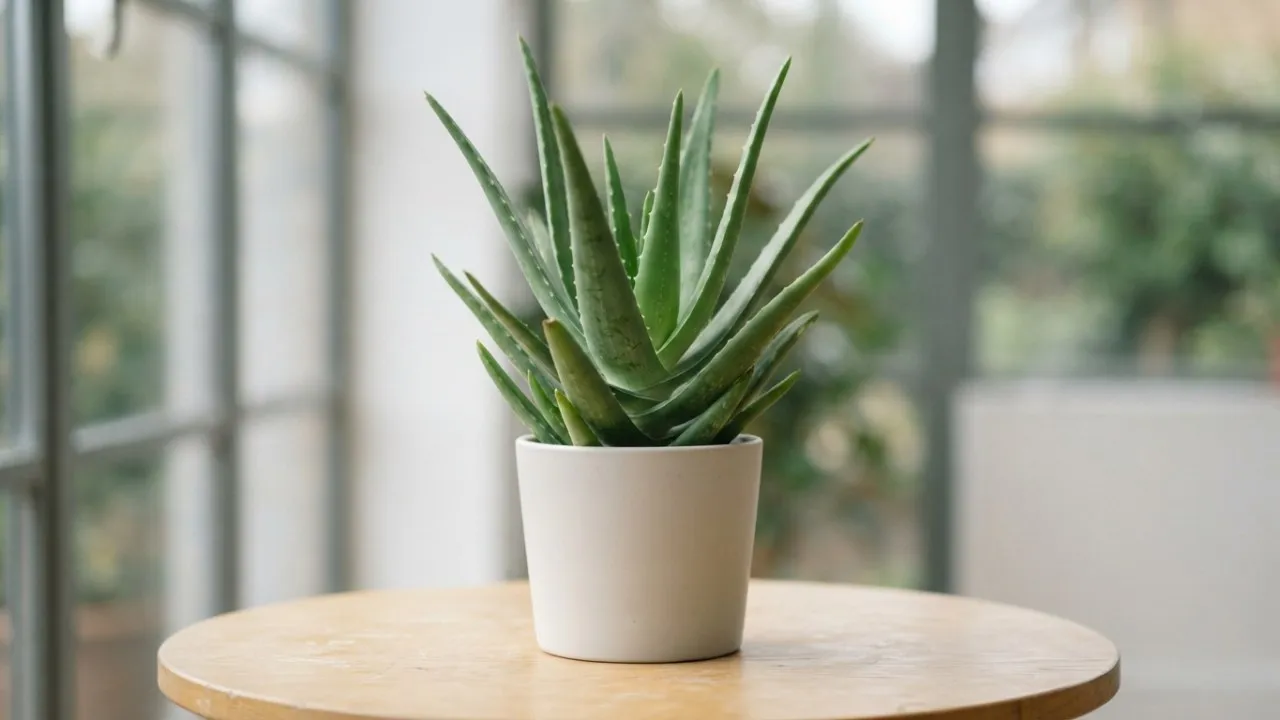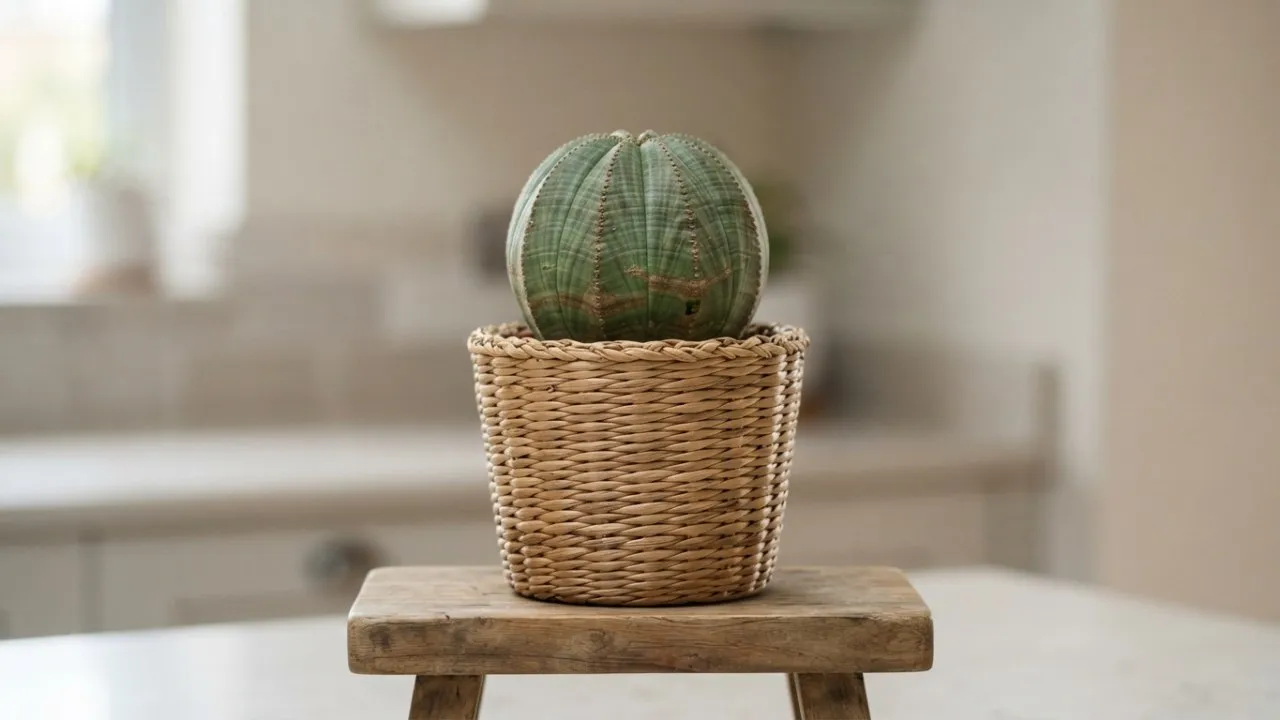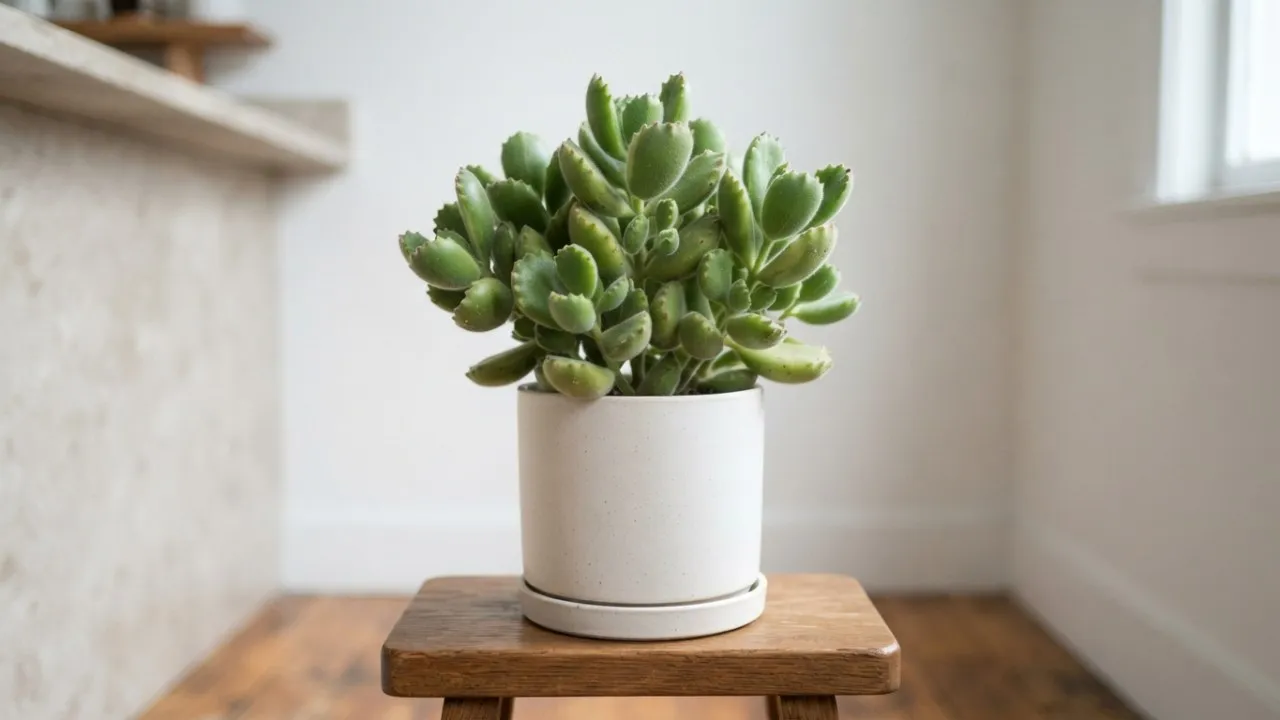
Succulent · Asphodelaceae
Ox Tongue Plant
Gasteria bicolor
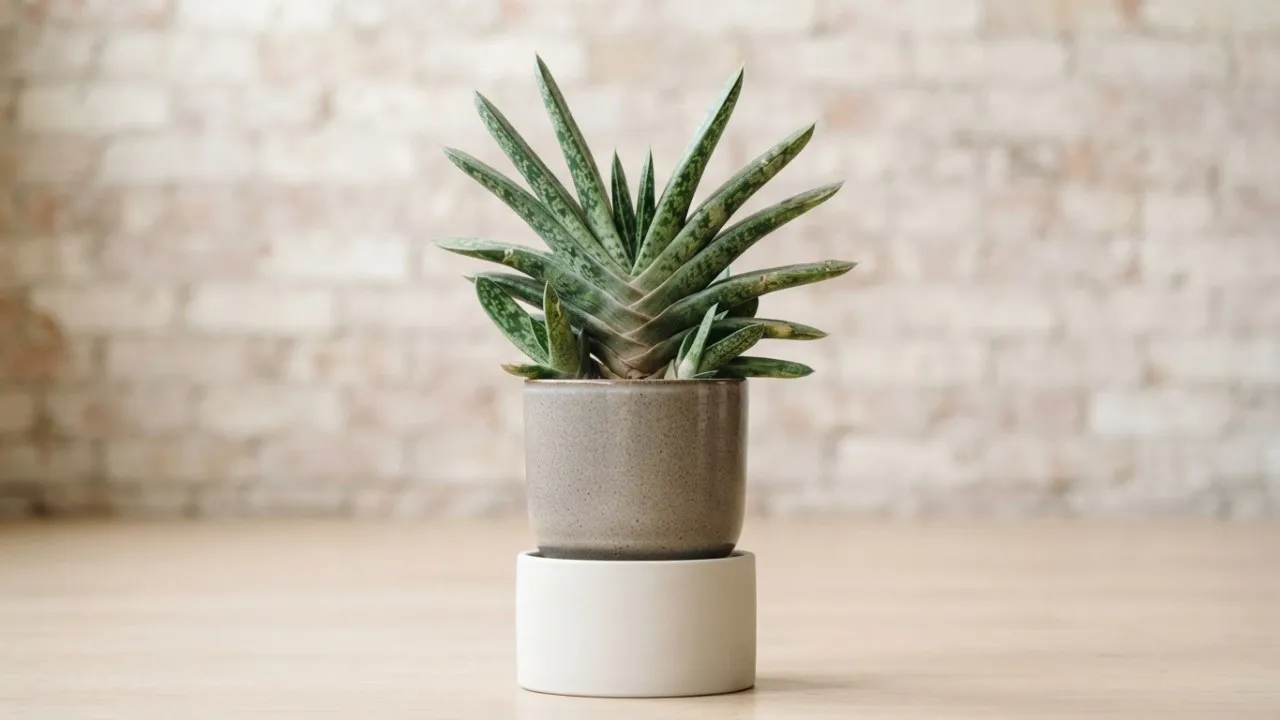
A popular Gasteria with thick, tongue-shaped, dark green leaves often speckled, resembling an ox's tongue.
- Every 12 daysWatering
- Bright indirect lightLight
- 30–50 %Humidity
- 15–28 °CTemperature


How to care for your Ox Tongue Plant
Everything you need to keep your Ox Tongue Plant healthy: watering, light, humidity, feeding, repotting and pruning.
The Ox Tongue Plant is a striking succulent from South Africa, prized for its distinctively thick, fleshy leaves that often grow in two ranks or in a rosette. Its dark green foliage is frequently mottled or speckled with lighter green or white spots, adding to its visual appeal. It is robust and easy to care for, tolerant of lower light than many succulents, making it perfect for indoor environments. It is not frost hardy: outdoors in summer is fine, but bring it inside before temperatures fall below about 5 C. It also produces charming, stomach-shaped flowers on tall spikes.

How to recognise Ox Tongue Plant
A stemless succulent with thick, rough, tongue-shaped dark green leaves marked with pale spots, arranged in two opposite rows when young and spiralling into a rosette with age, and tubular pink-red flowers swollen at the base on a tall spike. It is often confused with Haworthia, which is smaller, with firmer, often translucent-tipped leaves and tiny white flowers, and with Aloe, whose leaves are toothed and taper to a point.

Watering your Ox Tongue Plant
Every 12 days
Soak thoroughly, then let the substrate dry out completely: about every 12 days in the growing season and about every 25 days at rest in winter.
How to know it needs water
- Soil completely dry
- Leaves feel slightly soft

How much light a Ox Tongue Plant needs
Bright indirect light
Bright indirect light to partial shade
- Direct sun tolerated
- 0 to 3 h a day
- Orientations that suit it
- North, North-east, East, South-east, South, South-west, West, North-west

Humidity and misting
30–50 %
Low Do not mist: water collecting in the rosette promotes rot and fungal spots.

Feeding and fertiliser
Every 28 days
Fertilize lightly, at half strength, about every 4 weeks from April to September. No feeding in autumn and winter.
- Recommended feed
- Balanced succulent fertilizer · 2-7-7

Repotting your Ox Tongue Plant
Every 36 months
Repot with fresh, well-draining succulent mix, every 3 years or so.
- When
- Spring (March to May)
- Potting mix
- Cactus and succulent mix
- Mix in
- perlite, pumice, coarse sand
The tell-tale signs
- Roots growing out of drainage holes
- Offsets crowding pot

Pruning your Ox Tongue Plant
As needed Remove spent flower stalks at their base with clean cuts.

Through the year
Watering is not set once and for all: it follows the light and the growth. Allow 22 days between waterings in the depth of winter, against 11 in the growing season.
- 18 J
- 14 F
- 12 M
- 11 A
- 11 M
- 11 J
- 11 J
- 11 A
- 12 S
- 14 O
- 18 N
- 22 D
Active growth · Days between waterings

Good to know
- Its name comes from the Greek 'gaster', meaning belly, because of the swollen, stomach-shaped base of its flowers.
- Its thick, tongue-shaped leaves are often mottled with lighter spots, and it flowers on tall, arching spikes.

Frequently asked questions about the Ox Tongue Plant
How do you care for a Ox Tongue Plant?
Water it every 12 days. Give it bright indirect light. Ideal humidity: 30–50 %. Ideal temperature: 15–28 °C. Soak thoroughly, then let the substrate dry out completely: about every 12 days in the growing season and about every 25 days at rest in winter.
How often should you water a Ox Tongue Plant?
Every 12 days Soak thoroughly, then let the substrate dry out completely: about every 12 days in the growing season and about every 25 days at rest in winter. How to know it needs water : Soil completely dry ; Leaves feel slightly soft.
How much light does a Ox Tongue Plant need?
Bright indirect light Bright indirect light to partial shade 0 to 3 h a day
Is the Ox Tongue Plant toxic to cats and dogs?
No, the Ox Tongue Plant is not listed as toxic to cats and dogs. That is still no reason to let your pets chew on it.
Why are my Ox Tongue Plant leaves turning yellow?
Yellowing most often comes from too much water: the mix stays wet and the roots suffocate. Check that the pot drains, empty the saucer, and let the mix dry before watering again. Too little light or a cold draught cause the same symptom.
When should you repot a Ox Tongue Plant?
Repot every 36 months, ideally in spring (march to may). Repot with fresh, well-draining succulent mix, every 3 years or so.

At a glance
- Family
- Asphodelaceae
- Category
- Succulent
- Placement
- Indoor and outdoor
- Mature height
- 30 cm
- Growth
- Slow
- Temperature
- 15–28 °C
- Pot materials
- terracotta, ceramic, plastic
- Growth
- Reaches maturity in 5 years
These figures are for an average plant. In the app they are recalculated for yours, based on your room, its orientation and the season.
And for your plant, in your home?
In the app this plant becomes yours: a watering schedule tuned to your home, health tracking from photos, and reminders at the right moment.