
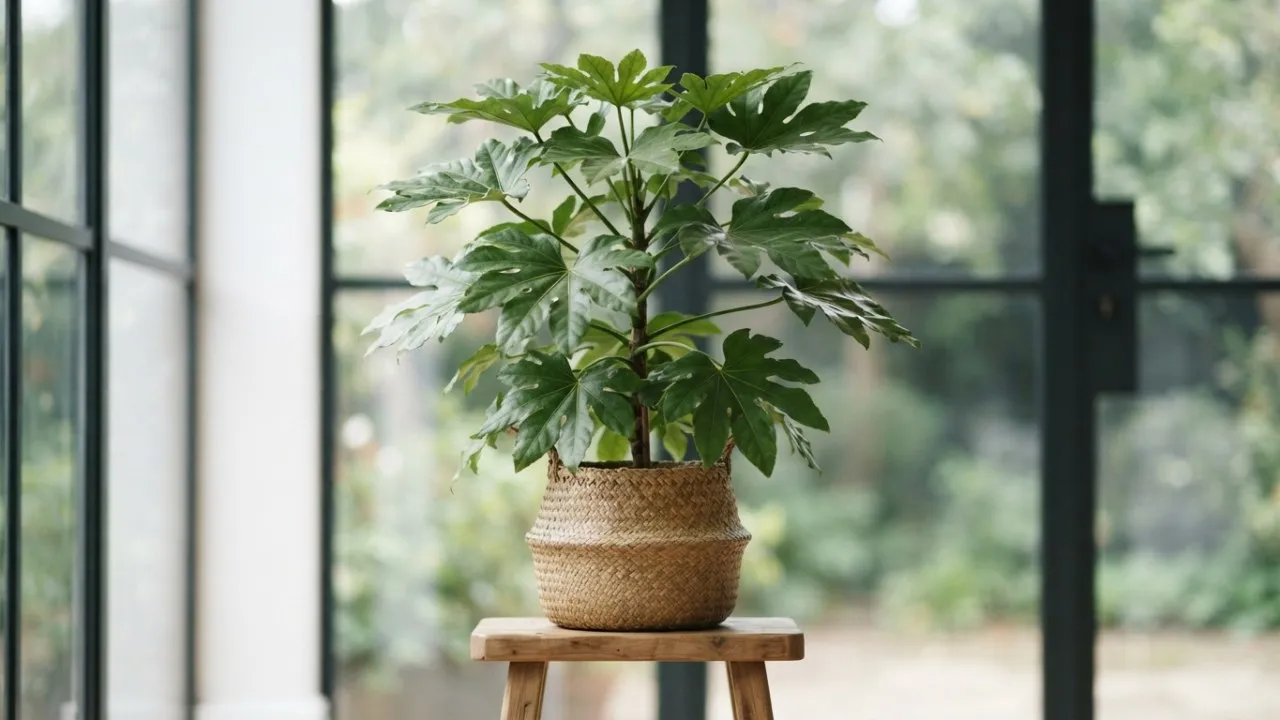
Japanese Aralia
Fatsia japonica
A large houseplant with spectacular palmate foliage, perfect for low-light spaces and cool rooms.
The essentials at a glance
-
Watering
Every 5 days
-
Light
Medium light
-
Humidity
50–70 %
-
Temperature
5–22 °C


How to care for your Japanese Aralia
Everything you need to keep your Japanese Aralia healthy: watering, light, humidity, feeding, repotting and pruning.
Fatsia japonica is an evergreen shrub native to southern Japan and South Korea. Its imposing palmate leaves, deeply lobed and a lustrous dark green, can reach 40 cm in diameter and give the plant an exotic, architectural appearance. It is one of the few houseplants that thrives in shaded situations and cool rooms. In autumn, it produces umbels of small spherical white flowers followed by decorative black berries.

Watering your Japanese Aralia
Every 5 days
Water regularly to keep the substrate fresh and slightly moist. Reduce in winter. Fatsia prefers soil that never dries out completely but is not waterlogged.
How to know it needs water
- Substrate beginning to dry at the surface
- Large leaves drooping
- Tips of the leaf lobes browning

How much light a Japanese Aralia needs
Medium light
Semi-shade to shade. Tolerates low-light situations very well. Direct sun scorches the leaves. Ideal for north-facing rooms.
- Direct sun tolerated
- No direct sun
- Orientations that suit it
- North, North-east, East, North-west

Humidity and misting
50–70 %
50–70% Mist the foliage regularly, especially in winter in heated interiors. Wipe the large leaves with a damp sponge to remove dust.

Feeding and fertiliser
Every 14 days
Fertilize every 2 weeks from April to September. Fatsia is a vigorous plant that appreciates regular fertilization to maintain its large, lush leaves.
- Recommended feed
- Liquid fertilizer for foliage plants. · 2-1-2

Repotting your Japanese Aralia
Every 24 months
Use rich, well-draining compost. Fatsia appreciates a large enough pot for its vigorous roots. A drainage layer at the base is recommended.
- When
- Spring (March–April)
- Potting mix
- All-purpose potting mix
- Mix in
- perlite, coco fibre
The tell-tale signs
- Roots emerging from drainage holes
- Plant becoming unstable
- Water no longer penetrating the substrate well

Pruning your Japanese Aralia
In spring to control size and restore a compact shape. Remove overly long or bare stems. Cut stems to the desired height, just above a node. Fatsia tolerates hard pruning and regrows vigorously. Remove damaged or yellowing leaves at the base.

Through the year
Watering is not set once and for all: it follows the light and the growth. Allow 8 days between waterings in the depth of winter, against 4 in the growing season.
- 8 J
- 6 F
- 5 M
- 4 A
- 4 M
- 4 J
- 4 J
- 4 A
- 5 S
- 5 O
- 6 N
- 8 D
Active growth · Days between waterings

Good to know
- Fatsia is one of the few houseplants that actually prefers cool temperatures: it can withstand near-freezing conditions and suffers in overheated rooms.
- Its large palmate leaves can measure up to 40 cm in diameter, earning it the nickname 'large-leaf aralia'.

Frequently asked questions about the Japanese Aralia
How do you care for a Japanese Aralia?
Water it every 5 days. Give it medium light. Ideal humidity: 50–70 %. Ideal temperature: 5–22 °C. Water regularly to keep the substrate fresh and slightly moist. Reduce in winter. Fatsia prefers soil that never dries out completely but is not waterlogged.
How often should you water a Japanese Aralia?
Every 5 days Water regularly to keep the substrate fresh and slightly moist. Reduce in winter. Fatsia prefers soil that never dries out completely but is not waterlogged. How to know it needs water : Substrate beginning to dry at the surface ; Large leaves drooping ; Tips of the leaf lobes browning.
How much light does a Japanese Aralia need?
Medium light Semi-shade to shade. Tolerates low-light situations very well. Direct sun scorches the leaves. Ideal for north-facing rooms. No direct sun
Is the Japanese Aralia toxic to cats and dogs?
No, the Japanese Aralia is not listed as toxic to cats and dogs. That is still no reason to let your pets chew on it.
Why are my Japanese Aralia leaves turning yellow?
Yellowing most often comes from too much water: the mix stays wet and the roots suffocate. Check that the pot drains, empty the saucer, and let the mix dry before watering again. Too little light or a cold draught cause the same symptom.
When should you repot a Japanese Aralia?
Repot every 24 months, ideally in spring (march–april). Use rich, well-draining compost. Fatsia appreciates a large enough pot for its vigorous roots. A drainage layer at the base is recommended.

At a glance
- Family
- Araliaceae
- Category
- Tropical
- Placement
- Indoor and outdoor
- Mature height
- 2 m
- Growth
- Moderate
- Temperature
- 5–22 °C
- Pot materials
- ceramic, plastic
- Growth
- Reaches maturity in 5 years
These figures are for an average plant. In the app they are recalculated for yours, based on your room, its orientation and the season.
And for your plant, in your home?
In the app this plant becomes yours: a watering schedule tuned to your home, health tracking from photos, and reminders at the right moment.
In the same spirit
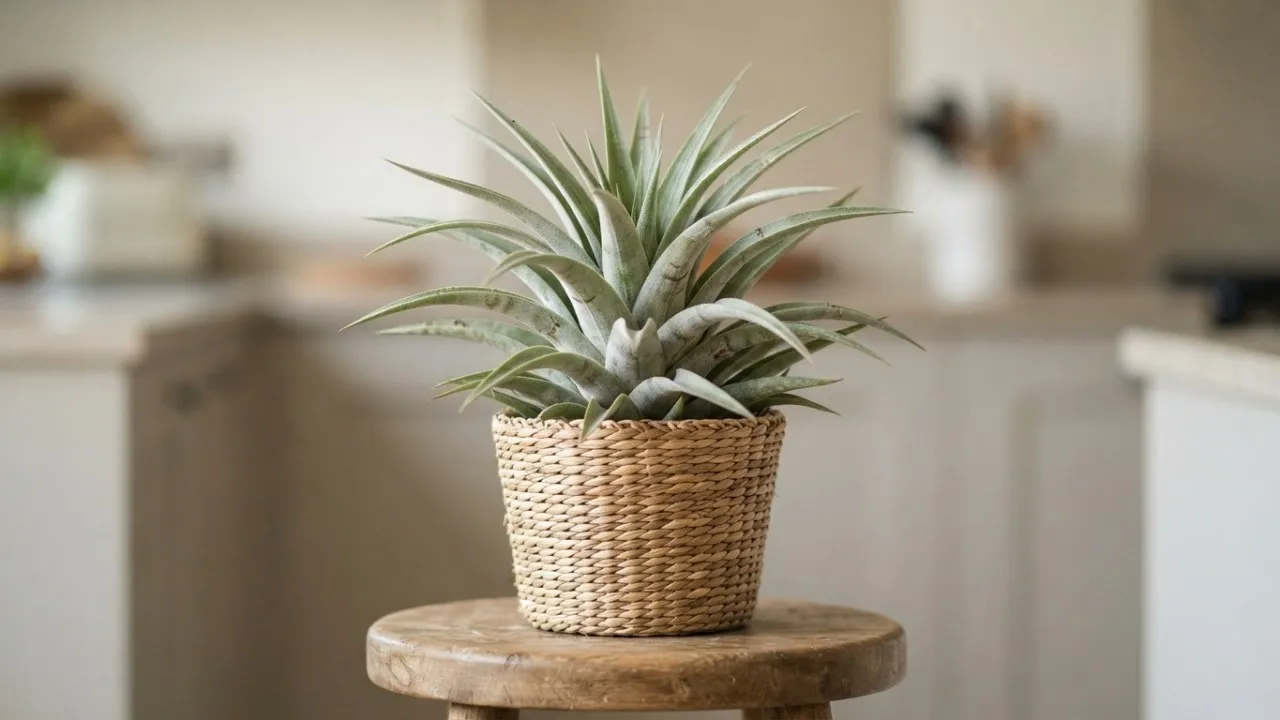 Every 4 days
 Air Plant
Tillandsia ionantha

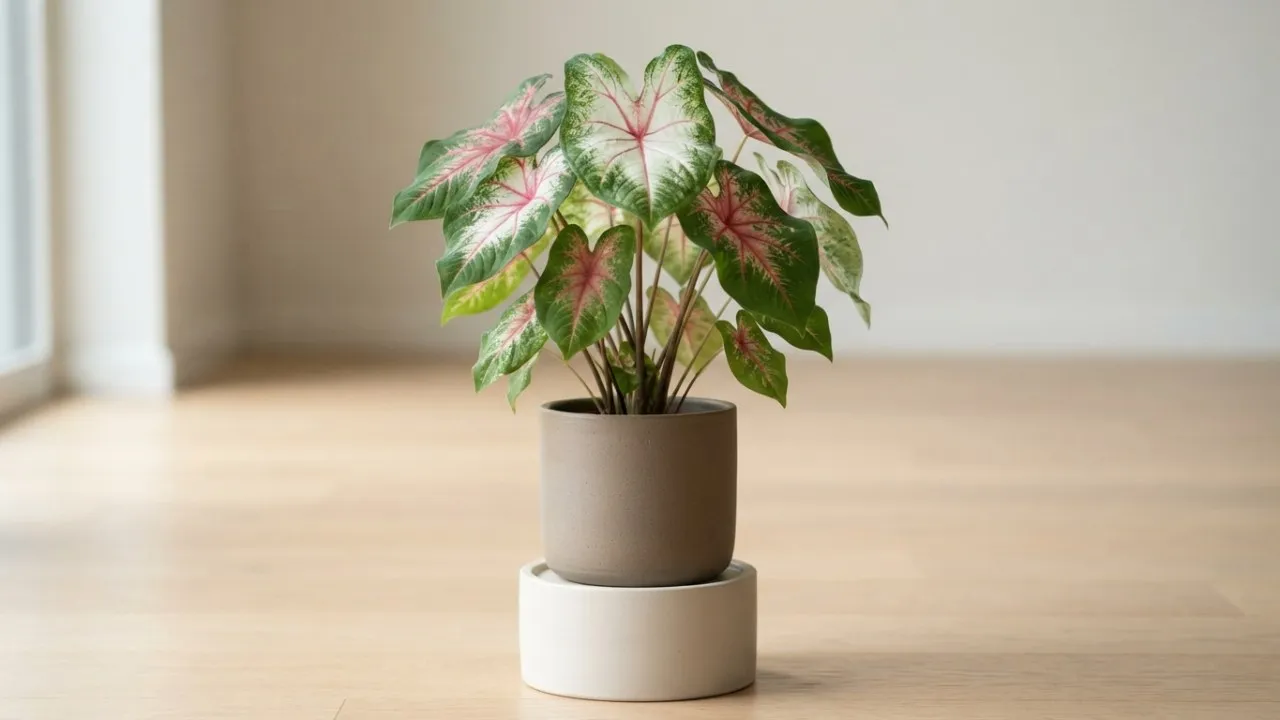 Every 3 days
 Angel Wings
Caladium bicolor
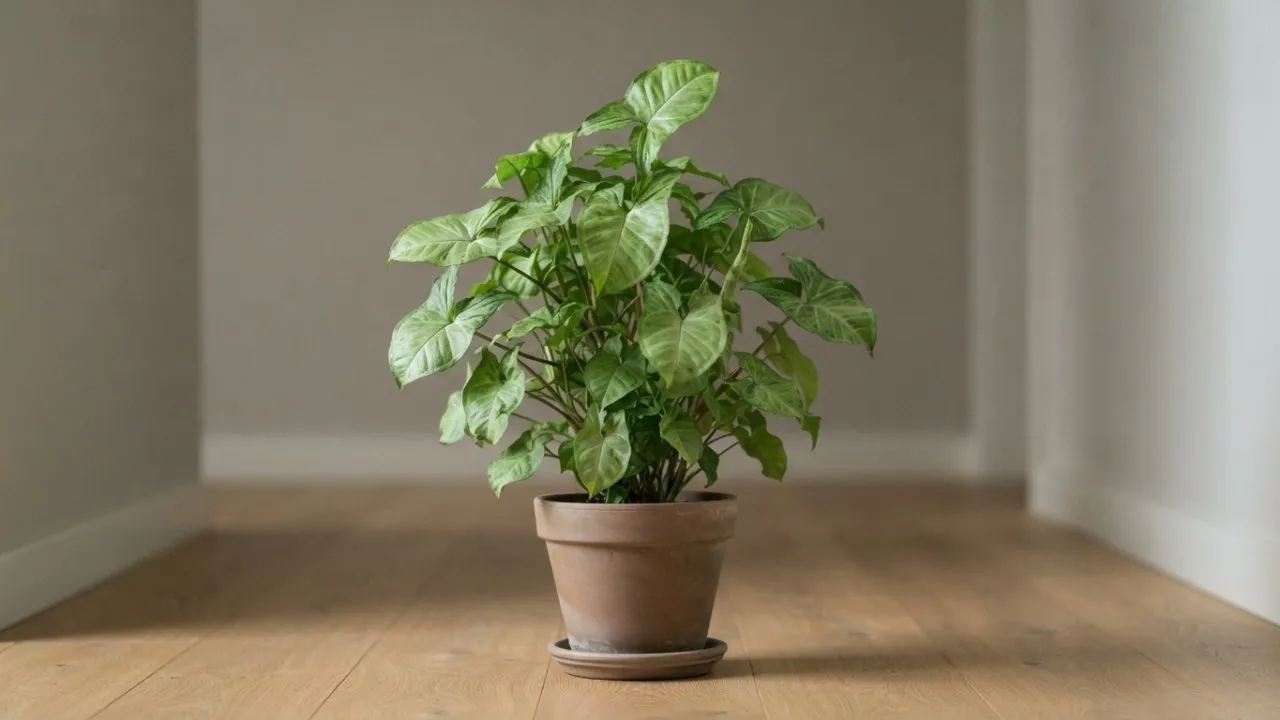 Every 7 days
 Arrowhead Plant
Syngonium podophyllum
 Every 10 days
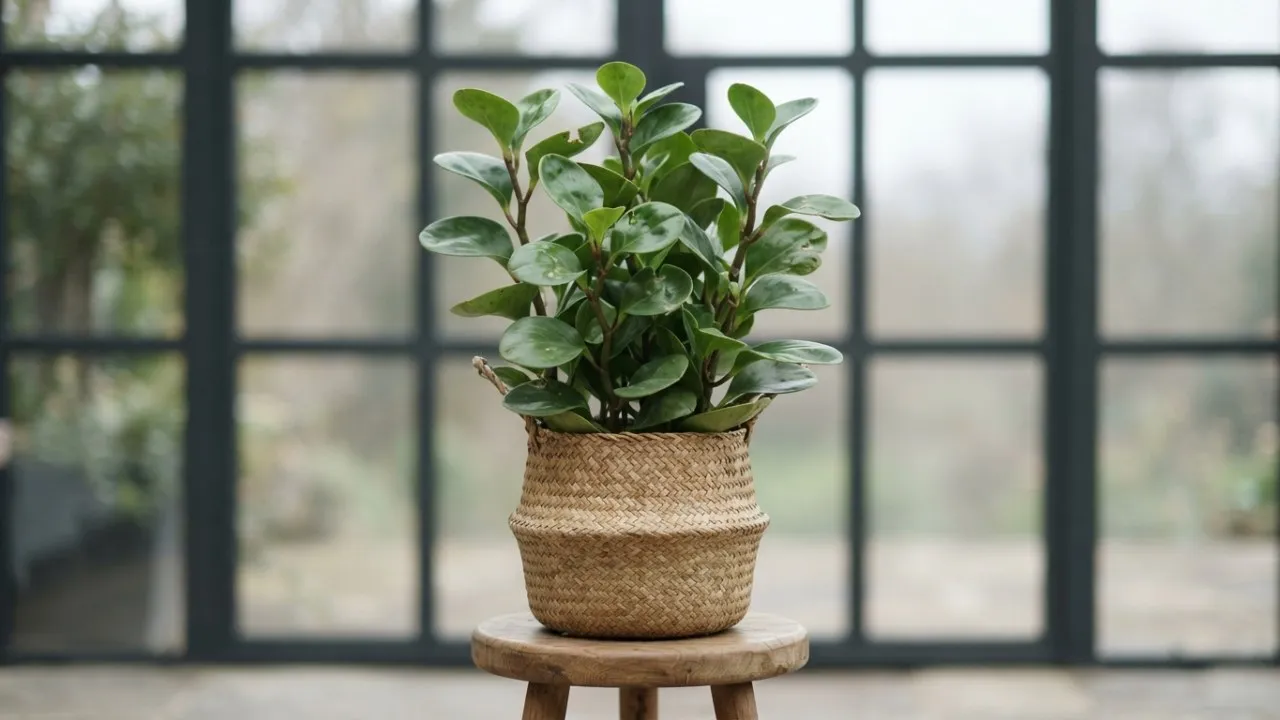
 Baby Rubber Plant
Peperomia obtusifolia