
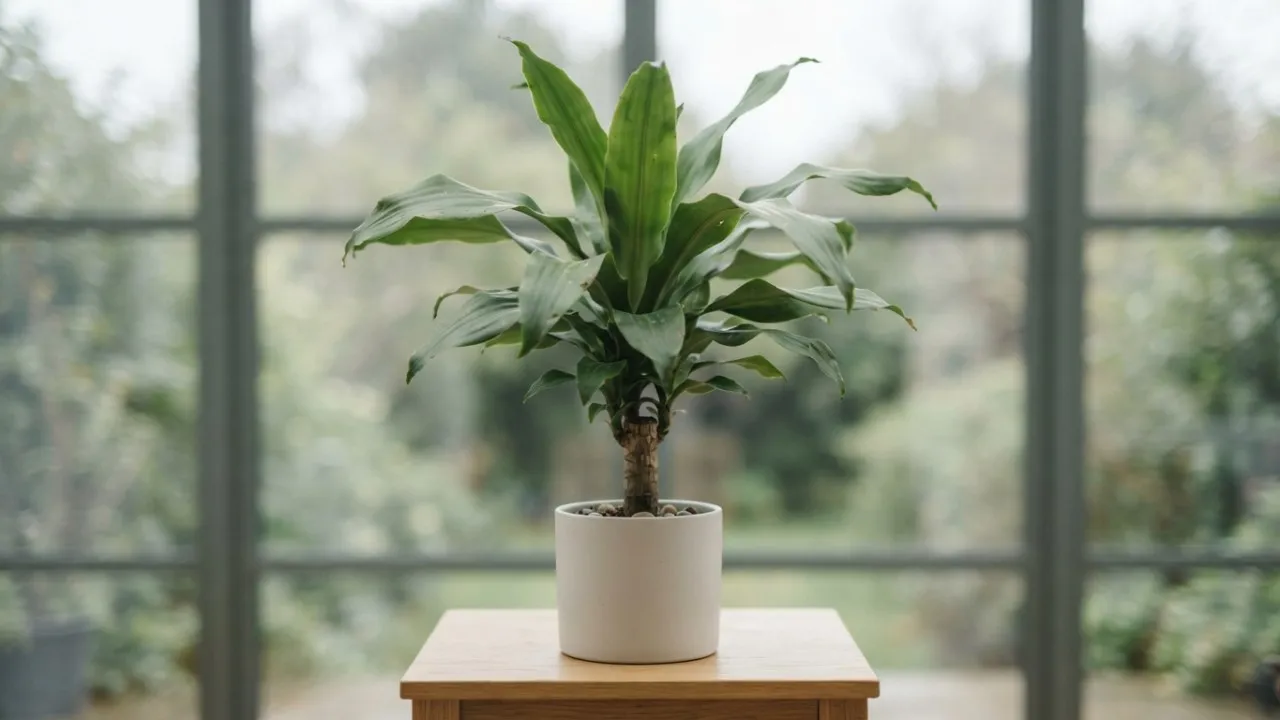
Corn Plant
Dracaena fragrans
A tall upright shrub with strap-like leaves often edged in yellow or lime green, the corn plant is a timeless indoor classic.
The essentials at a glance
-
Watering
Every 10 days
-
Light
Medium light
-
Humidity
40–50 %
-
Temperature
16–27 °C


How to care for your Corn Plant
Everything you need to keep your Corn Plant healthy: watering, light, humidity, feeding, repotting and pruning.
Dracaena fragrans is native to the tropical forests of Africa, from Ethiopia to Mozambique. Its long arching leaves, reaching up to 60 cm in length, grow in rosettes atop woody canes, evoking the silhouette of a small palm tree. The 'Massangeana' cultivar, with its central yellow stripe, has been one of the most popular interior decoration plants since the 1970s. Remarkably tolerant of low light and missed waterings, it is a perfect plant for offices and dimly lit spaces.

Watering your Corn Plant
Every 10 days
Allow the top half of the soil to dry before watering. Water thoroughly but infrequently. Very sensitive to fluoride — use filtered or distilled water if possible.
How to know it needs water
- Top half of the soil feels dry
- Leaf tips turn brown (often from fluoride in tap water)
- Leaves droop slightly when thirsty

How much light a Corn Plant needs
Medium light
Medium to bright indirect light. Tolerates low light well but growth slows. Variegated types need more light. Avoid direct sun which scorches leaves.
- Direct sun tolerated
- No direct sun
- Orientations that suit it
- North, North-east, East, North-west, West, South-east, South-west

Humidity and misting
40–50 %
40–50% Tolerates average household humidity. Occasional misting or wiping leaves helps keep them glossy. Avoid excessive moisture on the cane/trunk.

Feeding and fertiliser
Every 30 days
Feed monthly in spring and summer at half strength. Do not over-fertilize as this can cause leaf tip burn. Avoid fluoride-containing fertilizers.
- Recommended feed
- Balanced liquid fertilizer (10-10-10), low in fluoride and superphosphate · 2-1-2

Repotting your Corn Plant
Every 24 months
Use a well-draining potting mix. Increase pot size by 3–5 cm. Handle the heavy cane carefully. Dracaenas can be kept in the same pot longer by top-dressing with fresh soil.
- When
- Spring
- Potting mix
- All-purpose potting mix
- Mix in
- perlite, coco fibre, pine bark
The tell-tale signs
- Roots circling the bottom of the pot
- Growth stops or slows significantly
- Water runs straight through without absorbing

Pruning your Corn Plant
When the plant becomes too tall or looks bare at the bottom. Cut the cane at any height — new growth will sprout just below the cut. The cut top section can be rooted in water or soil to create a new plant. Old cane sections also propagate.

Through the year
Watering is not set once and for all: it follows the light and the growth. Allow 12 days between waterings in the depth of winter, against 8 in the growing season.
- 12 J
- 11 F
- 9 M
- 8 A
- 8 M
- 8 J
- 8 J
- 8 A
- 9 S
- 10 O
- 11 N
- 12 D
Active growth · Days between waterings

Toxicity
Toxic to cats and dogs. Ingestion causes vomiting (sometimes with blood), depression, anorexia, and excessive salivation. Not toxic to humans.

Good to know
- The corn plant gets its scientific name 'fragrans' from its intensely fragrant flowers, though it very rarely blooms indoors — an event considered exceptional.
- Some Dracaena fragrans specimens can live over 100 years in their native tropical African habitat.

Frequently asked questions about the Corn Plant
How do you care for a Corn Plant?
Water it every 10 days. Give it medium light. Ideal humidity: 40–50 %. Ideal temperature: 16–27 °C. Allow the top half of the soil to dry before watering. Water thoroughly but infrequently. Very sensitive to fluoride — use filtered or distilled water if possible.
How often should you water a Corn Plant?
Every 10 days Allow the top half of the soil to dry before watering. Water thoroughly but infrequently. Very sensitive to fluoride — use filtered or distilled water if possible. How to know it needs water : Top half of the soil feels dry ; Leaf tips turn brown (often from fluoride in tap water) ; Leaves droop slightly when thirsty.
How much light does a Corn Plant need?
Medium light Medium to bright indirect light. Tolerates low light well but growth slows. Variegated types need more light. Avoid direct sun which scorches leaves. No direct sun
Is the Corn Plant toxic to cats and dogs?
Yes. Toxic to cats and dogs. Ingestion causes vomiting (sometimes with blood), depression, anorexia, and excessive salivation. Not toxic to humans. Keep it out of reach of your pets and call a vet if any is swallowed.
Why are my Corn Plant leaves turning yellow?
Yellowing most often comes from too much water: the mix stays wet and the roots suffocate. Check that the pot drains, empty the saucer, and let the mix dry before watering again. Too little light or a cold draught cause the same symptom.
When should you repot a Corn Plant?
Repot every 24 months, ideally in spring. Use a well-draining potting mix. Increase pot size by 3–5 cm. Handle the heavy cane carefully. Dracaenas can be kept in the same pot longer by top-dressing with fresh soil.

At a glance
- Family
- Asparagaceae
- Category
- Tropical
- Placement
- Indoor
- Mature height
- 1.8 m
- Growth
- Moderate
- Temperature
- 16–27 °C
- Pot materials
- terracotta, ceramic, plastic
- Growth
- Reaches maturity in 5 years
These figures are for an average plant. In the app they are recalculated for yours, based on your room, its orientation and the season.
And for your plant, in your home?
In the app this plant becomes yours: a watering schedule tuned to your home, health tracking from photos, and reminders at the right moment.
In the same spirit
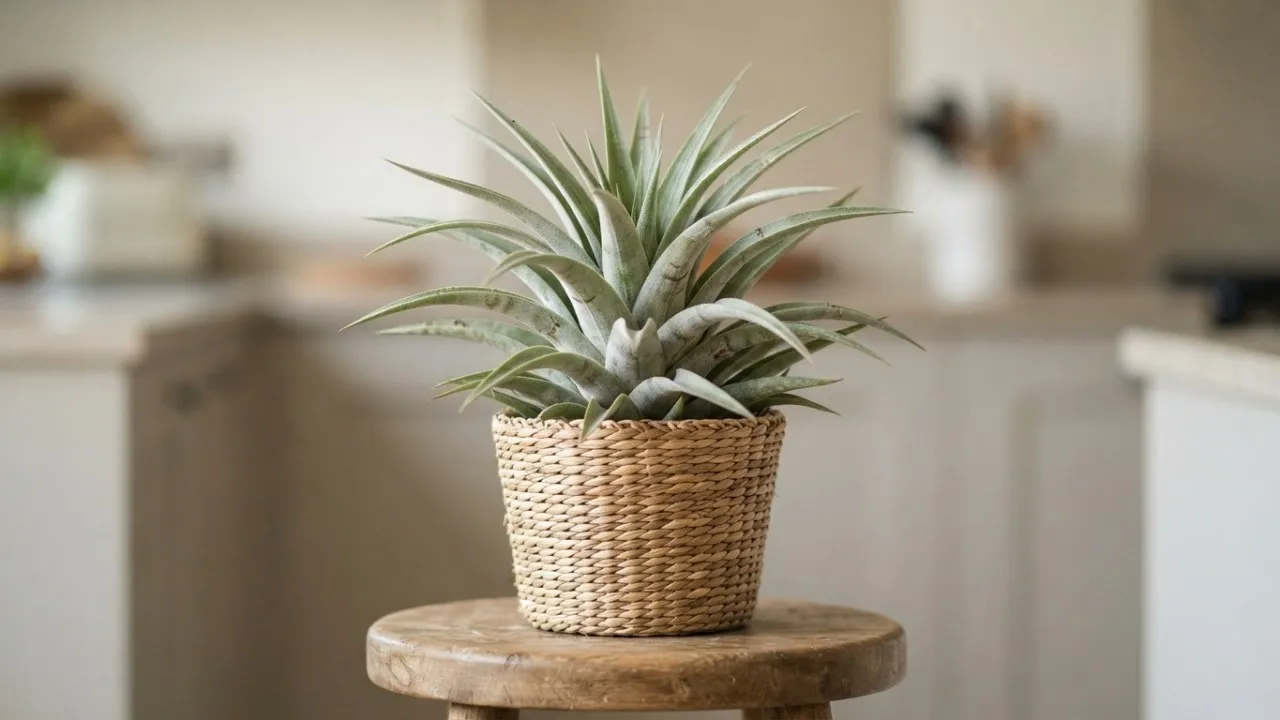 Every 4 days
 Air Plant
Tillandsia ionantha

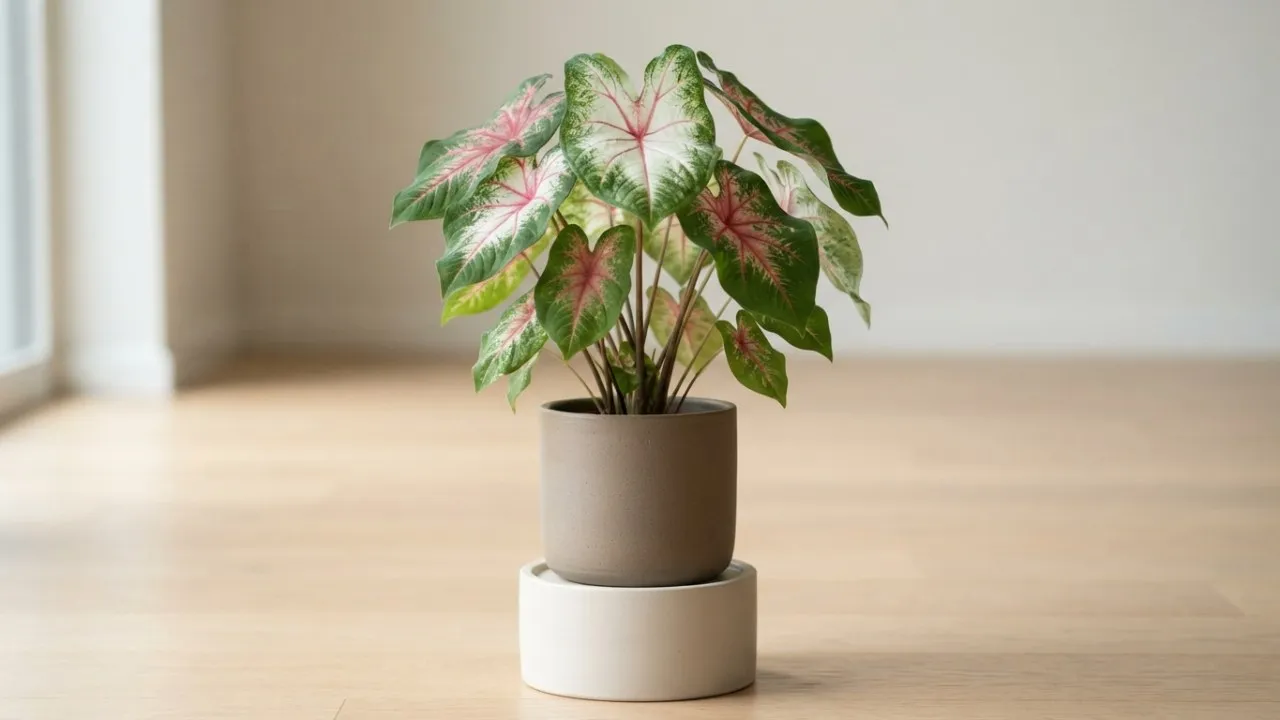 Every 3 days
 Angel Wings
Caladium bicolor
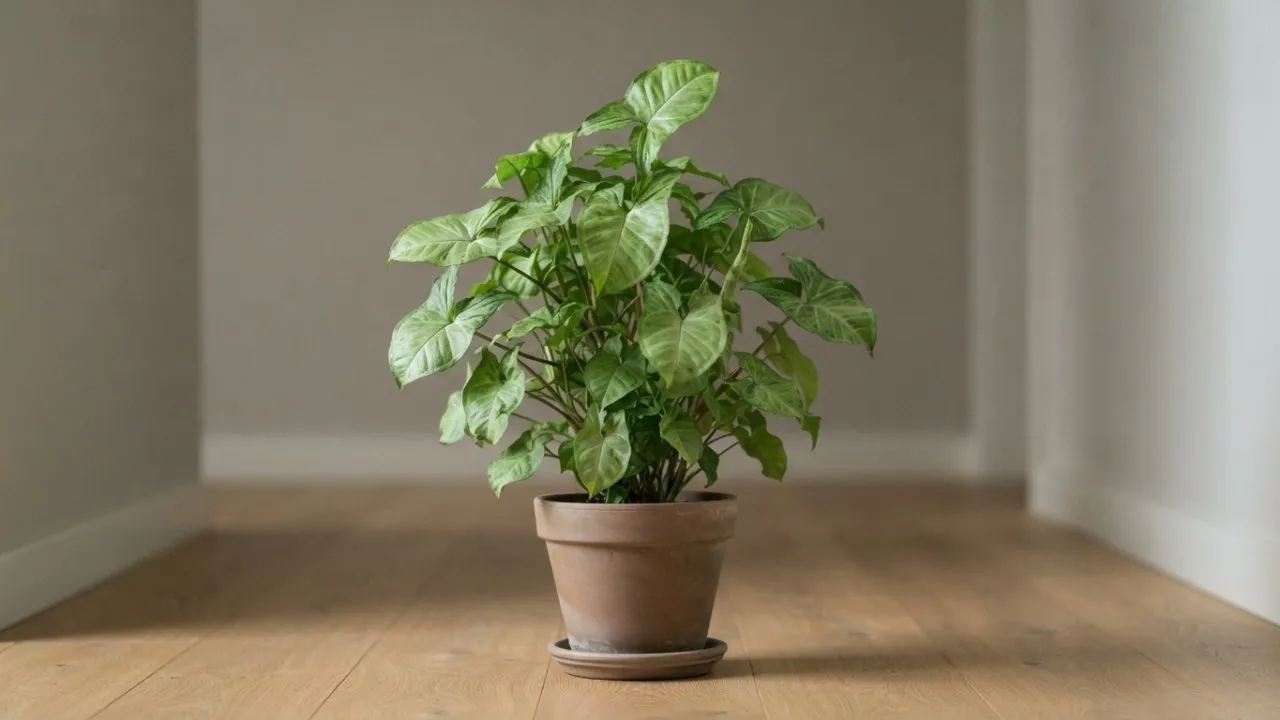 Every 7 days
 Arrowhead Plant
Syngonium podophyllum
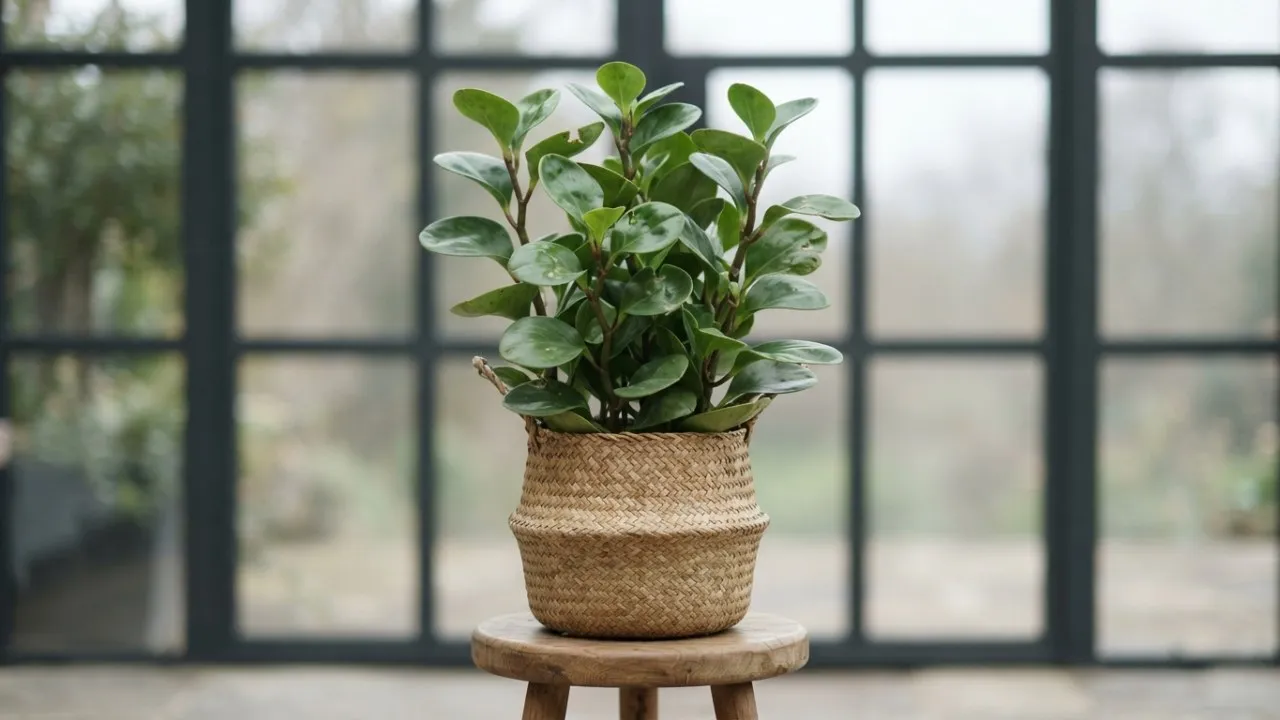 Every 10 days
 Baby Rubber Plant
Peperomia obtusifolia