
Tropical · Asparagaceae
Cabbage Tree
Cordyline australis
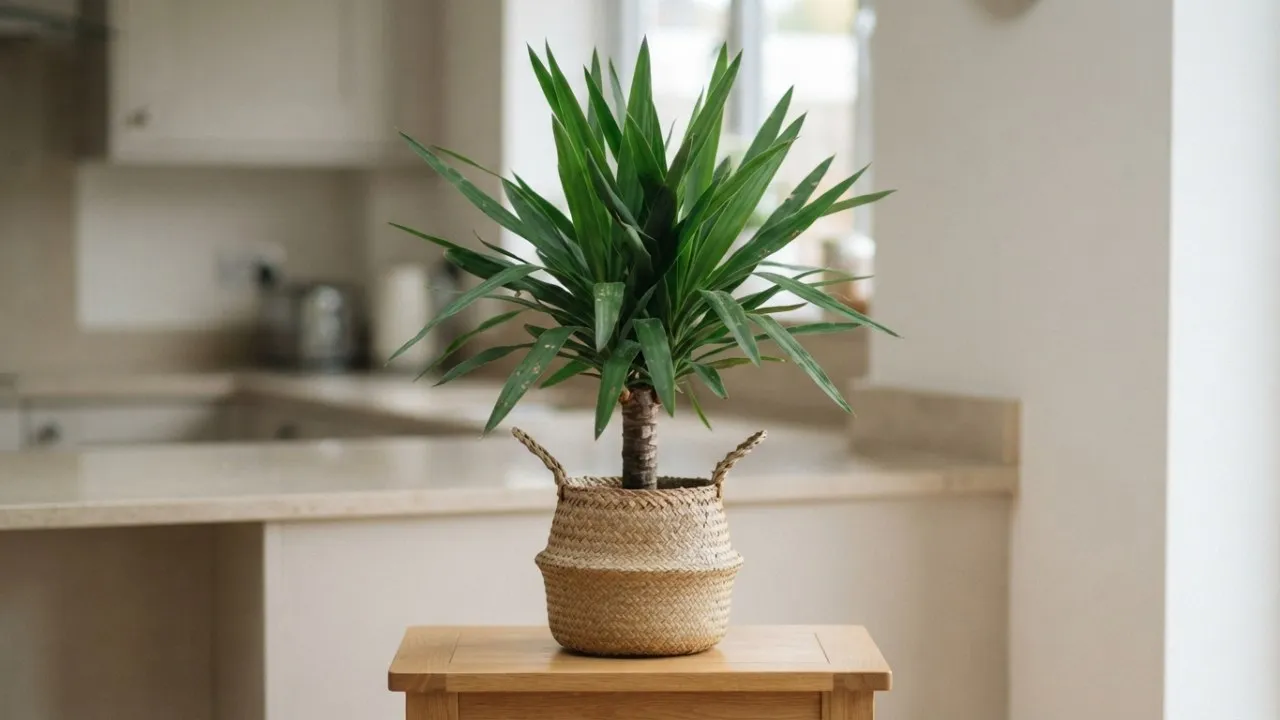
A distinctive tree-like plant with long, sword-shaped leaves, often forming a multi-stemmed trunk.
- Every 6 daysWatering
- Full sunLight
- 50–70 %Humidity


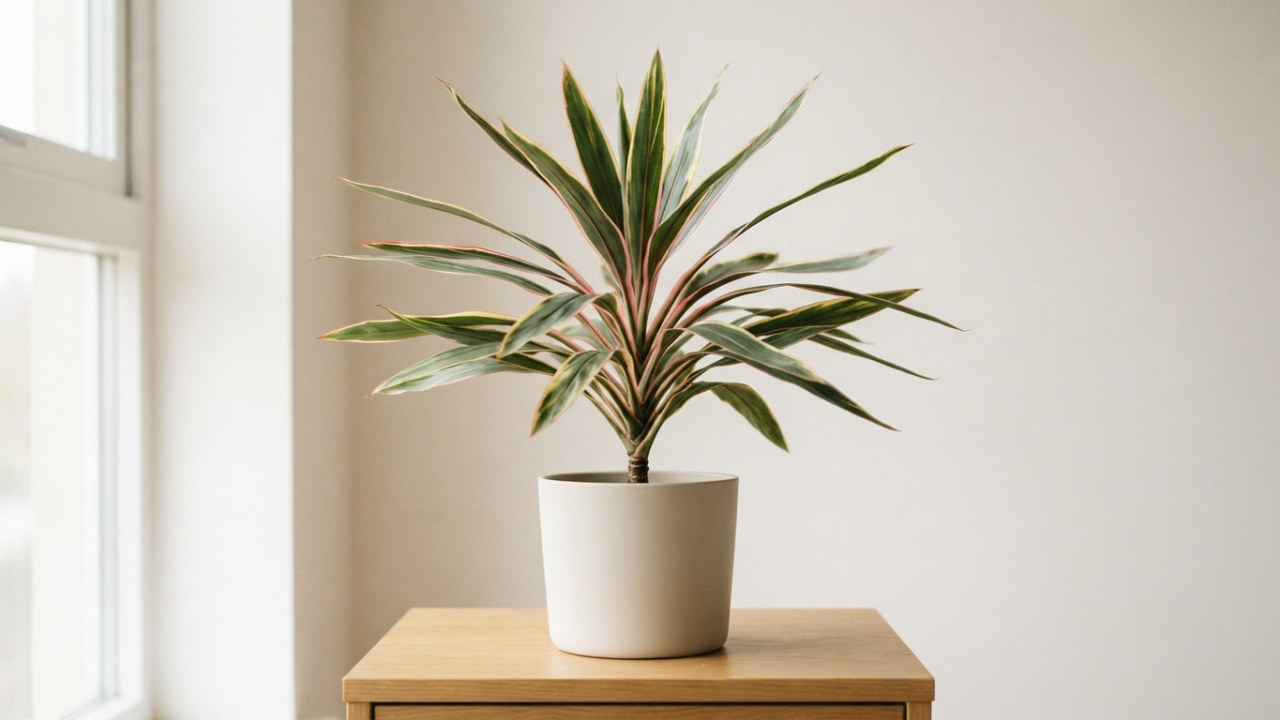
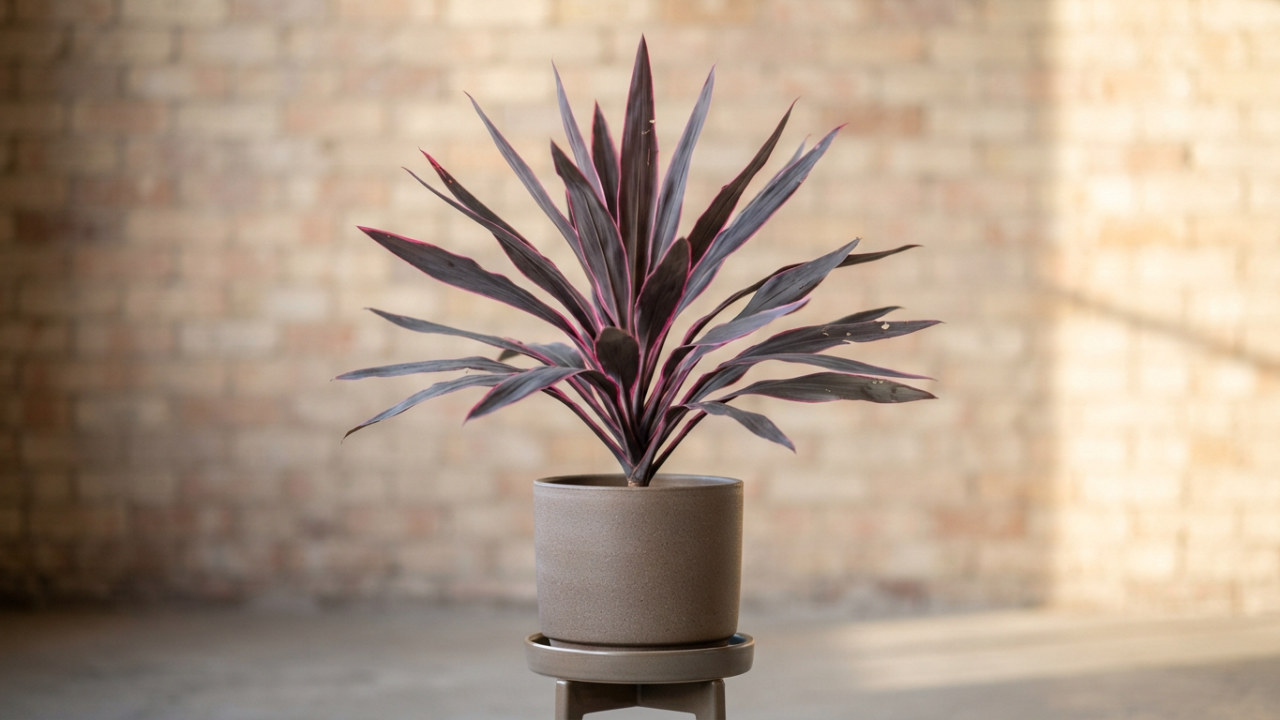
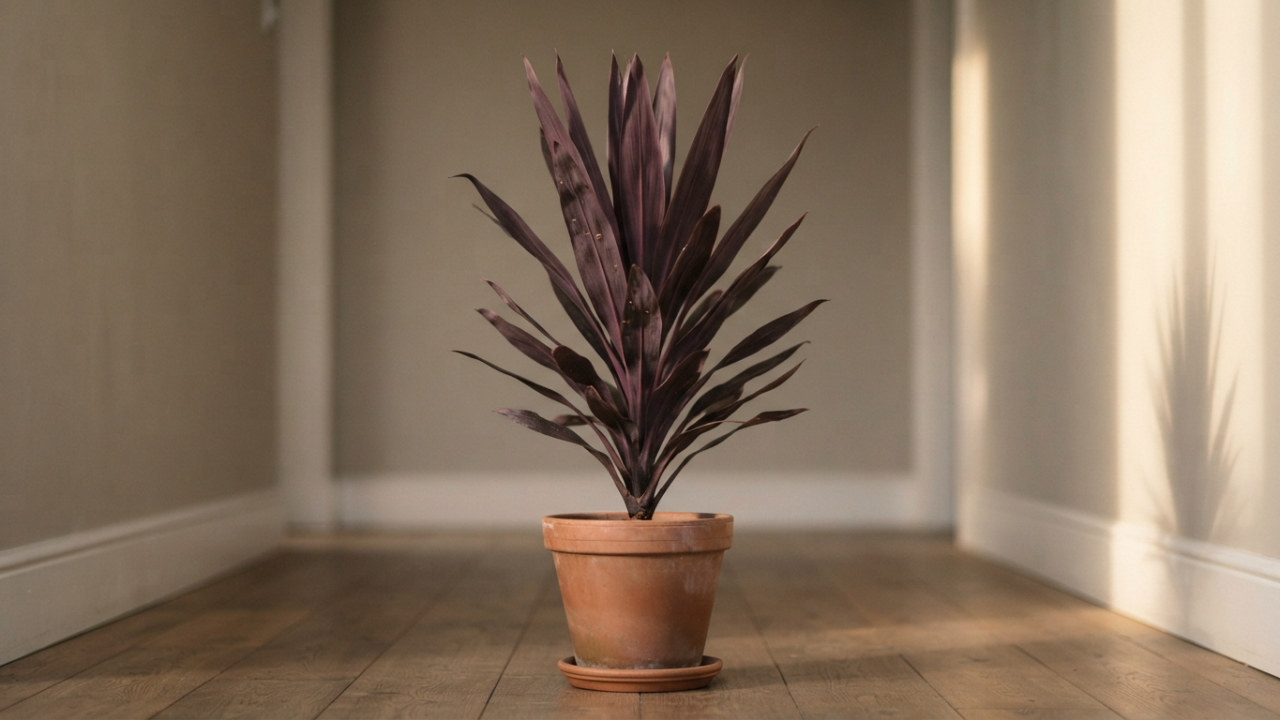
Its varieties 7
How to care for your Cabbage Tree
Everything you need to keep your Cabbage Tree healthy: watering, light, humidity, feeding, repotting and pruning.
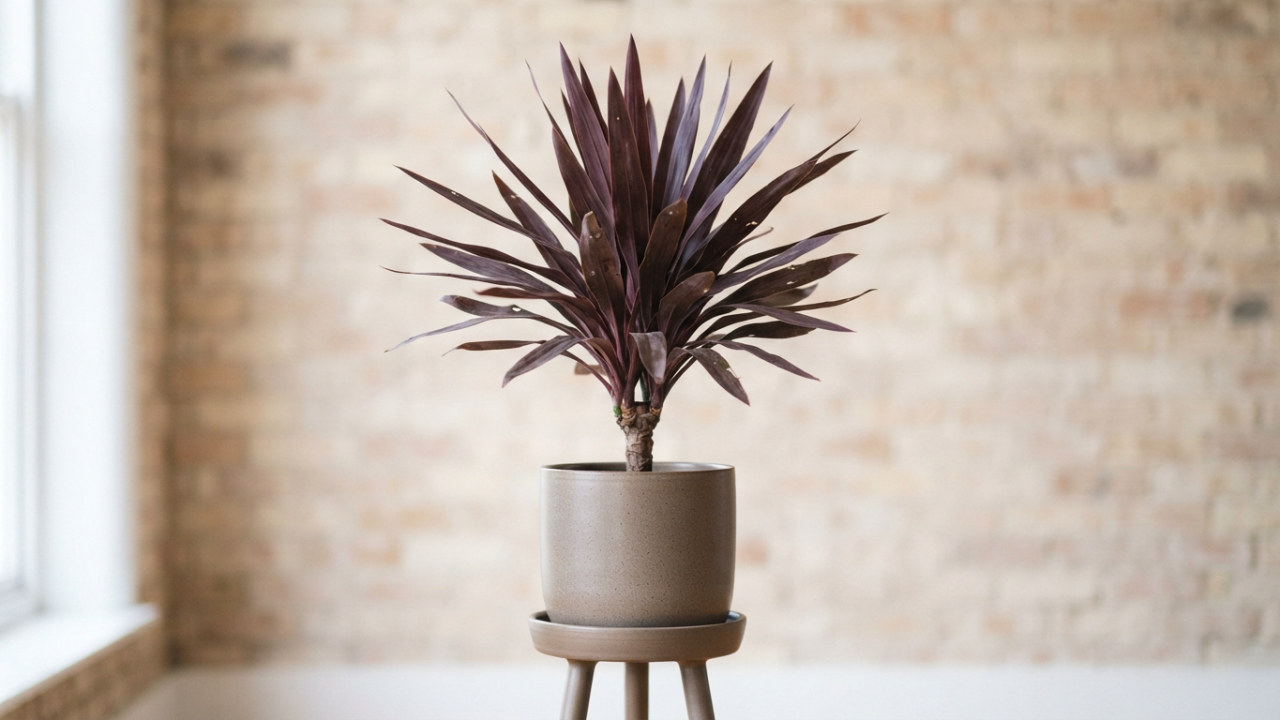
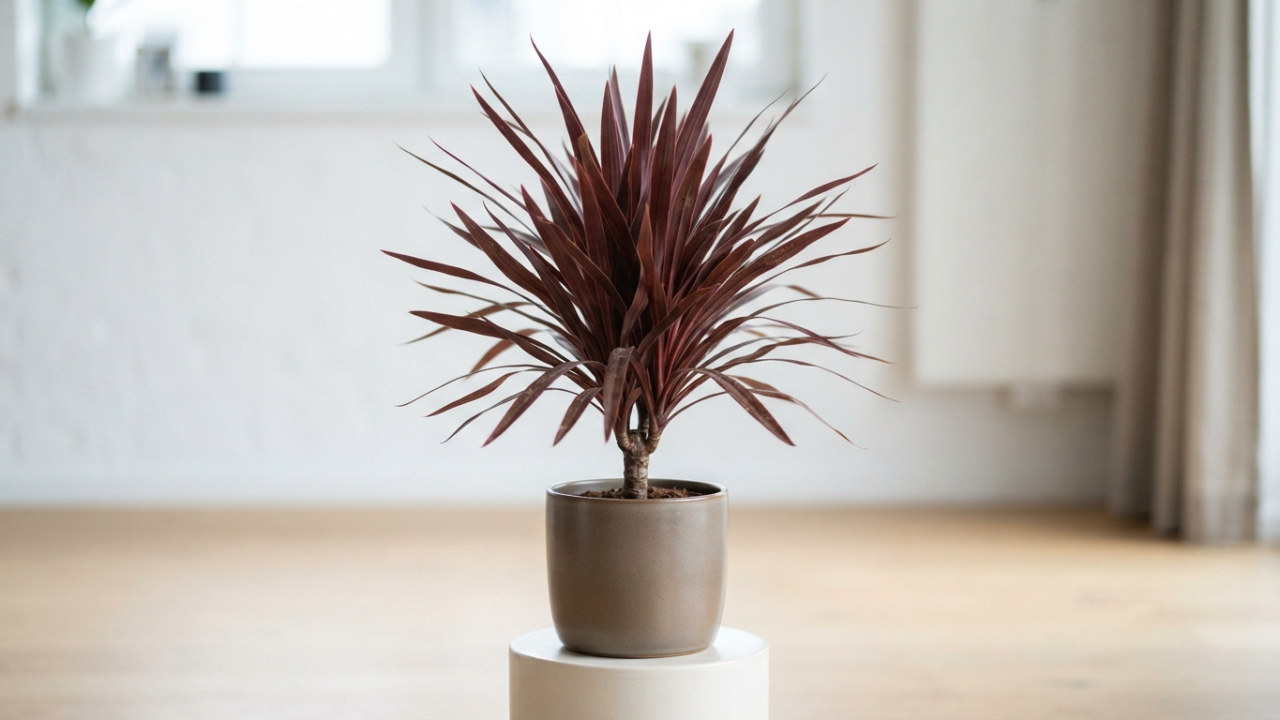
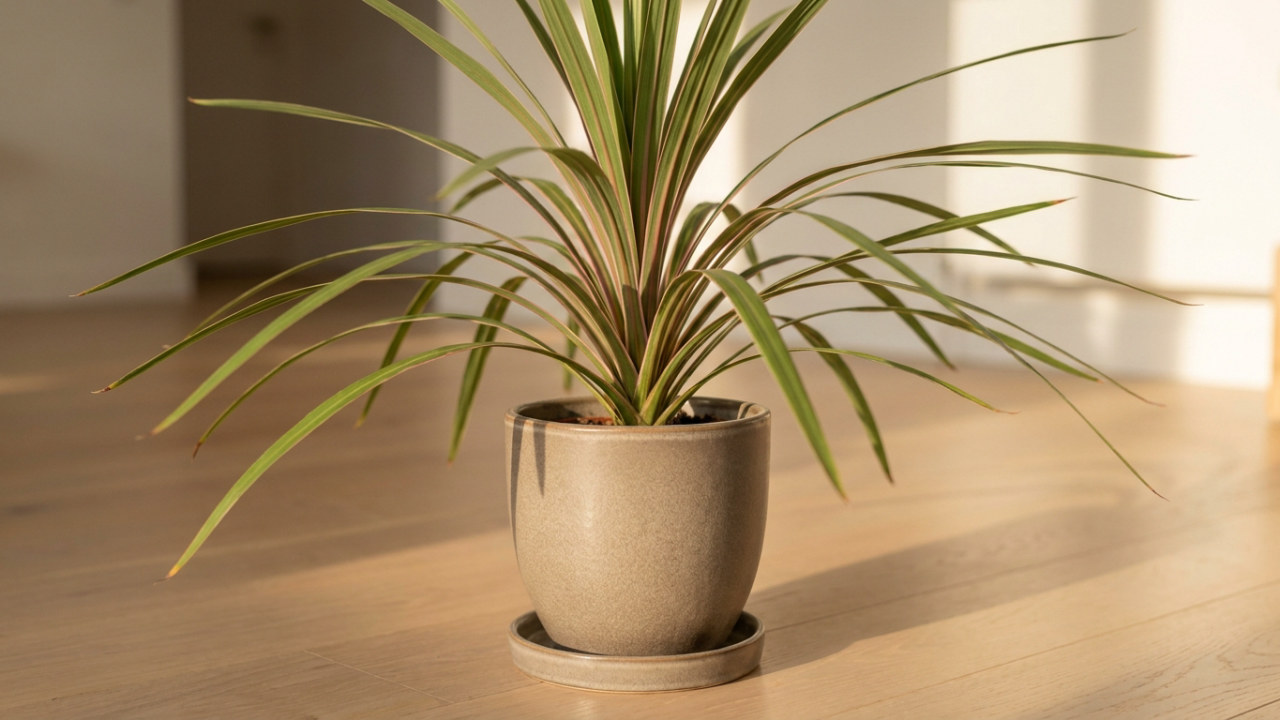
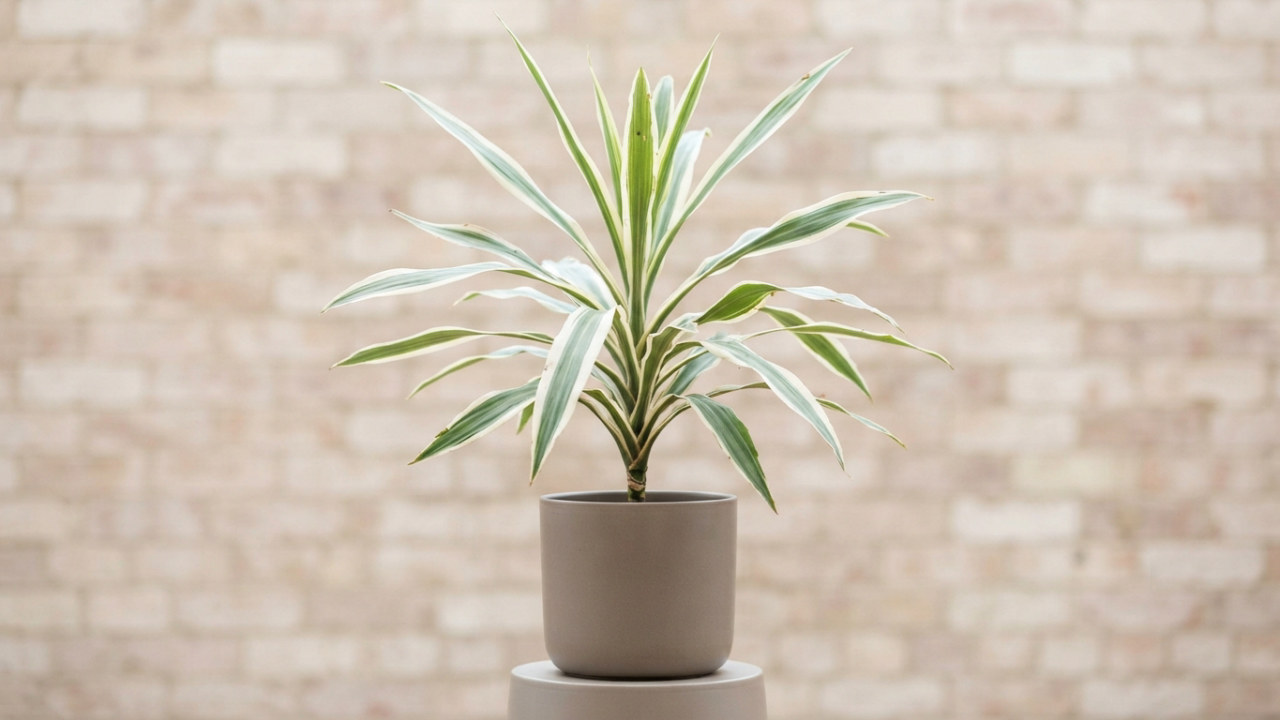
The Cabbage Tree is a versatile, palm-like plant that can eventually grow into a small tree. It features strap-like leaves that form rosettes at the ends of its branches. Available in various colors, from green to bronze and purple, it adds architectural interest to gardens. It thrives in full sun to partial shade and well-drained soil. Once established it is hardy to about -8 °C, but young plants and potted ones are more tender. In a pot, tie the leaves together, wrap the crown in fleece and lift the pot off the ground during hard frosts.

How to recognise Cabbage Tree
Long, stiff, sword-shaped leaves with parallel veins and no obvious midrib form dense rosettes at the tips of the branches, atop a rough, corky trunk that thickens with age. Phormium (New Zealand flax) has no trunk and its leaves rise in a fan from the base, while yucca has shorter leaves ending in a sharp spine.

Watering your Cabbage Tree
Every 6 days
Water when the top 2 to 3 cm of soil are dry, about every 6 days in the growing season. At rest in winter, water less, about every 2 weeks. Pot-grown plants dry out faster than those in the ground.
How to know it needs water
- Top 2 to 3 cm of soil dry
- Leaves start to droop

How much light a Cabbage Tree needs
Full sun
Full sun to partial shade.
- Direct sun tolerated
- 6 to 12 h a day
- Orientations that suit it
- North, North-east, East, South-east, South, South-west, West, North-west

Humidity and misting
50–70 %
Moderate (50 to 70 %) Not needed, as the plant lives outdoors.

Feeding and fertiliser
Every 28 days
Apply about every 4 weeks from April to August; avoid excessive nitrogen which can make it leggy.
- Recommended feed
- Balanced slow-release fertilizer · 3-1-2

Repotting your Cabbage Tree
Every 36 months
Carefully lift and repot every 3 years into a larger container with well-draining soil.
- When
- Spring
- Potting mix
- All-purpose potting mix
- Mix in
- perlite, pine bark, coco fibre
The tell-tale signs
- Roots circling the pot
- Stunted growth or nutrient deficiency

Pruning your Cabbage Tree
In spring, as needed. Remove dead or damaged lower leaves; cut back stems to encourage branching.

Through the year
Watering is not set once and for all: it follows the light and the growth. Allow 10 days between waterings in the depth of winter, against 5 in the growing season.
- 9 J
- 7 F
- 5 M
- 5 A
- 5 M
- 5 J
- 5 J
- 5 A
- 5 S
- 6 O
- 8 N
- 10 D
Active growth · Days between waterings

Toxicity
Toxic to cats and dogs: contains saponins that can cause vomiting, diarrhea and drooling if ingested. Not considered toxic to humans.

Good to know
- Native to New Zealand, forming an important part of its natural landscape.
- Its English name comes from the cabbage-like taste of its young shoots, which the Maori ate.
- Mature plants carry large panicles of fragrant creamy-white flowers in early summer.

Frequently asked questions about the Cabbage Tree
How do you care for a Cabbage Tree?
Water it every 6 days. Give it full sun. Ideal humidity: 50–70 %. Water when the top 2 to 3 cm of soil are dry, about every 6 days in the growing season. At rest in winter, water less, about every 2 weeks. Pot-grown plants dry out faster than those in the ground.
How often should you water a Cabbage Tree?
Every 6 days Water when the top 2 to 3 cm of soil are dry, about every 6 days in the growing season. At rest in winter, water less, about every 2 weeks. Pot-grown plants dry out faster than those in the ground. How to know it needs water : Top 2 to 3 cm of soil dry ; Leaves start to droop.
How much light does a Cabbage Tree need?
Full sun Full sun to partial shade. 6 to 12 h a day
Is the Cabbage Tree toxic to cats and dogs?
Yes. Toxic to cats and dogs: contains saponins that can cause vomiting, diarrhea and drooling if ingested. Not considered toxic to humans. Keep it out of reach of your pets and call a vet if any is swallowed.
Why are my Cabbage Tree leaves turning yellow?
Yellowing most often comes from too much water: the mix stays wet and the roots suffocate. Check that the pot drains, empty the saucer, and let the mix dry before watering again. Too little light or a cold draught cause the same symptom.
When should you repot a Cabbage Tree?
Repot every 36 months, ideally in spring. Carefully lift and repot every 3 years into a larger container with well-draining soil.

At a glance
- Family
- Asparagaceae
- Category
- Tropical
- Placement
- Outdoor
- Mature height
- 10 m
- Growth
- Moderate
- Pot materials
- terracotta, ceramic, plastic, wood
- Growth
- Reaches maturity in 10 years
These figures are for an average plant. In the app they are recalculated for yours, based on your room, its orientation and the season.
And for your plant, in your home?
In the app this plant becomes yours: a watering schedule tuned to your home, health tracking from photos, and reminders at the right moment.
In the same spirit
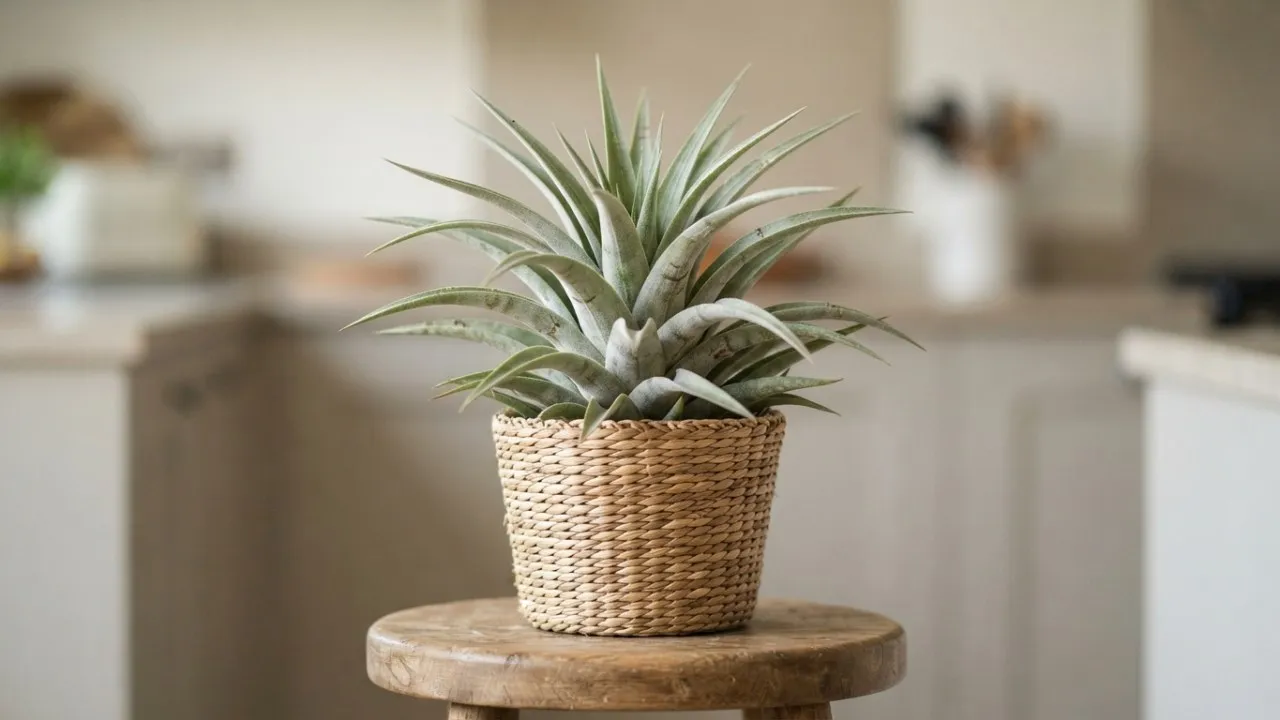 Every 7 days


Air Plant
Tillandsia ionantha

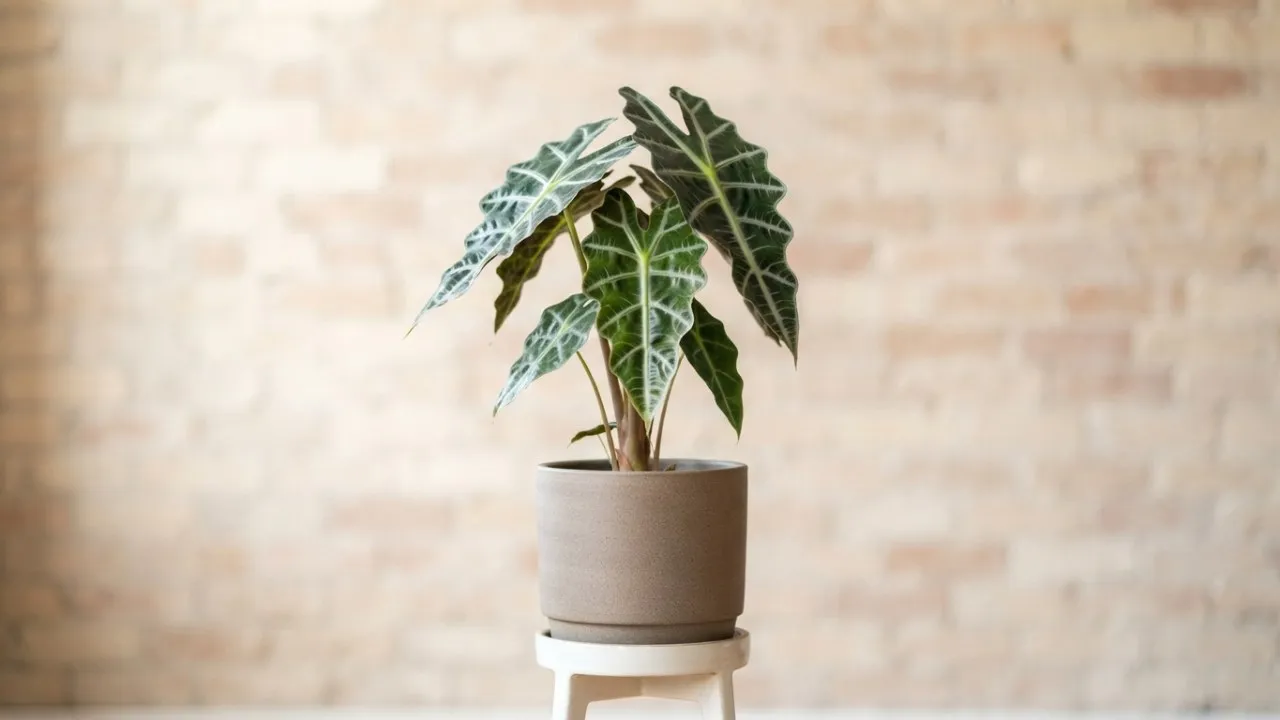 Every 6 days
Alocasia amazonica
Alocasia amazonica
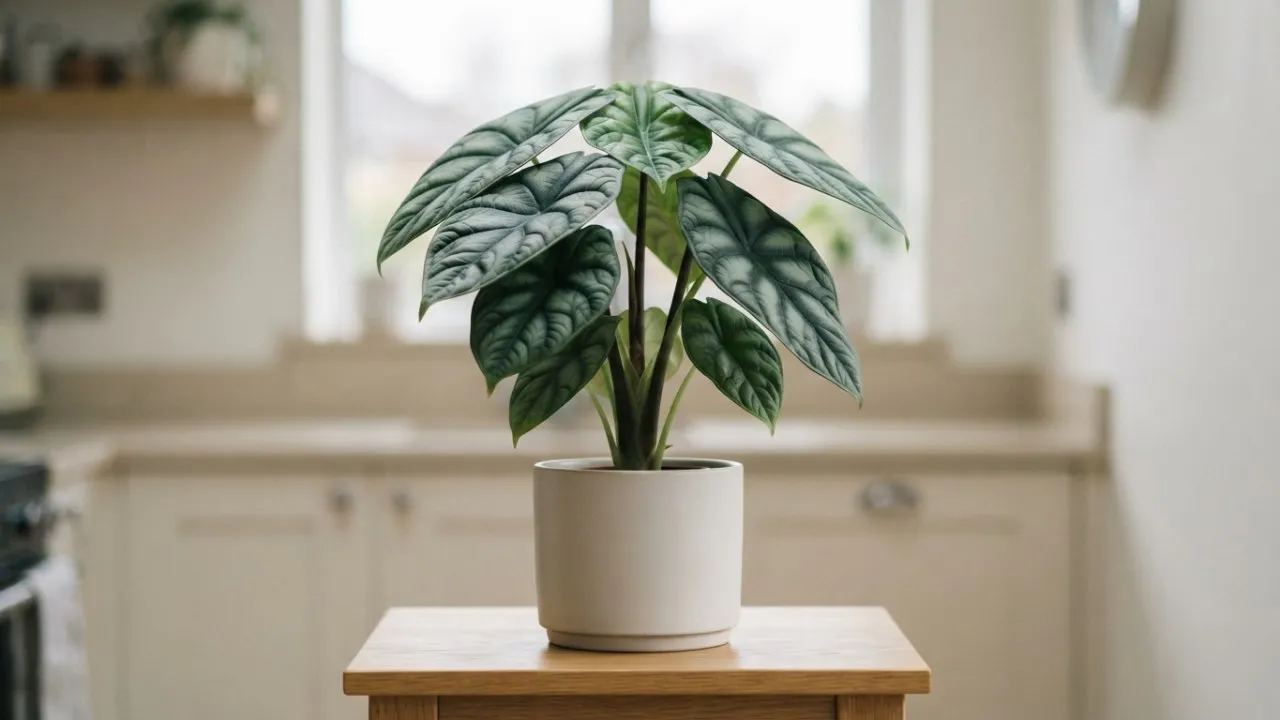 Every 7 days
Alocasia baginda
Alocasia baginda
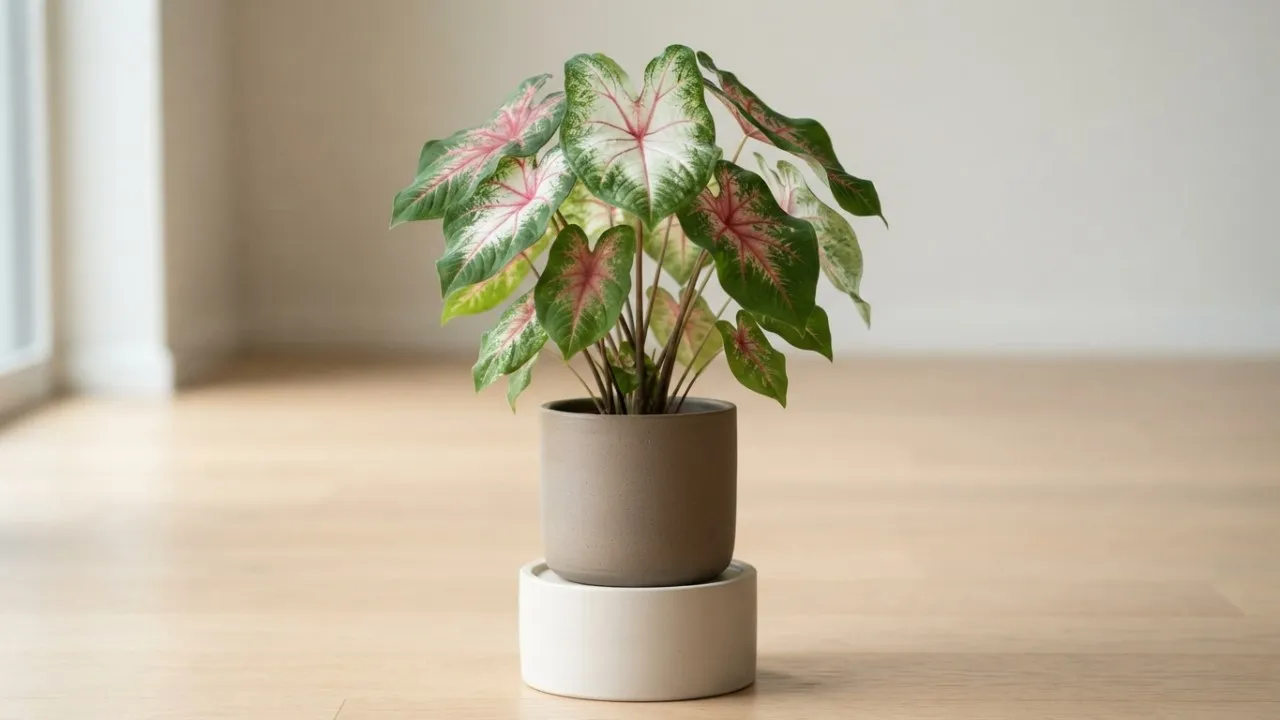 Every 4 days
Angel Wings
Caladium bicolor
