
Variety Tropical · Euphorbiaceae
Croton 'Dreadlocks'
Codiaeum variegatum 'Dreadlocks' · A variety of Croton
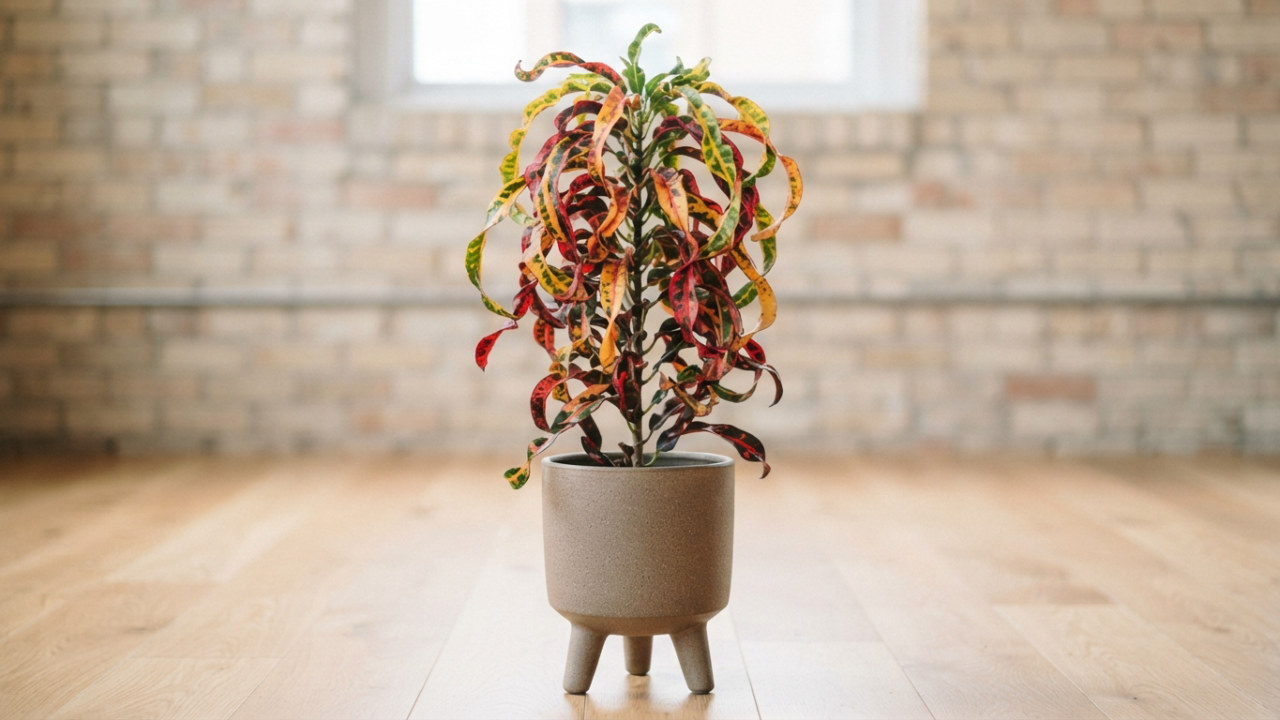
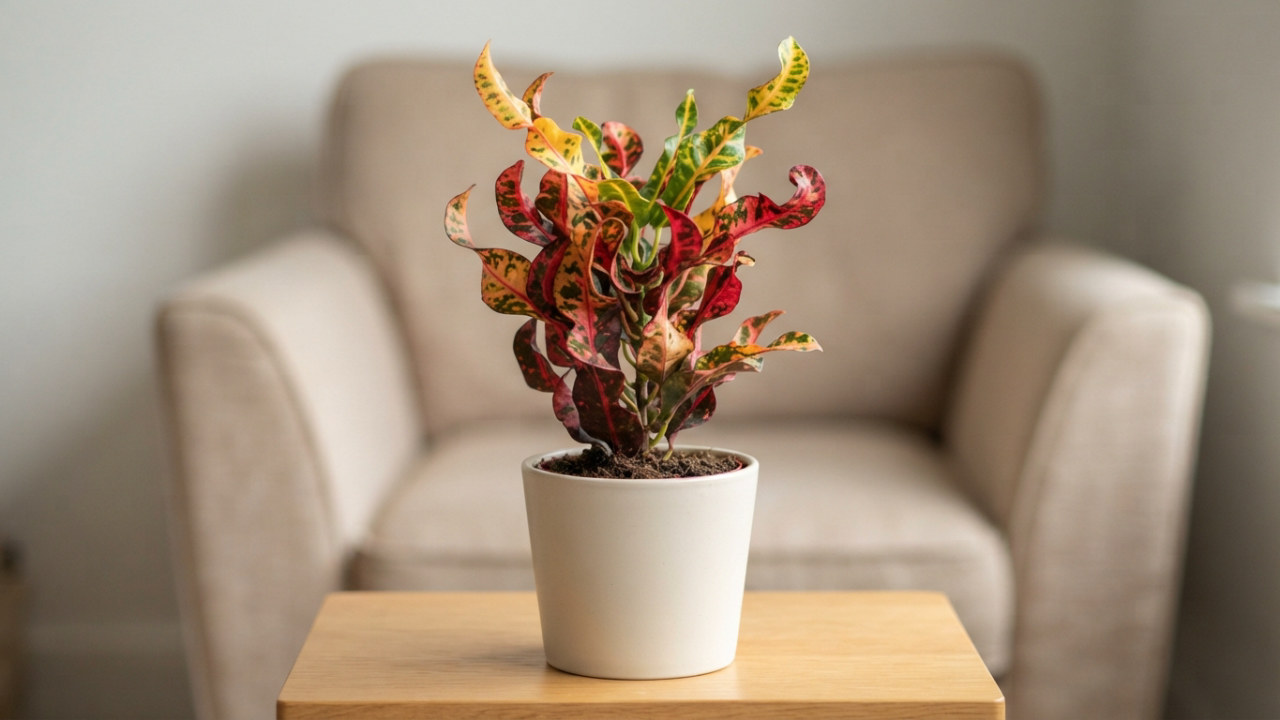
A slow, compact croton whose long narrow leaves twist like corkscrews and cascade in red, yellow, orange and green.
- Every 5 daysWatering
- Full sunLight
- 50–70 %Humidity
- 18–29 °CTemperature


Other varieties 10
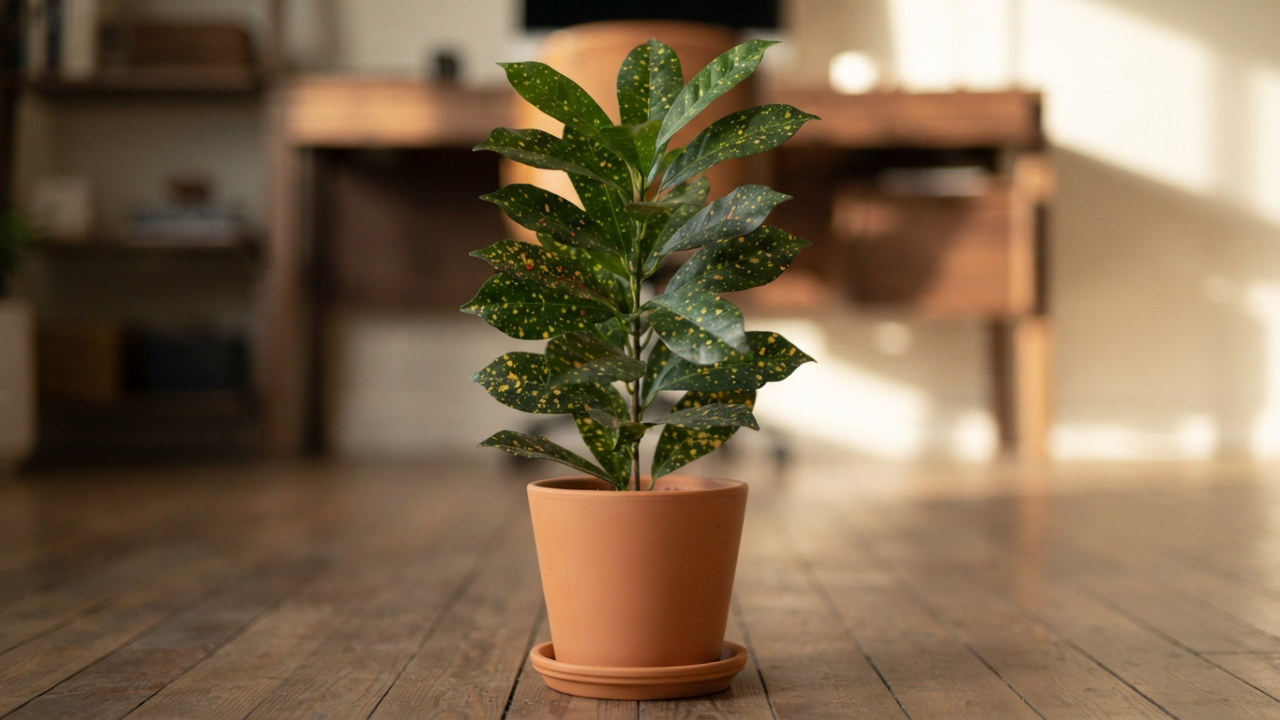
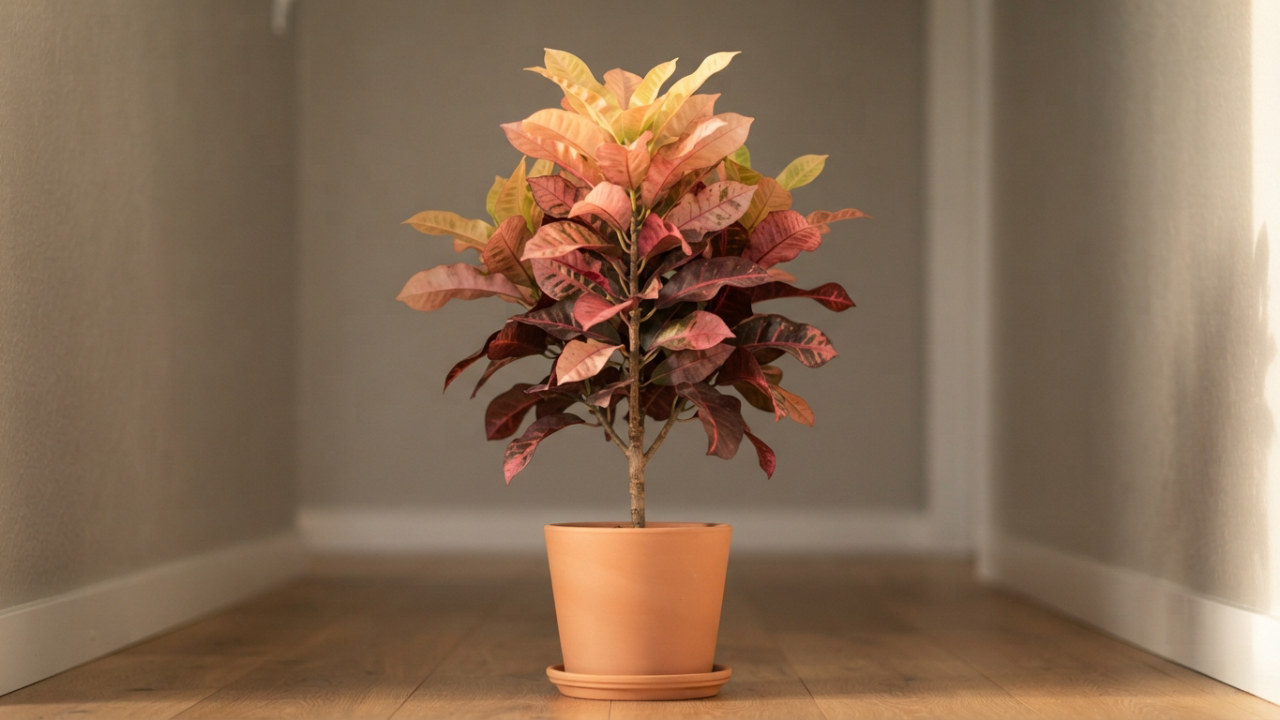
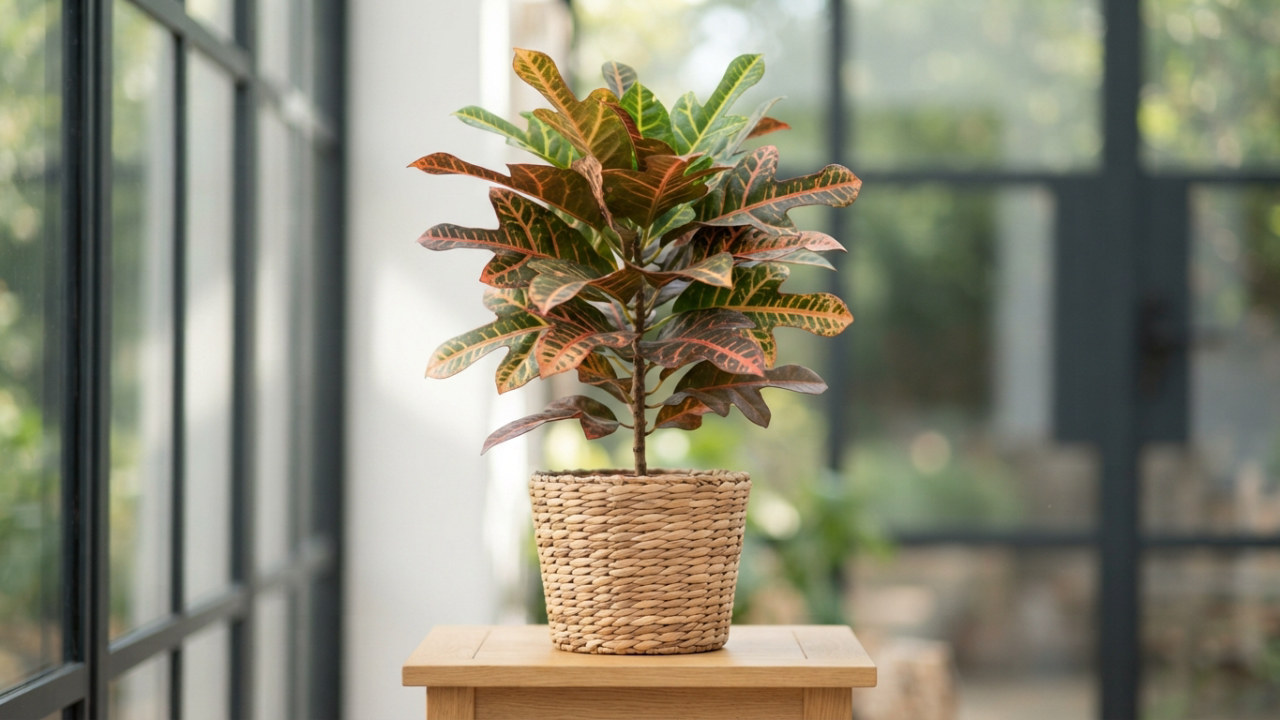
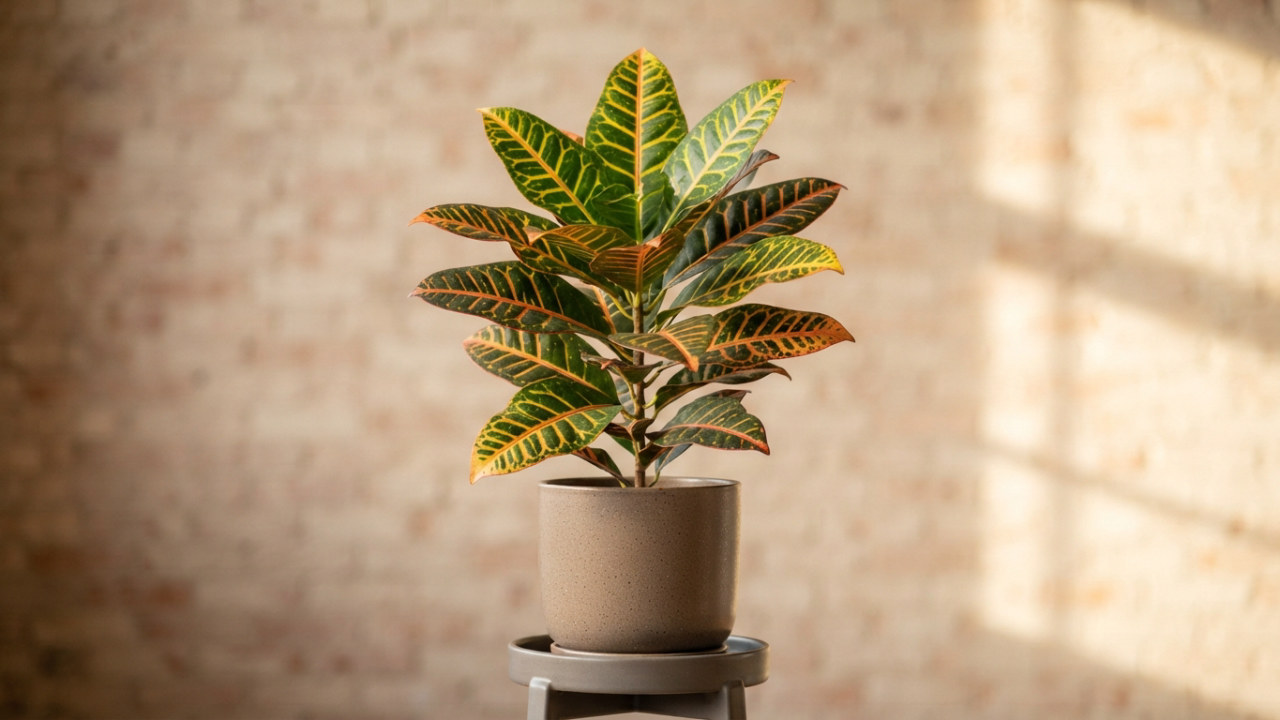
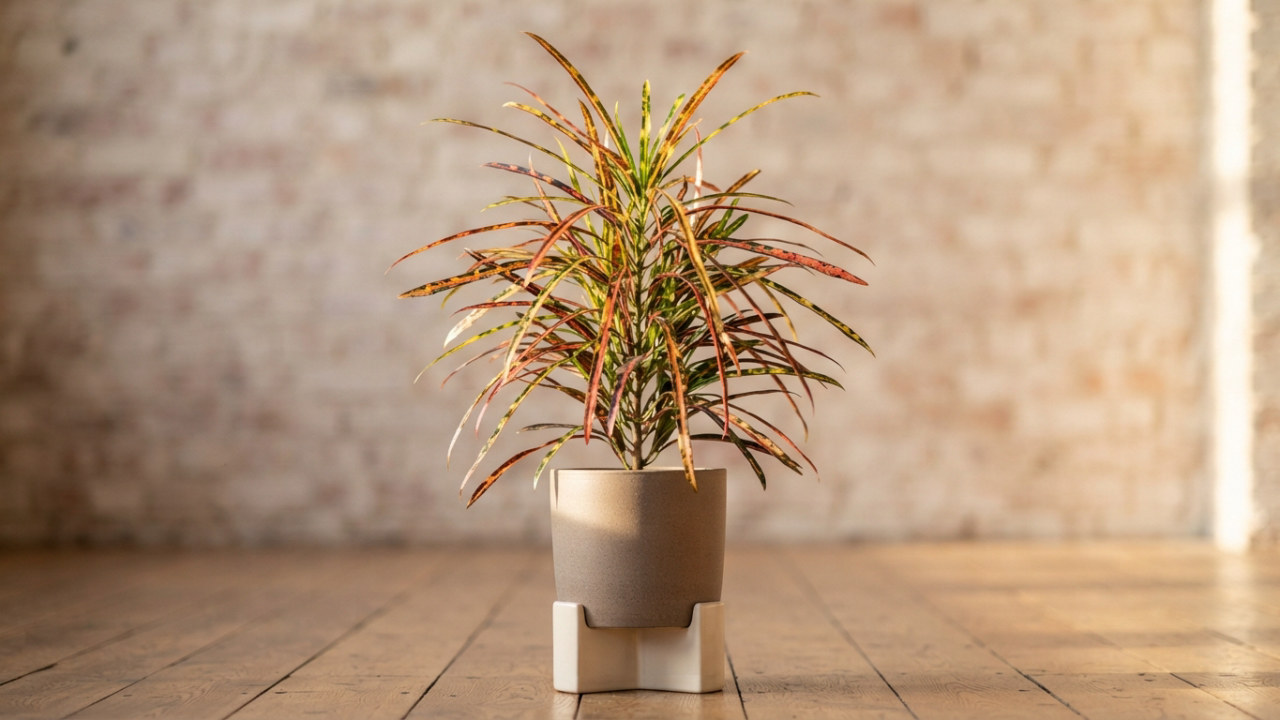
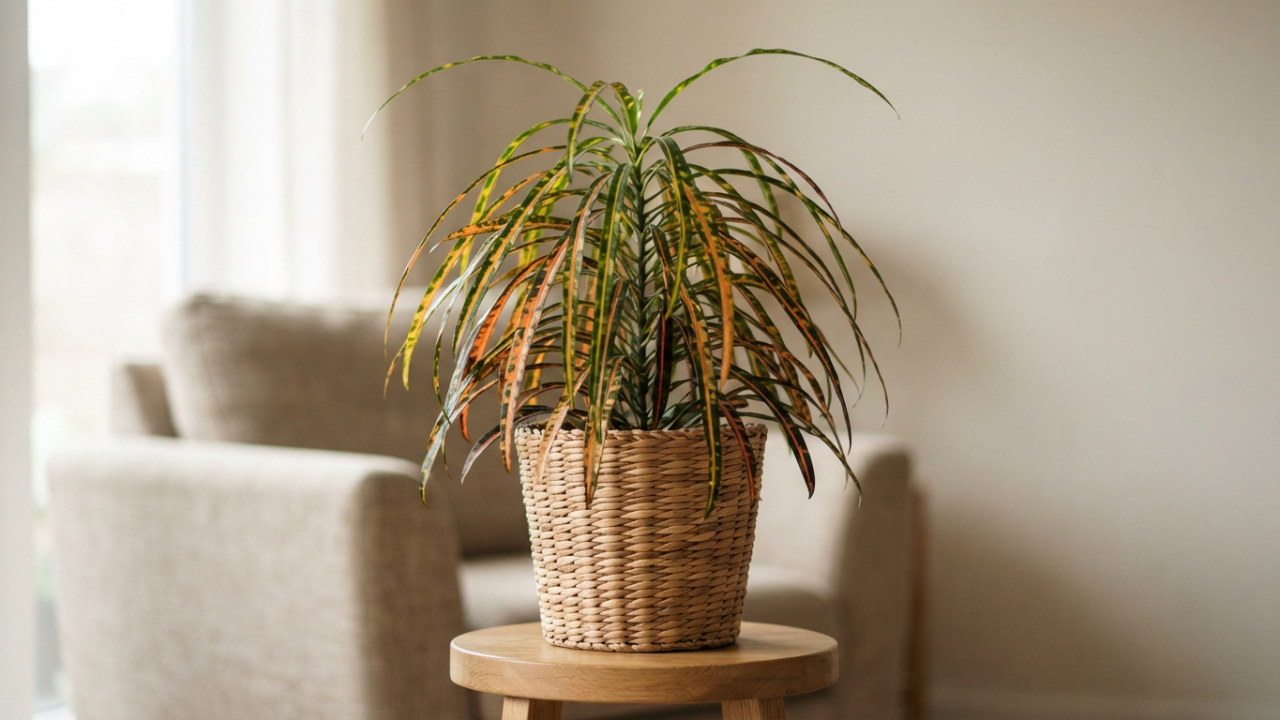
How to care for your Croton 'Dreadlocks'
Everything you need to keep your Croton 'Dreadlocks' healthy: watering, light, humidity, feeding, repotting and pruning.
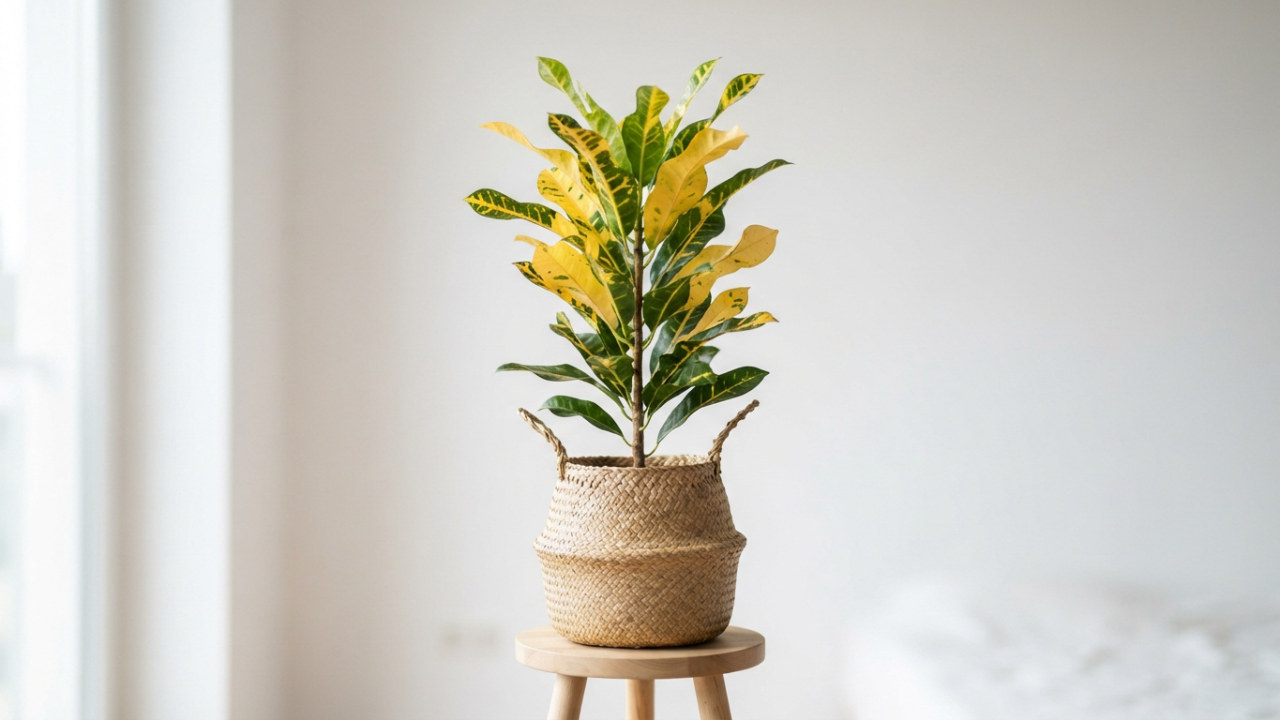
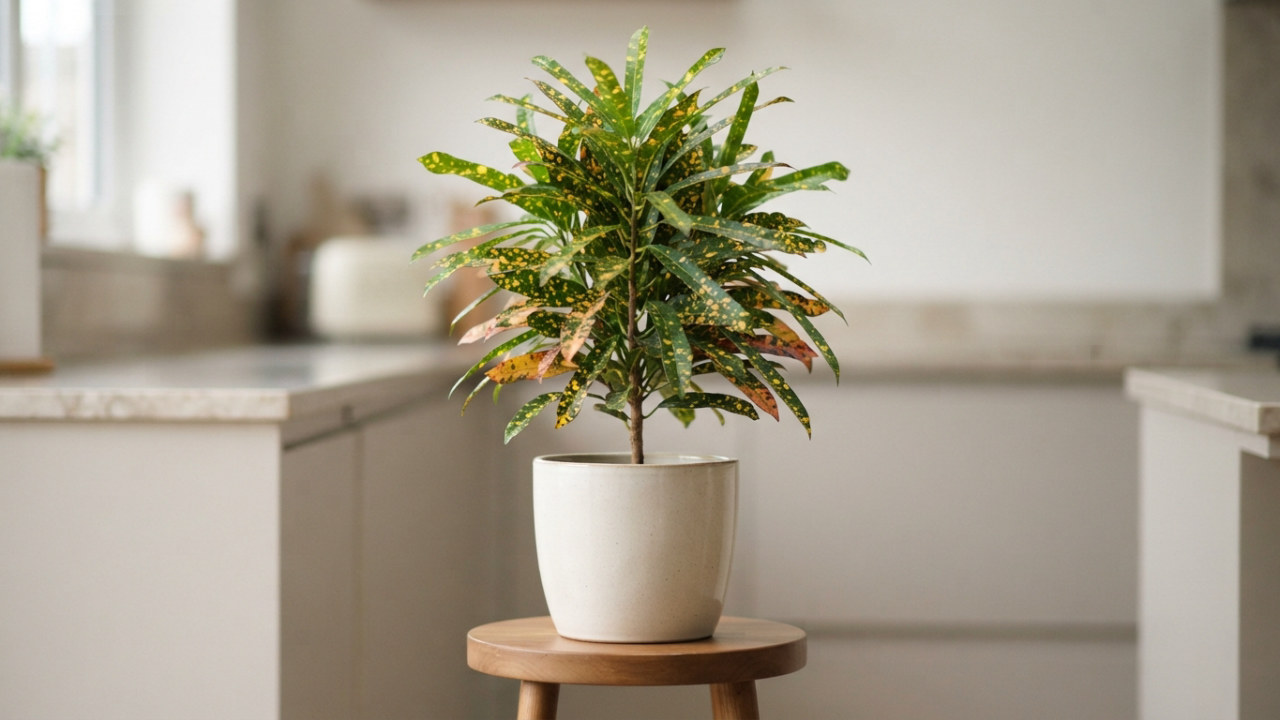
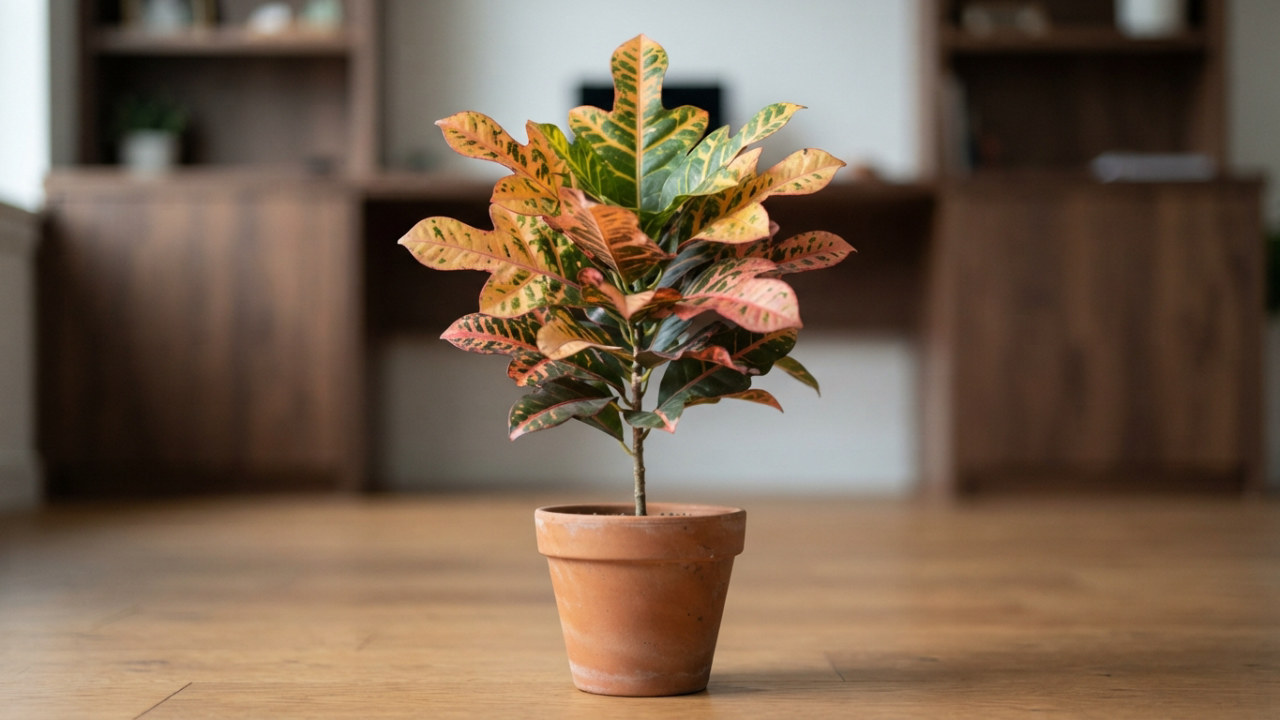
'Dreadlocks' is a croton with long, narrow leaves twisted into corkscrews, hanging in a cascade that gives it the look of ringlets. Each leaf mixes red, yellow, orange and green, and the colors change as it matures. It is sold as Dreadlocks Croton. Indoors it is a slow-growing, compact shrub of roughly 90 to 120 centimeters.

How to recognise Croton 'Dreadlocks'
Long, narrow leaves twisted like corkscrews and hanging down in a cascade, in red, yellow, orange and green. Closest to 'Mammy', whose twisted leaves are wider and more upright, while 'Zanzibar' and 'Picasso's Paintbrush' are narrow but flat.

Watering your Croton 'Dreadlocks'
Every 5 days
Water thoroughly with lukewarm water once the top few centimeters of mix are dry, then let it drain.
How to know it needs water
- The top few centimeters of mix are dry to the touch
- The twisted leaves hang limper than usual

How much light a Croton 'Dreadlocks' needs
Full sun
Bright light with a few hours of direct sun keeps the reds and yellows rich, while shade fades them toward green.
- Direct sun tolerated
- 4 to 6 h a day
- Orientations that suit it
- South, South-east, South-west, East, West

Humidity and misting
50–70 %
Keep the air between 50 and 70 percent humidity, away from radiators and drafts. Mist every few days or wipe the curled leaves, because spider mites settle easily in dry indoor air.

Feeding and fertiliser
Every 21 days
Feed roughly every three weeks from April to September at half strength, and rest it in winter.
- Recommended feed
- A balanced liquid fertilizer for foliage plants works well. · 3-1-2

Repotting your Croton 'Dreadlocks'
Every 24 months
Move it to a pot one size larger in a free-draining mix about every two years, with gloves on because of the sap.
- When
- Repot in spring, between March and May.
- Potting mix
- All-purpose potting mix
- Mix in
- perlite, coco fibre
The tell-tale signs
- Roots grow out of the drainage holes
- The pot dries out within a day or two of watering

Pruning your Croton 'Dreadlocks'
Prune in spring, when the plant gets leggy or too tall. Cut above a leaf with clean shears and gloves, dab the milky sap, and expect new shoots below the cut.

Through the year
Watering is not set once and for all: it follows the light and the growth. Allow 7 days between waterings in the depth of winter, against 4 in the growing season.
- 7 J
- 6 F
- 5 M
- 5 A
- 4 M
- 4 J
- 4 J
- 5 A
- 5 S
- 6 O
- 6 N
- 7 D
Active growth · Days between waterings

Toxicity
The milky sap irritates skin and is toxic to cats and dogs if swallowed, causing vomiting and diarrhea; for people it is mildly irritating, not seriously dangerous.

Good to know
- The corkscrew leaves hang in a cascade, which gave the plant its name.
- The colors on each leaf change as it matures, so one plant carries several shades.

Frequently asked questions about the Croton 'Dreadlocks'
How do you care for a Croton 'Dreadlocks'?
Water it every 5 days. Give it full sun. Ideal humidity: 50–70 %. Ideal temperature: 18–29 °C. Water thoroughly with lukewarm water once the top few centimeters of mix are dry, then let it drain.
How often should you water a Croton 'Dreadlocks'?
Every 5 days Water thoroughly with lukewarm water once the top few centimeters of mix are dry, then let it drain. How to know it needs water : The top few centimeters of mix are dry to the touch ; The twisted leaves hang limper than usual.
How much light does a Croton 'Dreadlocks' need?
Full sun Bright light with a few hours of direct sun keeps the reds and yellows rich, while shade fades them toward green. 4 to 6 h a day
Is the Croton 'Dreadlocks' toxic to cats and dogs?
Yes. The milky sap irritates skin and is toxic to cats and dogs if swallowed, causing vomiting and diarrhea; for people it is mildly irritating, not seriously dangerous. Keep it out of reach of your pets and call a vet if any is swallowed.
Why are my Croton 'Dreadlocks' leaves turning yellow?
Yellowing most often comes from too much water: the mix stays wet and the roots suffocate. Check that the pot drains, empty the saucer, and let the mix dry before watering again. Too little light or a cold draught cause the same symptom.
When should you repot a Croton 'Dreadlocks'?
Repot every 24 months, ideally in repot in spring, between march and may.. Move it to a pot one size larger in a free-draining mix about every two years, with gloves on because of the sap.

At a glance
- Family
- Euphorbiaceae
- Category
- Tropical
- Placement
- Indoor
- Mature height
- 1.1 m
- Growth
- Slow
- Temperature
- 18–29 °C
- Pot materials
- terracotta, ceramic, plastic
- Growth
- Reaches maturity in 5 years
These figures are for an average plant. In the app they are recalculated for yours, based on your room, its orientation and the season.
And for your plant, in your home?
In the app this plant becomes yours: a watering schedule tuned to your home, health tracking from photos, and reminders at the right moment.
In the same spirit
 Every 7 days


Air Plant
Tillandsia ionantha

 Every 6 days
Alocasia amazonica
Alocasia amazonica
 Every 7 days
Alocasia baginda
Alocasia baginda
 Every 4 days
Angel Wings
Caladium bicolor
