
Tropical · Commelinaceae
Creeping Inchplant
Callisia repens
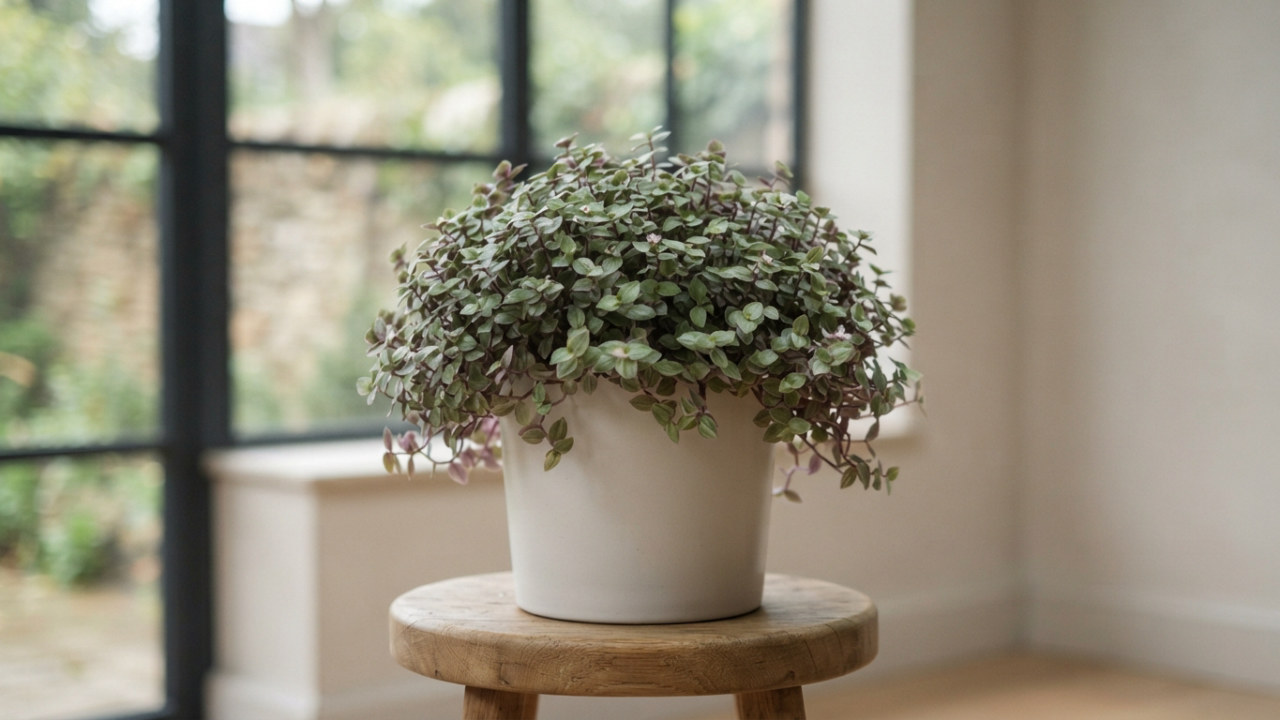
A compact trailing succulent groundcover with miniature fleshy leaves that form dense cascades over pot edges.
- Every 6 daysWatering
- Bright indirect lightLight
- 40–65 %Humidity
- 16–28 °CTemperature


Its varieties 1
How to care for your Creeping Inchplant
Everything you need to keep your Creeping Inchplant healthy: watering, light, humidity, feeding, repotting and pruning.
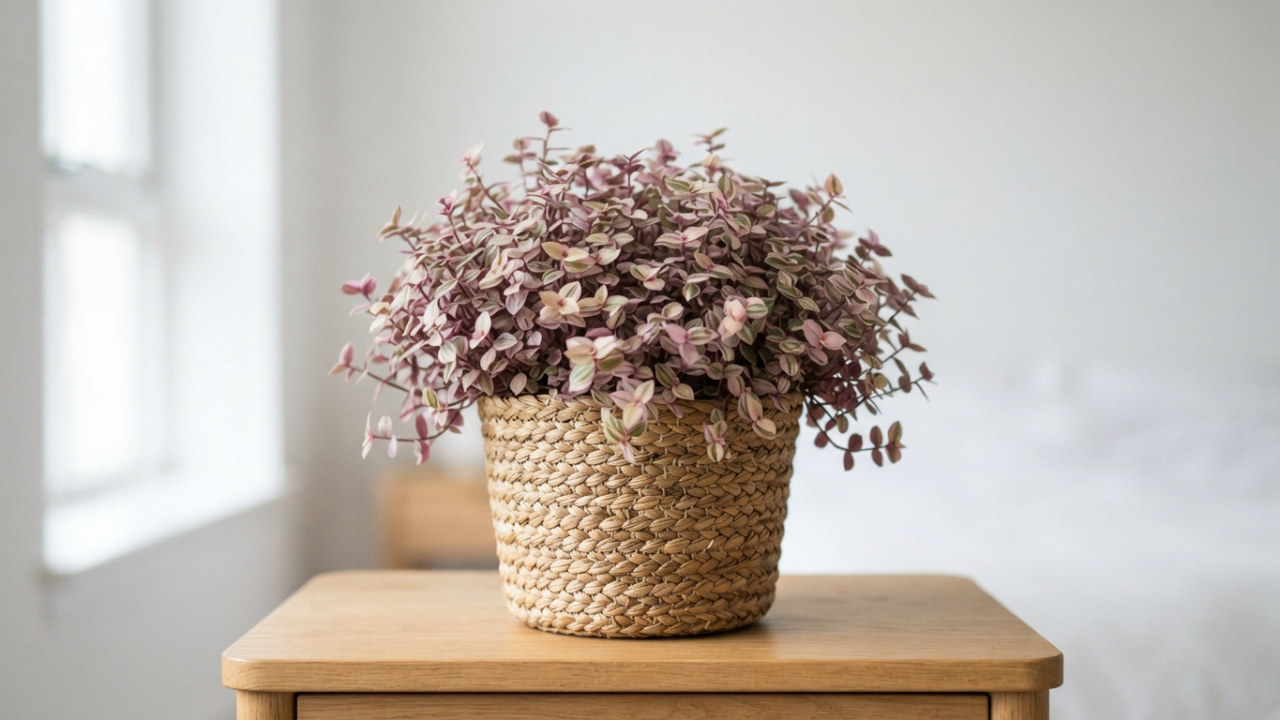
Native to Central and South America, Callisia repens is a tender creeping perennial in the spiderwort family. It develops extensive mats of creeping, freely branching stems clad in miniature, fleshy leaves that are rich green on top and flushed with wine-purple underneath. Its trailing habit makes it an exceptional choice for hanging baskets, plant pedestals, or terrarium ground cover. Extremely easy to cultivate and propagate, it thrives in warm, bright living spaces with moderate watering and regular trimming. It is not frost hardy: outdoors it needs a mild, sheltered spot in summer, and a potted plant should come indoors before temperatures fall below about 10 °C.

How to recognise Creeping Inchplant
Distinguished by tiny, densely packed ovate succulent leaves under two centimetres long with purple-tinted undersides, forming low cascading mats. Its leaves are far smaller, thicker, and more crowded along the stems than those of standard Tradescantia species.

Watering your Creeping Inchplant
Every 6 days
Drench thoroughly until water runs out of the drainage holes, then discard the runoff and let the top layer dry before watering again, about every 6 days in the growing season. From November to February, water less often, about every 2 weeks.
How to know it needs water
- The top two to three centimetres of potting mix feel dry.
- The small succulent leaves feel slightly soft rather than firm and plump.
- The container feels distinctly light when lifted.

How much light a Creeping Inchplant needs
Bright indirect light
Needs bright indirect light to retain compact growth and rich foliage color, tolerating gentle morning or late afternoon sun.
- Direct sun tolerated
- 0 to 2 h a day
- Orientations that suit it
- East, South-east, South, South-west, West

Humidity and misting
40–65 %
Performs best at 40 to 65 % relative humidity, and handles average home air comfortably with good ventilation. Avoid misting the foliage because moisture trapped between the densely crowded leaves invites fungal stem rot.

Feeding and fertiliser
Every 28 days
Feed about every 4 weeks from April to September, diluted to half strength. No feeding from October to March.
- Recommended feed
- Balanced liquid houseplant fertilizer diluted to half strength. · 10-10-10

Repotting your Creeping Inchplant
Every 12 months
Every 2 years in spring, transfer the plant carefully into a shallow, broad container one size larger, handling the brittle creeping stems gently to prevent breakage.
- When
- Spring (March to May)
- Potting mix
- All-purpose potting mix
- Mix in
- perlite, coarse sand, coco fibre
The tell-tale signs
- Creeping stems completely conceal the container rim and crowd surface space.
- Roots fill the pot and water drains straight through without wetting the mix.
- The center of the plant begins thinning out or drying prematurely.

Pruning your Creeping Inchplant
Spring and summer, during active growth Pinch stem tips back regularly to induce dense branching, and root the pruned tips in fresh substrate to replace bare central patches.

Through the year
Watering is not set once and for all: it follows the light and the growth. Allow 9 days between waterings in the depth of winter, against 4 in the growing season.
- 9 J
- 8 F
- 7 M
- 5 A
- 5 M
- 4 J
- 4 J
- 4 A
- 5 S
- 6 O
- 8 N
- 9 D
Active growth · Days between waterings

Toxicity
The sap of this spiderwort-family plant can irritate skin and mouth, and may upset the stomach if eaten. Wear gloves if your skin is sensitive, and keep the plant out of reach of children and pets.

Good to know
- Commonly sold under the name turtle vine.
- Stems form roots at almost every node that touches the ground, so it spreads quickly into a dense mat.
- Bright light brings out bronze-purple tints in the foliage, while the undersides of the leaves are always purple.

Frequently asked questions about the Creeping Inchplant
How do you care for a Creeping Inchplant?
Water it every 6 days. Give it bright indirect light. Ideal humidity: 40–65 %. Ideal temperature: 16–28 °C. Drench thoroughly until water runs out of the drainage holes, then discard the runoff and let the top layer dry before watering again, about every 6 days in the growing season. From November to February, water less often, about every 2 weeks.
How often should you water a Creeping Inchplant?
Every 6 days Drench thoroughly until water runs out of the drainage holes, then discard the runoff and let the top layer dry before watering again, about every 6 days in the growing season. From November to February, water less often, about every 2 weeks. How to know it needs water : The top two to three centimetres of potting mix feel dry. ; The small succulent leaves feel slightly soft rather than firm and plump. ; The container feels distinctly light when lifted..
How much light does a Creeping Inchplant need?
Bright indirect light Needs bright indirect light to retain compact growth and rich foliage color, tolerating gentle morning or late afternoon sun. 0 to 2 h a day
Is the Creeping Inchplant toxic to cats and dogs?
Yes. The sap of this spiderwort-family plant can irritate skin and mouth, and may upset the stomach if eaten. Wear gloves if your skin is sensitive, and keep the plant out of reach of children and pets. Keep it out of reach of your pets and call a vet if any is swallowed.
Why are my Creeping Inchplant leaves turning yellow?
Yellowing most often comes from too much water: the mix stays wet and the roots suffocate. Check that the pot drains, empty the saucer, and let the mix dry before watering again. Too little light or a cold draught cause the same symptom.
When should you repot a Creeping Inchplant?
Repot every 12 months, ideally in spring (march to may). Every 2 years in spring, transfer the plant carefully into a shallow, broad container one size larger, handling the brittle creeping stems gently to prevent breakage.

At a glance
- Family
- Commelinaceae
- Category
- Tropical
- Placement
- Indoor and outdoor
- Mature height
- 12 cm
- Growth
- Fast
- Temperature
- 16–28 °C
- Pot materials
- terracotta, ceramic, plastic
- Growth
- Reaches maturity in 1 years
These figures are for an average plant. In the app they are recalculated for yours, based on your room, its orientation and the season.
And for your plant, in your home?
In the app this plant becomes yours: a watering schedule tuned to your home, health tracking from photos, and reminders at the right moment.
In the same spirit
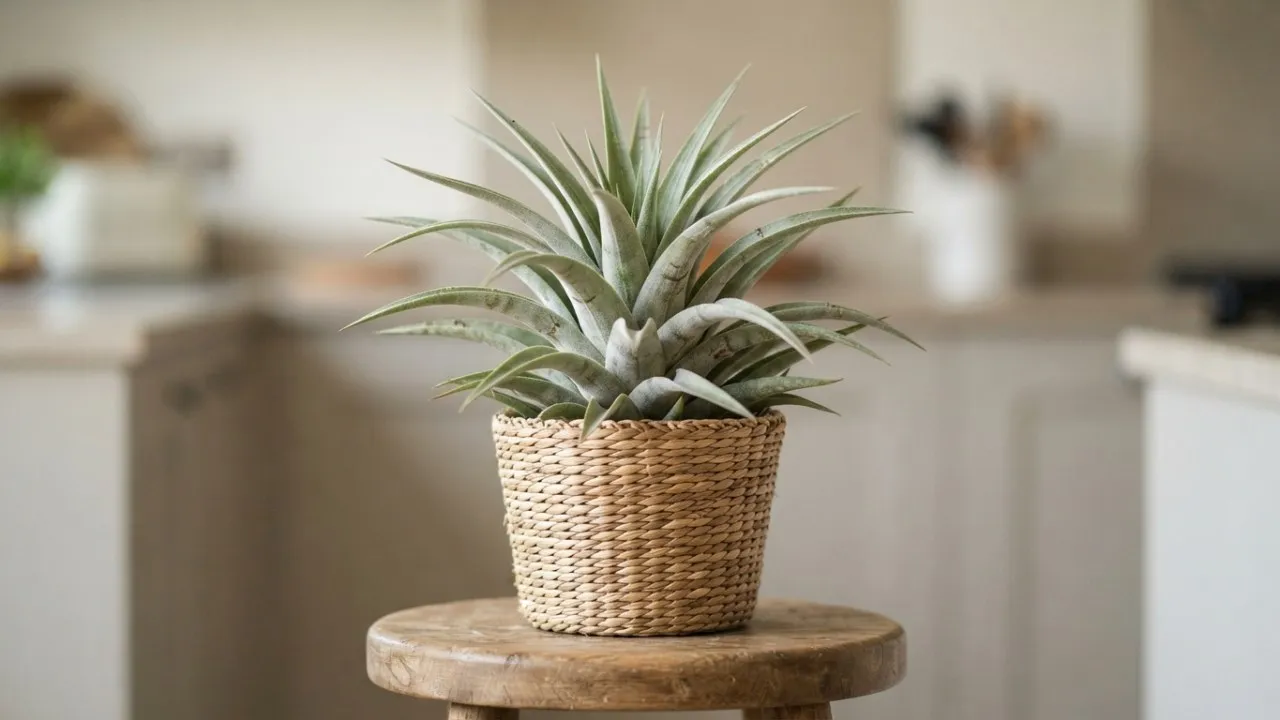 Every 7 days


Air Plant
Tillandsia ionantha

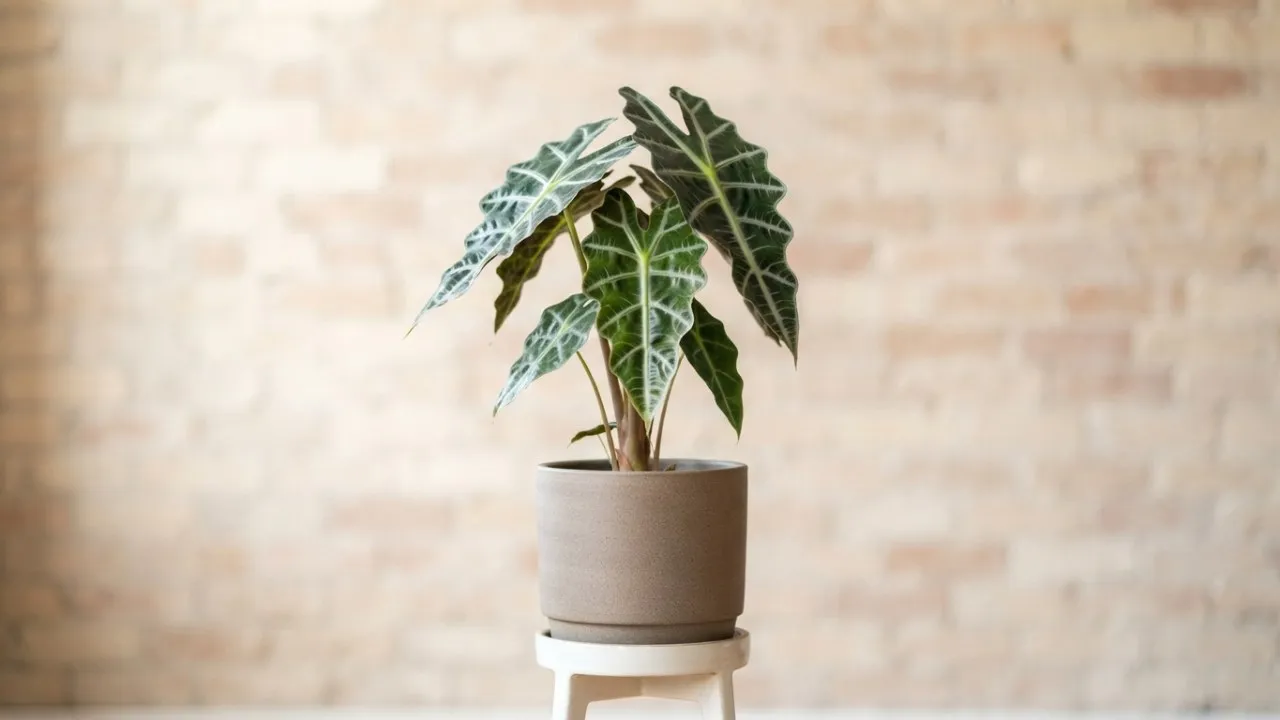 Every 6 days
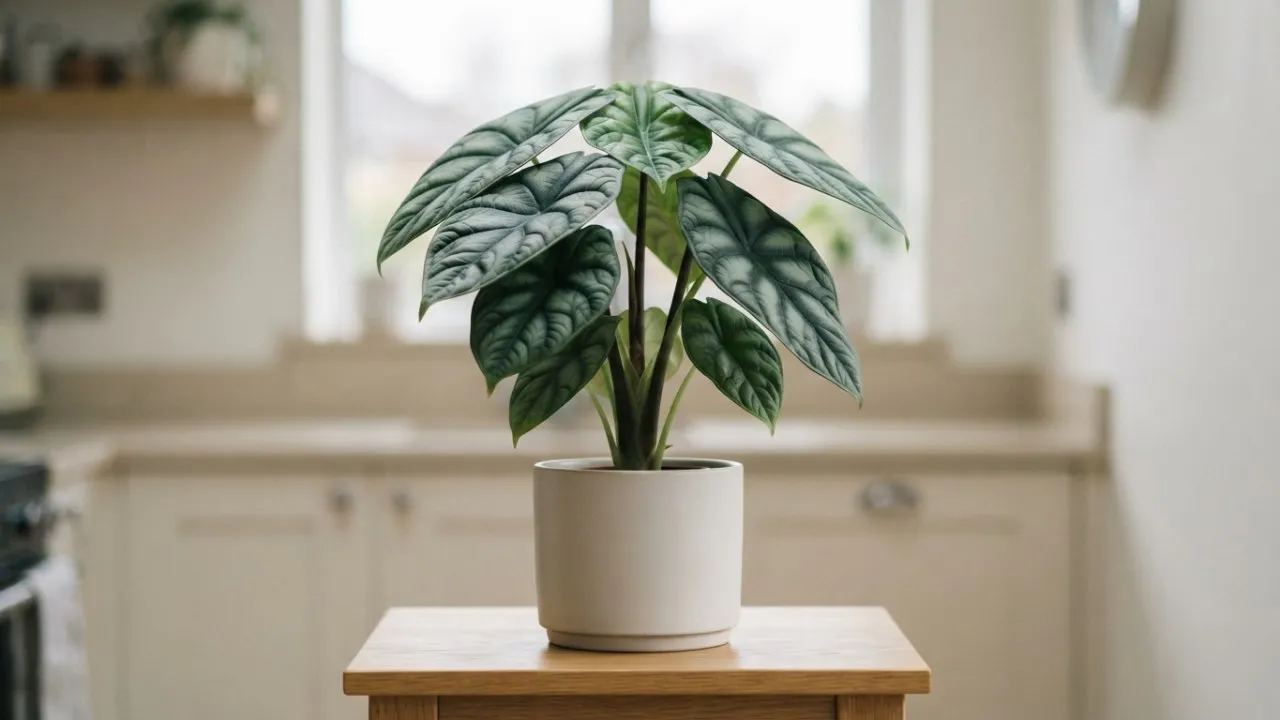
Alocasia amazonica
Alocasia amazonica
 Every 7 days
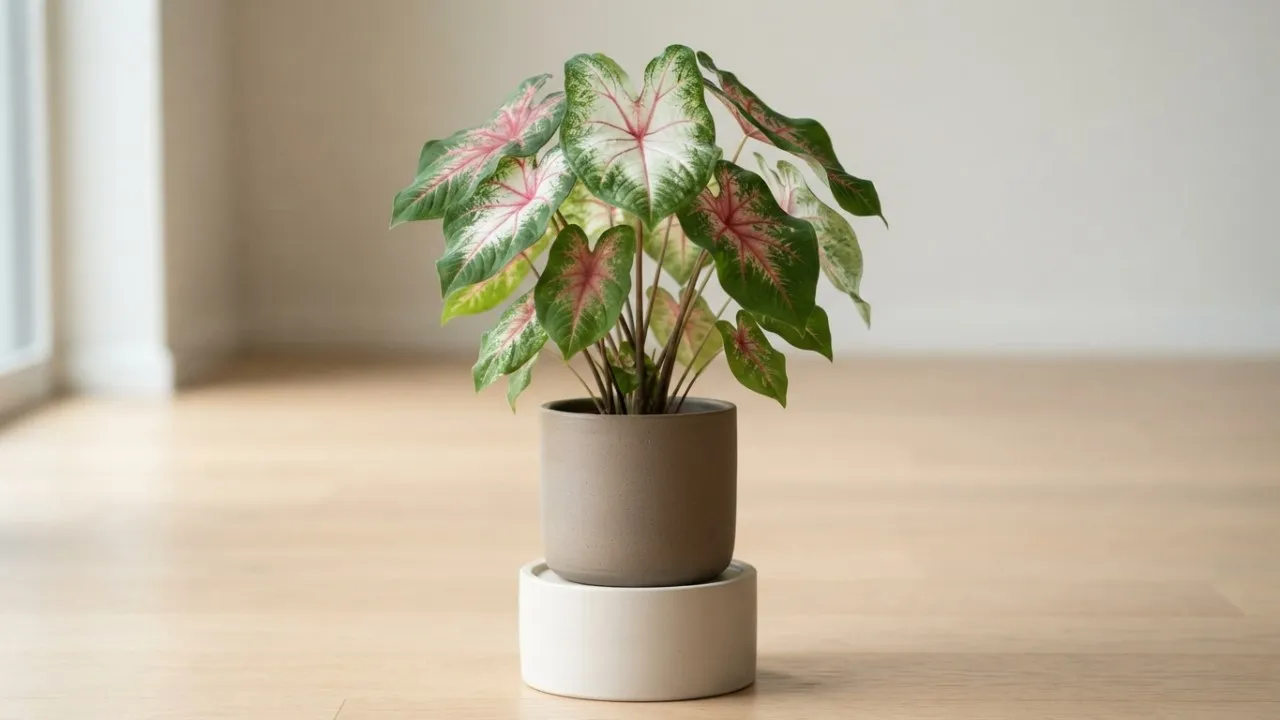
Alocasia baginda
Alocasia baginda
 Every 4 days
Angel Wings
Caladium bicolor
