
Variety Tropical · Asparagaceae
Aspidistra 'Milky Way'
Aspidistra elatior 'Milky Way' · A variety of Cast Iron Plant
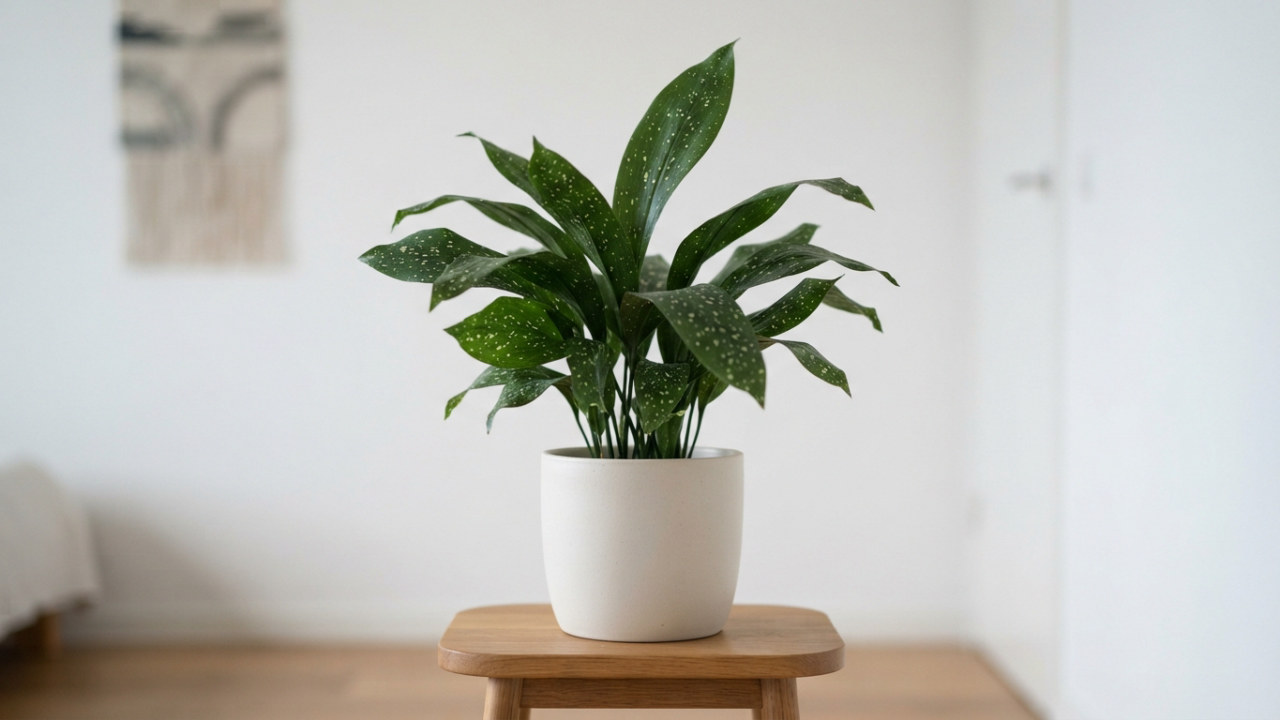
A cast iron plant whose glossy dark leaves are scattered with small cream dots, like stars on a night sky.
- Every 10 daysWatering
- Medium lightLight
- 30–50 %Humidity
- 7–27 °CTemperature


Other varieties 2
How to care for your Aspidistra 'Milky Way'
Everything you need to keep your Aspidistra 'Milky Way' healthy: watering, light, humidity, feeding, repotting and pruning.
A speckled cast iron plant that stays a little more compact than the plain species. Its glossy, lance-shaped leaves are dotted all over with small spots that open yellowish and ripen to creamy white, giving the starry look behind its name. The dots hold less chlorophyll than green tissue, so growth is slow and a clump takes years to fill out. It copes with dim, cool rooms, though the speckles show best in fairly bright light without direct sun.

How to recognise Aspidistra 'Milky Way'
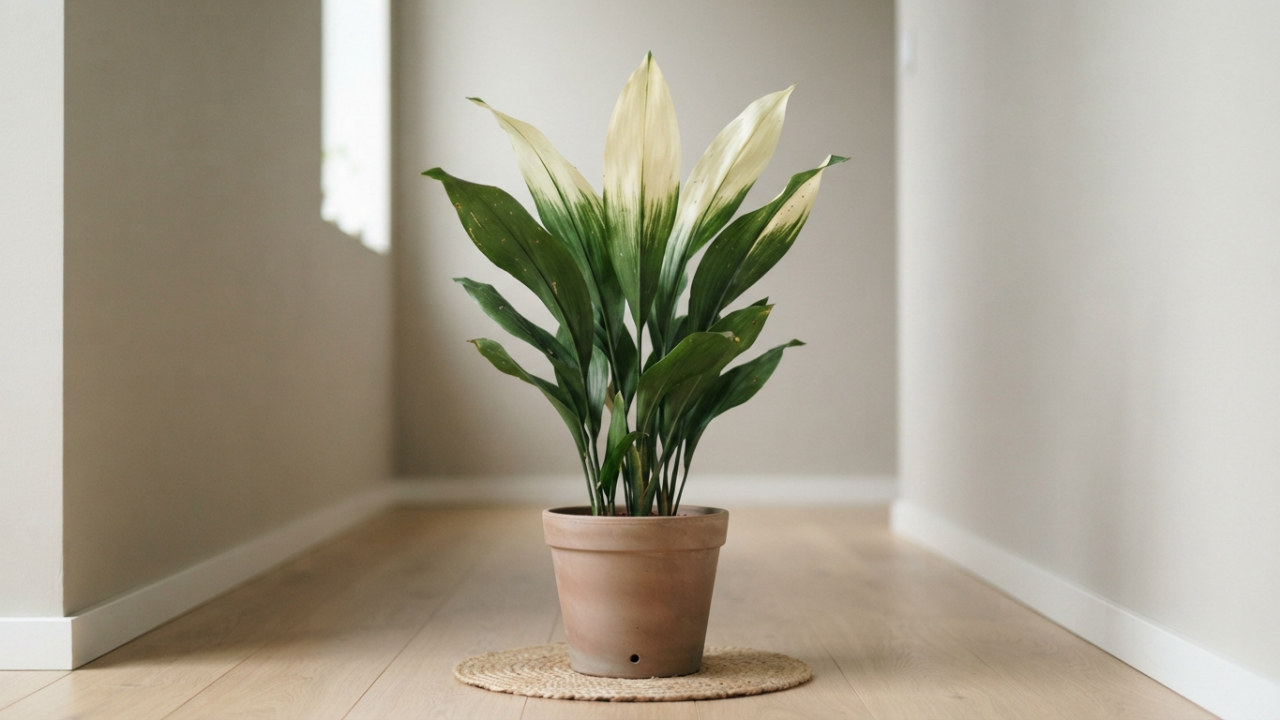
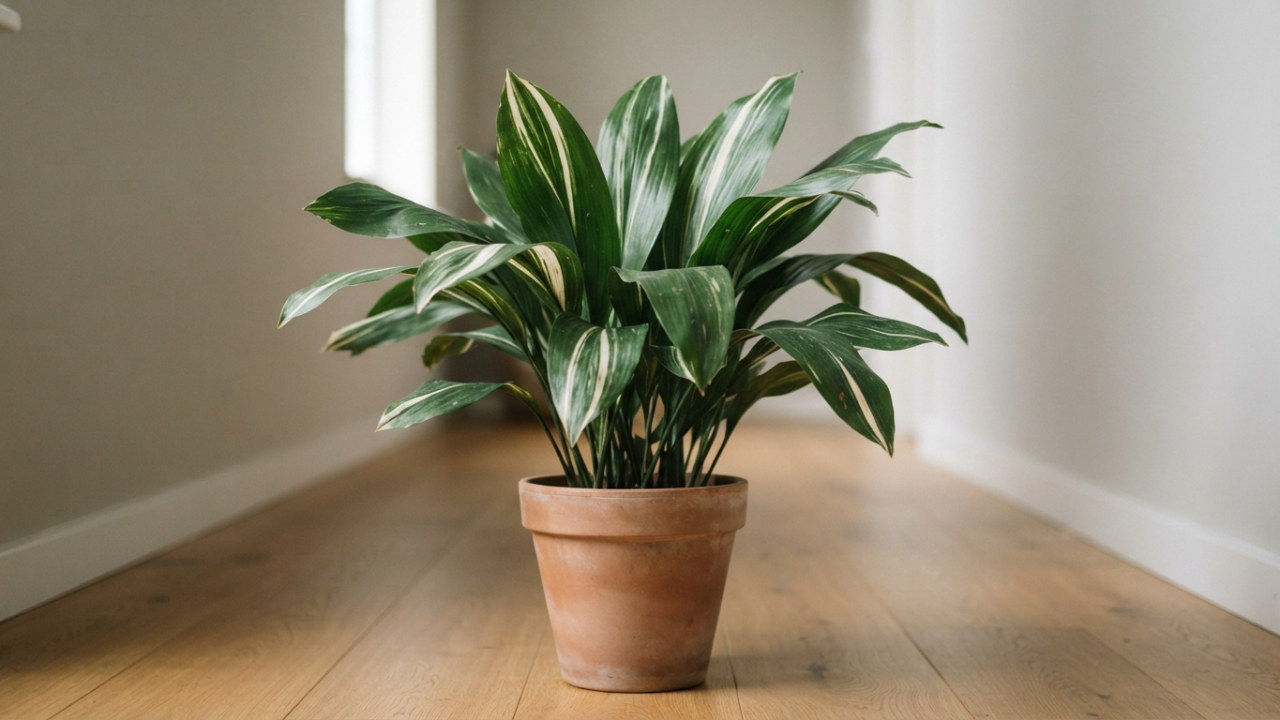
Dark green leaves sprinkled with small cream dots, never stripes or a white tip. 'Variegata' has long cream stripes, 'Asahi' has a white upper third, and Aspidistra sichuanensis has thinner, arching leaves with a finely serrated edge.

Watering your Aspidistra 'Milky Way'
Every 10 days
Water thoroughly when the top few centimeters of mix have dried, and let the excess drain away.
How to know it needs water
- The first few centimeters of mix are dry when you press a finger in
- The leaves lose a little of their gloss and firmness

How much light a Aspidistra 'Milky Way' needs
Medium light
Moderate to fairly bright indirect light makes the dots stand out, whereas direct sun scorches them and deep shade lets them fade.
- Direct sun tolerated
- No direct sun
- Orientations that suit it
- North, North-east, East, North-west, West, South-east, South-west

Humidity and misting
30–50 %
Normal indoor air is fine, around 30 to 50 percent humidity. It does not need misting; dust the leaves with a soft damp cloth instead.

Feeding and fertiliser
Every 56 days
Feed about every eight weeks between April and September, and stop in the cool months.
- Recommended feed
- A balanced liquid fertilizer for foliage plants, at half the labeled strength. · 5-10-5

Repotting your Aspidistra 'Milky Way'
Every 48 months
Choose a pot slightly larger than the clump, refill with fresh universal mix, or split the rhizomes when dividing.
- When
- Spring, as new leaves begin to unfurl.
- Potting mix
- All-purpose potting mix
- Mix in
- perlite, coco fibre
The tell-tale signs
- Rhizomes push up out of the mix or roots show at the drainage holes
- Water runs straight through and the pot dries within days

Pruning your Aspidistra 'Milky Way'
Any time a leaf browns or splits, and in spring for tidying. Cut the faulty leaf at soil level with clean scissors and leave the rest as is.

Through the year
Watering is not set once and for all: it follows the light and the growth. Allow 16 days between waterings in the depth of winter, against 9 in the growing season.
- 15 J
- 13 F
- 10 M
- 9 A
- 9 M
- 9 J
- 9 J
- 9 A
- 10 S
- 11 O
- 14 N
- 16 D
Active growth · Days between waterings

Good to know
- The spots can open yellow and turn creamy white as the leaf ages.
- It is a slow clumping plant that spreads by rhizomes rather than climbing or trailing.

Frequently asked questions about the Aspidistra 'Milky Way'
How do you care for a Aspidistra 'Milky Way'?
Water it every 10 days. Give it medium light. Ideal humidity: 30–50 %. Ideal temperature: 7–27 °C. Water thoroughly when the top few centimeters of mix have dried, and let the excess drain away.
How often should you water a Aspidistra 'Milky Way'?
Every 10 days Water thoroughly when the top few centimeters of mix have dried, and let the excess drain away. How to know it needs water : The first few centimeters of mix are dry when you press a finger in ; The leaves lose a little of their gloss and firmness.
How much light does a Aspidistra 'Milky Way' need?
Medium light Moderate to fairly bright indirect light makes the dots stand out, whereas direct sun scorches them and deep shade lets them fade. No direct sun
Is the Aspidistra 'Milky Way' toxic to cats and dogs?
No, the Aspidistra 'Milky Way' is not listed as toxic to cats and dogs. That is still no reason to let your pets chew on it.
Why are my Aspidistra 'Milky Way' leaves turning yellow?
Yellowing most often comes from too much water: the mix stays wet and the roots suffocate. Check that the pot drains, empty the saucer, and let the mix dry before watering again. Too little light or a cold draught cause the same symptom.
When should you repot a Aspidistra 'Milky Way'?
Repot every 48 months, ideally in spring, as new leaves begin to unfurl.. Choose a pot slightly larger than the clump, refill with fresh universal mix, or split the rhizomes when dividing.

At a glance
- Family
- Asparagaceae
- Category
- Tropical
- Placement
- Indoor
- Mature height
- 52 cm
- Growth
- Slow
- Temperature
- 7–27 °C
- Pot materials
- terracotta, ceramic, plastic
- Growth
- Reaches maturity in 5 years
These figures are for an average plant. In the app they are recalculated for yours, based on your room, its orientation and the season.
And for your plant, in your home?
In the app this plant becomes yours: a watering schedule tuned to your home, health tracking from photos, and reminders at the right moment.
In the same spirit
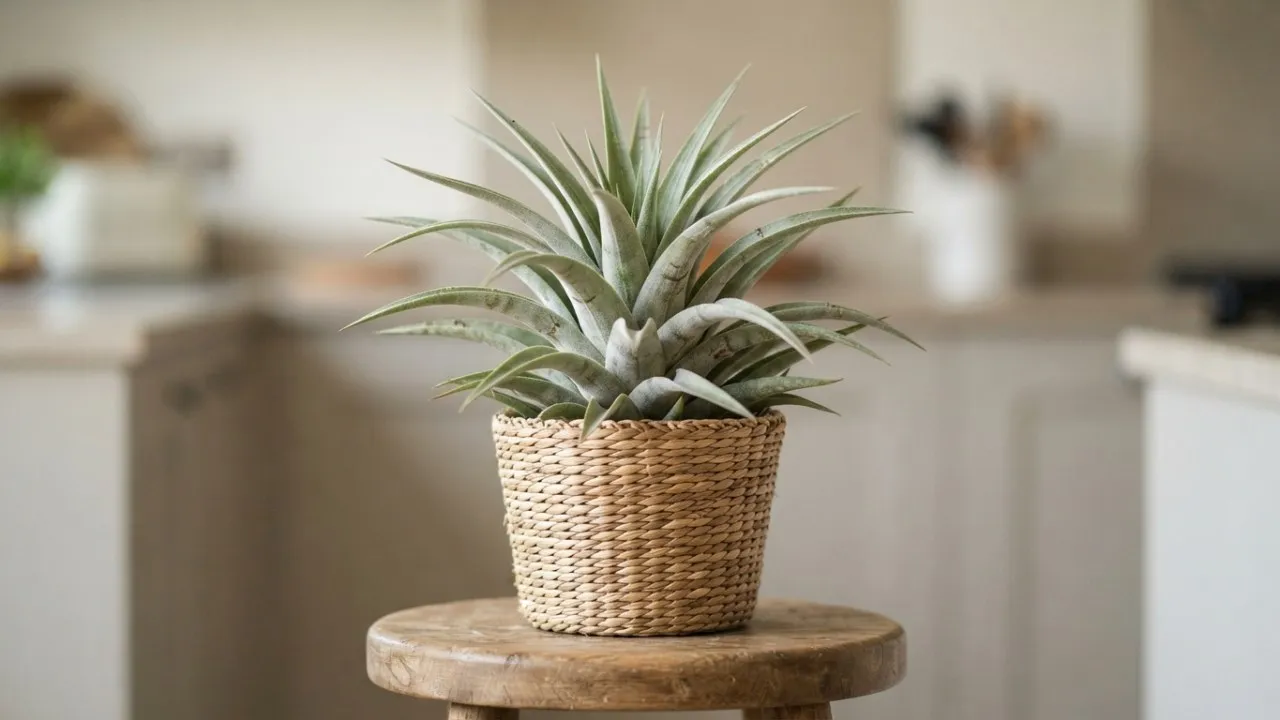 Every 7 days


Air Plant
Tillandsia ionantha

 Every 6 days
Alocasia amazonica
Alocasia amazonica
 Every 7 days
Alocasia baginda
Alocasia baginda
 Every 4 days
Angel Wings
Caladium bicolor
