
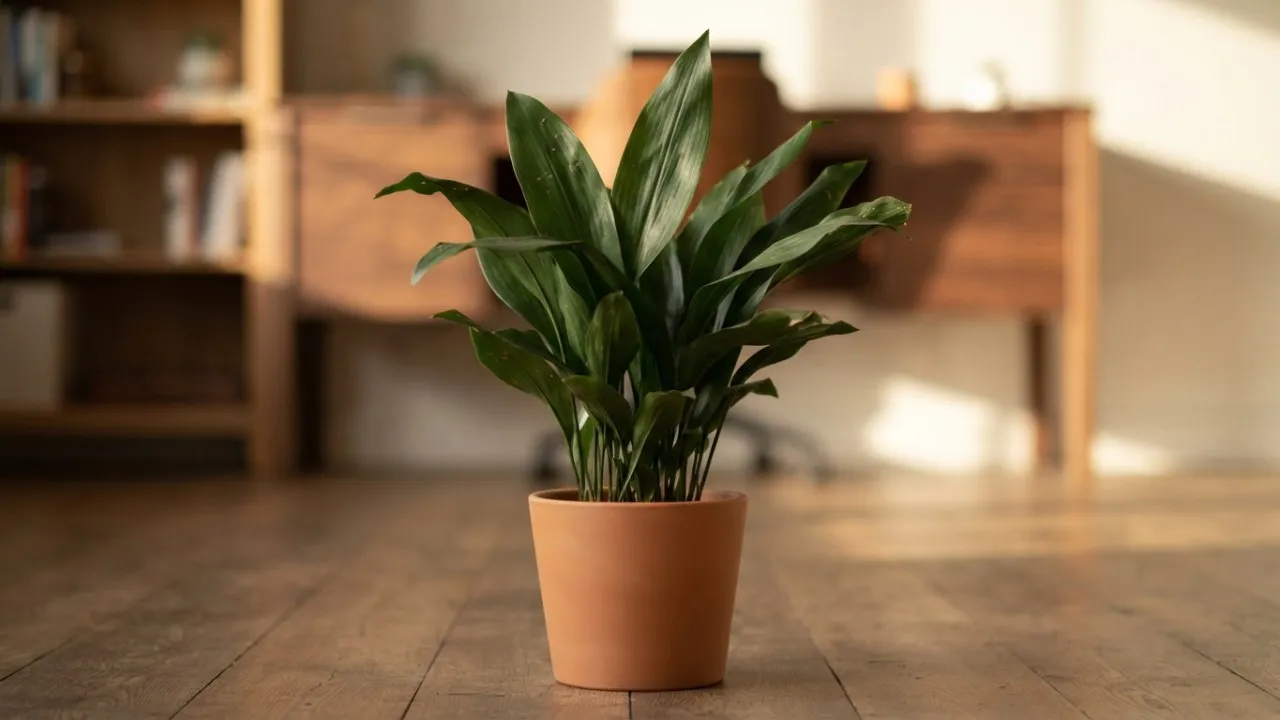
Cast Iron Plant
Aspidistra elatior
A near-indestructible plant with long, glossy dark green leaves, the cast iron plant is the top choice for dark corners and forgetful gardeners.
The essentials at a glance
-
Watering
Every 10 days
-
Light
Low light
-
Humidity
30–50 %
-
Temperature
7–27 °C


How to care for your Cast Iron Plant
Everything you need to keep your Cast Iron Plant healthy: watering, light, humidity, feeding, repotting and pruning.
Aspidistra elatior is native to the understory of temperate forests in Japan and Taiwan, where it grows in dense shade. Its large, lanceolate, dark green and lustrous leaves emerge directly from the soil via an underground rhizome, forming an elegant clump that can reach 60 cm in height. It is truly the most resilient plant in the indoor plant world, capable of surviving conditions that would kill most other plants. Its only enemy is overwatering, which can rot its underground rhizomes.

Watering your Cast Iron Plant
Every 10 days
Allow soil to dry out between waterings. Very drought tolerant. Water less frequently in winter. Overwatering is the most common cause of problems.
How to know it needs water
- Soil is completely dry to the touch
- Leaves start to look slightly dull
- Pot feels very light when lifted

How much light a Cast Iron Plant needs
Low light
Low to medium indirect light. One of the best plants for dark rooms. Avoid direct sunlight which bleaches and burns the leaves.
- Direct sun tolerated
- No direct sun
- Orientations that suit it
- North, North-east, East, North-west, West, South-east, South-west

Humidity and misting
30–50 %
30–50% Tolerates very dry air without issue. Wipe leaves with a damp cloth occasionally to remove dust. Misting is not essential.

Feeding and fertiliser
Every 60 days
Feed only 2–3 times during the growing season at half strength. Too much fertilizer causes brown spots on leaves. This plant thrives on neglect.
- Recommended feed
- Balanced liquid fertilizer (10-10-10) · 5-10-5

Repotting your Cast Iron Plant
Every 36 months
Use standard potting mix with good drainage. Aspidistras have rhizomatous roots — divide if desired during repotting. They grow slowly and rarely need repotting.
- When
- Spring
- Potting mix
- All-purpose potting mix
- Mix in
- perlite, coco fibre
The tell-tale signs
- Rhizomes pushing up above the soil surface
- Plant has completely filled the pot with no room for growth
- Pot is cracking from root pressure

Pruning your Cast Iron Plant
As needed to remove damaged or brown leaves. Cut individual leaves at the soil line. Remove any brown or tattered leaves to maintain a tidy appearance. New leaves emerge from underground rhizomes.

Through the year
Watering is not set once and for all: it follows the light and the growth. Allow 16 days between waterings in the depth of winter, against 9 in the growing season.
- 15 J
- 13 F
- 10 M
- 9 A
- 9 M
- 9 J
- 9 J
- 9 A
- 10 S
- 11 O
- 14 N
- 16 D
Active growth · Days between waterings

Good to know
- Nicknamed the 'cast iron plant' for its near-indestructible resilience, it was the favorite plant of dark, smoky Victorian interiors in the 19th century.
- The aspidistra can survive neglect, cold, drought, and near-total darkness, making it the ultimate rescue plant for absent-minded gardeners.

Frequently asked questions about the Cast Iron Plant
How do you care for a Cast Iron Plant?
Water it every 10 days. Give it low light. Ideal humidity: 30–50 %. Ideal temperature: 7–27 °C. Allow soil to dry out between waterings. Very drought tolerant. Water less frequently in winter. Overwatering is the most common cause of problems.
How often should you water a Cast Iron Plant?
Every 10 days Allow soil to dry out between waterings. Very drought tolerant. Water less frequently in winter. Overwatering is the most common cause of problems. How to know it needs water : Soil is completely dry to the touch ; Leaves start to look slightly dull ; Pot feels very light when lifted.
How much light does a Cast Iron Plant need?
Low light Low to medium indirect light. One of the best plants for dark rooms. Avoid direct sunlight which bleaches and burns the leaves. No direct sun
Is the Cast Iron Plant toxic to cats and dogs?
No, the Cast Iron Plant is not listed as toxic to cats and dogs. That is still no reason to let your pets chew on it.
Why are my Cast Iron Plant leaves turning yellow?
Yellowing most often comes from too much water: the mix stays wet and the roots suffocate. Check that the pot drains, empty the saucer, and let the mix dry before watering again. Too little light or a cold draught cause the same symptom.
When should you repot a Cast Iron Plant?
Repot every 36 months, ideally in spring. Use standard potting mix with good drainage. Aspidistras have rhizomatous roots — divide if desired during repotting. They grow slowly and rarely need repotting.

At a glance
- Family
- Asparagaceae
- Category
- Tropical
- Placement
- Indoor
- Mature height
- 75 cm
- Growth
- Slow
- Temperature
- 7–27 °C
- Pot materials
- terracotta, ceramic, plastic
- Growth
- Reaches maturity in 5 years
These figures are for an average plant. In the app they are recalculated for yours, based on your room, its orientation and the season.
And for your plant, in your home?
In the app this plant becomes yours: a watering schedule tuned to your home, health tracking from photos, and reminders at the right moment.
In the same spirit
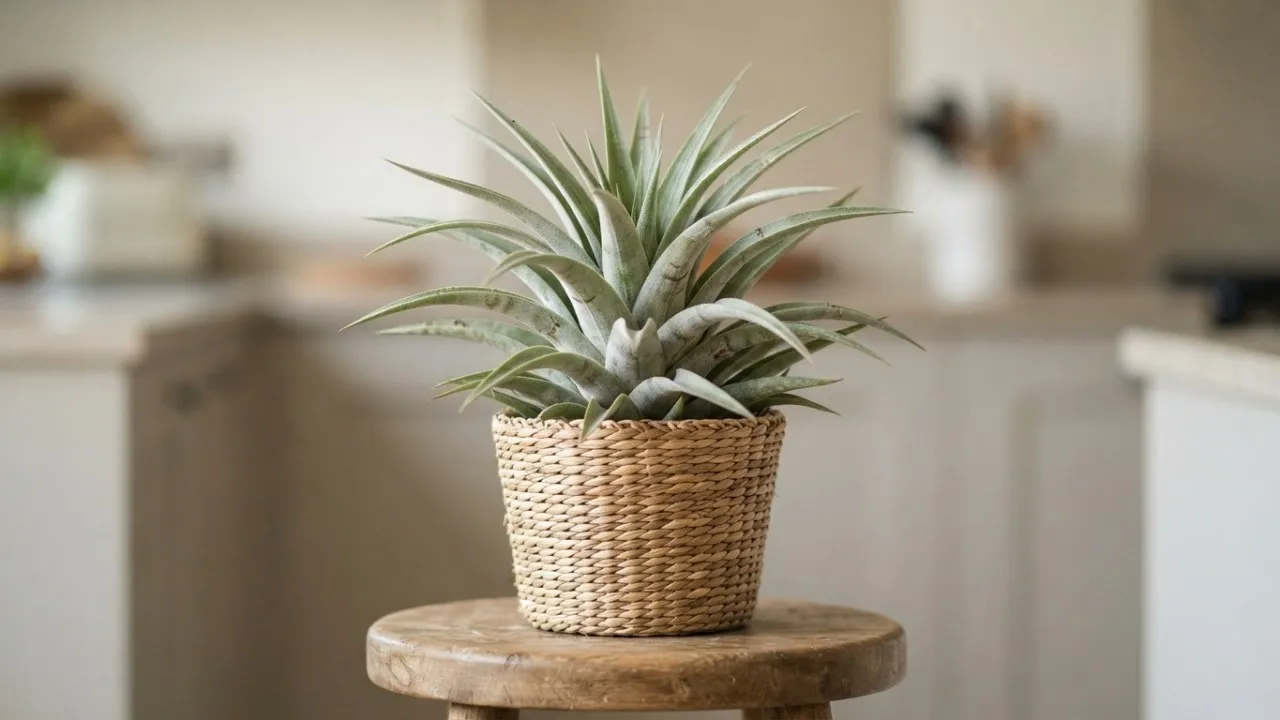 Every 4 days
 Air Plant
Tillandsia ionantha

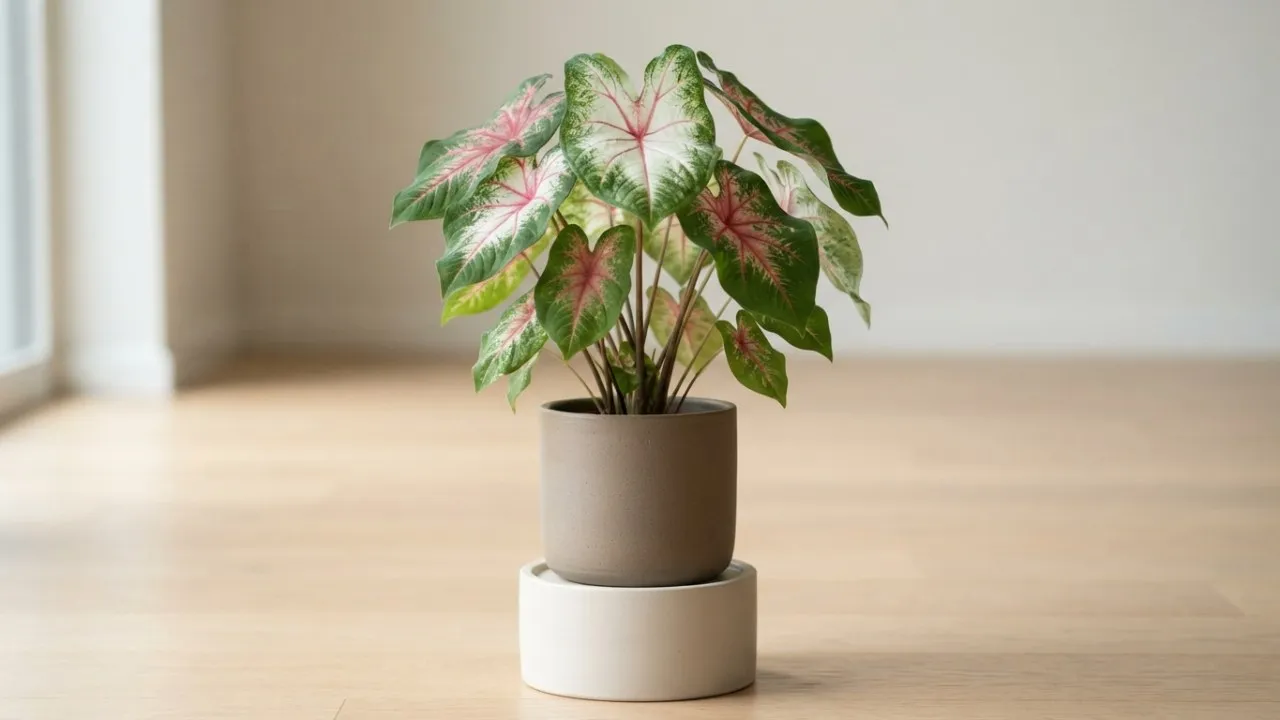 Every 3 days
 Angel Wings
Caladium bicolor
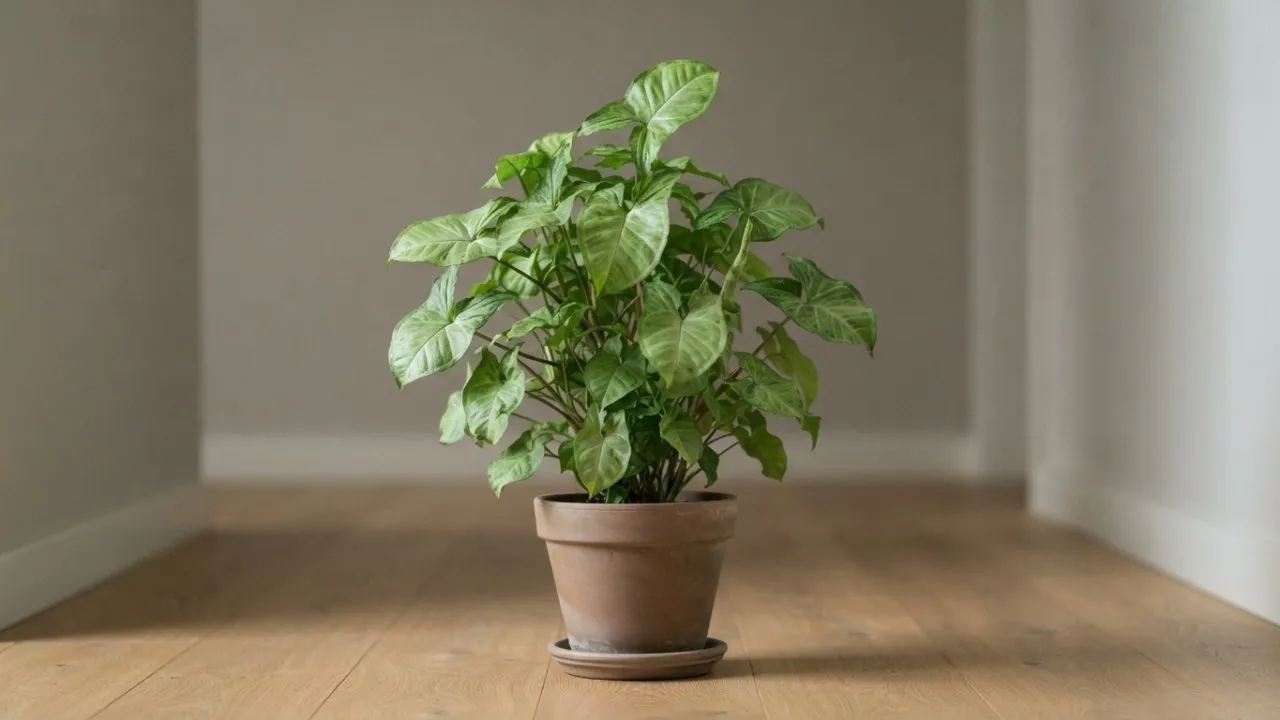 Every 7 days
 Arrowhead Plant
Syngonium podophyllum
 Every 10 days
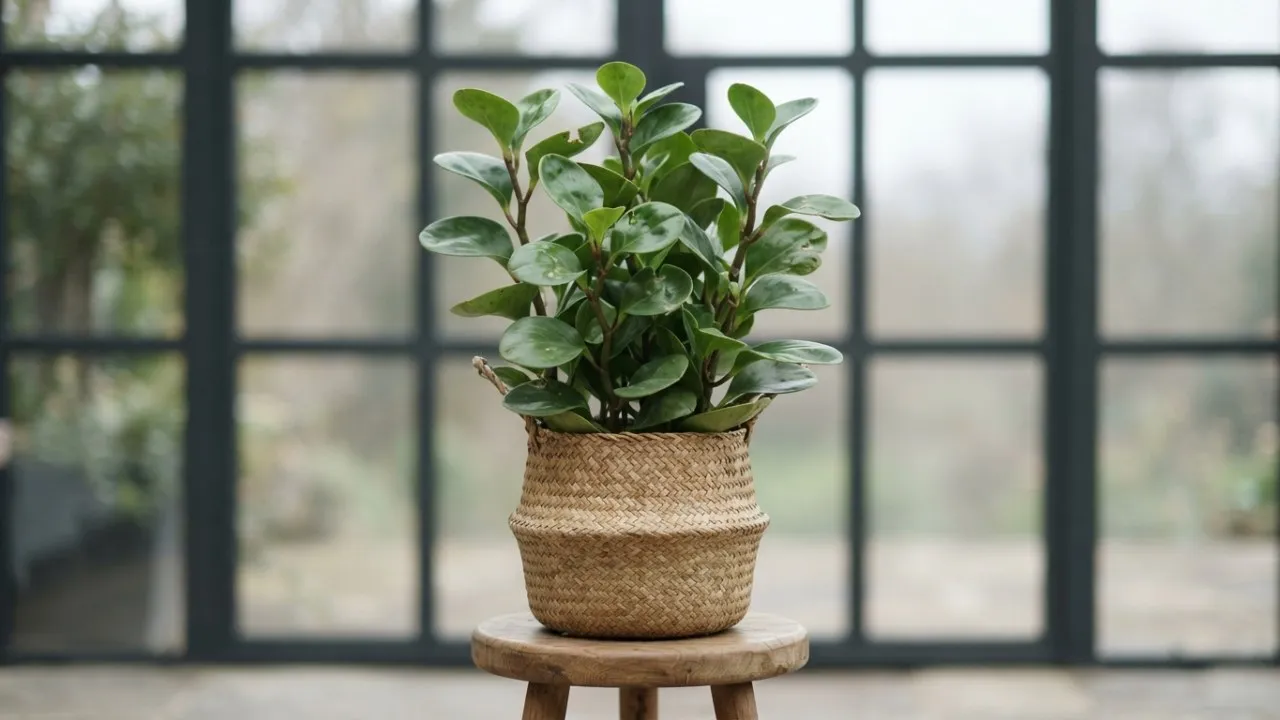
 Baby Rubber Plant
Peperomia obtusifolia