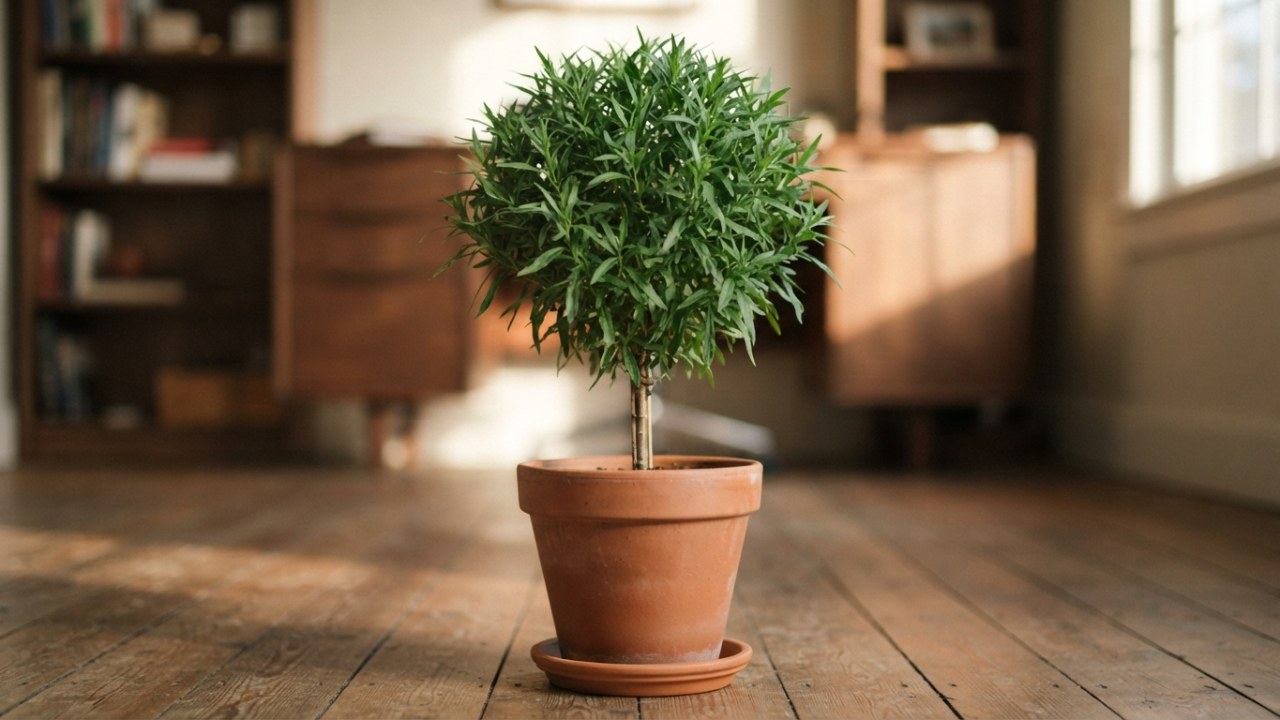
Herb · Asteraceae
Tarragon
Artemisia dracunculus
Tarragon is a perennial herb known for its distinctive anise-like flavour, essential in many cuisines.
- Every 5 daysWatering
- Full sunLight
- 30–50 %Humidity
- 15–25 °CTemperature


How to care for your Tarragon
Everything you need to keep your Tarragon healthy: watering, light, humidity, feeding, repotting and pruning.
Artemisia dracunculus, commonly known as Tarragon, is a hardy perennial herb native to a wide range of temperate regions across the Northern Hemisphere. Valued for its aromatic leaves with a unique sweet, slightly peppery, and anise-like flavour, it is a staple in French cooking. This plant thrives in full sun and well-draining soil, making it suitable for both garden beds and containers. It forms a bushy plant, typically reaching moderate heights, and is relatively easy to care for, tolerating some drought once established. It is hardy to about minus 15 degrees C: the stems die back in winter and regrow in spring, and in a pot the roots need shelter from hard freezes. Regular harvesting encourages new growth and maintains its flavour.

How to recognise Tarragon
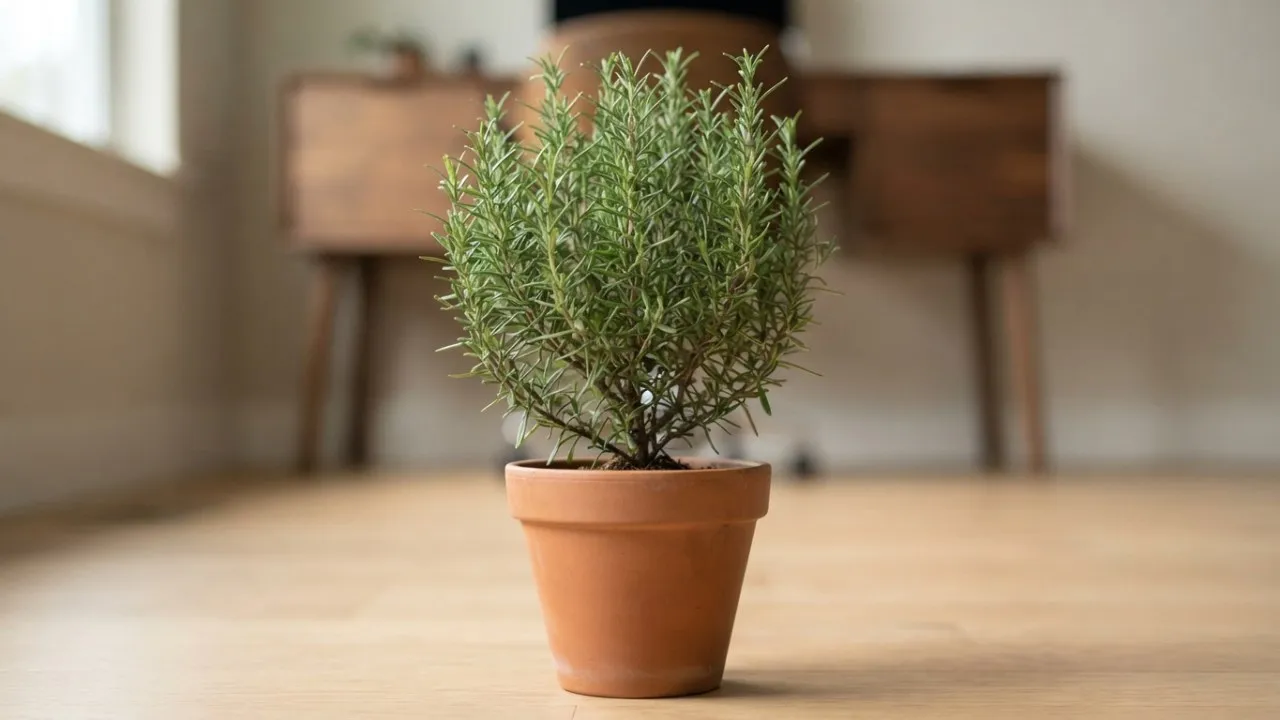
Tarragon has slender, upright stems with narrow, smooth, undivided, dark green leaves that smell of anise when crushed. Russian tarragon (var. inodora) is a coarser, paler, taller look-alike with little flavour, and mugwort (Artemisia vulgaris) has deeply lobed leaves with a silvery underside. Mexican tarragon (Tagetes lucida) tastes similar but is a marigold relative with toothed leaves and yellow flowers.

Watering your Tarragon
Every 5 days
Water thoroughly when the upper half of the soil is dry, then let it drain. Water much less in winter. Avoid waterlogging.
How to know it needs water
- Upper half of the soil dry
- Leaves appear slightly dull
- Pot feels lighter than usual

How much light a Tarragon needs
Full sun
Full sun to light shade. Prefers at least 6 hours of direct sun for best flavour.
- Direct sun tolerated
- 6 to 10 h a day
- Orientations that suit it
- South-east, South, South-west, East, West

Humidity and misting
30–50 %
Low to medium (30 to 50%) Tarragon prefers drier conditions and does not require misting; wet leaves invite mildew and rust.

Feeding and fertiliser
Every 42 days
Apply about every 6 weeks from April to June; none from July to March.
- Recommended feed
- Balanced NPK liquid fertilizer or organic compost · 5-10-5

Repotting your Tarragon
Every 24 months
Repot every 2 years in spring into a container 2 to 5 cm larger using a well-draining potting mix. Handle roots gently.
- When
- Spring
- Potting mix
- All-purpose potting mix
- Mix in
- perlite, coarse sand
The tell-tale signs
- Roots emerging from drainage holes
- Growth appears stunted
- Soil dries out very quickly after watering

Pruning your Tarragon
Regularly prune to encourage bushier growth and prevent flowering, which can reduce leaf flavour. Harvest leaves as needed. Pinch back or cut stems just above a leaf node using clean scissors or your fingers.

Through the year
Watering is not set once and for all: it follows the light and the growth. Allow 9 days between waterings in the depth of winter, against 4 in the growing season.
- 8 J
- 6 F
- 5 M
- 4 A
- 4 M
- 4 J
- 4 J
- 4 A
- 5 S
- 6 O
- 8 N
- 9 D
Active growth · Days between waterings

Good to know
- Its name 'dracunculus' means 'little dragon', possibly due to its serpentine roots or its traditional use for snake bites.
- French tarragon (Artemisia dracunculus var. sativa) is the most prized culinary variety.
- It is one of the four 'fines herbes' of French cuisine.

Frequently asked questions about the Tarragon
How do you care for a Tarragon?
Water it every 5 days. Give it full sun. Ideal humidity: 30–50 %. Ideal temperature: 15–25 °C. Water thoroughly when the upper half of the soil is dry, then let it drain. Water much less in winter. Avoid waterlogging.
How often should you water a Tarragon?
Every 5 days Water thoroughly when the upper half of the soil is dry, then let it drain. Water much less in winter. Avoid waterlogging. How to know it needs water : Upper half of the soil dry ; Leaves appear slightly dull ; Pot feels lighter than usual.
How much light does a Tarragon need?
Full sun Full sun to light shade. Prefers at least 6 hours of direct sun for best flavour. 6 to 10 h a day
Is the Tarragon toxic to cats and dogs?
No, the Tarragon is not listed as toxic to cats and dogs. That is still no reason to let your pets chew on it.
Why are my Tarragon leaves turning yellow?
Yellowing most often comes from too much water: the mix stays wet and the roots suffocate. Check that the pot drains, empty the saucer, and let the mix dry before watering again. Too little light or a cold draught cause the same symptom.
When should you repot a Tarragon?
Repot every 24 months, ideally in spring. Repot every 2 years in spring into a container 2 to 5 cm larger using a well-draining potting mix. Handle roots gently.

At a glance
- Family
- Asteraceae
- Category
- Herb
- Placement
- Indoor and outdoor
- Mature height
- 60 cm
- Growth
- Moderate
- Temperature
- 15–25 °C
- Pot materials
- terracotta, ceramic, fabric
- Growth
- Reaches maturity in 2 years
These figures are for an average plant. In the app they are recalculated for yours, based on your room, its orientation and the season.
And for your plant, in your home?
In the app this plant becomes yours: a watering schedule tuned to your home, health tracking from photos, and reminders at the right moment.