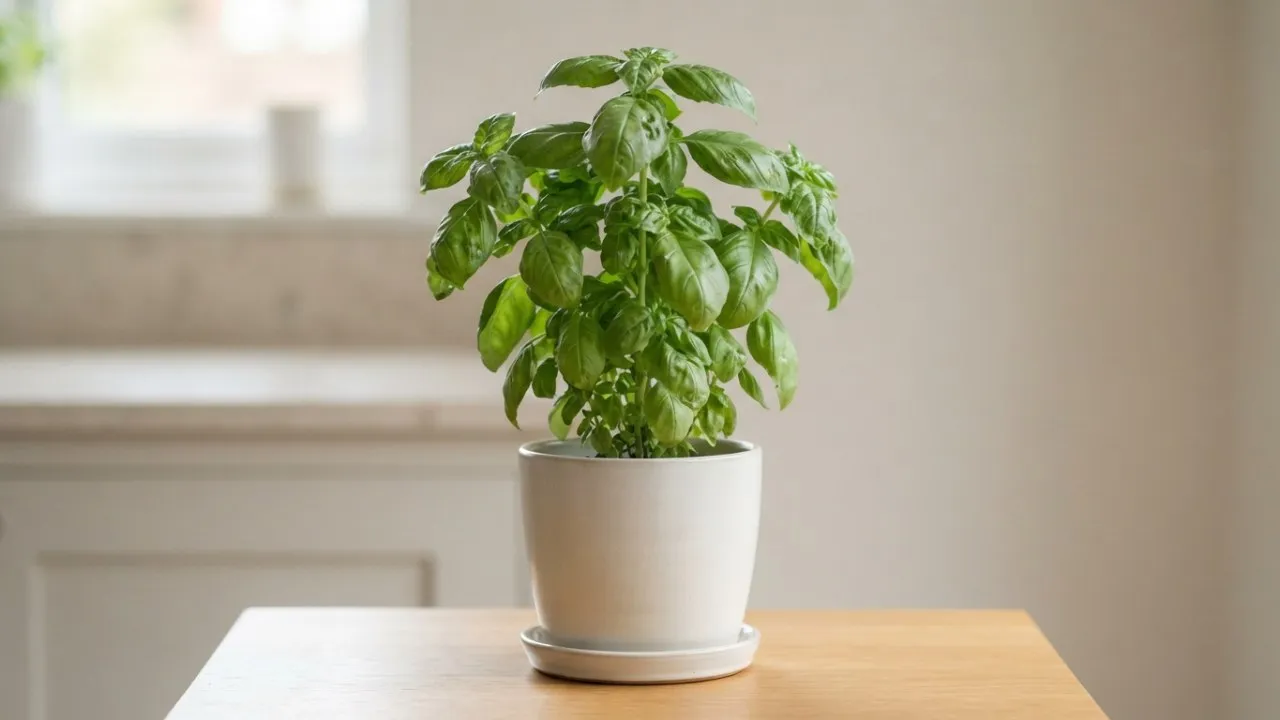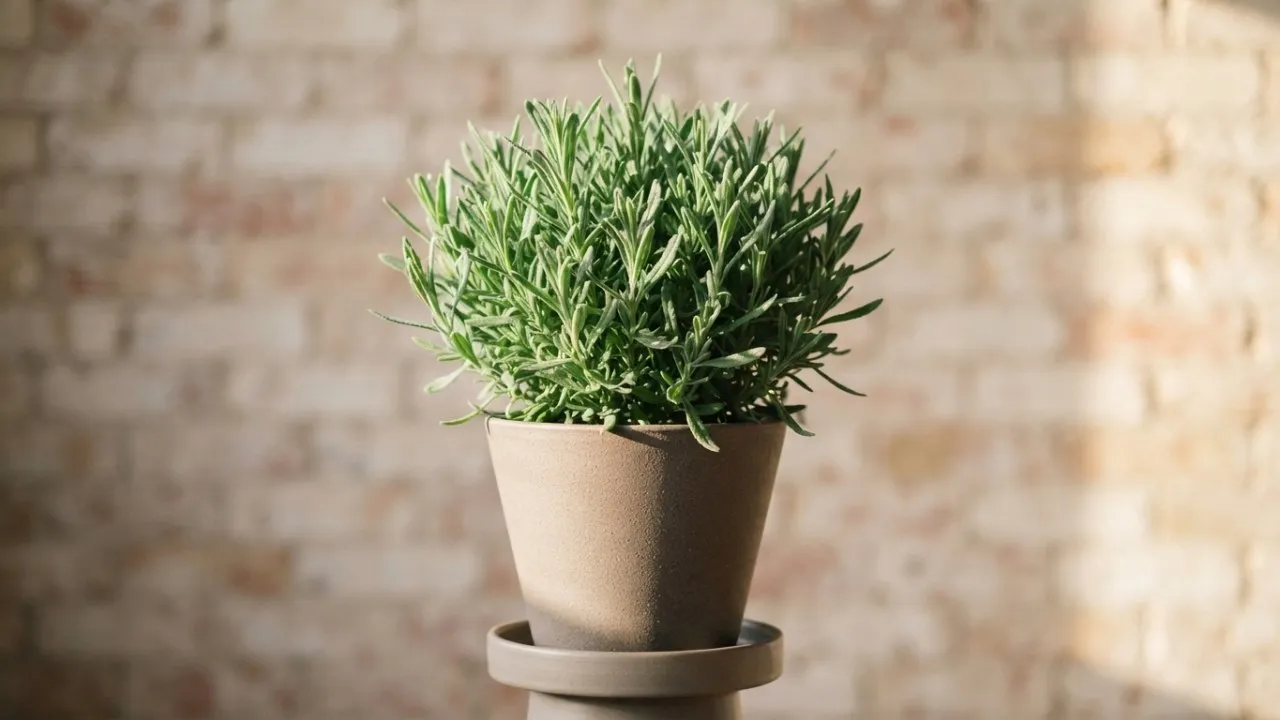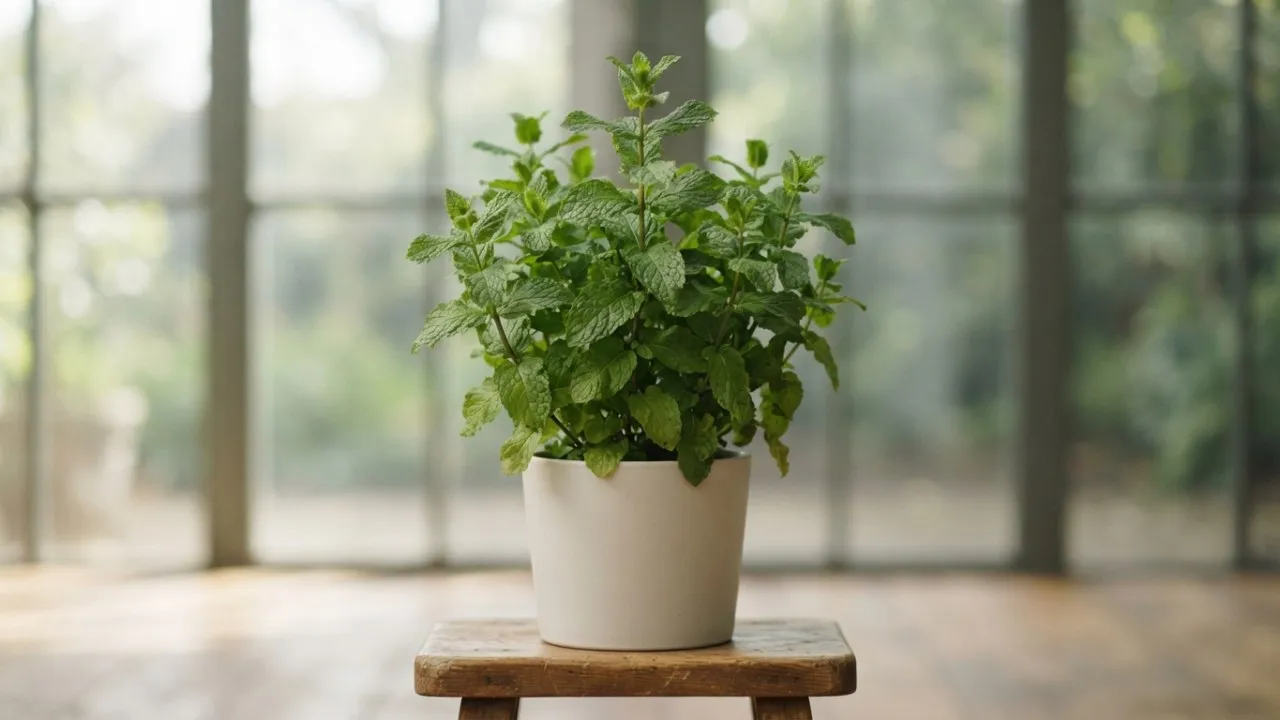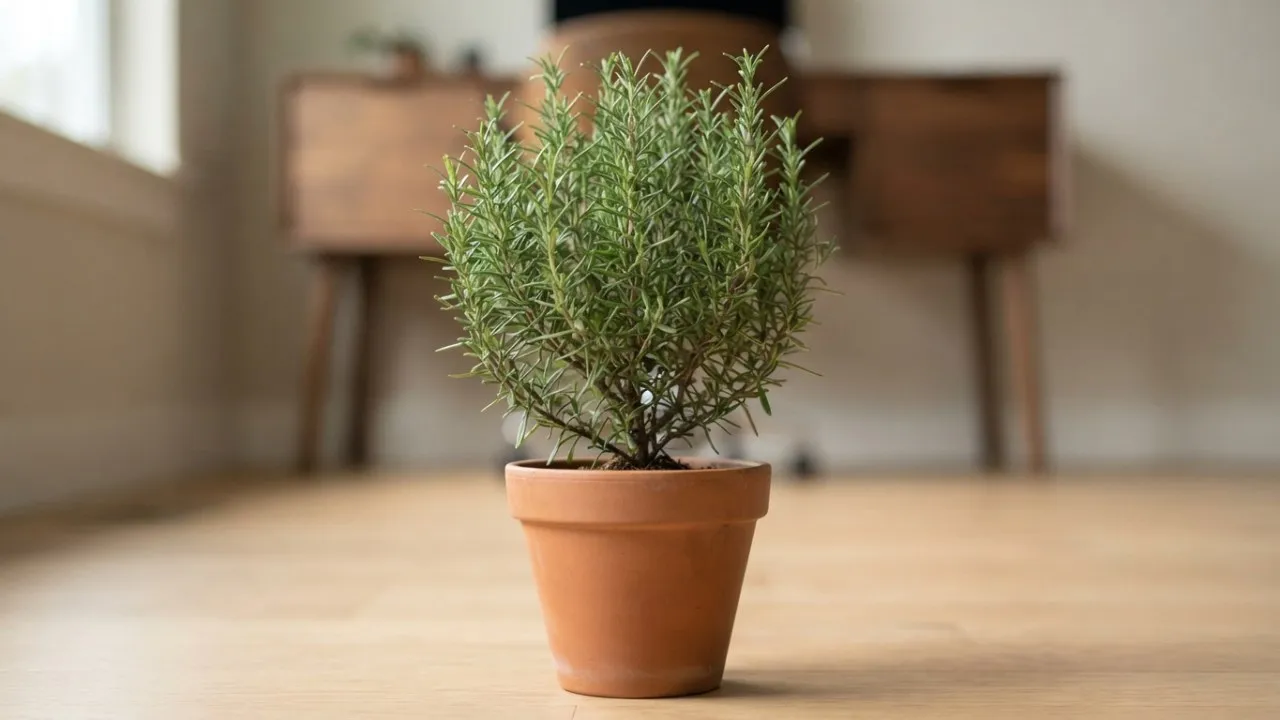
Herb · Apiaceae
Dill
Anethum graveolens
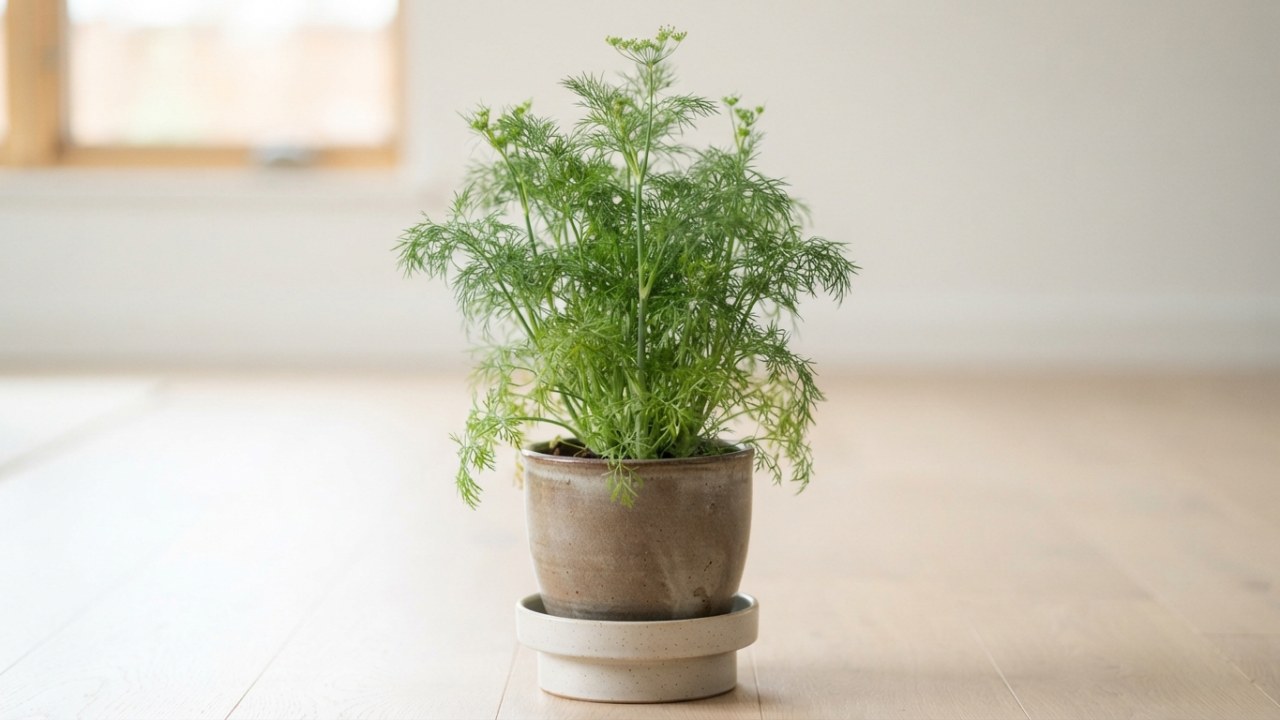
Dill is a popular aromatic annual herb known for its feathery leaves and distinctive flavour.
- Every 3 daysWatering
- Full sunLight
- 40–60 %Humidity
- 15–25 °CTemperature


How to care for your Dill
Everything you need to keep your Dill healthy: watering, light, humidity, feeding, repotting and pruning.
Anethum graveolens, commonly known as Dill, is an annual herb native to southwestern Asia and Europe. It is widely cultivated for its aromatic leaves and seeds, which are used in various cuisines. Dill grows upright with delicate, fern-like foliage and produces umbrella-shaped clusters of yellow flowers. It thrives in full sun and well-draining soil, making it a favourite for herb gardens and containers. As an annual it does not survive frost once grown, so sow it again each spring. While it can be grown indoors, it requires ample light to prevent legginess and ensure good flavour.

How to recognise Dill
An upright annual up to about 90 cm, with smooth, hollow, blue-green stems and finely divided, thread-like feathery leaves, topped in summer by flat umbrella-shaped clusters of tiny yellow flowers. Fennel looks very similar but is a taller perennial with a stronger aniseed scent, while carrot tops have coarser, flatter leaflets and a carrot smell.

Watering your Dill
Every 3 days
Keep the soil consistently moist but not waterlogged. Water when the top 1 to 2 cm of soil feels dry to the touch: about every 3 days in the growing season, and about every 6 days when growth slows in cool weather.
How to know it needs water
- Soil dry 1 to 2 cm deep
- Leaves slightly wilting
- Pot feels lighter than usual

How much light a Dill needs
Full sun
Full sun; requires at least 6 hours of direct sunlight daily for best growth and flavour.
- Direct sun tolerated
- 6 to 10 h a day
- Orientations that suit it
- South-east, South, South-west, East, West

Humidity and misting
40–60 %
Medium (40 to 60%) Misting is generally not necessary for dill. Ensure good air circulation to prevent fungal issues.

Feeding and fertiliser
Every 28 days
Feed about once a month from May to August. Reduce or stop once flowering begins.
- Recommended feed
- Balanced liquid fertilizer or organic compost tea · 10-10-10

Repotting your Dill
Dill does not generally like to be repotted due to its taproot. It's best to sow seeds directly into its final container or garden spot. If transplanting, do so carefully when young.
- When
- Spring
- Potting mix
- All-purpose potting mix
- Mix in
- perlite
The tell-tale signs
- Roots emerging from drainage holes
- Plant appears stunted or root-bound
- Substrate dries out very quickly

Pruning your Dill
Harvest leaves as needed once the plant is established, typically when it's 15 to 20 cm tall. Pinch off flower heads to prolong leaf production. Snip outer leaves near the base of the stem with clean scissors. To prevent bolting, pinch off developing flower buds.

Through the year
Watering is not set once and for all: it follows the light and the growth. Allow 5 days between waterings in the depth of winter, against 2 in the growing season.
- 5 J
- 4 F
- 3 M
- 2 A
- 2 M
- 2 J
- 2 J
- 2 A
- 3 S
- 4 O
- 5 N
- 5 D
Active growth · Days between waterings

Good to know
- Dill is an annual herb, meaning it completes its life cycle in one growing season.
- Both the leaves (dill weed) and the seeds are used in cooking.
- It's a favourite host plant for swallowtail butterfly caterpillars.

Frequently asked questions about the Dill
How do you care for a Dill?
Water it every 3 days. Give it full sun. Ideal humidity: 40–60 %. Ideal temperature: 15–25 °C. Keep the soil consistently moist but not waterlogged. Water when the top 1 to 2 cm of soil feels dry to the touch: about every 3 days in the growing season, and about every 6 days when growth slows in cool weather.
How often should you water a Dill?
Every 3 days Keep the soil consistently moist but not waterlogged. Water when the top 1 to 2 cm of soil feels dry to the touch: about every 3 days in the growing season, and about every 6 days when growth slows in cool weather. How to know it needs water : Soil dry 1 to 2 cm deep ; Leaves slightly wilting ; Pot feels lighter than usual.
How much light does a Dill need?
Full sun Full sun; requires at least 6 hours of direct sunlight daily for best growth and flavour. 6 to 10 h a day
Is the Dill toxic to cats and dogs?
No, the Dill is not listed as toxic to cats and dogs. That is still no reason to let your pets chew on it.
Why are my Dill leaves turning yellow?
Yellowing most often comes from too much water: the mix stays wet and the roots suffocate. Check that the pot drains, empty the saucer, and let the mix dry before watering again. Too little light or a cold draught cause the same symptom.
When should you repot a Dill?
Repot , ideally in spring. Dill does not generally like to be repotted due to its taproot. It's best to sow seeds directly into its final container or garden spot. If transplanting, do so carefully when young.

At a glance
- Family
- Apiaceae
- Category
- Herb
- Placement
- Indoor and outdoor
- Mature height
- 90 cm
- Growth
- Fast
- Temperature
- 15–25 °C
- Pot materials
- terracotta, ceramic, plastic
- Growth
- Reaches maturity in 1 years
These figures are for an average plant. In the app they are recalculated for yours, based on your room, its orientation and the season.
And for your plant, in your home?
In the app this plant becomes yours: a watering schedule tuned to your home, health tracking from photos, and reminders at the right moment.