Succulent · Asphodelaceae
Candelabra Aloe
Aloe arborescens
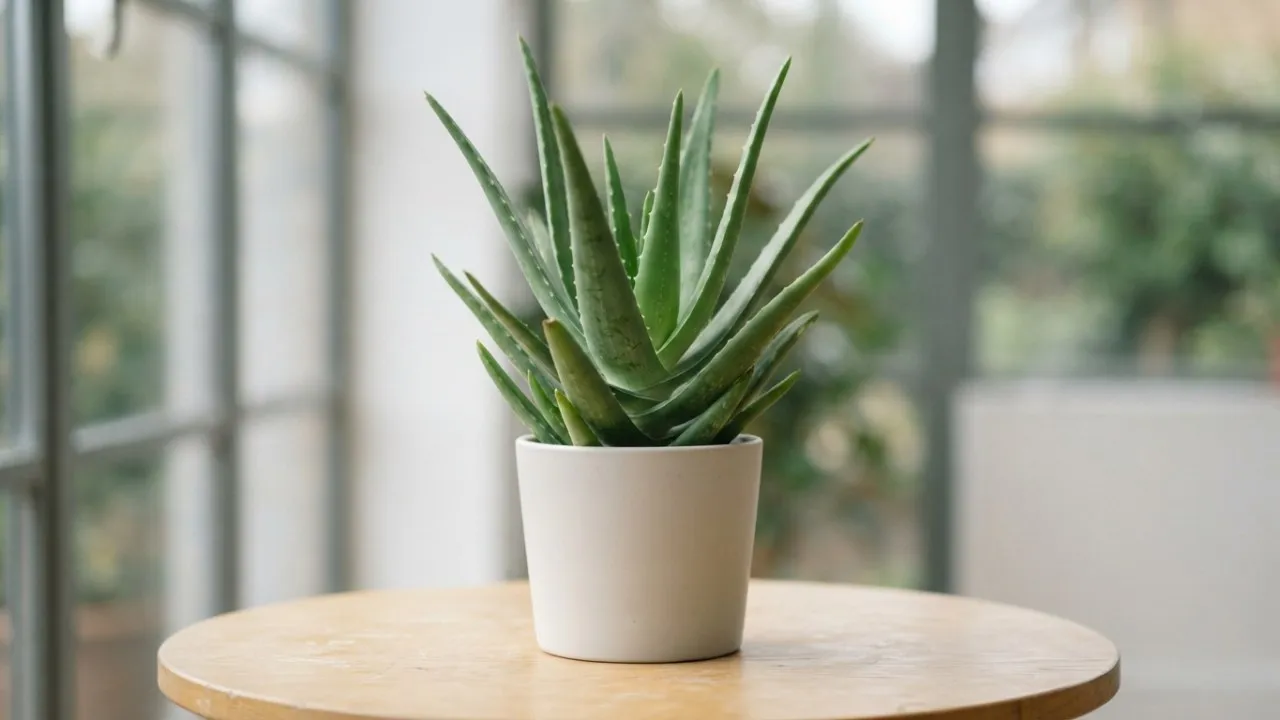
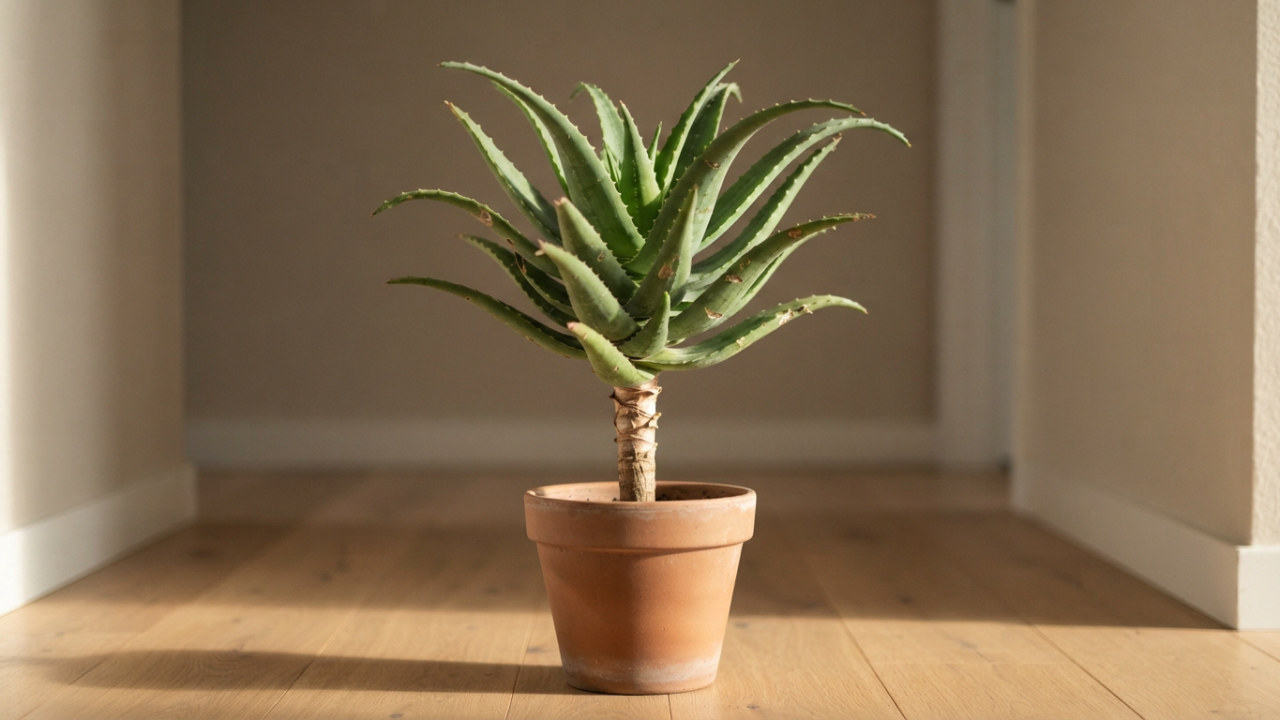
A tall, branching shrub aloe with rosettes of long gray-green toothed leaves and red-orange flower spikes in winter.
- Every 12 daysWatering
- Full sunLight
- 30–40 %Humidity
- 5–35 °CTemperature


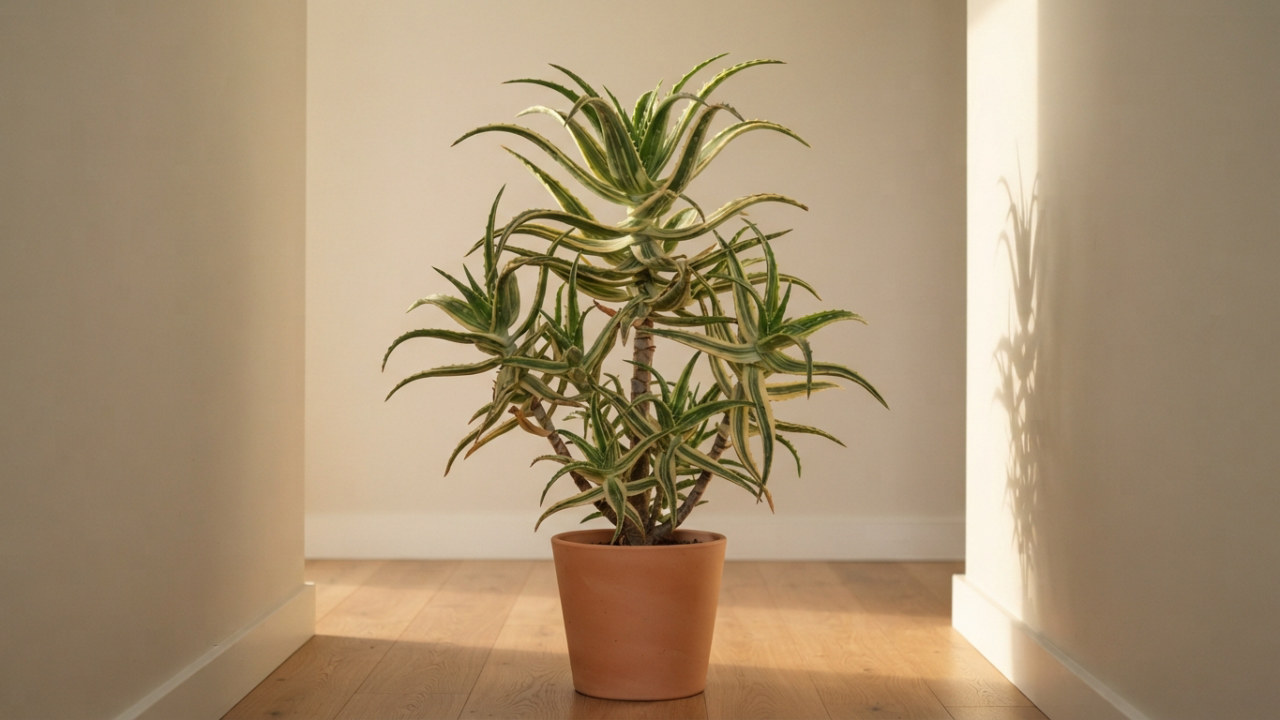
Its varieties 1
How to care for your Candelabra Aloe
Everything you need to keep your Candelabra Aloe healthy: watering, light, humidity, feeding, repotting and pruning.
Candelabra aloe is a sprawling, many-headed shrub of rocky slopes and cliffs in southeastern Africa, where its stems can reach two to three meters. Each branch ends in a rosette of long, sword-shaped, gray-green leaves edged with pale teeth. In winter, torch-like spikes of red-orange flowers rise above the foliage. It grows fast, tolerates a brief light frost when dry, and needs a large, heavy pot indoors.

How to recognise Candelabra Aloe
A branching shrub whose stems each end in a rosette of long, curved, gray-green leaves that are never spotted and carry pale teeth along the edge. Aloe vera, Aloe maculata, Aloe striata, Gasteria (tongue-shaped leaves, often in two rows) and Haworthia stay low, stemless or nearly so, while the fan aloe holds its leaves in flat fans rather than rosettes.

Watering your Candelabra Aloe
Every 12 days
Water thoroughly, let the excess drain away, and wait until the mix is dry right through before watering again, with much less water during the cool winter rest.
How to know it needs water
- The mix is dry through the whole pot, not only at the surface
- The lower leaves look a little thinner and softer than usual

How much light a Candelabra Aloe needs
Full sun
Full sun suits it, on a south-facing sill or a sunny patio in summer; in dim light the stems stretch and it rarely flowers.
- Direct sun tolerated
- 6 to 12 h a day
- Orientations that suit it
- South, South-east, South-west, East, West

Humidity and misting
30–40 %
Ordinary room air, around 30 to 40%, is enough, and an airy, sheltered spot matters more than extra humidity. Misting is not needed and keeps the leaf bases wet, which invites rot.

Feeding and fertiliser
Every 28 days
Feed about once a month from April to September at half strength, and stop in fall and winter so the plant can rest.
- Recommended feed
- A diluted liquid fertilizer for cacti and succulents, low in nitrogen. · 2-7-7

Repotting your Candelabra Aloe
Every 24 months
Move it into a heavy pot only one or two sizes larger, filled with gritty cactus mix, since a tall plant tips over in a light container.
- When
- Spring, between March and May.
- Potting mix
- Cactus and succulent mix
- Mix in
- perlite, coarse sand, pumice
The tell-tale signs
- The stems lean or the pot tips over as the plant grows taller and heavier
- Roots show at the drainage holes or push the plant up out of the pot

Pruning your Candelabra Aloe
In spring or summer, when a stem has grown too long or leans, and after the flower spikes have faded. Cut a stem back to a lower leaf or side branch with a clean saw or knife, and let the cut piece dry for several days before planting it as a cutting.

Through the year
Watering is not set once and for all: it follows the light and the growth. Allow 19 days between waterings in the depth of winter, against 10 in the growing season.
- 18 J
- 14 F
- 12 M
- 11 A
- 10 M
- 10 J
- 10 J
- 11 A
- 12 S
- 13 O
- 16 N
- 19 D
Active growth · Days between waterings

Toxicity
Toxic to cats, dogs and people if eaten: the bitter yellow latex just under the leaf skin irritates the digestive tract, bringing diarrhea in people and vomiting and lethargy in cats and dogs, while handling the plant is harmless.

Good to know
- The name krantz aloe comes from the Afrikaans word for a cliff face, where wild plants cling.
- In Japan it is known as kidachi aloe and is grown as a traditional remedy plant.

Frequently asked questions about the Candelabra Aloe
How do you care for a Candelabra Aloe?
Water it every 12 days. Give it full sun. Ideal humidity: 30–40 %. Ideal temperature: 5–35 °C. Water thoroughly, let the excess drain away, and wait until the mix is dry right through before watering again, with much less water during the cool winter rest.
How often should you water a Candelabra Aloe?
Every 12 days Water thoroughly, let the excess drain away, and wait until the mix is dry right through before watering again, with much less water during the cool winter rest. How to know it needs water : The mix is dry through the whole pot, not only at the surface ; The lower leaves look a little thinner and softer than usual.
How much light does a Candelabra Aloe need?
Full sun Full sun suits it, on a south-facing sill or a sunny patio in summer; in dim light the stems stretch and it rarely flowers. 6 to 12 h a day
Is the Candelabra Aloe toxic to cats and dogs?
Yes. Toxic to cats, dogs and people if eaten: the bitter yellow latex just under the leaf skin irritates the digestive tract, bringing diarrhea in people and vomiting and lethargy in cats and dogs, while handling the plant is harmless. Keep it out of reach of your pets and call a vet if any is swallowed.
Why are my Candelabra Aloe leaves turning yellow?
Yellowing most often comes from too much water: the mix stays wet and the roots suffocate. Check that the pot drains, empty the saucer, and let the mix dry before watering again. Too little light or a cold draught cause the same symptom.
When should you repot a Candelabra Aloe?
Repot every 24 months, ideally in spring, between march and may.. Move it into a heavy pot only one or two sizes larger, filled with gritty cactus mix, since a tall plant tips over in a light container.

At a glance
- Family
- Asphodelaceae
- Category
- Succulent
- Placement
- Indoor and outdoor
- Mature height
- 2 m
- Growth
- Fast
- Temperature
- 5–35 °C
- Pot materials
- terracotta, ceramic
- Growth
- Reaches maturity in 5 years
These figures are for an average plant. In the app they are recalculated for yours, based on your room, its orientation and the season.
And for your plant, in your home?
In the app this plant becomes yours: a watering schedule tuned to your home, health tracking from photos, and reminders at the right moment.