
Variety Tropical · Araceae
Chinese Evergreen 'Silver Bay'
Aglaonema 'Silver Bay' · A variety of Chinese Evergreen
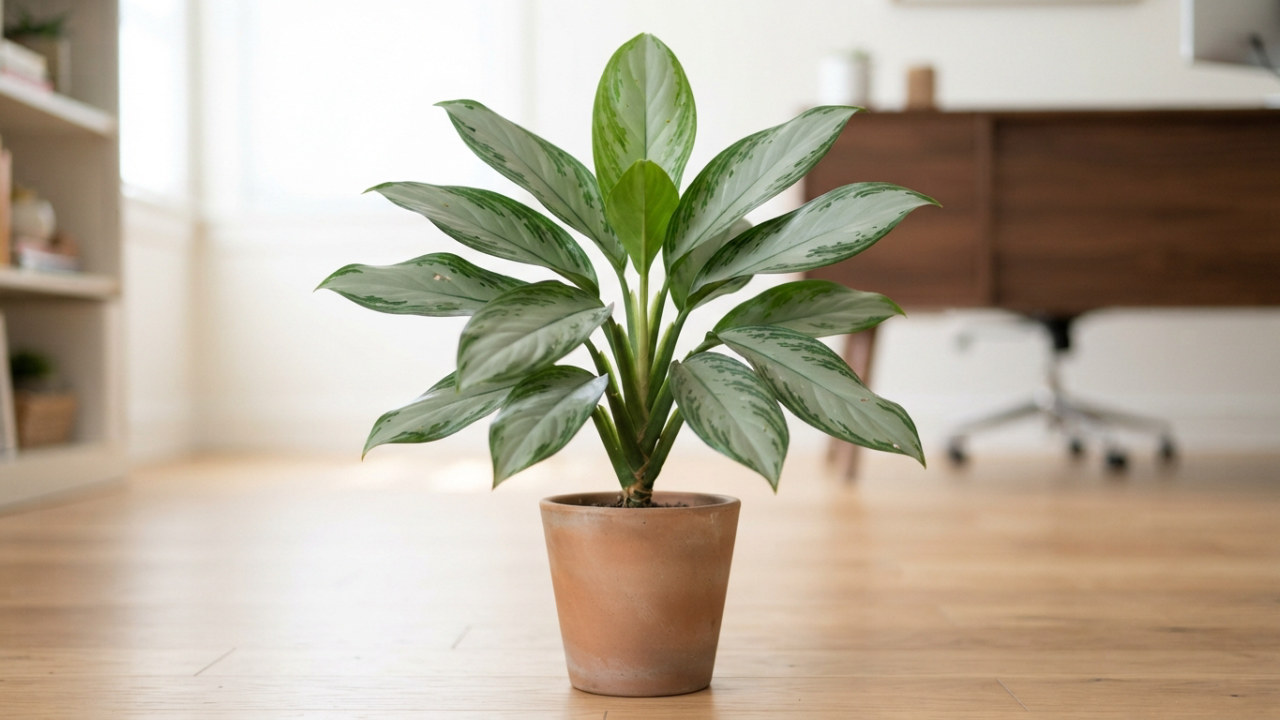
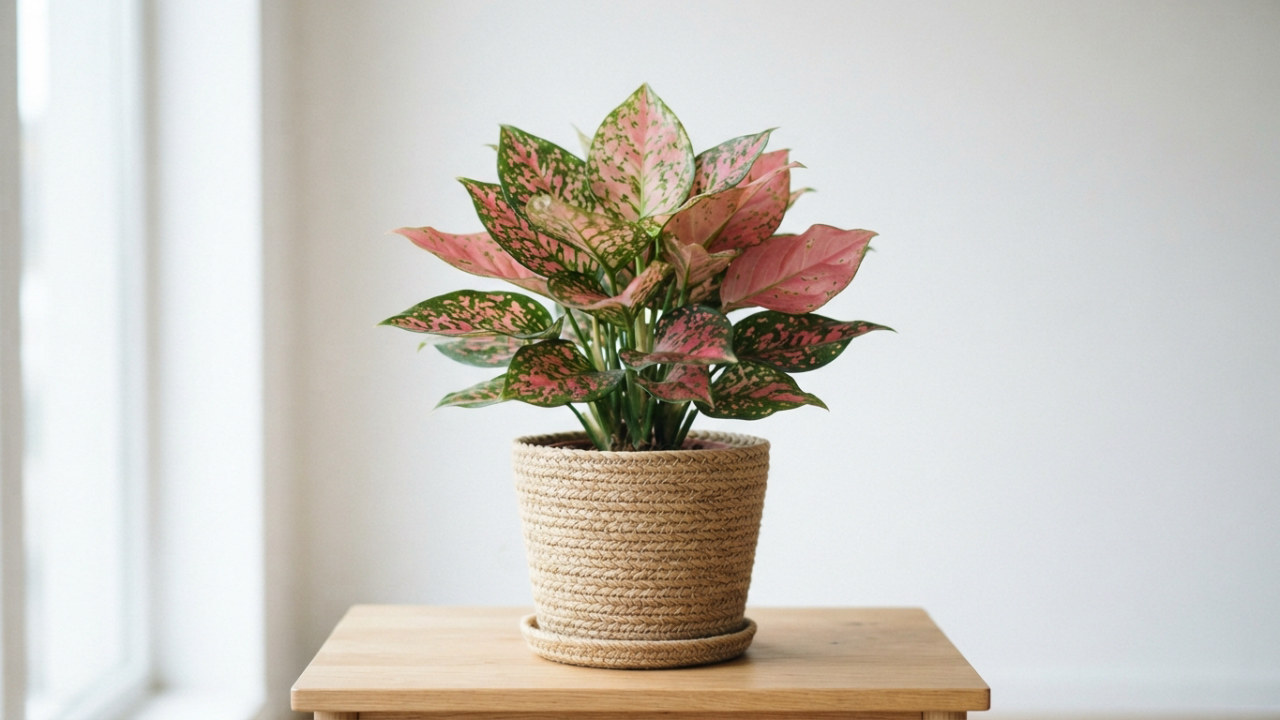
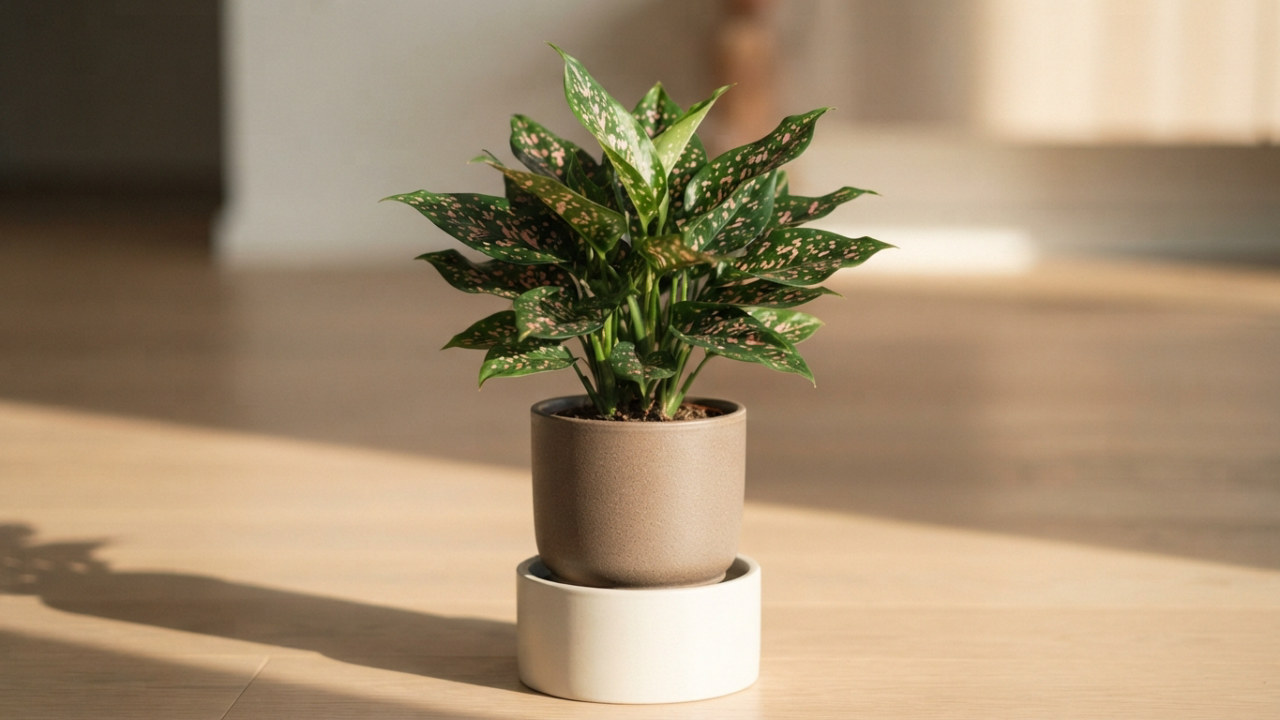
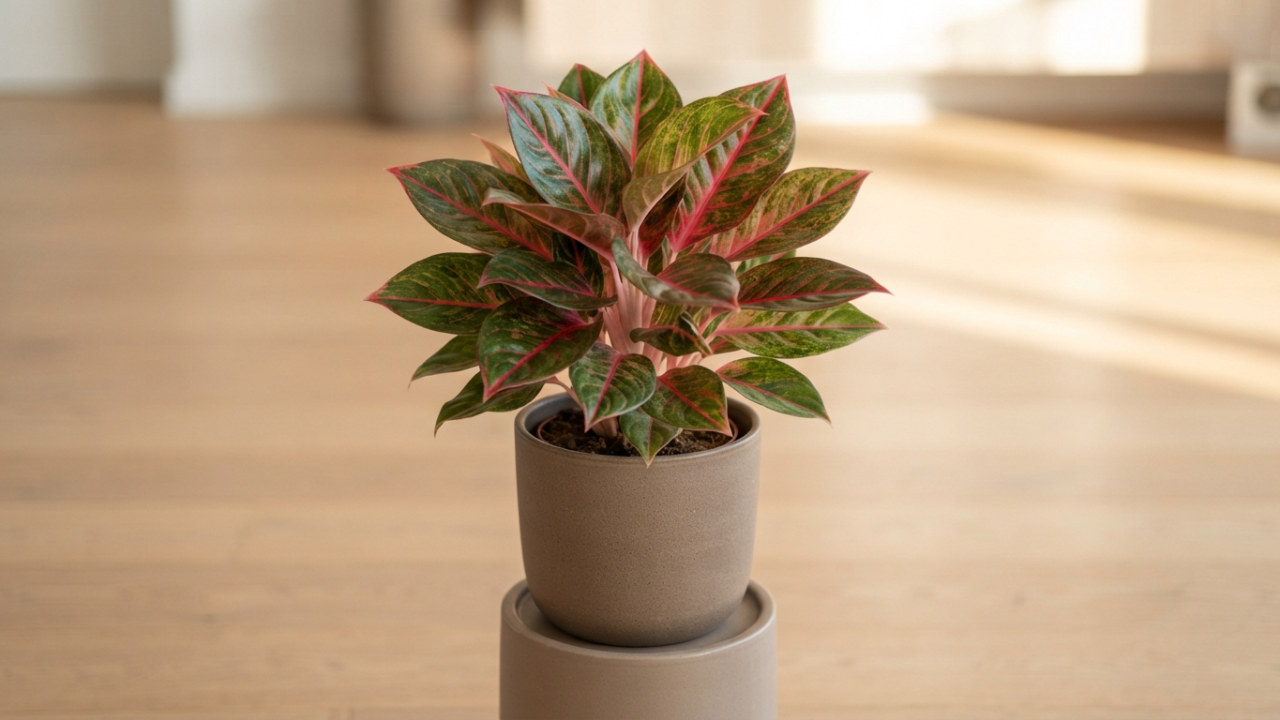
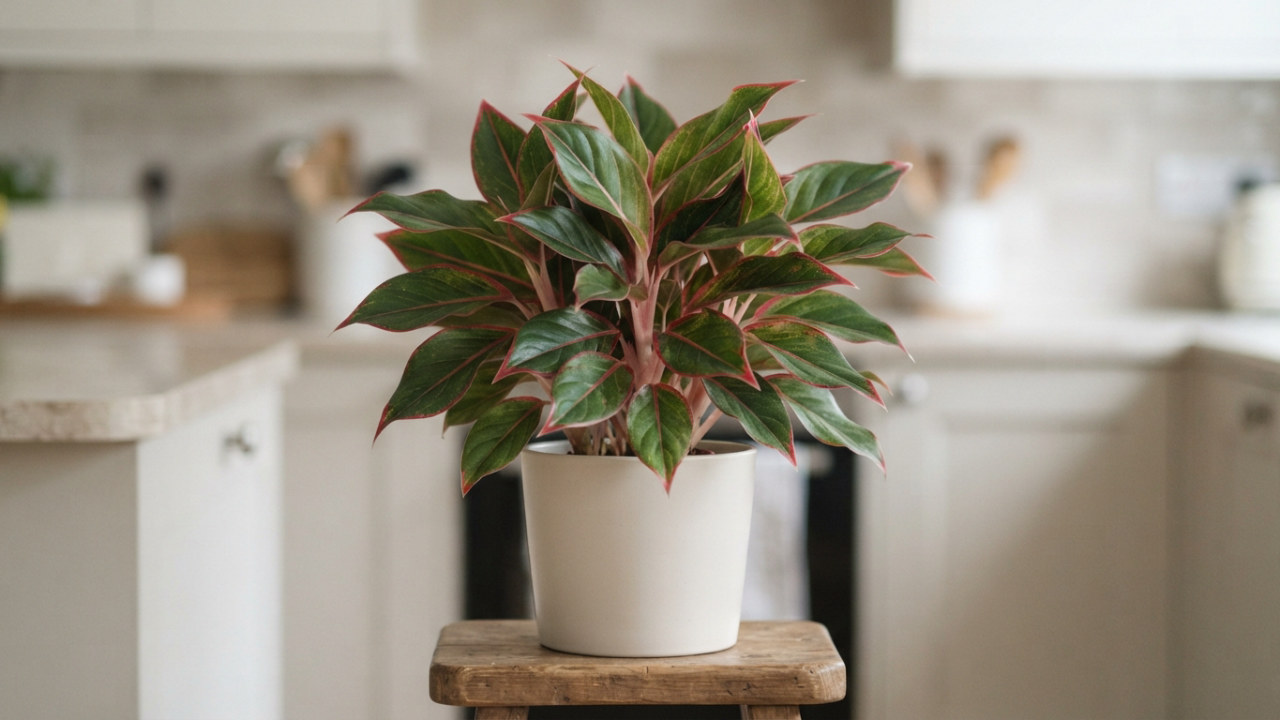
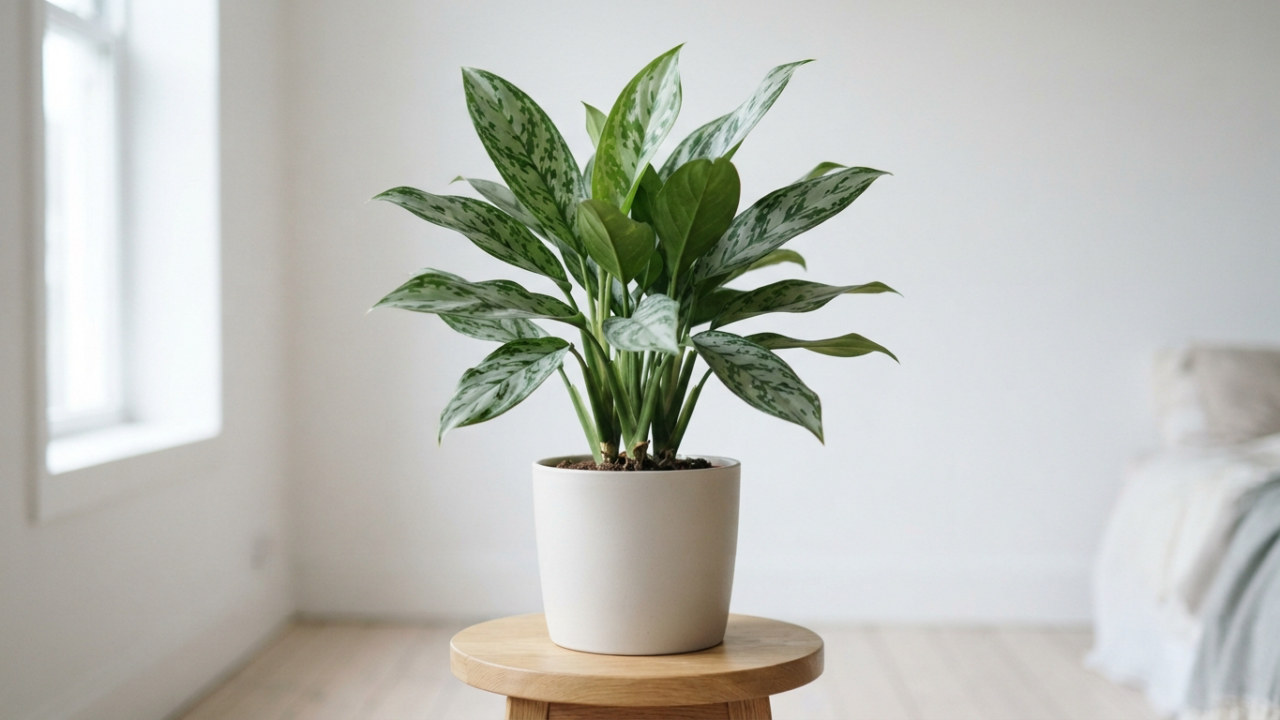
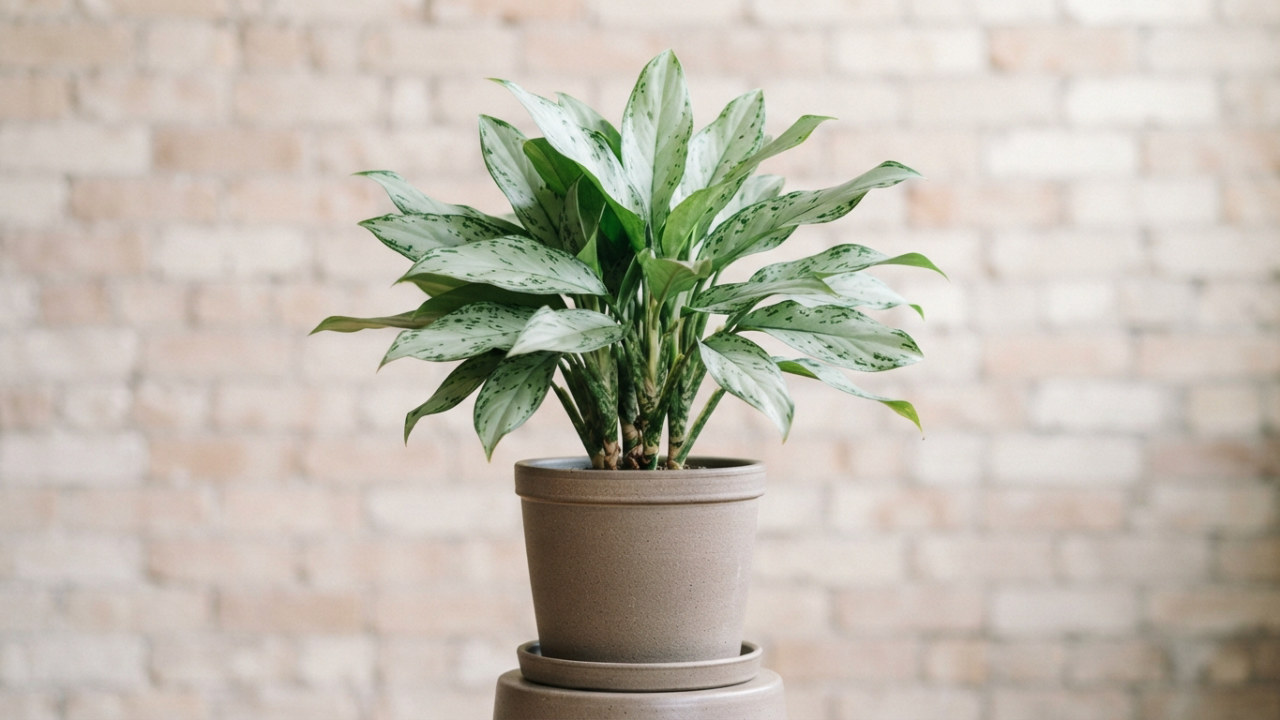
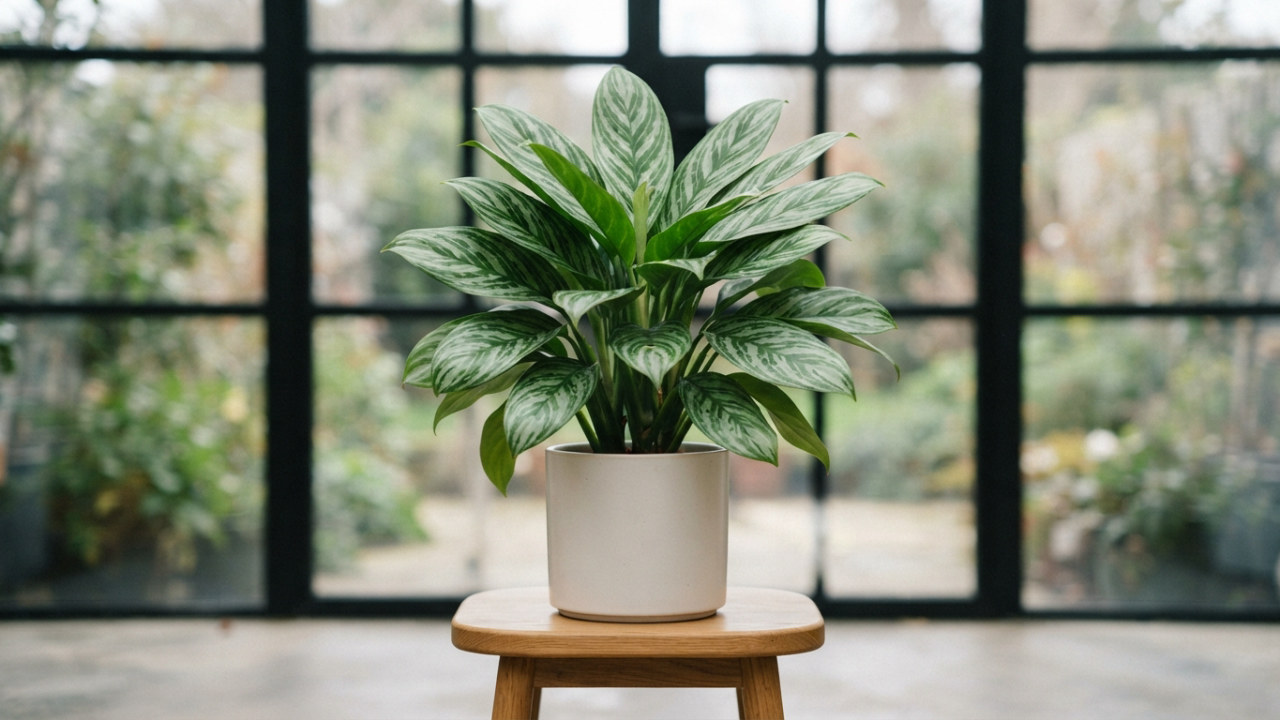
A compact hybrid aglaonema whose glossy leaves have a large silver-gray center and dark green edges.
- Every 8 daysWatering
- Bright indirect lightLight
- 40–60 %Humidity
- 18–27 °CTemperature


Other varieties 13
How to care for your Chinese Evergreen 'Silver Bay'
Everything you need to keep your Chinese Evergreen 'Silver Bay' healthy: watering, light, humidity, feeding, repotting and pruning.
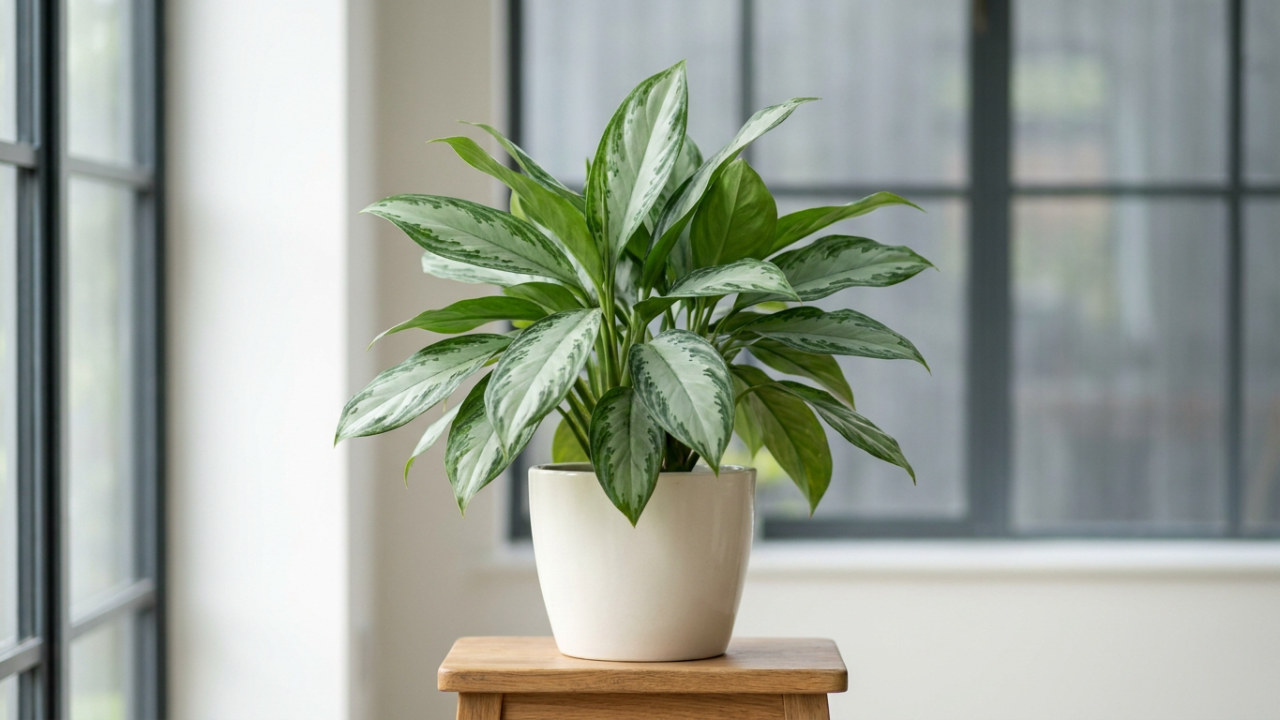
'Silver Bay' is a hybrid aglaonema developed at the University of Florida in 1992, long sold under the label Aglaonema commutatum. Its glossy, lance-shaped leaves, up to about 30 cm long and 10 cm wide, have a large, solid silver-gray center that spreads toward the dark green edges and midrib. The clump is compact, upright and bushy, growing at a moderate pace to 60 to 90 cm in height and spread, and its small greenish flowers are inconspicuous.

How to recognise Chinese Evergreen 'Silver Bay'
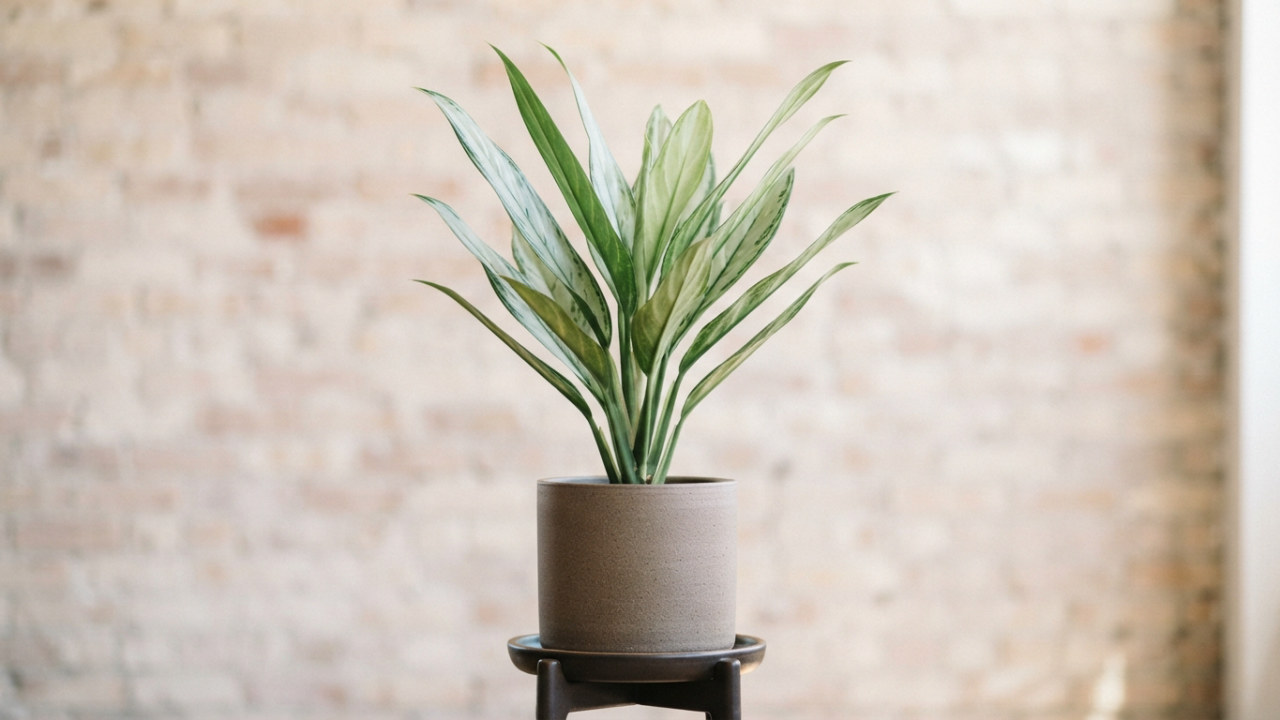
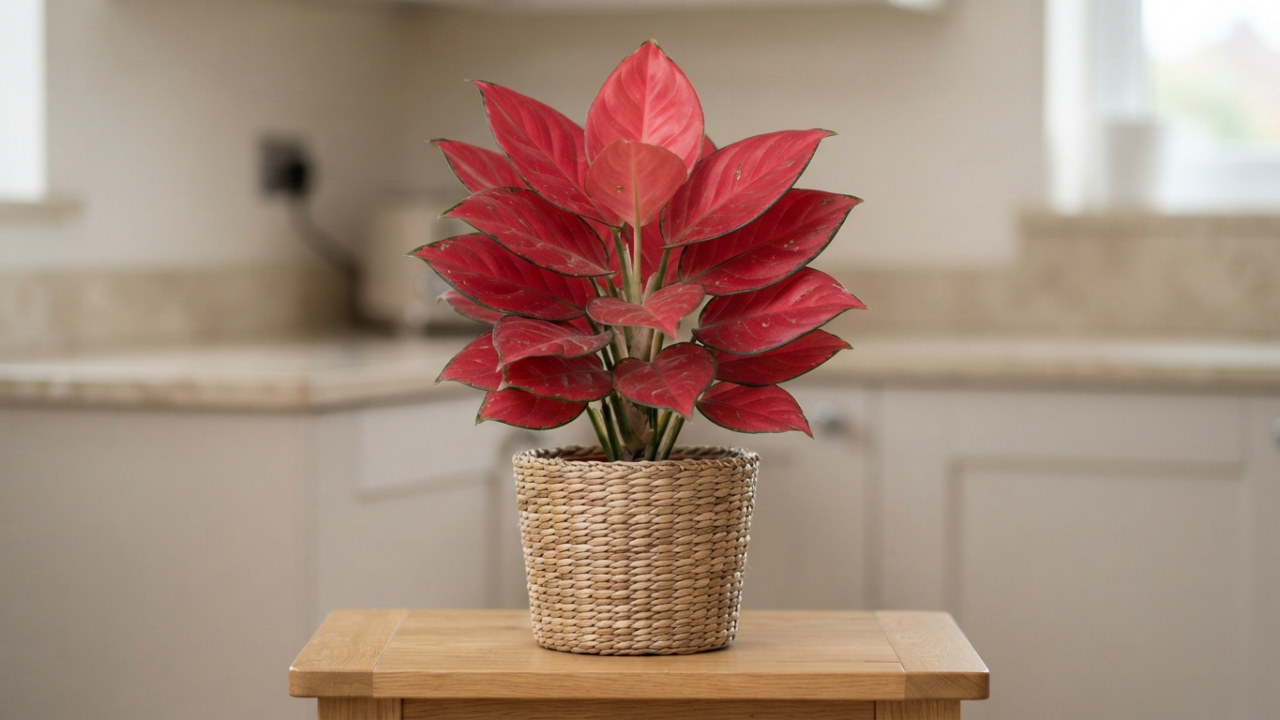
Broad, glossy, lance-shaped leaves with one large, solid silver-gray center that spreads toward dark green edges and a dark green midrib, unlike the feathery, speckled silver of 'Silver Queen', the near-uniform silver of 'Silver King' or the bold stripes of 'Stripes'. Its sport 'Diamond Bay' looks closely similar, and Dieffenbachia has a thick cane and larger leaves, where this plant makes a compact, upright clump.

Watering your Chinese Evergreen 'Silver Bay'
Every 8 days
Water once the top few centimeters of mix are dry, soaking it until the excess drains away, and lengthen the interval in winter.
How to know it needs water
- Pushing a finger into the mix, you feel no moisture in the top few centimeters
- The pot has clearly lost weight since the last watering

How much light a Chinese Evergreen 'Silver Bay' needs
Bright indirect light
Bright indirect light keeps the silver center vivid, so a spot near an east window or set back from a brighter one suits it; it copes with less light but loses contrast, and direct sun scorches the silver.
- Direct sun tolerated
- No direct sun
- Orientations that suit it
- North, North-east, East, North-west

Humidity and misting
40–60 %
Average room humidity of 40 to 60% is enough, and the leaf edges brown only if the air becomes very dry. Misting is unnecessary, as water on the glossy leaves runs off or dries within minutes; a humidifier is the better choice for very dry air.

Feeding and fertiliser
Every 28 days
Feed about every four weeks from April to September, and not in winter; a compact grower needs little, and overfeeding browns the leaf tips.
- Recommended feed
- A liquid fertilizer for foliage plants, mixed at half the strength given on the label. · 5-10-5

Repotting your Chinese Evergreen 'Silver Bay'
Every 24 months
Go up just one pot size, into a light, free-draining mix of potting soil, perlite and coco fiber; this is also the moment to divide a clump that has become tight.
- When
- Spring, from March to May, when growth restarts.
- Potting mix
- All-purpose potting mix
- Mix in
- perlite, coco fibre
The tell-tale signs
- Roots wrap around the rootball when you slide the plant out of its pot
- New shoots crowd the pot and the clump looks too big for it

Pruning your Chinese Evergreen 'Silver Bay'
Whenever a leaf yellows or browns, and in spring if a stem has become leggy and bare. Cut the old leaf's stalk off at the base with clean scissors, and shorten a bare stem, whose top can be rooted in water or damp mix.

Through the year
Watering is not set once and for all: it follows the light and the growth. Allow 10 days between waterings in the depth of winter, against 6 in the growing season.
- 10 J
- 9 F
- 7 M
- 6 A
- 6 M
- 6 J
- 6 J
- 6 A
- 7 S
- 8 O
- 9 N
- 10 D
Active growth · Days between waterings

Toxicity
Calcium oxalate crystals in all parts cause mouth pain, swelling and digestive upset if the plant is eaten, in people, cats and dogs, and the sap may irritate skin.

Good to know
- It was developed in 1992 in the University of Florida's foliage plant breeding program.
- 'Diamond Bay' arose from it as a spontaneous mutation found among tissue-cultured plants.

Frequently asked questions about the Chinese Evergreen 'Silver Bay'
How do you care for a Chinese Evergreen 'Silver Bay'?
Water it every 8 days. Give it bright indirect light. Ideal humidity: 40–60 %. Ideal temperature: 18–27 °C. Water once the top few centimeters of mix are dry, soaking it until the excess drains away, and lengthen the interval in winter.
How often should you water a Chinese Evergreen 'Silver Bay'?
Every 8 days Water once the top few centimeters of mix are dry, soaking it until the excess drains away, and lengthen the interval in winter. How to know it needs water : Pushing a finger into the mix, you feel no moisture in the top few centimeters ; The pot has clearly lost weight since the last watering.
How much light does a Chinese Evergreen 'Silver Bay' need?
Bright indirect light Bright indirect light keeps the silver center vivid, so a spot near an east window or set back from a brighter one suits it; it copes with less light but loses contrast, and direct sun scorches the silver. No direct sun
Is the Chinese Evergreen 'Silver Bay' toxic to cats and dogs?
Yes. Calcium oxalate crystals in all parts cause mouth pain, swelling and digestive upset if the plant is eaten, in people, cats and dogs, and the sap may irritate skin. Keep it out of reach of your pets and call a vet if any is swallowed.
Why are my Chinese Evergreen 'Silver Bay' leaves turning yellow?
Yellowing most often comes from too much water: the mix stays wet and the roots suffocate. Check that the pot drains, empty the saucer, and let the mix dry before watering again. Too little light or a cold draught cause the same symptom.
When should you repot a Chinese Evergreen 'Silver Bay'?
Repot every 24 months, ideally in spring, from march to may, when growth restarts.. Go up just one pot size, into a light, free-draining mix of potting soil, perlite and coco fiber; this is also the moment to divide a clump that has become tight.

At a glance
- Family
- Araceae
- Category
- Tropical
- Placement
- Indoor
- Mature height
- 75 cm
- Growth
- Moderate
- Temperature
- 18–27 °C
- Pot materials
- ceramic, plastic
- Growth
- Reaches maturity in 3 years
These figures are for an average plant. In the app they are recalculated for yours, based on your room, its orientation and the season.
And for your plant, in your home?
In the app this plant becomes yours: a watering schedule tuned to your home, health tracking from photos, and reminders at the right moment.
In the same spirit
 Every 7 days


Air Plant
Tillandsia ionantha

 Every 6 days
Alocasia amazonica
Alocasia amazonica
 Every 7 days
Alocasia baginda
Alocasia baginda
 Every 4 days
Angel Wings
Caladium bicolor
