
Variety Tropical · Araceae
Chinese Evergreen 'Lady Valentine'
Aglaonema 'Lady Valentine' · A variety of Chinese Evergreen
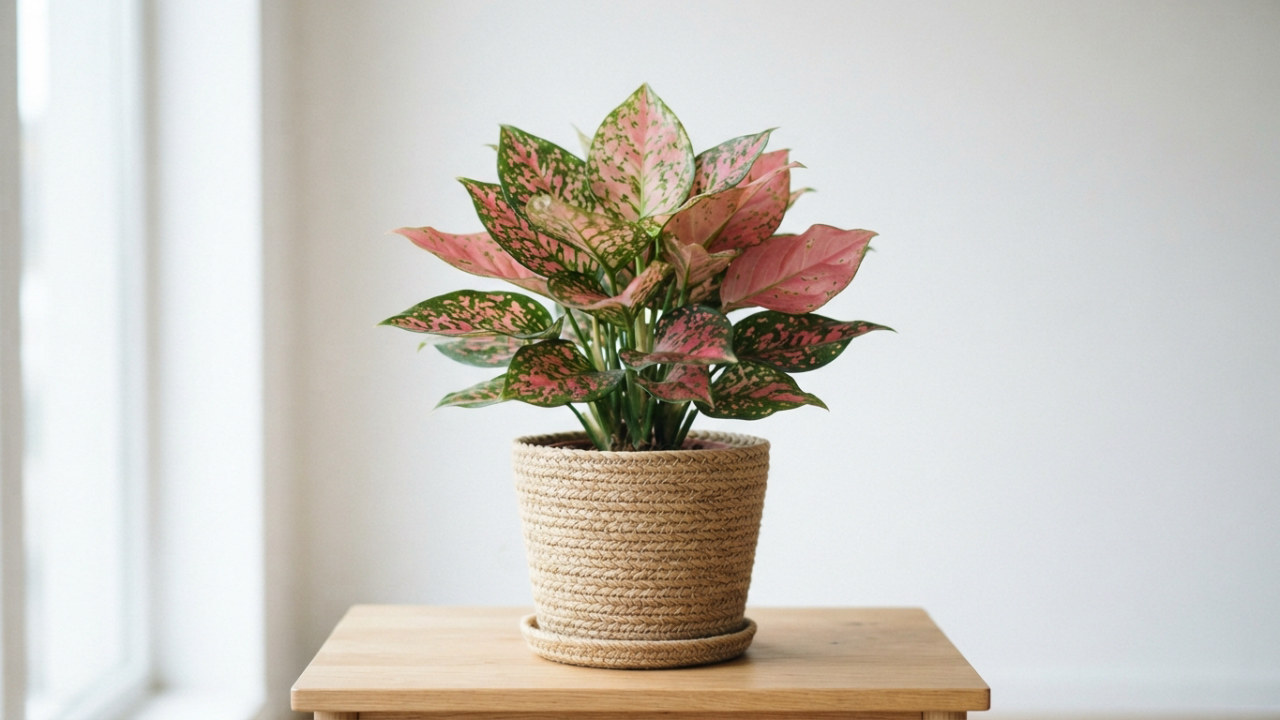
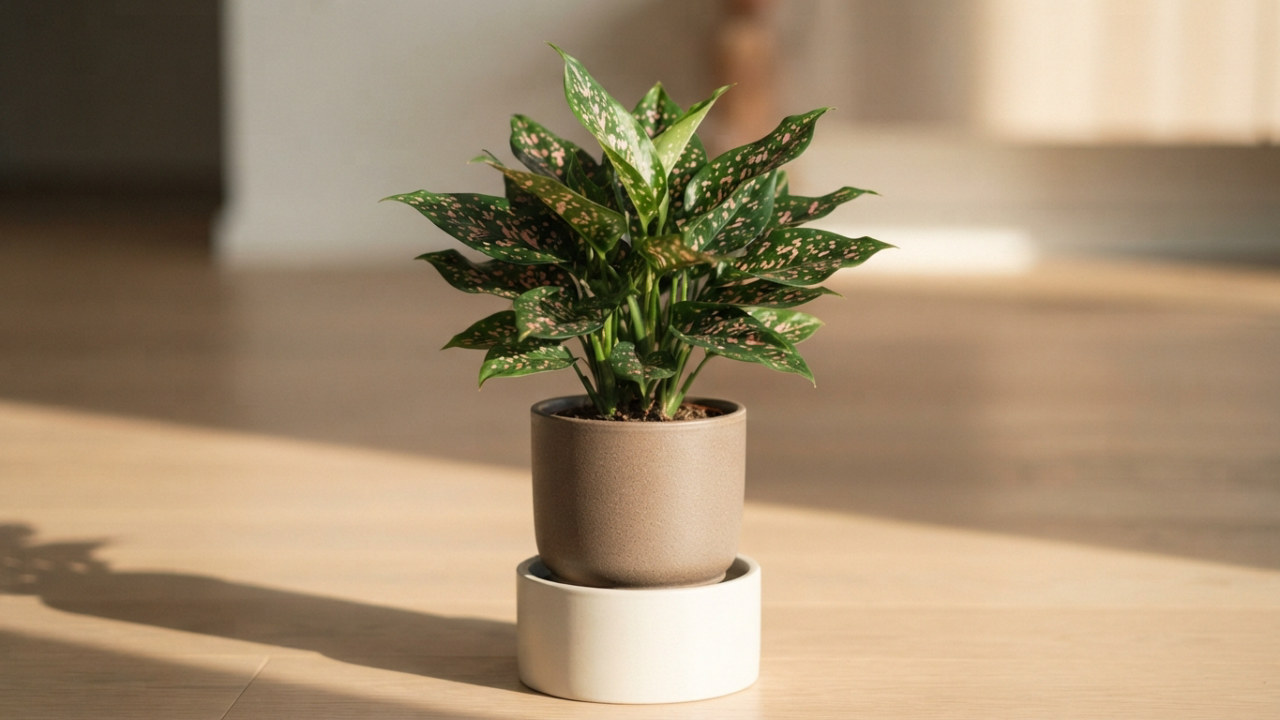
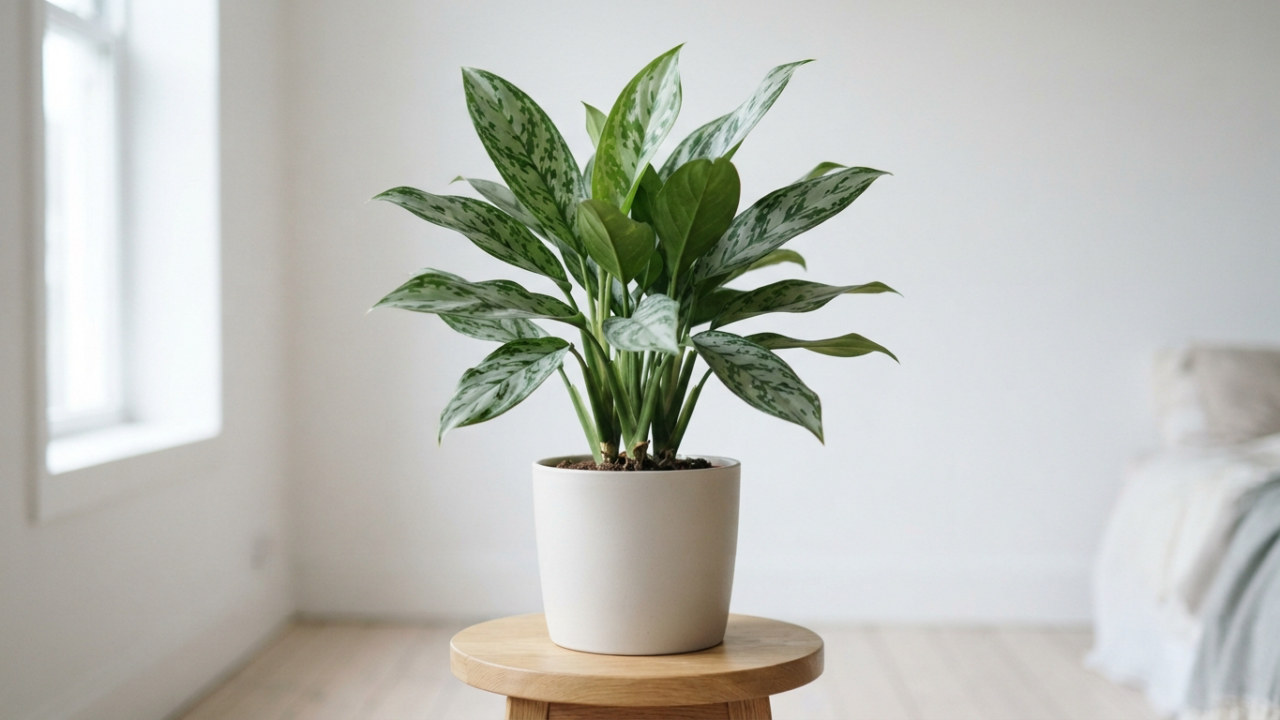
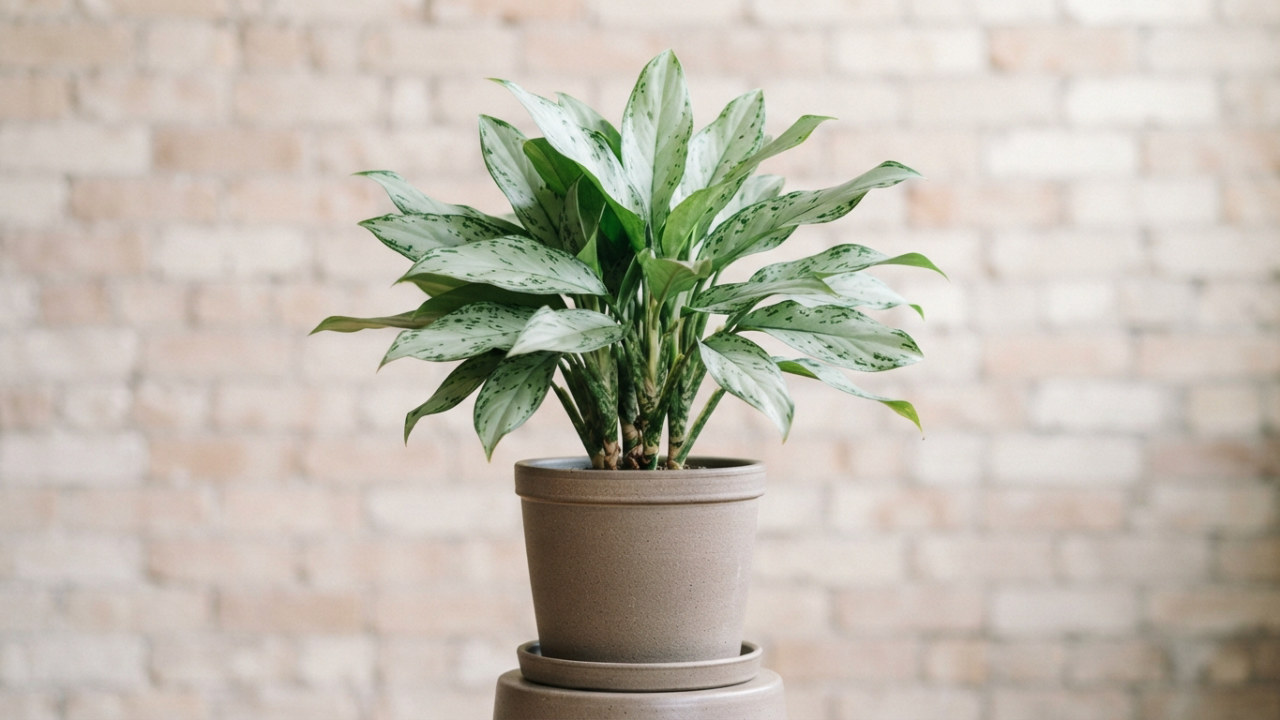
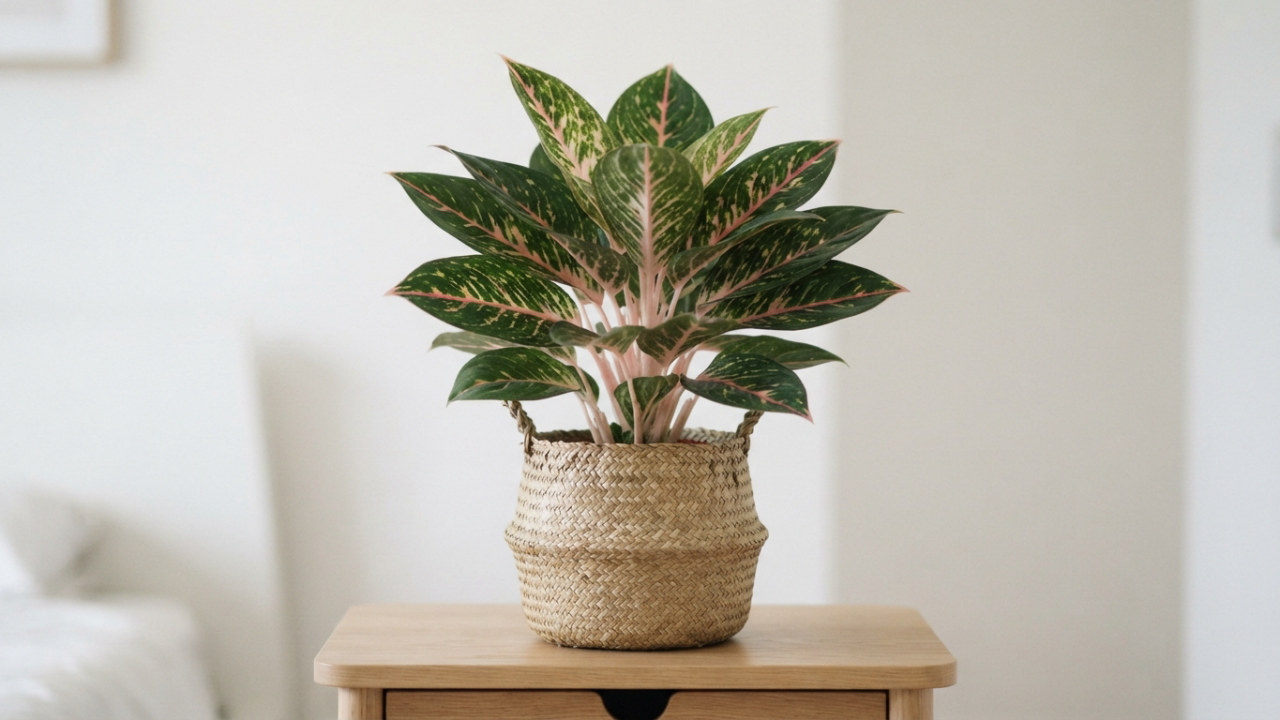
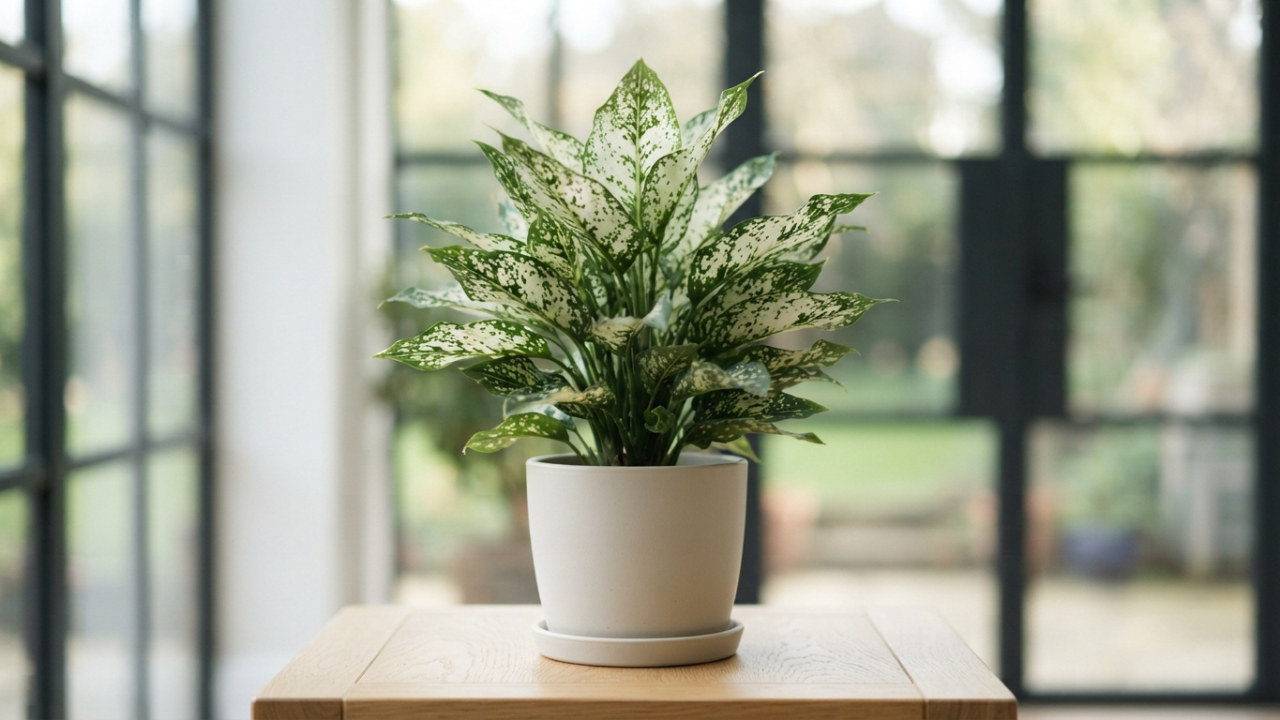
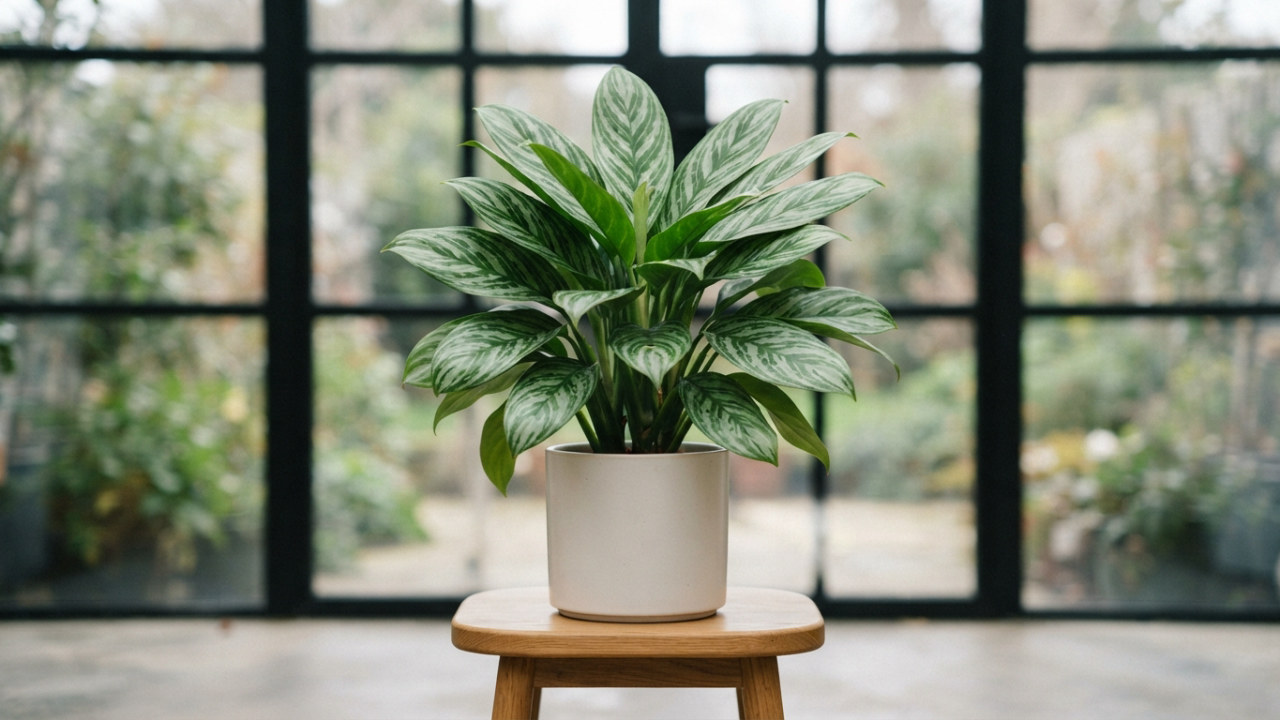
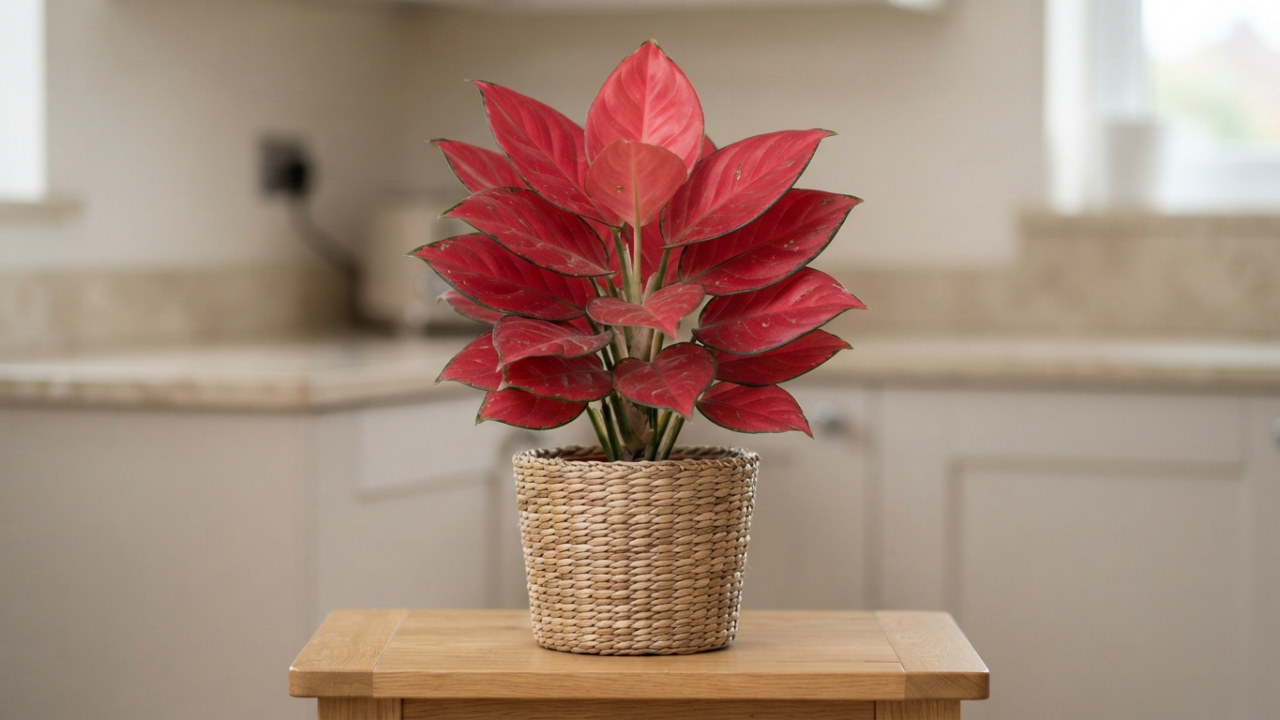
A compact aglaonema hybrid whose glossy green leaves are splashed and speckled with pink across the center.
- Every 8 daysWatering
- Bright indirect lightLight
- 40–60 %Humidity
- 18–27 °CTemperature


Other varieties 13
How to care for your Chinese Evergreen 'Lady Valentine'
Everything you need to keep your Chinese Evergreen 'Lady Valentine' healthy: watering, light, humidity, feeding, repotting and pruning.
'Lady Valentine' is an aglaonema hybrid of species native to tropical Asia and New Guinea. Its glossy, oval to lance-shaped leaves carry pink to reddish-pink splashes and speckles over the green center, and the amount of pink varies, with some leaves almost entirely rose. It forms a compact, bushy clump 30 to 60 cm tall and wide.

How to recognise Chinese Evergreen 'Lady Valentine'
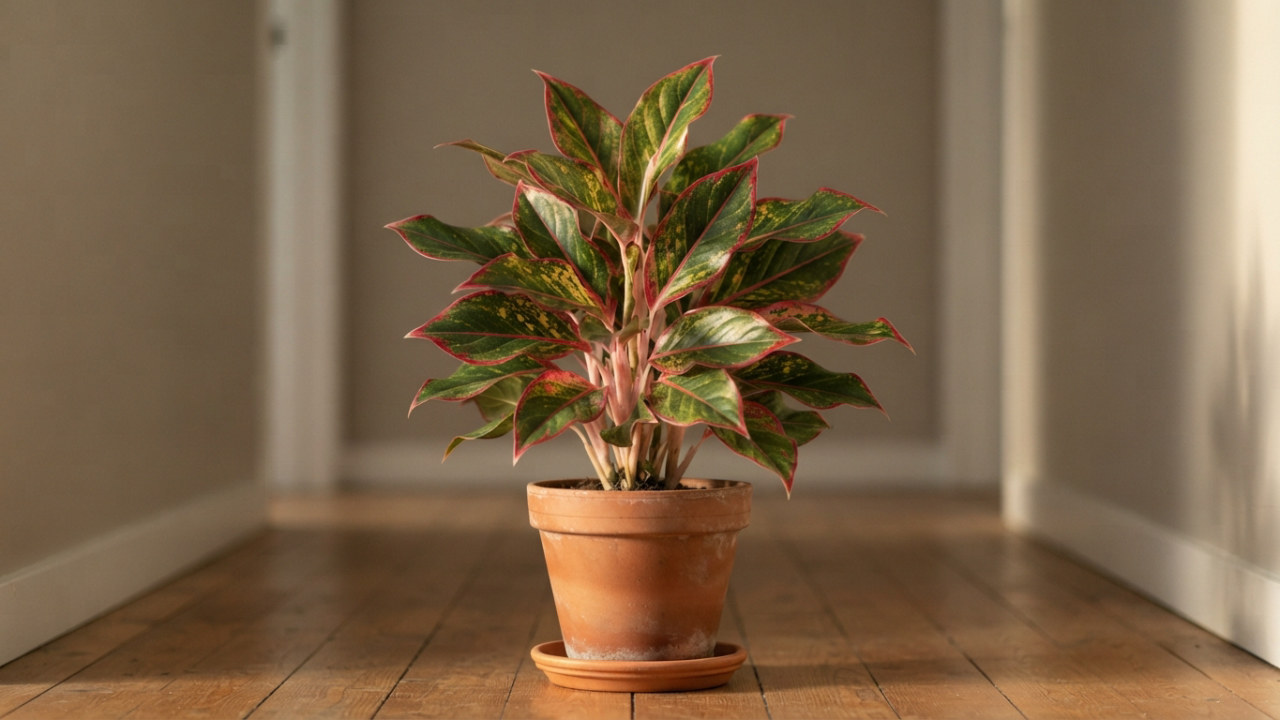
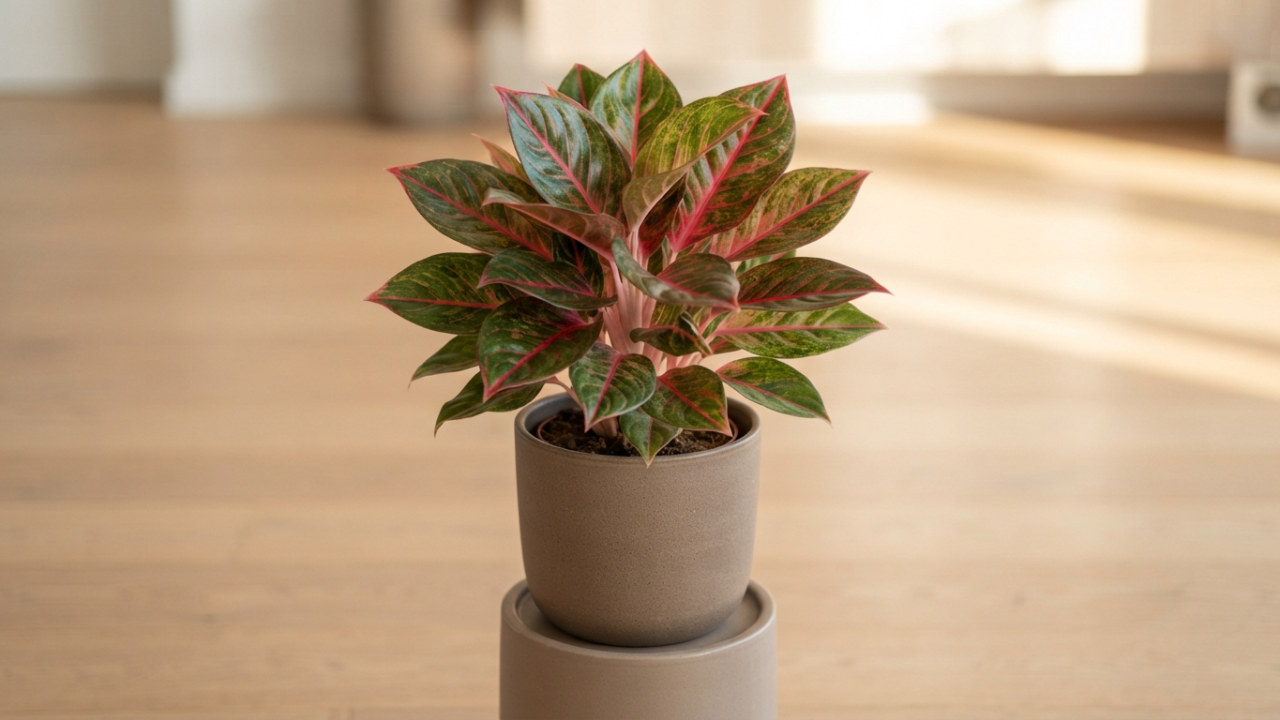
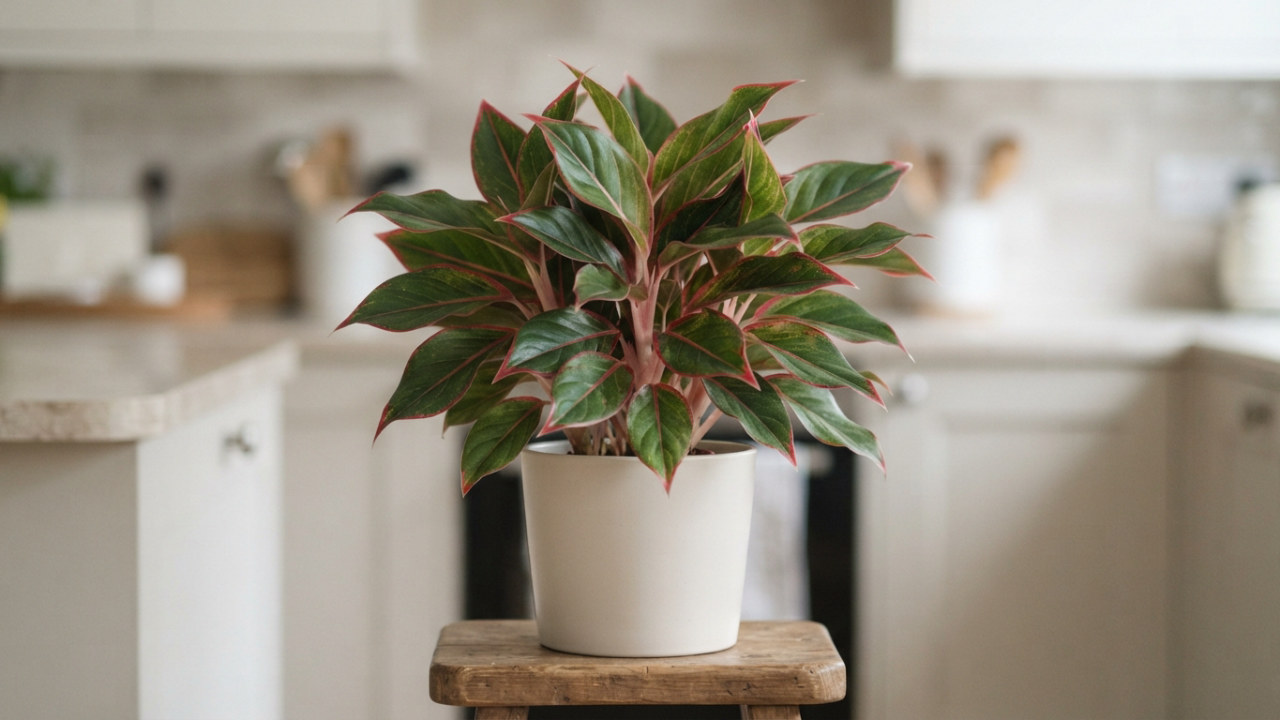
Glossy, oval to lance-shaped leaves whose green center is splashed and speckled with pink, with some leaves nearly all rose, unlike 'Siam Aurora' and 'Crete', which carry their color mainly at the edges, 'Sparkling Sarah', which stays mostly green with pink along the veins, or 'Pink Dalmatian', whose pink stays in small separate spots. It makes a compact clump on short stems, whereas Dieffenbachia has a thick cane and larger, broader leaves.

Watering your Chinese Evergreen 'Lady Valentine'
Every 8 days
Let the top few centimeters of mix dry, then water slowly until the excess drains out, and tip out the saucer; in winter wait a little longer between waterings.
How to know it needs water
- The mix is dry when you press a finger two centimeters into it
- The pot feels light when you lift it

How much light a Chinese Evergreen 'Lady Valentine' needs
Bright indirect light
Bright indirect light keeps the pink vivid, for example by an east window or two meters or so back from a south one; the pink fades in a dim room, and direct sun scorches the leaves.
- Direct sun tolerated
- No direct sun
- Orientations that suit it
- North, North-east, East, North-west

Humidity and misting
40–60 %
Average household humidity, between 40 and 60%, suits it; the leaf tips brown if the air is kept very dry, for instance right beside a radiator. There is no need to mist: a film of water is gone in minutes and the leaves manage in ordinary room air, so a humidifier is the better choice in a very dry room.

Feeding and fertiliser
Every 28 days
Feed roughly every four weeks from April to September and stop for the winter; the plant takes up little, and fertilizer salts that build up in the mix scorch the leaf tips.
- Recommended feed
- A diluted liquid fertilizer for foliage plants, at half the dose recommended on the label. · 5-10-5

Repotting your Chinese Evergreen 'Lady Valentine'
Every 24 months
Choose a pot one size larger and a light mix of potting soil with perlite and coco fiber; a crowded clump can be divided when you repot.
- When
- In spring, between March and May, as growth gets going again.
- Potting mix
- All-purpose potting mix
- Mix in
- perlite, coco fibre
The tell-tale signs
- Roots push out of the drainage holes or wind around the inside of the pot
- The clump is cramped in its pot and water runs through at once

Pruning your Chinese Evergreen 'Lady Valentine'
When a lower leaf yellows or dries, and in spring to shorten a stem that has grown bare. Remove the leaf by cutting its stalk at the base with clean scissors; shorten a bare stem and root the top in water or damp mix if you want a new plant.

Through the year
Watering is not set once and for all: it follows the light and the growth. Allow 10 days between waterings in the depth of winter, against 6 in the growing season.
- 10 J
- 9 F
- 7 M
- 6 A
- 6 M
- 6 J
- 6 J
- 6 A
- 7 S
- 8 O
- 9 N
- 10 D
Active growth · Days between waterings

Toxicity
All parts contain calcium oxalate crystals that cause pain and swelling of the mouth, tongue and lips, drooling and vomiting if eaten, in people, cats and dogs; the sap can irritate skin.

Good to know
- Leaves on the same plant can differ a lot: some stay green with pink speckles, while others are almost entirely rose.
- Like other aroids, it can bear small, inconspicuous white or greenish flowers made of a spathe and a spadix, but it is grown for its foliage.

Frequently asked questions about the Chinese Evergreen 'Lady Valentine'
How do you care for a Chinese Evergreen 'Lady Valentine'?
Water it every 8 days. Give it bright indirect light. Ideal humidity: 40–60 %. Ideal temperature: 18–27 °C. Let the top few centimeters of mix dry, then water slowly until the excess drains out, and tip out the saucer; in winter wait a little longer between waterings.
How often should you water a Chinese Evergreen 'Lady Valentine'?
Every 8 days Let the top few centimeters of mix dry, then water slowly until the excess drains out, and tip out the saucer; in winter wait a little longer between waterings. How to know it needs water : The mix is dry when you press a finger two centimeters into it ; The pot feels light when you lift it.
How much light does a Chinese Evergreen 'Lady Valentine' need?
Bright indirect light Bright indirect light keeps the pink vivid, for example by an east window or two meters or so back from a south one; the pink fades in a dim room, and direct sun scorches the leaves. No direct sun
Is the Chinese Evergreen 'Lady Valentine' toxic to cats and dogs?
Yes. All parts contain calcium oxalate crystals that cause pain and swelling of the mouth, tongue and lips, drooling and vomiting if eaten, in people, cats and dogs; the sap can irritate skin. Keep it out of reach of your pets and call a vet if any is swallowed.
Why are my Chinese Evergreen 'Lady Valentine' leaves turning yellow?
Yellowing most often comes from too much water: the mix stays wet and the roots suffocate. Check that the pot drains, empty the saucer, and let the mix dry before watering again. Too little light or a cold draught cause the same symptom.
When should you repot a Chinese Evergreen 'Lady Valentine'?
Repot every 24 months, ideally in in spring, between march and may, as growth gets going again.. Choose a pot one size larger and a light mix of potting soil with perlite and coco fiber; a crowded clump can be divided when you repot.

At a glance
- Family
- Araceae
- Category
- Tropical
- Placement
- Indoor
- Mature height
- 45 cm
- Growth
- Moderate
- Temperature
- 18–27 °C
- Pot materials
- ceramic, plastic
- Growth
- Reaches maturity in 3 years
These figures are for an average plant. In the app they are recalculated for yours, based on your room, its orientation and the season.
And for your plant, in your home?
In the app this plant becomes yours: a watering schedule tuned to your home, health tracking from photos, and reminders at the right moment.
In the same spirit
 Every 7 days


Air Plant
Tillandsia ionantha

 Every 6 days
Alocasia amazonica
Alocasia amazonica
 Every 7 days
Alocasia baginda
Alocasia baginda
 Every 4 days
Angel Wings
Caladium bicolor
