
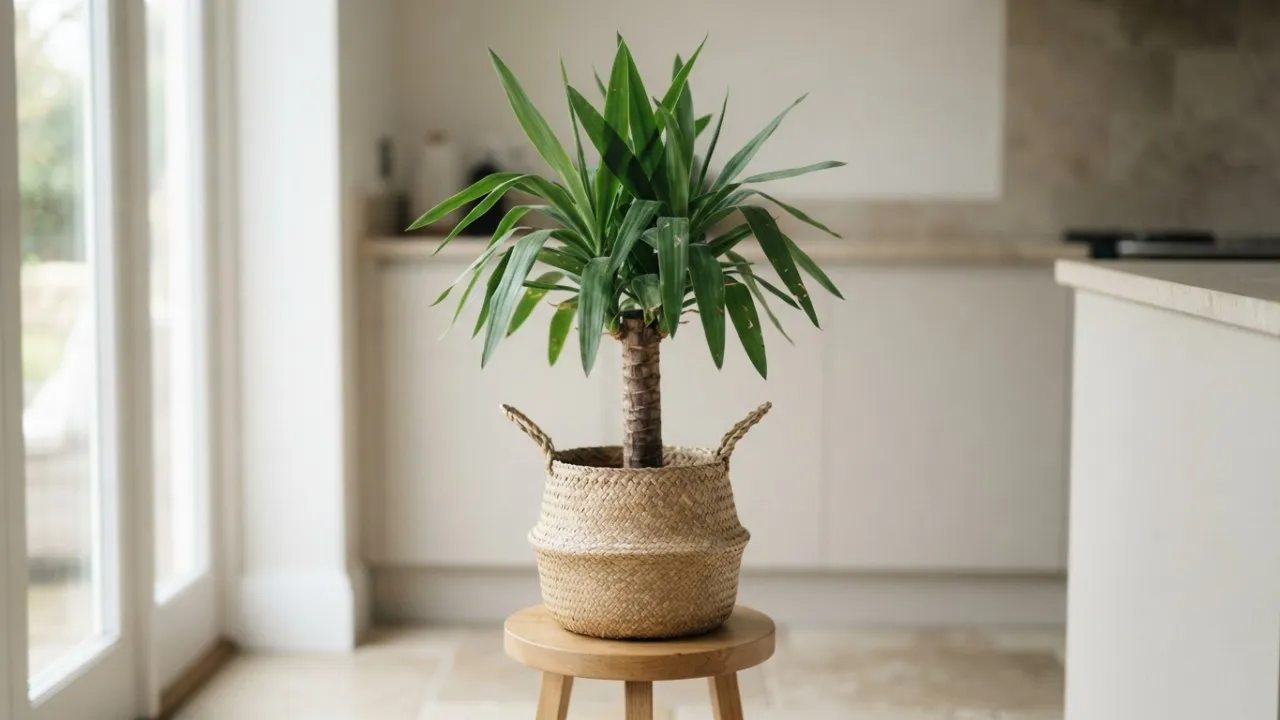
Spineless Yucca
Yucca elephantipes
A robust indoor plant with a woody trunk and long sword-shaped leaves, very resilient and low-maintenance.
The essentials at a glance
-
Watering
Every 10 days
-
Light
Full sun
-
Humidity
30–50 %
-
Temperature
10–30 °C


How to care for your Spineless Yucca
Everything you need to keep your Spineless Yucca healthy: watering, light, humidity, feeding, repotting and pruning.
The spineless yucca is an architectural plant native to Central America, recognizable by its thick, woody trunk topped with tufts of long, dark green lance-shaped leaves. Unlike other yucca species, its leaves are flexible and not sharp, hence its "spineless" name. Extremely tolerant, it withstands drought, dry air, and variable light conditions. It is one of the most resilient and best-selling houseplants in the world.

Watering your Spineless Yucca
Every 10 days
Water moderately, allowing the substrate to dry thoroughly between waterings. Reduce significantly in winter (once a month). Absolutely avoid standing water in the saucer.
How to know it needs water
- Substrate dry in the top 5 cm
- Lower leaves yellowing (distinguish from overwatering)
- Pot feels light to the touch

How much light a Spineless Yucca needs
Full sun
Bright to full sun. Tolerates direct sun. Indoors, place near a south- or west-facing window.
- Direct sun tolerated
- 4 to 10 h a day
- Orientations that suit it
- South, South-west, West, South-east, East

Humidity and misting
30–50 %
30–50% No misting necessary. Yucca tolerates the dry air of heated interiors perfectly.

Feeding and fertiliser
Every 30 days
Fertilize once a month from April to September only. No fertilizer in winter. Yucca has low nutrient requirements.
- Recommended feed
- Liquid fertilizer for foliage plants, diluted to half dose. · 2-1-2

Repotting your Spineless Yucca
Every 24 months
Use a draining blend: universal compost with added coarse sand and perlite. A heavy pot is recommended for stability. A drainage layer at the base is essential.
- When
- Spring (April–May)
- Potting mix
- Cactus and succulent mix
- Mix in
- perlite, coarse sand
The tell-tale signs
- Roots emerging from drainage holes
- Trunk becoming unstable
- No new growth for a long time

Pruning your Spineless Yucca
In spring if necessary, to control height or restore a balanced shape. Cut the trunk at the desired height with a clean saw. New shoots will emerge below the cut. The cut section can be propagated by replanting it.

Through the year
Watering is not set once and for all: it follows the light and the growth. Allow 16 days between waterings in the depth of winter, against 8 in the growing season.
- 15 J
- 13 F
- 9 M
- 8 A
- 8 M
- 8 J
- 8 J
- 8 A
- 9 S
- 11 O
- 13 N
- 16 D
Active growth · Days between waterings

Toxicity
Toxic to cats and dogs. Ingestion of the leaves can cause vomiting, diarrhoea, and dilated pupils in pets.

Good to know
- The yucca can reach 10 metres in height in its natural habitat in Central America and Mexico.
- Despite its palm-like appearance, the yucca is actually a member of the asparagus family.

Frequently asked questions about the Spineless Yucca
How do you care for a Spineless Yucca?
Water it every 10 days. Give it full sun. Ideal humidity: 30–50 %. Ideal temperature: 10–30 °C. Water moderately, allowing the substrate to dry thoroughly between waterings. Reduce significantly in winter (once a month). Absolutely avoid standing water in the saucer.
How often should you water a Spineless Yucca?
Every 10 days Water moderately, allowing the substrate to dry thoroughly between waterings. Reduce significantly in winter (once a month). Absolutely avoid standing water in the saucer. How to know it needs water : Substrate dry in the top 5 cm ; Lower leaves yellowing (distinguish from overwatering) ; Pot feels light to the touch.
How much light does a Spineless Yucca need?
Full sun Bright to full sun. Tolerates direct sun. Indoors, place near a south- or west-facing window. 4 to 10 h a day
Is the Spineless Yucca toxic to cats and dogs?
Yes. Toxic to cats and dogs. Ingestion of the leaves can cause vomiting, diarrhoea, and dilated pupils in pets. Keep it out of reach of your pets and call a vet if any is swallowed.
Why are my Spineless Yucca leaves turning yellow?
Yellowing most often comes from too much water: the mix stays wet and the roots suffocate. Check that the pot drains, empty the saucer, and let the mix dry before watering again. Too little light or a cold draught cause the same symptom.
When should you repot a Spineless Yucca?
Repot every 24 months, ideally in spring (april–may). Use a draining blend: universal compost with added coarse sand and perlite. A heavy pot is recommended for stability. A drainage layer at the base is essential.

At a glance
- Family
- Asparagaceae
- Category
- Tropical
- Placement
- Indoor and outdoor
- Mature height
- 2.5 m
- Growth
- Moderate
- Temperature
- 10–30 °C
- Pot materials
- terracotta, ceramic, plastic
- Growth
- Reaches maturity in 10 years
These figures are for an average plant. In the app they are recalculated for yours, based on your room, its orientation and the season.
And for your plant, in your home?
In the app this plant becomes yours: a watering schedule tuned to your home, health tracking from photos, and reminders at the right moment.
In the same spirit
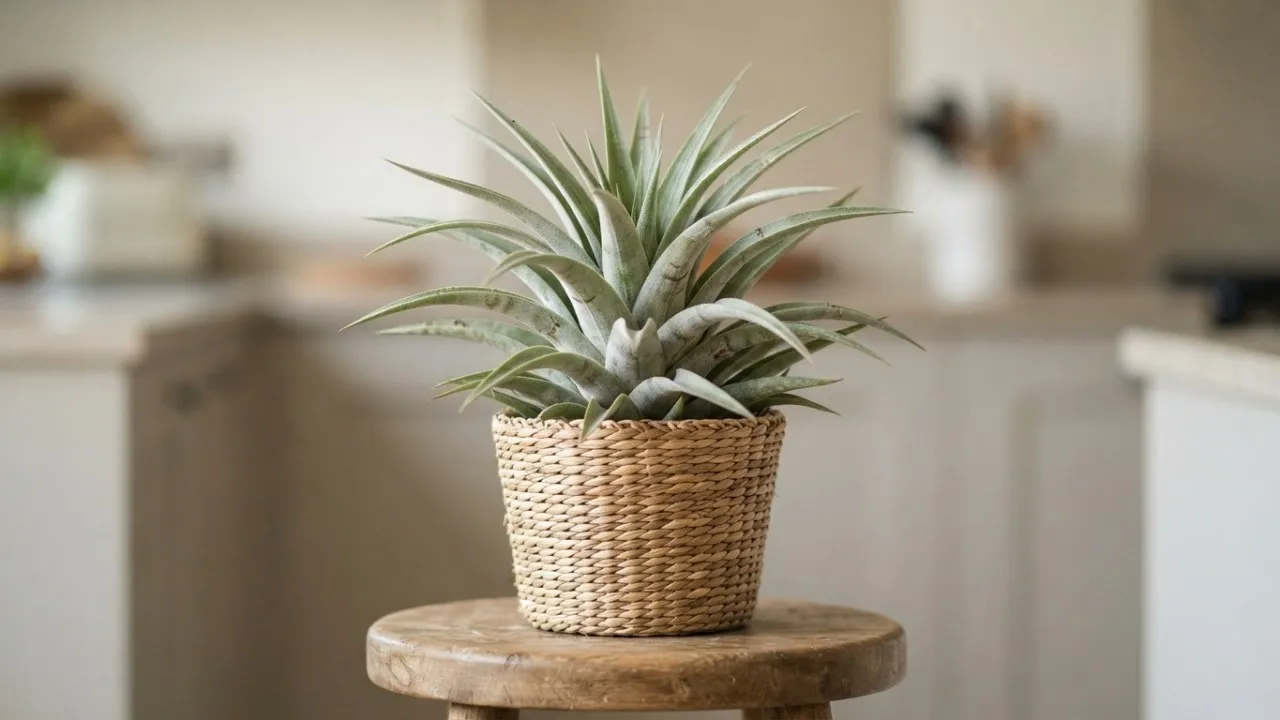 Every 4 days
 Air Plant
Tillandsia ionantha

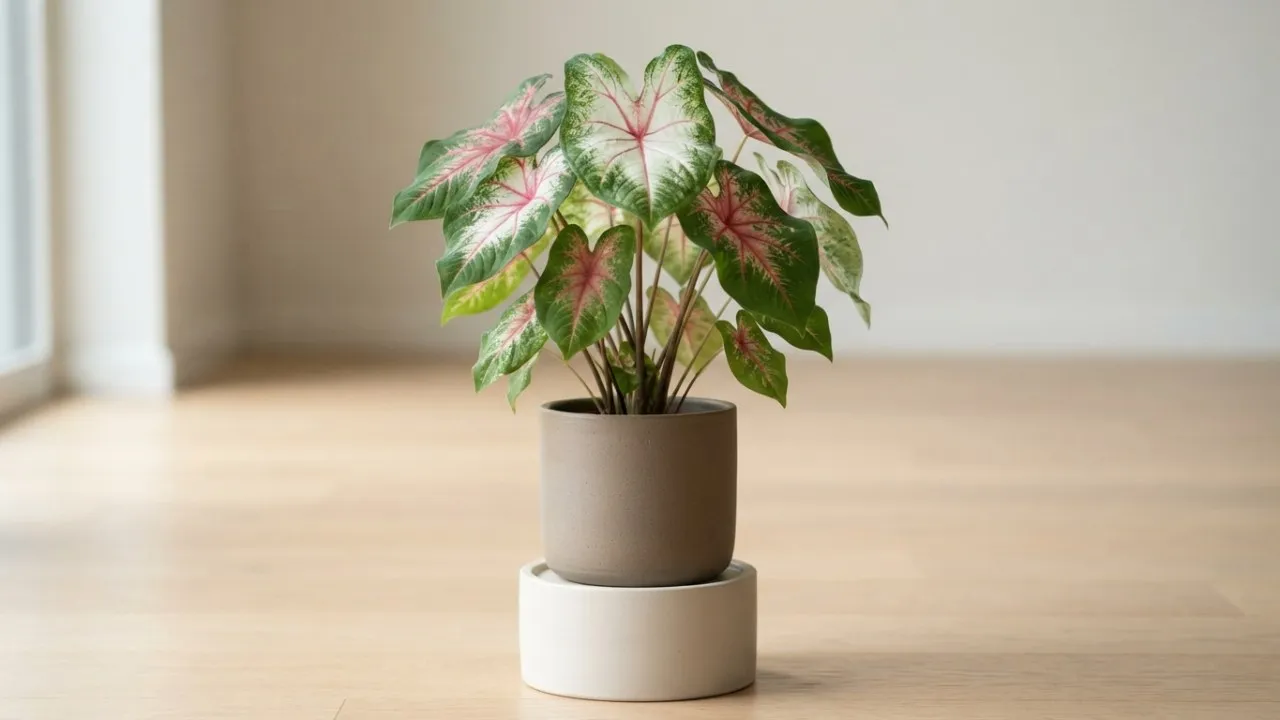 Every 3 days
 Angel Wings
Caladium bicolor
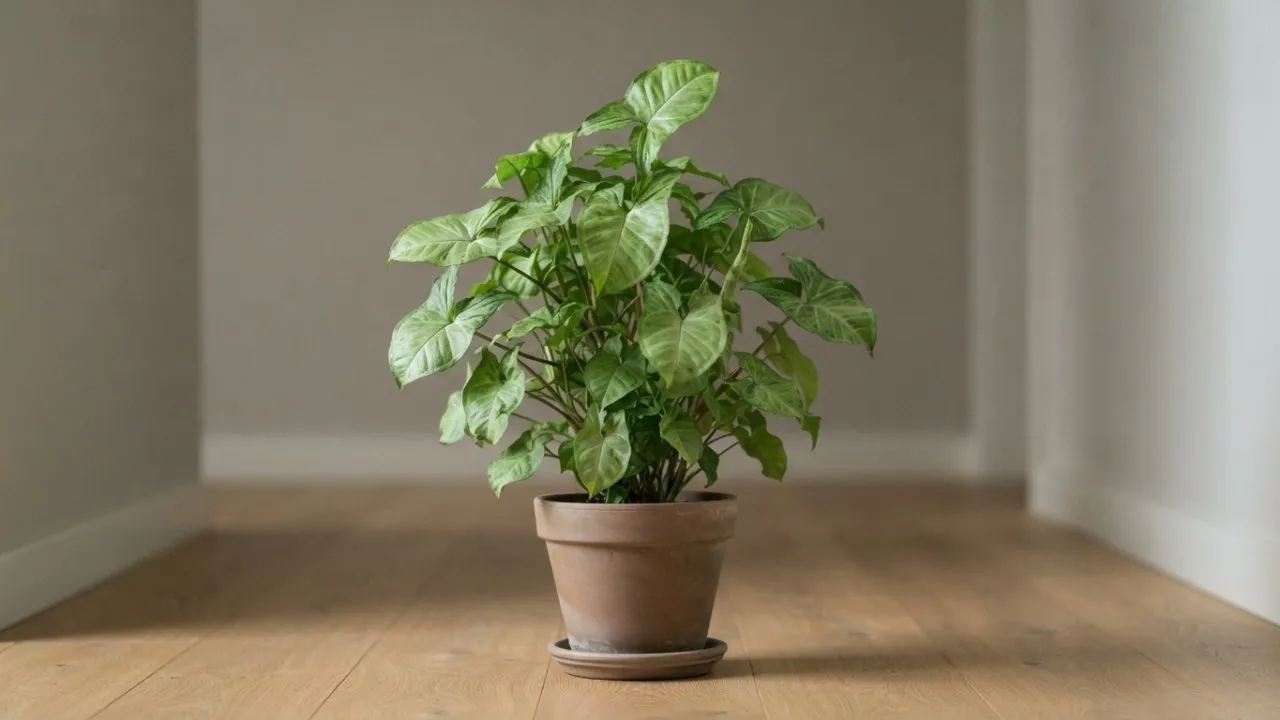 Every 7 days
 Arrowhead Plant
Syngonium podophyllum
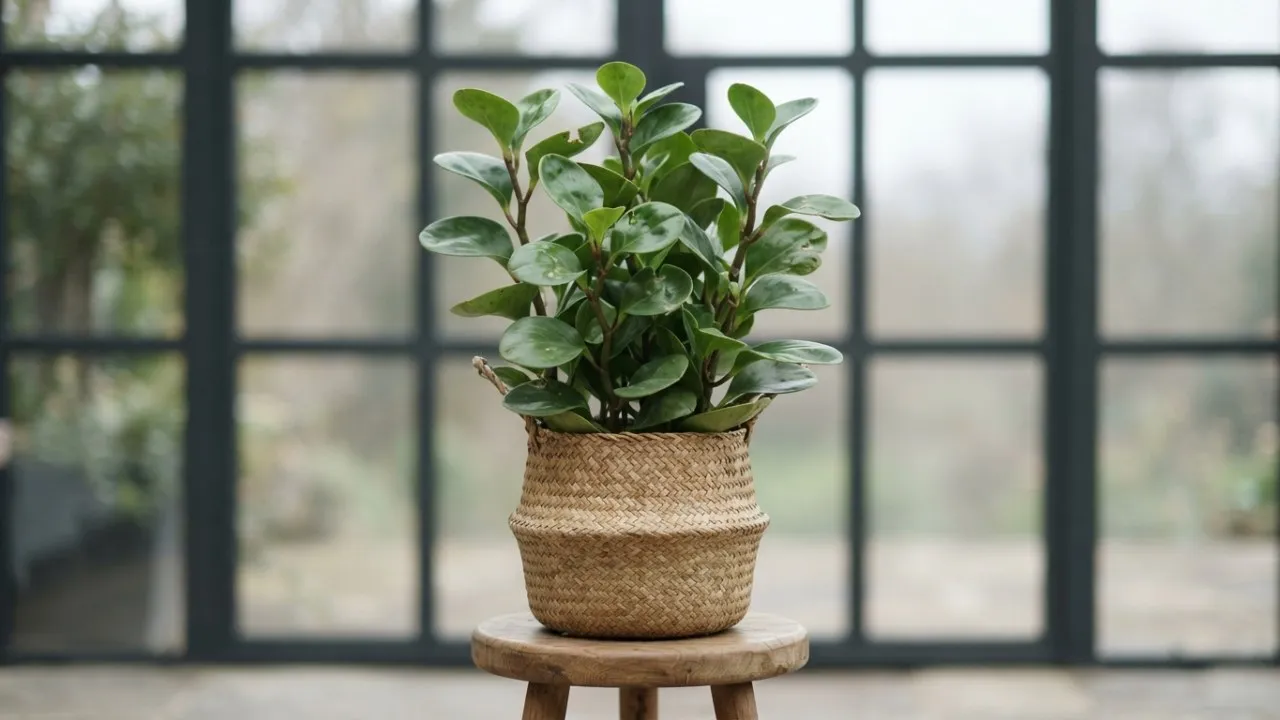 Every 10 days
 Baby Rubber Plant
Peperomia obtusifolia