
Tropical · Araceae
Syngonium macrophyllum
Syngonium macrophyllum
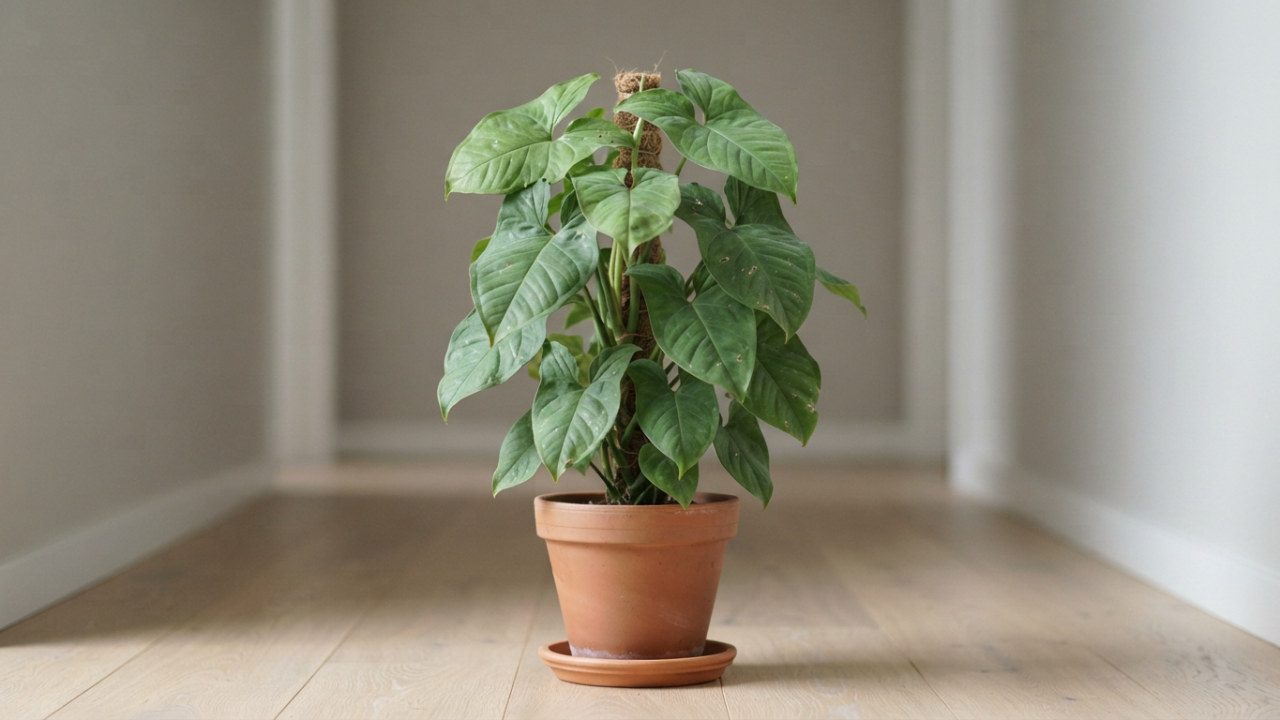
A vigorous climbing arrowhead with large, rubbery, heart-shaped leaves in glaucous green that stay unlobed with age.
- Every 7 daysWatering
- Bright indirect lightLight
- 50–60 %Humidity
- 16–27 °CTemperature


Its varieties 1
How to care for your Syngonium macrophyllum
Everything you need to keep your Syngonium macrophyllum healthy: watering, light, humidity, feeding, repotting and pruning.
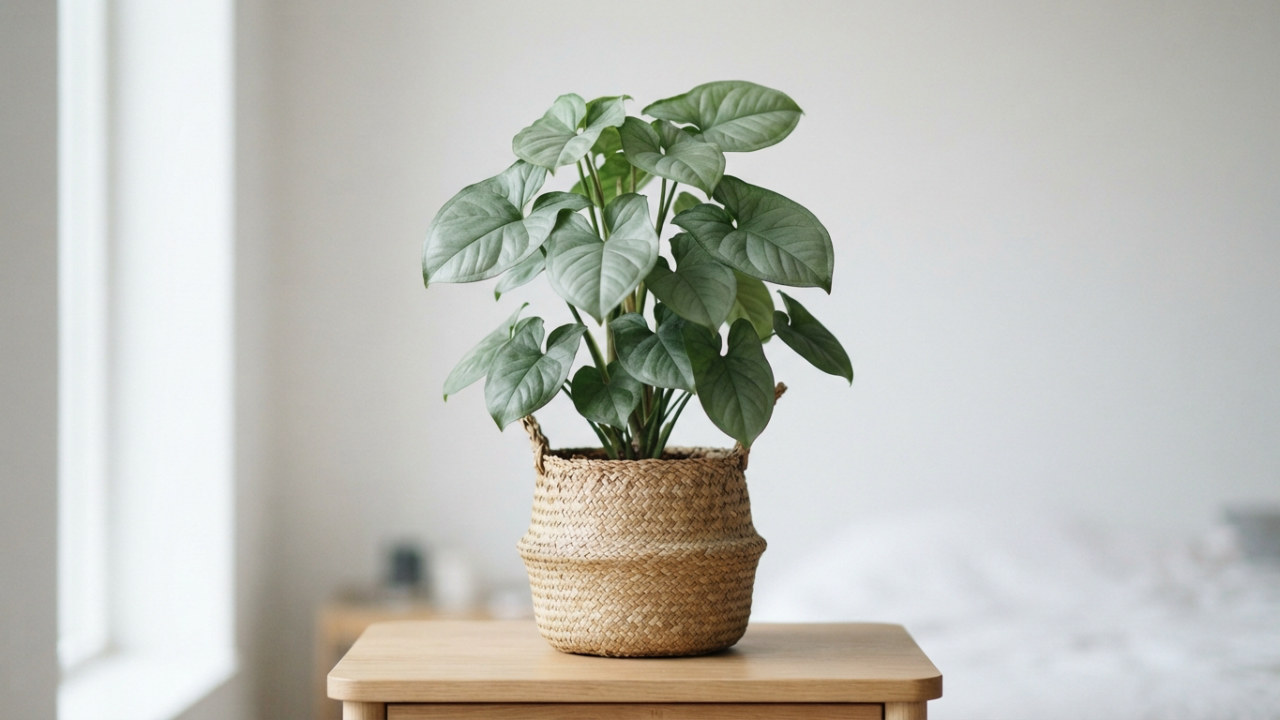
A climber of wet tropical forest from southern Mexico to Ecuador, described in 1920. Its arrowhead to heart-shaped leaves are glaucous green with a leathery, rubbery feel and can exceed 30 cm in length. Unlike most of its relatives they do not split into leaflets as the plant matures. It grows fast, trailing or climbing up to about 3 m indoors, and pinching the tips keeps it bushy. It rarely flowers in a home.

How to recognise Syngonium macrophyllum
The big, thick, glaucous green leaves never divide into leaflets, unlike Syngonium podophyllum. It lacks the burgundy underside of Syngonium erythrophyllum and the velvet and silver midrib of Syngonium wendlandii.

Watering your Syngonium macrophyllum
Every 7 days
Water when the top 2 to 3 cm of mix are dry, then let it drain fully.
How to know it needs water
- The top 2 to 3 cm of the pot feel dry when you push a finger in.
- The thick leaves lose a little firmness.

How much light a Syngonium macrophyllum needs
Bright indirect light
Bright indirect light, with no direct sun that could scorch the large leaves.
- Direct sun tolerated
- No direct sun
- Orientations that suit it
- North, North-east, East, South-east, North-west, West

Humidity and misting
50–60 %
Average household air, around 50 to 60 percent, is enough. An occasional light misting helps in dry rooms, but the thick leaves tolerate average air well.

Feeding and fertiliser
Every 28 days
Feed about once a month from April to September at half strength.
- Recommended feed
- A balanced liquid fertilizer for foliage plants. · 2-1-2

Repotting your Syngonium macrophyllum
Every 24 months
Pot up one size into an airy mix and give the stems a pole or trellis to climb.
- When
- Spring, from March to May.
- Potting mix
- All-purpose potting mix
- Mix in
- perlite, coco fibre
The tell-tale signs
- Roots fill the pot and show at the drainage holes.
- The plant dries quickly and tips over when it climbs.

Pruning your Syngonium macrophyllum
In spring and summer, while it grows quickly. Pinch or cut stems above a node with clean shears to keep it bushy.

Through the year
Watering is not set once and for all: it follows the light and the growth. Allow 8 days between waterings in the depth of winter, against 6 in the growing season.
- 8 J
- 8 F
- 6 M
- 6 A
- 6 M
- 6 J
- 6 J
- 6 A
- 6 S
- 7 O
- 8 N
- 8 D
Active growth · Days between waterings

Toxicity
Calcium oxalate crystals in every part irritate and swell the mouth and throat and can cause stomach upset in people, cats and dogs if chewed.

Good to know
- The species was formally described in 1920 in the series Das Pflanzenreich.
- Its leaves can grow longer than 30 cm.

Frequently asked questions about the Syngonium macrophyllum
How do you care for a Syngonium macrophyllum?
Water it every 7 days. Give it bright indirect light. Ideal humidity: 50–60 %. Ideal temperature: 16–27 °C. Water when the top 2 to 3 cm of mix are dry, then let it drain fully.
How often should you water a Syngonium macrophyllum?
Every 7 days Water when the top 2 to 3 cm of mix are dry, then let it drain fully. How to know it needs water : The top 2 to 3 cm of the pot feel dry when you push a finger in. ; The thick leaves lose a little firmness..
How much light does a Syngonium macrophyllum need?
Bright indirect light Bright indirect light, with no direct sun that could scorch the large leaves. No direct sun
Is the Syngonium macrophyllum toxic to cats and dogs?
Yes. Calcium oxalate crystals in every part irritate and swell the mouth and throat and can cause stomach upset in people, cats and dogs if chewed. Keep it out of reach of your pets and call a vet if any is swallowed.
Why are my Syngonium macrophyllum leaves turning yellow?
Yellowing most often comes from too much water: the mix stays wet and the roots suffocate. Check that the pot drains, empty the saucer, and let the mix dry before watering again. Too little light or a cold draught cause the same symptom.
When should you repot a Syngonium macrophyllum?
Repot every 24 months, ideally in spring, from march to may.. Pot up one size into an airy mix and give the stems a pole or trellis to climb.

At a glance
- Family
- Araceae
- Category
- Tropical
- Placement
- Indoor
- Mature height
- 90 cm
- Growth
- Fast
- Temperature
- 16–27 °C
- Pot materials
- ceramic, plastic
- Growth
- Reaches maturity in 3 years
These figures are for an average plant. In the app they are recalculated for yours, based on your room, its orientation and the season.
And for your plant, in your home?
In the app this plant becomes yours: a watering schedule tuned to your home, health tracking from photos, and reminders at the right moment.
In the same spirit
 Every 7 days


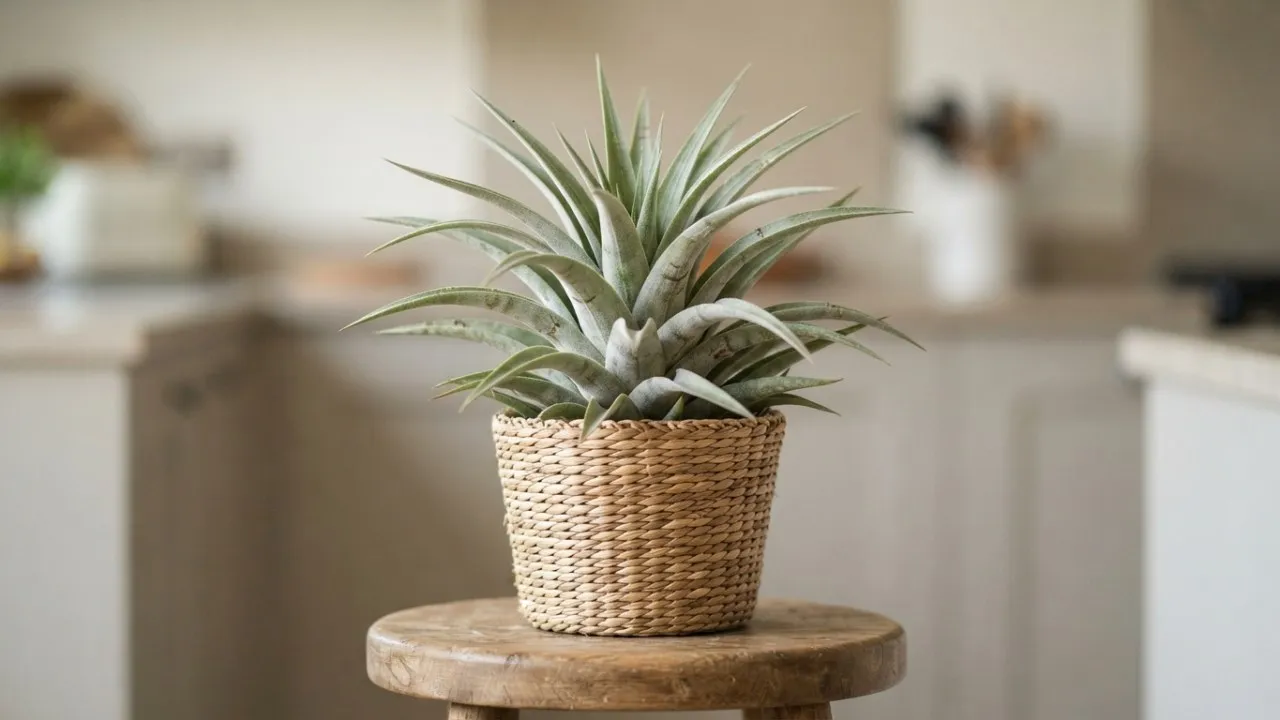
Air Plant
Tillandsia ionantha

 Every 6 days
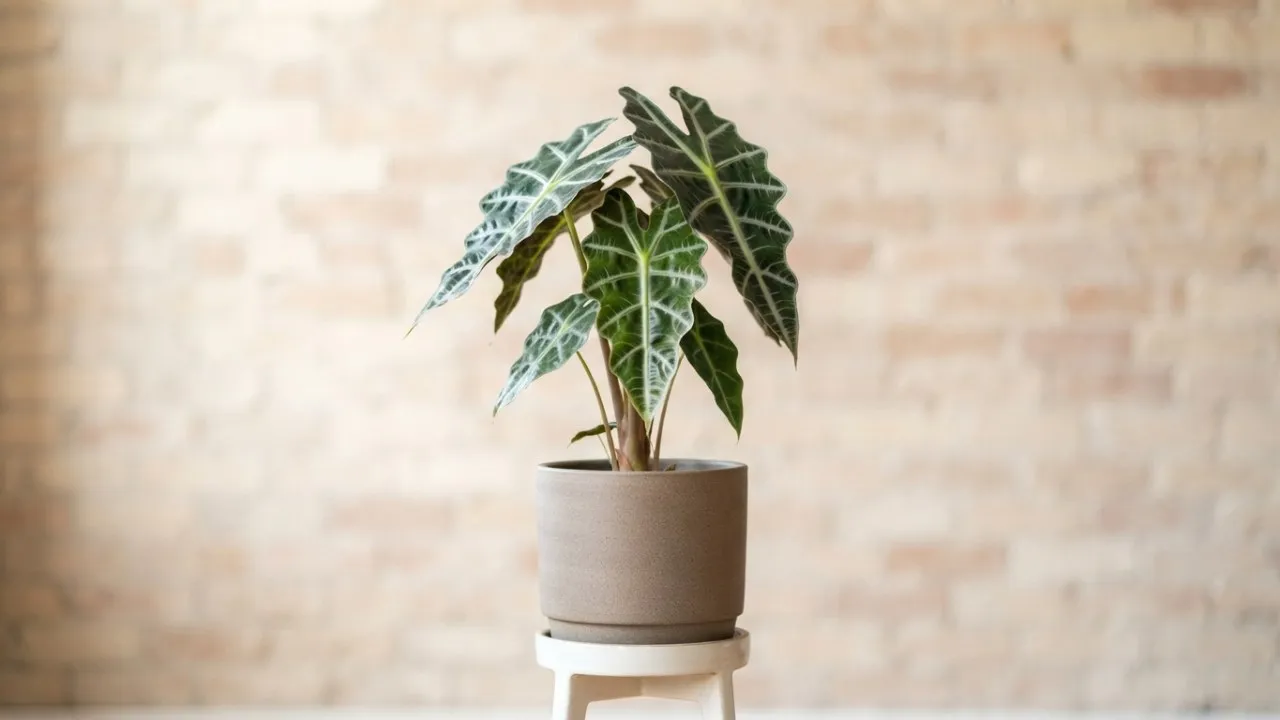
Alocasia amazonica
Alocasia amazonica
 Every 7 days
Alocasia baginda
Alocasia baginda
 Every 4 days
Angel Wings
Caladium bicolor
