
Variety Tropical · Araceae
Peace Lily 'Bellini'
Spathiphyllum 'Bellini' · A variety of Peace Lily
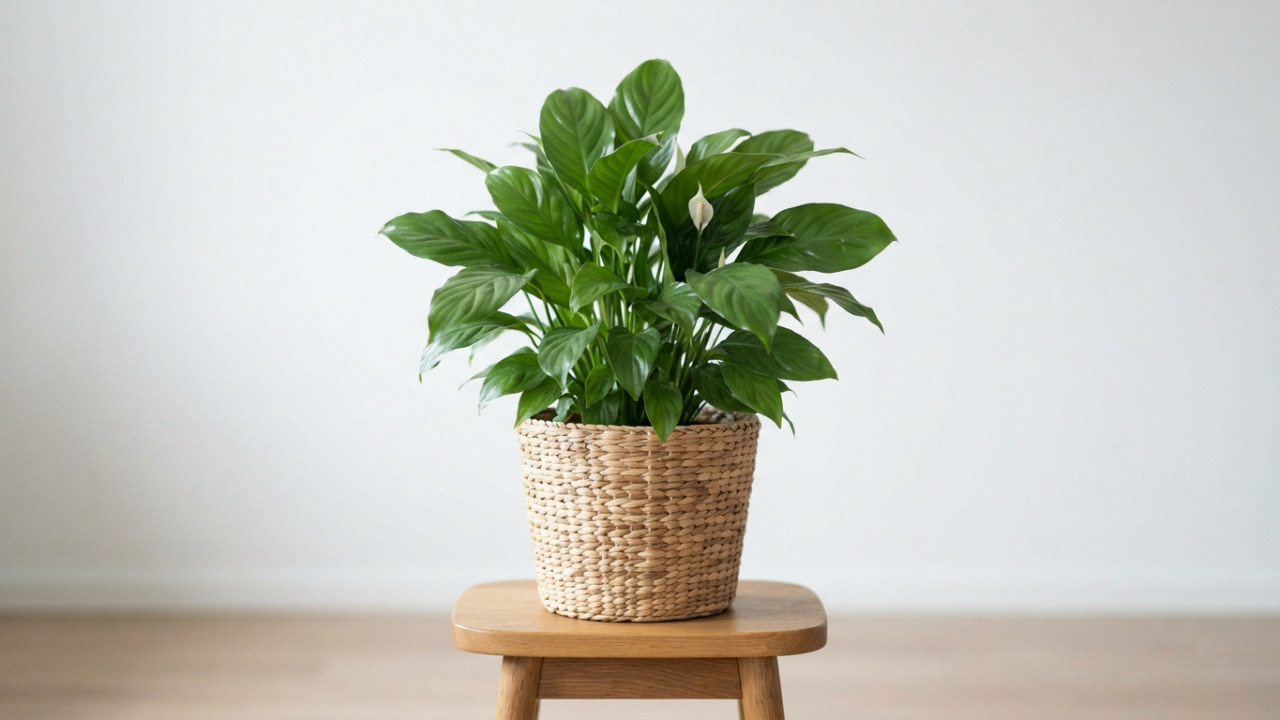
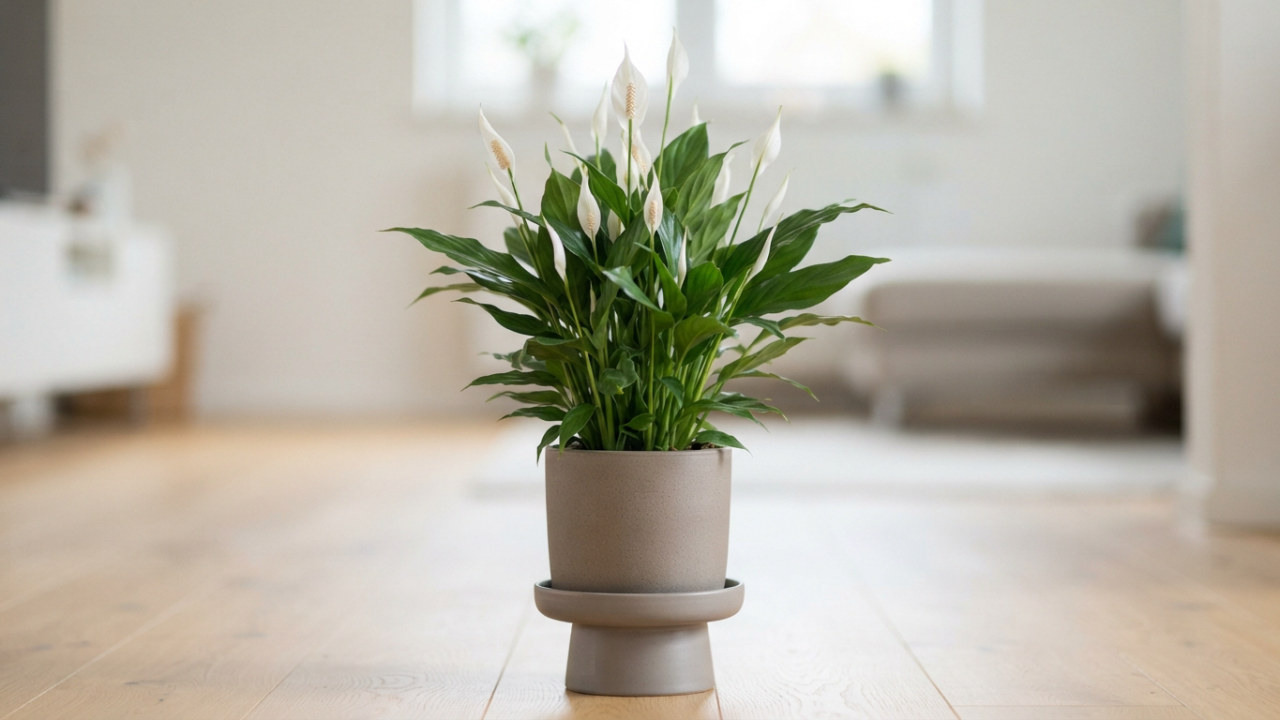
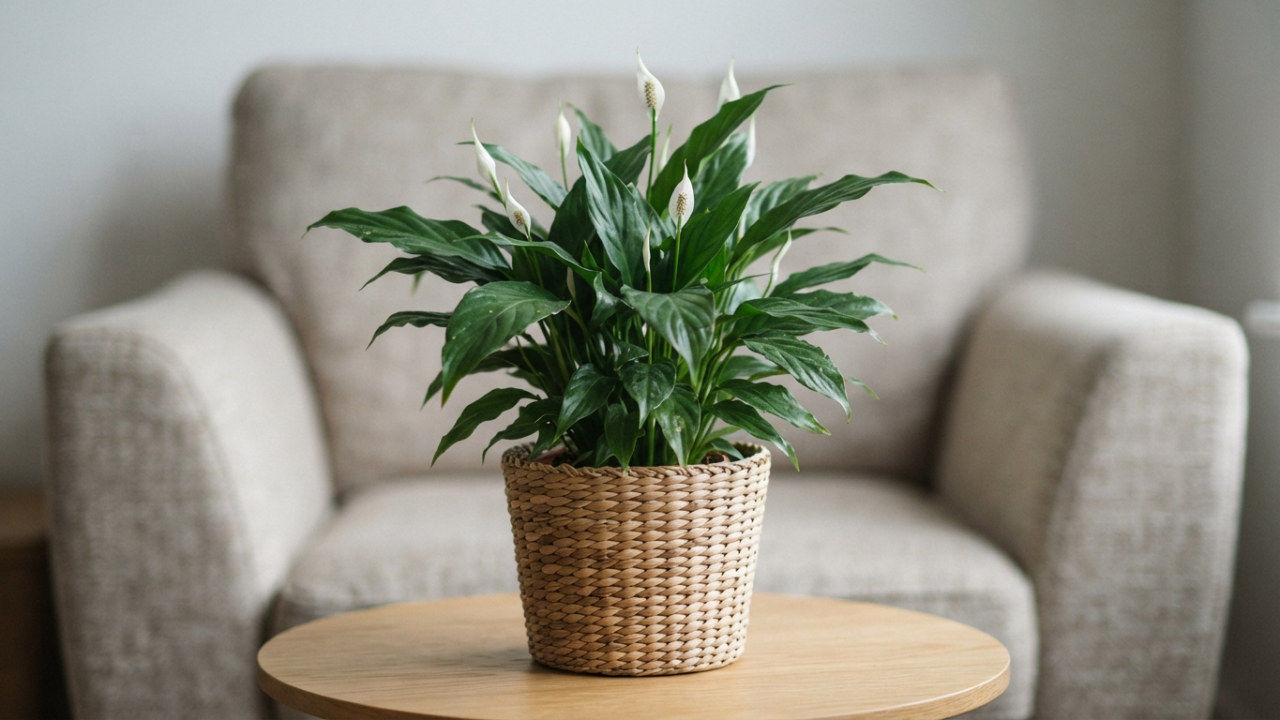
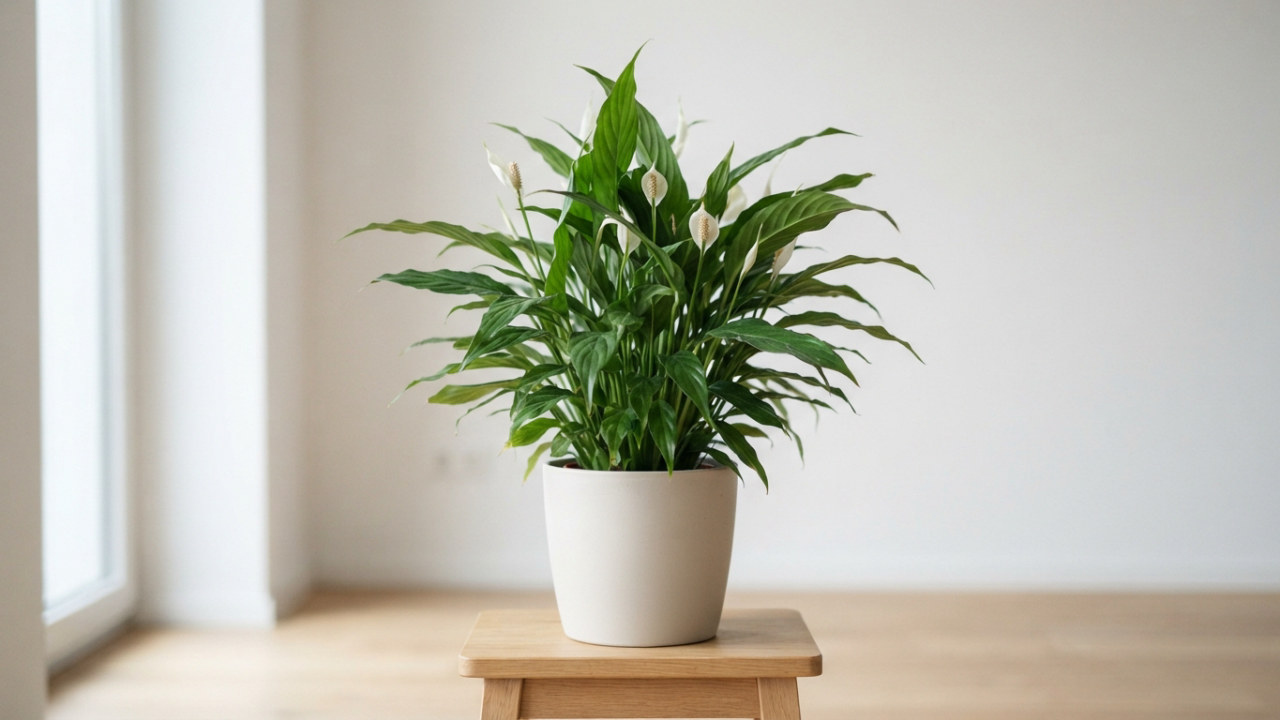
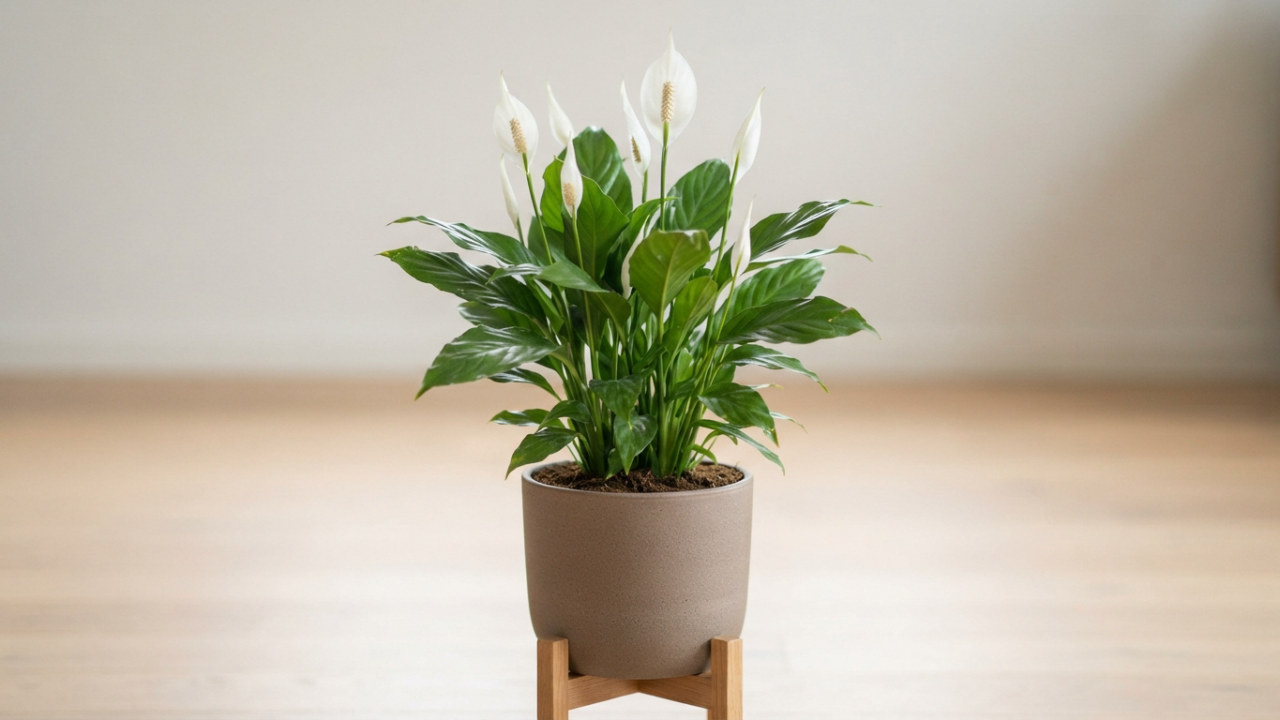
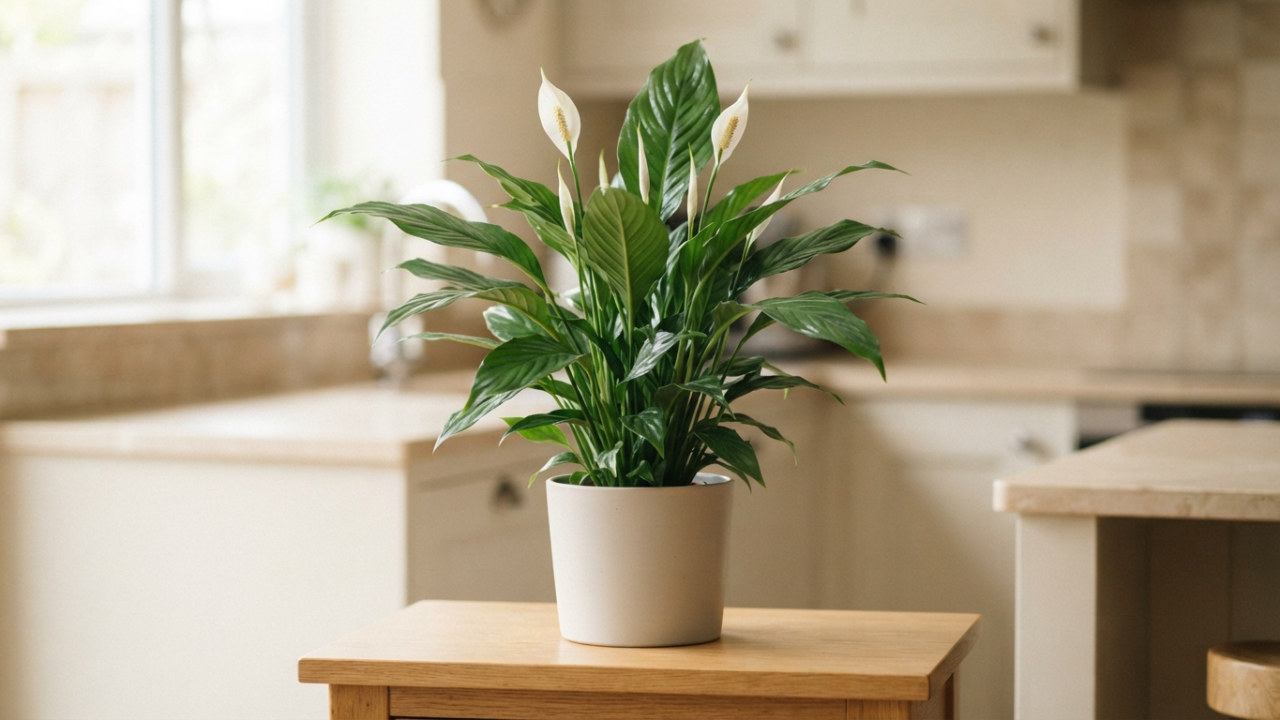
A compact peace lily with glossy, slightly rounded green leaves and small white spathes that appear often.
- Every 6 daysWatering
- Medium lightLight
- 60–70 %Humidity
- 16–28 °CTemperature


Other varieties 11
How to care for your Peace Lily 'Bellini'
Everything you need to keep your Peace Lily 'Bellini' healthy: watering, light, humidity, feeding, repotting and pruning.
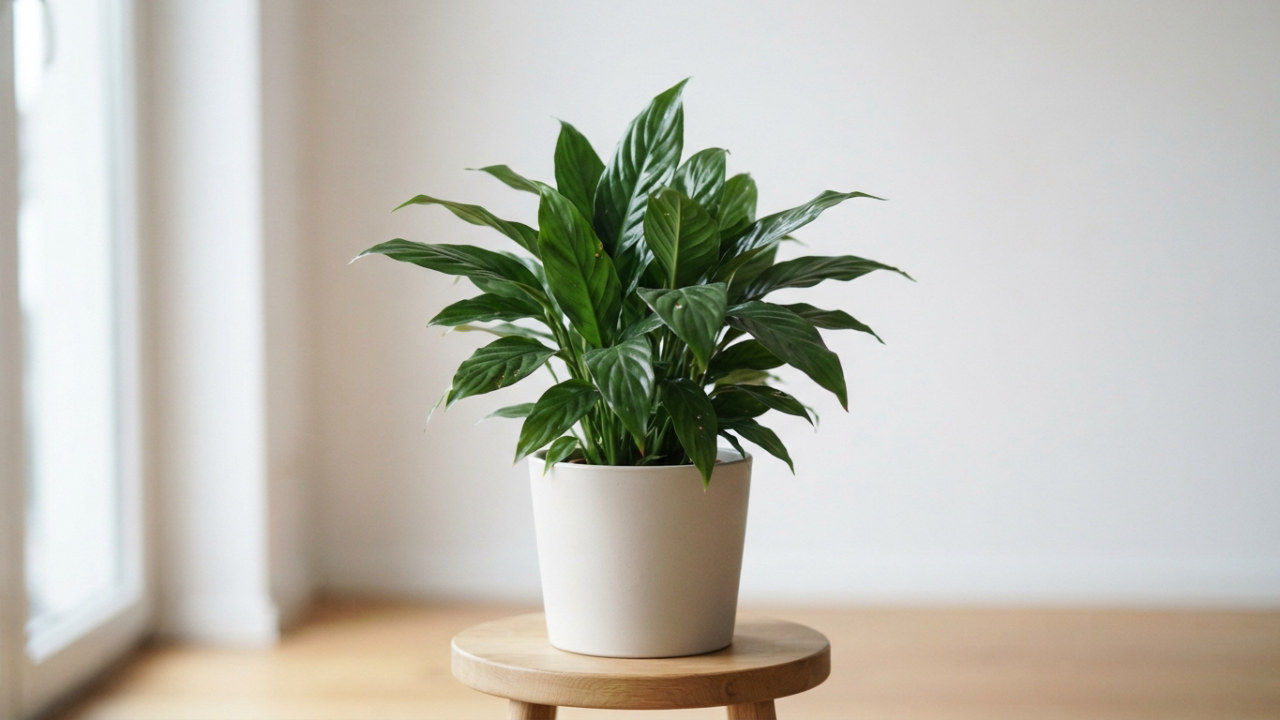
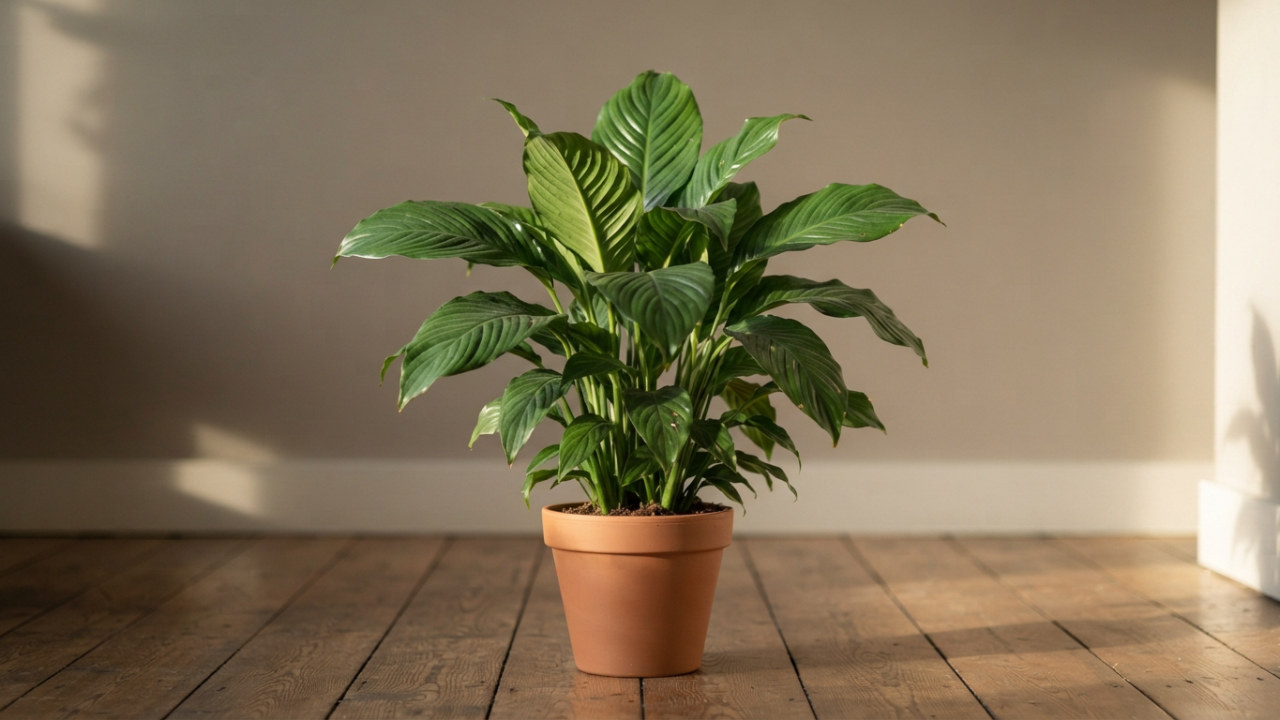
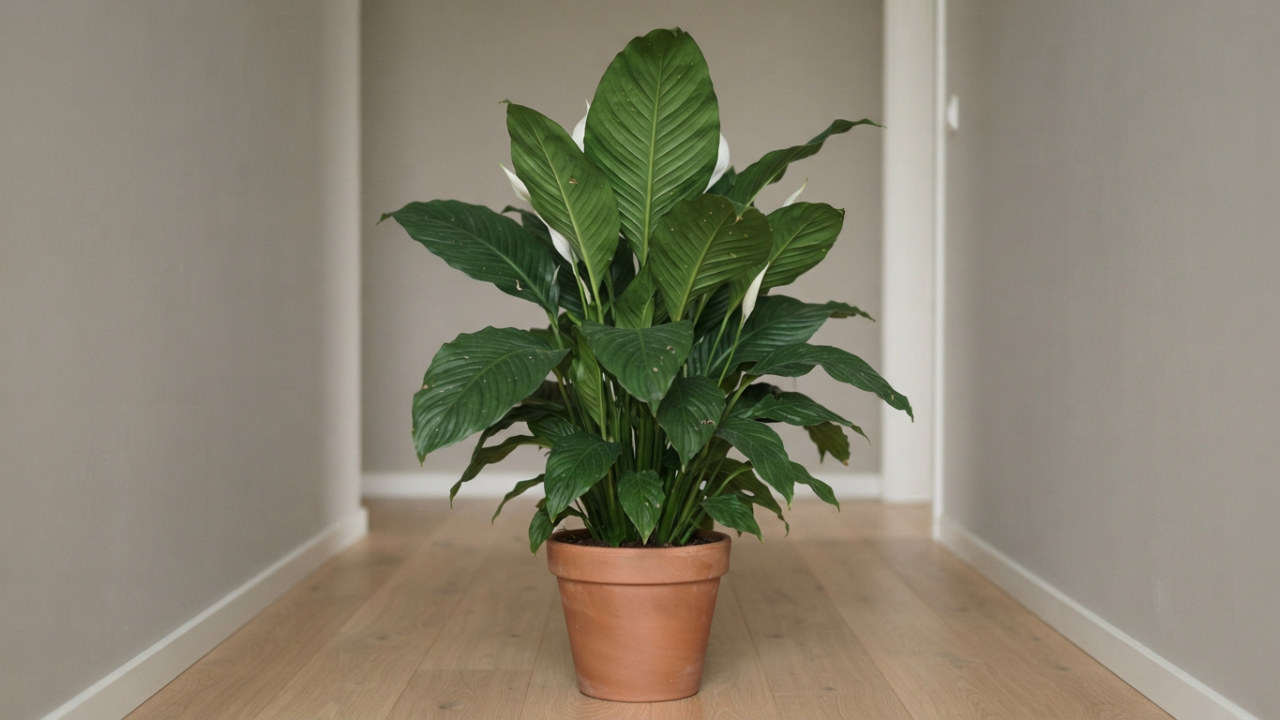
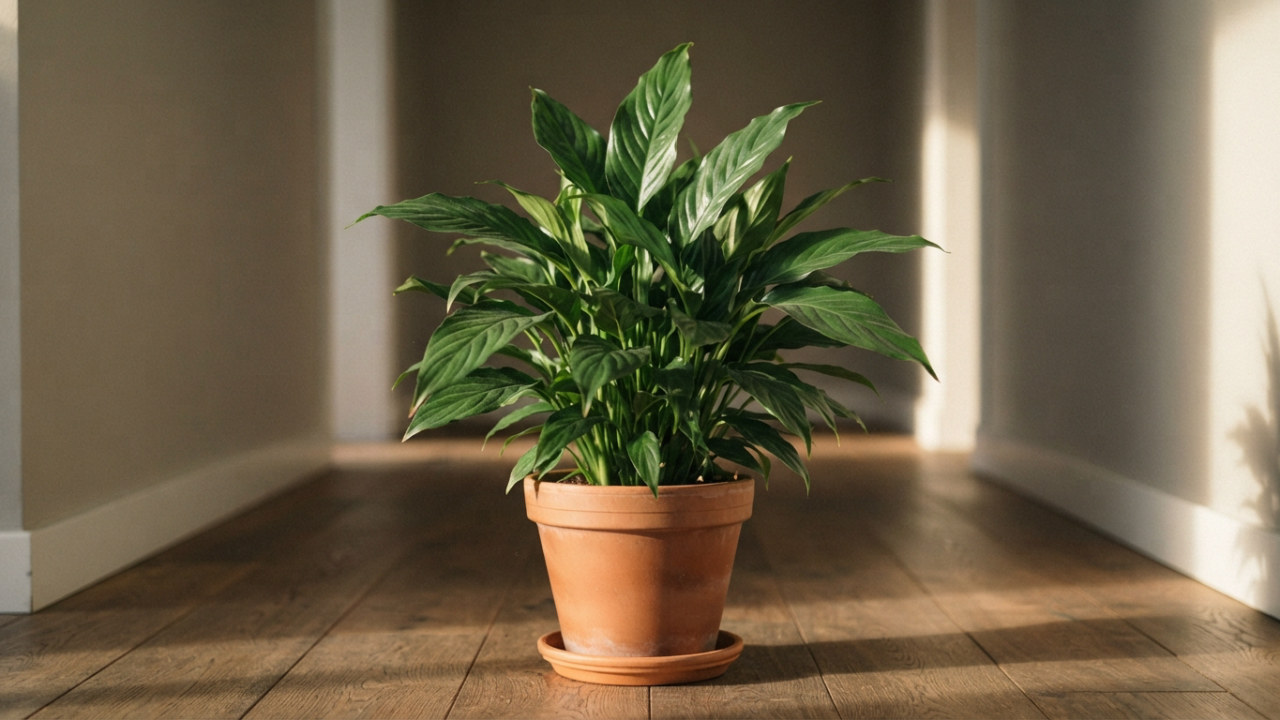
'Bellini' is a compact peace lily sold as a pot plant. It forms a tidy clump of glossy, deep green leaves about 20 cm long, a little rounder than those of most peace lilies, and it flowers often, with white spathes smaller than those of larger types. At 35 to 50 cm tall it suits a shelf, a desk or a small room.

How to recognise Peace Lily 'Bellini'
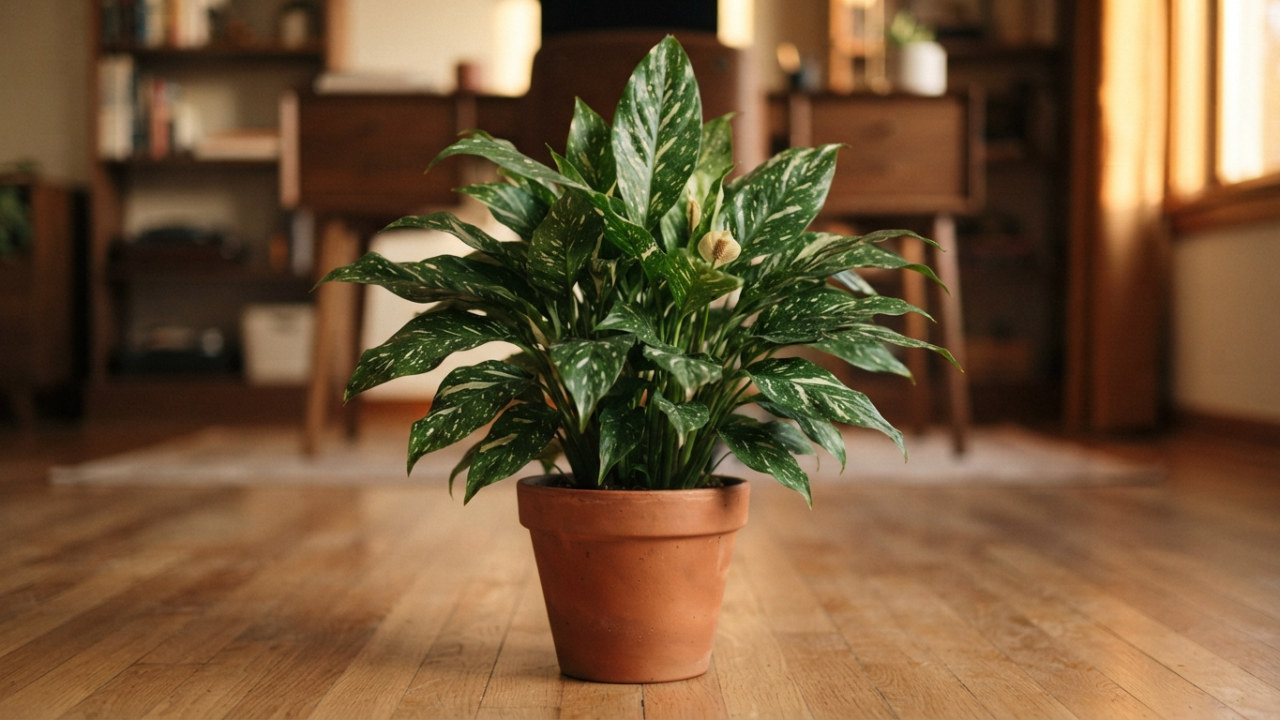
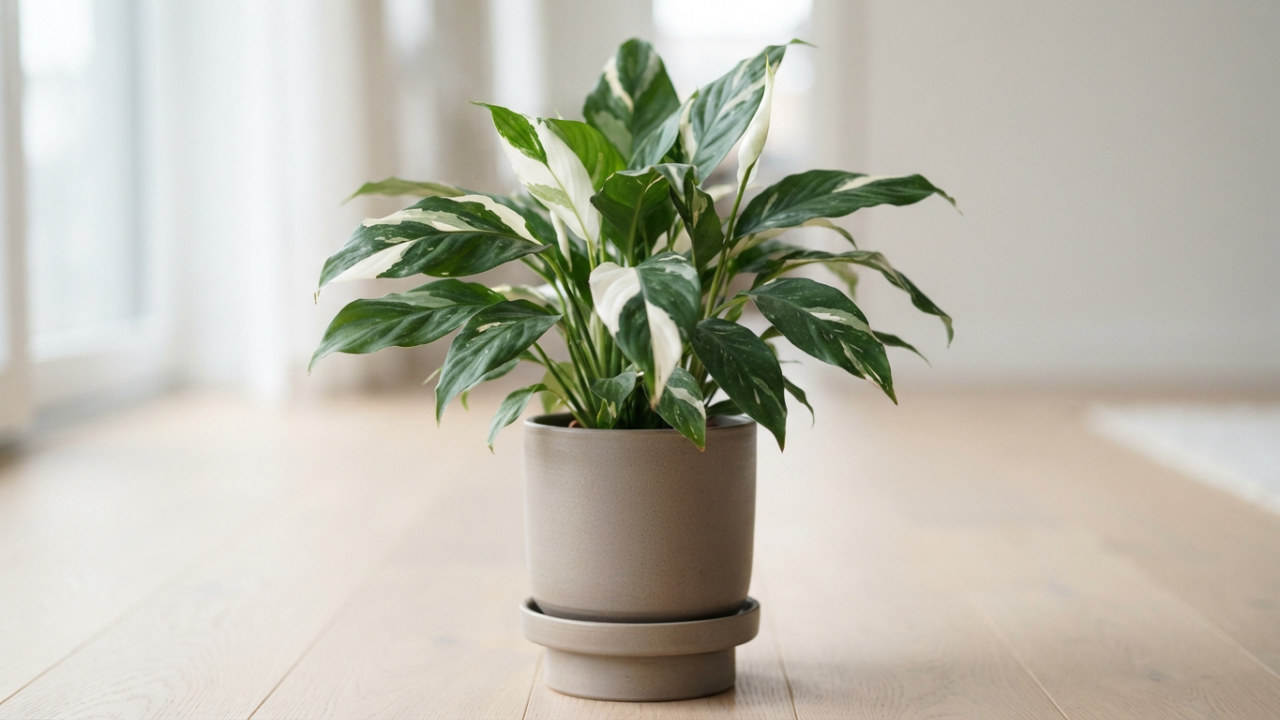
A small clump of solid green, glossy leaves about 20 cm long, slightly more rounded than the pointed blades of 'Sweet Chico' or 'Cupido', with no white marking, unlike 'Domino' or 'Picasso'. Anthurium has a waxy, colored spathe instead of a white sail.

Watering your Peace Lily 'Bellini'
Every 6 days
Water thoroughly when the first few centimeters of the mix are dry, then empty the saucer; keep the mix evenly moist but never soggy, and water a little less often in winter.
How to know it needs water
- The first few centimeters of the mix feel dry when a finger is pushed in
- The leaves and flower stalks start to droop, a late sign of thirst that fades soon after watering

How much light a Peace Lily 'Bellini' needs
Medium light
Medium indirect light, for example a little back from an east or north window; it tolerates a dim spot but then flowers less, and strong direct sun scorches the leaves.
- Direct sun tolerated
- 0 to 1 h a day
- Orientations that suit it
- North, North-east, East, North-west

Humidity and misting
60–70 %
Fairly high, about 60 to 70%; it copes with ordinary room air, but dry air browns the leaf tips. Mist the leaves lightly about every four days, in the morning; the extra humidity lasts only a short while, so a humidifier or a group of plants helps more.

Feeding and fertiliser
Every 28 days
Feed about every four weeks from April to October, while the plant is growing, and stop in winter; too much fertilizer browns the leaf tips.
- Recommended feed
- A liquid fertilizer for flowering houseplants, diluted to half strength. · 5-10-5

Repotting your Peace Lily 'Bellini'
Every 24 months
Move up one pot size into a light, moisture-retentive mix with perlite or coco fiber, keeping the crown at the same level; a crowded clump can be divided at the same time.
- When
- Spring, from March to May.
- Potting mix
- All-purpose potting mix
- Mix in
- perlite, coco fibre
The tell-tale signs
- Roots grow out of the drainage holes or circle on top of the mix
- The clump is so crowded that the pot dries out within days and flowers become scarce

Pruning your Peace Lily 'Bellini'
As soon as a flower fades or a leaf turns yellow or brown; no routine pruning is needed. Cut the flower stalk or leaf stalk at its base, as close to the crown as possible, with clean scissors.

Through the year
Watering is not set once and for all: it follows the light and the growth. Allow 7 days between waterings in the depth of winter, against 5 in the growing season.
- 7 J
- 7 F
- 6 M
- 5 A
- 5 M
- 5 J
- 5 J
- 5 A
- 6 S
- 6 O
- 7 N
- 7 D
Active growth · Days between waterings

Toxicity
Every part contains calcium oxalate crystals that burn the mouth and throat and can cause drooling, vomiting and trouble swallowing if chewed or swallowed, in people as well as in cats and dogs.

Good to know
- The leaves are rounder than on most peace lilies, which is the quickest way to tell it from 'Sweet Chico'.
- A peace lily's white 'petal' is a bract called a spathe; the true flowers are the tiny ones on the spadix.

Frequently asked questions about the Peace Lily 'Bellini'
How do you care for a Peace Lily 'Bellini'?
Water it every 6 days. Give it medium light. Ideal humidity: 60–70 %. Ideal temperature: 16–28 °C. Water thoroughly when the first few centimeters of the mix are dry, then empty the saucer; keep the mix evenly moist but never soggy, and water a little less often in winter.
How often should you water a Peace Lily 'Bellini'?
Every 6 days Water thoroughly when the first few centimeters of the mix are dry, then empty the saucer; keep the mix evenly moist but never soggy, and water a little less often in winter. How to know it needs water : The first few centimeters of the mix feel dry when a finger is pushed in ; The leaves and flower stalks start to droop, a late sign of thirst that fades soon after watering.
How much light does a Peace Lily 'Bellini' need?
Medium light Medium indirect light, for example a little back from an east or north window; it tolerates a dim spot but then flowers less, and strong direct sun scorches the leaves. 0 to 1 h a day
Is the Peace Lily 'Bellini' toxic to cats and dogs?
Yes. Every part contains calcium oxalate crystals that burn the mouth and throat and can cause drooling, vomiting and trouble swallowing if chewed or swallowed, in people as well as in cats and dogs. Keep it out of reach of your pets and call a vet if any is swallowed.
Why are my Peace Lily 'Bellini' leaves turning yellow?
Yellowing most often comes from too much water: the mix stays wet and the roots suffocate. Check that the pot drains, empty the saucer, and let the mix dry before watering again. Too little light or a cold draught cause the same symptom.
When should you repot a Peace Lily 'Bellini'?
Repot every 24 months, ideally in spring, from march to may.. Move up one pot size into a light, moisture-retentive mix with perlite or coco fiber, keeping the crown at the same level; a crowded clump can be divided at the same time.

At a glance
- Family
- Araceae
- Category
- Tropical
- Placement
- Indoor
- Mature height
- 43 cm
- Growth
- Moderate
- Temperature
- 16–28 °C
- Pot materials
- ceramic, plastic
- Growth
- Reaches maturity in 3 years
These figures are for an average plant. In the app they are recalculated for yours, based on your room, its orientation and the season.
And for your plant, in your home?
In the app this plant becomes yours: a watering schedule tuned to your home, health tracking from photos, and reminders at the right moment.
In the same spirit
 Every 7 days


Air Plant
Tillandsia ionantha

 Every 6 days
Alocasia amazonica
Alocasia amazonica
 Every 7 days
Alocasia baginda
Alocasia baginda
 Every 4 days
Angel Wings
Caladium bicolor
