
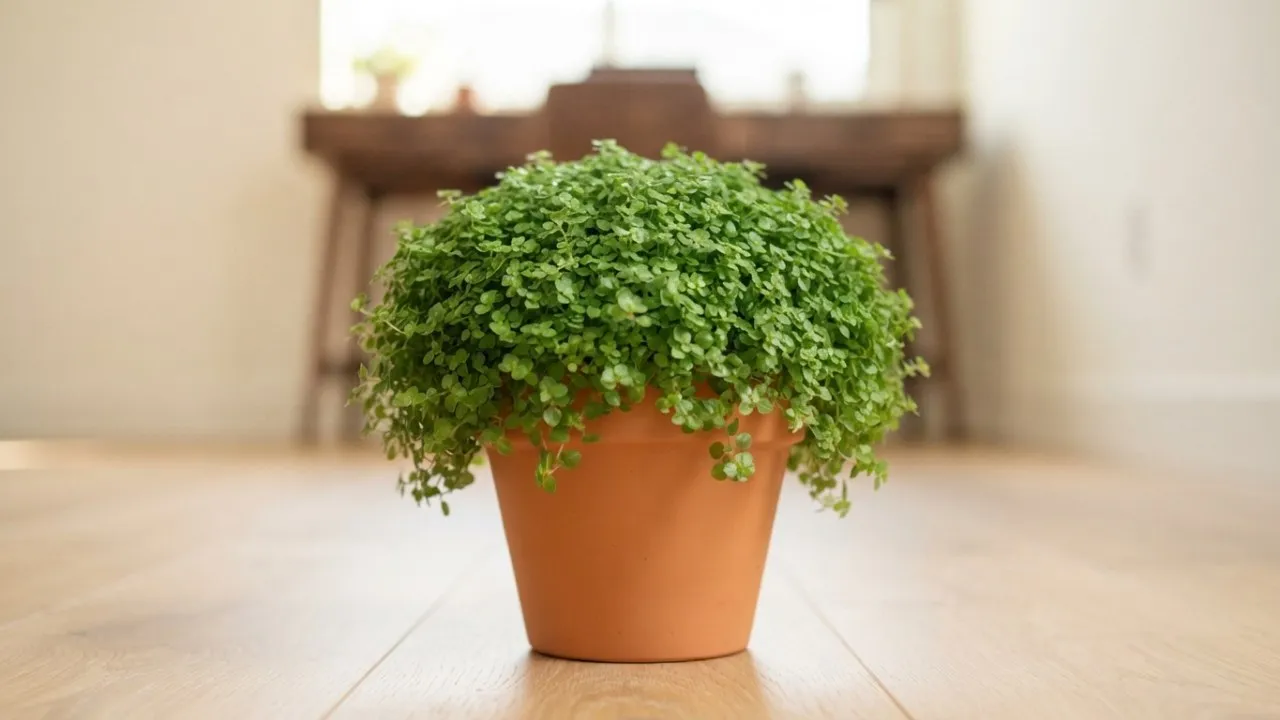
Baby's Tears
Soleirolia soleirolii
A small creeping plant with tiny round leaves forming a dense, plush green cushion, ideal for terrariums.
The essentials at a glance
-
Watering
Every 3 days
-
Light
Medium light
-
Humidity
60–80 %
-
Temperature
10–22 °C


How to care for your Baby's Tears
Everything you need to keep your Baby's Tears healthy: watering, light, humidity, feeding, repotting and pruning.
Baby's tears is a small creeping perennial native to Mediterranean islands (Corsica, Sardinia, Balearics). Its threadlike, interlacing stems bear tiny, round, tender green leaves that form a dense, plush green carpet resembling lush moss. It excels in terrariums, plant compositions, and as ground cover in large plant pots. It loves coolness and humidity and makes a perfect plant for well-lit bathrooms.

Watering your Baby's Tears
Every 3 days
Keep the substrate constantly moist but not waterlogged. Water from below by placing the pot in a saucer of water for a few minutes for uniform absorption. Baby's tears does not tolerate drought.
How to know it needs water
- Substrate beginning to dry at the surface
- Tiny leaves wilting and drooping
- Plant carpet losing its plush appearance

How much light a Baby's Tears needs
Medium light
Moderate to bright indirect light. Tolerates partial shade well. Avoid prolonged direct sun which dries out and scorches the tiny leaves.
- Direct sun tolerated
- 0 to 1 h a day
- Orientations that suit it
- North, North-east, East, North-west

Humidity and misting
60–80 %
60–80% Mist frequently to maintain high humidity around the delicate foliage. Baby's tears thrives in humid atmospheres such as well-lit bathrooms.

Feeding and fertiliser
Every 30 days
Fertilize once a month from April to September. Baby's tears has low fertilizer requirements and excess can burn its delicate stems. Use a low-dose fertilizer.
- Recommended feed
- Liquid fertilizer for foliage plants, very dilute (quarter dose). · 2-1-2

Repotting your Baby's Tears
Every 12 months
Divide the clump and replant in light, humus-rich compost. Choose a shallow but wide pot — a bowl or dish-type container. Baby's tears naturally spreads and forms a dense plant carpet.
- When
- Spring (March–April)
- Potting mix
- All-purpose potting mix
- Mix in
- perlite, sphagnum moss, coco fibre
The tell-tale signs
- Plant overflowing widely from the pot
- Root mat very dense
- Growth slowing in the centre of the clump

Pruning your Baby's Tears
When the plant overflows too much from the pot or to restore a regular shape. Trim trailing stems with scissors to maintain a rounded shape. Cut portions can be replanted directly to create new clumps.

Through the year
Watering is not set once and for all: it follows the light and the growth. Allow 4 days between waterings in the depth of winter, against 2 in the growing season.
- 4 J
- 3 F
- 3 M
- 2 A
- 2 M
- 2 J
- 2 J
- 2 A
- 3 S
- 3 O
- 3 N
- 4 D
Active growth · Days between waterings

Good to know
- Baby's tears is native to Corsica and Sardinia, where it naturally carpets moist rocks and shaded undergrowth near streams.
- It is so invasive outdoors in mild climates that it is considered an invasive species in some parts of the world.

Frequently asked questions about the Baby's Tears
How do you care for a Baby's Tears?
Water it every 3 days. Give it medium light. Ideal humidity: 60–80 %. Ideal temperature: 10–22 °C. Keep the substrate constantly moist but not waterlogged. Water from below by placing the pot in a saucer of water for a few minutes for uniform absorption. Baby's tears does not tolerate drought.
How often should you water a Baby's Tears?
Every 3 days Keep the substrate constantly moist but not waterlogged. Water from below by placing the pot in a saucer of water for a few minutes for uniform absorption. Baby's tears does not tolerate drought. How to know it needs water : Substrate beginning to dry at the surface ; Tiny leaves wilting and drooping ; Plant carpet losing its plush appearance.
How much light does a Baby's Tears need?
Medium light Moderate to bright indirect light. Tolerates partial shade well. Avoid prolonged direct sun which dries out and scorches the tiny leaves. 0 to 1 h a day
Is the Baby's Tears toxic to cats and dogs?
No, the Baby's Tears is not listed as toxic to cats and dogs. That is still no reason to let your pets chew on it.
Why are my Baby's Tears leaves turning yellow?
Yellowing most often comes from too much water: the mix stays wet and the roots suffocate. Check that the pot drains, empty the saucer, and let the mix dry before watering again. Too little light or a cold draught cause the same symptom.
When should you repot a Baby's Tears?
Repot every 12 months, ideally in spring (march–april). Divide the clump and replant in light, humus-rich compost. Choose a shallow but wide pot — a bowl or dish-type container. Baby's tears naturally spreads and forms a dense plant carpet.

At a glance
- Family
- Urticaceae
- Category
- Tropical
- Placement
- Indoor
- Mature height
- 10 cm
- Growth
- Fast
- Temperature
- 10–22 °C
- Pot materials
- ceramic, plastic
- Growth
- Reaches maturity in 1 years
These figures are for an average plant. In the app they are recalculated for yours, based on your room, its orientation and the season.
And for your plant, in your home?
In the app this plant becomes yours: a watering schedule tuned to your home, health tracking from photos, and reminders at the right moment.
In the same spirit
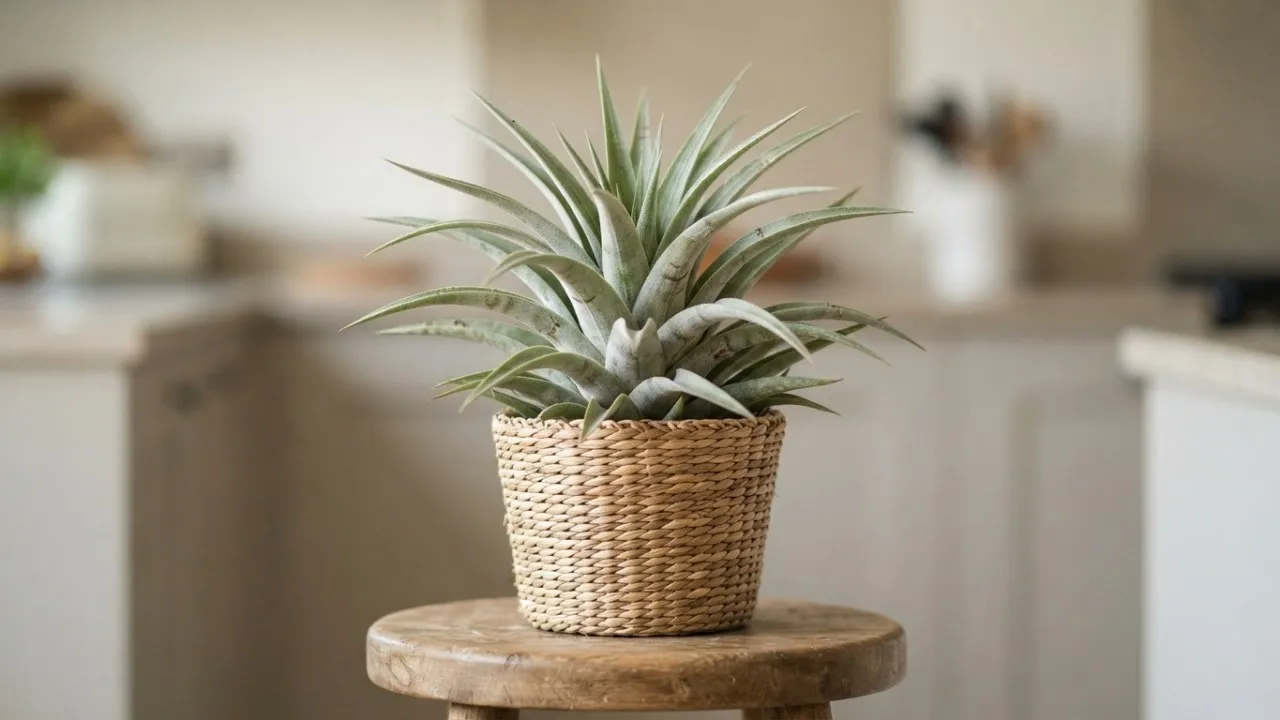 Every 4 days
 Air Plant
Tillandsia ionantha

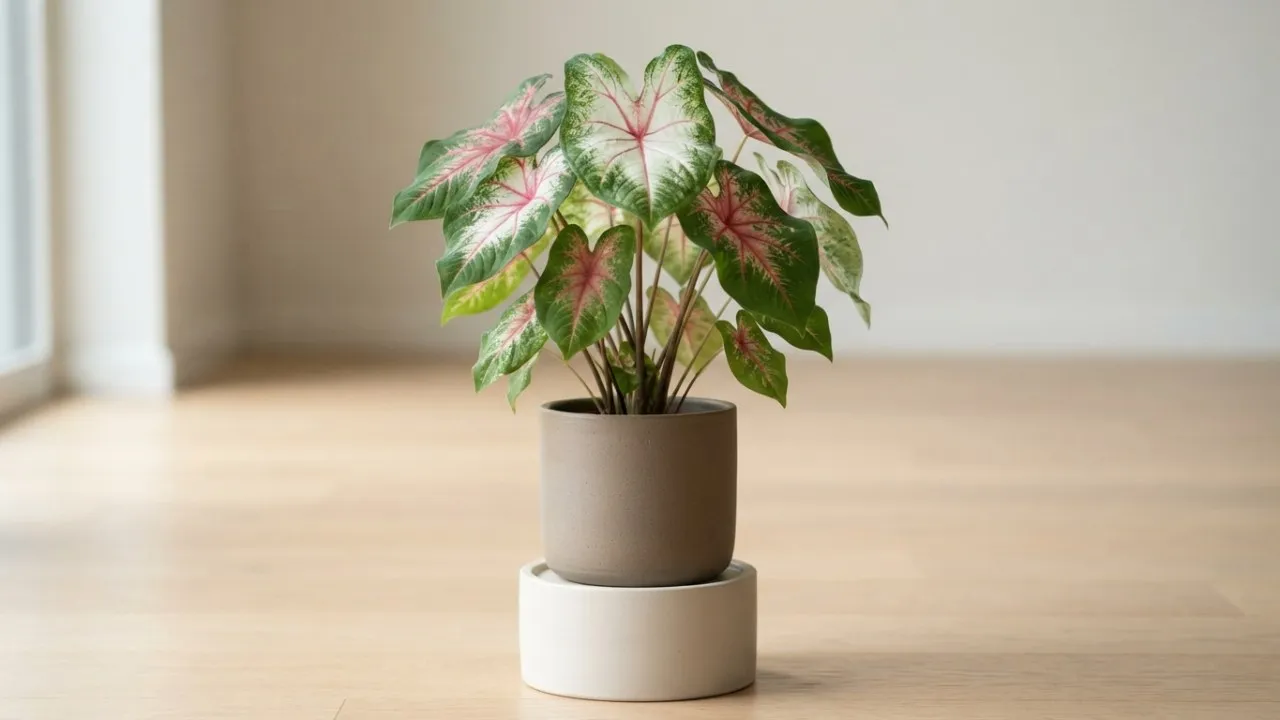 Every 3 days
 Angel Wings
Caladium bicolor
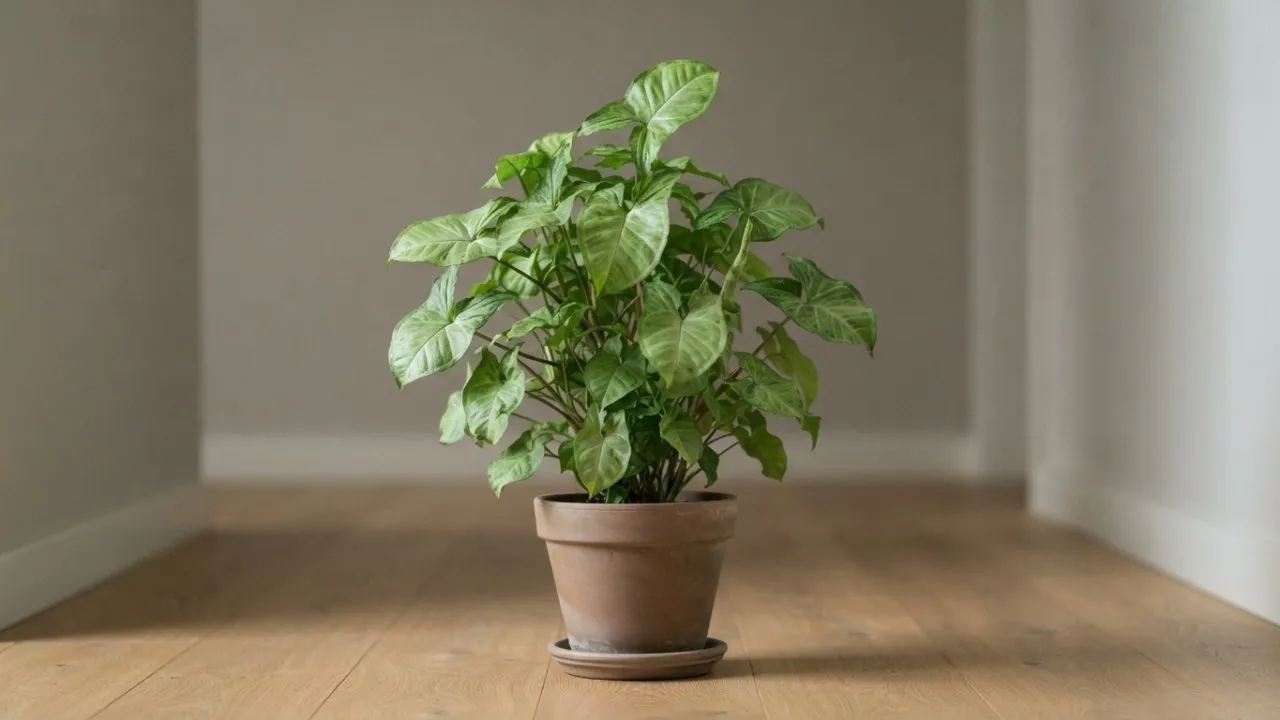 Every 7 days
 Arrowhead Plant
Syngonium podophyllum
 Every 10 days
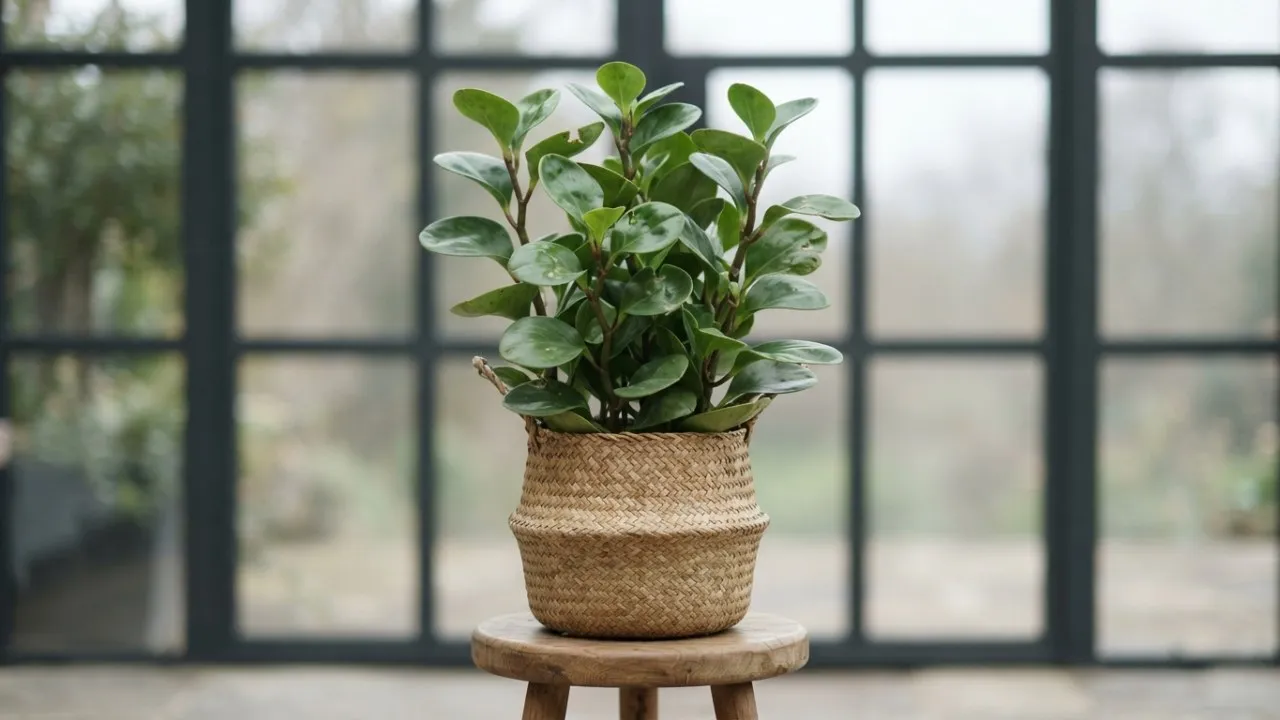
 Baby Rubber Plant
Peperomia obtusifolia