
Flowering · Gesneriaceae
Gloxinia
Sinningia speciosa
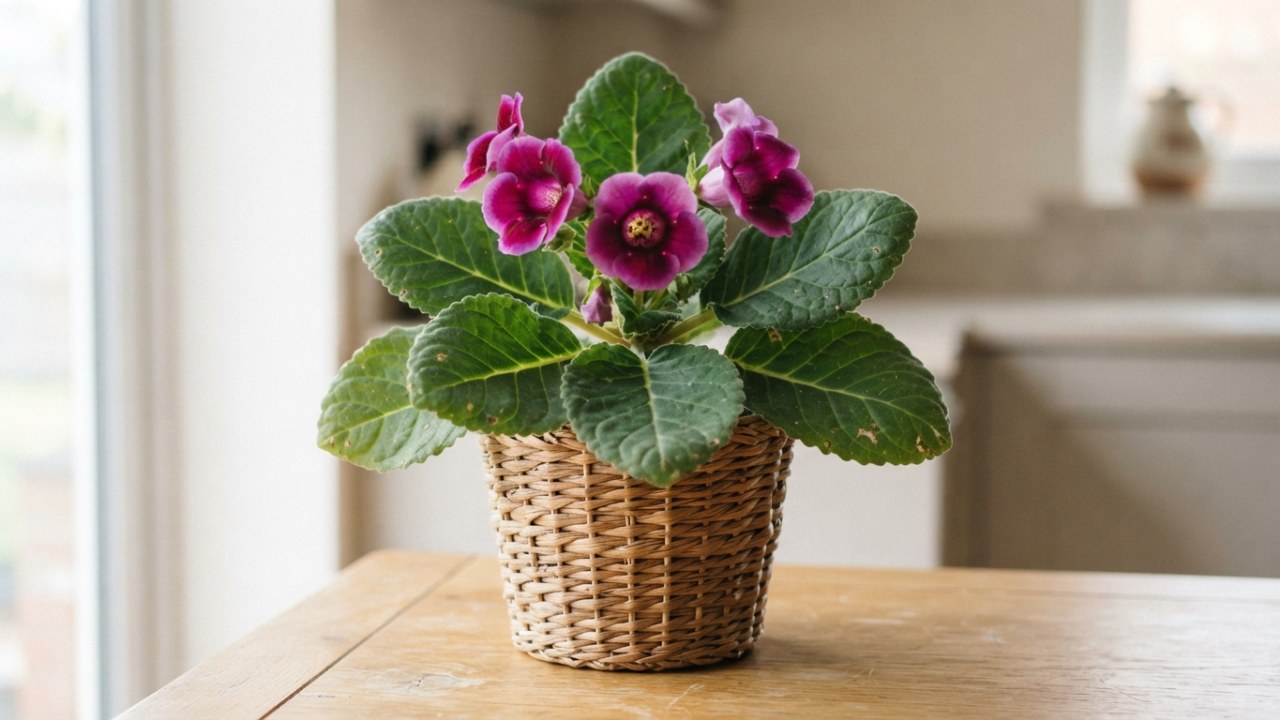
Gloxinia is a beautiful flowering plant known for its vibrant, bell-shaped blooms and velvety leaves.
- Every 5 daysWatering
- Bright indirect lightLight
- 60–80 %Humidity
- 18–24 °CTemperature


How to care for your Gloxinia
Everything you need to keep your Gloxinia healthy: watering, light, humidity, feeding, repotting and pruning.
Sinningia speciosa, commonly known as Gloxinia, is a popular houseplant celebrated for its spectacular, large, velvety flowers that come in a wide array of colors including red, pink, purple, and white, often with contrasting edges or spots. Native to Brazil, it thrives in bright, indirect light and high humidity. Gloxinias typically bloom from spring through summer and then enter a period of dormancy, during which the foliage dies back and the tuber rests. With proper care, including a rest period, the tubers can re-sprout and bloom again for many years.

How to recognise Gloxinia
A compact rosette of large, oval, velvety, hairy leaves from which short stalks carry big, bell- or trumpet-shaped flowers in red, pink, purple or white. It grows from a tuber and dies back every year. It is easily mistaken for the African violet (Saintpaulia), which is much smaller, has rounder fuzzy leaves and flat five-lobed flowers, and for Streptocarpus, which has long strap-shaped leaves.

Watering your Gloxinia
Every 5 days
Water from the bottom or carefully at the soil level, avoiding wetting the leaves and flowers. Use lukewarm water. Allow the top 1 to 2 cm of soil to dry out between waterings, about every 5 days during growth. From October to February, stop watering and keep the tuber dry in a cool, frost-free place.
How to know it needs water
- Topsoil dry 1-2 cm deep
- Pot feels lighter than usual
- Leaves appear slightly less turgid

How much light a Gloxinia needs
Bright indirect light
Bright indirect light; avoid direct sun which can scorch leaves.
- Direct sun tolerated
- 0 to 1 h a day
- Orientations that suit it
- North, North-east, East, North-west

Humidity and misting
60–80 %
High (60 to 80 %) Do not mist directly on leaves or flowers as it can cause spotting and fungal issues. Instead, use a pebble tray or a humidifier to increase ambient humidity.

Feeding and fertiliser
Every 14 days
Apply every two weeks from April to August, during growth and flowering. Stop during dormancy.
- Recommended feed
- High phosphorus liquid fertilizer (e.g., 'bloom booster') · 10-30-20

Repotting your Gloxinia
Every 12 months
In early spring, when the tuber sprouts, repot into a slightly larger pot (2 to 3 cm wider) with fresh, well-draining potting mix. Handle tubers carefully and keep the top of the tuber just above the soil.
- When
- Early spring
- Potting mix
- All-purpose potting mix
- Mix in
- perlite, vermiculite
The tell-tale signs
- Roots emerging from drainage holes
- Plant appears top-heavy
- Growth has slowed significantly

Pruning your Gloxinia
Remove spent flowers and yellowing leaves as they appear. After flowering, cut back the foliage to encourage dormancy and new growth. Pinch off spent blooms at the base. Cut back all foliage to about 2 to 3 cm above the soil line after the plant finishes flowering and begins to decline.

Through the year
Watering is not set once and for all: it follows the light and the growth. Allow 10 days between waterings in the depth of winter, against 4 in the growing season.
- 8 J
- 6 F
- 4 M
- 4 A
- 4 M
- 4 J
- 4 J
- 4 A
- 4 S
- 6 O
- 8 N
- 10 D
Active growth · Days between waterings

Toxicity
May cause mild digestive upset in cats and dogs if a large amount is eaten. Keep out of reach of pets.

Good to know
- Despite its common name, Gloxinia is not a true Gloxinia but a Sinningia.
- It is known for its large, velvety, bell-shaped flowers.
- Can be grown from seed or tubers and will rebloom year after year with proper care.

Frequently asked questions about the Gloxinia
How do you care for a Gloxinia?
Water it every 5 days. Give it bright indirect light. Ideal humidity: 60–80 %. Ideal temperature: 18–24 °C. Water from the bottom or carefully at the soil level, avoiding wetting the leaves and flowers. Use lukewarm water. Allow the top 1 to 2 cm of soil to dry out between waterings, about every 5 days during growth. From October to February, stop watering and keep the tuber dry in a cool, frost-free place.
How often should you water a Gloxinia?
Every 5 days Water from the bottom or carefully at the soil level, avoiding wetting the leaves and flowers. Use lukewarm water. Allow the top 1 to 2 cm of soil to dry out between waterings, about every 5 days during growth. From October to February, stop watering and keep the tuber dry in a cool, frost-free place. How to know it needs water : Topsoil dry 1-2 cm deep ; Pot feels lighter than usual ; Leaves appear slightly less turgid.
How much light does a Gloxinia need?
Bright indirect light Bright indirect light; avoid direct sun which can scorch leaves. 0 to 1 h a day
Is the Gloxinia toxic to cats and dogs?
Yes. May cause mild digestive upset in cats and dogs if a large amount is eaten. Keep out of reach of pets. Keep it out of reach of your pets and call a vet if any is swallowed.
Why are my Gloxinia leaves turning yellow?
Yellowing most often comes from too much water: the mix stays wet and the roots suffocate. Check that the pot drains, empty the saucer, and let the mix dry before watering again. Too little light or a cold draught cause the same symptom.
When should you repot a Gloxinia?
Repot every 12 months, ideally in early spring. In early spring, when the tuber sprouts, repot into a slightly larger pot (2 to 3 cm wider) with fresh, well-draining potting mix. Handle tubers carefully and keep the top of the tuber just above the soil.

At a glance
- Family
- Gesneriaceae
- Category
- Flowering
- Placement
- Indoor
- Mature height
- 30 cm
- Growth
- Moderate
- Temperature
- 18–24 °C
- Pot materials
- ceramic, plastic
- Growth
- Reaches maturity in 1 years
These figures are for an average plant. In the app they are recalculated for yours, based on your room, its orientation and the season.
And for your plant, in your home?
In the app this plant becomes yours: a watering schedule tuned to your home, health tracking from photos, and reminders at the right moment.
In the same spirit
 Every 6 days


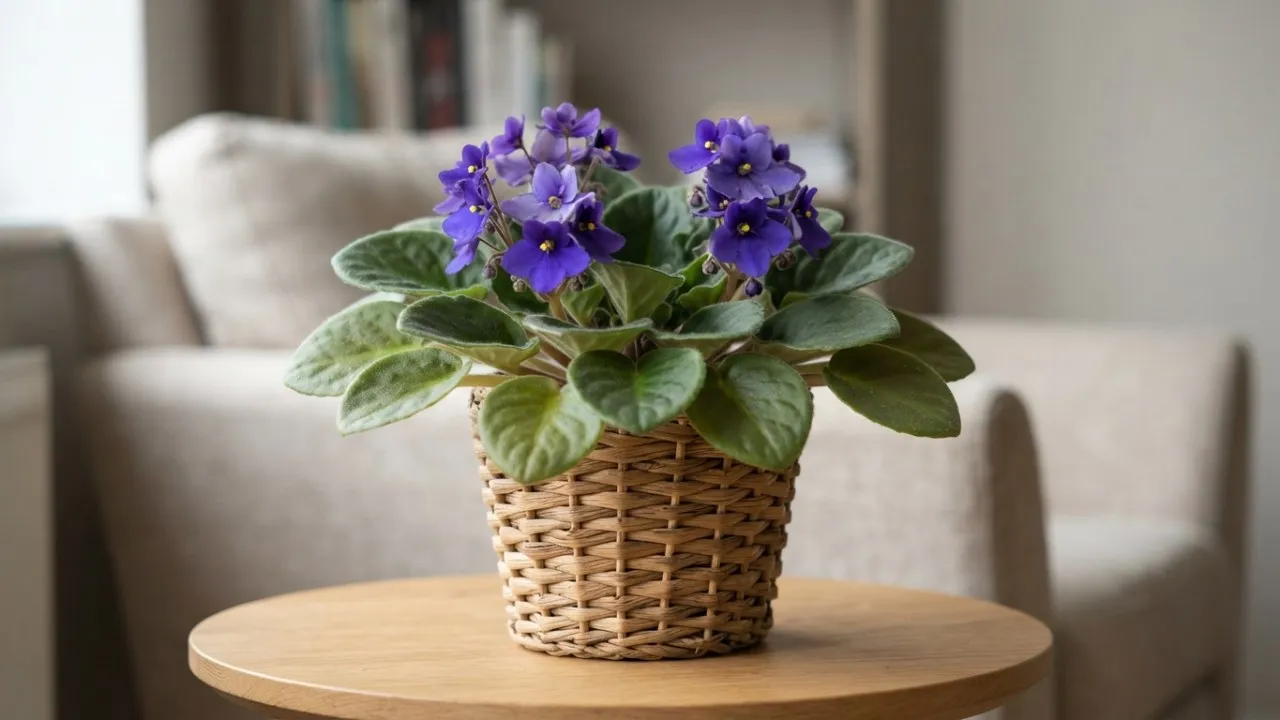
African Violet
Saintpaulia ionantha

 Every 3 days
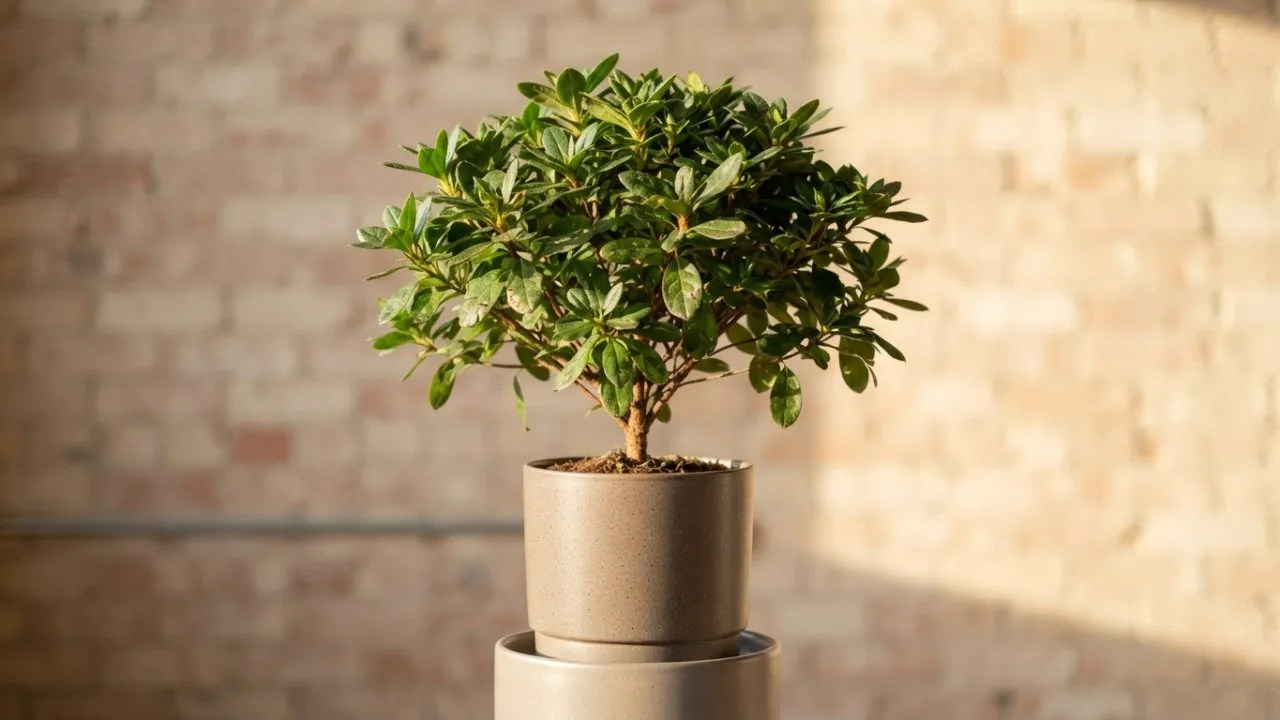
Azalea
Rhododendron simsii
 Every 5 days
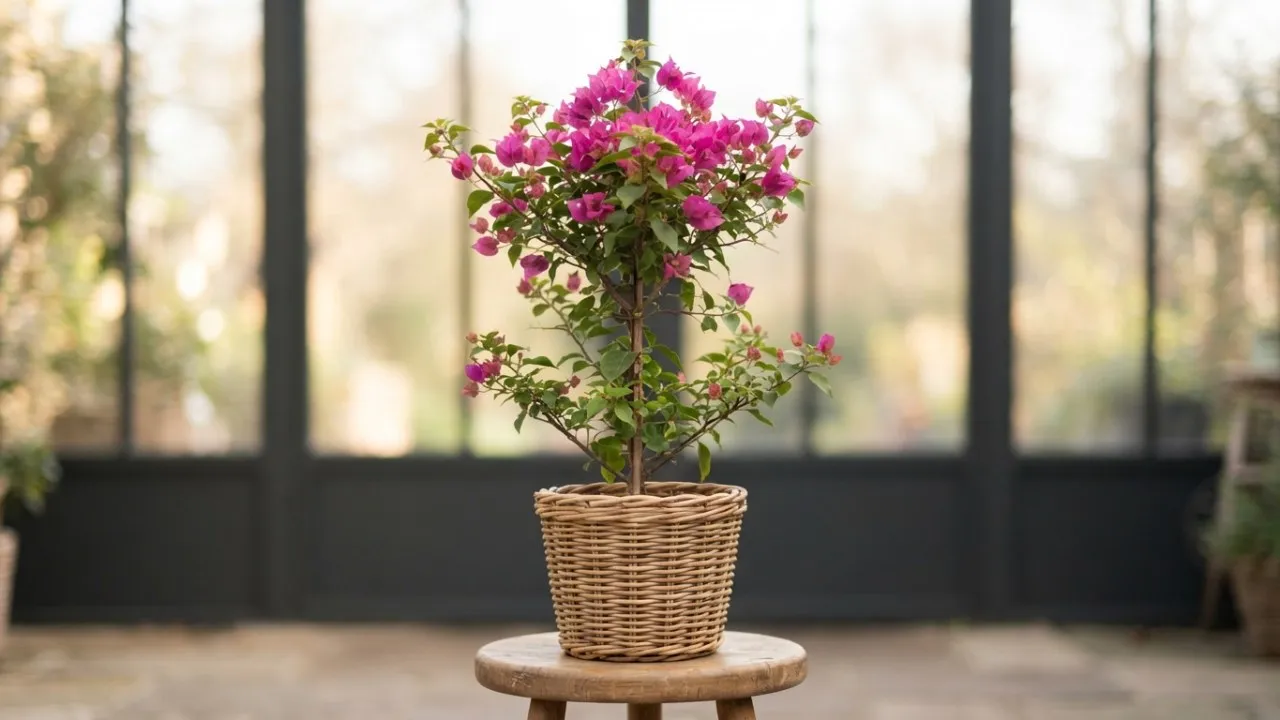
Bougainvillea
Bougainvillea glabra
 Every 3 days
Chrysanthemum
Chrysanthemum morifolium
