
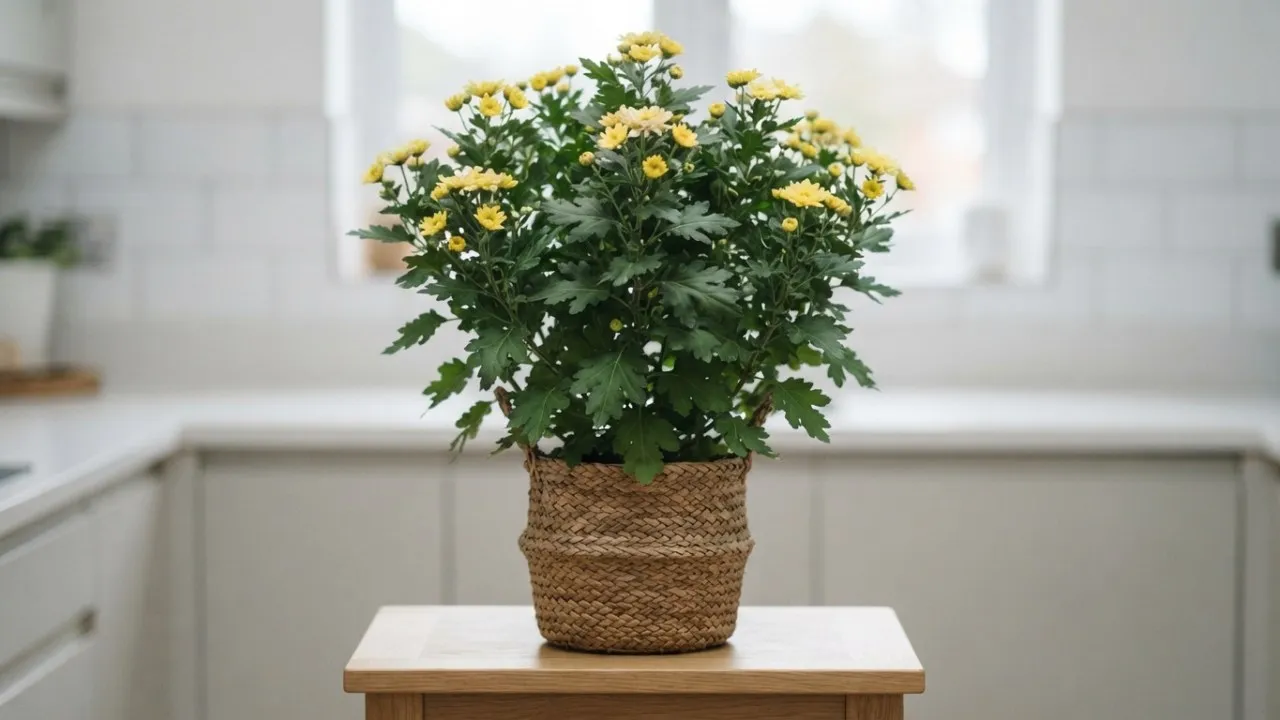
Chrysanthemum
Chrysanthemum morifolium
Chrysanthemum is a generous autumn plant that offers an explosion of warm colors when the rest of the garden goes dormant.
The essentials at a glance
-
Watering
Every 3 days
-
Light
Full sun
-
Humidity
40–60 %
-
Temperature
5–22 °C


How to care for your Chrysanthemum
Everything you need to keep your Chrysanthemum healthy: watering, light, humidity, feeding, repotting and pruning.
Chrysanthemum morifolium originates from China where it has been cultivated for over 2500 years and is considered one of the four noble plants of Chinese culture. Its spectacular autumn bloom, available in an incredible variety of shapes and colors, makes it the queen of autumn gardens. It is a short-day plant that only sets buds when nights become longer than days. Hardy and easy, it faithfully returns every autumn in hardy varieties.

Watering your Chrysanthemum
Every 3 days
Water regularly to keep the compost evenly moist. Never allow to dry out completely or become waterlogged.
How to know it needs water
- Surface of compost dry
- Leaves beginning to wilt
- Flower buds drying prematurely

How much light a Chrysanthemum needs
Full sun
Bright to full sun. At least 4–6 hours of sunlight to flower well. Chrysanthemum is a short-day plant.
- Direct sun tolerated
- 4 to 8 h a day
- Orientations that suit it
- South, South-east, South-west, East, West

Humidity and misting
40–60 %
40–60% No misting necessary. Ensure good air circulation to prevent powdery mildew.

Feeding and fertiliser
Every 14 days
Fertilize during the growth and bud formation period. Stop when flowers open. Resume after flowering if the plant is being kept.
- Recommended feed
- Liquid fertilizer high in potassium (NPK 10-10-20) to promote flowering. · 5-10-5

Repotting your Chrysanthemum
Every 12 months
Use rich, well-draining universal compost. For garden varieties, plant in fertile, well-drained open soil.
- When
- Spring
- Potting mix
- All-purpose potting mix
- Mix in
- perlite, coco fibre
The tell-tale signs
- Roots filling the pot
- Plant drying very quickly
- Reduced flowering

Pruning your Chrysanthemum
In spring and summer, before flower bud formation. Pinch shoot tips regularly in spring and early summer to produce a compact, well-branched plant with more flowers. Stop pinching in July to allow buds to set.

Through the year
Watering is not set once and for all: it follows the light and the growth. Allow 5 days between waterings in the depth of winter, against 2 in the growing season.
- 5 J
- 4 F
- 3 M
- 2 A
- 2 M
- 2 J
- 2 J
- 2 A
- 3 S
- 3 O
- 4 N
- 5 D
Active growth · Days between waterings

Toxicity
Toxic to dogs and cats. Contains pyrethrins and sesquiterpene lactones that can cause vomiting, diarrhoea, and dermatitis.

Good to know
- Chrysanthemum is the symbol of the Emperor of Japan and appears on the Japanese passport. In Japan, it represents longevity and happiness.
- In France, Chrysanthemum is associated with All Saints' Day because it naturally blooms in autumn, but in most Asian countries it symbolizes joy.

Frequently asked questions about the Chrysanthemum
How do you care for a Chrysanthemum?
Water it every 3 days. Give it full sun. Ideal humidity: 40–60 %. Ideal temperature: 5–22 °C. Water regularly to keep the compost evenly moist. Never allow to dry out completely or become waterlogged.
How often should you water a Chrysanthemum?
Every 3 days Water regularly to keep the compost evenly moist. Never allow to dry out completely or become waterlogged. How to know it needs water : Surface of compost dry ; Leaves beginning to wilt ; Flower buds drying prematurely.
How much light does a Chrysanthemum need?
Full sun Bright to full sun. At least 4–6 hours of sunlight to flower well. Chrysanthemum is a short-day plant. 4 to 8 h a day
Is the Chrysanthemum toxic to cats and dogs?
Yes. Toxic to dogs and cats. Contains pyrethrins and sesquiterpene lactones that can cause vomiting, diarrhoea, and dermatitis. Keep it out of reach of your pets and call a vet if any is swallowed.
Why are my Chrysanthemum leaves turning yellow?
Yellowing most often comes from too much water: the mix stays wet and the roots suffocate. Check that the pot drains, empty the saucer, and let the mix dry before watering again. Too little light or a cold draught cause the same symptom.
When should you repot a Chrysanthemum?
Repot every 12 months, ideally in spring. Use rich, well-draining universal compost. For garden varieties, plant in fertile, well-drained open soil.

At a glance
- Family
- Asteraceae
- Category
- Flowering
- Placement
- Indoor and outdoor
- Mature height
- 90 cm
- Growth
- Moderate
- Temperature
- 5–22 °C
- Pot materials
- terracotta, ceramic, plastic
- Growth
- Reaches maturity in 1 years
These figures are for an average plant. In the app they are recalculated for yours, based on your room, its orientation and the season.
And for your plant, in your home?
In the app this plant becomes yours: a watering schedule tuned to your home, health tracking from photos, and reminders at the right moment.
In the same spirit
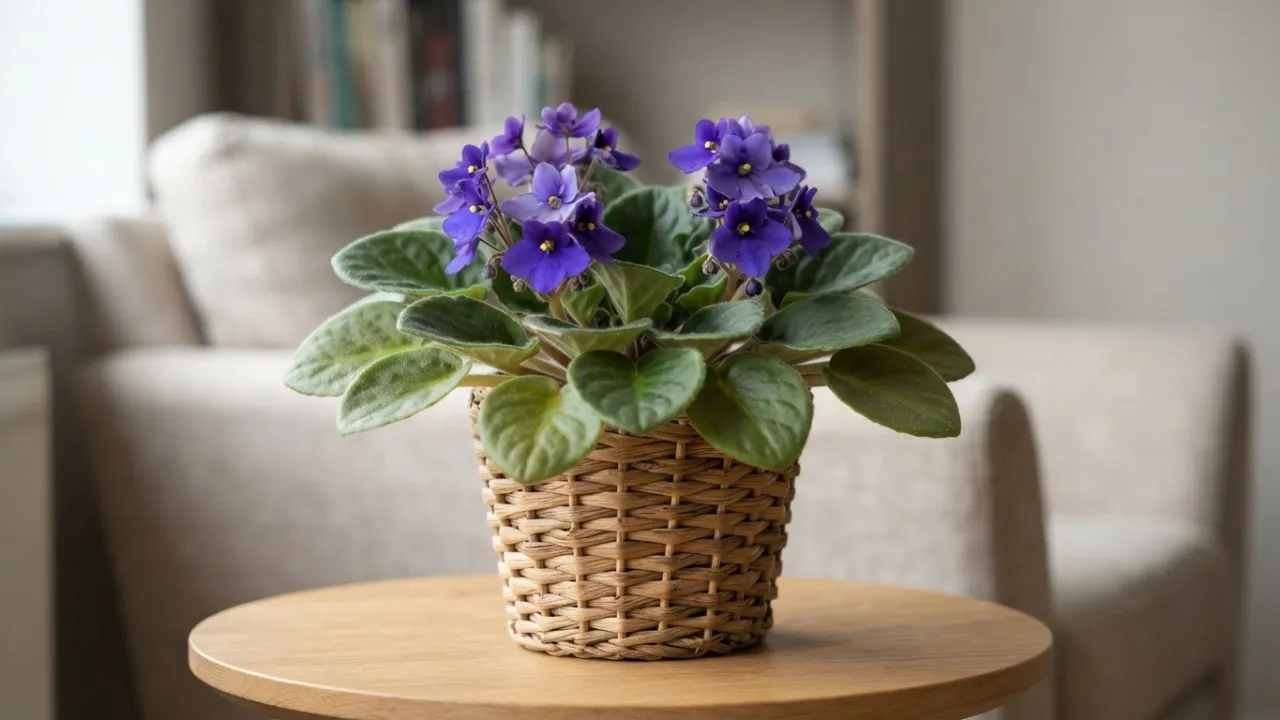 Every 5 days
 African Violet
Saintpaulia ionantha

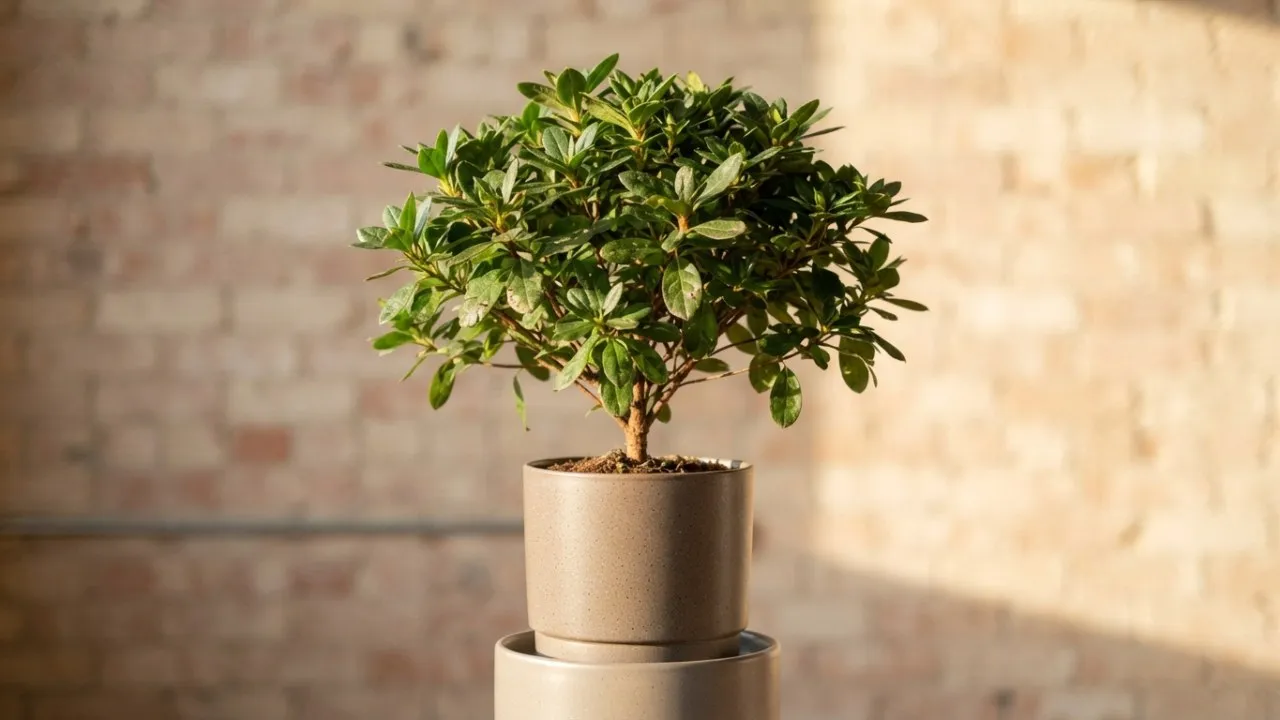 Every 3 days
 Azalea
Rhododendron simsii
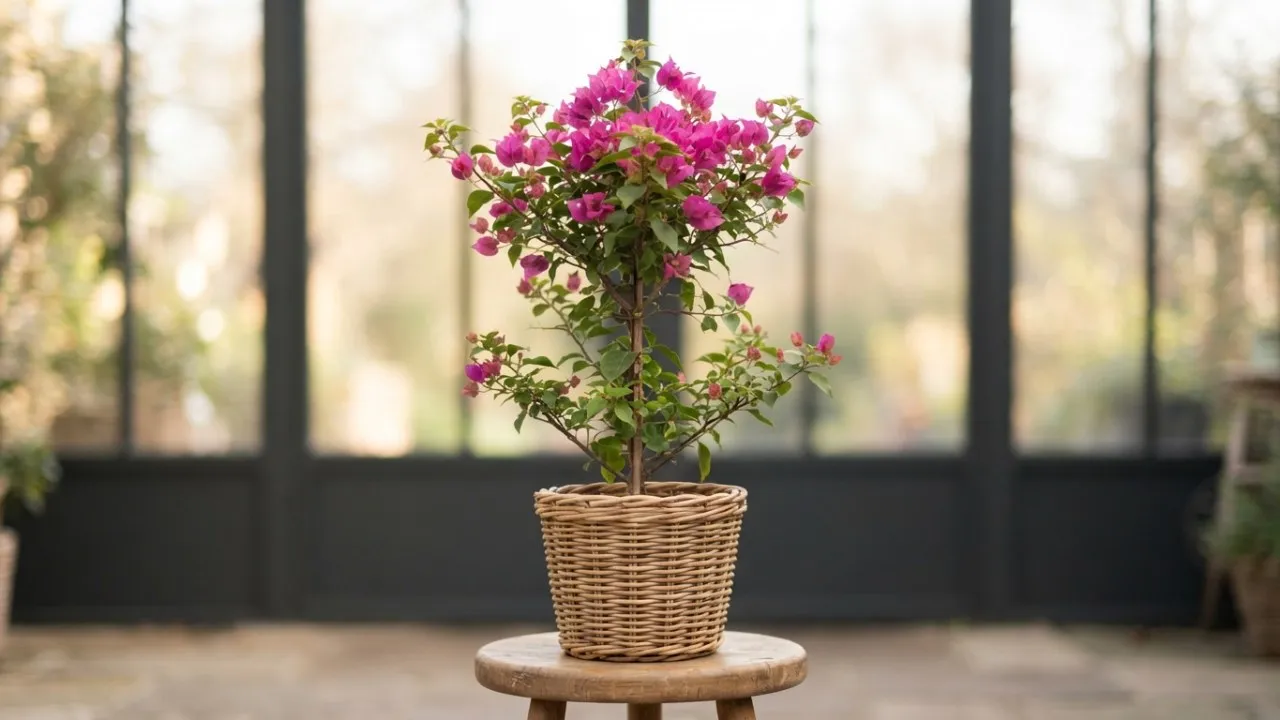 Every 5 days
 Bougainvillea
Bougainvillea glabra
 Every 4 days
 Cyclamen
Cyclamen persicum