
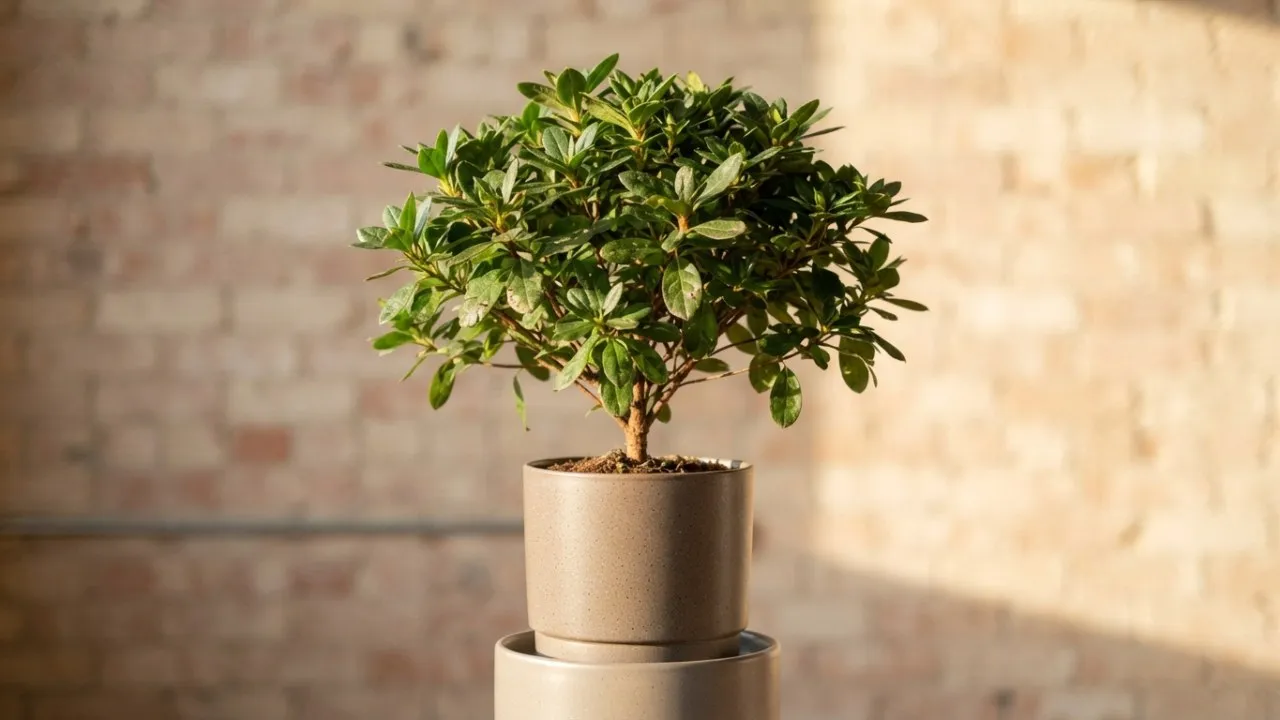
Azalea
Rhododendron simsii
Azalea is a small shrub with spectacular and abundant blooming that transforms the plant into a true cushion of colorful flowers.
The essentials at a glance
-
Watering
Every 3 days
-
Light
Bright indirect light
-
Humidity
60–80 %
-
Temperature
8–20 °C


How to care for your Azalea
Everything you need to keep your Azalea healthy: watering, light, humidity, feeding, repotting and pruning.
Rhododendron simsii, or indoor Azalea, originates from the cool and humid mountainous regions of China and Japan. Its exceptional spring bloom entirely covers the plant with single or double flowers in shades of white, pink, red, and bicolor. It demands very acidic soil, lime-free water, and a cool, humid atmosphere. It hates the dry heat of heated apartments and prefers cool conservatories or lightly heated rooms.

Watering your Azalea
Every 3 days
Water copiously with lime-free water (rainwater is ideal). Keep the substrate consistently moist but not waterlogged. Soak the root ball if it has dried out.
How to know it needs water
- Surface of the substrate beginning to dry
- Leaves curling downwards
- Root ball shrinking away from the pot

How much light a Azalea needs
Bright indirect light
Bright indirect light. Avoid harsh direct sun. Outdoors, dappled shade under deciduous trees is ideal.
- Direct sun tolerated
- 0 to 2 h a day
- Orientations that suit it
- North, North-east, East, North-west

Humidity and misting
60–80 %
60–80% Mist daily with lime-free water. Azalea requires high humidity. Avoid wetting open flowers.

Feeding and fertiliser
Every 14 days
Fertilize after flowering and throughout the growing season. Stop in winter. Apply chelated iron for chlorosis (yellow leaves with green veins).
- Recommended feed
- Acidic-soil plant fertilizer (ericaceous) rich in iron and sulphur. · 2-1-2

Repotting your Azalea
Every 24 months
Use pure ericaceous compost or a very acidic blend (pH 4.5–5.5). Do not bury the root collar. Choose a pot only slightly larger. Gently loosen the root ball.
- When
- After flowering, in spring
- Potting mix
- Ericaceous compost
- Mix in
- pine bark, sphagnum moss, perlite
The tell-tale signs
- Roots forming a dense felt
- Water no longer penetrating the root ball
- Stagnant growth

Pruning your Azalea
Immediately after flowering. Pinch off spent flowers. Prune lightly to maintain a compact shape. Never prune in late summer or autumn as flower buds set from this period.

Through the year
Watering is not set once and for all: it follows the light and the growth. Allow 5 days between waterings in the depth of winter, against 2 in the growing season.
- 5 J
- 4 F
- 3 M
- 2 A
- 2 M
- 2 J
- 2 J
- 3 A
- 3 S
- 4 O
- 5 N
- 5 D
Active growth · Days between waterings

Toxicity
All parts contain grayanotoxins, toxic to animals and humans. Ingestion can cause digestive, cardiac, and neurological disturbances.

Good to know
- Azalea is considered a symbol of temperance in China and Japan, where it is one of the most prized plants for the art of bonsai.
- Honey produced from the nectar of certain Rhododendrons is known as 'mad honey' and has hallucinogenic properties known since antiquity.

Frequently asked questions about the Azalea
How do you care for a Azalea?
Water it every 3 days. Give it bright indirect light. Ideal humidity: 60–80 %. Ideal temperature: 8–20 °C. Water copiously with lime-free water (rainwater is ideal). Keep the substrate consistently moist but not waterlogged. Soak the root ball if it has dried out.
How often should you water a Azalea?
Every 3 days Water copiously with lime-free water (rainwater is ideal). Keep the substrate consistently moist but not waterlogged. Soak the root ball if it has dried out. How to know it needs water : Surface of the substrate beginning to dry ; Leaves curling downwards ; Root ball shrinking away from the pot.
How much light does a Azalea need?
Bright indirect light Bright indirect light. Avoid harsh direct sun. Outdoors, dappled shade under deciduous trees is ideal. 0 to 2 h a day
Is the Azalea toxic to cats and dogs?
Yes. All parts contain grayanotoxins, toxic to animals and humans. Ingestion can cause digestive, cardiac, and neurological disturbances. Keep it out of reach of your pets and call a vet if any is swallowed.
Why are my Azalea leaves turning yellow?
Yellowing most often comes from too much water: the mix stays wet and the roots suffocate. Check that the pot drains, empty the saucer, and let the mix dry before watering again. Too little light or a cold draught cause the same symptom.
When should you repot a Azalea?
Repot every 24 months, ideally in after flowering, in spring. Use pure ericaceous compost or a very acidic blend (pH 4.5–5.5). Do not bury the root collar. Choose a pot only slightly larger. Gently loosen the root ball.

At a glance
- Family
- Ericaceae
- Category
- Flowering
- Placement
- Indoor and outdoor
- Mature height
- 1 m
- Growth
- Moderate
- Temperature
- 8–20 °C
- Pot materials
- ceramic, plastic, wood
- Growth
- Reaches maturity in 5 years
These figures are for an average plant. In the app they are recalculated for yours, based on your room, its orientation and the season.
And for your plant, in your home?
In the app this plant becomes yours: a watering schedule tuned to your home, health tracking from photos, and reminders at the right moment.
In the same spirit
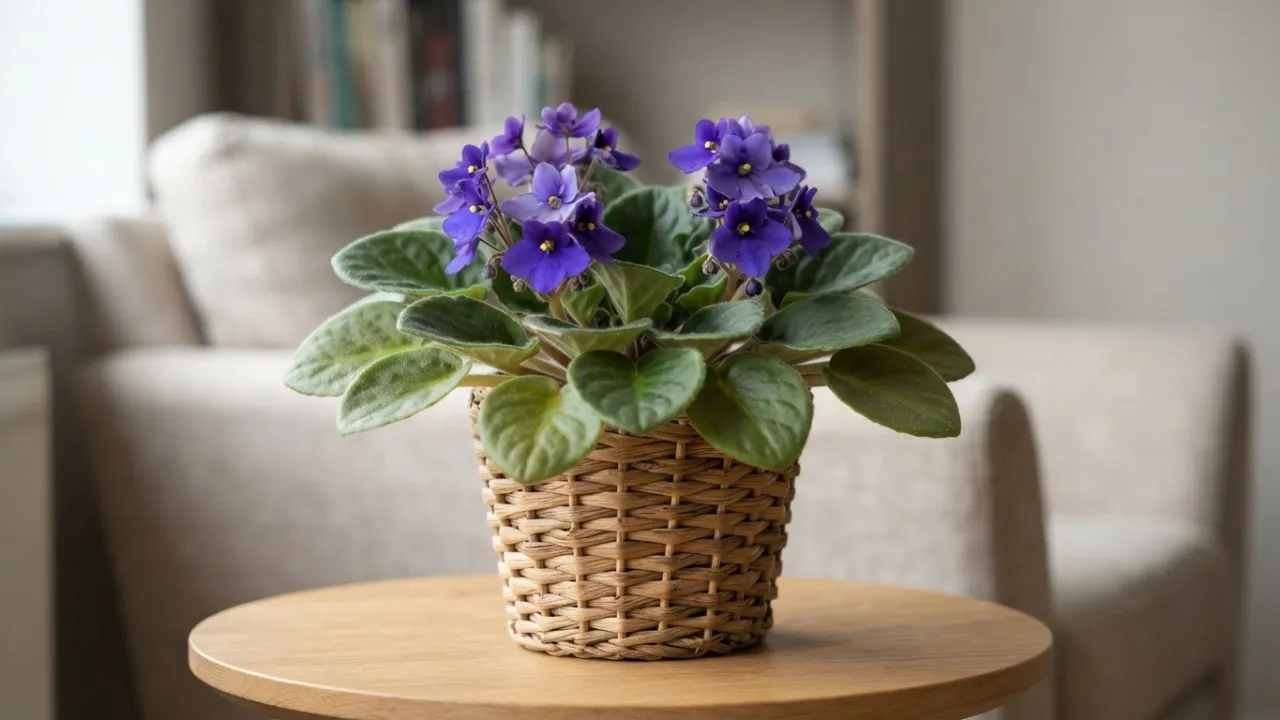 Every 5 days
 African Violet
Saintpaulia ionantha

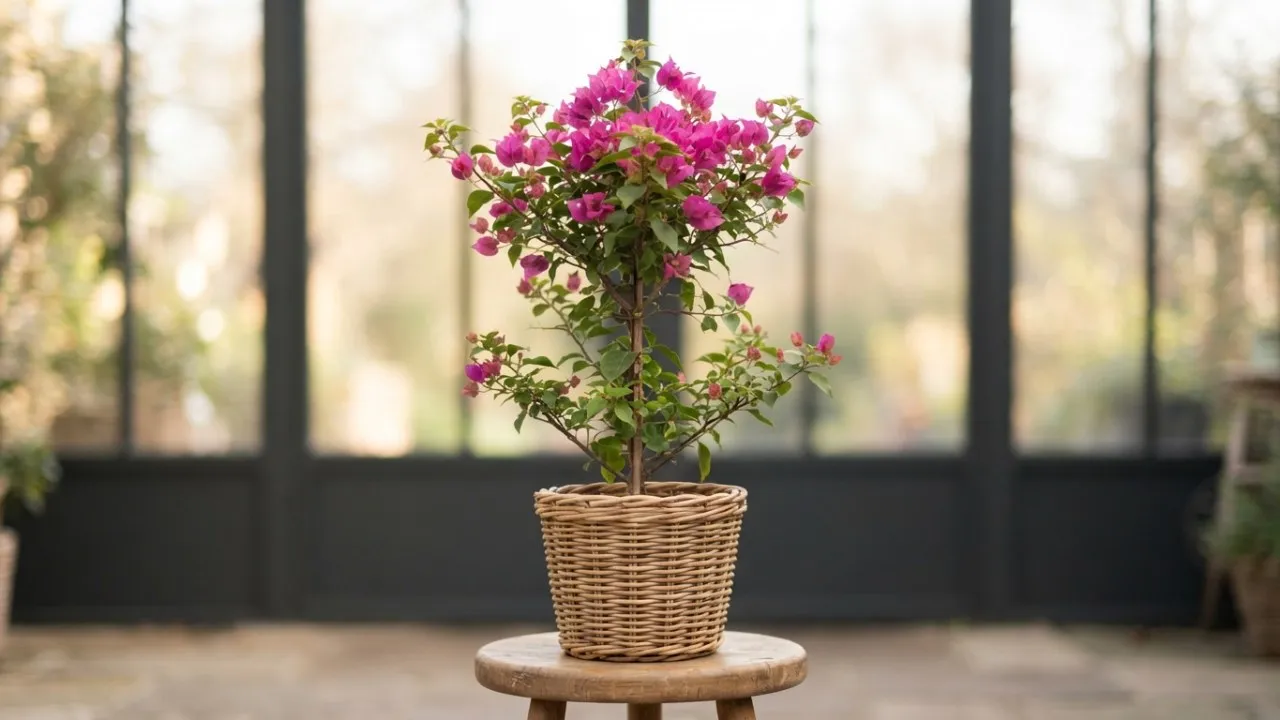 Every 5 days
 Bougainvillea
Bougainvillea glabra
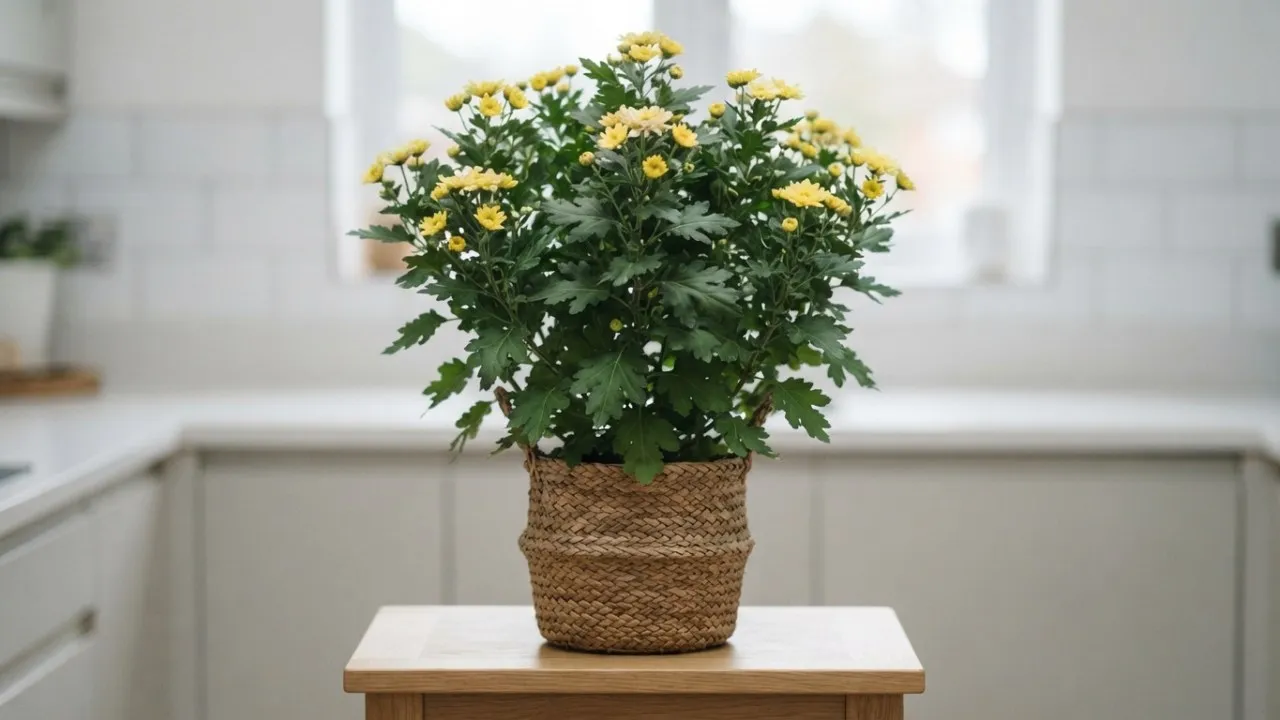 Every 3 days
 Chrysanthemum
Chrysanthemum morifolium
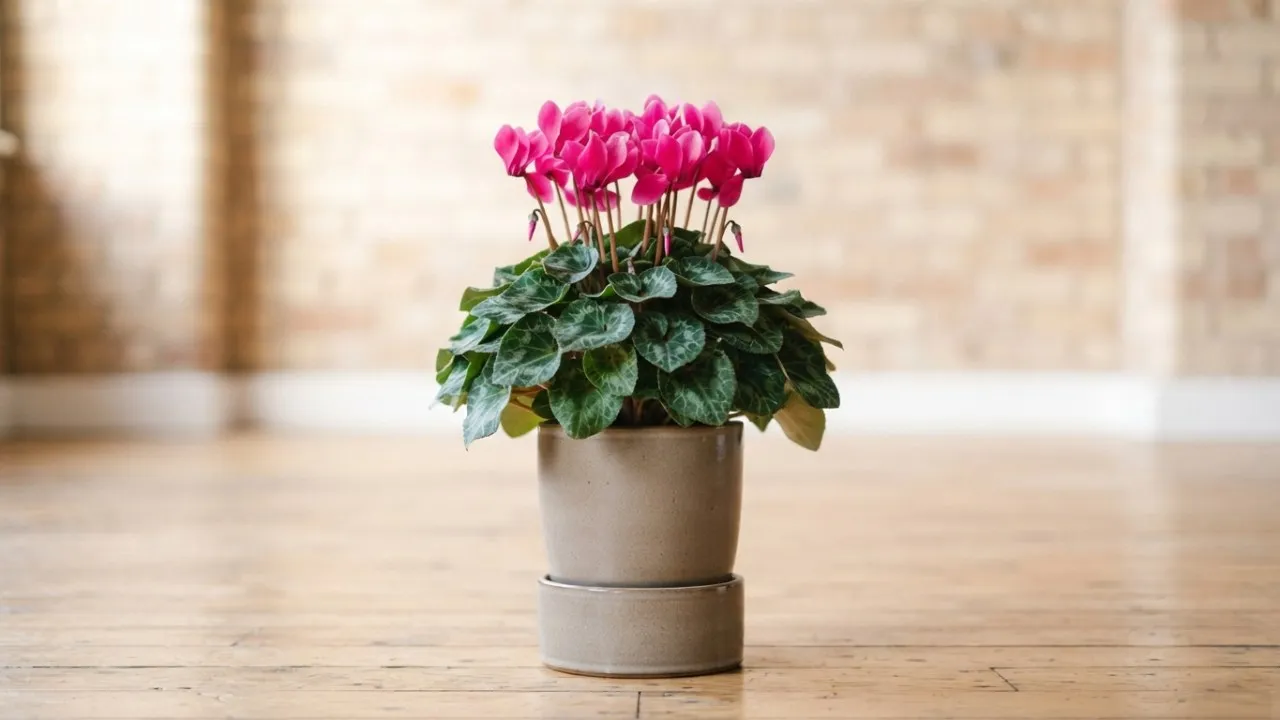 Every 4 days
 Cyclamen
Cyclamen persicum