
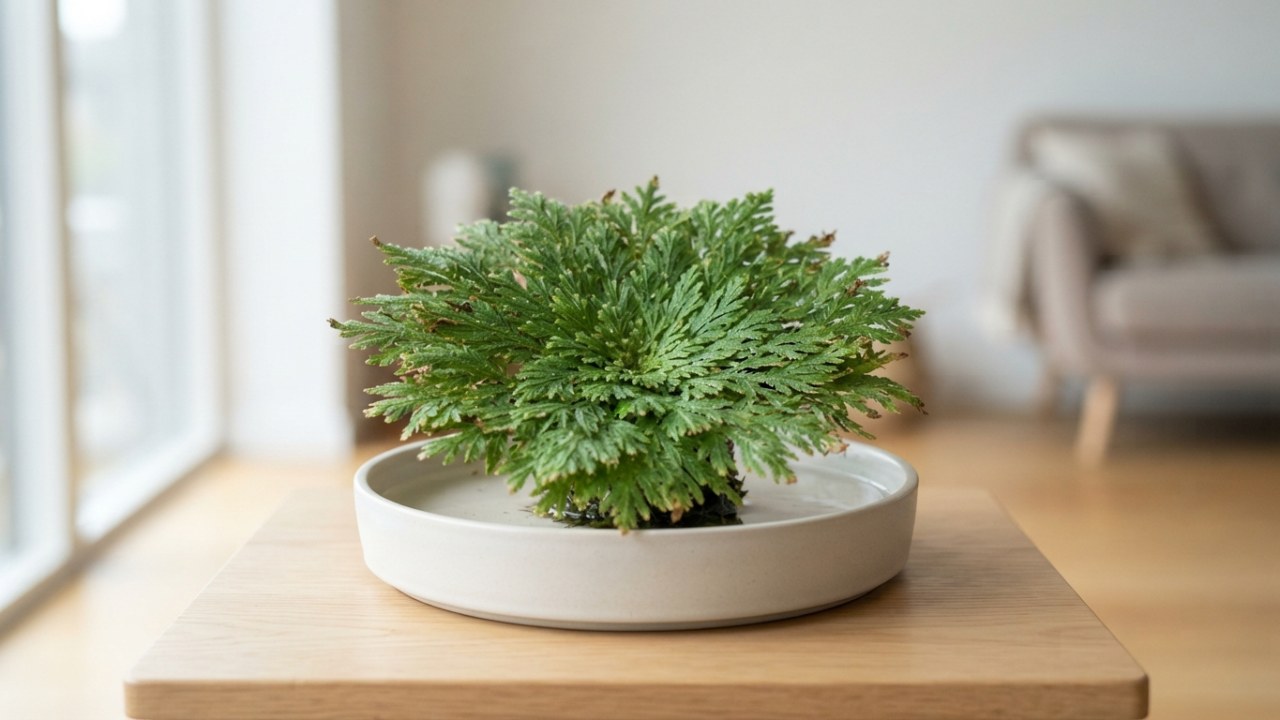
Fern · Selaginellaceae
Resurrection Plant
Selaginella lepidophylla
The Resurrection Plant is a unique desert spikemoss, not a true fern, known for surviving extreme drought by curling into a tight ball and unfurling when rehydrated.
- Every 7 daysWatering
- Bright indirect lightLight
- 30–60 %Humidity
- 10–30 °CTemperature


How to care for your Resurrection Plant
Everything you need to keep your Resurrection Plant healthy: watering, light, humidity, feeding, repotting and pruning.
Selaginella lepidophylla, commonly known as the Resurrection Plant or false Rose of Jericho, is a fascinating spikemoss native to the Chihuahuan Desert. It has an extraordinary adaptation to arid environments: when deprived of water, its fronds curl inwards, forming a tight, brown ball, protecting its core. Upon rehydration, it slowly unfurls and regains its green colour. This cycle of desiccation and rehydration can be repeated many times, making it a symbol of resilience. It prefers bright indirect light and a well-draining substrate, thriving on infrequent but thorough watering followed by complete drying. It does not tolerate hard frost when wet: where winters fall below freezing, keep the pot indoors.

How to recognise Resurrection Plant
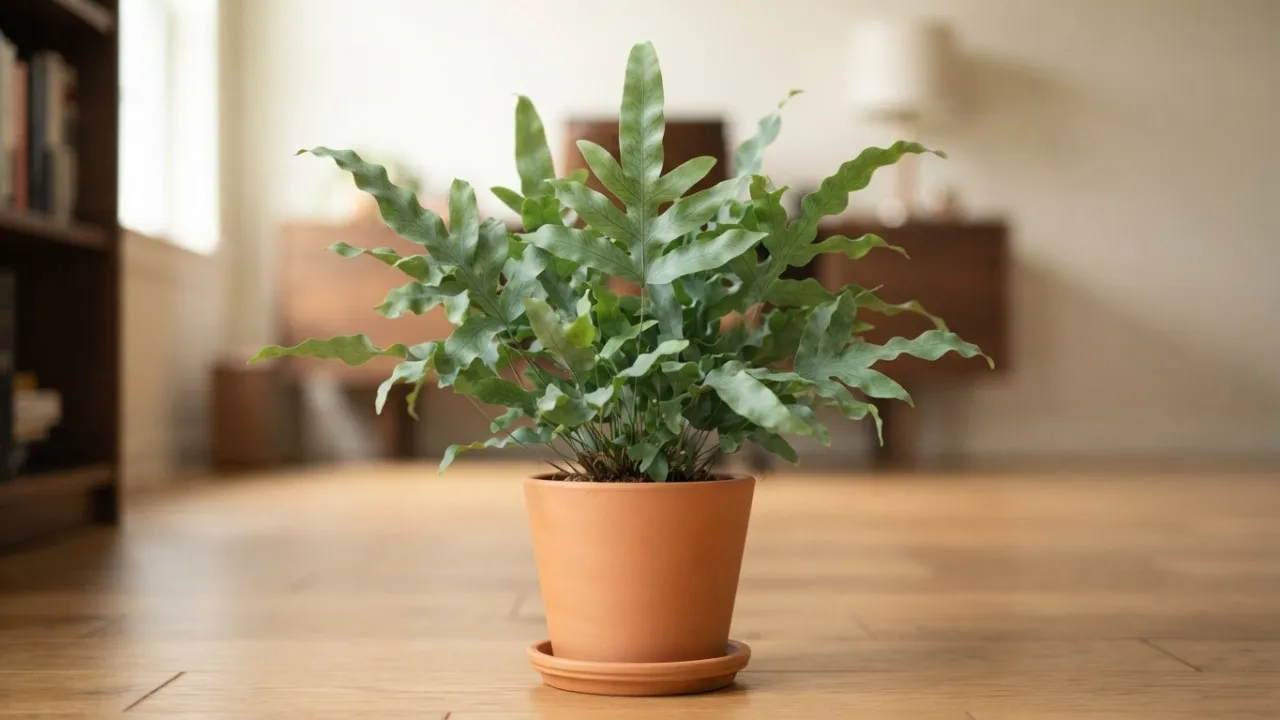
When dry, a tight, brown, curled ball about 5 to 15 cm across; when hydrated, a flat rosette of green, fern-like, branching fronds made of tiny scale-like leaves, spreading from a central base. It is often confused with the true Rose of Jericho (Anastatica hierochuntica), whose dry form is a woody, round ball of bare twigs rather than leafy sprays, and with Selaginella kraussiana, which is a soft creeping green mat that does not curl up.

Watering your Resurrection Plant
Every 7 days
To revive, place the curled plant in a shallow dish of water for a few hours until it unfurls, then drain it and let it dry out completely before re-watering. Do not keep it permanently wet. During the winter rest, stop watering and keep it dry.
How to know it needs water
- Plant is completely dry and curled
- Substrate is bone dry
- Leaves are brittle to the touch

How much light a Resurrection Plant needs
Bright indirect light
Bright indirect light; tolerates some direct morning sun.
- Direct sun tolerated
- 0 to 2 h a day
- Orientations that suit it
- North, North-east, East, South-east, South, South-west, West, North-west

Humidity and misting
30–60 %
Low to medium (30 to 60%) Misting is not necessary and can encourage rot if the plant is kept moist. This plant thrives on cycles of drying and rehydration.

Feeding and fertiliser
No fertilizer is needed. The plant lives on very little and feeding it can do more harm than good.
- Recommended feed
- None required · 5-5-5

Repotting your Resurrection Plant
It grows very slowly and rarely needs repotting. If the pot is ever full, repot in spring into a container 2 to 3 cm larger using a very well-draining, gritty mix. Handle carefully to avoid damaging the delicate root system.
- When
- Spring
- Potting mix
- Cactus and succulent mix
- Mix in
- perlite, coarse sand, pumice
The tell-tale signs
- Roots filling the container
- Plant outgrowing its space
- Substrate degrading

Pruning your Resurrection Plant
Remove any dead or damaged fronds as needed. Snip off dead fronds at their base with clean, sharp scissors.

Through the year
Watering is not set once and for all: it follows the light and the growth. Allow 11 days between waterings in the depth of winter, against 7 in the growing season.
- 11 J
- 11 F
- 7 M
- 7 A
- 7 M
- 7 J
- 7 J
- 7 A
- 7 S
- 7 O
- 11 N
- 11 D
Active growth · Days between waterings

Good to know
- Can survive almost complete desiccation, curling into a ball and uncurling when rehydrated.
- Native to the Chihuahuan Desert, it is adapted to extreme drought conditions.
- It is sometimes called the false rose of Jericho; the true Rose of Jericho is Anastatica hierochuntica, an unrelated annual of the mustard family.

Frequently asked questions about the Resurrection Plant
How do you care for a Resurrection Plant?
Water it every 7 days. Give it bright indirect light. Ideal humidity: 30–60 %. Ideal temperature: 10–30 °C. To revive, place the curled plant in a shallow dish of water for a few hours until it unfurls, then drain it and let it dry out completely before re-watering. Do not keep it permanently wet. During the winter rest, stop watering and keep it dry.
How often should you water a Resurrection Plant?
Every 7 days To revive, place the curled plant in a shallow dish of water for a few hours until it unfurls, then drain it and let it dry out completely before re-watering. Do not keep it permanently wet. During the winter rest, stop watering and keep it dry. How to know it needs water : Plant is completely dry and curled ; Substrate is bone dry ; Leaves are brittle to the touch.
How much light does a Resurrection Plant need?
Bright indirect light Bright indirect light; tolerates some direct morning sun. 0 to 2 h a day
Is the Resurrection Plant toxic to cats and dogs?
No, the Resurrection Plant is not listed as toxic to cats and dogs. That is still no reason to let your pets chew on it.
Why are my Resurrection Plant leaves turning yellow?
Yellowing most often comes from too much water: the mix stays wet and the roots suffocate. Check that the pot drains, empty the saucer, and let the mix dry before watering again. Too little light or a cold draught cause the same symptom.
When should you repot a Resurrection Plant?
Repot , ideally in spring. It grows very slowly and rarely needs repotting. If the pot is ever full, repot in spring into a container 2 to 3 cm larger using a very well-draining, gritty mix. Handle carefully to avoid damaging the delicate root system.

At a glance
- Family
- Selaginellaceae
- Category
- Fern
- Placement
- Indoor and outdoor
- Mature height
- 15 cm
- Growth
- Slow
- Temperature
- 10–30 °C
- Pot materials
- terracotta, ceramic
- Growth
- Reaches maturity in 3 years
These figures are for an average plant. In the app they are recalculated for yours, based on your room, its orientation and the season.
And for your plant, in your home?
In the app this plant becomes yours: a watering schedule tuned to your home, health tracking from photos, and reminders at the right moment.
In the same spirit
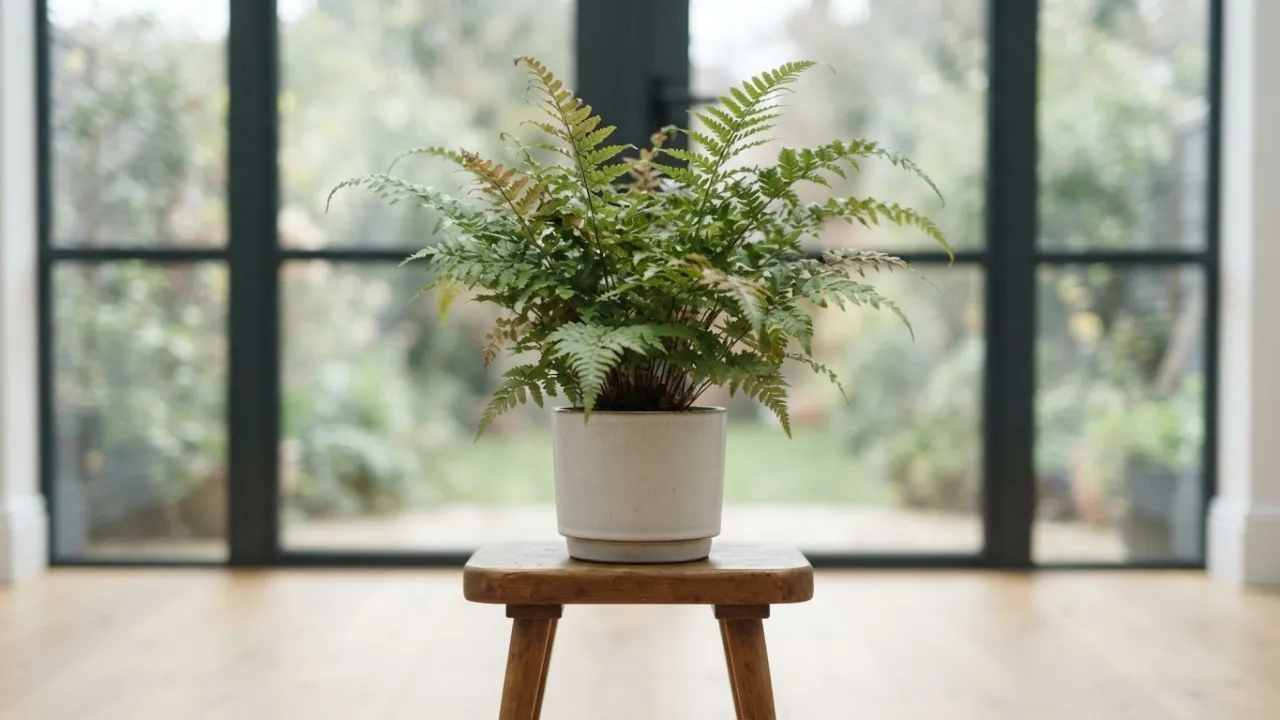 Every 4 days


Autumn Fern
Dryopteris erythrosora

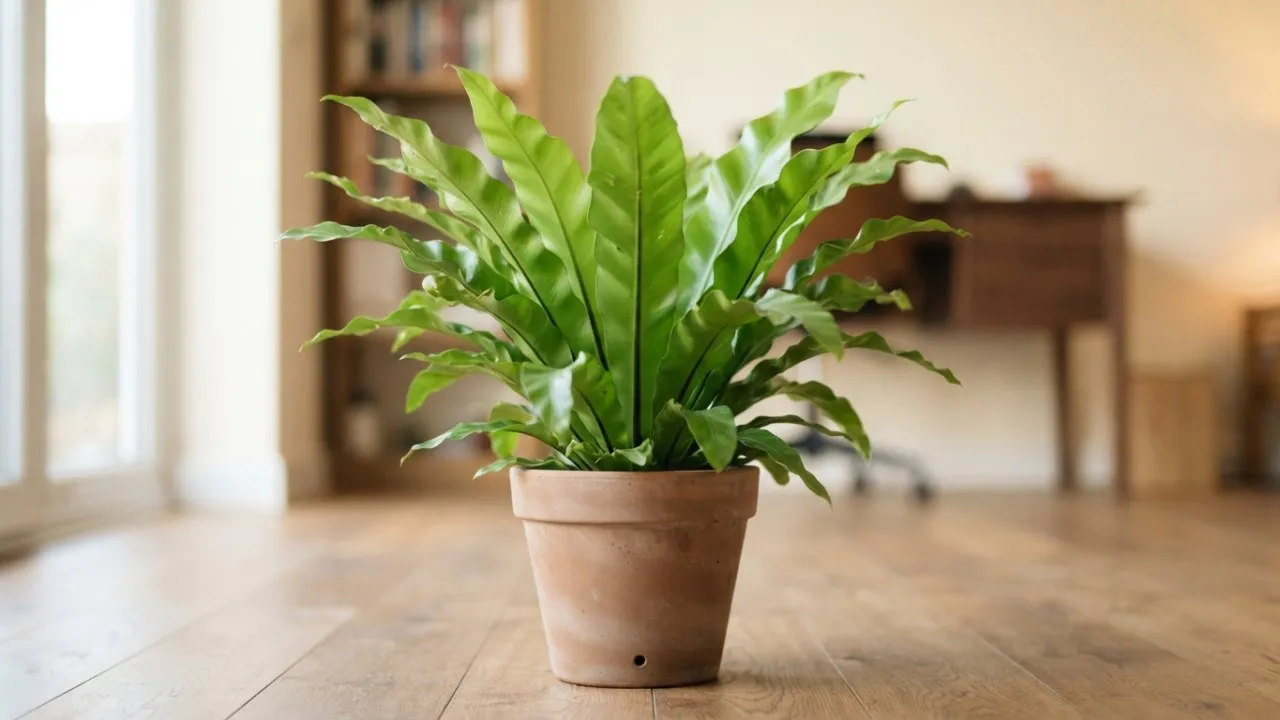 Every 6 days
Bird's Nest Fern
Asplenium antiquum
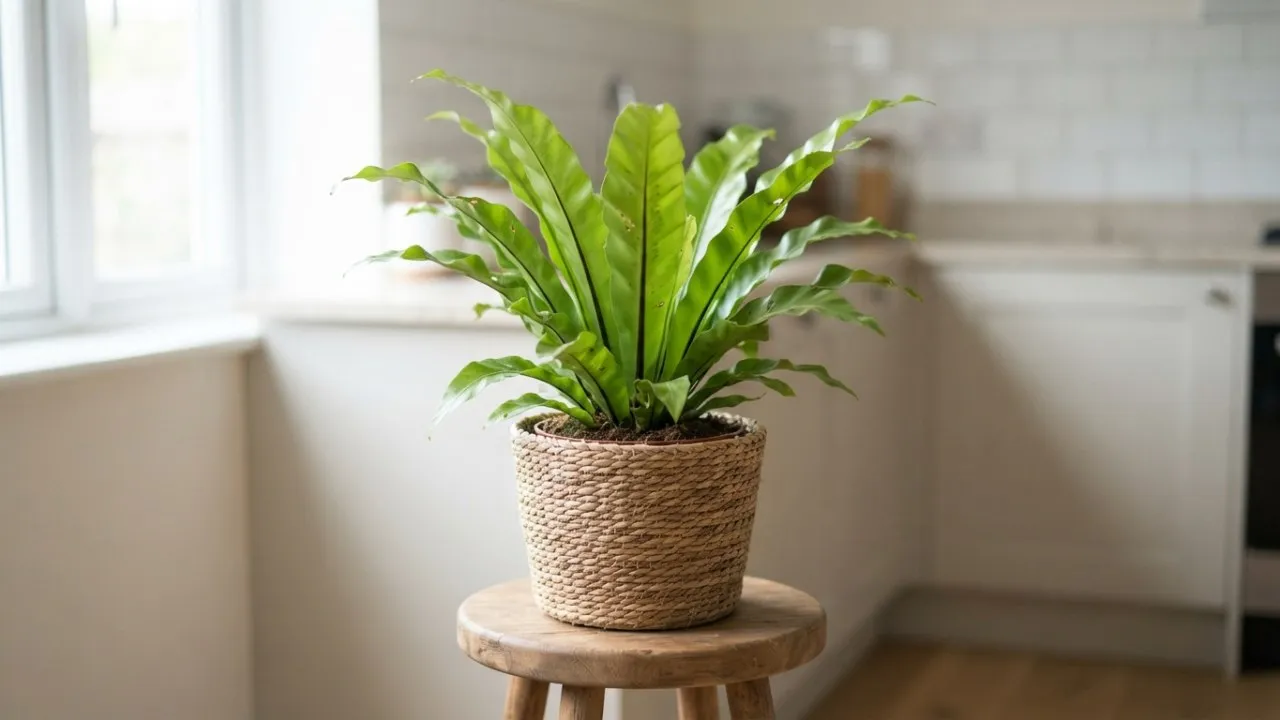 Every 6 days
Bird's Nest Fern
Asplenium nidus
 Every 6 days
Blue Star Fern
Phlebodium aureum
