
Fern · Selaginellaceae
Spikemoss
Selaginella kraussiana
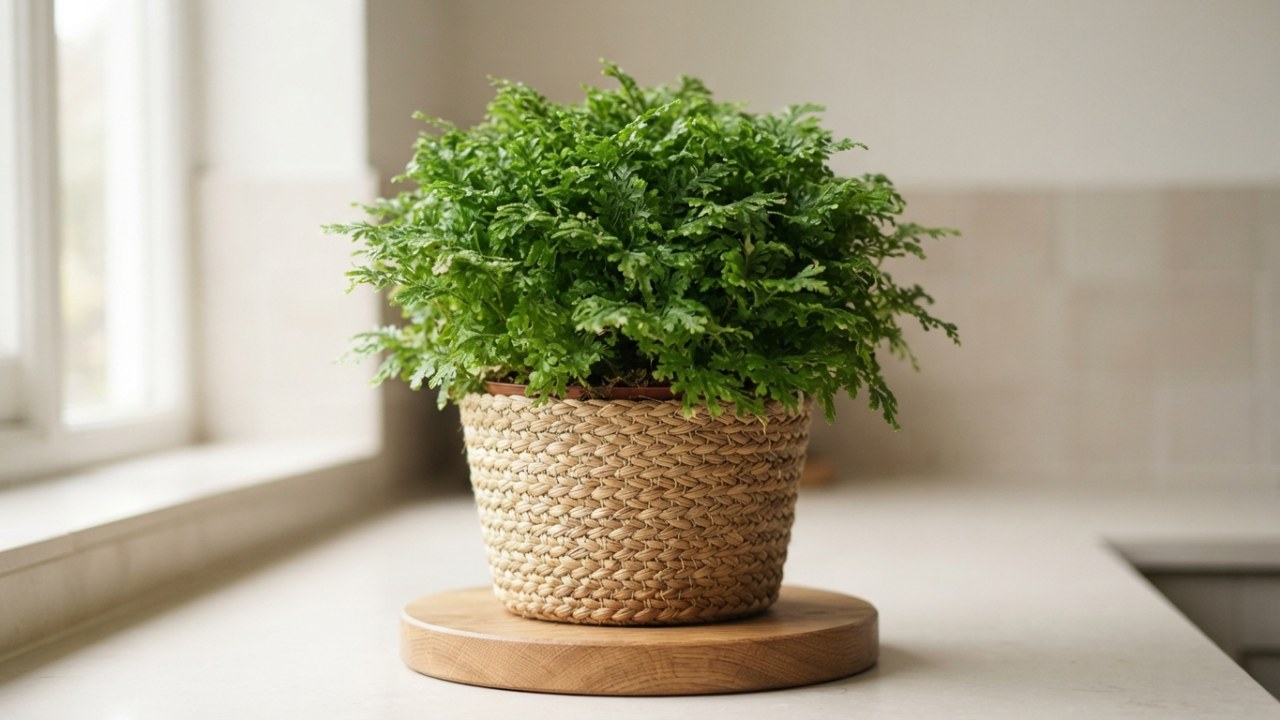
Selaginella kraussiana, commonly known as Spikemoss, is a delicate, low-growing plant forming a lush green carpet.
- Every 3 daysWatering
- Medium lightLight
- 60–80 %Humidity
- 18–24 °CTemperature


How to care for your Spikemoss
Everything you need to keep your Spikemoss healthy: watering, light, humidity, feeding, repotting and pruning.
Selaginella kraussiana, native to the Azores and parts of Africa, is a beautiful and unique houseplant known for its vibrant green, moss-like foliage. It thrives in consistently moist conditions and high humidity, making it an excellent choice for terrariums or humid bathrooms. While it requires attentive care to maintain its preferred environment, its delicate beauty and unique growth habit make it a rewarding addition to any plant collection. It typically grows as a spreading groundcover, rarely exceeding 15 cm in height.

How to recognise Spikemoss
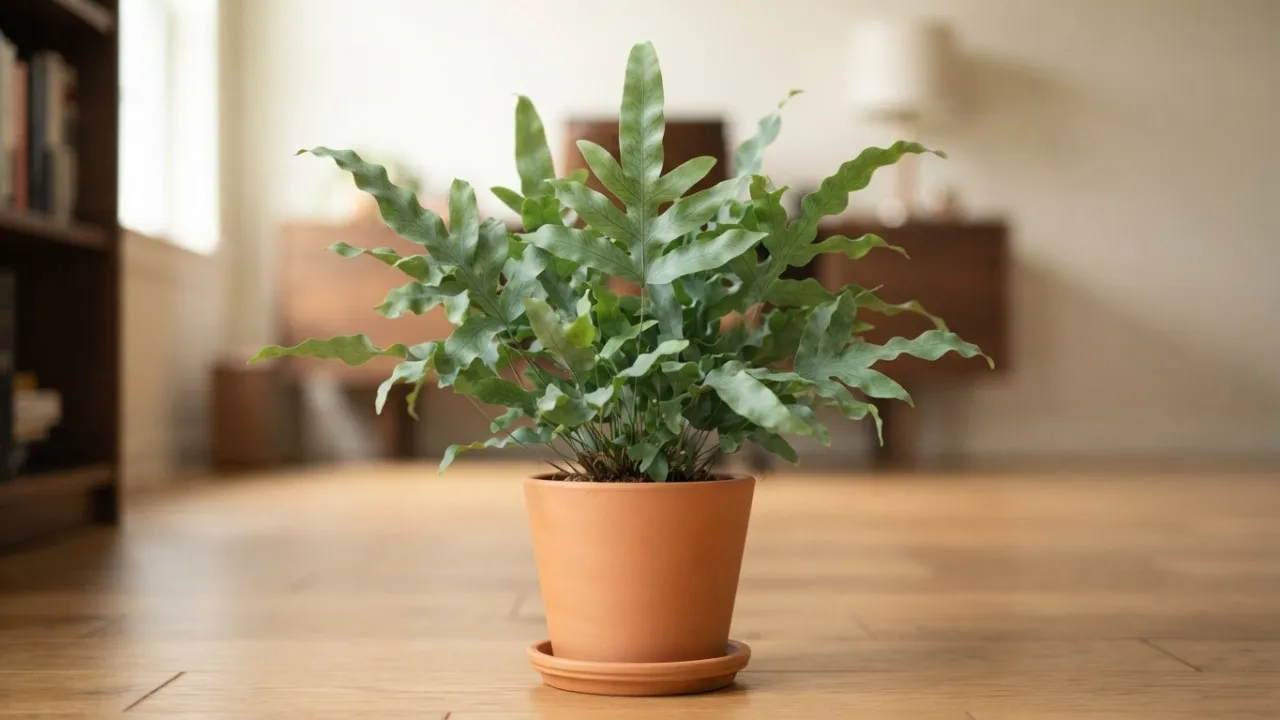
A low, creeping carpet of fine, flat, bright green sprays made of tiny scale-like leaves on branching stems that root along the soil. It is often confused with baby's tears (Soleirolia soleirolii), which has tiny round single leaves, and with peacock spikemoss (Selaginella uncinata), which has bluish iridescent foliage and a more scrambling habit.

Watering your Spikemoss
Every 3 days
Keep the substrate consistently moist but not waterlogged. Water when the surface just begins to feel dry; a little less often in winter.
How to know it needs water
- Surface of substrate just dry
- Foliage appears slightly dull
- Pot feels lighter than usual

How much light a Spikemoss needs
Medium light
Low to medium indirect light; avoid direct sun which can scorch its delicate foliage.
- Direct sun tolerated
- No direct sun
- Orientations that suit it
- North, North-east, East, North-west

Humidity and misting
60–80 %
High (60 to 80%) Mist about every 3 days, especially in dry environments, or place in a terrarium or on a pebble tray to maintain high humidity.

Feeding and fertiliser
Every 42 days
Apply about every 6 weeks from April to September at half strength; do not fertilize in winter.
- Recommended feed
- Weak balanced liquid fertilizer · 1-1-1

Repotting your Spikemoss
Every 24 months
Repot every two years in spring into a container of similar size or slightly larger, using a well-draining, moisture-retentive substrate. Handle delicate roots carefully.
- When
- Spring
- Potting mix
- All-purpose potting mix
- Mix in
- sphagnum moss, coco fibre
The tell-tale signs
- Roots emerging from drainage holes
- Plant appears top-heavy or unstable
- Growth has slowed significantly

Pruning your Spikemoss
Trim leggy or discoloured growth as needed to maintain shape and vigour. Use clean, sharp scissors to snip off unwanted stems at their base.

Through the year
Watering is not set once and for all: it follows the light and the growth. Allow 5 days between waterings in the depth of winter, against 3 in the growing season.
- 5 J
- 4 F
- 3 M
- 3 A
- 3 M
- 3 J
- 3 J
- 3 A
- 3 S
- 4 O
- 5 N
- 5 D
Active growth · Days between waterings

Good to know
- Despite its common name, Spikemoss is not a true moss but a lycophyte, an ancient group of vascular plants.
- It forms a dense, mat-like groundcover, and its creeping stems root at the nodes along the ground, which is how it spreads so quickly.

Frequently asked questions about the Spikemoss
How do you care for a Spikemoss?
Water it every 3 days. Give it medium light. Ideal humidity: 60–80 %. Ideal temperature: 18–24 °C. Keep the substrate consistently moist but not waterlogged. Water when the surface just begins to feel dry; a little less often in winter.
How often should you water a Spikemoss?
Every 3 days Keep the substrate consistently moist but not waterlogged. Water when the surface just begins to feel dry; a little less often in winter. How to know it needs water : Surface of substrate just dry ; Foliage appears slightly dull ; Pot feels lighter than usual.
How much light does a Spikemoss need?
Medium light Low to medium indirect light; avoid direct sun which can scorch its delicate foliage. No direct sun
Is the Spikemoss toxic to cats and dogs?
No, the Spikemoss is not listed as toxic to cats and dogs. That is still no reason to let your pets chew on it.
Why are my Spikemoss leaves turning yellow?
Yellowing most often comes from too much water: the mix stays wet and the roots suffocate. Check that the pot drains, empty the saucer, and let the mix dry before watering again. Too little light or a cold draught cause the same symptom.
When should you repot a Spikemoss?
Repot every 24 months, ideally in spring. Repot every two years in spring into a container of similar size or slightly larger, using a well-draining, moisture-retentive substrate. Handle delicate roots carefully.

At a glance
- Family
- Selaginellaceae
- Category
- Fern
- Placement
- Indoor
- Mature height
- 15 cm
- Growth
- Moderate
- Temperature
- 18–24 °C
- Pot materials
- ceramic, plastic
- Growth
- Reaches maturity in 2 years
These figures are for an average plant. In the app they are recalculated for yours, based on your room, its orientation and the season.
And for your plant, in your home?
In the app this plant becomes yours: a watering schedule tuned to your home, health tracking from photos, and reminders at the right moment.
In the same spirit
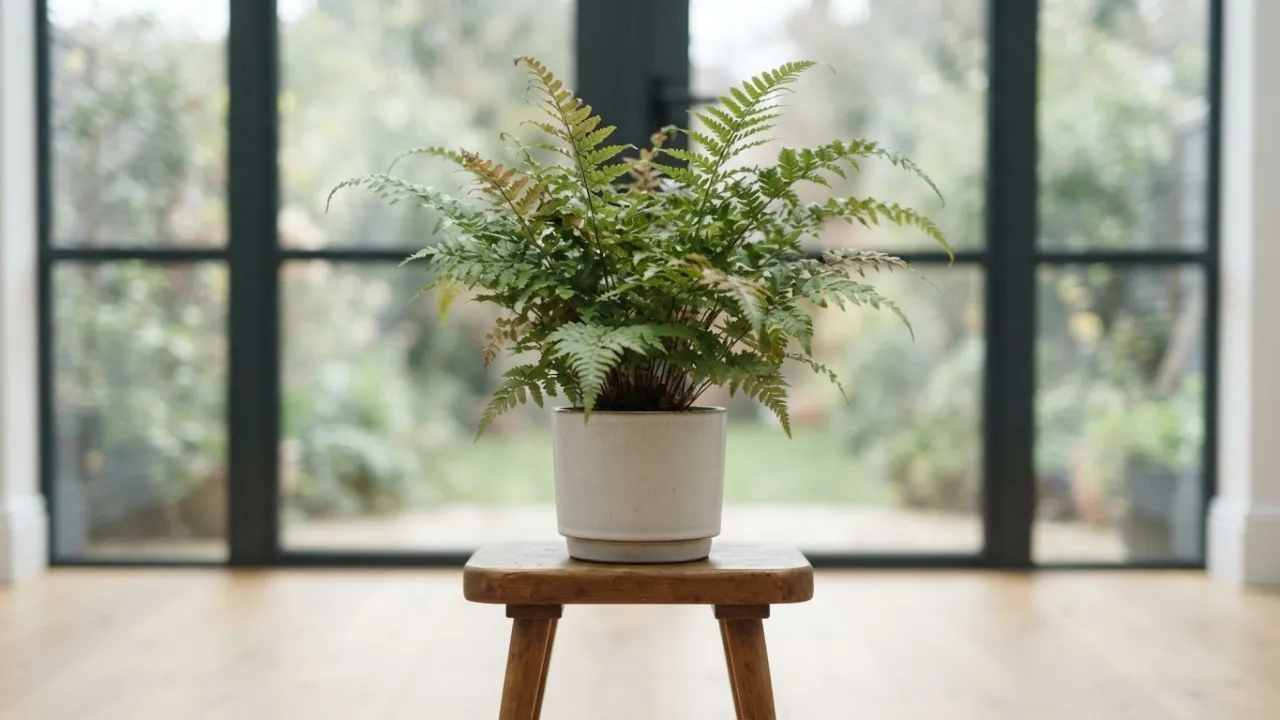 Every 4 days


Autumn Fern
Dryopteris erythrosora

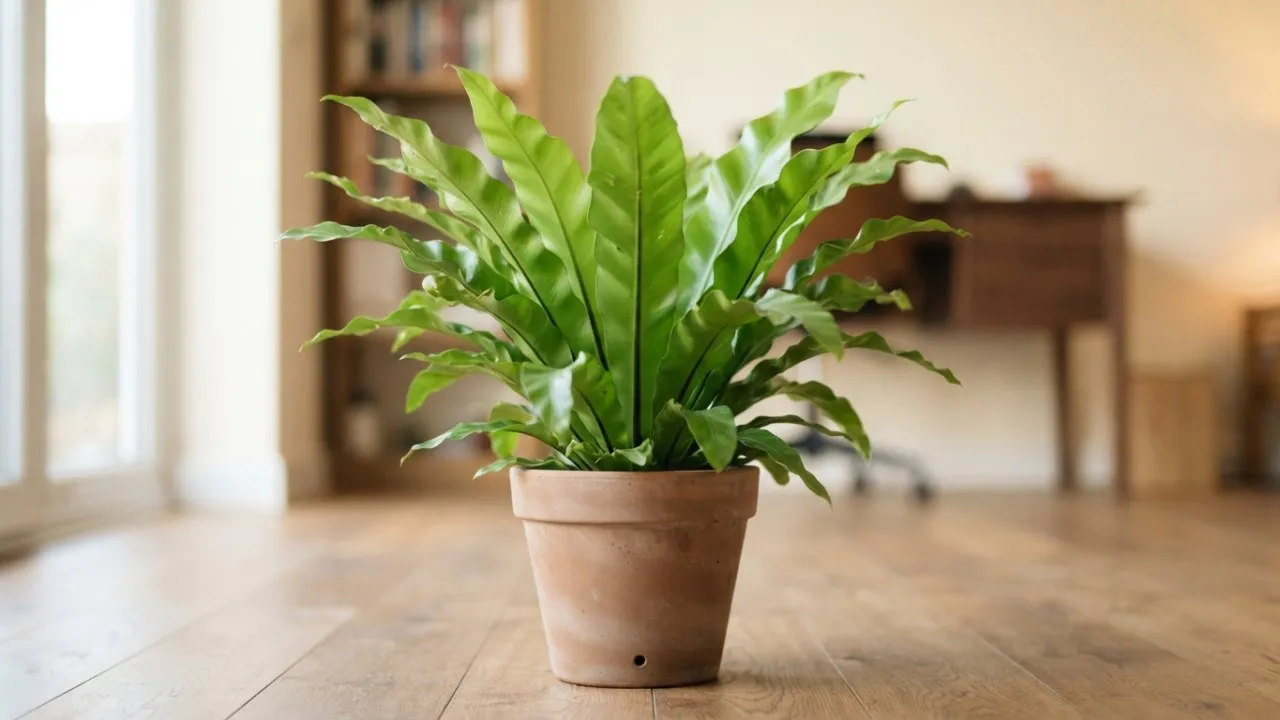 Every 6 days
Bird's Nest Fern
Asplenium antiquum
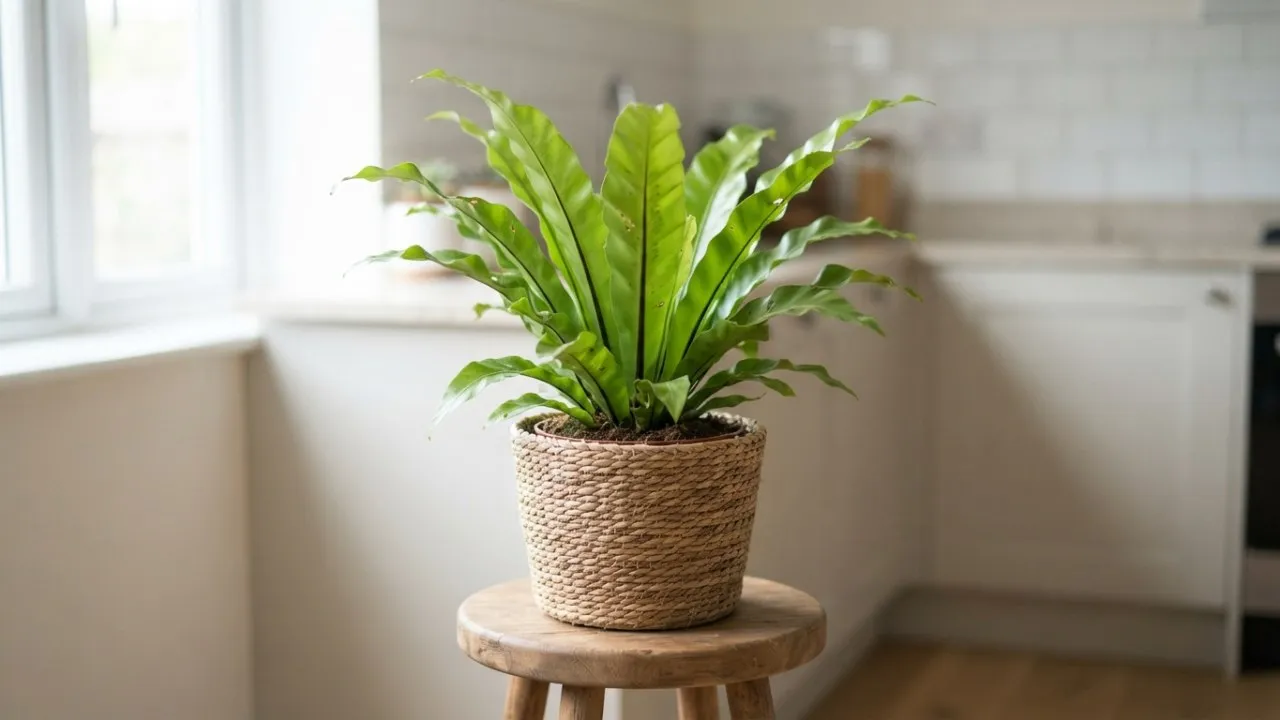 Every 6 days
Bird's Nest Fern
Asplenium nidus
 Every 6 days
Blue Star Fern
Phlebodium aureum
