
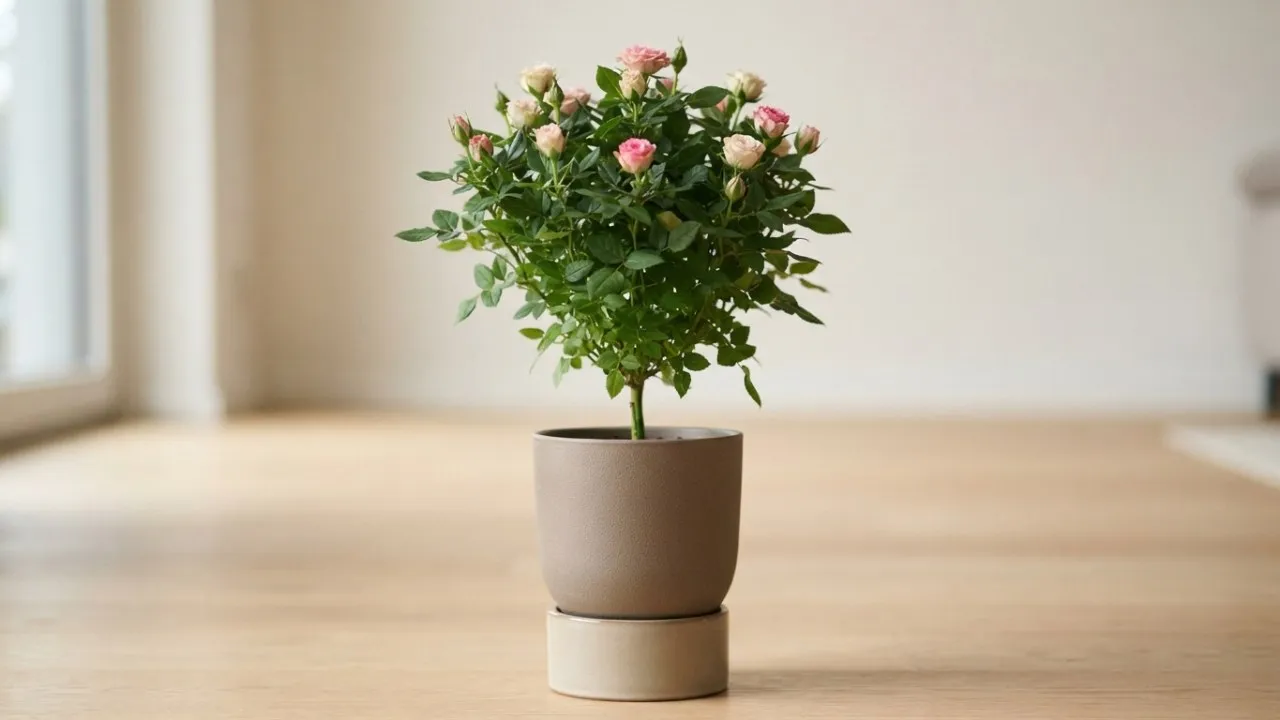
Rose
Rosa x hybrida
The rose is the queen of flowers, symbol of love and beauty.
The essentials at a glance
-
Watering
Every 5 days
-
Light
Full sun
-
Humidity
50–60 %
-
Temperature
5–30 °C


How to care for your Rose
Everything you need to keep your Rose healthy: watering, light, humidity, feeding, repotting and pruning.
Rosa x hybrida encompasses the thousands of hybrid rose varieties developed by horticulturists over centuries. Queen of gardens and cut flowers, the rose is cultivated on all continents for its flowers in endless colors and fragrances. It requires regular maintenance (pruning, fertilizing, disease protection) but generously rewards attentive gardeners.

Watering your Rose
Every 5 days
Water at the base only; never wet the foliage as this promotes fungal diseases such as black spot and powdery mildew.
How to know it needs water
- Substrate dry 3–4 cm deep
- Leaves slightly drooping during intense heat

How much light a Rose needs
Full sun
Full sun; requires a minimum of 6 hours of direct sunlight per day.
- Direct sun tolerated
- 6 to 12 h a day
- Orientations that suit it
- South, South-east, South-west, East, West

Humidity and misting
50–60 %
Medium (50–60%) Never mist; wetting the foliage promotes powdery mildew and fungal foliar diseases.

Feeding and fertiliser
Every 14 days
Feed fortnightly from March to August; cease all fertilisation in September to allow the plant to harden before winter.
- Recommended feed
- Specialist rose fertilizer (high potassium) · 5-10-5

Repotting your Rose
Every 24 months
Use a rich, well-draining substrate in a generously sized container; bareroot planting in winter gives the best establishment.
- When
- Autumn or winter (for container specimens)
- Potting mix
- All-purpose potting mix
- Mix in
- coco fibre, perlite
The tell-tale signs
- Container-grown rose losing vigour
- Roots densely compacted

Pruning your Rose
Hard prune in late February to March; deadhead after each flush of flowering throughout the season. Cut at 45° approximately 5 mm above an outward-facing bud with clean, sharp secateurs; remove all dead, diseased and crossing wood.

Through the year
Watering is not set once and for all: it follows the light and the growth. Allow 8 days between waterings in the depth of winter, against 3 in the growing season.
- 8 J
- 6 F
- 4 M
- 4 A
- 4 M
- 3 J
- 3 J
- 4 A
- 4 S
- 5 O
- 7 N
- 8 D
Active growth · Days between waterings

Good to know
- More than 150 species of wild roses exist in the world
- Rose water has been used in cosmetics since ancient times

Frequently asked questions about the Rose
How do you care for a Rose?
Water it every 5 days. Give it full sun. Ideal humidity: 50–60 %. Ideal temperature: 5–30 °C. Water at the base only; never wet the foliage as this promotes fungal diseases such as black spot and powdery mildew.
How often should you water a Rose?
Every 5 days Water at the base only; never wet the foliage as this promotes fungal diseases such as black spot and powdery mildew. How to know it needs water : Substrate dry 3–4 cm deep ; Leaves slightly drooping during intense heat.
How much light does a Rose need?
Full sun Full sun; requires a minimum of 6 hours of direct sunlight per day. 6 to 12 h a day
Is the Rose toxic to cats and dogs?
No, the Rose is not listed as toxic to cats and dogs. That is still no reason to let your pets chew on it.
Why are my Rose leaves turning yellow?
Yellowing most often comes from too much water: the mix stays wet and the roots suffocate. Check that the pot drains, empty the saucer, and let the mix dry before watering again. Too little light or a cold draught cause the same symptom.
When should you repot a Rose?
Repot every 24 months, ideally in autumn or winter (for container specimens). Use a rich, well-draining substrate in a generously sized container; bareroot planting in winter gives the best establishment.

At a glance
- Family
- Rosaceae
- Category
- Flowering
- Placement
- Outdoor
- Mature height
- 1.5 m
- Growth
- Moderate
- Temperature
- 5–30 °C
- Pot materials
- terracotta, ceramic, wood
- Growth
- Reaches maturity in 3 years
These figures are for an average plant. In the app they are recalculated for yours, based on your room, its orientation and the season.
And for your plant, in your home?
In the app this plant becomes yours: a watering schedule tuned to your home, health tracking from photos, and reminders at the right moment.
In the same spirit
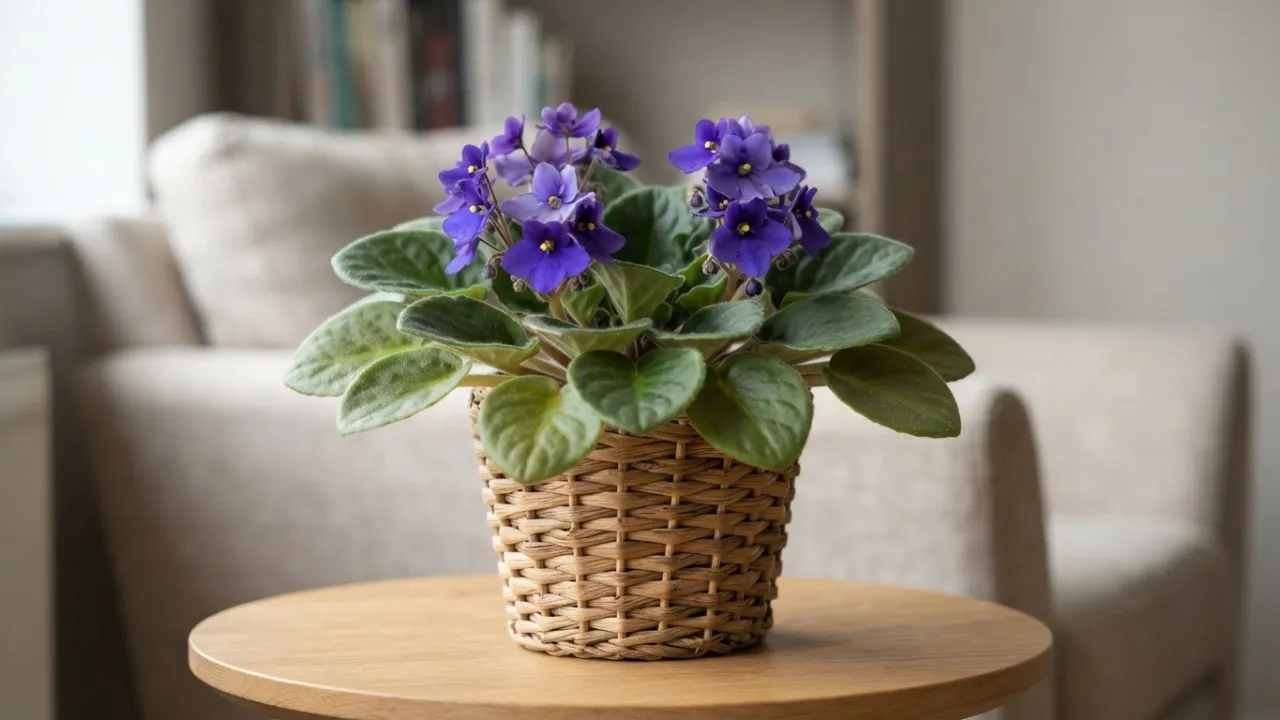 Every 5 days
 African Violet
Saintpaulia ionantha

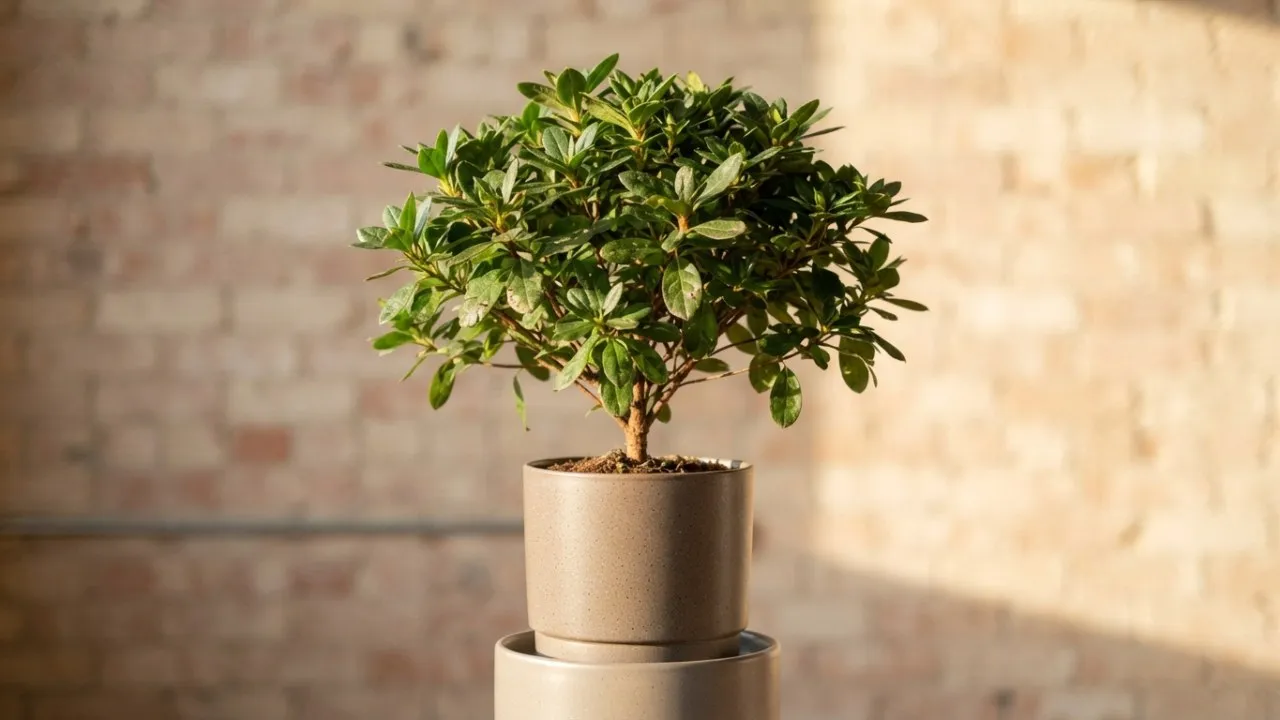 Every 3 days
 Azalea
Rhododendron simsii
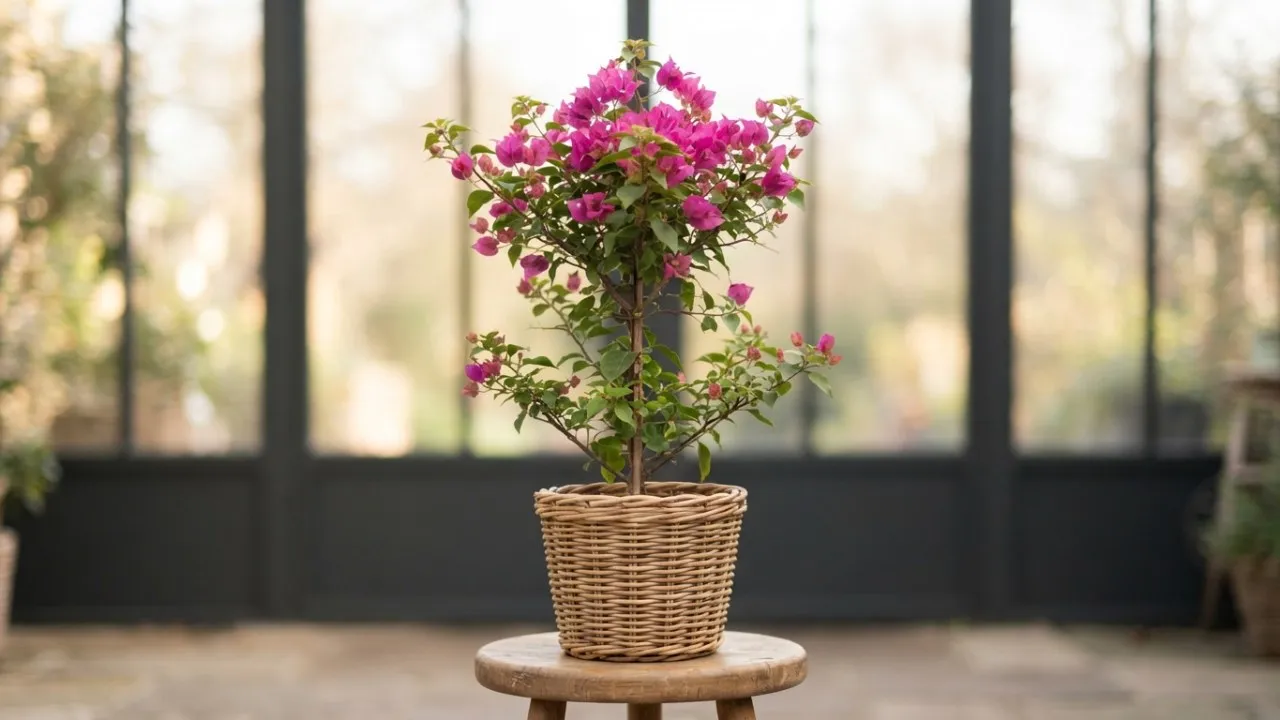 Every 5 days
 Bougainvillea
Bougainvillea glabra
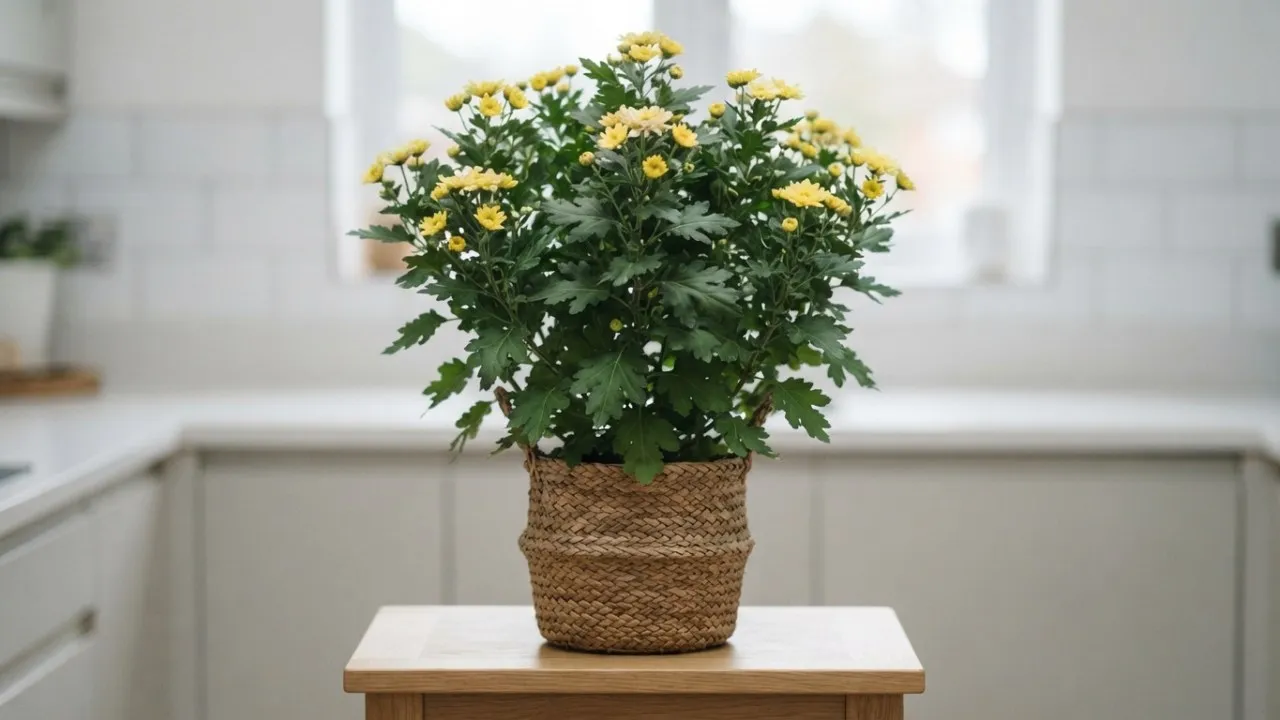 Every 3 days
 Chrysanthemum
Chrysanthemum morifolium