
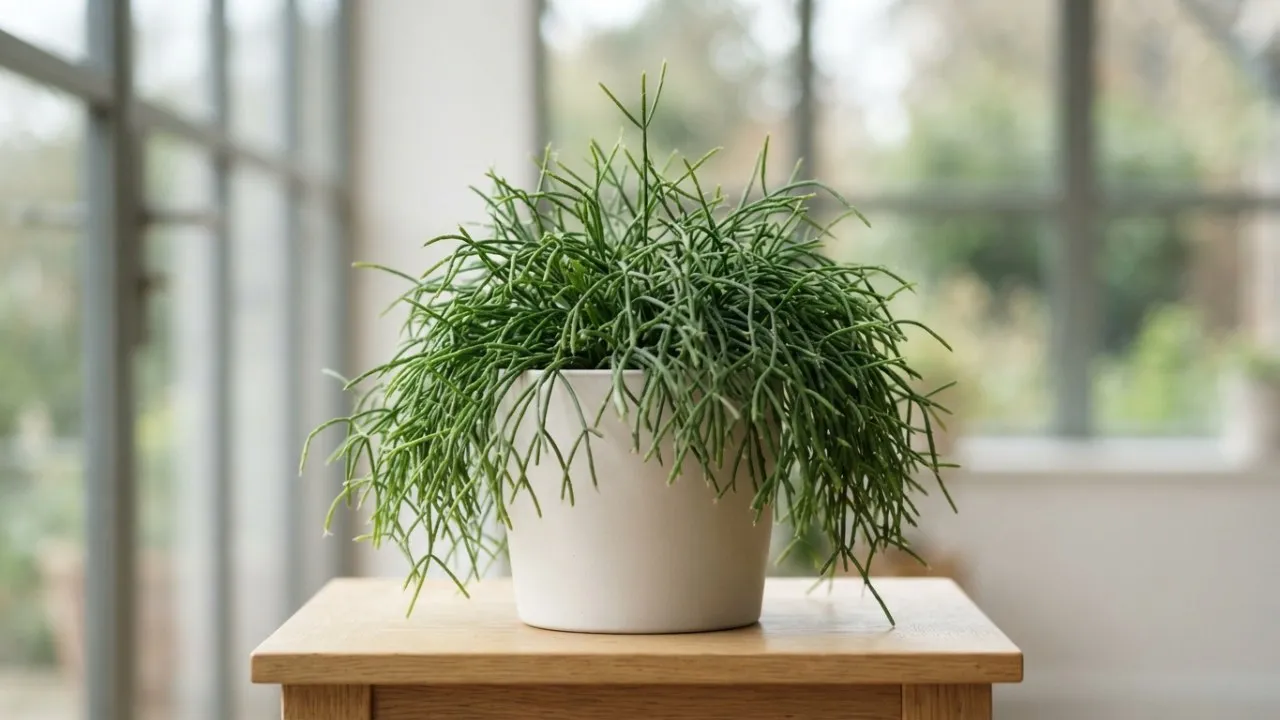
Mistletoe Cactus
Rhipsalis baccifera
A spineless trailing epiphytic cactus with long thin cylindrical stems forming a light and airy botanical cascade.
The essentials at a glance
-
Watering
Every 7 days
-
Light
Bright indirect light
-
Humidity
50–70 %
-
Temperature
12–28 °C


How to care for your Mistletoe Cactus
Everything you need to keep your Mistletoe Cactus healthy: watering, light, humidity, feeding, repotting and pruning.
Rhipsalis baccifera is a fascinating epiphytic cactus, quite different from the traditional image of a cactus. Native to humid tropical forests, it develops long, thin, cylindrical, trailing stems devoid of any spines. In a hanging planter, it forms a graceful and airy botanical cascade that can exceed one meter in length. It produces small delicate white flowers followed by translucent berries similar to mistletoe. It is the only cactus genus naturally found outside the Americas.

Watering your Mistletoe Cactus
Every 7 days
Keep the substrate slightly moist but never waterlogged. Water when the surface of the substrate begins to dry. Reduce slightly in winter but never let it dry out completely.
How to know it needs water
- Substrate surface dry to the touch
- Stems losing some firmness
- Stem tips becoming slightly wrinkled

How much light a Mistletoe Cactus needs
Bright indirect light
Bright indirect to partial shade. Avoid direct sun which scorches the stems. This is a tropical understorey epiphytic cactus that prefers filtered light.
- Direct sun tolerated
- 0 to 1 h a day
- Orientations that suit it
- North, North-east, East, North-west

Humidity and misting
50–70 %
Moderate to high (50–70%). Appreciates ambient humidity, unlike desert cacti. Mist regularly to maintain good humidity. This tropical epiphytic cactus appreciates ambient moisture, especially in winter with central heating.

Feeding and fertiliser
Every 14 days
Fertilize fortnightly from spring to autumn. Reduce to once a month in winter.
- Recommended feed
- Liquid foliage plant fertilizer diluted to half strength. · 1-1-2

Repotting your Mistletoe Cactus
Every 24 months
Use a light, airy substrate: potting soil, perlite, and pine bark (as for orchids). Pot with good drainage. Do not choose too large a pot. Ideal in a hanging basket.
- When
- Spring
- Potting mix
- Orchid mix
- Mix in
- pine bark, perlite, coco fibre
The tell-tale signs
- Roots emerging from drainage holes
- Plant appearing cramped
- Substrate compacted and retaining water poorly

Pruning your Mistletoe Cactus
In spring to control length or fill out the plant. Cut stems to the desired length with clean scissors. Cuttings root easily in water or directly in moist substrate.

Through the year
Watering is not set once and for all: it follows the light and the growth. Allow 11 days between waterings in the depth of winter, against 6 in the growing season.
- 11 J
- 8 F
- 6 M
- 6 A
- 6 M
- 6 J
- 6 J
- 6 A
- 6 S
- 7 O
- 8 N
- 11 D
Active growth · Days between waterings

Good to know
- Rhipsalis baccifera is the only cactus naturally found outside the Americas — it grows wild in tropical Africa, Madagascar, and Sri Lanka, likely dispersed by migratory birds millions of years ago.
- Its small translucent white berries resemble mistletoe berries, hence its English name Mistletoe Cactus.

Frequently asked questions about the Mistletoe Cactus
How do you care for a Mistletoe Cactus?
Water it every 7 days. Give it bright indirect light. Ideal humidity: 50–70 %. Ideal temperature: 12–28 °C. Keep the substrate slightly moist but never waterlogged. Water when the surface of the substrate begins to dry. Reduce slightly in winter but never let it dry out completely.
How often should you water a Mistletoe Cactus?
Every 7 days Keep the substrate slightly moist but never waterlogged. Water when the surface of the substrate begins to dry. Reduce slightly in winter but never let it dry out completely. How to know it needs water : Substrate surface dry to the touch ; Stems losing some firmness ; Stem tips becoming slightly wrinkled.
How much light does a Mistletoe Cactus need?
Bright indirect light Bright indirect to partial shade. Avoid direct sun which scorches the stems. This is a tropical understorey epiphytic cactus that prefers filtered light. 0 to 1 h a day
Is the Mistletoe Cactus toxic to cats and dogs?
No, the Mistletoe Cactus is not listed as toxic to cats and dogs. That is still no reason to let your pets chew on it.
Why are my Mistletoe Cactus leaves turning yellow?
Yellowing most often comes from too much water: the mix stays wet and the roots suffocate. Check that the pot drains, empty the saucer, and let the mix dry before watering again. Too little light or a cold draught cause the same symptom.
When should you repot a Mistletoe Cactus?
Repot every 24 months, ideally in spring. Use a light, airy substrate: potting soil, perlite, and pine bark (as for orchids). Pot with good drainage. Do not choose too large a pot. Ideal in a hanging basket.

At a glance
- Family
- Cactaceae
- Category
- Cactus
- Placement
- Indoor
- Mature height
- 60 cm
- Growth
- Moderate
- Temperature
- 12–28 °C
- Pot materials
- terracotta, ceramic, plastic
- Growth
- Reaches maturity in 3 years
These figures are for an average plant. In the app they are recalculated for yours, based on your room, its orientation and the season.
And for your plant, in your home?
In the app this plant becomes yours: a watering schedule tuned to your home, health tracking from photos, and reminders at the right moment.
In the same spirit
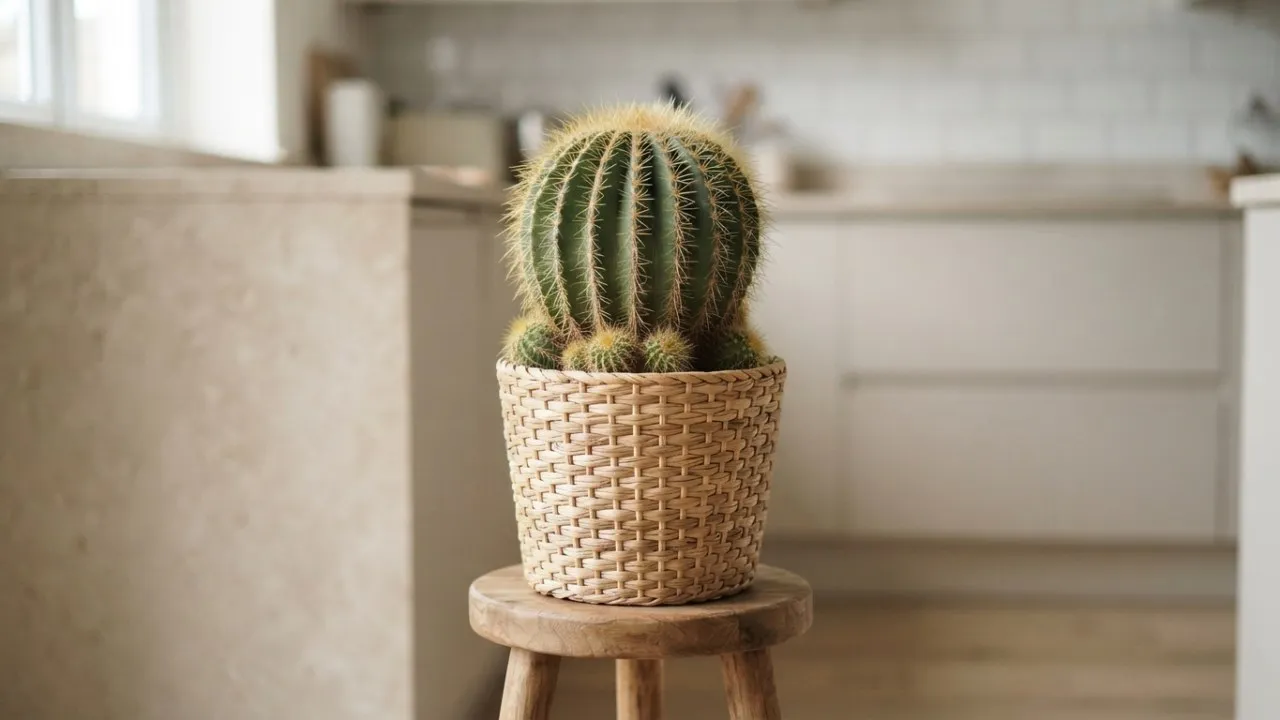 Every 10 days
 Balloon Cactus
Parodia magnifica

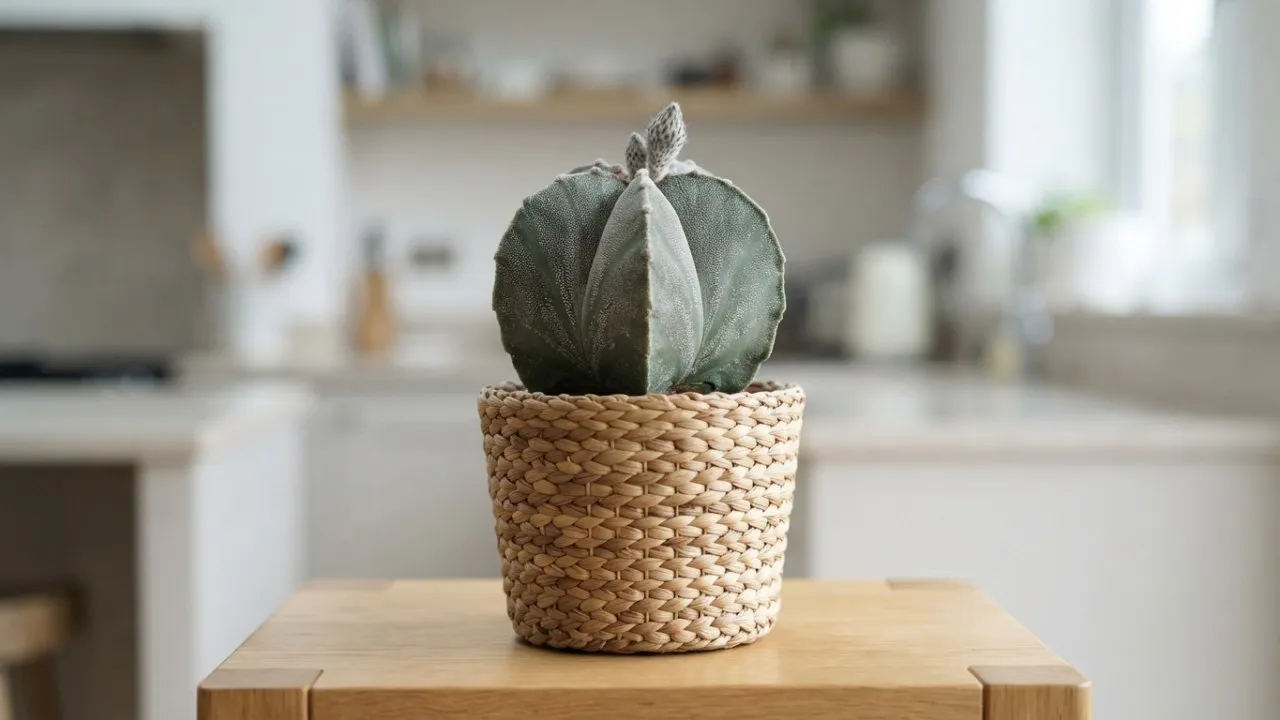 Every 10 days
 Bishop's Cap Cactus
Astrophytum myriostigma
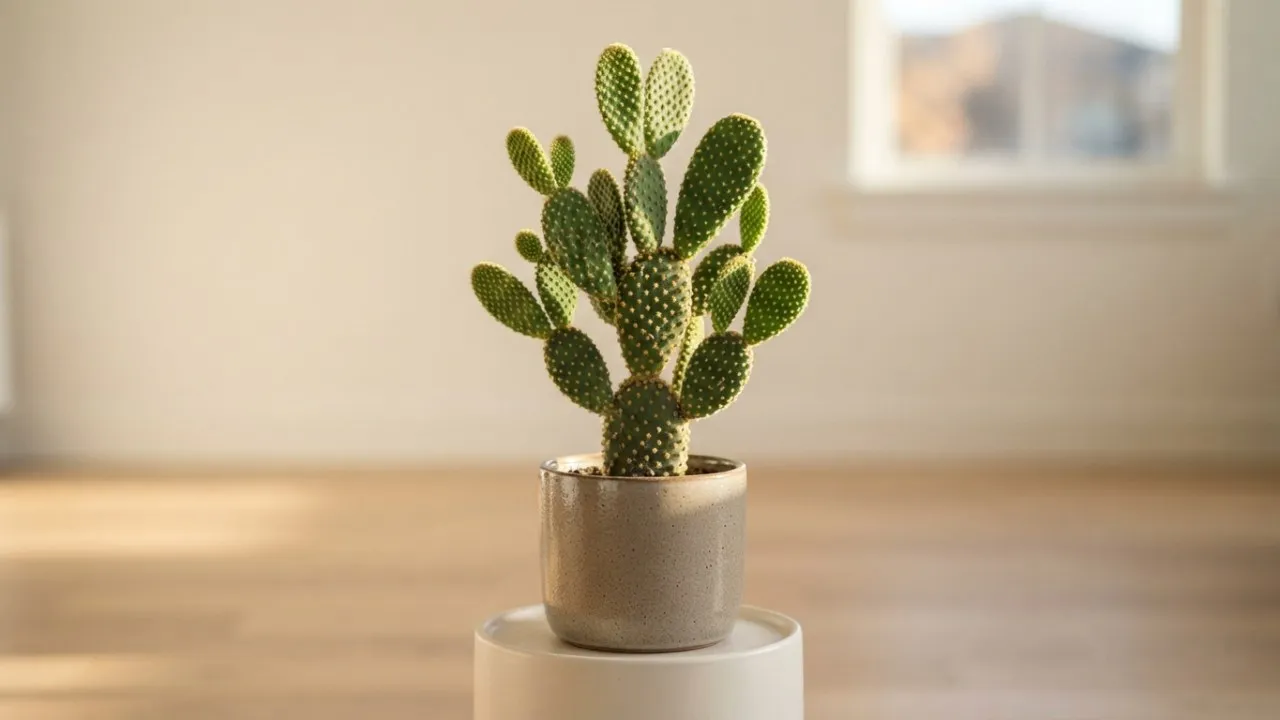 Every 21 days
 Bunny Ears Cactus
Opuntia microdasys
 Every 7 days
 Christmas Cactus
Schlumbergera truncata