
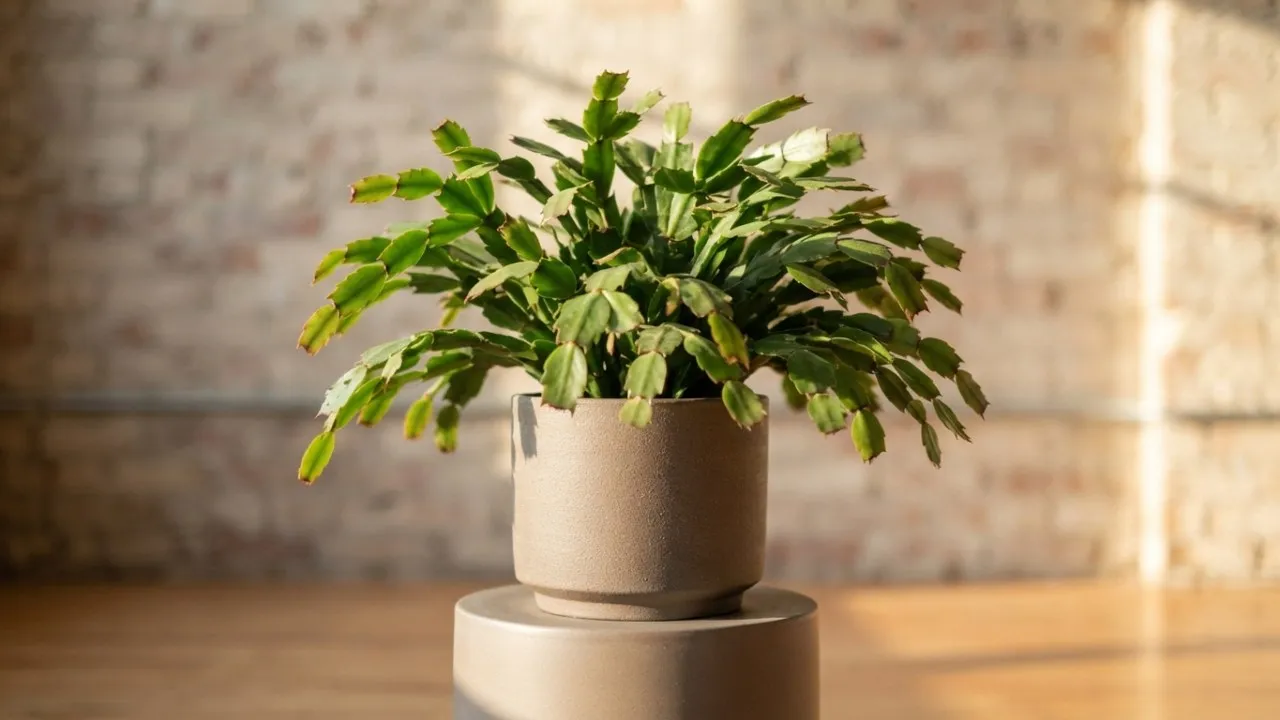
Christmas Cactus
Schlumbergera truncata
A Brazilian epiphytic cactus that produces spectacular tubular flowers in pink, red, or white during the Christmas season.
The essentials at a glance
-
Watering
Every 7 days
-
Light
Bright indirect light
-
Humidity
50–70 %
-
Temperature
10–25 °C


How to care for your Christmas Cactus
Everything you need to keep your Christmas Cactus healthy: watering, light, humidity, feeding, repotting and pruning.
Schlumbergera truncata, commonly called the Christmas cactus, is an epiphytic cactus native to the mountainous tropical forests of southeastern Brazil. Unlike desert cacti, it has no spines and consists of flat, articulated segments that form trailing stems. Its spectacular flowering occurs in winter, producing brilliant tubular flowers at the tips of segments. To trigger blooming, it needs long nights and cooler temperatures starting in October.

Watering your Christmas Cactus
Every 7 days
Keep the substrate slightly moist without ever waterlogging. Water when the top of the substrate feels dry. Reduce watering in autumn to trigger flowering, then resume normally during bloom.
How to know it needs water
- Top of substrate dry to the touch
- Segments becoming slightly soft
- Pot lighter than usual

How much light a Christmas Cactus needs
Bright indirect light
Bright indirect light. Avoid direct sun which scorches the segments. In autumn, long nights (14 hours of darkness) trigger winter flowering.
- Direct sun tolerated
- 0 to 2 h a day
- Orientations that suit it
- North, North-east, East, North-west, West, South-east, South-west

Humidity and misting
50–70 %
Moderate to high (50–70%). Appreciates more humidity than desert cacti as it is a tropical epiphytic cactus. Mist regularly, especially in winter when central heating dries the air. This epiphytic cactus needs more humidity than conventional cacti.

Feeding and fertiliser
Every 14 days
Fertilize fortnightly from April to September. Stop from October to December to promote flowering. Resume lightly after flowering.
- Recommended feed
- High-potassium liquid fertilizer for flowering plants during the growing season. Balanced fertilizer at other times. · 1-3-2

Repotting your Christmas Cactus
Every 24 months
Use a slightly larger pot with good drainage. Light, airy substrate: potting soil, perlite, and pine bark. Do not repot during or just before flowering. Water lightly after repotting.
- When
- Spring (after flowering)
- Potting mix
- Cactus and succulent mix
- Mix in
- pine bark, perlite, coco fibre
The tell-tale signs
- Roots emerging from drainage holes
- Plant appearing unstable
- Substrate compacted and no longer draining well
- After flowering if the plant seems stressed

Pruning your Christmas Cactus
After flowering, in spring, to encourage branching and more abundant flowering the following year. Twist and detach terminal segments at the natural joint between two segments. Each cutting of 2–3 segments can be replanted after drying for a few days.

Through the year
Watering is not set once and for all: it follows the light and the growth. Allow 8 days between waterings in the depth of winter, against 6 in the growing season.
- 8 J
- 8 F
- 6 M
- 6 A
- 6 M
- 6 J
- 6 J
- 6 A
- 6 S
- 7 O
- 8 N
- 8 D
Active growth · Days between waterings

Good to know
- Unlike desert cacti, Schlumbergera is an epiphytic cactus native to the humid tropical forests of Brazil, where it grows attached to trees and mossy rocks at elevations above 1000 meters.
- A well-maintained Christmas cactus can live and bloom for over 30 years — some family specimens are passed down from generation to generation.

Frequently asked questions about the Christmas Cactus
How do you care for a Christmas Cactus?
Water it every 7 days. Give it bright indirect light. Ideal humidity: 50–70 %. Ideal temperature: 10–25 °C. Keep the substrate slightly moist without ever waterlogging. Water when the top of the substrate feels dry. Reduce watering in autumn to trigger flowering, then resume normally during bloom.
How often should you water a Christmas Cactus?
Every 7 days Keep the substrate slightly moist without ever waterlogging. Water when the top of the substrate feels dry. Reduce watering in autumn to trigger flowering, then resume normally during bloom. How to know it needs water : Top of substrate dry to the touch ; Segments becoming slightly soft ; Pot lighter than usual.
How much light does a Christmas Cactus need?
Bright indirect light Bright indirect light. Avoid direct sun which scorches the segments. In autumn, long nights (14 hours of darkness) trigger winter flowering. 0 to 2 h a day
Is the Christmas Cactus toxic to cats and dogs?
No, the Christmas Cactus is not listed as toxic to cats and dogs. That is still no reason to let your pets chew on it.
Why are my Christmas Cactus leaves turning yellow?
Yellowing most often comes from too much water: the mix stays wet and the roots suffocate. Check that the pot drains, empty the saucer, and let the mix dry before watering again. Too little light or a cold draught cause the same symptom.
When should you repot a Christmas Cactus?
Repot every 24 months, ideally in spring (after flowering). Use a slightly larger pot with good drainage. Light, airy substrate: potting soil, perlite, and pine bark. Do not repot during or just before flowering. Water lightly after repotting.

At a glance
- Family
- Cactaceae
- Category
- Cactus
- Placement
- Indoor
- Mature height
- 30 cm
- Growth
- Moderate
- Temperature
- 10–25 °C
- Pot materials
- ceramic, plastic
- Growth
- Reaches maturity in 5 years
These figures are for an average plant. In the app they are recalculated for yours, based on your room, its orientation and the season.
And for your plant, in your home?
In the app this plant becomes yours: a watering schedule tuned to your home, health tracking from photos, and reminders at the right moment.
In the same spirit
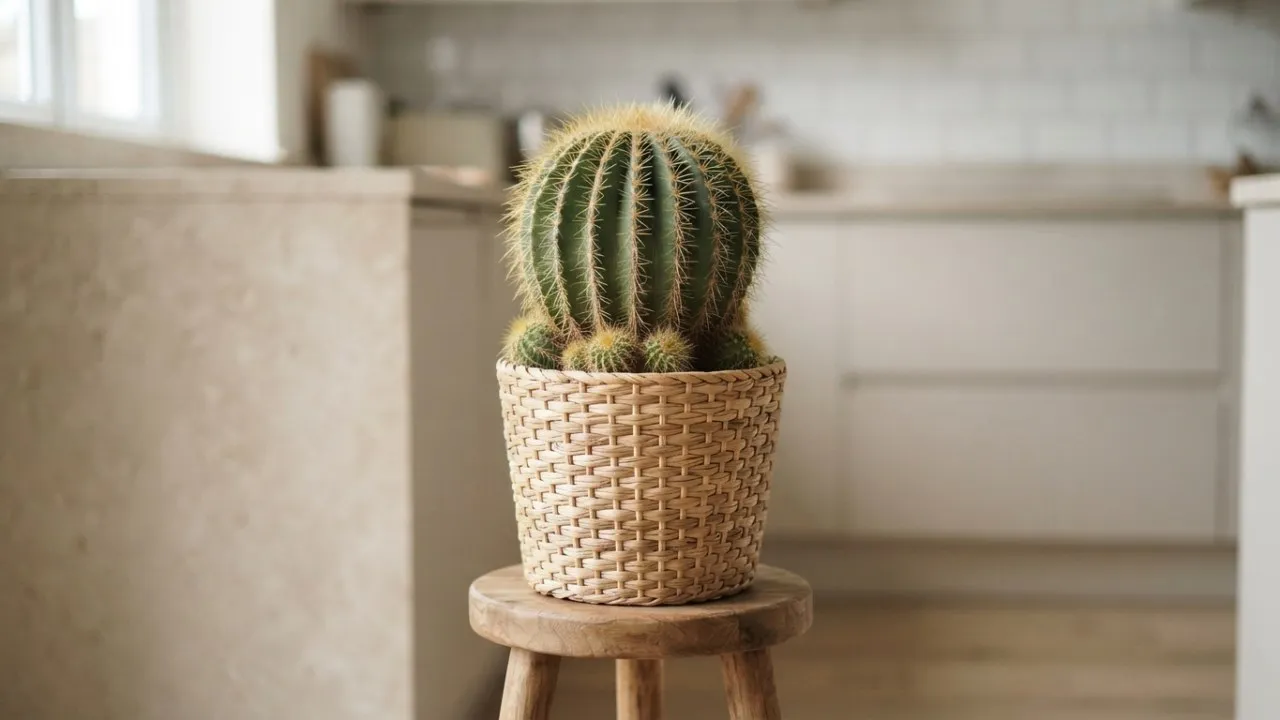 Every 10 days
 Balloon Cactus
Parodia magnifica

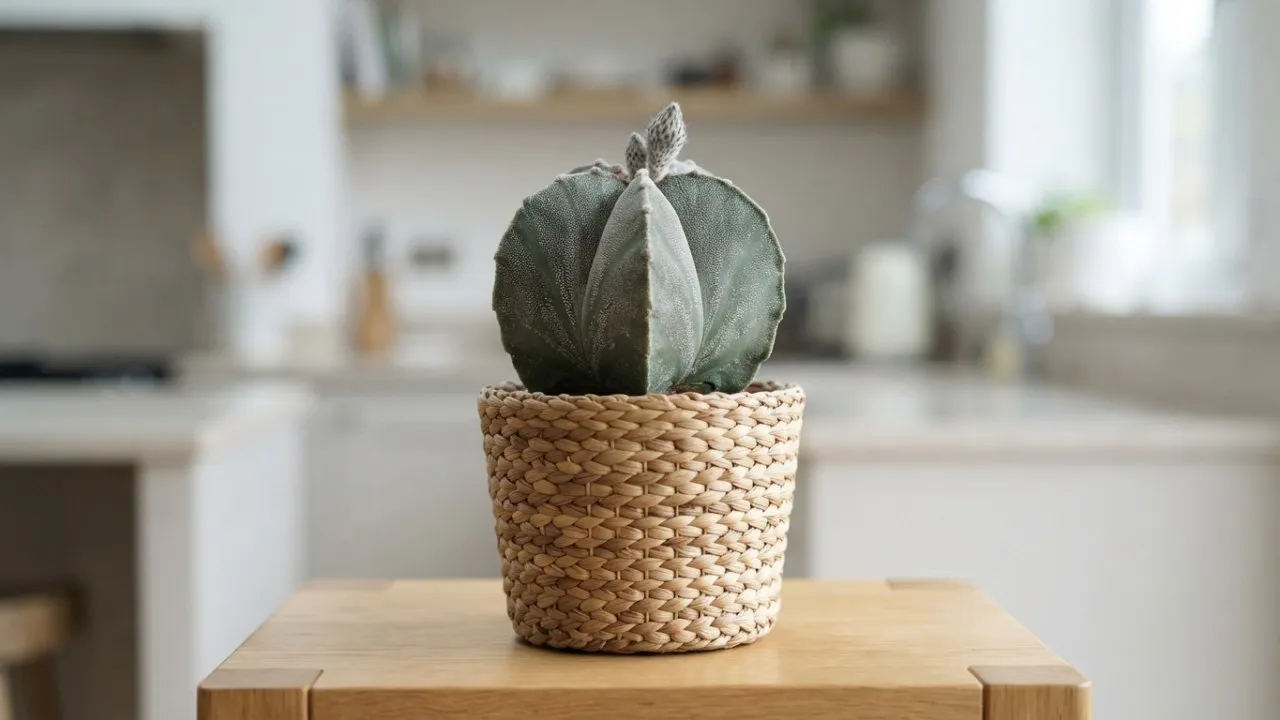 Every 10 days
 Bishop's Cap Cactus
Astrophytum myriostigma
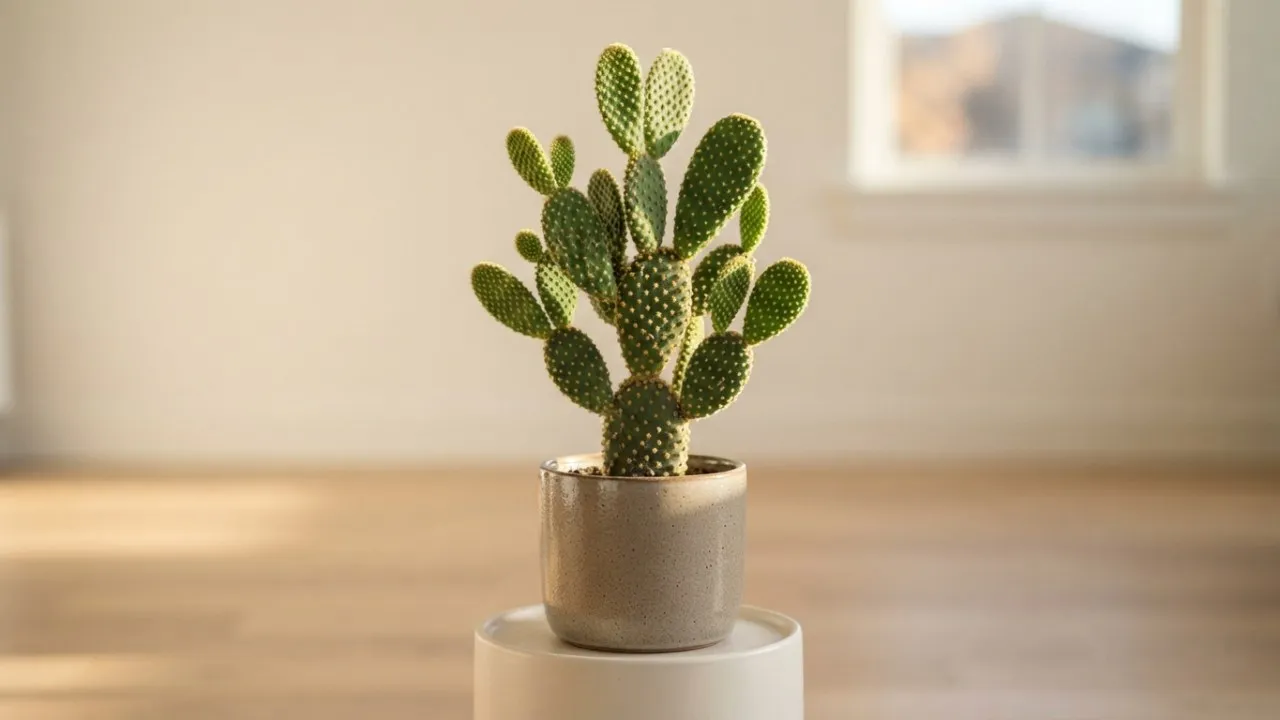 Every 21 days
 Bunny Ears Cactus
Opuntia microdasys
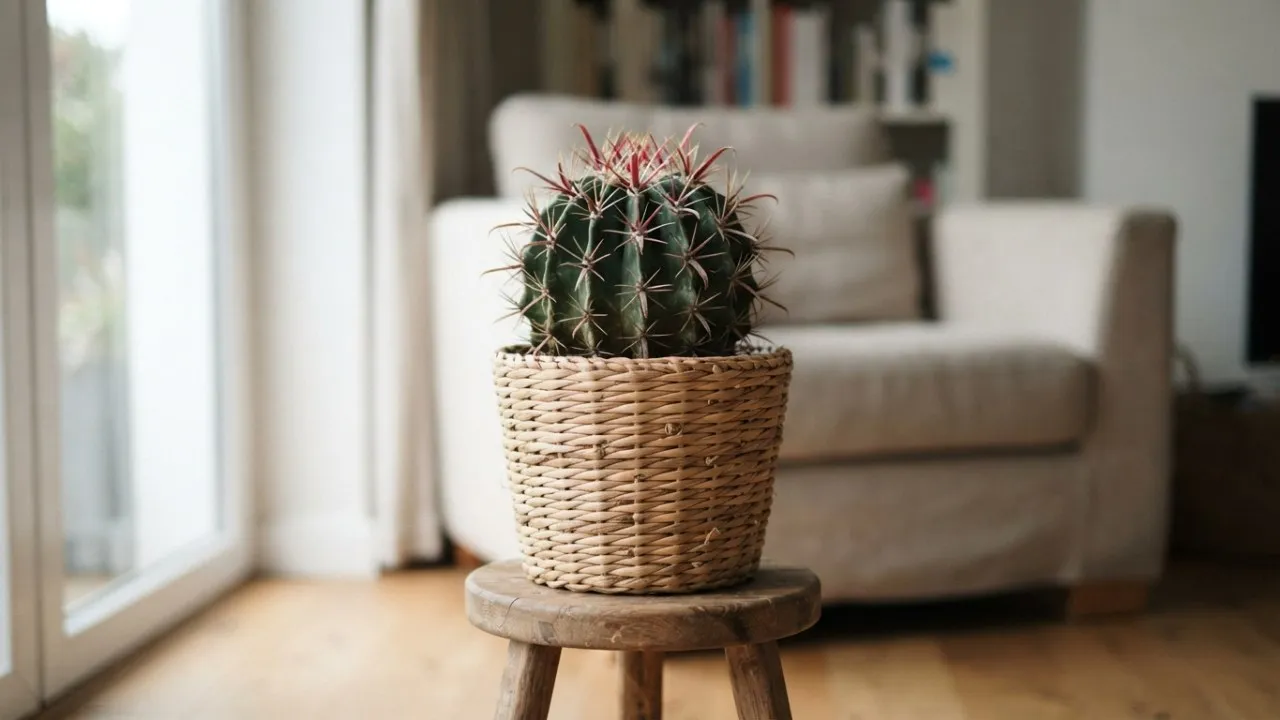 Every 14 days
 Devil's Tongue Barrel Cactus
Ferocactus latispinus