
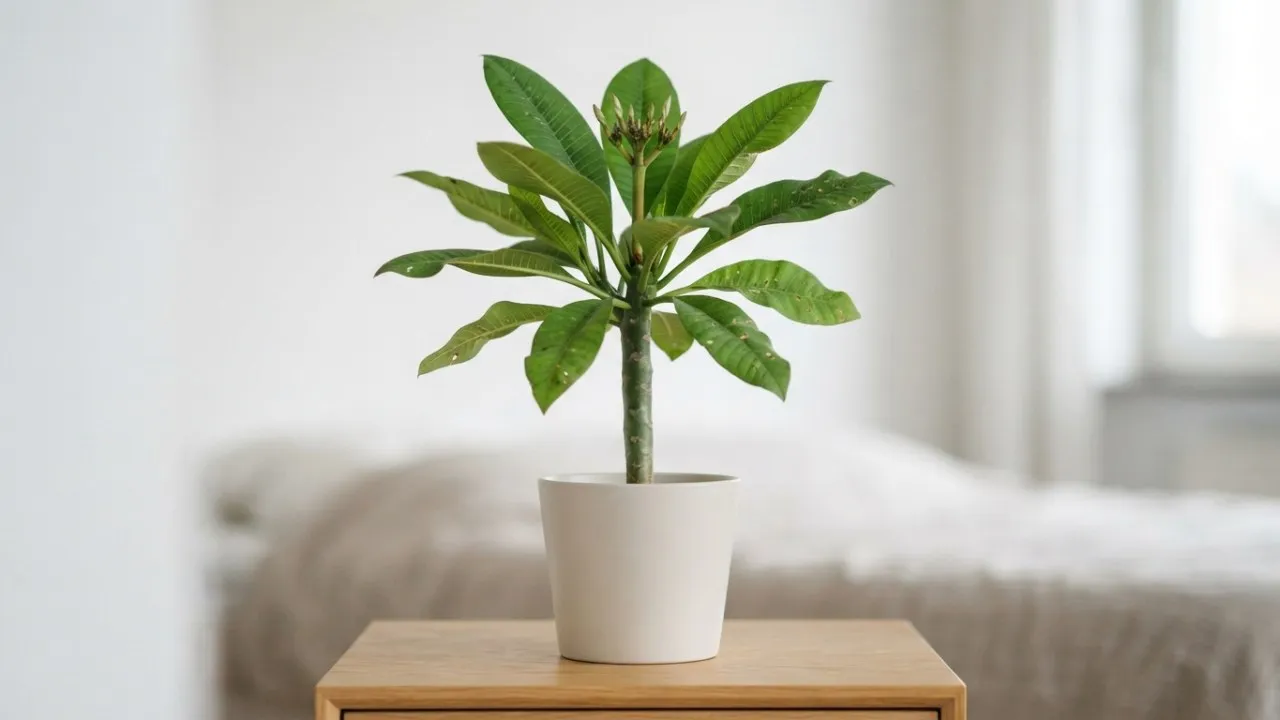
Frangipani
Plumeria rubra
A tropical tree or shrub celebrated for its stunningly fragrant, waxy flowers in a multitude of colors.
The essentials at a glance
-
Watering
Every 7 days
-
Light
Full sun
-
Humidity
40–60 %
-
Temperature
15–35 °C


How to care for your Frangipani
Everything you need to keep your Frangipani healthy: watering, light, humidity, feeding, repotting and pruning.
Plumeria rubra, commonly known as Frangipani, is an iconic tropical plant revered for its incredibly fragrant, waxy, star-shaped flowers that appear in clusters at the branch tips. These blooms come in a spectacular array of colors, from white with yellow centers to vibrant pinks, reds, and oranges. It thrives in full sun and well-draining soil, preferring warm temperatures and a dry winter dormancy. Often associated with tropical resorts and leis, it makes a striking statement in a warm garden or as a container plant.

Watering your Frangipani
Every 7 days
Water thoroughly when the top 2-3 inches of soil are dry; less during dormancy.
How to know it needs water
- Top 2-3 inches of soil are dry
- Leaves may show slight wilting in intense heat

How much light a Frangipani needs
Full sun
Full sun (at least 6 hours direct sun daily).
- Direct sun tolerated
- 6 to 10 h a day
- Orientations that suit it
- South, South-east, South-west, East, West

Humidity and misting
40–60 %
Moderate (40-60%). Does not require misting; prefers dry foliage.

Feeding and fertiliser
Every 14 days
Fertilize every 2 weeks during summer; stop in fall/winter.
- Recommended feed
- High phosphorus fertilizer to promote blooming. · 5-10-5

Repotting your Frangipani
Every 24 months
Repot into a slightly larger pot with well-draining succulent or palm mix.
- When
- Spring (before new growth)
- Potting mix
- All-purpose potting mix
- Mix in
- perlite, pine bark, coarse sand
The tell-tale signs
- Roots filling the pot
- Stunted growth

Pruning your Frangipani
Late winter or early spring (dormant period), or after flowering. Cut back leggy branches to encourage bushier growth; latex sap will bleed.

Through the year
Watering is not set once and for all: it follows the light and the growth. Allow 18 days between waterings in the depth of winter, against 6 in the growing season.
- 18 J
- 18 F
- 13 M
- 7 A
- 6 M
- 6 J
- 6 J
- 6 A
- 7 S
- 8 O
- 14 N
- 18 D
Active growth · Days between waterings

Toxicity
Sap is mildly irritating and can cause stomach upset if ingested. Skin contact can cause dermatitis.

Good to know
- Known for its highly fragrant flowers, used in Hawaiian leis.
- The common name 'Frangipani' comes from a 16th-century Italian nobleman.

Frequently asked questions about the Frangipani
How do you care for a Frangipani?
Water it every 7 days. Give it full sun. Ideal humidity: 40–60 %. Ideal temperature: 15–35 °C. Water thoroughly when the top 2-3 inches of soil are dry; less during dormancy.
How often should you water a Frangipani?
Every 7 days Water thoroughly when the top 2-3 inches of soil are dry; less during dormancy. How to know it needs water : Top 2-3 inches of soil are dry ; Leaves may show slight wilting in intense heat.
How much light does a Frangipani need?
Full sun Full sun (at least 6 hours direct sun daily). 6 to 10 h a day
Is the Frangipani toxic to cats and dogs?
Yes. Sap is mildly irritating and can cause stomach upset if ingested. Skin contact can cause dermatitis. Keep it out of reach of your pets and call a vet if any is swallowed.
Why are my Frangipani leaves turning yellow?
Yellowing most often comes from too much water: the mix stays wet and the roots suffocate. Check that the pot drains, empty the saucer, and let the mix dry before watering again. Too little light or a cold draught cause the same symptom.
When should you repot a Frangipani?
Repot every 24 months, ideally in spring (before new growth). Repot into a slightly larger pot with well-draining succulent or palm mix.

At a glance
- Family
- Apocynaceae
- Category
- Tropical
- Placement
- Indoor and outdoor
- Mature height
- 2 m
- Growth
- Moderate
- Temperature
- 15–35 °C
- Pot materials
- terracotta, ceramic, plastic
- Growth
- Reaches maturity in 8 years
These figures are for an average plant. In the app they are recalculated for yours, based on your room, its orientation and the season.
And for your plant, in your home?
In the app this plant becomes yours: a watering schedule tuned to your home, health tracking from photos, and reminders at the right moment.
In the same spirit
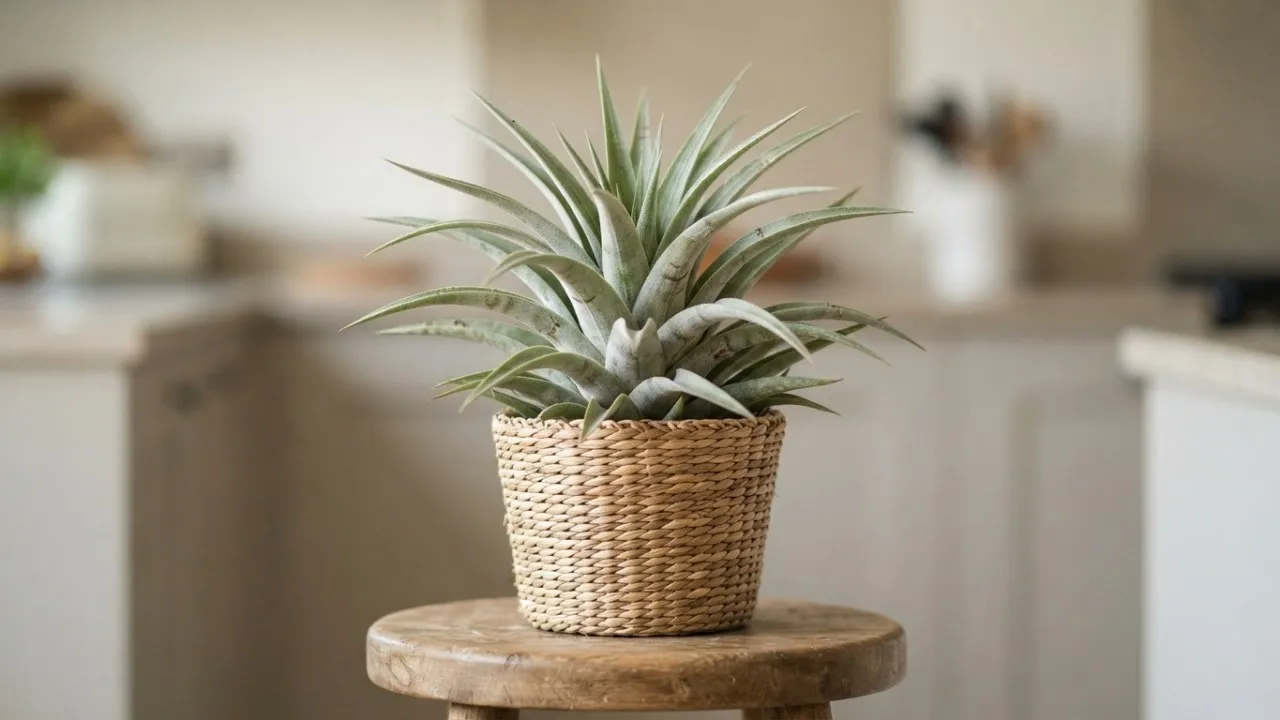 Every 4 days
 Air Plant
Tillandsia ionantha

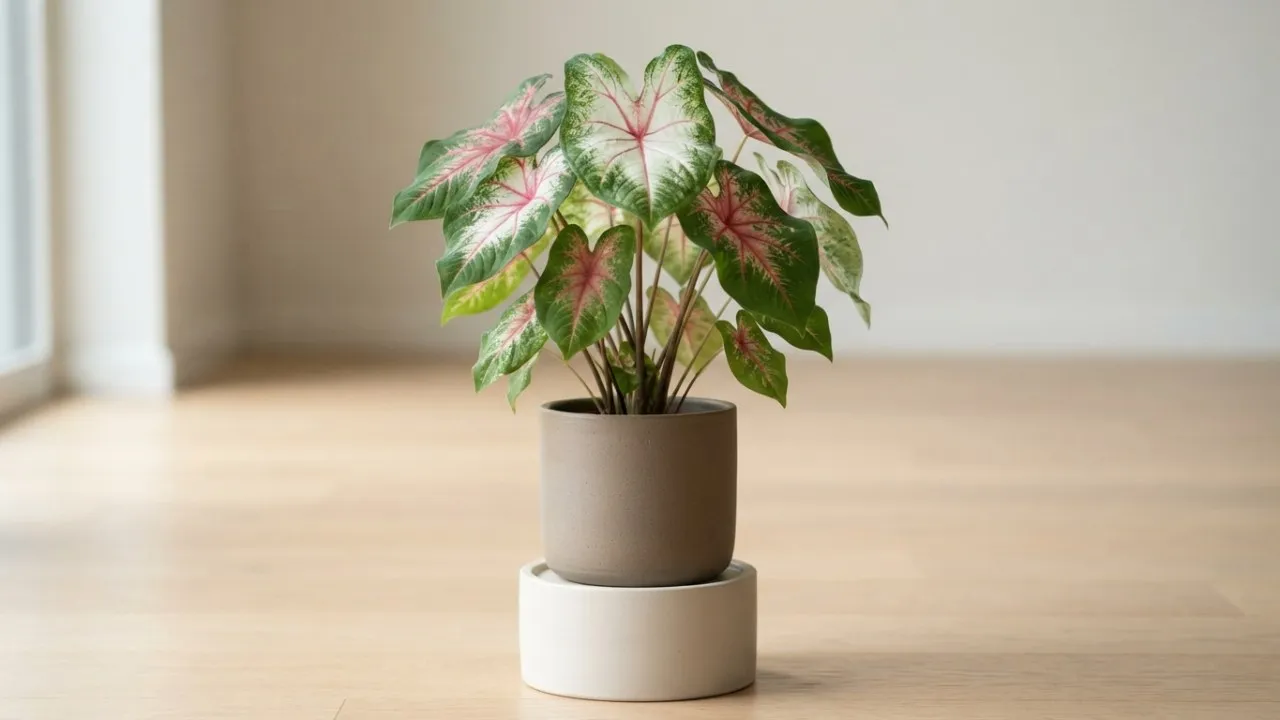 Every 3 days
 Angel Wings
Caladium bicolor
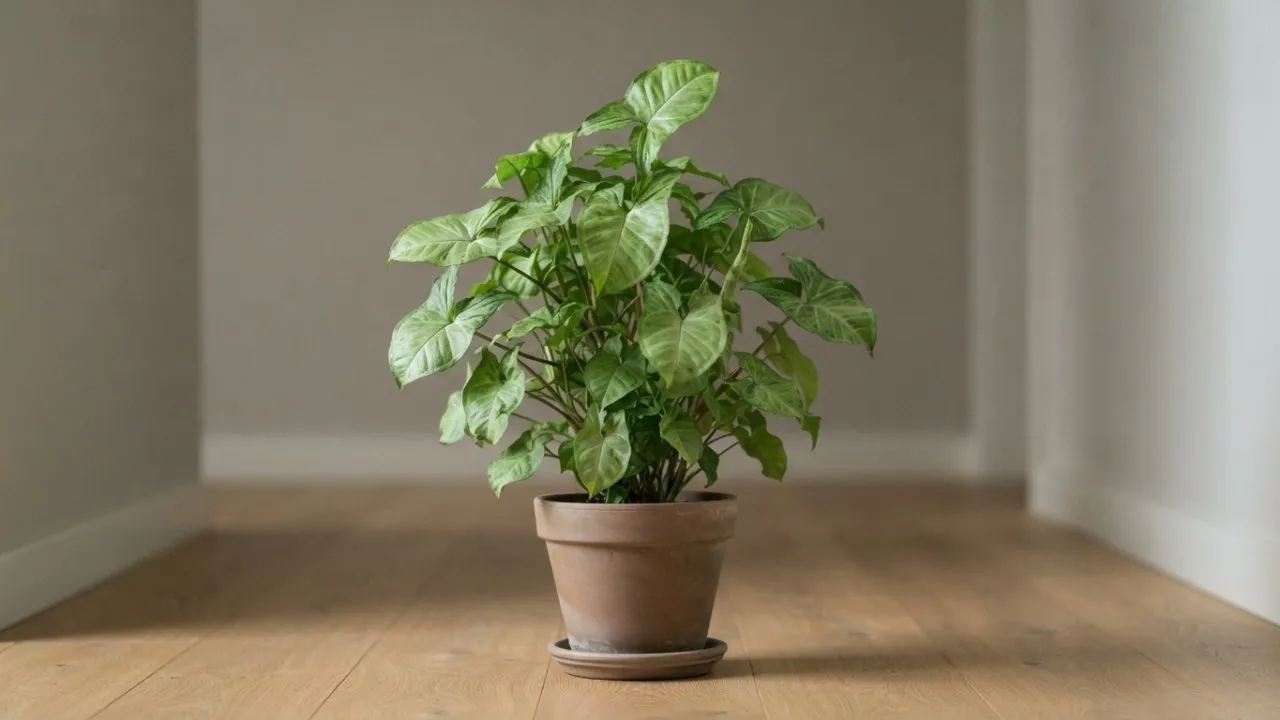 Every 7 days
 Arrowhead Plant
Syngonium podophyllum
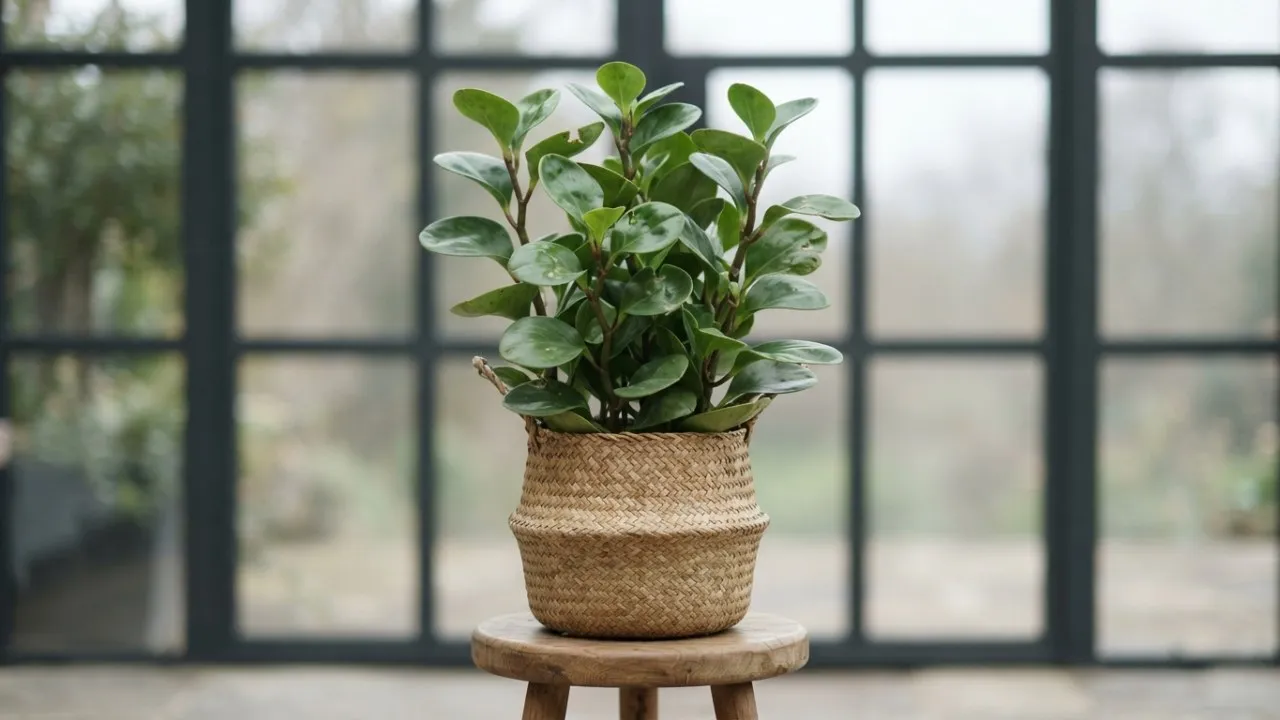 Every 10 days
 Baby Rubber Plant
Peperomia obtusifolia