
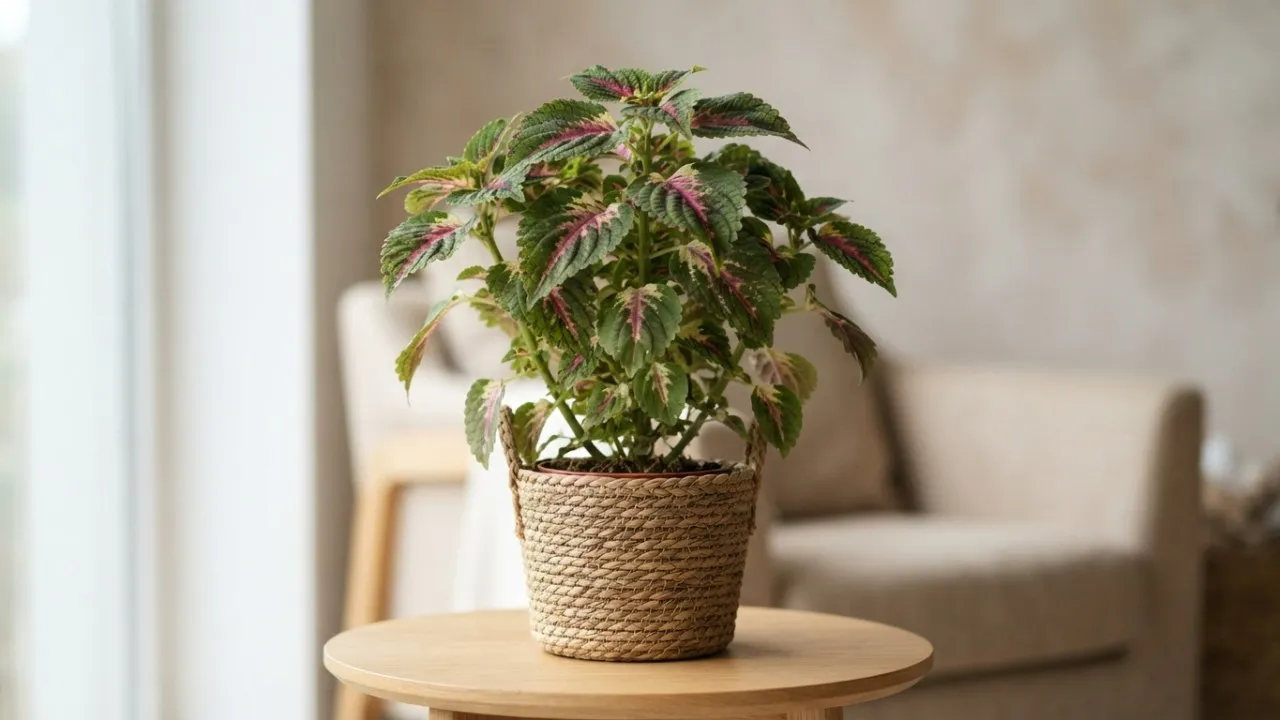
Coleus
Plectranthus scutellarioides
A plant with spectacular multicolored foliage, extremely easy to grow and propagate, ideal for adding color indoors.
The essentials at a glance
-
Watering
Every 3 days
-
Light
Bright indirect light
-
Humidity
50–70 %
-
Temperature
15–28 °C


How to care for your Coleus
Everything you need to keep your Coleus healthy: watering, light, humidity, feeding, repotting and pruning.
Coleus is a tropical plant native to Southeast Asia, grown exclusively for its extraordinarily colored foliage. Its serrated leaves offer endless combinations of green, red, pink, orange, yellow, and purple that make it a true living painting. Although perennial in the tropics, it is often grown as an annual in temperate climates or kept indoors. Its legendary ease of water propagation allows for effortless multiplication and renewal of plants.

Watering your Coleus
Every 3 days
Keep the substrate regularly moist without waterlogging. Coleus wilts quickly in drought but recovers just as fast after watering. Avoid standing water.
How to know it needs water
- Leaves and stems visibly drooping
- Substrate dry at the surface
- Leaf margins beginning to brown

How much light a Coleus needs
Bright indirect light
Bright indirect light to semi-shade. Dark-foliaged varieties tolerate more shade. Direct sun can bleach the leaves, but a little morning sun intensifies the colours.
- Direct sun tolerated
- 0 to 2 h a day
- Orientations that suit it
- North, North-east, East, South-east, South, South-west, West, North-west

Humidity and misting
50–70 %
50–70% Mist occasionally in heated indoor spaces. Coleus appreciates moderate humidity but is not as demanding as other tropicals.

Feeding and fertiliser
Every 14 days
Fertilize every 2 weeks from March to October. Coleus grows quickly and needs regular nutrients to maintain vivid colours and a compact habit.
- Recommended feed
- Balanced liquid fertilizer for foliage plants. · 2-1-2

Repotting your Coleus
Every 12 months
Use rich, well-draining compost. Coleus roots very easily in water, which is often preferred over repotting to renew plants.
- When
- Spring (April–May)
- Potting mix
- All-purpose potting mix
- Mix in
- perlite, coco fibre
The tell-tale signs
- Roots emerging from the pot
- Plant drying very quickly between waterings
- Growth slowing

Pruning your Coleus
Regularly to maintain a bushy habit. Systematically pinch out flower buds as soon as they appear. Pinch stem tips above a node to encourage branching. Remove flower spikes as they weaken the plant and the foliage becomes less attractive after flowering.

Through the year
Watering is not set once and for all: it follows the light and the growth. Allow 4 days between waterings in the depth of winter, against 2 in the growing season.
- 4 J
- 3 F
- 3 M
- 2 A
- 2 M
- 2 J
- 2 J
- 2 A
- 3 S
- 3 O
- 3 N
- 4 D
Active growth · Days between waterings

Toxicity
Toxic to cats and dogs. Ingestion can cause vomiting, diarrhoea, and central nervous system depression in animals.

Good to know
- Coleus is so easy to propagate that a simple stem placed in a glass of water will develop roots in less than a week.
- There are hundreds of coleus varieties with nearly infinite color combinations: from lime green to deep purple, including orange and pink.

Frequently asked questions about the Coleus
How do you care for a Coleus?
Water it every 3 days. Give it bright indirect light. Ideal humidity: 50–70 %. Ideal temperature: 15–28 °C. Keep the substrate regularly moist without waterlogging. Coleus wilts quickly in drought but recovers just as fast after watering. Avoid standing water.
How often should you water a Coleus?
Every 3 days Keep the substrate regularly moist without waterlogging. Coleus wilts quickly in drought but recovers just as fast after watering. Avoid standing water. How to know it needs water : Leaves and stems visibly drooping ; Substrate dry at the surface ; Leaf margins beginning to brown.
How much light does a Coleus need?
Bright indirect light Bright indirect light to semi-shade. Dark-foliaged varieties tolerate more shade. Direct sun can bleach the leaves, but a little morning sun intensifies the colours. 0 to 2 h a day
Is the Coleus toxic to cats and dogs?
Yes. Toxic to cats and dogs. Ingestion can cause vomiting, diarrhoea, and central nervous system depression in animals. Keep it out of reach of your pets and call a vet if any is swallowed.
Why are my Coleus leaves turning yellow?
Yellowing most often comes from too much water: the mix stays wet and the roots suffocate. Check that the pot drains, empty the saucer, and let the mix dry before watering again. Too little light or a cold draught cause the same symptom.
When should you repot a Coleus?
Repot every 12 months, ideally in spring (april–may). Use rich, well-draining compost. Coleus roots very easily in water, which is often preferred over repotting to renew plants.

At a glance
- Family
- Lamiaceae
- Category
- Tropical
- Placement
- Indoor and outdoor
- Mature height
- 60 cm
- Growth
- Fast
- Temperature
- 15–28 °C
- Pot materials
- ceramic, plastic
- Growth
- Reaches maturity in 1 years
These figures are for an average plant. In the app they are recalculated for yours, based on your room, its orientation and the season.
And for your plant, in your home?
In the app this plant becomes yours: a watering schedule tuned to your home, health tracking from photos, and reminders at the right moment.
In the same spirit
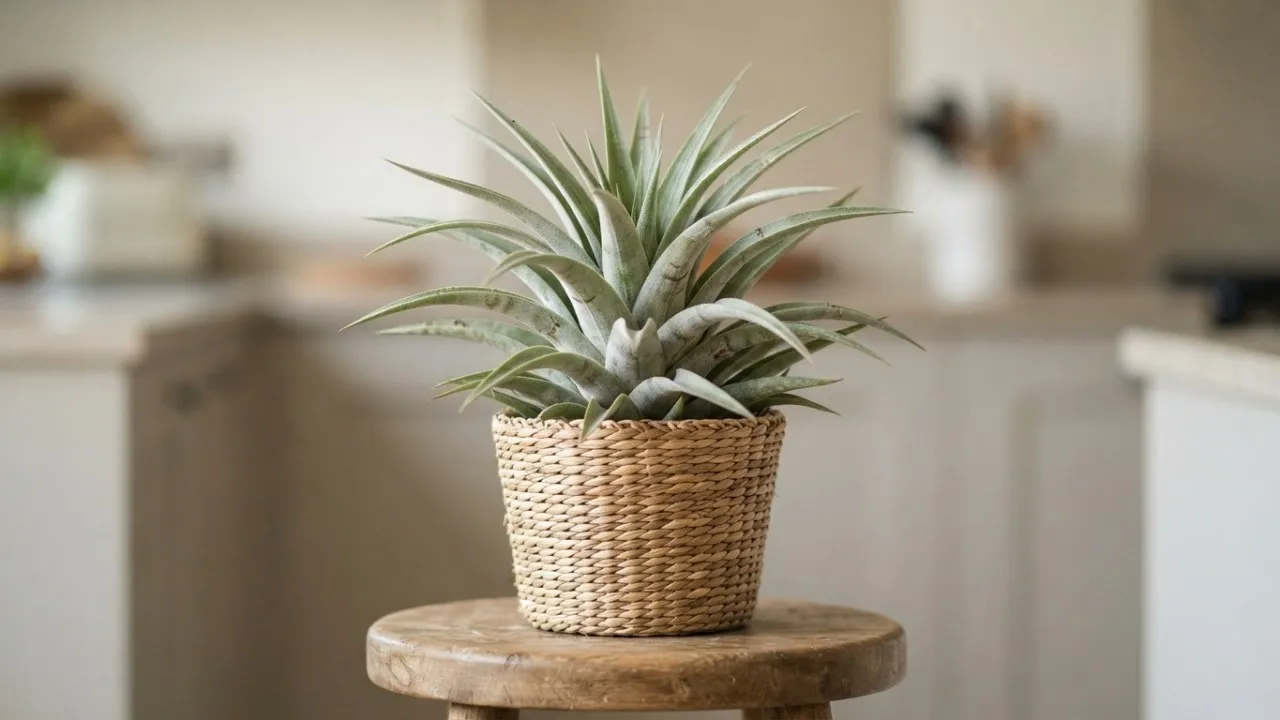 Every 4 days
 Air Plant
Tillandsia ionantha

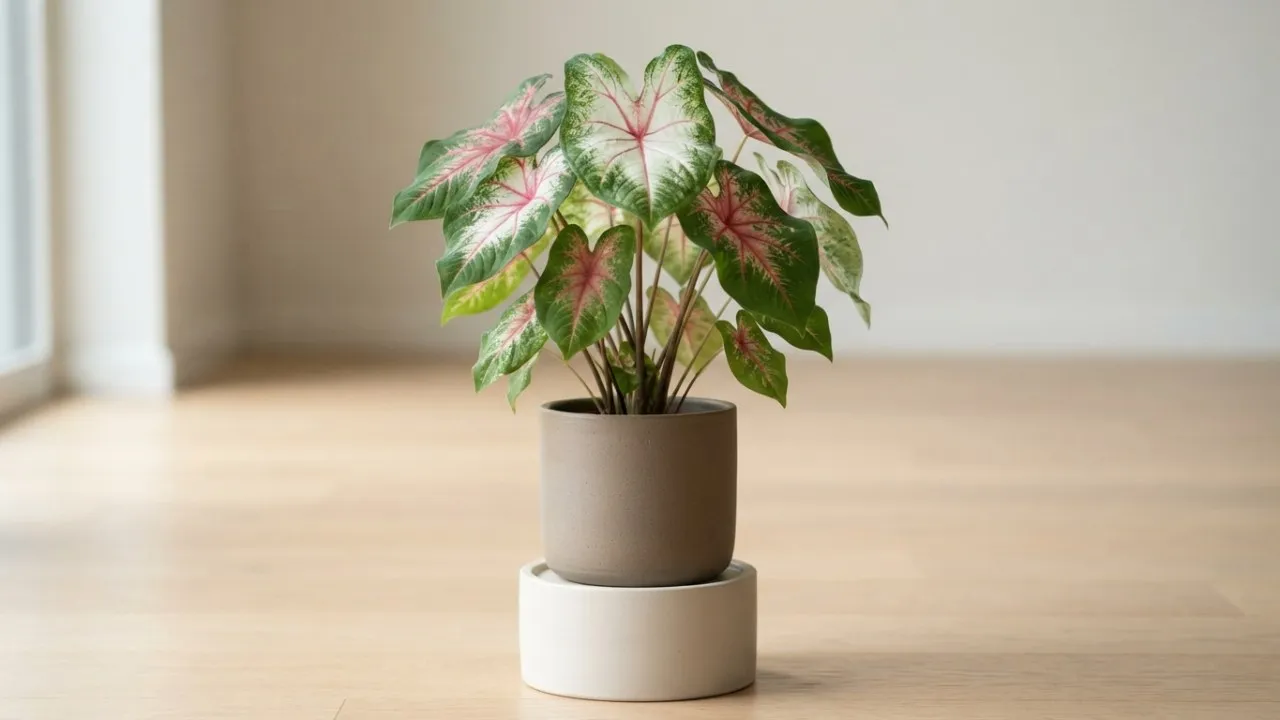 Every 3 days
 Angel Wings
Caladium bicolor
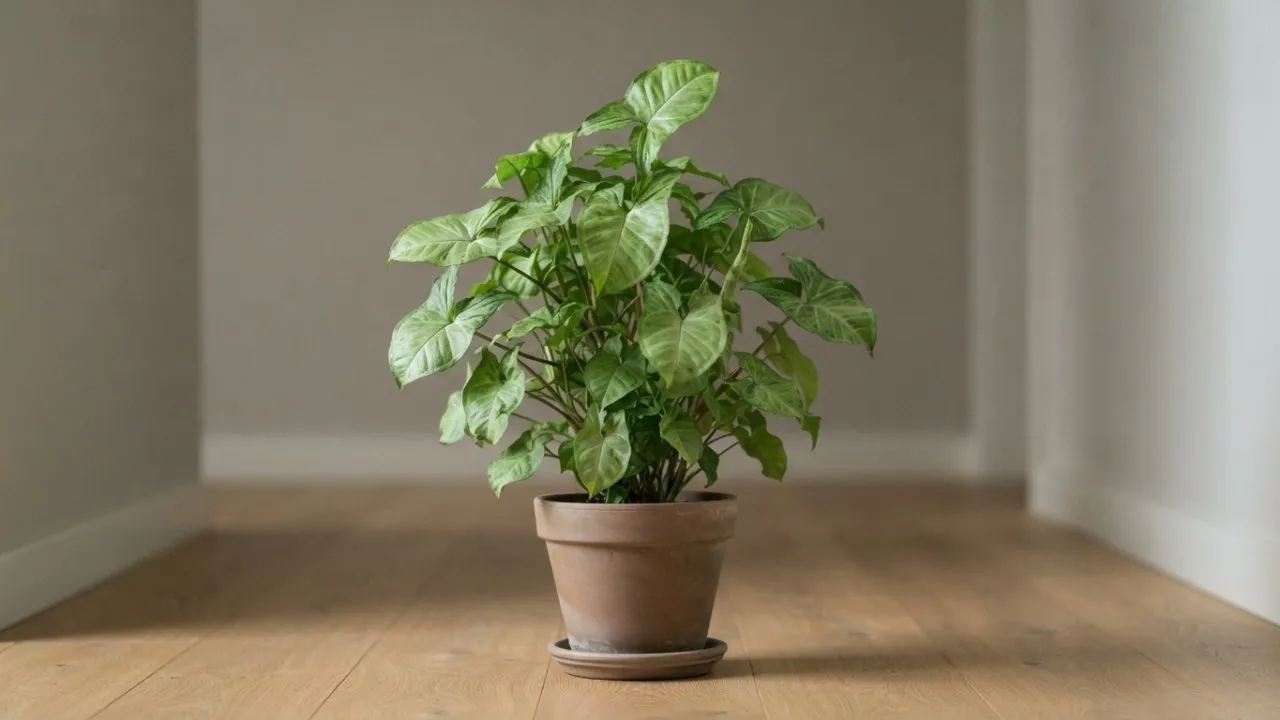 Every 7 days
 Arrowhead Plant
Syngonium podophyllum
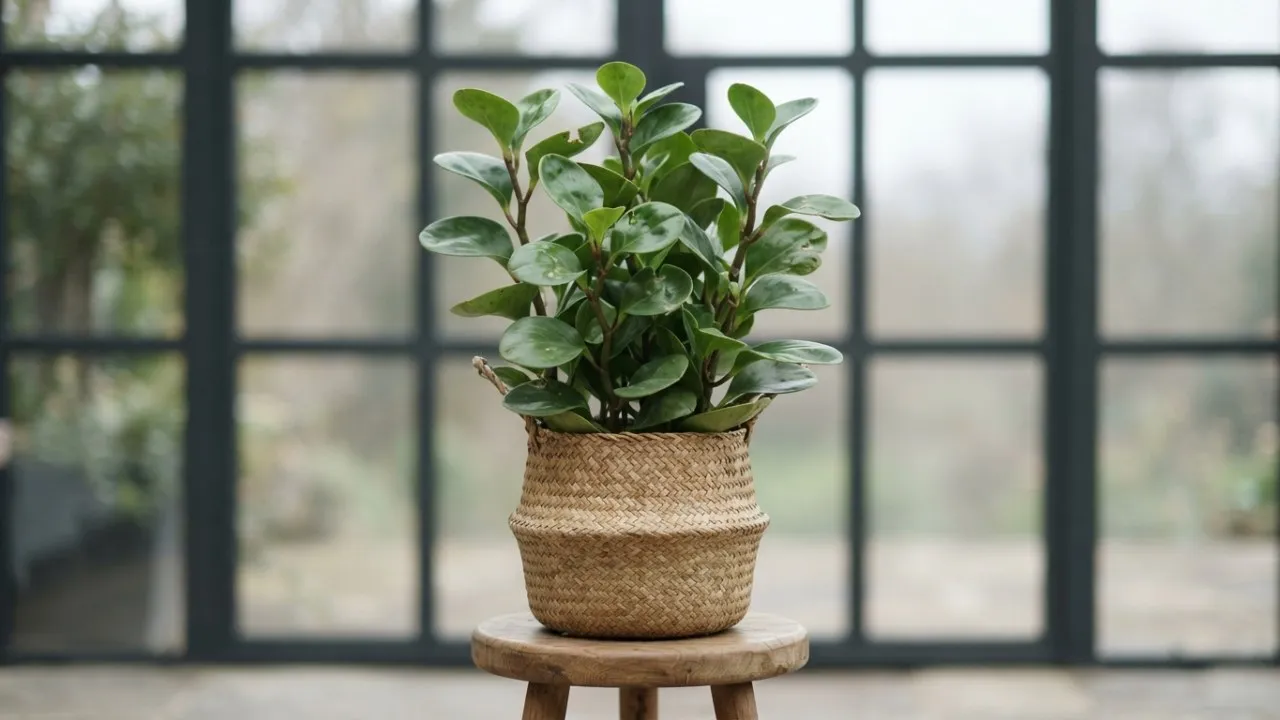 Every 10 days
 Baby Rubber Plant
Peperomia obtusifolia