
Tropical · Urticaceae
Friendship Plant
Pilea involucrata
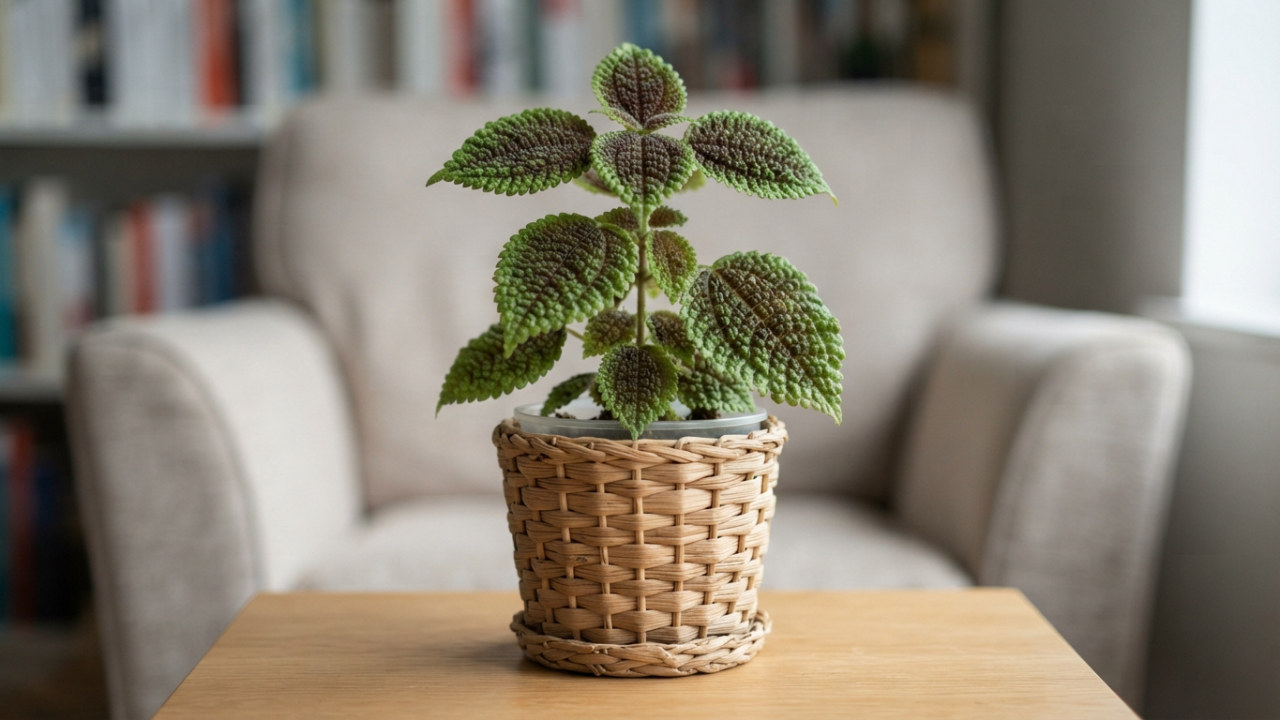
The Pilea involucrata, commonly known as the Friendship Plant, is a charming tropical plant admired for its unique, deeply textured foliage.
- Every 7 daysWatering
- Bright indirect lightLight
- 60–80 %Humidity
- 18–27 °CTemperature


Its varieties 1
How to care for your Friendship Plant
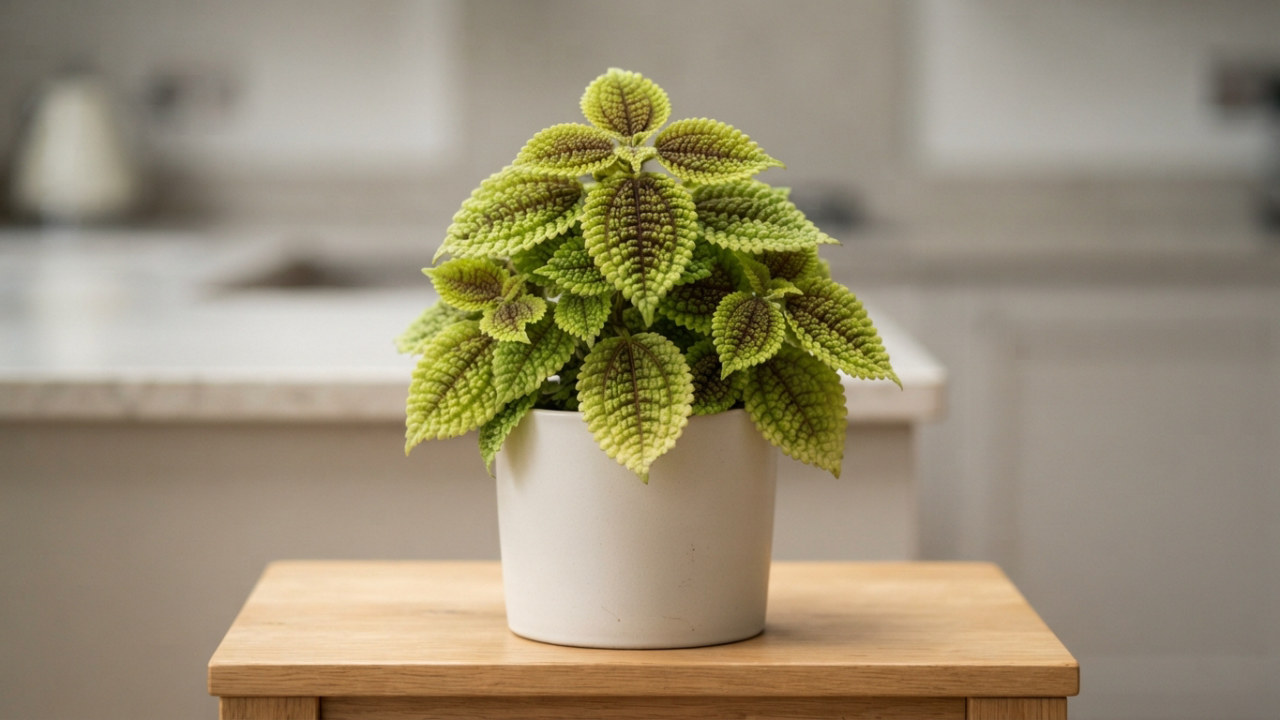
Everything you need to keep your Friendship Plant healthy: watering, light, humidity, feeding, repotting and pruning.
Pilea involucrata, native to the humid rainforests of Central and South America, is a delightful houseplant known for its striking, crinkled leaves. The dark green leaves often have a reddish-brown tint and a distinctive quilted appearance, making it a popular choice for adding texture to indoor plant collections. It's a relatively compact plant, making it suitable for shelves and tabletops. Its ease of propagation also makes it a favorite for sharing with friends, hence its common name.

How to recognise Friendship Plant
A low, spreading plant with oval, quilted leaves 3 to 6 cm long, deeply veined, with toothed edges, bronze-green above and often purplish underneath, on soft green to reddish stems. It resembles Pilea cadierei, whose leaves are smooth with silver patches, and Pilea peperomioides, which has round, smooth, coin-like leaves on long stalks. The puckered, textured leaf with sunken veins is the clearest sign.

Watering your Friendship Plant
Every 7 days
Water thoroughly when the top 2 to 3 cm of soil feel dry, about every 7 days in the growing season and about every 2 weeks in winter. Ensure good drainage to prevent root rot.
How to know it needs water
- Soil dry 2-3 cm deep
- Leaves slightly limp
- Pot feels light

How much light a Friendship Plant needs
Bright indirect light
Bright indirect light; avoid direct afternoon sun which can scorch its delicate leaves.
- Direct sun tolerated
- 0 to 2 h a day
- Orientations that suit it
- North, North-east, East, North-west

Humidity and misting
60–80 %
High (60 to 80 %) Do not mist: water stays on the quilted, hairy leaves and leaves marks or invites rot. Raise humidity with a pebble tray (pot above the water) or a humidifier instead.

Feeding and fertiliser
Every 30 days
Apply monthly from April to September; none in autumn and winter.
- Recommended feed
- Balanced liquid fertilizer (e.g., 10-10-10) · 10-10-10

Repotting your Friendship Plant
Every 12 months
Repot every year in spring into a pot only slightly larger (2 to 3 cm) using a well-draining potting mix. Handle roots gently.
- When
- Spring (March to April)
- Potting mix
- All-purpose potting mix
- Mix in
- perlite, coco fibre
The tell-tale signs
- Roots emerging from drainage holes
- Growth has slowed significantly
- Soil dries out very quickly after watering

Pruning your Friendship Plant
Pinch back leggy stems or remove yellowing leaves at any time to encourage bushier growth. Use clean, sharp scissors to snip just above a leaf node.

Through the year
Watering is not set once and for all: it follows the light and the growth. Allow 13 days between waterings in the depth of winter, against 6 in the growing season.
- 11 J
- 8 F
- 7 M
- 6 A
- 6 M
- 6 J
- 6 J
- 6 A
- 7 S
- 8 O
- 11 N
- 13 D
Active growth · Days between waterings

Good to know
- Its deeply textured leaves resemble a quilted pattern
- Easily propagated from stem cuttings, making it great for sharing
- Native to Central and South America, thriving in humid forest understories

Frequently asked questions about the Friendship Plant
How do you care for a Friendship Plant?
Water it every 7 days. Give it bright indirect light. Ideal humidity: 60–80 %. Ideal temperature: 18–27 °C. Water thoroughly when the top 2 to 3 cm of soil feel dry, about every 7 days in the growing season and about every 2 weeks in winter. Ensure good drainage to prevent root rot.
How often should you water a Friendship Plant?
Every 7 days Water thoroughly when the top 2 to 3 cm of soil feel dry, about every 7 days in the growing season and about every 2 weeks in winter. Ensure good drainage to prevent root rot. How to know it needs water : Soil dry 2-3 cm deep ; Leaves slightly limp ; Pot feels light.
How much light does a Friendship Plant need?
Bright indirect light Bright indirect light; avoid direct afternoon sun which can scorch its delicate leaves. 0 to 2 h a day
Is the Friendship Plant toxic to cats and dogs?
No, the Friendship Plant is not listed as toxic to cats and dogs. That is still no reason to let your pets chew on it.
Why are my Friendship Plant leaves turning yellow?
Yellowing most often comes from too much water: the mix stays wet and the roots suffocate. Check that the pot drains, empty the saucer, and let the mix dry before watering again. Too little light or a cold draught cause the same symptom.
When should you repot a Friendship Plant?
Repot every 12 months, ideally in spring (march to april). Repot every year in spring into a pot only slightly larger (2 to 3 cm) using a well-draining potting mix. Handle roots gently.

At a glance
- Family
- Urticaceae
- Category
- Tropical
- Placement
- Indoor
- Mature height
- 30 cm
- Growth
- Moderate
- Temperature
- 18–27 °C
- Pot materials
- ceramic, plastic
- Growth
- Reaches maturity in 2 years
These figures are for an average plant. In the app they are recalculated for yours, based on your room, its orientation and the season.
And for your plant, in your home?
In the app this plant becomes yours: a watering schedule tuned to your home, health tracking from photos, and reminders at the right moment.
In the same spirit
 Every 7 days


Air Plant
Tillandsia ionantha

 Every 6 days
Alocasia amazonica
Alocasia amazonica
 Every 7 days
Alocasia baginda
Alocasia baginda
 Every 4 days
Angel Wings
Caladium bicolor
