
Variety Tropical · Araceae
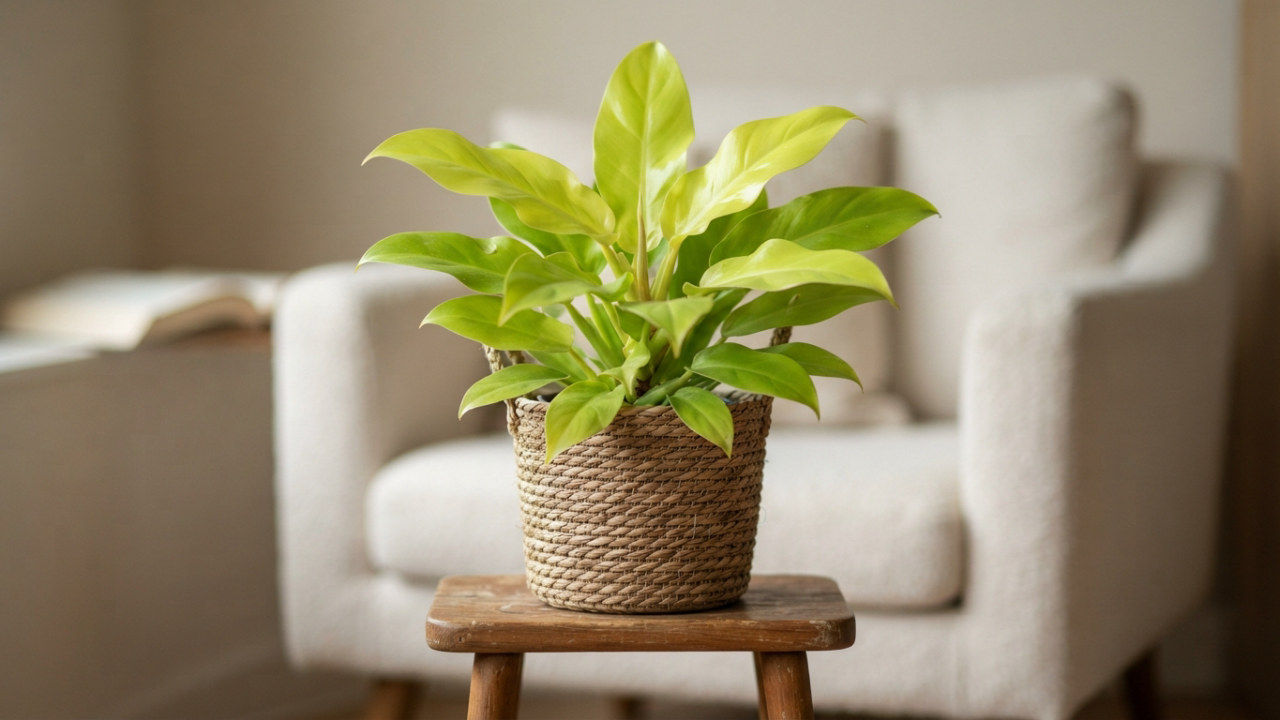
Philodendron 'Moonlight'
Philodendron 'Moonlight' · A variety of Philodendron
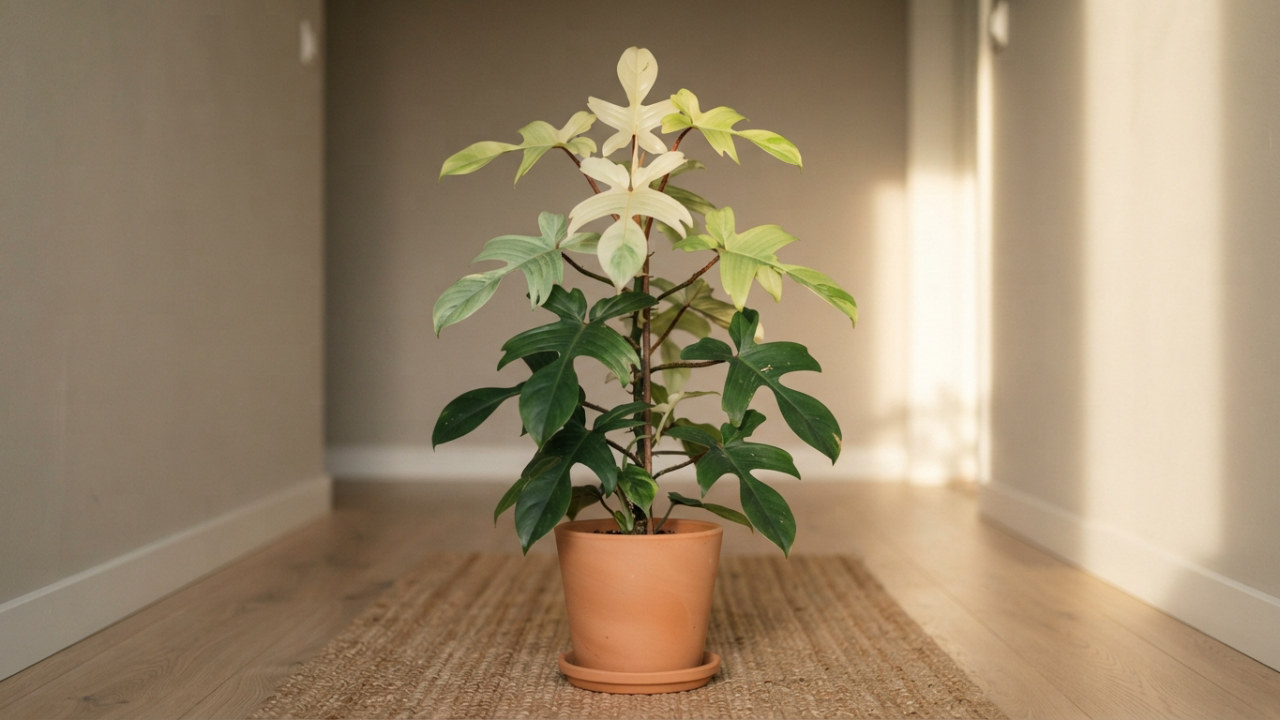
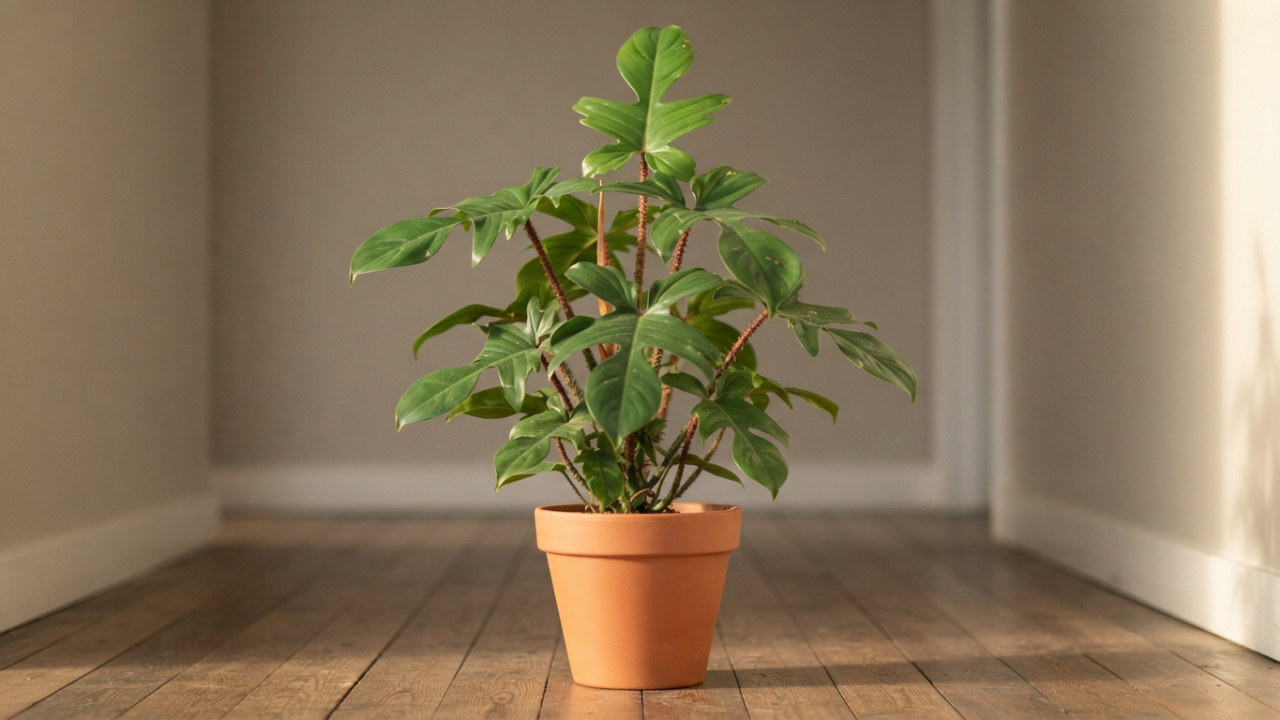
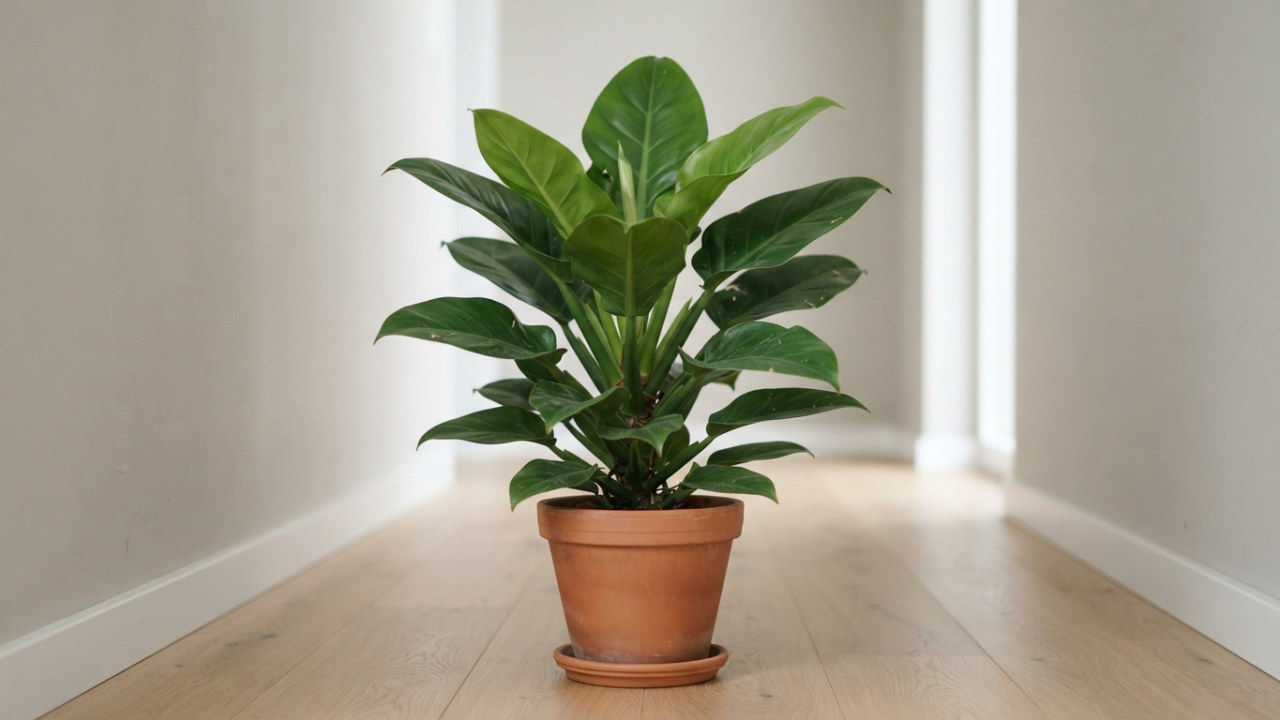
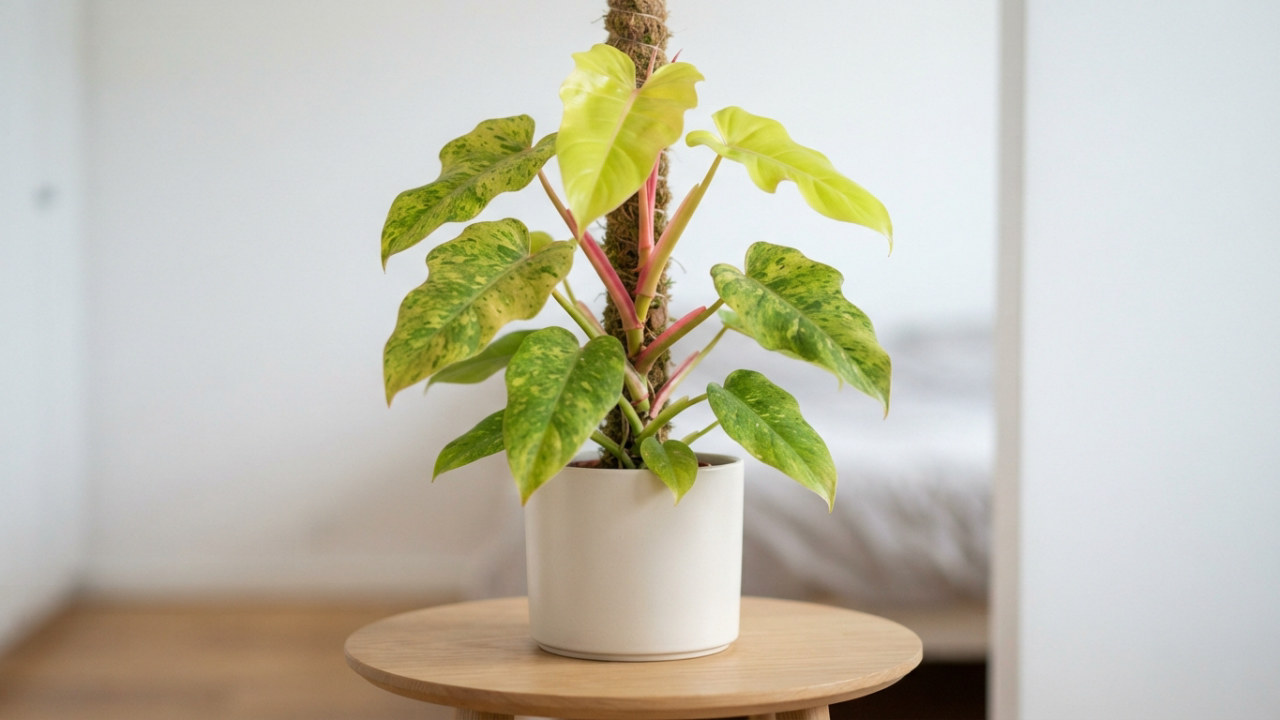
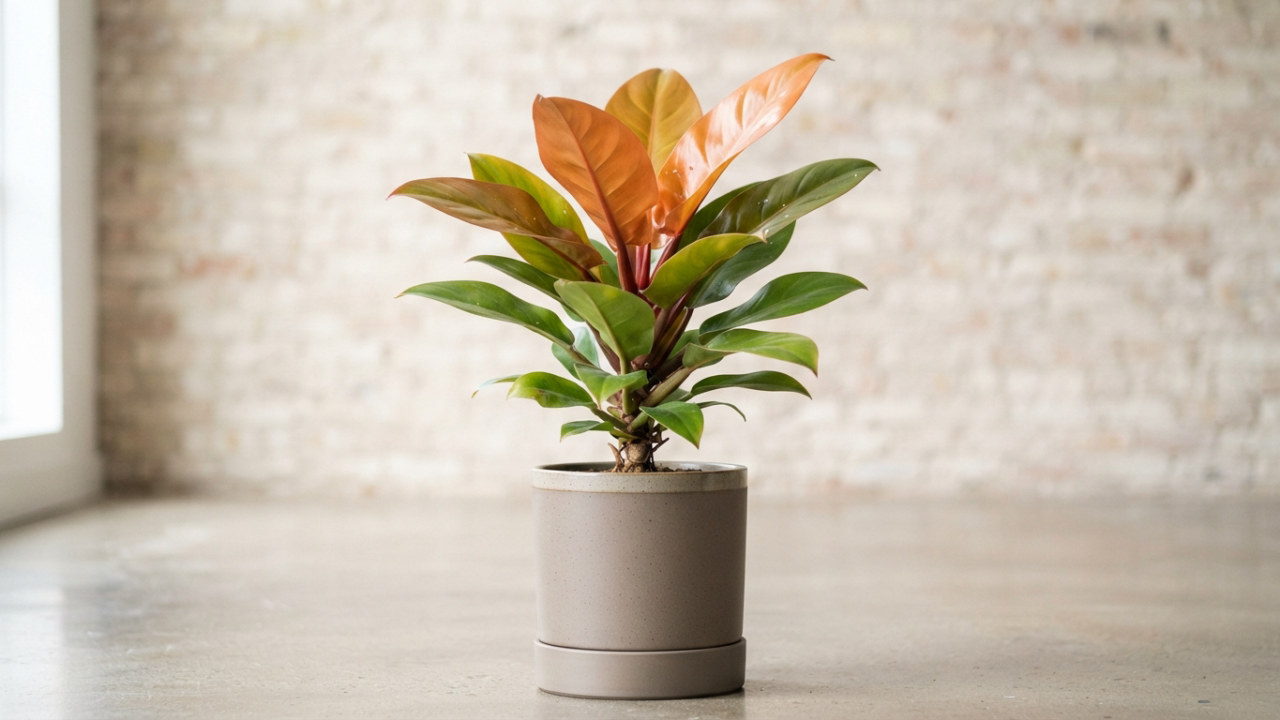
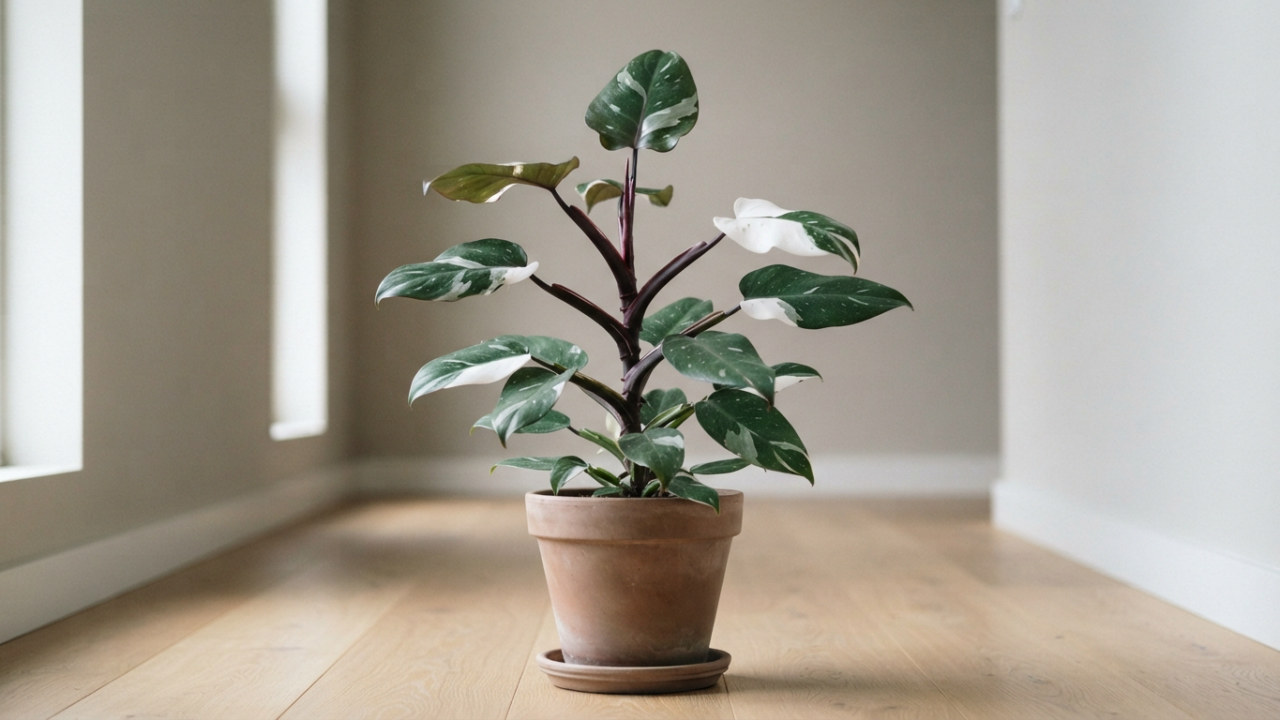
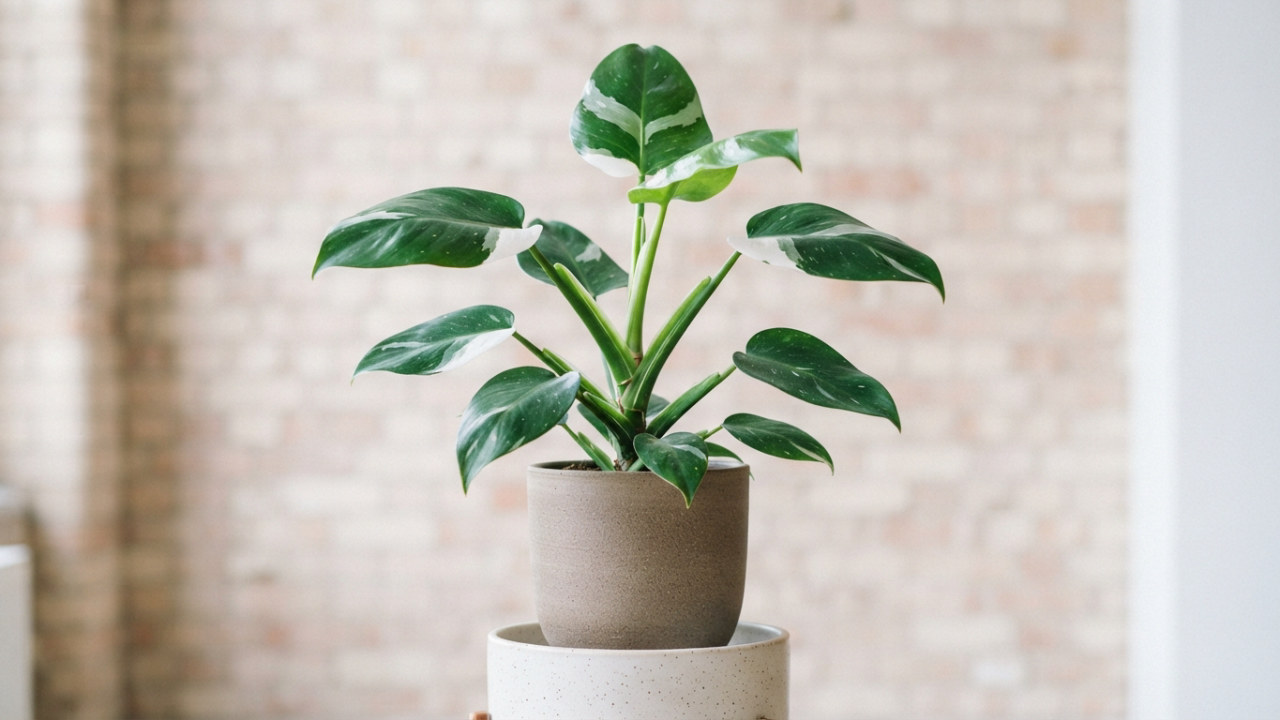
A bushy, non-climbing philodendron whose glossy spear-shaped leaves open neon yellow-green and settle to lime green.
- Every 7 daysWatering
- Bright indirect lightLight
- 50–70 %Humidity
- 18–29 °CTemperature


Other varieties 17
How to care for your Philodendron 'Moonlight'
Everything you need to keep your Philodendron 'Moonlight' healthy: watering, light, humidity, feeding, repotting and pruning.
Philodendron 'Moonlight' is a self-heading hybrid of undocumented parentage, grown for the light color of its foliage. Its broad, elongated, smooth leaves unfurl a vivid chartreuse and mature to a deeper lime green, with no variegation. The plant grows quickly into a compact, bushy form, usually 60 to 120 centimeters tall and wide indoors; a white to pale green spathe is possible on a mature specimen but rare in a pot. A bright spot out of direct sun suits it best.

How to recognise Philodendron 'Moonlight'
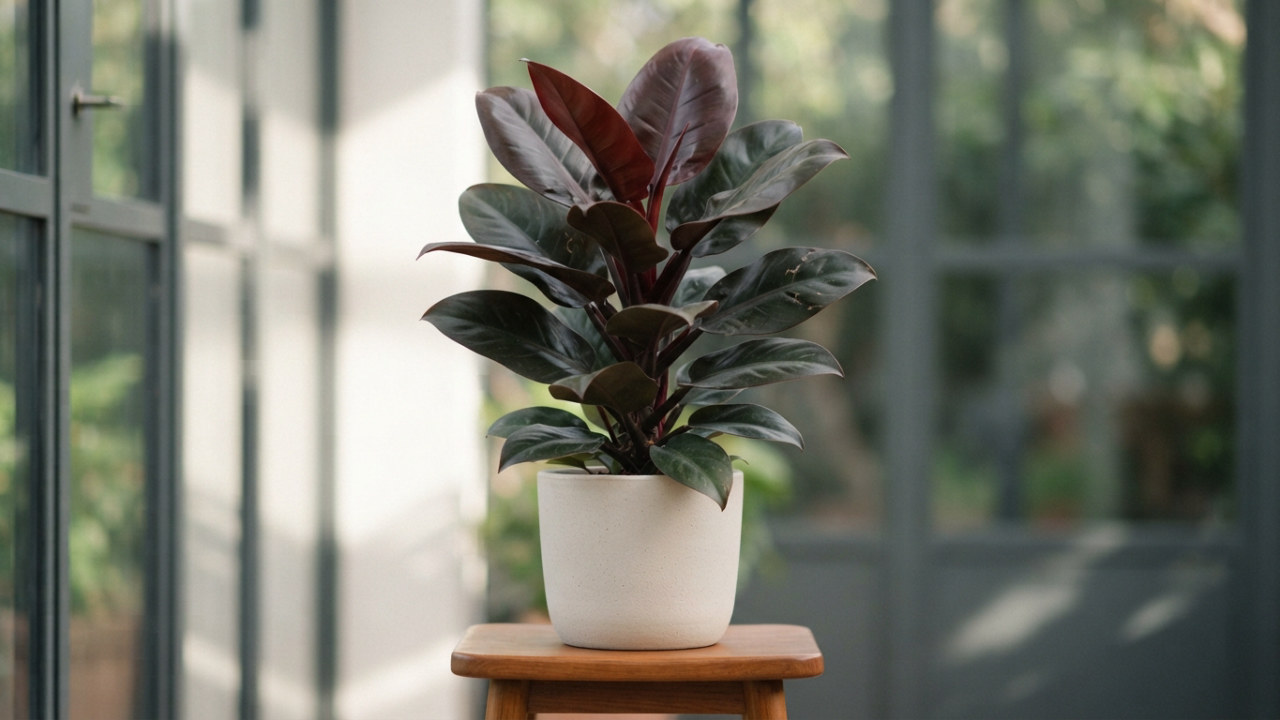
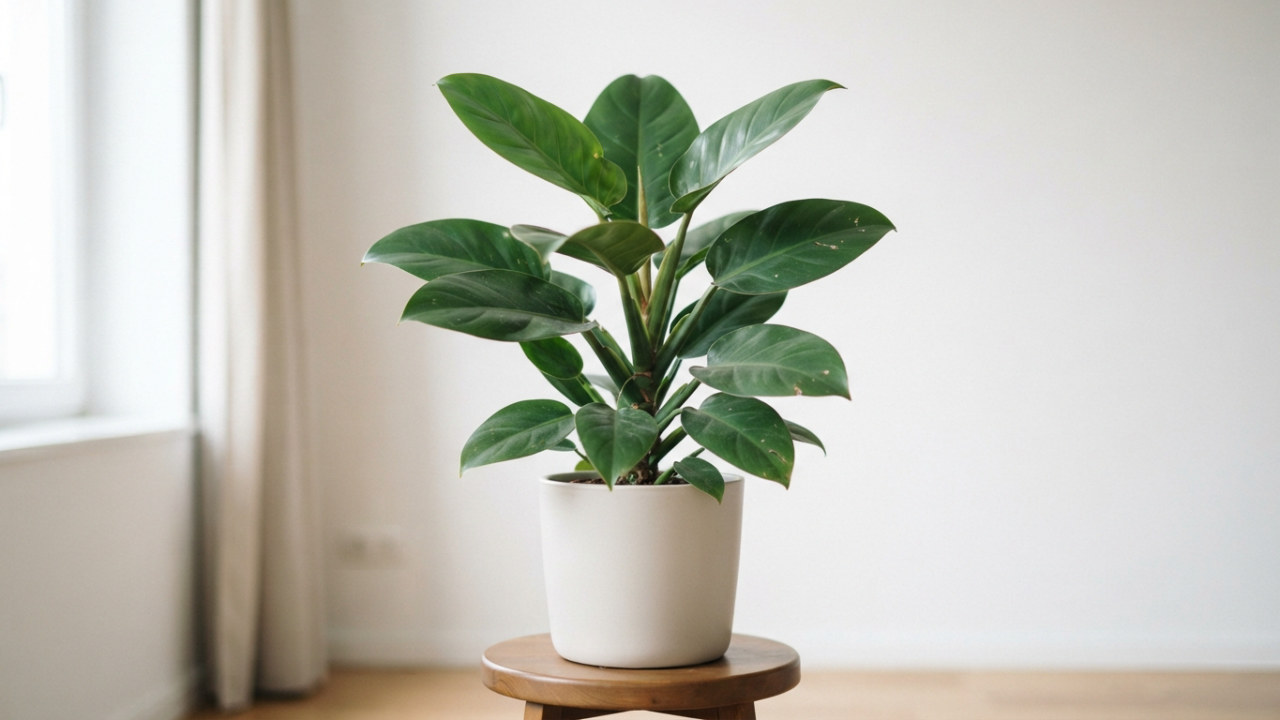
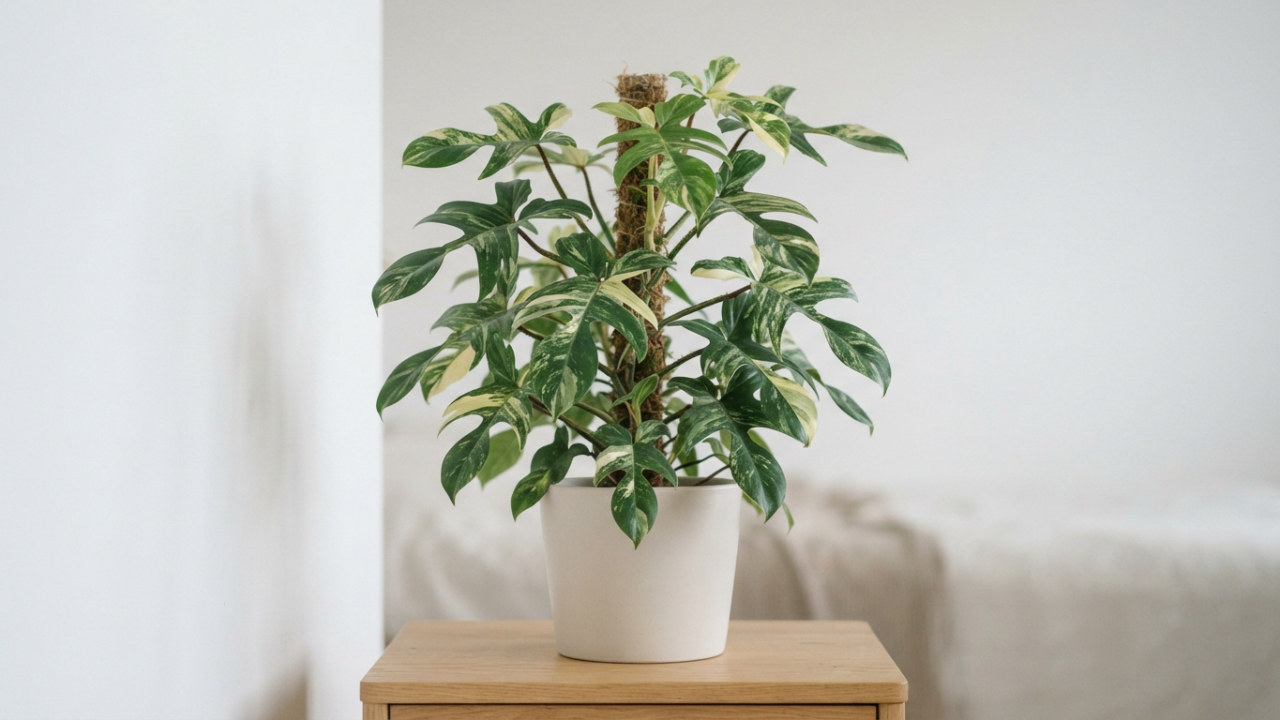
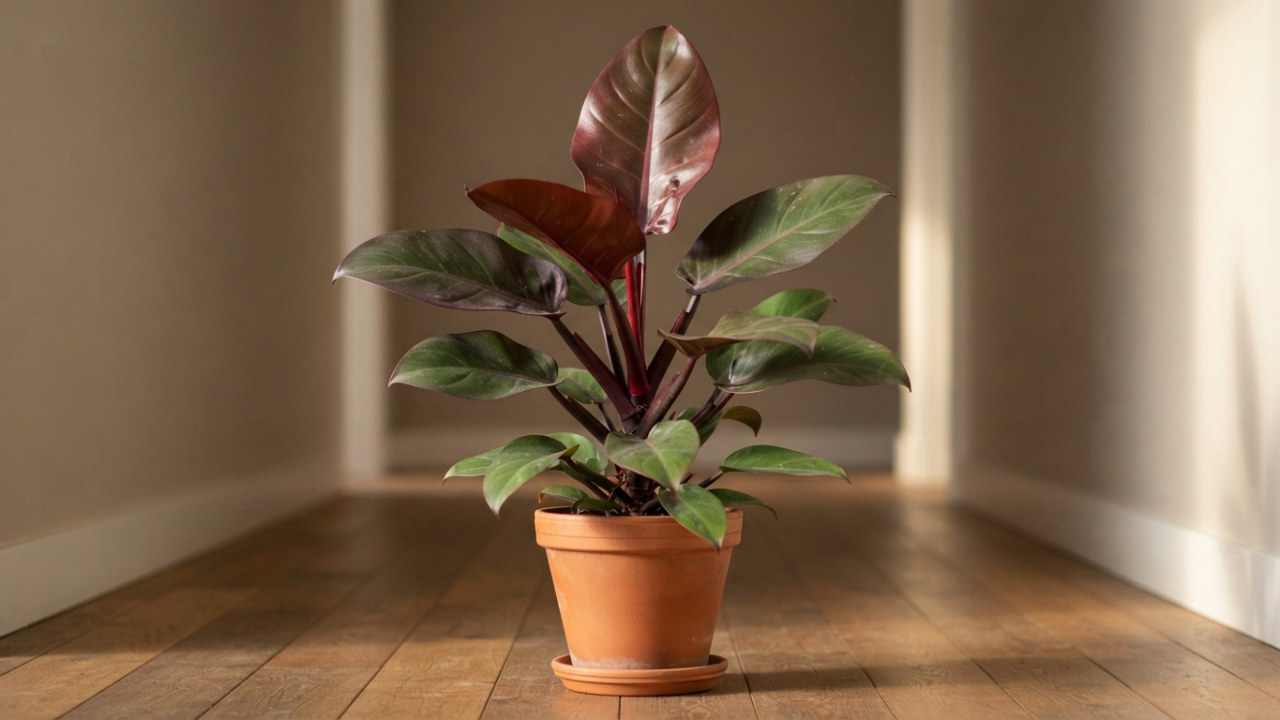
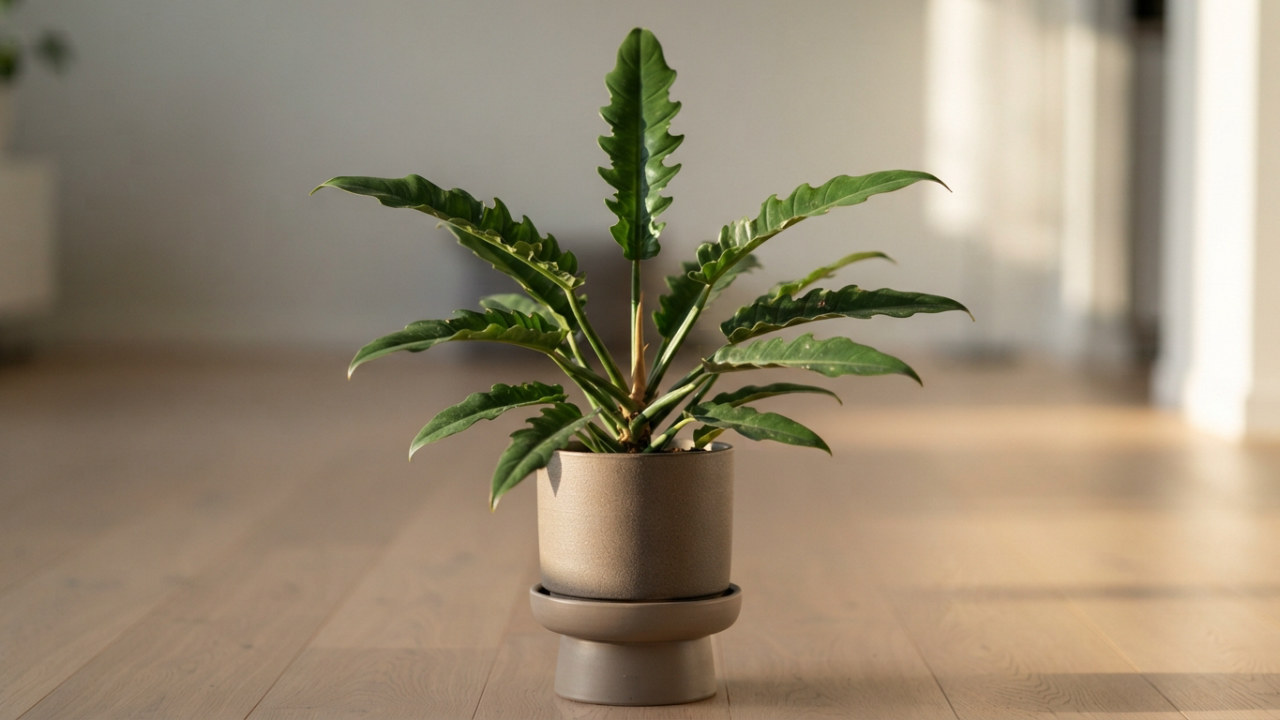
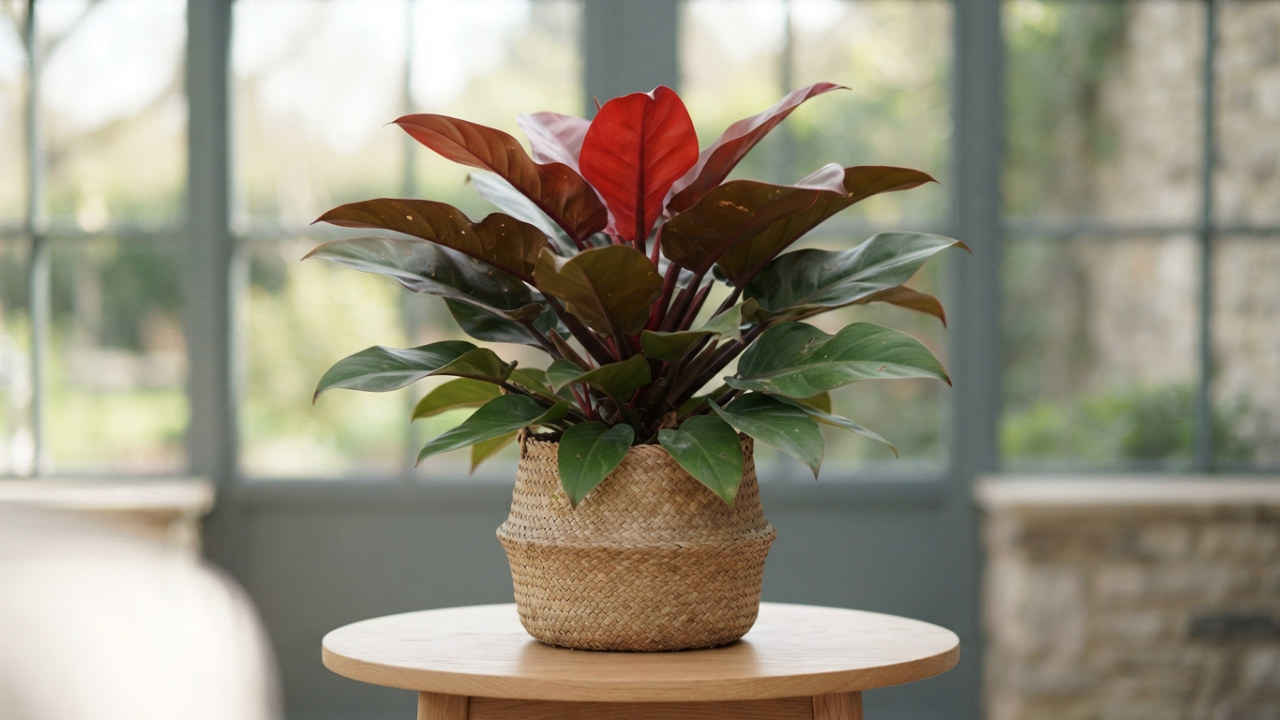
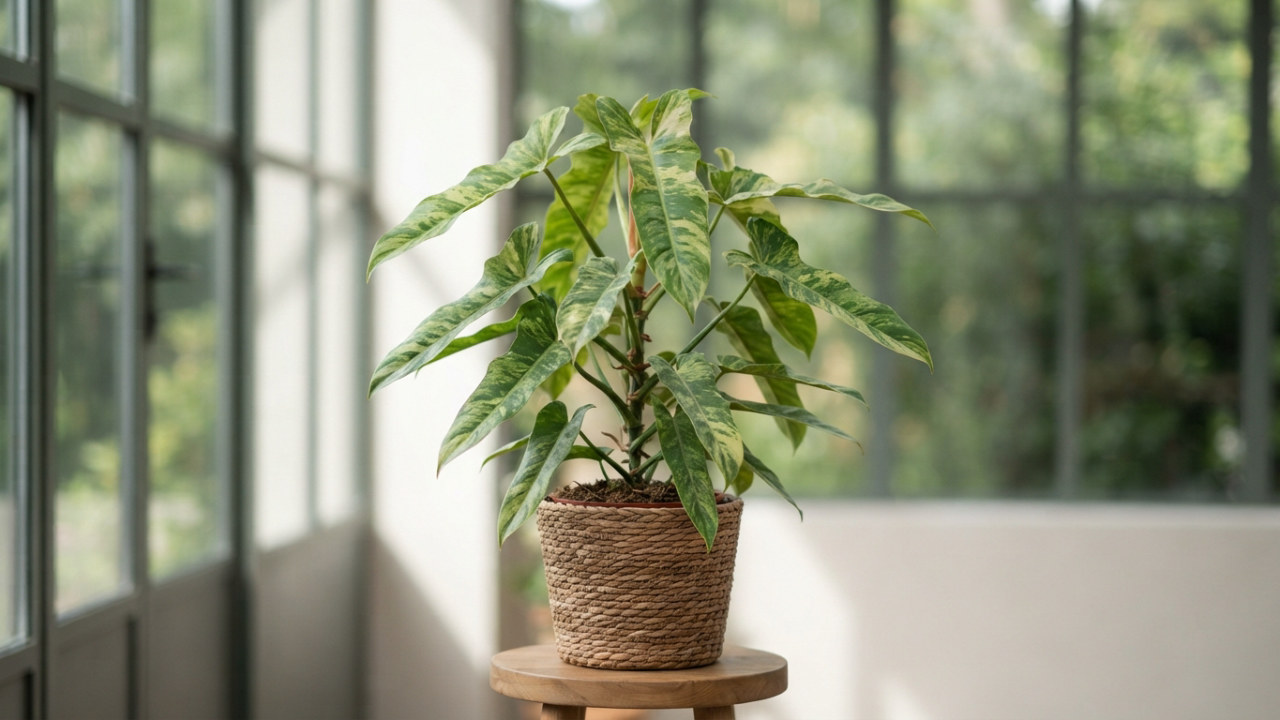
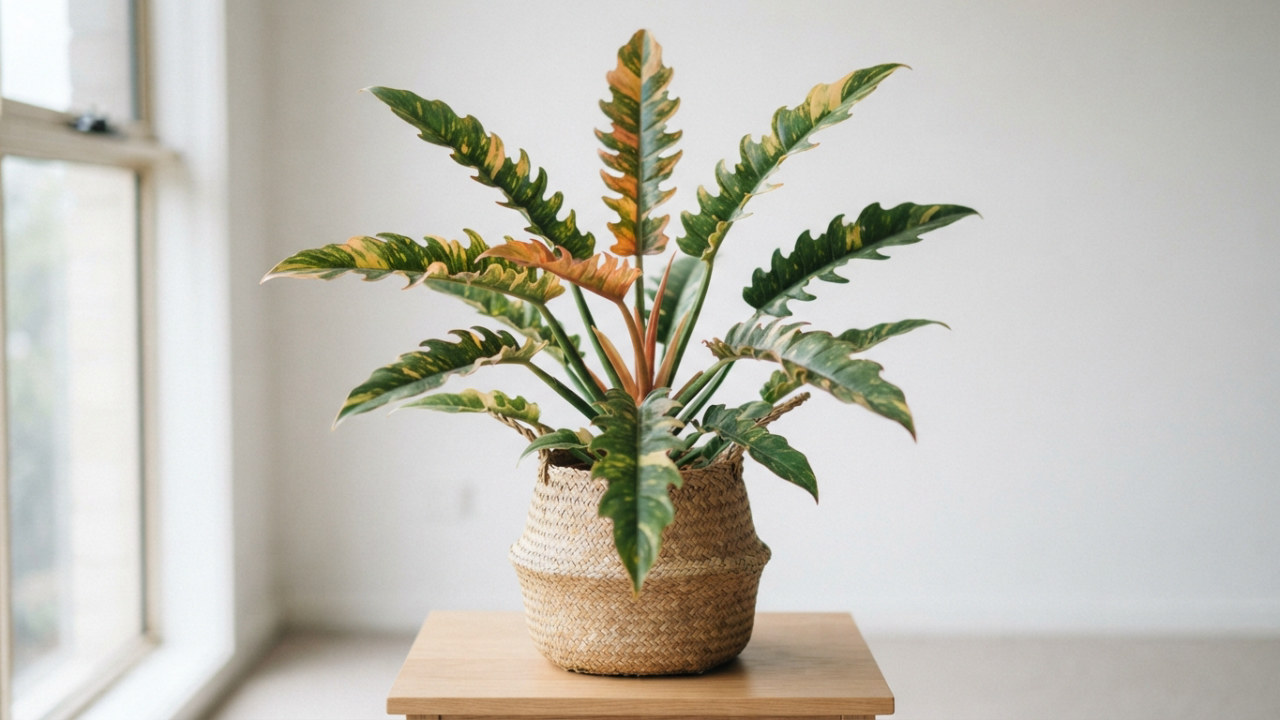
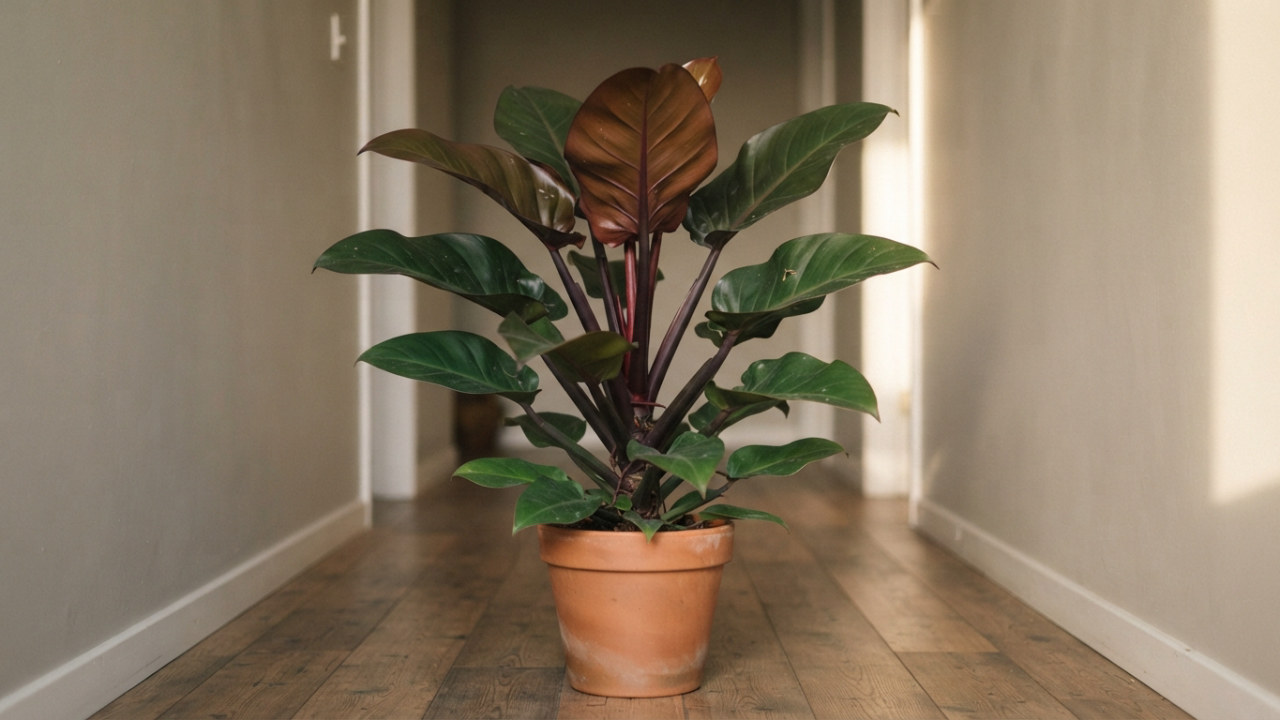
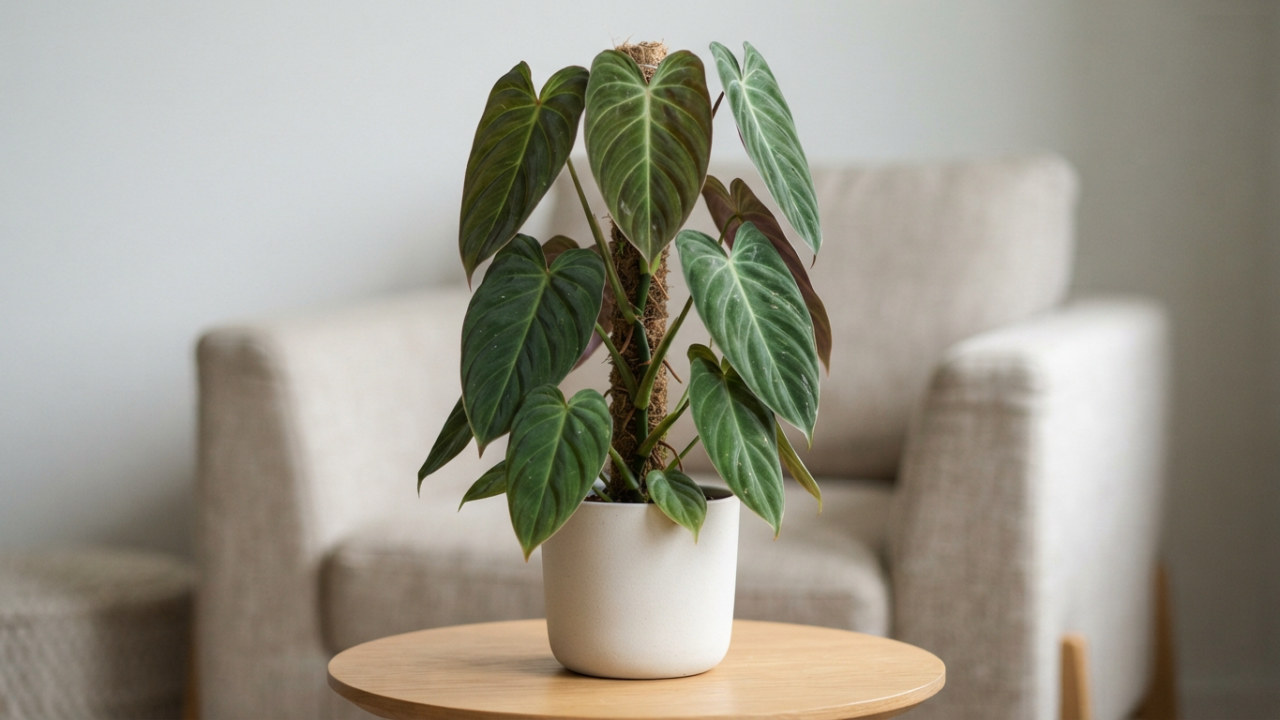
Smooth, glossy, spear-shaped leaves that unfurl neon yellow-green to chartreuse and mature to lime green, far lighter than the deep green of 'Imperial Green' and 'Congo Green' and free of the red tones of 'Imperial Red' and 'Rojo Congo'. Unlike the trailing, heart-shaped 'Lemon Lime' and the climbing, mottled 'Painted Lady', it is a compact, bushy plant that does not climb.

Watering your Philodendron 'Moonlight'
Every 7 days
Water deeply once the top few centimeters of the mix have dried, let the surplus drain off, and keep the mix barely moist, never wet.
How to know it needs water
- The top few centimeters of the mix are dry and the surface starts to pull away from the pot
- The pot lifts almost without effort, much more easily than on the day after a watering

How much light a Philodendron 'Moonlight' needs
Bright indirect light
Bright, indirect light, such as an east or northeast window or a spot set back from a south-facing one, keeps the leaves luminous, while direct sun scorches the pale blades and dim light turns the new growth a duller, darker green.
- Direct sun tolerated
- No direct sun
- Orientations that suit it
- North, North-east, East, North-west

Humidity and misting
50–70 %
Average to moderately humid air, around 50 to 70%, suits it, and very dry air browns the tips of the leaves. Misting adds no lasting humidity and is not needed, so rely instead on a humidifier or on grouping plants if the air is dry.

Feeding and fertiliser
Every 28 days
Give it about every four weeks from April to September and stop for the winter, when the plant grows little.
- Recommended feed
- A liquid fertilizer for foliage plants, at half the dose indicated on the label. · 2-1-2

Repotting your Philodendron 'Moonlight'
Every 24 months
Pot it up one size, in a free-draining mix of potting soil, perlite, coco fiber and pine bark, loosening the outer roots gently and setting it at the same depth as before.
- When
- Spring, between March and May.
- Potting mix
- All-purpose potting mix
- Mix in
- perlite, coco fibre, pine bark
The tell-tale signs
- Roots wind around the root ball or peek out of the drainage holes
- Watering no longer soaks the mix: the water runs straight down the sides of the root ball

Pruning your Philodendron 'Moonlight'
Remove old, yellowed or damaged leaves whenever they appear, since no regular pruning is needed. Cut each spent leaf off at the base of its stalk with clean shears.

Through the year
Watering is not set once and for all: it follows the light and the growth. Allow 9 days between waterings in the depth of winter, against 6 in the growing season.
- 8 J
- 8 F
- 6 M
- 6 A
- 6 M
- 6 J
- 6 J
- 6 A
- 6 S
- 7 O
- 8 N
- 9 D
Active growth · Days between waterings

Toxicity
Calcium oxalate crystals are present throughout the plant and sting the mouth and throat when a piece is chewed, which can lead to drooling and vomiting in people, cats and dogs, so place it beyond their reach.

Good to know
- A mature plant can produce a white to pale green spathe, but flowers are rarely seen on plants grown indoors.
- Its new leaves open neon yellow-green and deepen to lime green as they mature, so one plant often shows several greens at once.

Frequently asked questions about the Philodendron 'Moonlight'
How do you care for a Philodendron 'Moonlight'?
Water it every 7 days. Give it bright indirect light. Ideal humidity: 50–70 %. Ideal temperature: 18–29 °C. Water deeply once the top few centimeters of the mix have dried, let the surplus drain off, and keep the mix barely moist, never wet.
How often should you water a Philodendron 'Moonlight'?
Every 7 days Water deeply once the top few centimeters of the mix have dried, let the surplus drain off, and keep the mix barely moist, never wet. How to know it needs water : The top few centimeters of the mix are dry and the surface starts to pull away from the pot ; The pot lifts almost without effort, much more easily than on the day after a watering.
How much light does a Philodendron 'Moonlight' need?
Bright indirect light Bright, indirect light, such as an east or northeast window or a spot set back from a south-facing one, keeps the leaves luminous, while direct sun scorches the pale blades and dim light turns the new growth a duller, darker green. No direct sun
Is the Philodendron 'Moonlight' toxic to cats and dogs?
Yes. Calcium oxalate crystals are present throughout the plant and sting the mouth and throat when a piece is chewed, which can lead to drooling and vomiting in people, cats and dogs, so place it beyond their reach. Keep it out of reach of your pets and call a vet if any is swallowed.
Why are my Philodendron 'Moonlight' leaves turning yellow?
Yellowing most often comes from too much water: the mix stays wet and the roots suffocate. Check that the pot drains, empty the saucer, and let the mix dry before watering again. Too little light or a cold draught cause the same symptom.
When should you repot a Philodendron 'Moonlight'?
Repot every 24 months, ideally in spring, between march and may.. Pot it up one size, in a free-draining mix of potting soil, perlite, coco fiber and pine bark, loosening the outer roots gently and setting it at the same depth as before.

At a glance
- Family
- Araceae
- Category
- Tropical
- Placement
- Indoor
- Mature height
- 1.2 m
- Growth
- Fast
- Temperature
- 18–29 °C
- Pot materials
- terracotta, ceramic, plastic
- Growth
- Reaches maturity in 4 years
These figures are for an average plant. In the app they are recalculated for yours, based on your room, its orientation and the season.
And for your plant, in your home?
In the app this plant becomes yours: a watering schedule tuned to your home, health tracking from photos, and reminders at the right moment.
In the same spirit
 Every 7 days


Air Plant
Tillandsia ionantha

 Every 6 days
Alocasia amazonica
Alocasia amazonica
 Every 7 days
Alocasia baginda
Alocasia baginda
 Every 4 days
Angel Wings
Caladium bicolor
